Mom's Best Recipes
Recipe

Vanilla Bean Paste (Homemade + How to Use It)

Big vanilla flavor, real vanilla specks, and an easy homemade paste you can stir into anything from cookies to whipped cream. This version is a spoonable, syrup-style paste that you can reduce thicker if you want it closer to store-bought.

Author By Matt Campbell
4.8
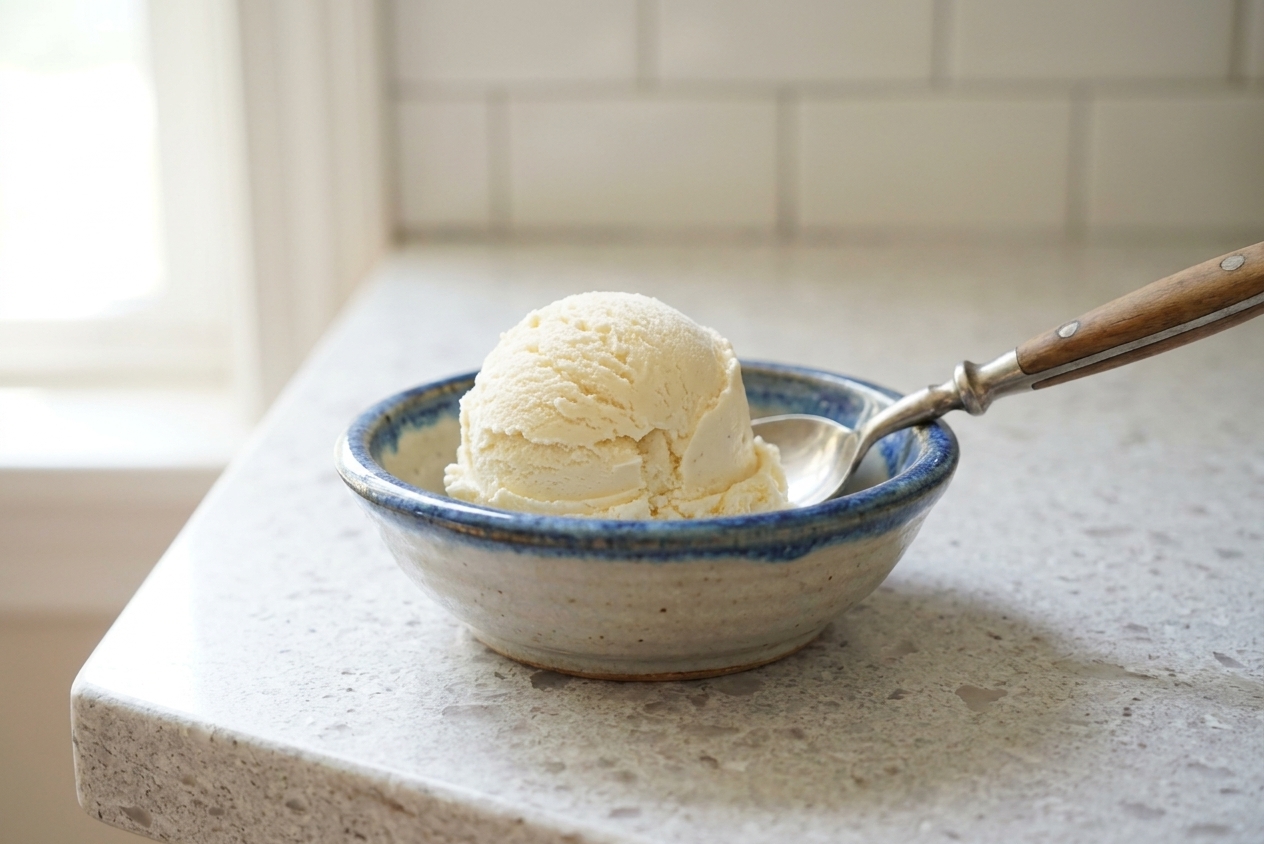
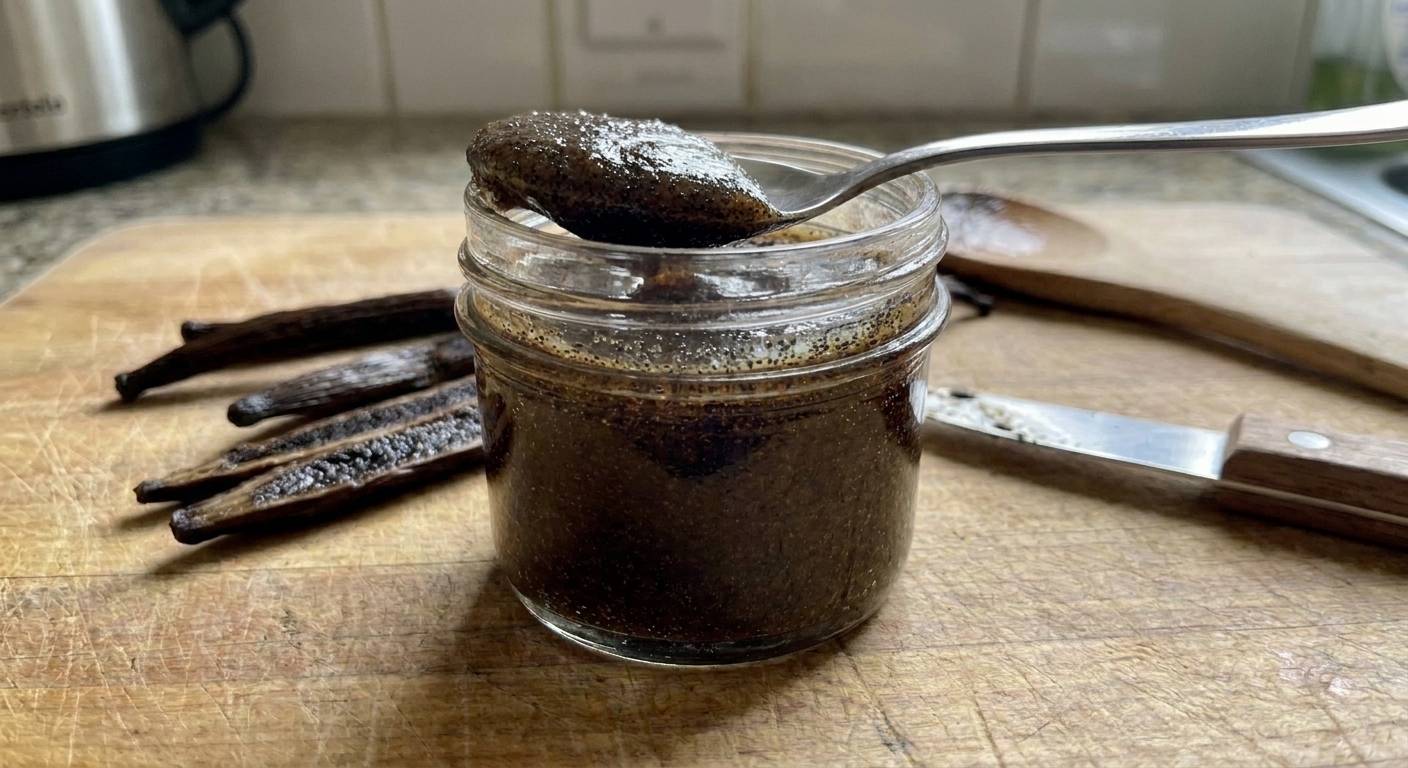
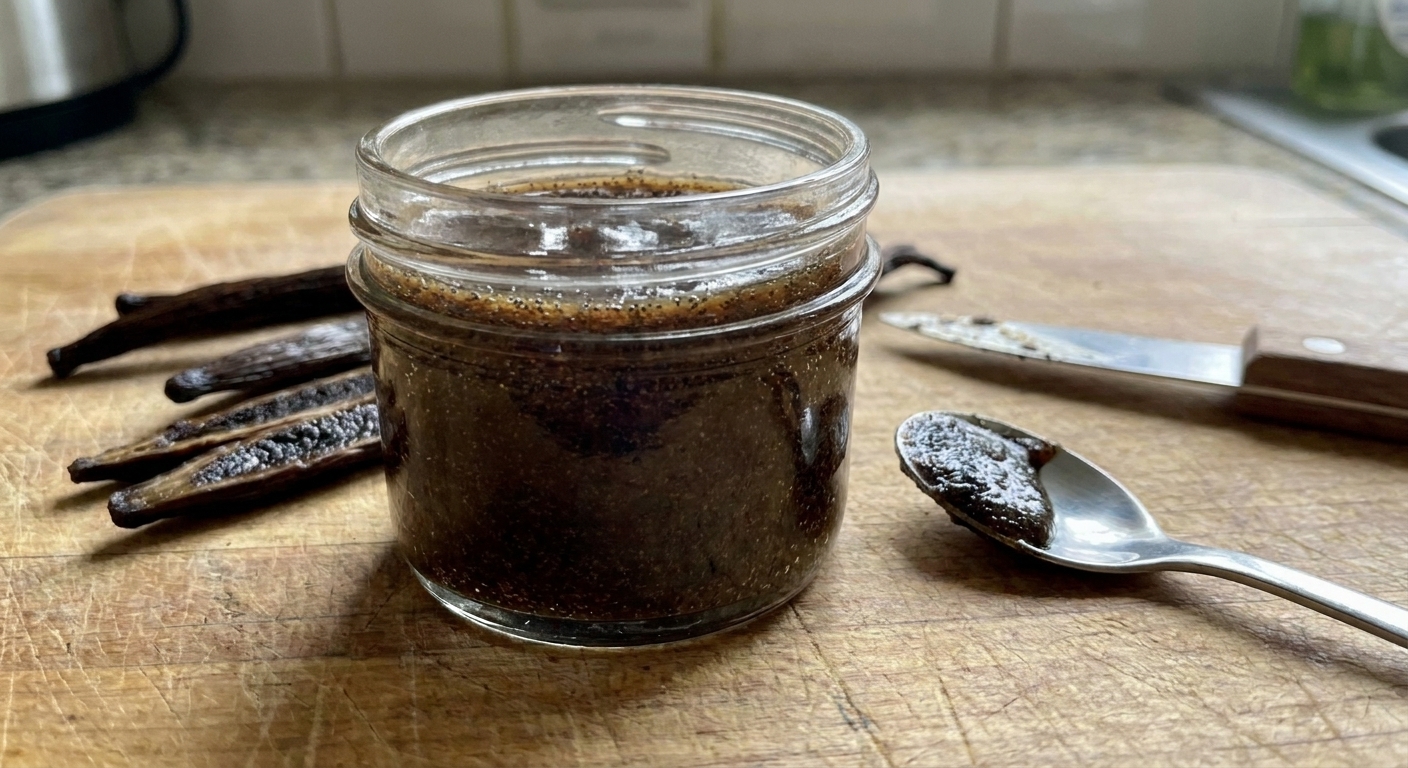
A small glass jar of homemade vanilla bean paste with visible vanilla bean specks on a light kitchen counter, with a spoon resting beside it

Vanilla bean paste is one of those “tiny spoonful, huge payoff” pantry items. You get the warm, round vanilla flavor you expect, plus those gorgeous little vanilla flecks that make anything feel bakery-level, even if you made it in sweatpants and the sink is full of dishes.

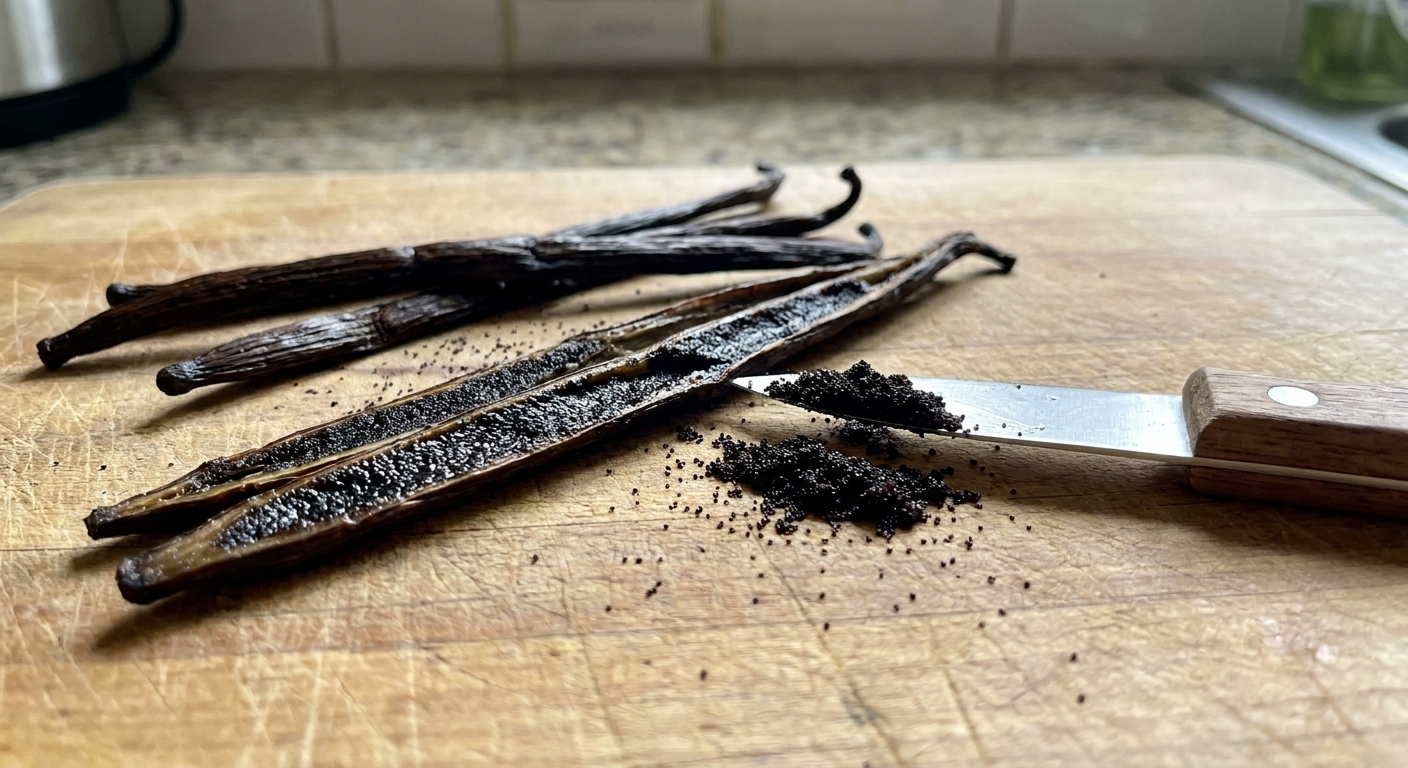
If you have ever stood in the baking aisle thinking, “Do I really need another vanilla thing,” this is the one that actually earns its spot. It is easy to use, easy to measure, and way less fussy than scraping whole beans every time you bake. You do a little bean-scraping once up front, and then future-you gets to coast.

Below you will find a simple homemade vanilla bean paste recipe, plus how to use it, how to swap it for extract or whole beans, and a few keep-it-moving tips for when your paste is too thick, too thin, or just being dramatic.

Small bowls on a kitchen counter holding vanilla beans, sugar, and water with a measuring spoon nearby

Why It Works

  • Real vanilla flavor without the daily fuss: You do the bean work once, then get deep vanilla notes by the spoonful.
  • Pretty vanilla specks: Real seeds give your custards, frostings, and whipped cream that classic speckled look.
  • Easy measuring: Use it like extract, typically 1:1, which keeps weeknight baking low drama.
  • Texture you can control: Keep it spoonable like a thick syrup, or reduce longer for a more paste-like consistency.

Pairs Well With

Storage Tips

Refrigerator (recommended): Store in a clean, tight-lidded jar for up to 1 month for best quality. It will thicken when cold. Let it sit out for 10 to 15 minutes before measuring, or warm the closed jar in a mug of warm water for a few minutes.

Freezer: Freeze up to 3 months. The texture can get extra stiff. Thaw overnight in the fridge and stir well.

Room temperature: Because this is a homemade, water-based syrup, room temperature storage is more variable. If you choose to store it in a cool, dark cabinet, keep it to 1 to 2 weeks and use clean utensils every time.

When in doubt, refrigerate: It is the easiest way to keep things low drama and low risk.

Important safety note: If you see mold, notice bubbling or fizzing, or it smells yeasty or “off,” discard it.

Best practice: A sterilized jar helps (run it through the dishwasher hot cycle, or pour boiling water over it and let it dry fully).

Quick fix if it thickens too much: Stir in 1 to 2 teaspoons warm water at a time until it loosens back up. If you used vodka, you can use a small splash for the same effect, but it is mainly for texture, not preservation.

Common Questions

What is vanilla bean paste?

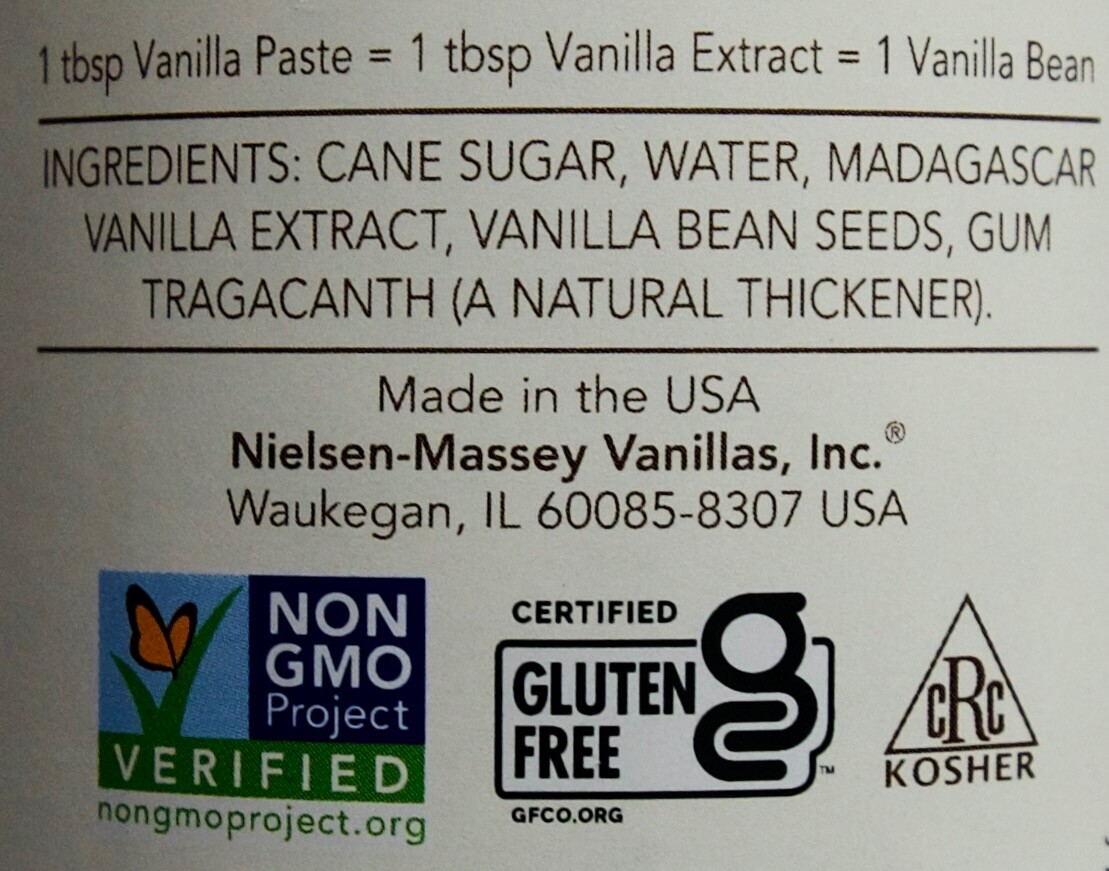
Vanilla bean paste is a thick, spoonable vanilla product made with vanilla extract (or vanilla concentrate), sweetener, and real vanilla bean seeds. Think of it as the best parts of vanilla extract and a vanilla bean combined: strong flavor plus visible specks.

Is vanilla bean paste the same as vanilla extract?

Not exactly. Vanilla extract is a liquid flavored by vanilla beans, usually in alcohol. Vanilla bean paste is thicker, often sweeter, and includes vanilla seeds for that classic speckled look. Flavor-wise, they can be very close depending on the brand or recipe.

Is this homemade version is the same thickness as store-bought paste?

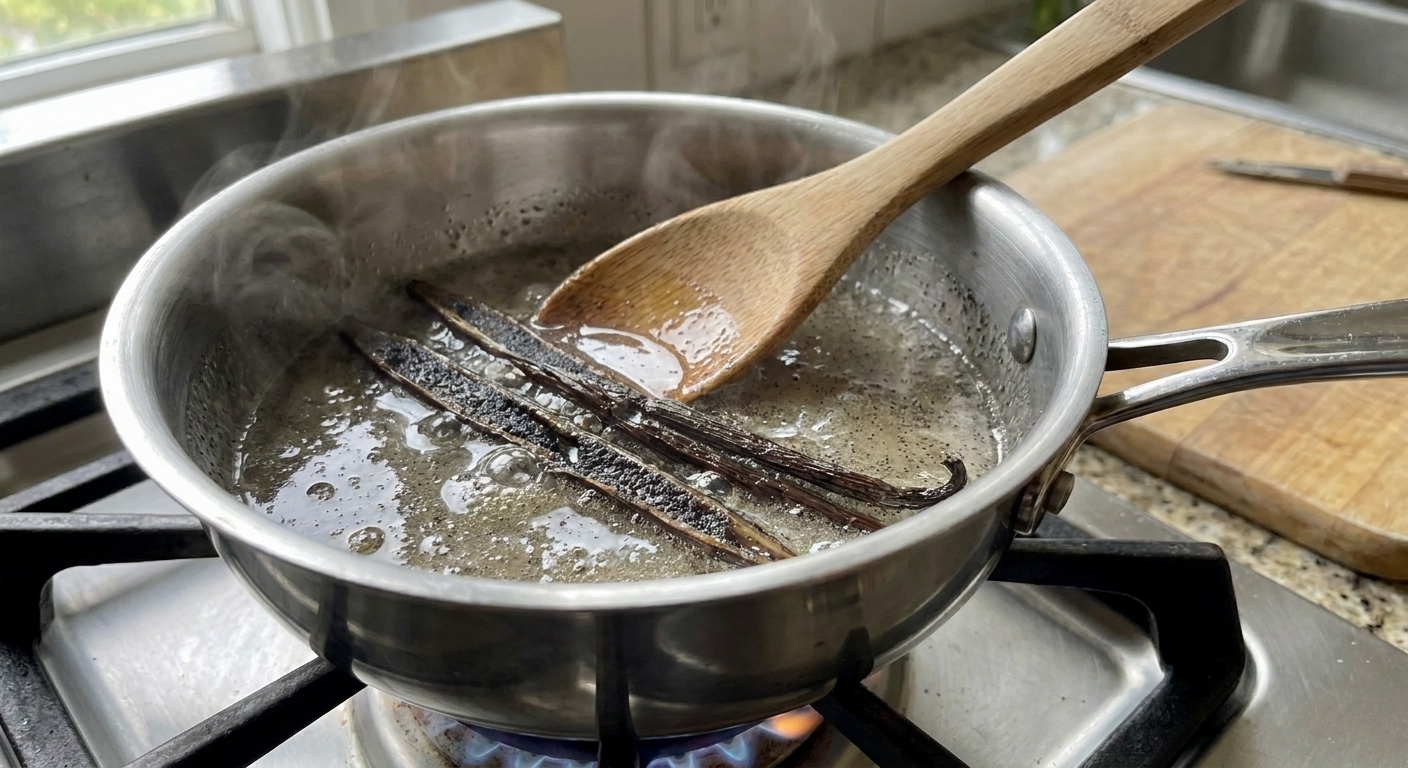
This homemade version is typically a syrup-style paste: spoonable, glossy, and speckled, but not as gel-thick as many store-bought pastes (which often use gums or pectin). If you want it thicker, simmer it longer to reduce, or use the optional corn syrup for a slightly more viscous feel.

How do I substitute vanilla bean paste for vanilla extract?

Most of the time it is an easy 1:1 swap. If a recipe calls for 1 teaspoon vanilla extract, use 1 teaspoon vanilla bean paste. If you are working with a super delicate dessert, start with slightly less and taste as you go.

How much vanilla bean paste equals one vanilla bean?

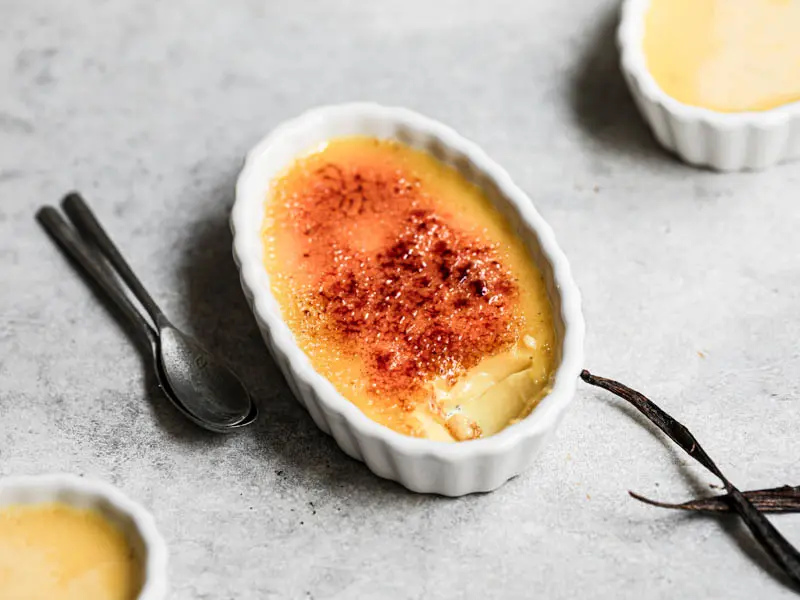
A common starting point is about 1 tablespoon paste per 1 whole vanilla bean, but it can vary a lot. Homemade paste strength depends on bean size, freshness, and steep time. For very vanilla-forward desserts (like crème brûlée), start with 2 teaspoons, taste the base, and adjust.

Does vanilla bean paste have alcohol?

Many store-bought versions do because they are based on vanilla extract. Homemade versions can be made with or without alcohol. In this recipe, the vodka is optional and mainly helps loosen the texture a bit. It is not enough to reliably preserve the paste on its own.

Can I use vanilla bean paste in coffee?

Yes, and it is excellent. Stir a small amount into hot coffee or a latte. Start with 1/4 teaspoon, then adjust. It is potent and a little goes a long way.

Why is my vanilla bean paste bitter?

Bitterness can happen if the vanilla was cooked too aggressively, or if the beans are very dry and you simmered them hard. Keep the heat low and steady. Also, make sure your vanilla beans smell sweet and fragrant before using.

Do I need to strain it?

Not required. Strain if you want a smoother texture or if you have little pod bits floating around. If you strain, you will still keep plenty of specks if you scraped the seeds into the syrup first.

I started buying vanilla bean paste when I was in my “I want it to taste fancy but I do not want to work fancy” era. The first time I stirred it into whipped cream and saw those little specks, I was sold. It felt like I cheated the system. Now it is my move for quick desserts when friends are coming over and I want people to think I had a plan.