Mom's Best Recipes
Recipe

Vanilla Bean Paste

Thick, speckled, bakery-style vanilla flavor you can stir into anything sweet.

Author By Matt Campbell
4.8
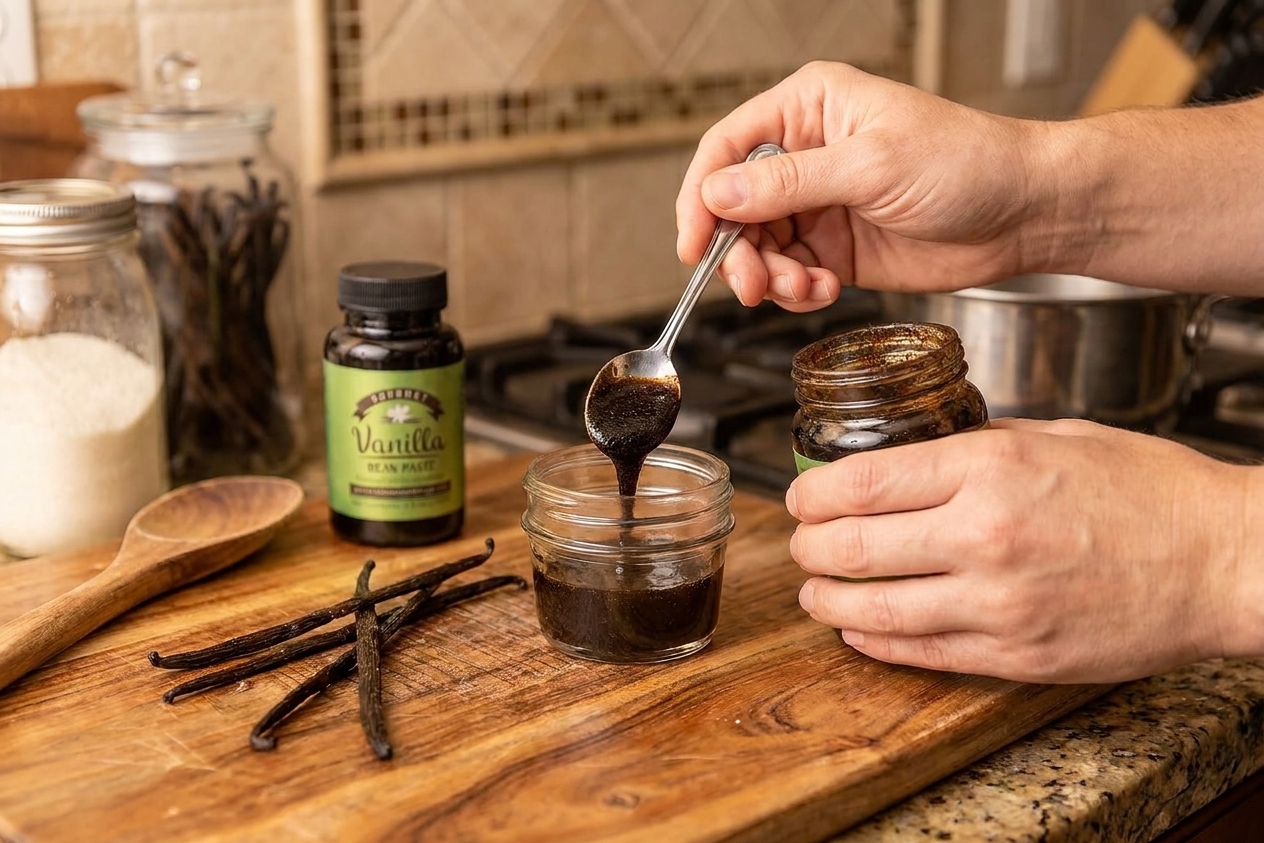
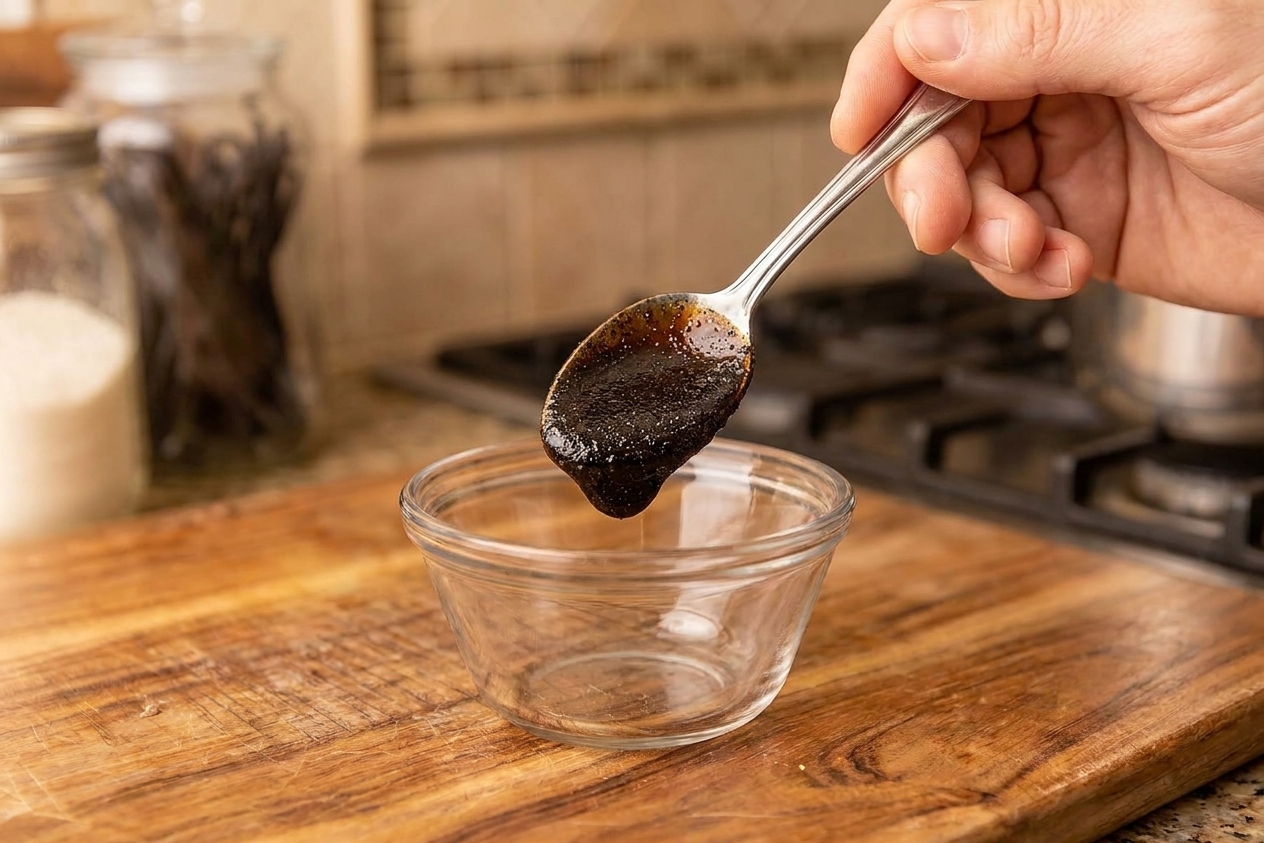
A small glass jar filled with glossy homemade vanilla bean paste with visible vanilla specks on a light kitchen counter, a spoon resting beside it

Vanilla bean paste is the secret weapon for when you want big vanilla flavor without babying a whole vanilla bean every time. It is thick like syrup, dotted with those classic vanilla specks, and it plays nicely in everything from pancake batter to buttercream.

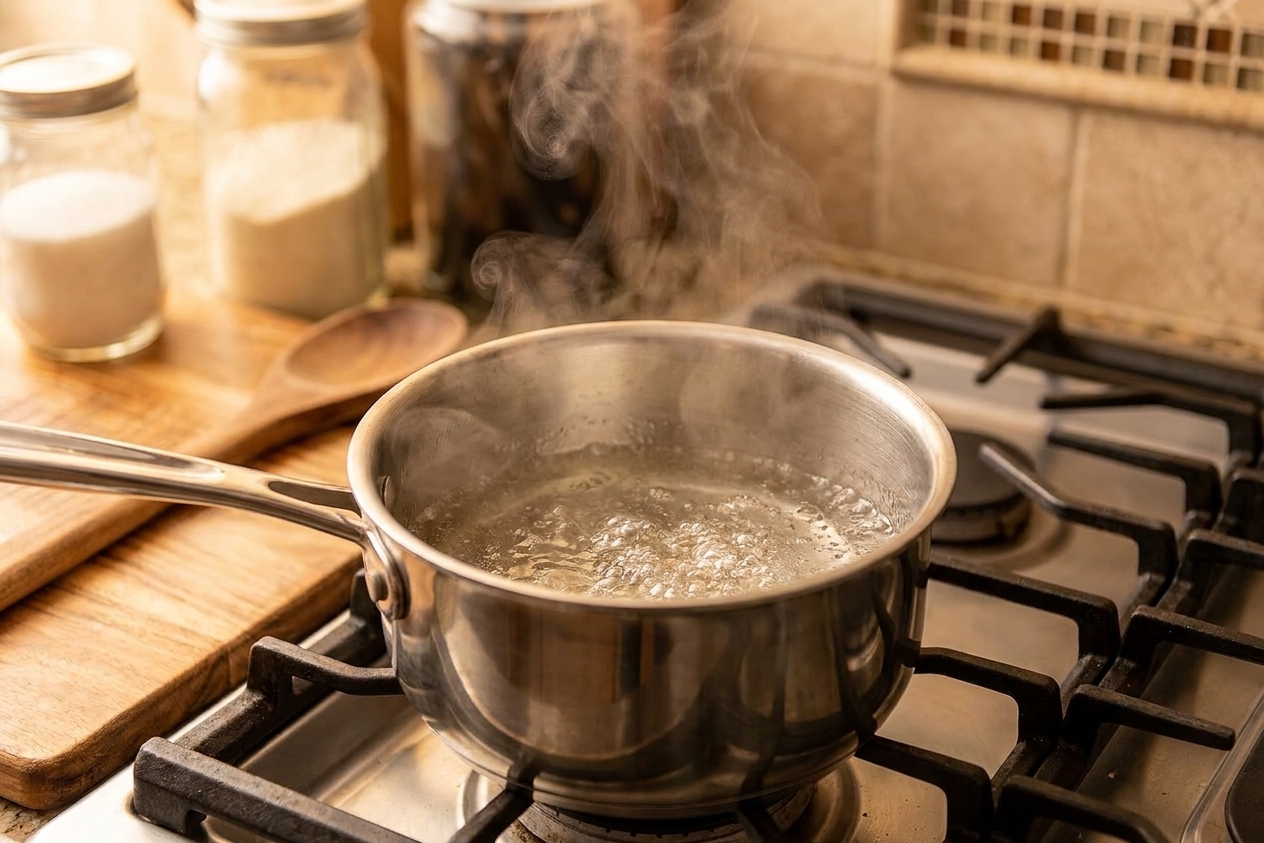
This homemade version keeps ingredients simple and the steps low drama. You will simmer, stir, and end up with a spoonable paste that makes your kitchen smell like you just started a bakery.

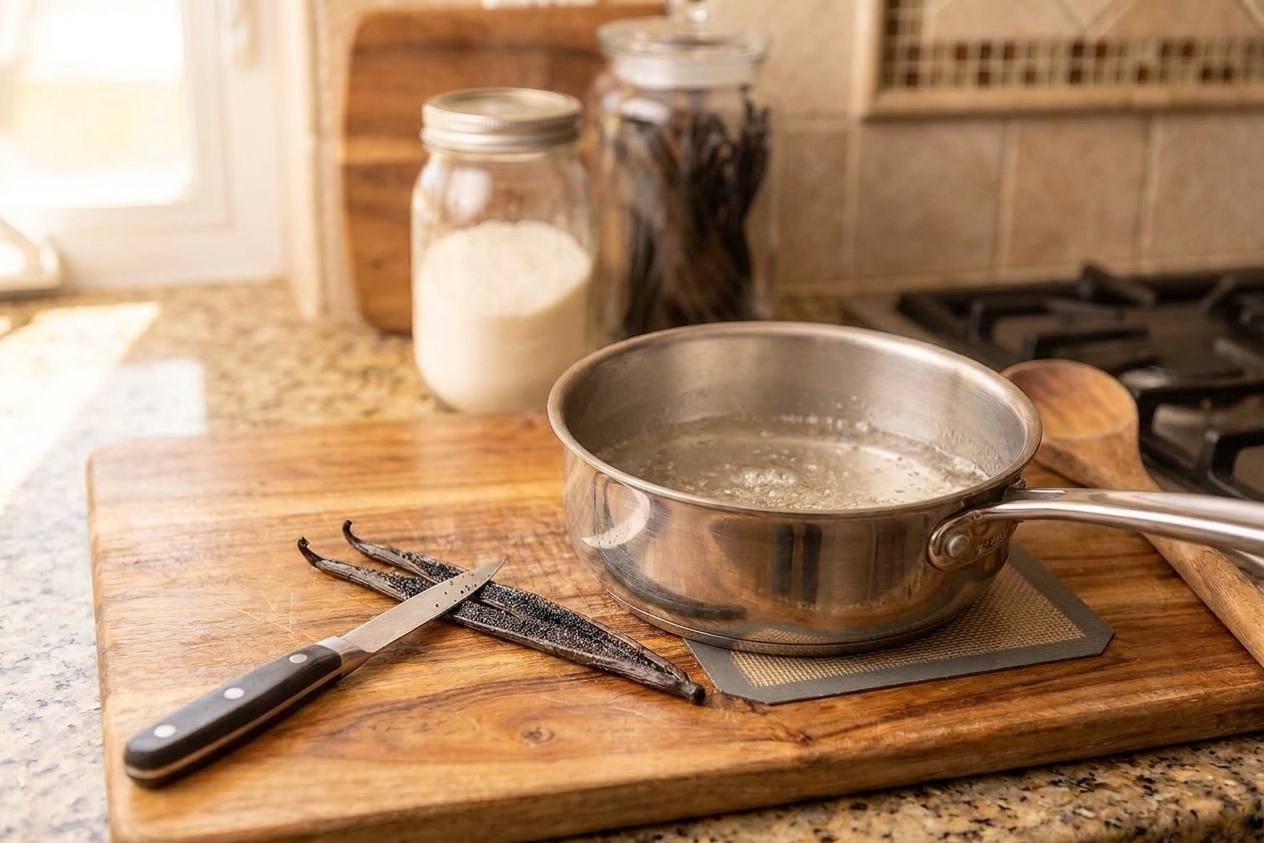
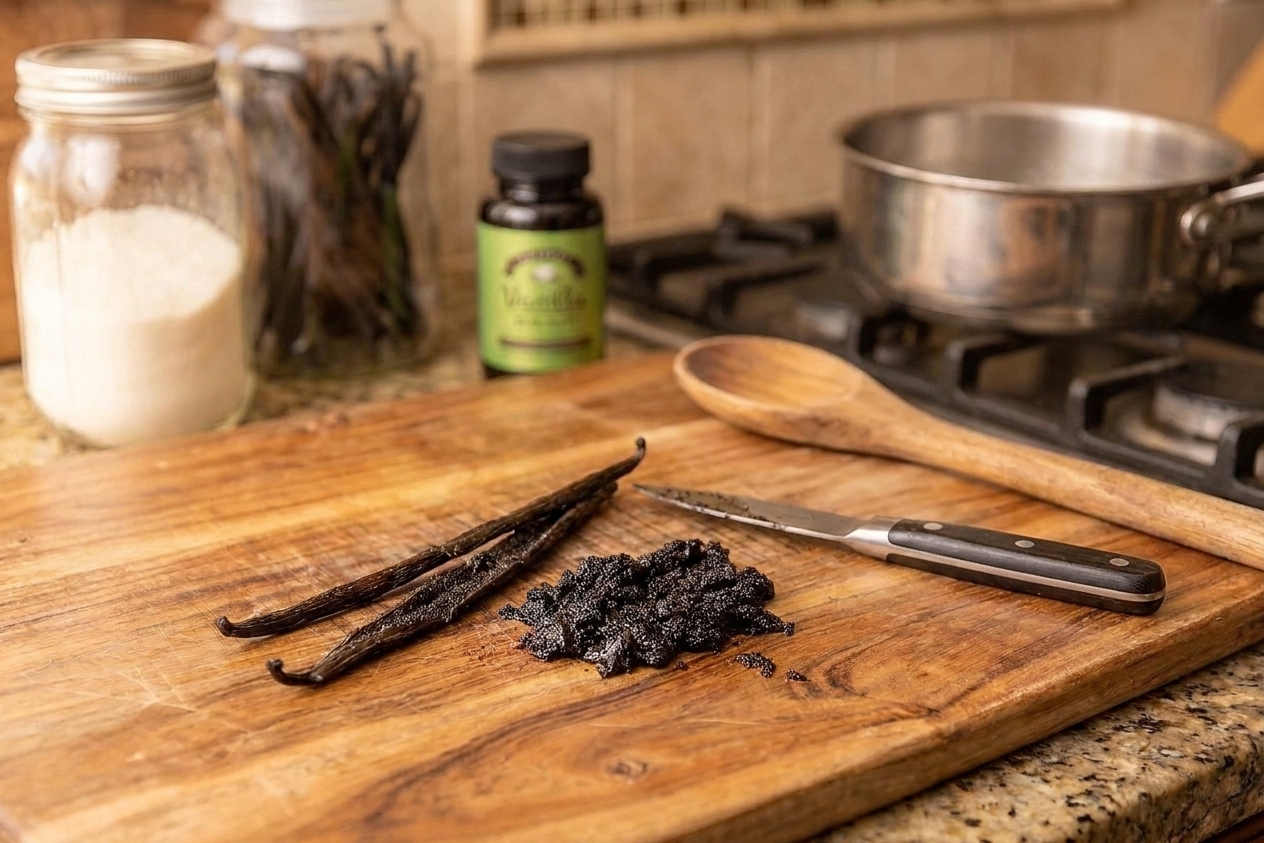
Split vanilla beans next to a small saucepan of sugar syrup on a clean kitchen counter with warm natural light

Why It Works

  • Real vanilla punch: You get the aromatic oils from the pods plus the seeds, so it tastes deeper than plain extract alone.
  • Easy to use: Measures like vanilla extract, but adds that pretty speckled look in custards, frosting, and whipped cream.
  • Thick and spoonable: A touch of syrup (and optional xanthan gum) helps it stay glossy instead of watery.
  • Flexible: Make it alcohol-free if you want. Add vodka for aroma if you like, but store it in the refrigerator for best reliability.

Pairs Well With

Storage Tips

Jar it: Spoon the cooled vanilla bean paste into a very clean glass jar with a tight lid. For best results, rinse the jar in very hot water and let it dry completely before filling.

Keep it clean: Use a clean spoon every time and avoid double-dipping. This one habit does a lot of heavy lifting for freshness.

  • Refrigerator (recommended): Store for up to 1 month for best quality. It will thicken more when cold. Let it sit at room temperature 10 to 15 minutes and stir.
  • Freezer: Freeze in a small silicone ice cube tray, then transfer cubes to a freezer bag for up to 1 year. Thaw a cube in the refrigerator overnight.

Safety note: Because homemade batches vary in concentration, I do not recommend long room-temperature storage. Discard if you see mold, notice bubbling or fermentation, or it smells off.

If it thickens too much: Stir in 1 to 2 teaspoons warm water at a time until spoonable again.

Common Questions

What is vanilla bean paste used for?

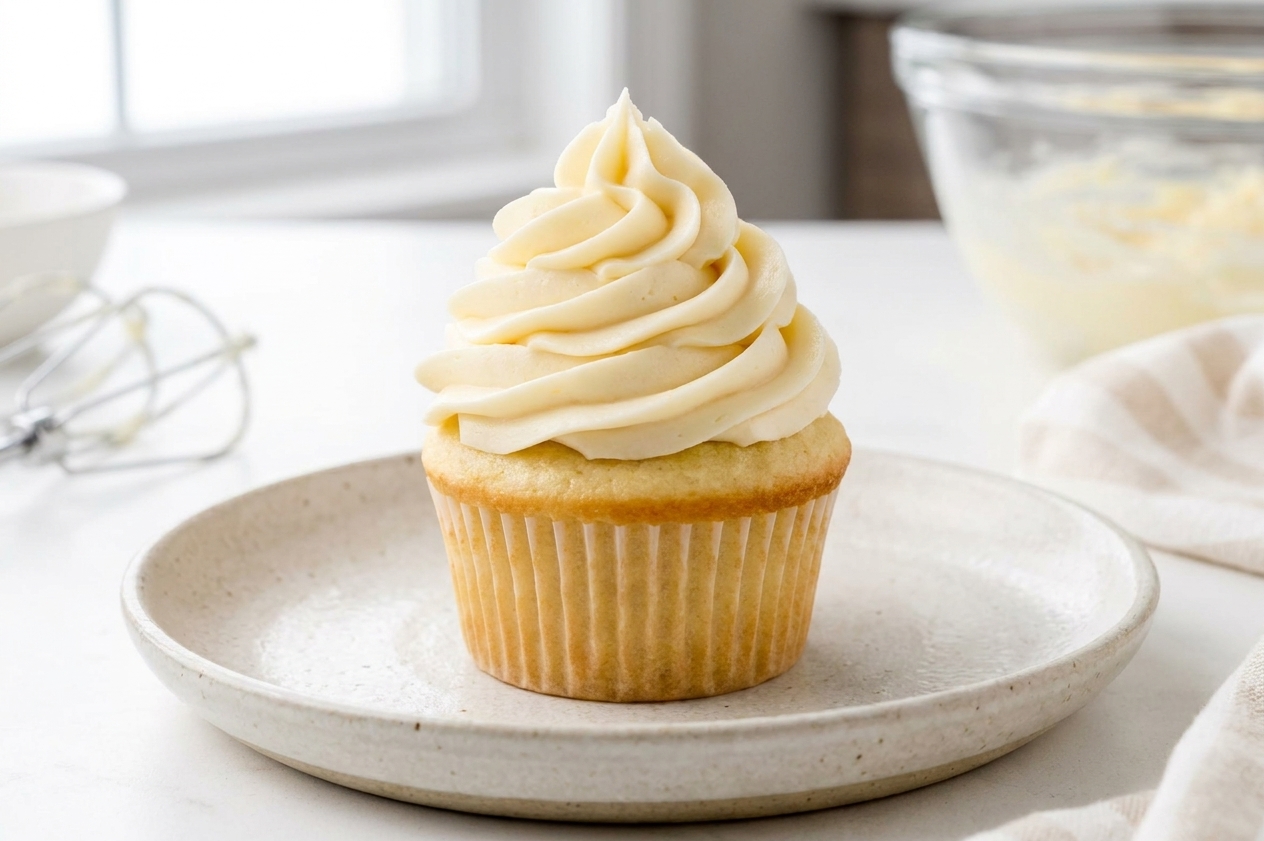
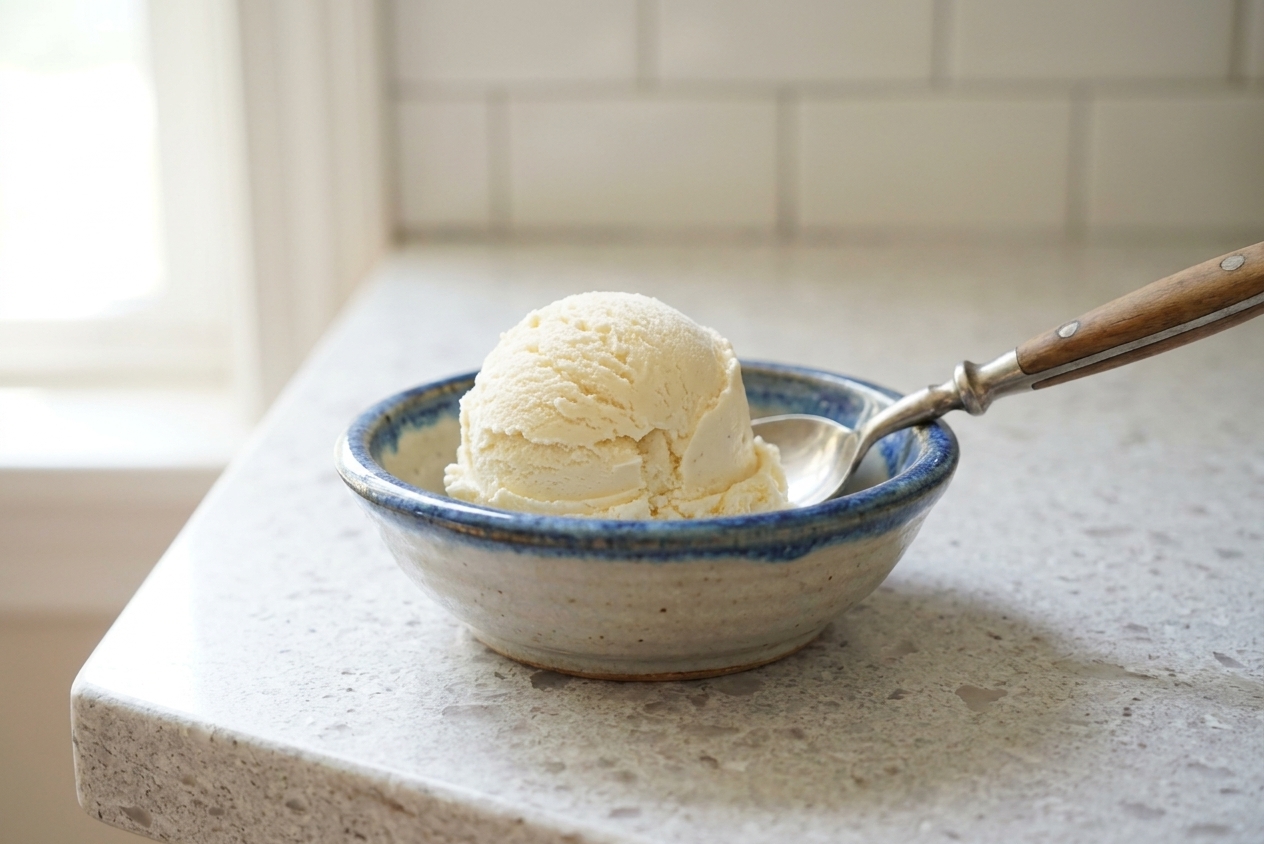
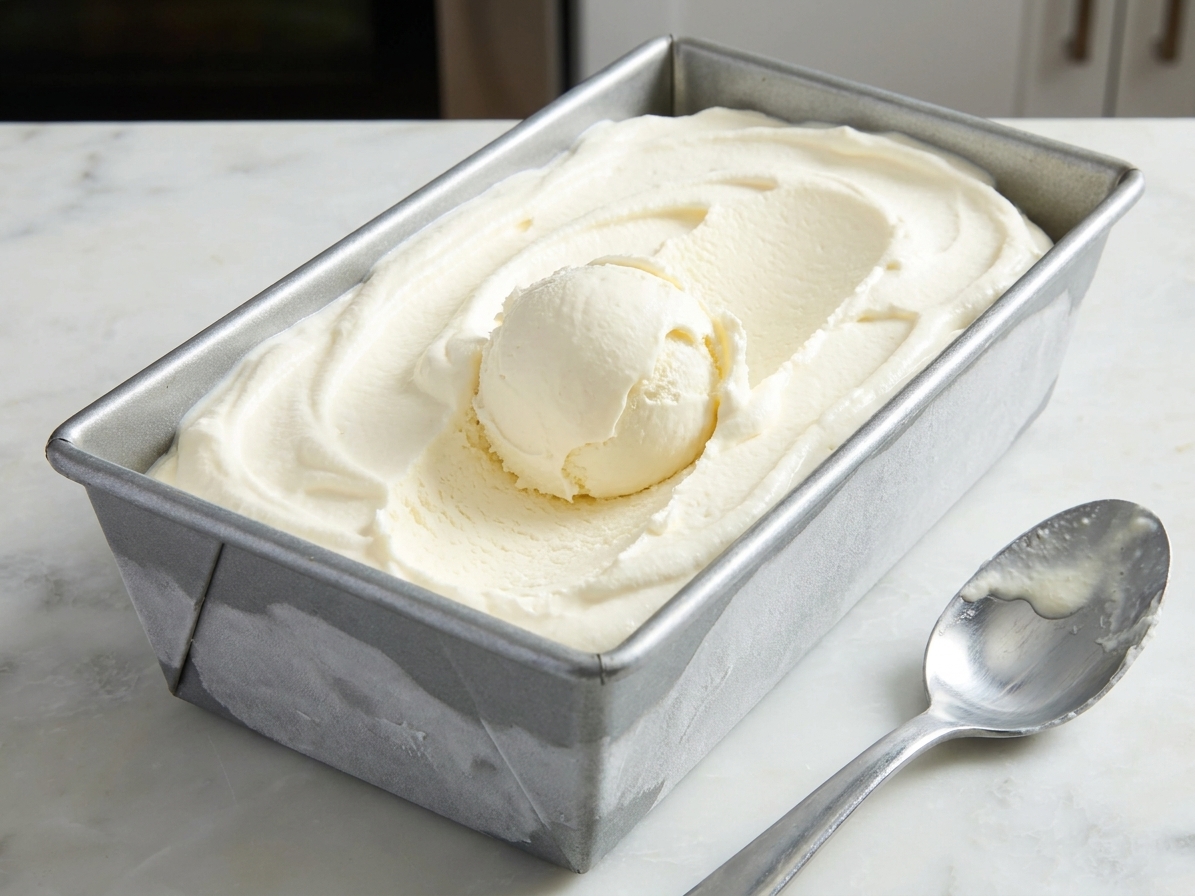
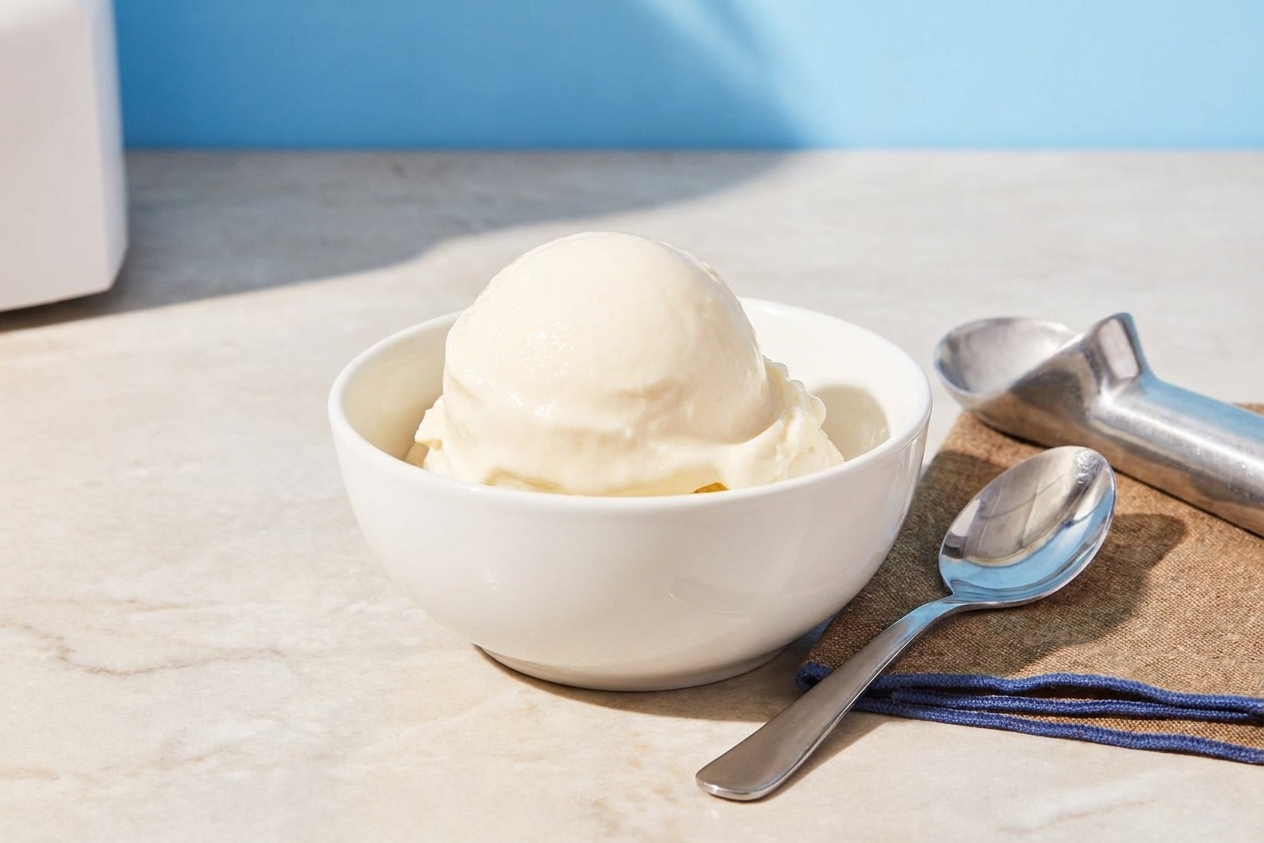
Use it anywhere you would use vanilla extract, especially when you want visible vanilla specks: custards, ice cream bases, pastry cream, frosting, whipped cream, pancakes, oatmeal, and coffee drinks.

Can I substitute vanilla bean paste for vanilla extract?

Yes. Use a 1:1 swap in most recipes, then adjust to taste. Homemade paste can be a little stronger or lighter depending on your beans, so start there and trust your spoon.

Is vanilla bean paste alcohol-free?

It can be. This recipe includes optional vodka for a classic vanilla aroma, but the amount is small and does not guarantee shelf stability. If you leave it out, store the paste in the refrigerator.

Why is my paste gritty?

Most often it is sugar that did not fully dissolve, or sugar crystals that formed on the sides of the pan and made the whole batch feel sandy. Make sure the sugar is completely dissolved before simmering. If you see crystals on the sides, brush them down with a little water. If it is already gritty, warm it gently and whisk until smooth.

Do I have to use xanthan gum?

No. It is optional, but it helps the paste stay evenly thick and reduces separation. If you skip it, just stir before using.

Do different vanilla beans change the result?

Yes. Plumper, fresher beans usually give stronger flavor and more specks. Drier beans can still work, but you may want to simmer an extra minute or two, or use an extra bean.

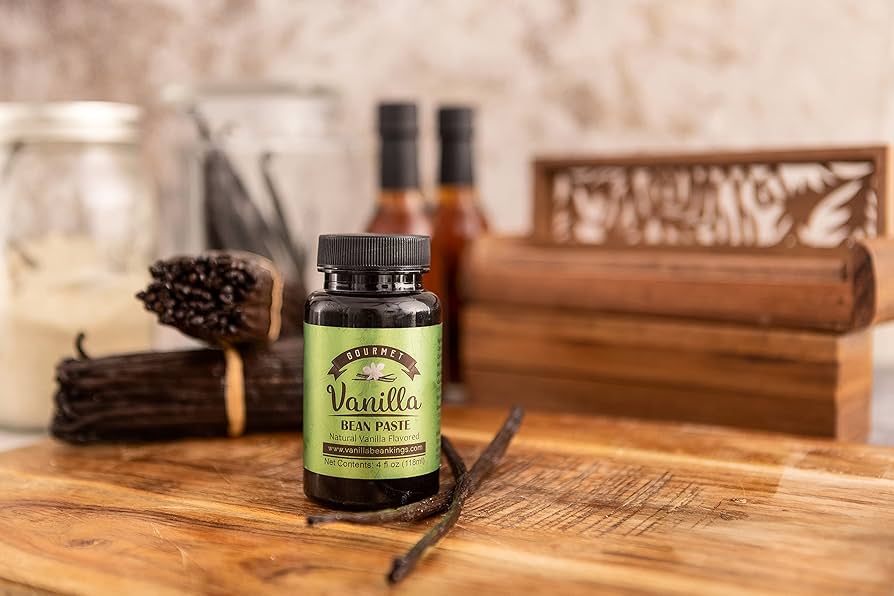
I used to be the person scraping one vanilla bean like it was a sacred artifact, then immediately realizing I needed another one for the frosting. Vanilla bean paste is my compromise between fancy and practical. It is the kind of pantry upgrade that makes a Tuesday-night batch of cookies feel like you tried harder than you did, which is honestly my favorite genre of cooking.