Mom's Best Recipes
Recipe

Veggie Lasagna

Roasted vegetable lasagna with herby ricotta, marinara, and golden cheese that holds together and tastes even better the next day.

Author By Matt Campbell
4.8
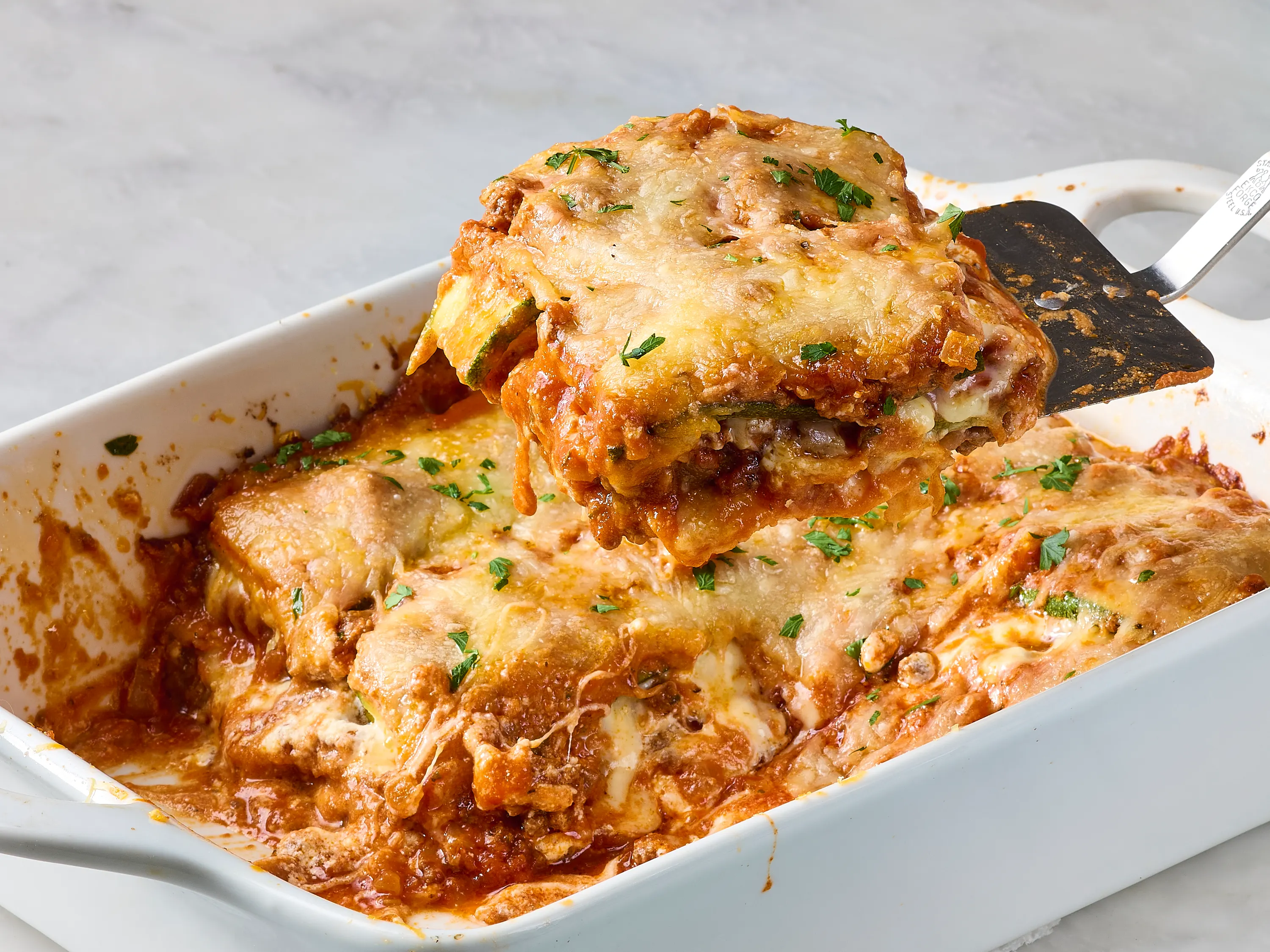
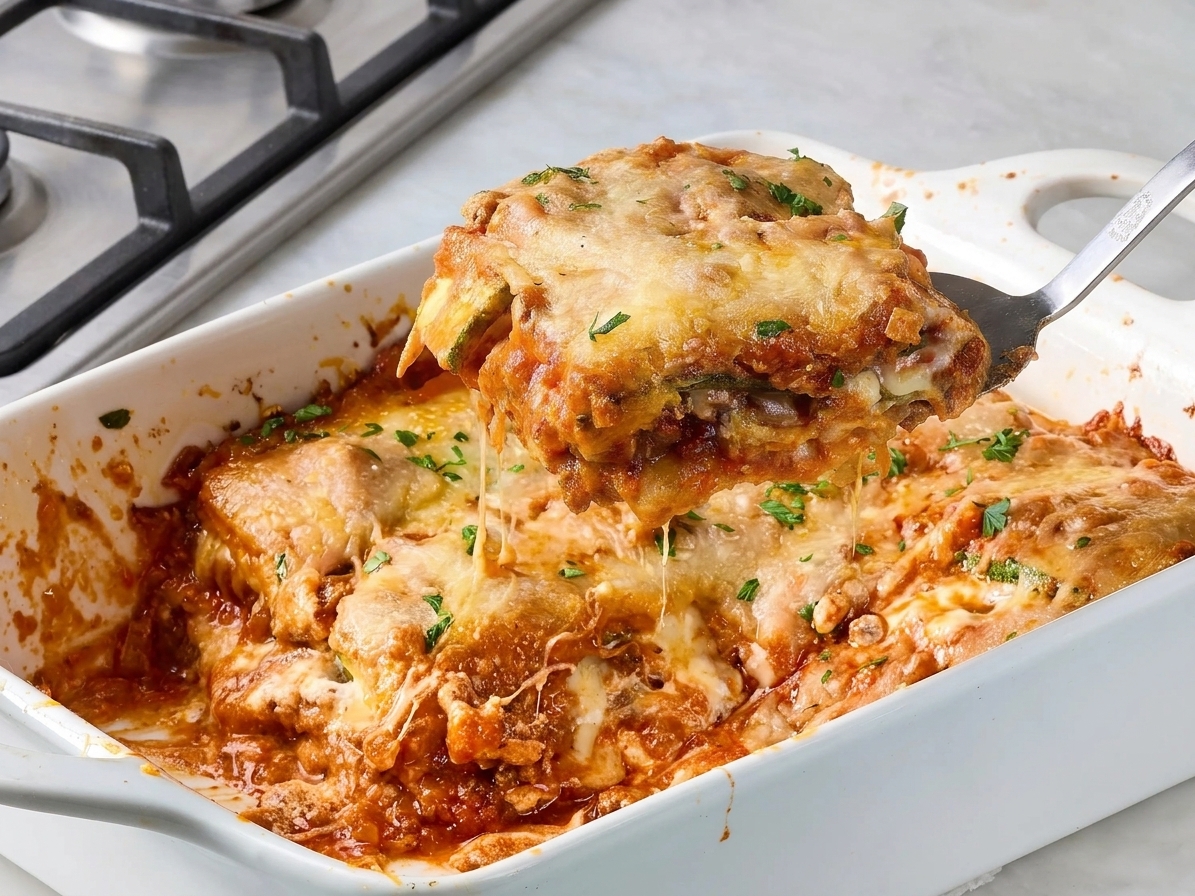
A bubbling vegetable lasagna in a white ceramic baking dish on a light kitchen counter, with browned cheese on top and a serving spoon resting nearby

Veggie lasagna is one of those dishes that makes everyone in the house wander into the kitchen like it is a Disney movie. It smells like garlic, tomatoes, and toasted cheese, and it promises the best part of comfort food: cozy carbs with crisp edges.

This version is my go-to because it is hearty without being heavy. We roast the vegetables first so they bring real flavor instead of watery sadness. Then we layer them with a lemony, herby ricotta situation and a marinara that stays bright even after a long bake.

Also, this is a very forgiving recipe. Your zucchini is a little soft? Still fine. You want to swap spinach for kale? Do it. The lasagna does not judge. It just gets delicious.

Lasagna ingredients arranged on a kitchen counter including ricotta, mozzarella, marinara sauce, lasagna noodles, zucchini, mushrooms, spinach, and a bowl of grated Parmesan

Why It Works

  • Roasted vegetables concentrate flavor and drive off moisture, so your slices hold up instead of sliding apart.
  • Two-layer cheese strategy (ricotta mix plus mozzarella) gives you creamy middle layers and a golden top.
  • Bright seasoning (lemon zest, basil, and a pinch of red pepper flakes) keeps the whole pan from tasting flat.
  • A short rest after baking lets everything set, so you get clean squares and maximum crispy corners.
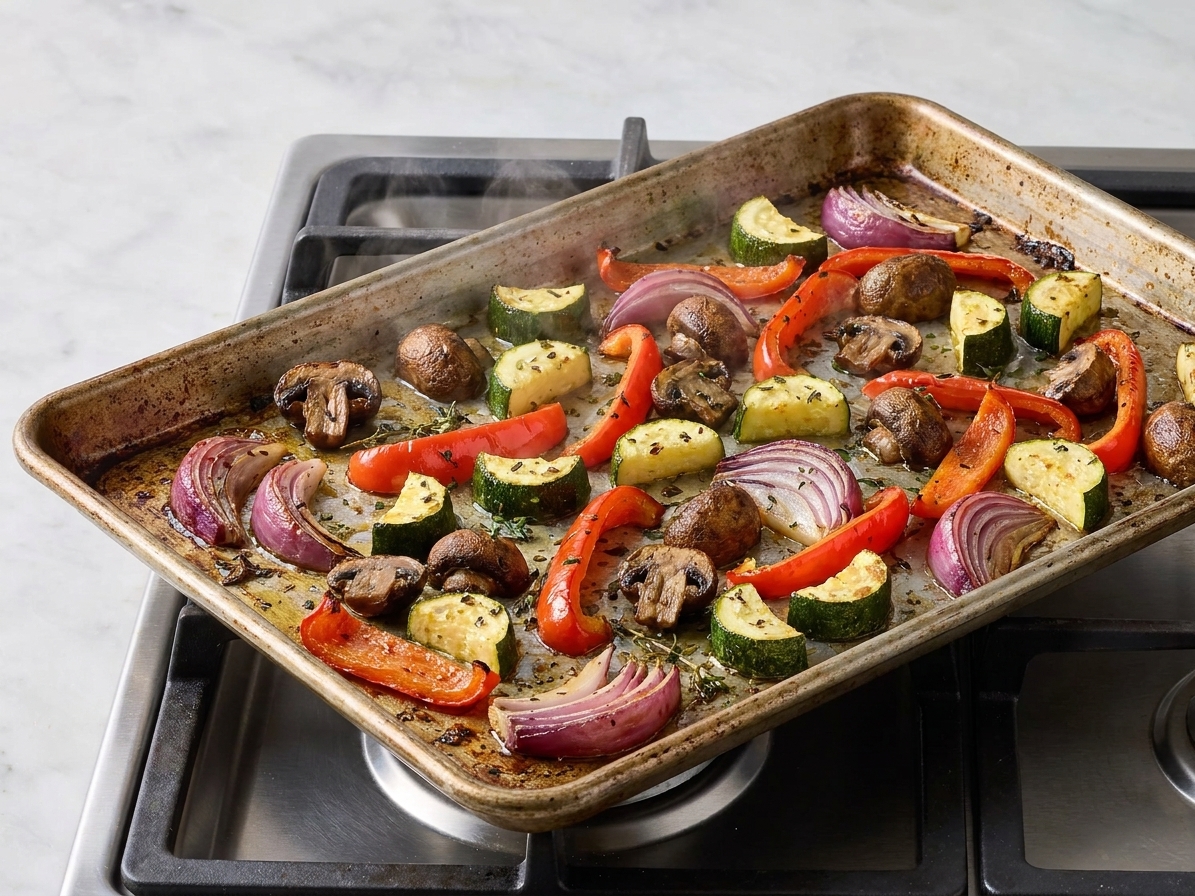
A sheet pan of roasted zucchini, mushrooms, red bell pepper, and red onion with browned edges, fresh out of the oven on a stovetop

Pairs Well With

Storage Tips

Refrigerator: Let the lasagna cool, then cover the pan tightly or transfer slices to airtight containers. Refrigerate up to 4 days.

Freezer (slices): Freeze individual slices wrapped in plastic wrap and then foil, or store in freezer-safe containers. Freeze up to 3 months.

Freezer (whole, unbaked): Assemble the lasagna in a freezer-safe 9x13-inch dish, wrap tightly in a layer of plastic wrap and then foil, and freeze up to 3 months. Thaw in the fridge for 24 to 48 hours, then bake as directed (plan on adding 10 to 20 minutes to the covered time). If baking from frozen, keep it covered and bake until hot in the center, often 75 to 90 minutes covered plus uncovering to brown.

Reheat (best texture): Oven or toaster oven at 350°F until hot, about 15 to 25 minutes for a slice. If the top is getting too dark, cover loosely with foil.

Reheat (fast): Microwave in 60 to 90 second bursts. It will be softer, but still very good. For a crispier top, finish under the broiler for 1 to 2 minutes.

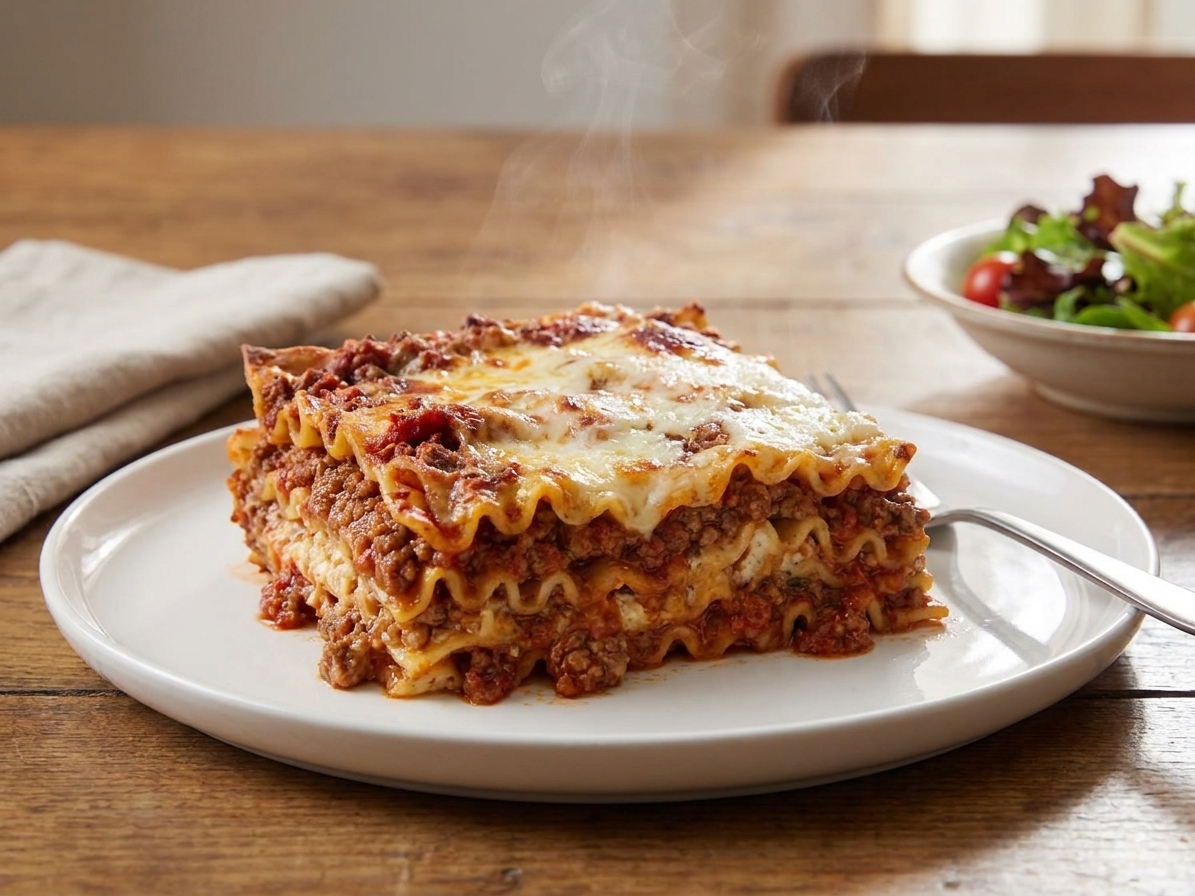
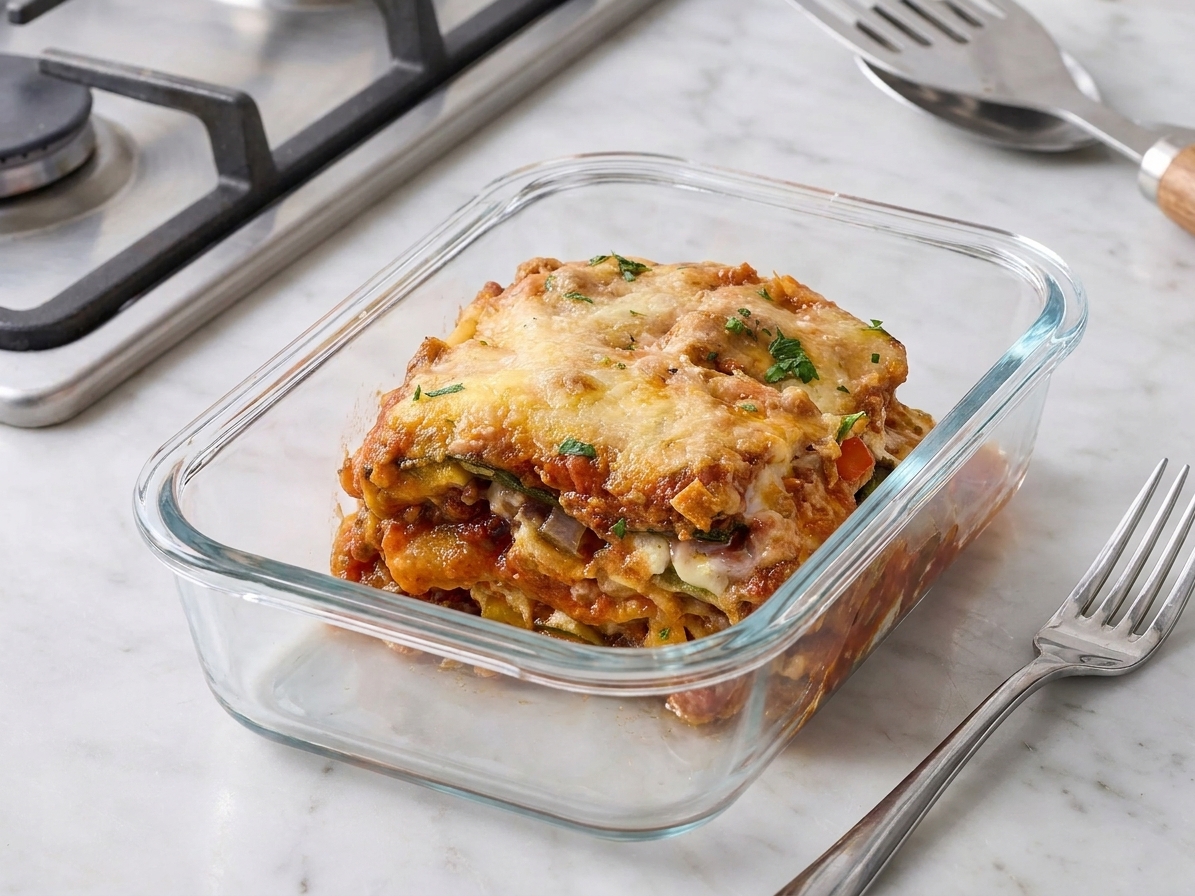
A single slice of vegetable lasagna in a glass meal prep container with a fork beside it on a kitchen counter

Common Questions

Do I need to cook the noodles first?

If you are using regular lasagna noodles, boil them until just flexible, then drain and lay flat. If you are using no-boil noodles, you can skip boiling, but make sure every noodle is fully covered in sauce so it hydrates while baking.

How do I keep veggie lasagna from getting watery?

Roast the vegetables until they have browned edges and do not crowd the pan, because steamed vegetables = watery sadness. Also do not skip the rest time after baking. If your spinach is very wet, squeeze it dry after wilting. If your zucchini is extra juicy, you can salt the slices for 10 minutes, then blot dry before roasting.

Can I make this ahead?

Yes. Assemble up to 24 hours ahead, cover, and refrigerate. Bake straight from the fridge, adding about 10 to 15 minutes to the covered bake time.

What vegetables work best?

Zucchini, mushrooms, bell peppers, and spinach are my core group. Eggplant is also great. Just roast it well and season it aggressively. For the best roast, cut everything to a similar thickness and keep it in a single layer.

Can I make it gluten-free?

Yes. Use gluten-free lasagna noodles and follow the package directions. Double-check all packaged ingredients (marinara, cheeses, seasonings) for additives and cross-contamination if you are cooking for someone who is sensitive.

Can I make it vegan?

You can. Swap ricotta and mozzarella for your favorite plant-based alternatives and use a dairy-free Parmesan style topping. Add extra herbs and a little nutritional yeast to boost that savory vibe.

Do I need more sauce for no-boil noodles?

Usually, yes. If you are using no-boil noodles, use the higher end of the marinara range (28 oz), and consider stirring in 1/4 to 1/2 cup water (or vegetable broth) to loosen the sauce. The goal is generous coverage all the way to the edges so the noodles soften evenly.

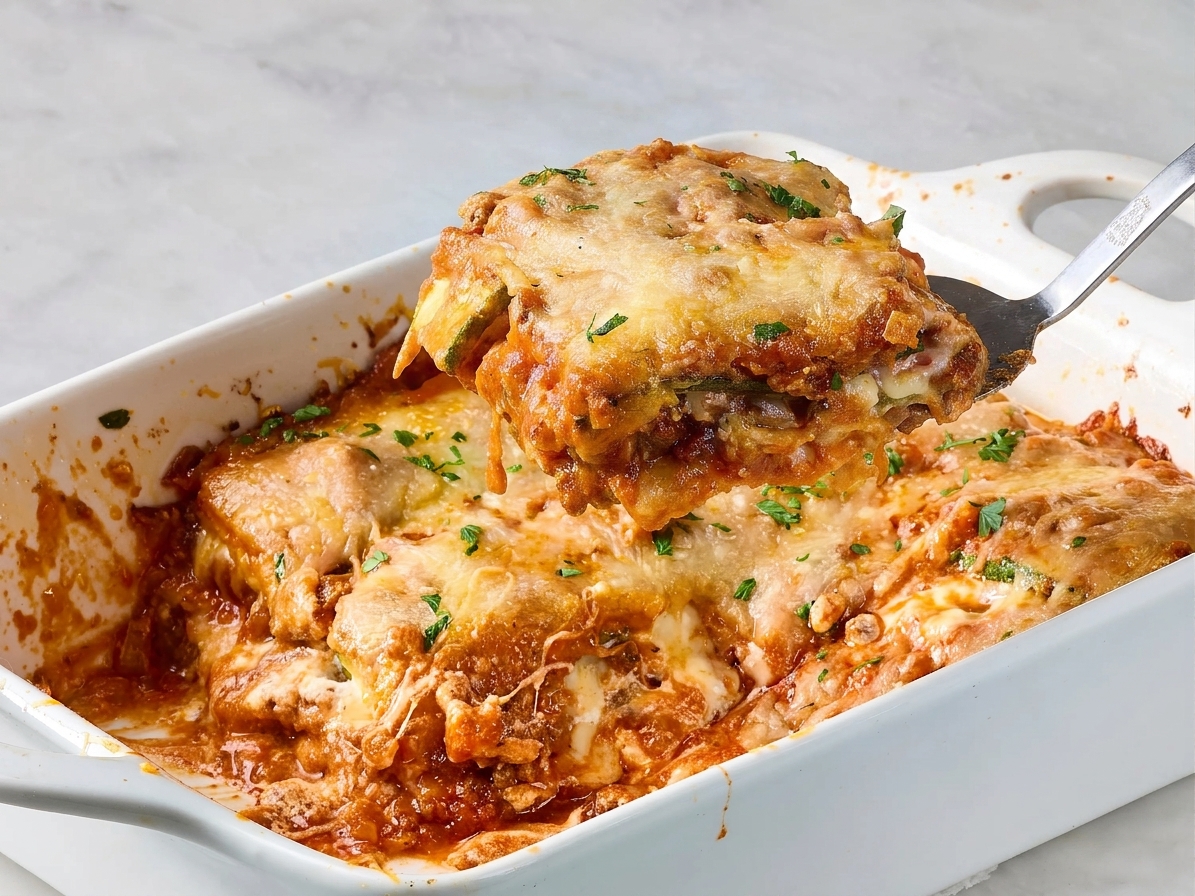
I started making veggie lasagna when I realized two things: one, I love cooking for people, and two, not everyone wants meat in every single meal. Lasagna became my peace treaty dish. It is familiar enough for picky eaters, but you can sneak in a whole garden worth of vegetables and nobody feels like they got “the healthy option.”

My favorite part is the chaos moment when you are layering and the kitchen looks like a delicious crime scene. Sauce on the spoon, cheese on your fingers, a noodle trying to escape. Then it bakes into this golden, bubbling pan that makes you feel like you have your life together. Even if you absolutely do not.

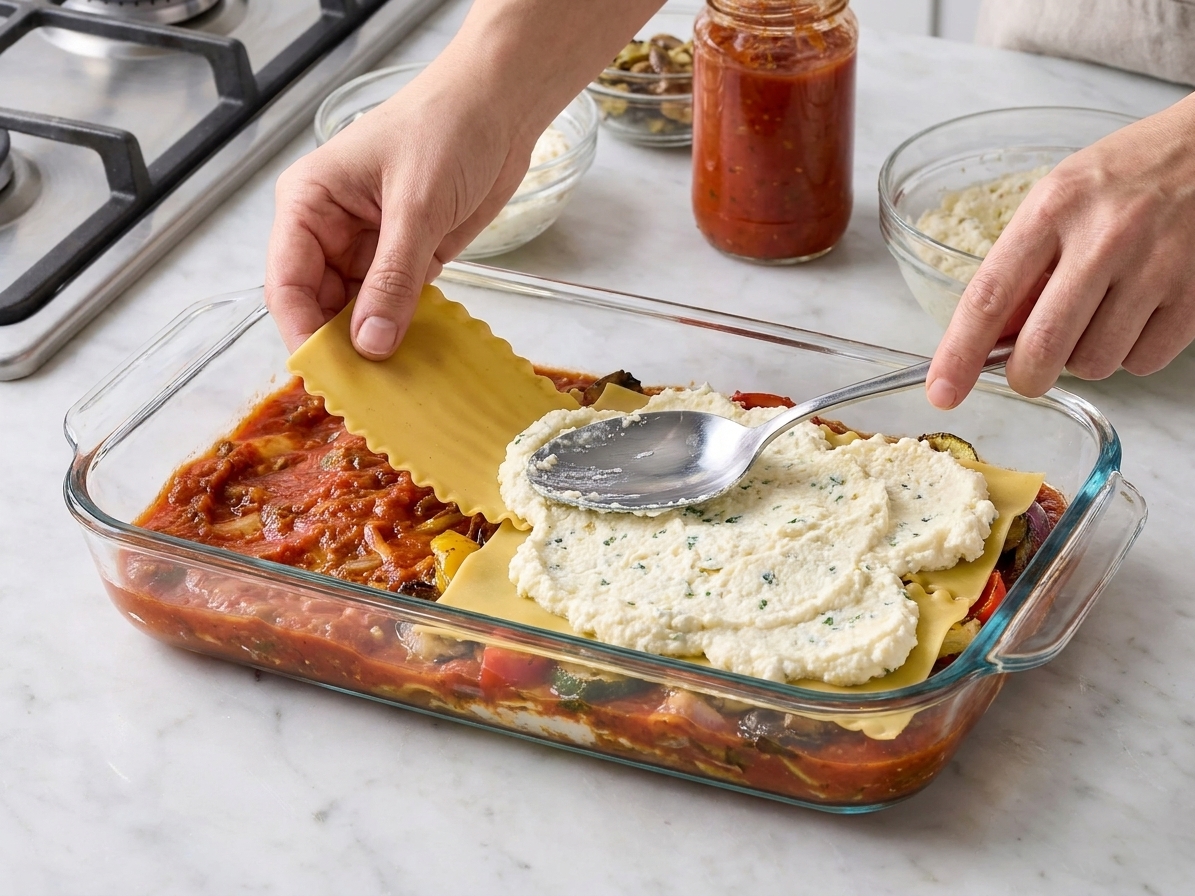
Hands layering lasagna noodles and spooning ricotta mixture over marinara in a glass baking dish on a home kitchen counter