Mom's Best Recipes
Recipe

Vietnamese Spring Rolls

Fresh rice paper rolls packed with shrimp, noodles, crunchy veg, and herbs, served with a punchy peanut dipping sauce.

Author By Matt Campbell
4.8
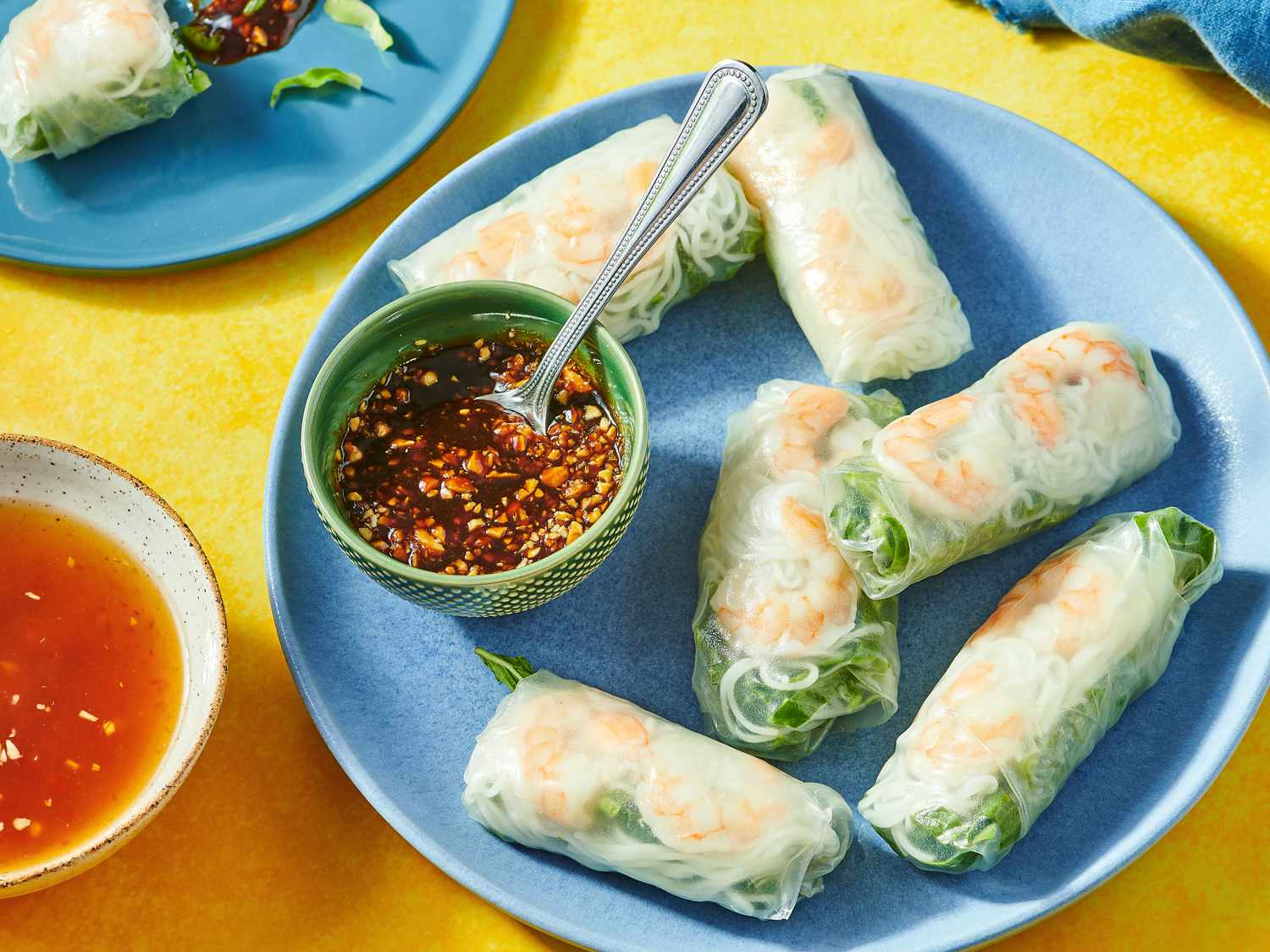
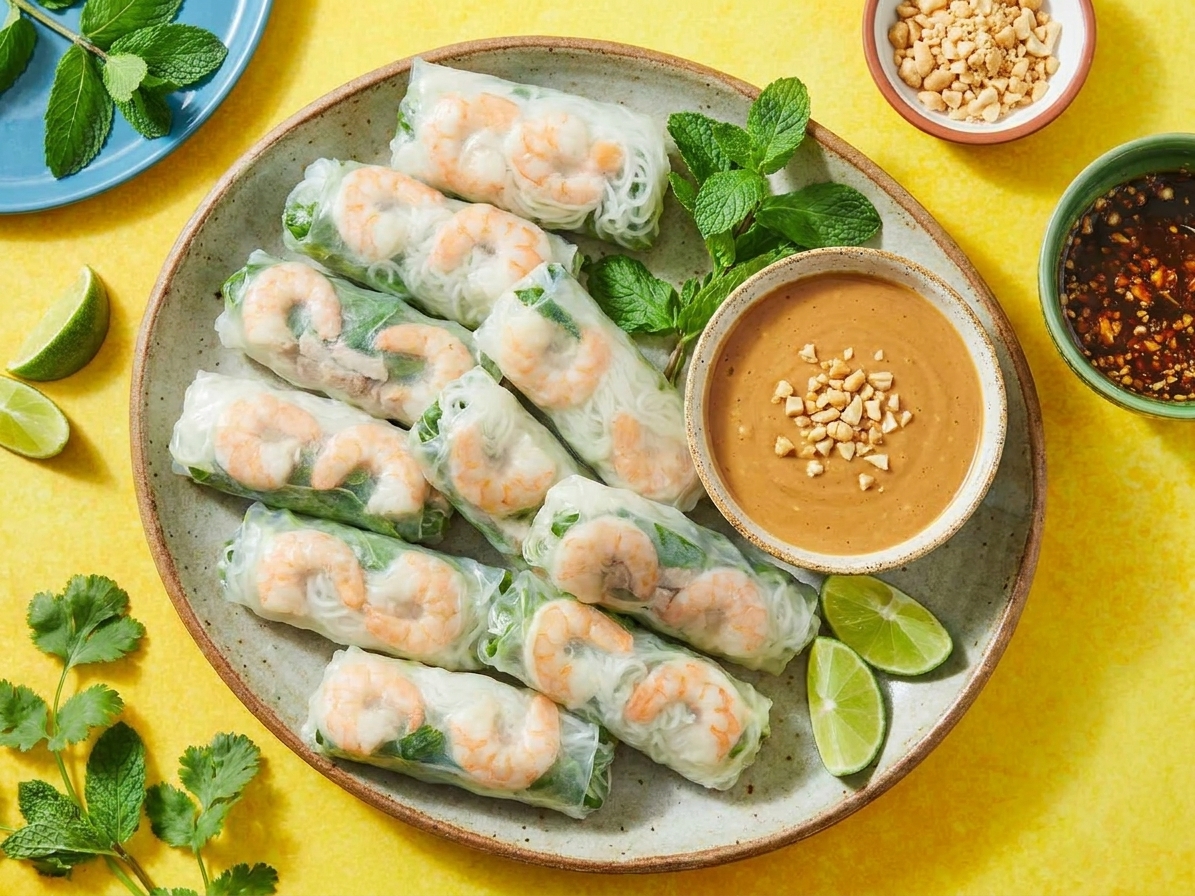
A large platter of Vietnamese fresh spring rolls (gỏi cuốn) cut on a bias, showing shrimp, rice noodles, and herbs inside translucent rice paper, with a bowl of peanut dipping sauce on a wooden table

Vietnamese spring rolls are my definition of low-drama impressive. They look like you tried really hard, but the truth is you just chopped a few things, boiled noodles, and got a little splashy with herbs. The vibe is fresh, crunchy, and bright, with shrimp peeking through the rice paper like it knows it is the main character.

These are traditionally called gỏi cuốn (and you may also hear nem cuốn depending on where you are). The best part is how customizable they are. Do shrimp. Do tofu. Do leftover chicken. Add mango if you are feeling chaotic in the best way. Just promise me one thing: do not skip the herbs. That is where the magic lives.

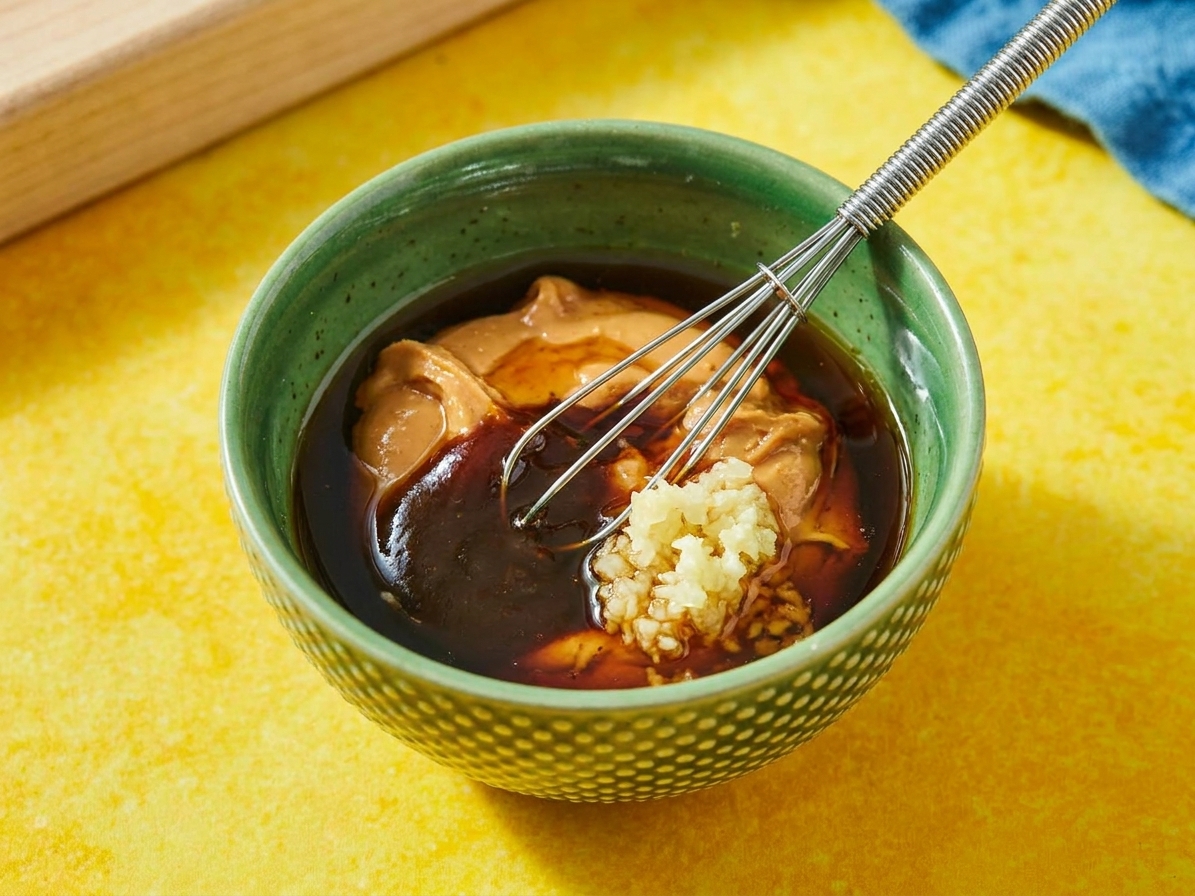
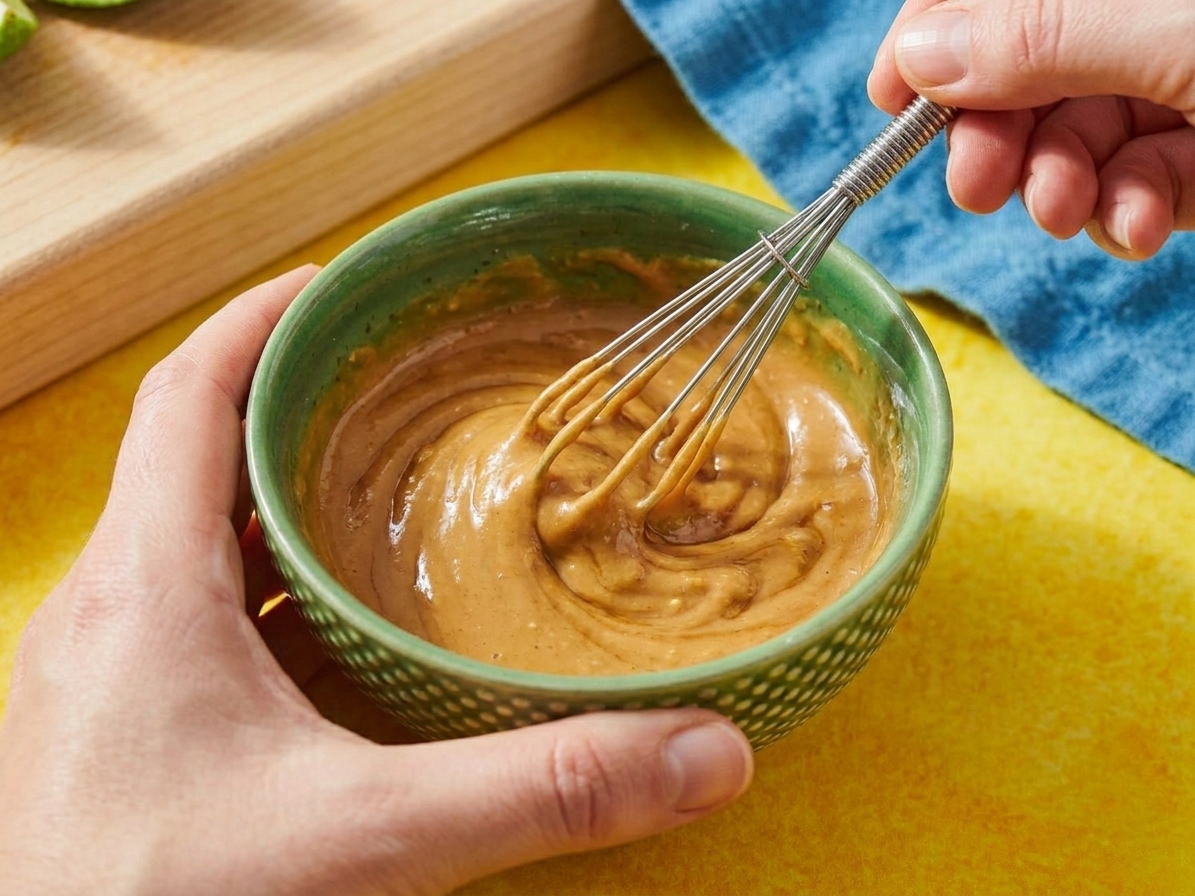
Below you will get my straightforward rolling method (no rice paper disasters), plus a creamy peanut dipping sauce that makes you want to dunk everything on the plate, including your fingers.
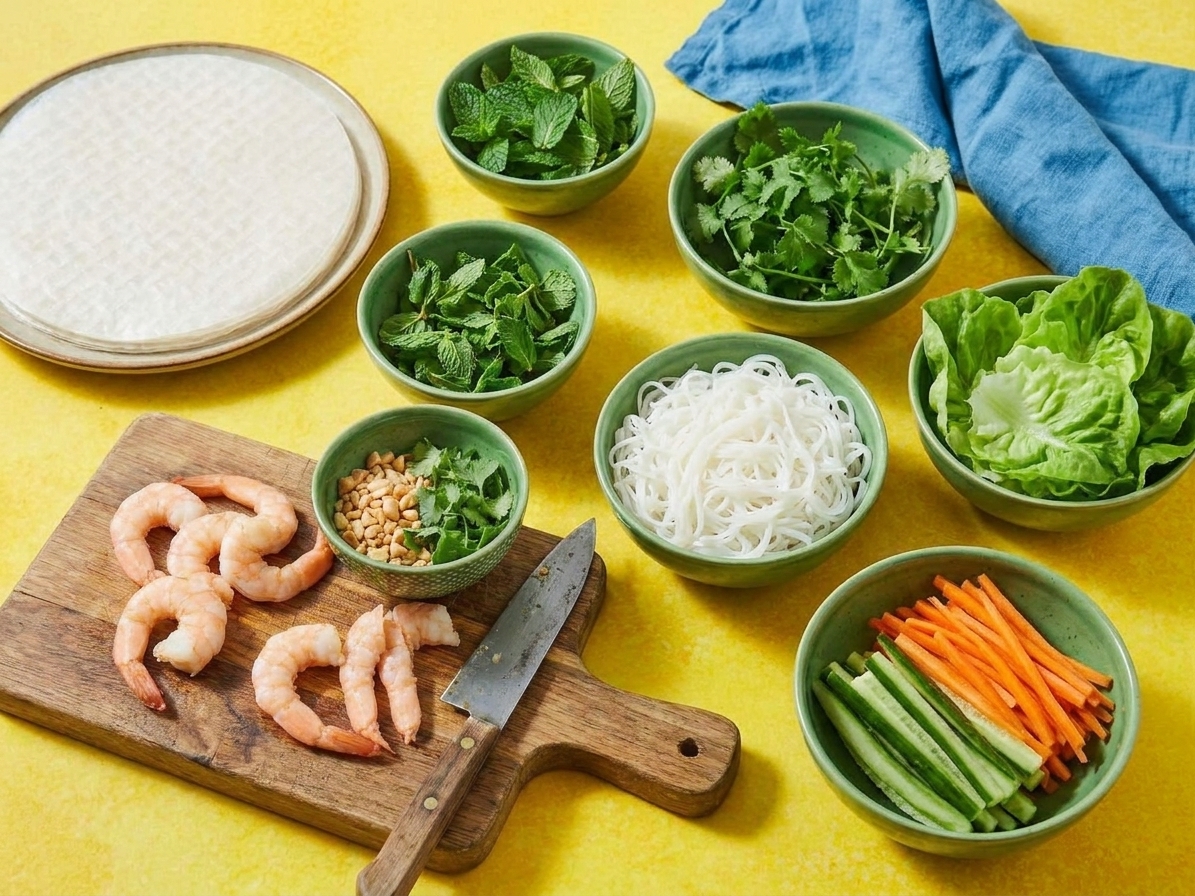
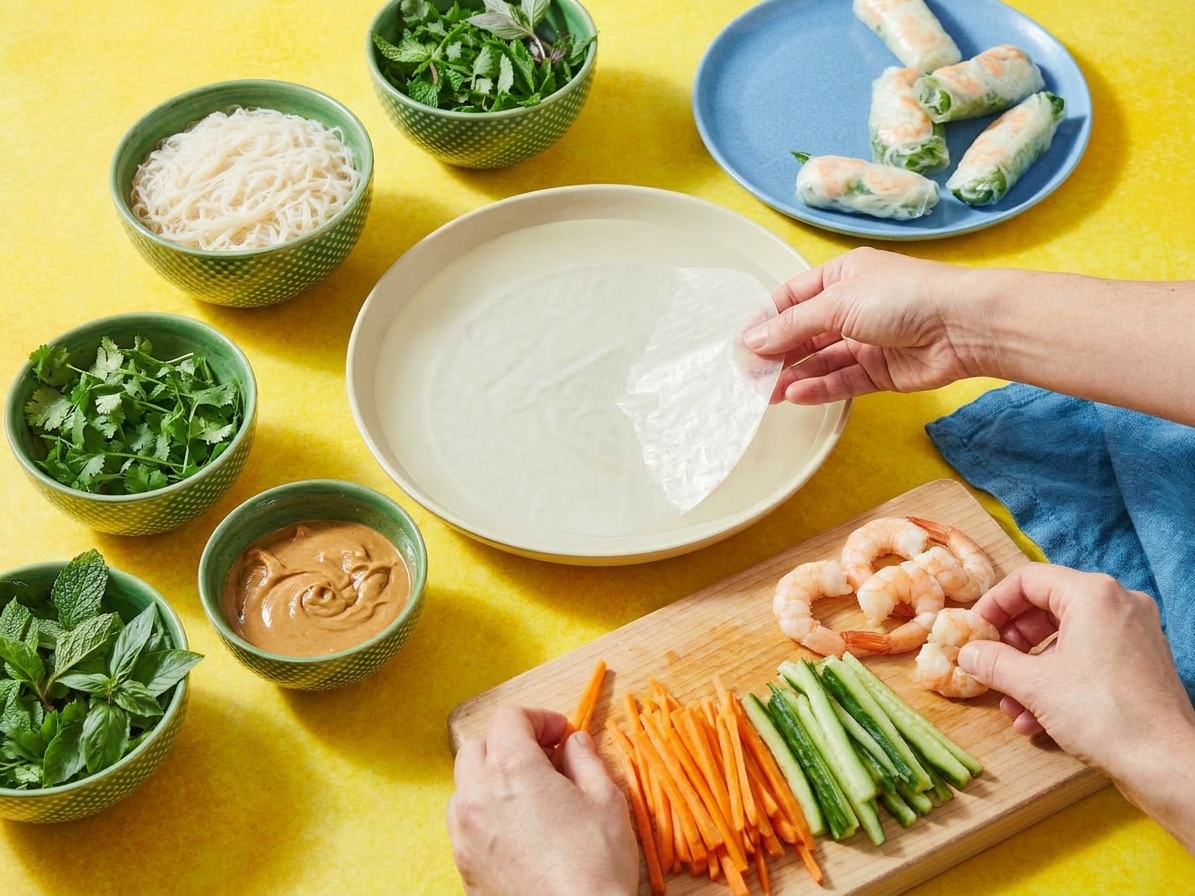
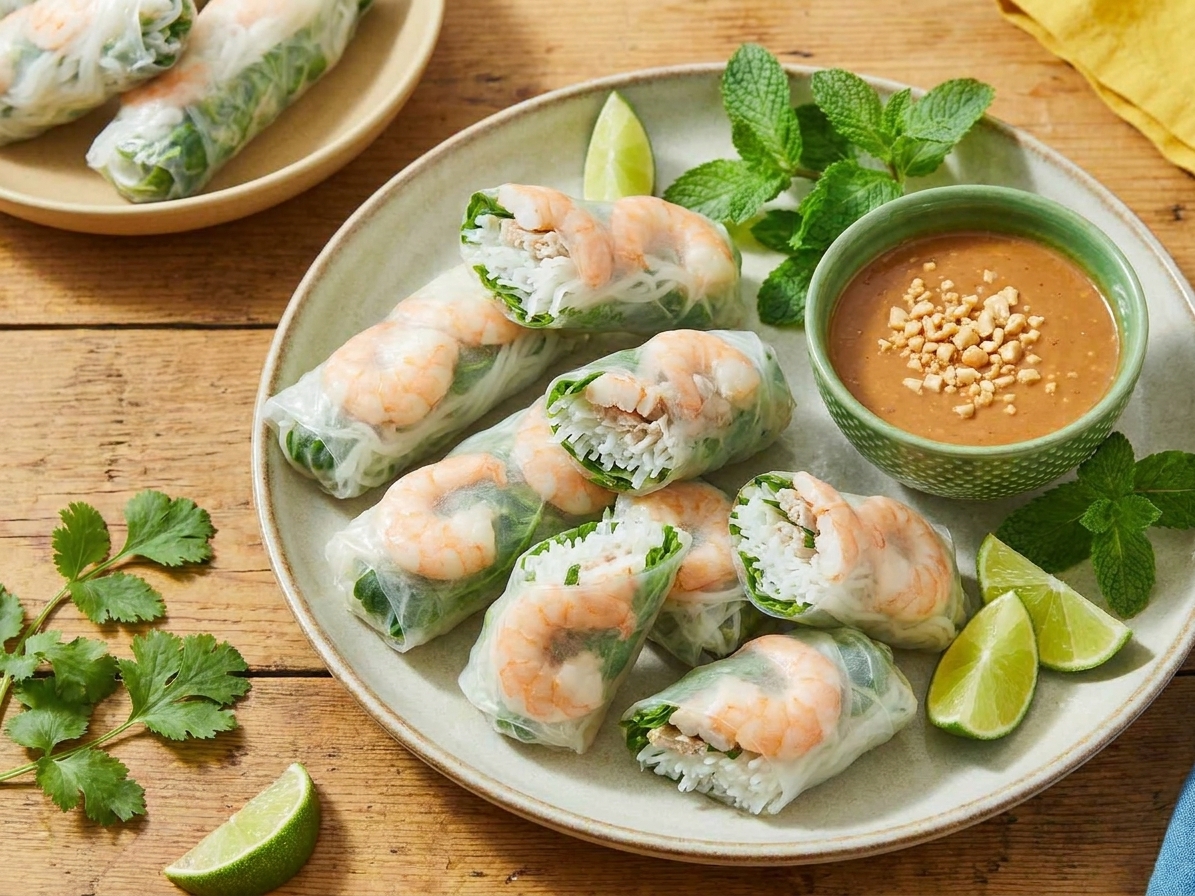
Rice paper wrappers, cooked shrimp, fresh mint, cilantro, lettuce, rice noodles, and sliced vegetables arranged on a clean kitchen counter, ready for rolling

Why It Works

  • Fresh texture contrast: tender rice paper, bouncy noodles, crisp veg, and lots of herbs in every bite.
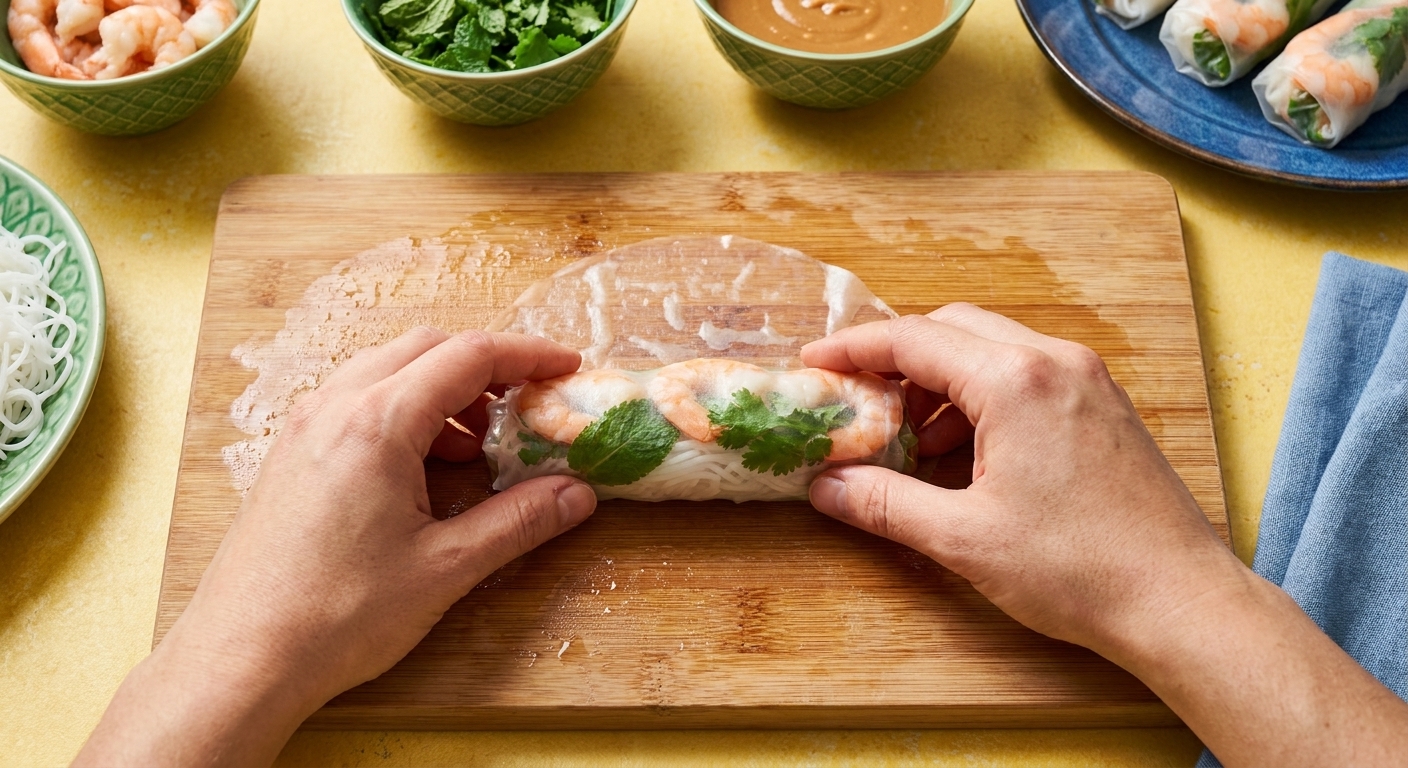
  • Reliable rolling method: a quick soak and a short rest so the wrapper turns pliable without tearing.
  • Big flavor with accessible ingredients: most items are standard grocery finds, with easy swaps if you cannot locate a specialty ingredient.
  • Make-ahead friendly: prep everything in advance, then roll right before serving for the best texture.
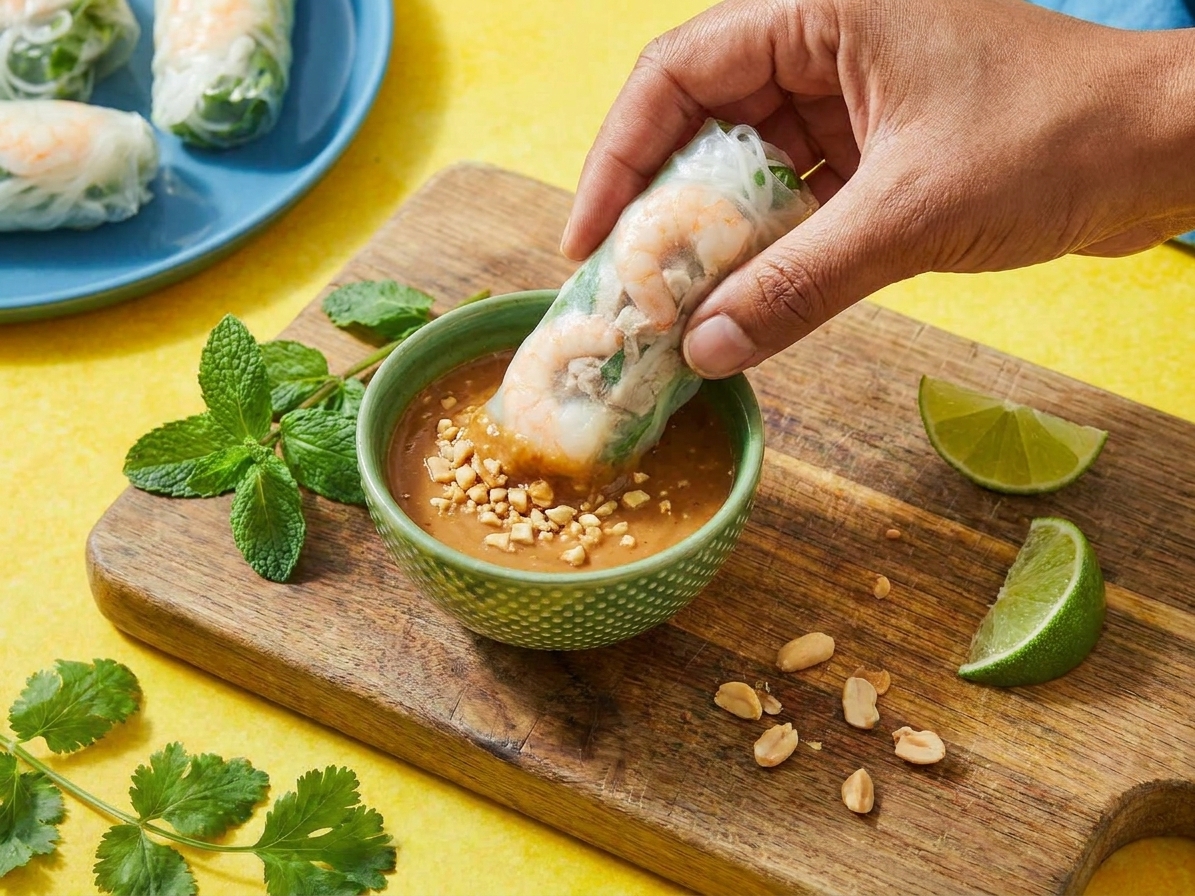
A hand holding a fresh Vietnamese spring roll mid-dip into a bowl of peanut sauce on a wooden table with scattered herbs

Pairs Well With

Storage Tips

Fresh spring rolls are best the day they are made, but you can absolutely store them if needed. The key is keeping the rice paper from drying out and turning chewy.

How to refrigerate

  • Wrap individually: Place each roll on a piece of plastic wrap or parchment, then wrap snugly. This prevents sticking and drying.
  • Container + moisture: Store wrapped rolls in an airtight container with a barely damp paper towel laid on top (not soaking wet).
  • Timing: Eat within 24 hours for best texture.
  • Food safety: Keep refrigerated at or under 40°F (4°C).

What about freezing?

I do not recommend freezing fresh spring rolls. Rice paper turns unpleasantly tough and cracky once thawed.

Storing the peanut sauce

  • Refrigerate in a sealed jar for up to 5 days.
  • If it thickens, whisk in warm water 1 teaspoon at a time until pourable again.

Common Questions

Are Vietnamese spring rolls the same as egg rolls?

Nope. Vietnamese spring rolls (gỏi cuốn) are typically fresh and wrapped in rice paper. Egg rolls are wrapped in a wheat-based wrapper and fried.

Are they always called gỏi cuốn?

That is the most common name, but you may also see nem cuốn depending on region and family style. Either way, we are talking about the fresh rice paper rolls you dip and immediately go back for.

Why is my rice paper tearing?

Usually one of these:

  • Over-soaking: If you leave it in water too long, it turns fragile and sticky. Dip for 5 to 10 seconds, then let it soften on the board.
  • Sharp fillings: Julienne carrots and cucumber thin, and keep shrimp cut side down or placed gently so it does not poke through.
  • Dry work surface: Use a lightly damp cutting board or a damp clean towel as your rolling surface.

Can I make them ahead for a party?

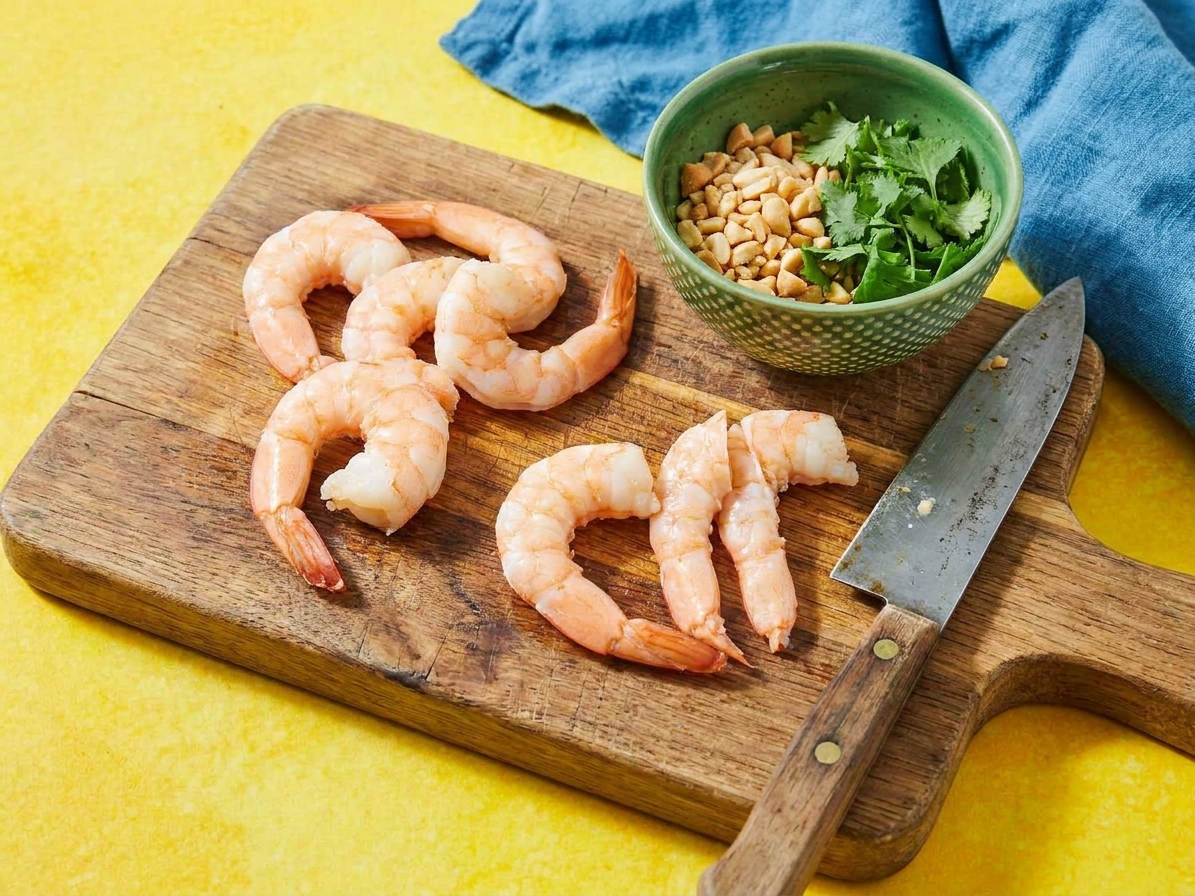
You can prep everything ahead (shrimp cooked, noodles done, veg sliced, sauce mixed), then roll up to 2 to 3 hours before serving. Keep finished rolls covered with a damp paper towel and plastic wrap so they do not dry out, and refrigerate until serving. For food safety, keep them chilled at or under 40°F (4°C) and do not leave them out for more than 2 hours total. If the party is long, set them out in batches.

What protein works besides shrimp?

  • Sliced cooked pork (very traditional)
  • Shredded rotisserie chicken
  • Seared tofu sticks
  • Thin omelet strips

Do I need special noodles?

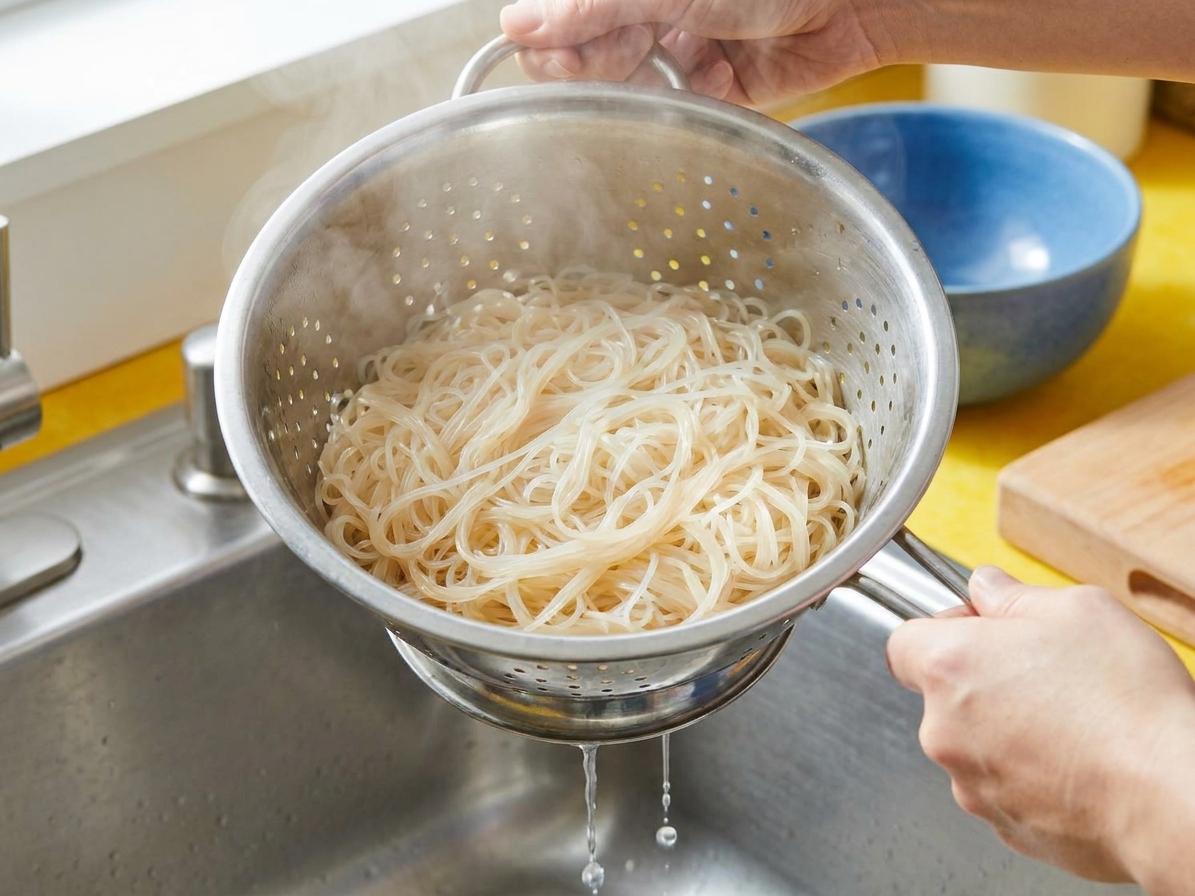
Look for rice vermicelli, often labeled bún. In a pinch, thin rice noodles work. You might also see bánh hỏi, which is related but different (it is woven into little sheets or nests). It is delicious in rolls, but it is not the same as standard bún vermicelli. Just do not overcook any of them, because mushy noodles make sad rolls.

Is hoisin sauce required for peanut sauce?

It helps with sweetness and depth, but you can swap in more soy sauce plus a little brown sugar, or even a splash of oyster sauce if you have it.

I love recipes like this because they feel like cooking with friends. Everything is spread across the counter, someone is inevitably stealing herbs, and the first roll is always a little wonky. Then you hit your rhythm and suddenly you have a whole platter of glossy, shrimp-studded rolls that look like you ordered takeout from the spot you wish existed in your neighborhood. Also, the peanut sauce makes people quiet, and that is how you know it is working.