Mom's Best Recipes
Recipe

Vietnamese Spring Rolls

Fresh, crunchy, herby rice-paper rolls with shrimp and noodles, served with a fast peanut dipping sauce.

Author By Matt Campbell
4.8
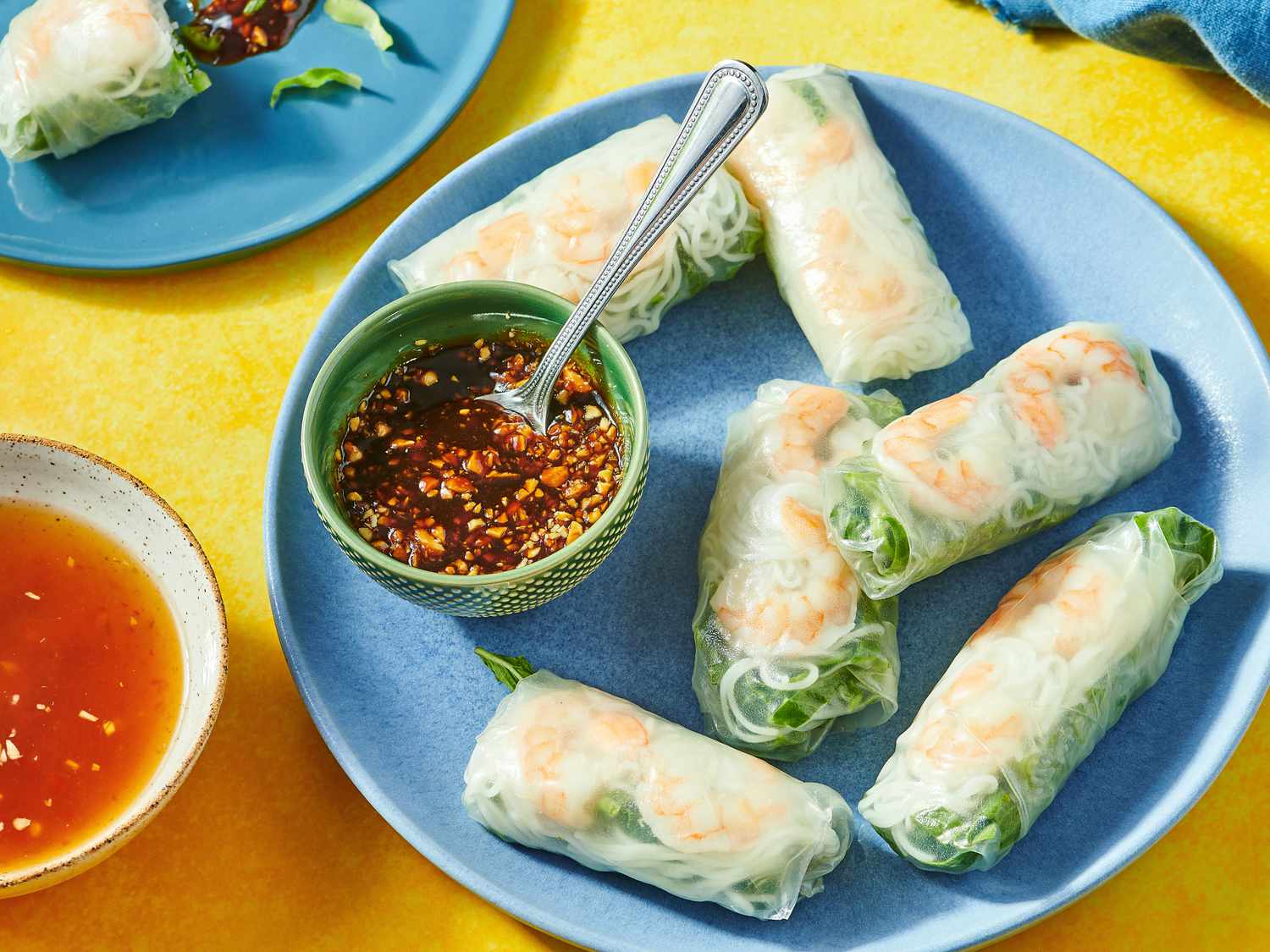
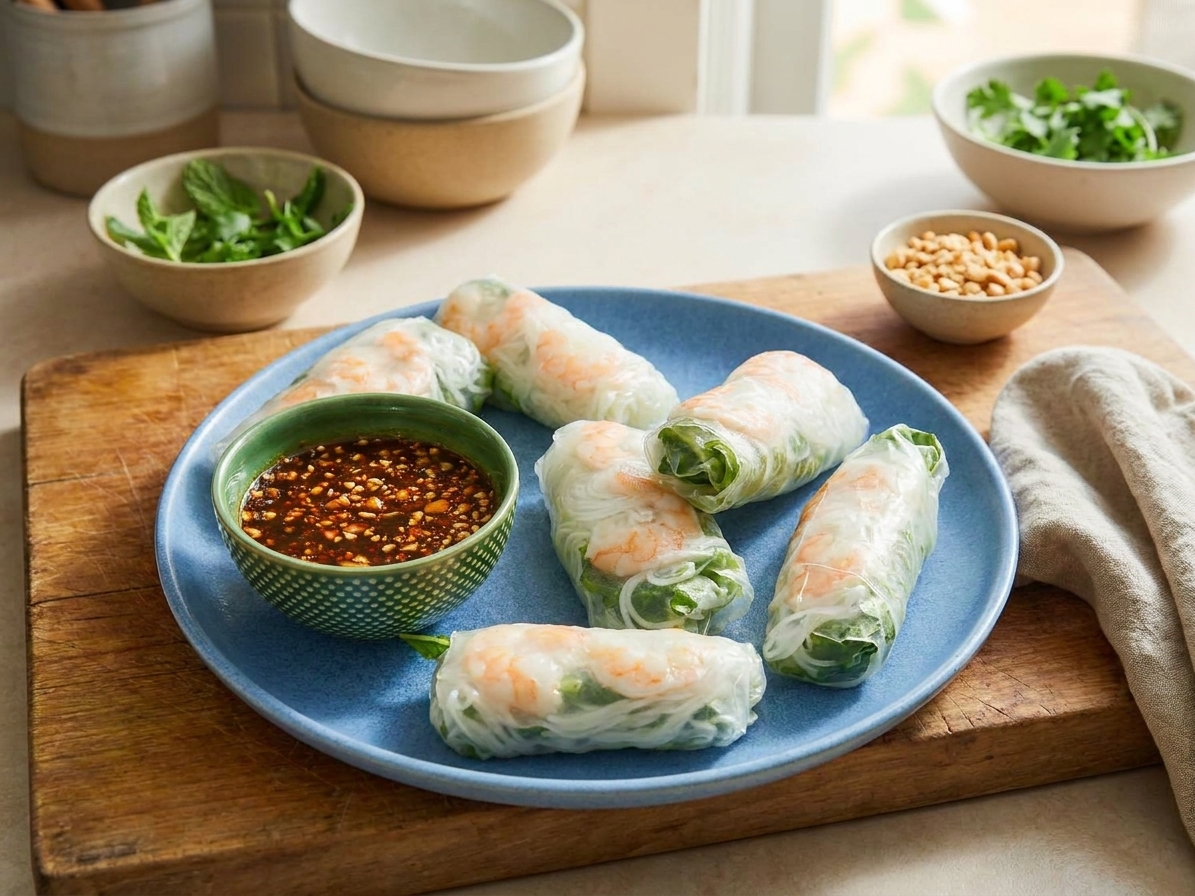
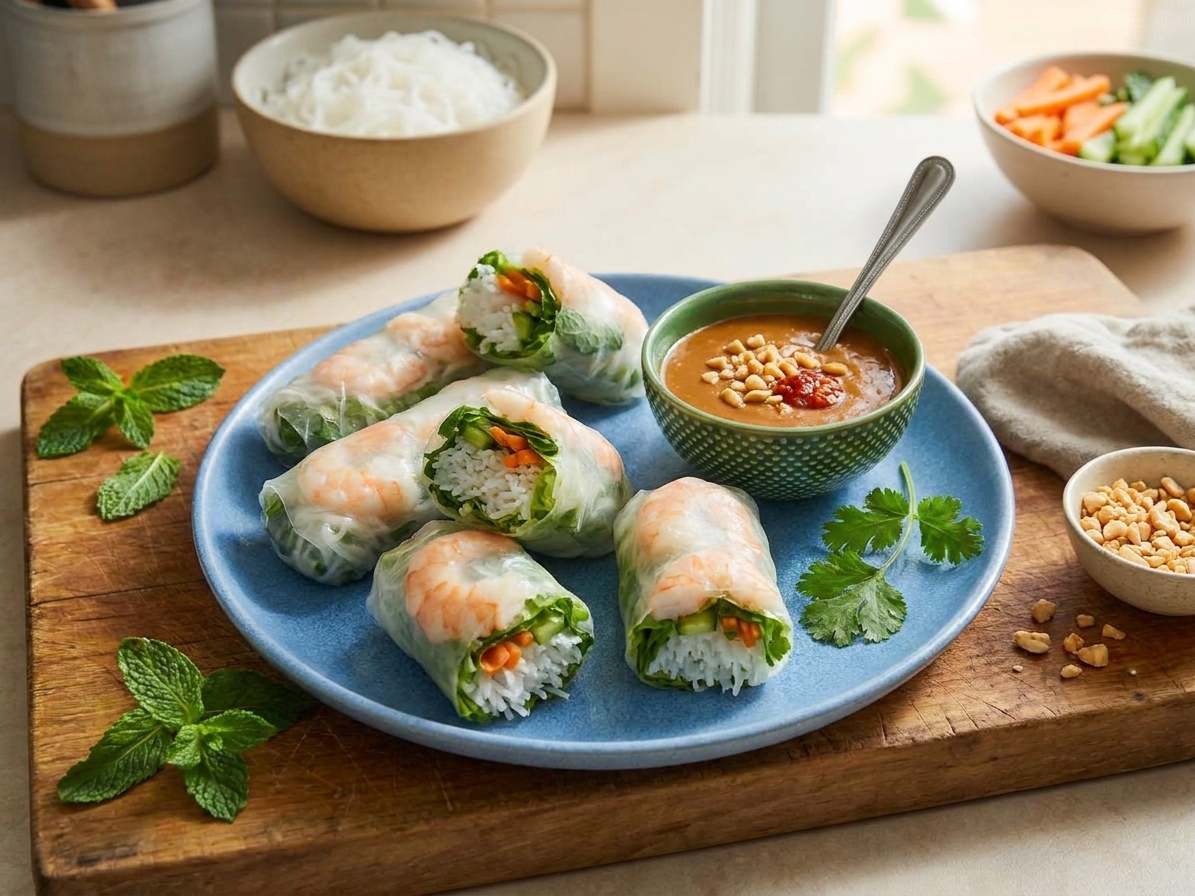
A platter of Vietnamese spring rolls (gỏi cuốn) cut on a bias, showing shrimp, herbs, noodles, and lettuce inside translucent rice paper, with a small bowl of peanut dipping sauce on a bright kitchen table

Vietnamese spring rolls are my favorite kind of kitchen magic: zero frying, tons of crunch, and a sauce that makes you keep “testing” it with your finger. These are the fresh kind (often called gỏi cuốn) wrapped in rice paper with shrimp, rice noodles, crisp veggies, and a pile of herbs for that clean, bright bite.

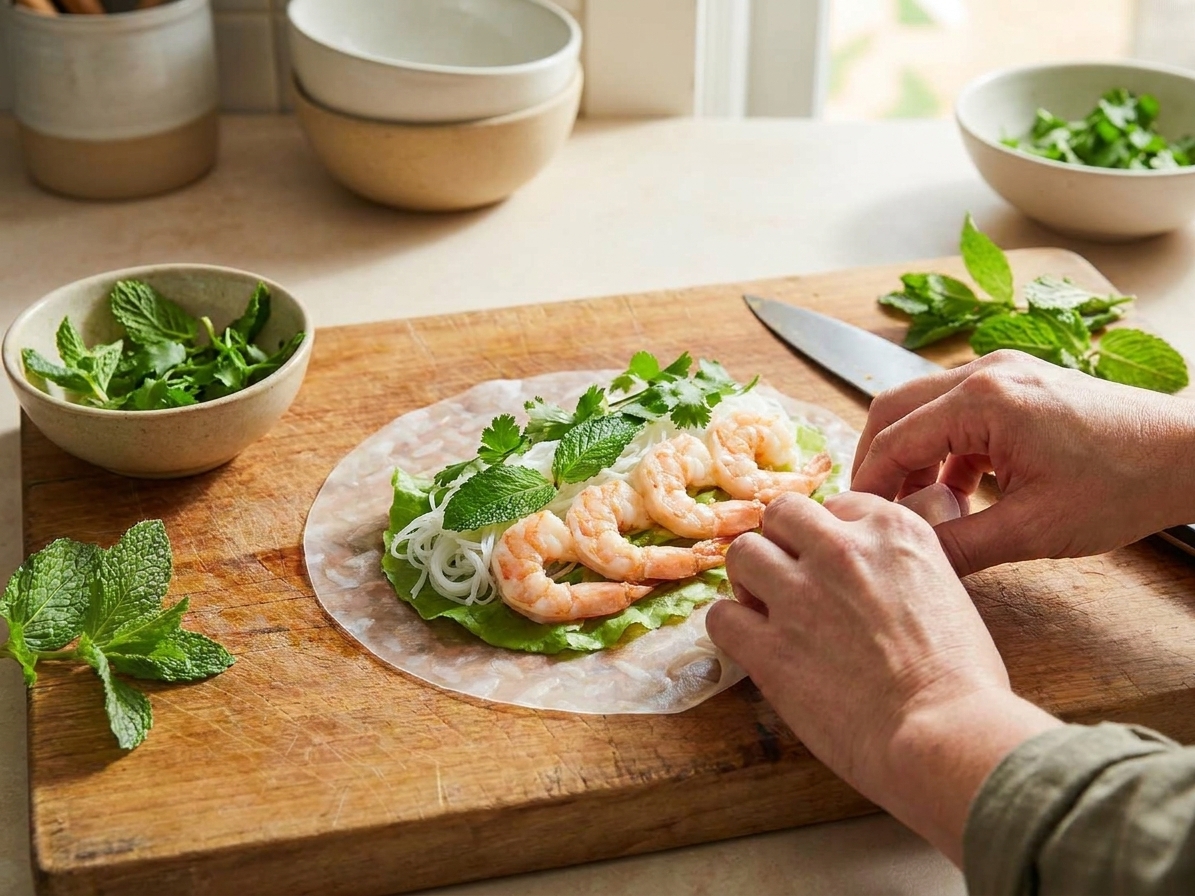
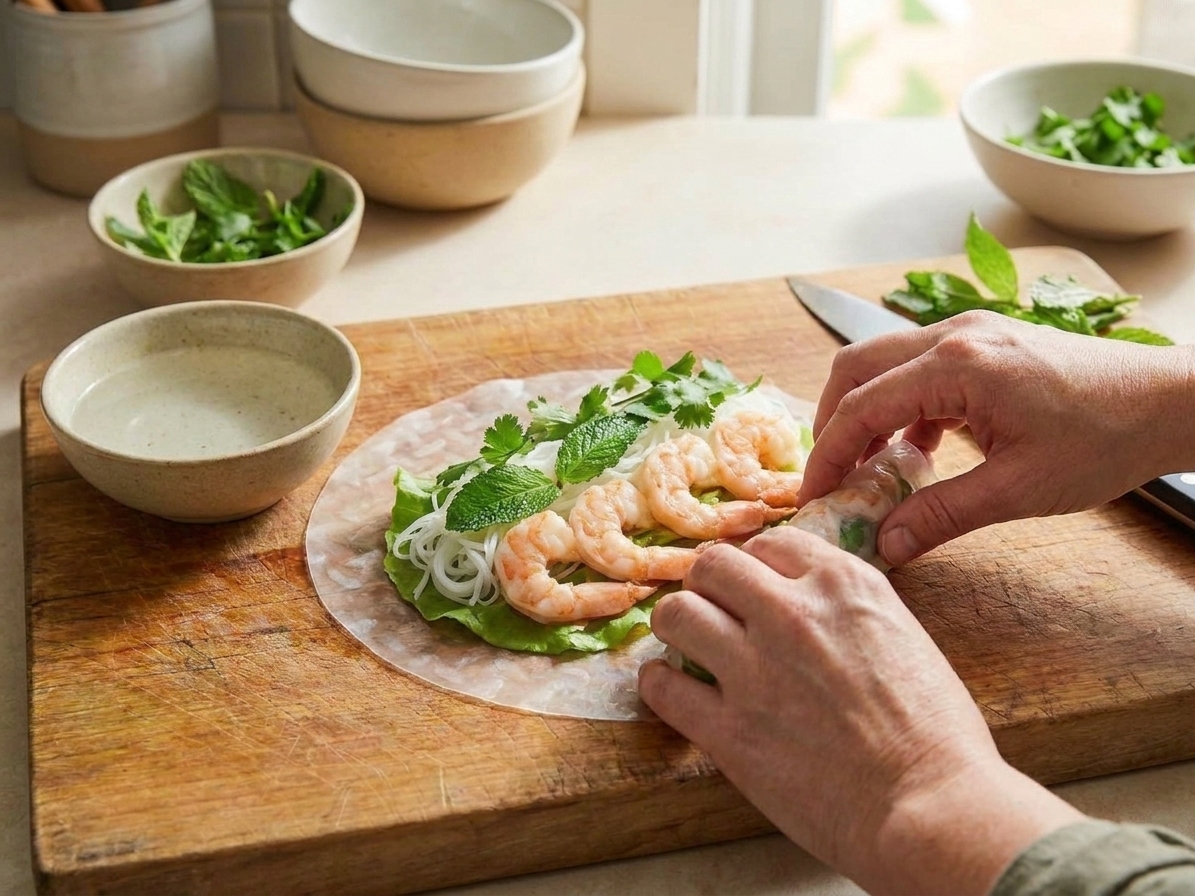
If you have ever been intimidated by rice paper, I promise it is more forgiving than it looks. The secret is a quick dunk, a little patience, and not overstuffing like you are packing a suitcase for two weeks.
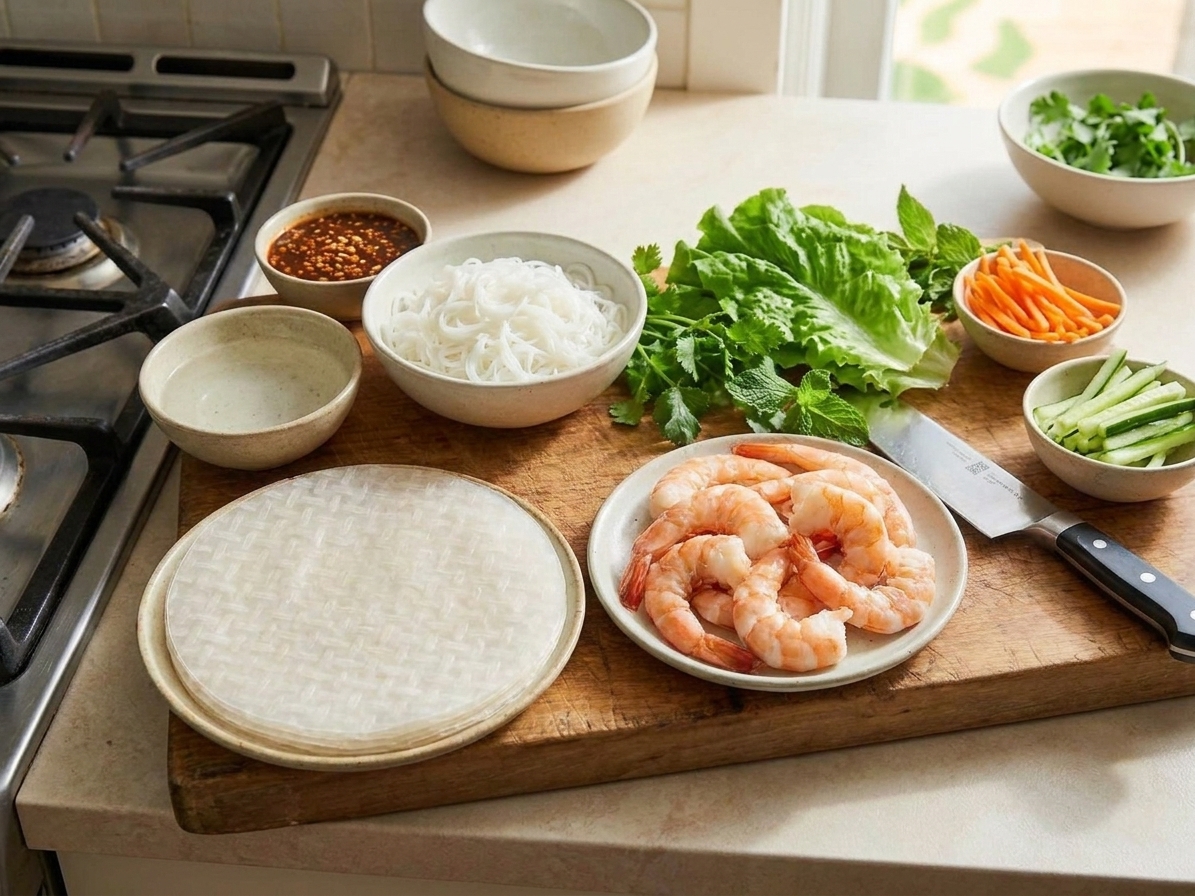
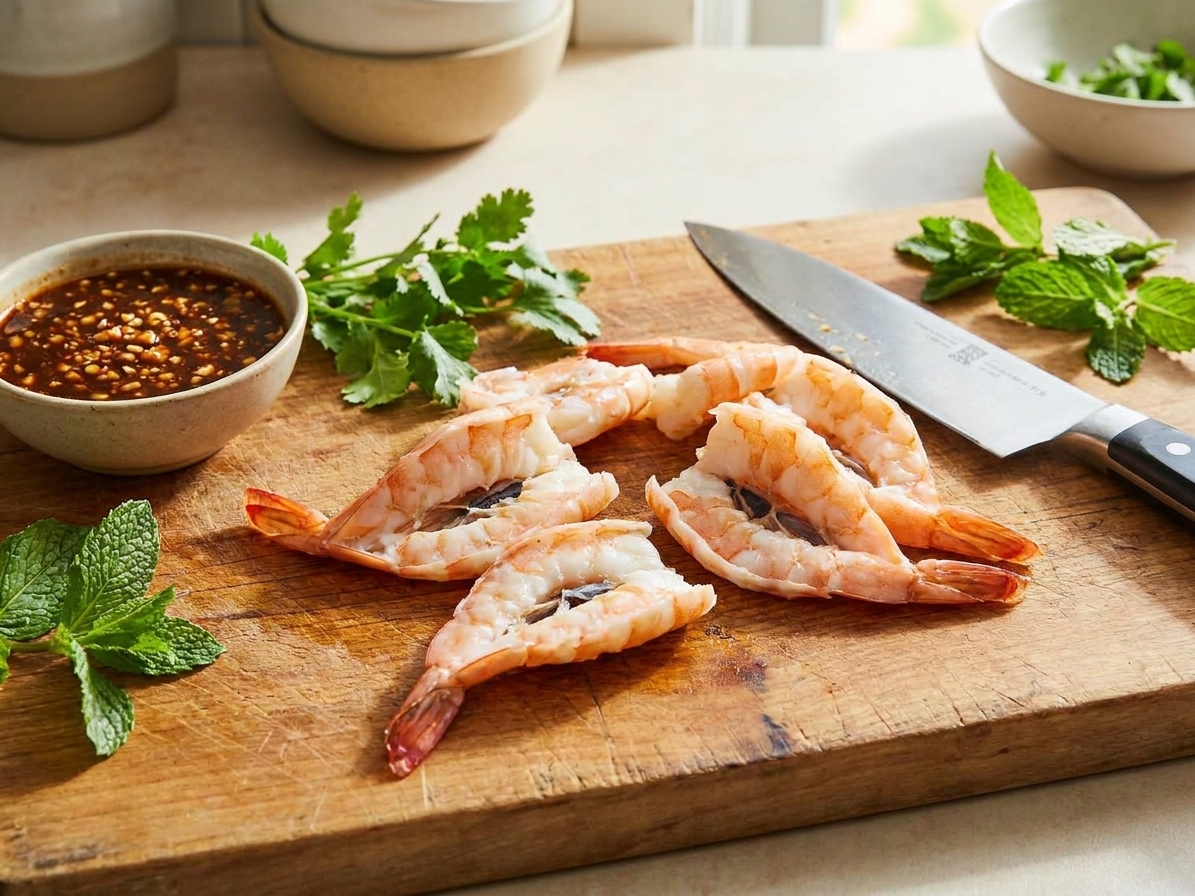
Rice paper wrappers, cooked shrimp, rice noodles, lettuce, herbs, and sliced vegetables arranged on a clean kitchen counter ready for rolling

Why It Works

  • Big flavor with simple ingredients: herbs, lime, and a savory dipping sauce do the heavy lifting.
  • Great texture: soft noodles, crisp veggies, and that snappy shrimp bite all in one roll.
  • Customizable: swap proteins, go vegetarian, or clean out the produce drawer.
  • Weeknight and party-friendly: set up a DIY rolling station and let everyone build their own.

Pairs Well With

Storage Tips

Fresh spring rolls are best the day they are made, but you can absolutely save leftovers.

To store

  • Wrap individually: place each roll on a plate and cover with a slightly damp paper towel, then wrap tightly with plastic wrap or tuck into an airtight container.
  • Refrigerate: up to 24 hours for best texture. Rice paper will firm up a bit in the fridge.
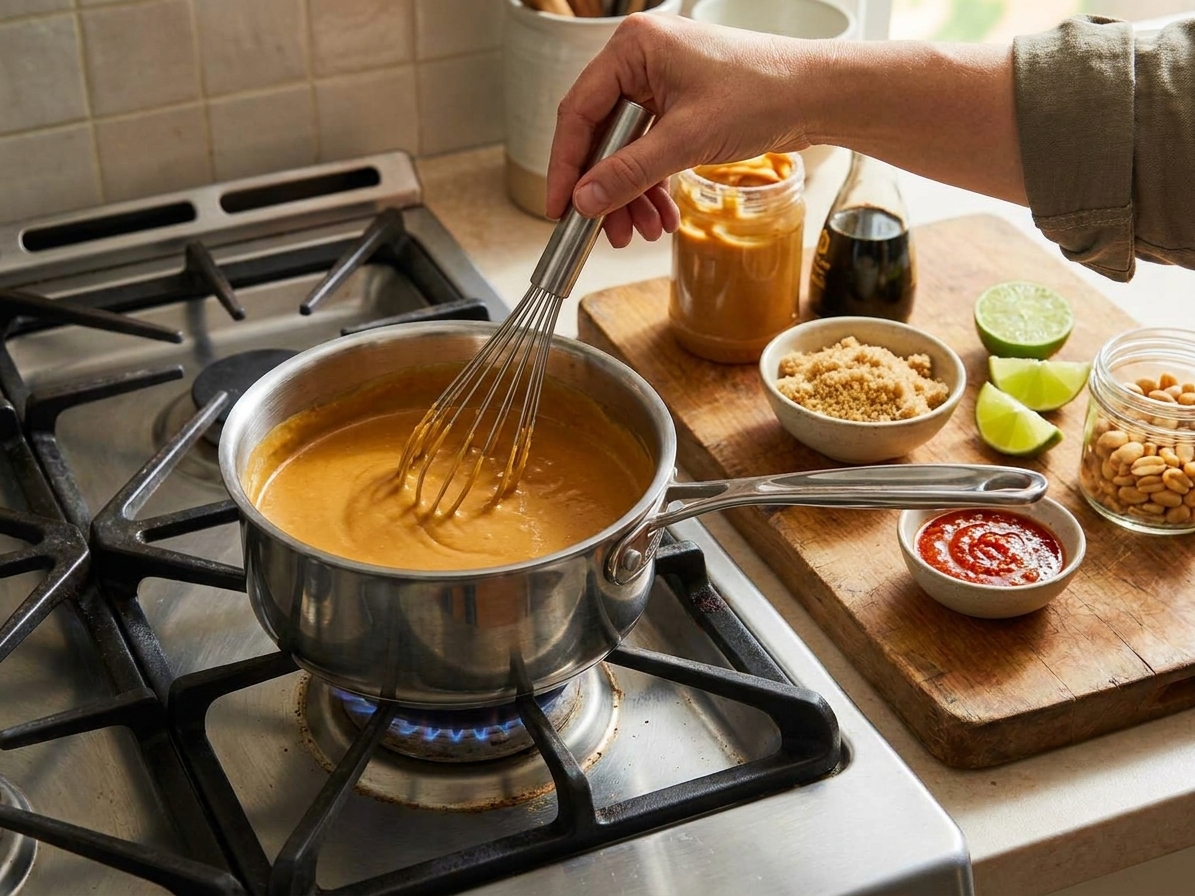
  • Keep sauce separate: store peanut sauce in a sealed container for 3 to 5 days. Stir and add a splash of warm water to loosen before serving.

How to revive

If the rice paper feels a little tough the next day, let the rolls sit at room temp for 10 to 15 minutes. Do not re-soak them, they can turn gummy.

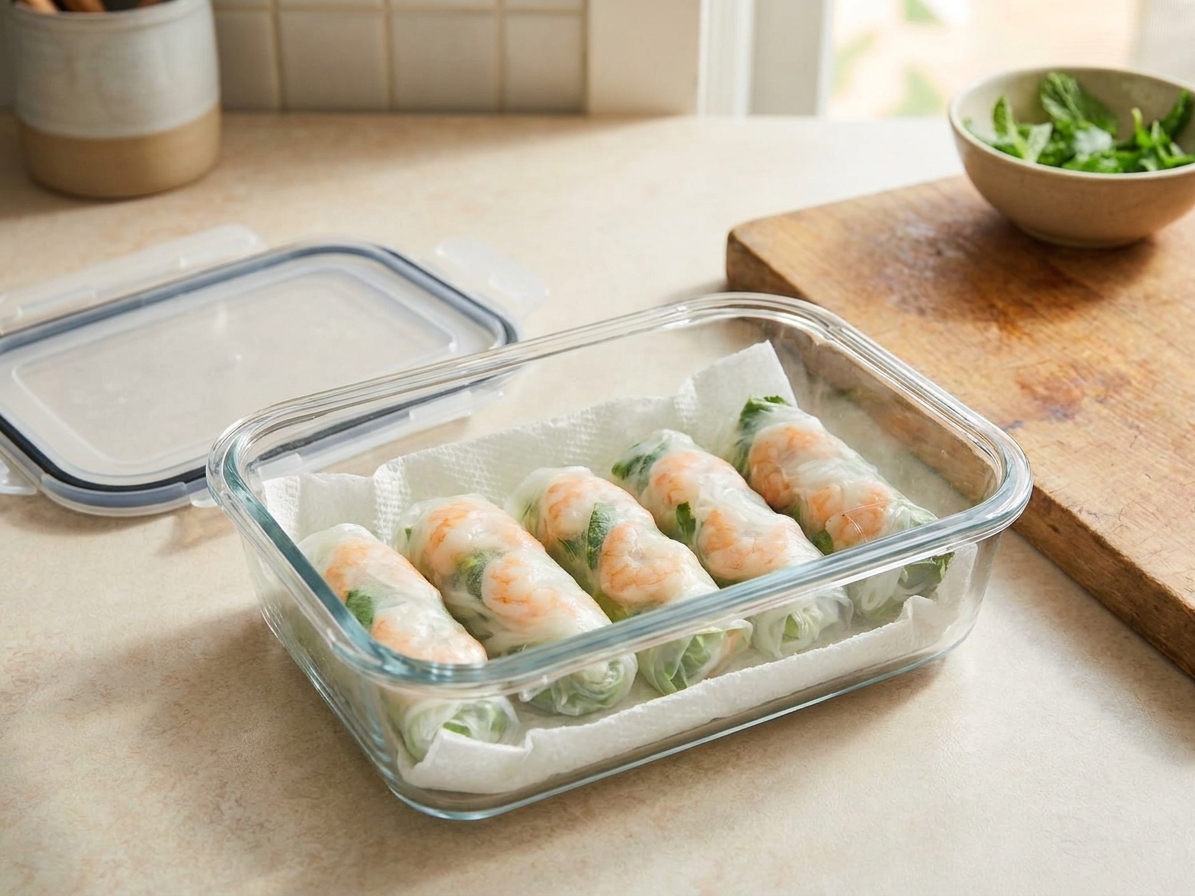
Vietnamese spring rolls arranged in a single layer inside an airtight container lined with a damp paper towel

Common Questions

Are Vietnamese spring rolls the same as egg rolls?

Nope. These are fresh rolls wrapped in rice paper and served chilled or at room temp. Egg rolls are wrapped (usually in wheat-based wrappers) and fried.

Why is my rice paper tearing?

  • You soaked it too long. Aim for 5 to 10 seconds in warm water.
  • Your fillings have sharp edges. Keep carrots and cucumber thin and tuck herbs inward.
  • You are rolling on a rough surface. Use a smooth cutting board or a damp towel.

Can I make these ahead for a party?

Yes, with a small caveat. They are best within a few hours. With careful wrapping (as described below), you can usually make them up to 4 hours ahead, but rice paper can firm up sooner depending on the brand and your room’s humidity.

Food safety note: If you are making ahead, cool and refrigerate the cooked shrimp promptly, then assemble closer to serving time when possible.

What protein works besides shrimp?

Cooked pork, rotisserie chicken, sliced tofu, or even scrambled egg strips all work. Keep pieces thin so rolling stays easy.

Is peanut sauce the only option?

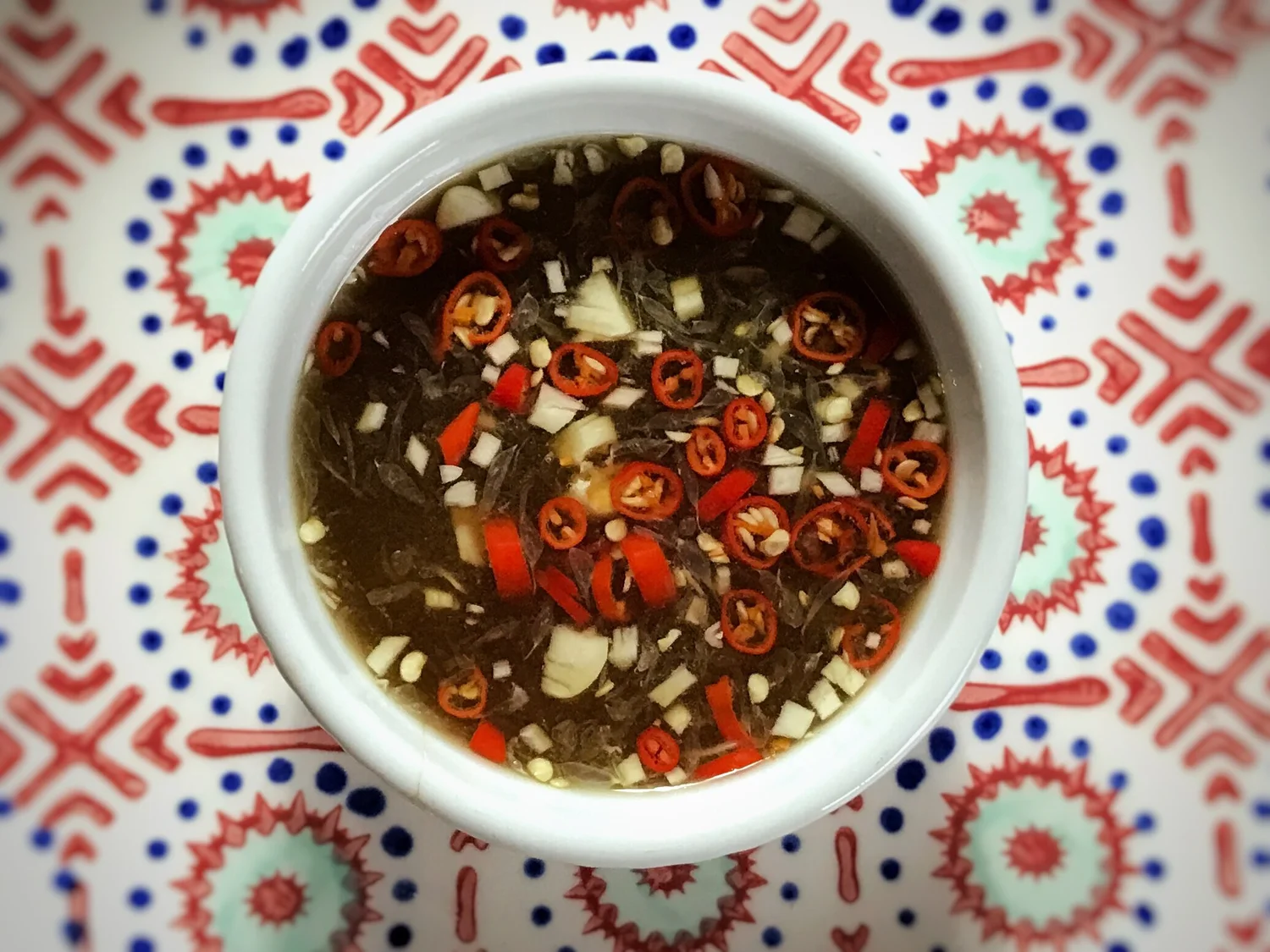
Not at all. A simple nuoc cham style dip (lime, fish sauce, sugar, water, garlic, chili) is classic and super bright. I include a quick version in the variations below. If you need peanut-free, nuoc cham is a great option.

The first time I tried to roll these at home, I treated rice paper like it was a fragile museum artifact. I soaked it forever, it turned into a sticky sheet, and I panic-folded it into something that looked like a wet envelope. The good news is: they still tasted great. Now I do it the calm way. Quick dunk, let it soften on the board, and roll like you mean it. A little chaos is fine. The sauce forgives everything.