Do I really need to decarb first?
For most home edible goals, yes. Decarbing activates the cannabinoids so your butter is more effective and consistent. Skipping it is the fastest way to end up with butter that smells loud but feels weak.
Is 240°F for 35 to 45 minutes always right?
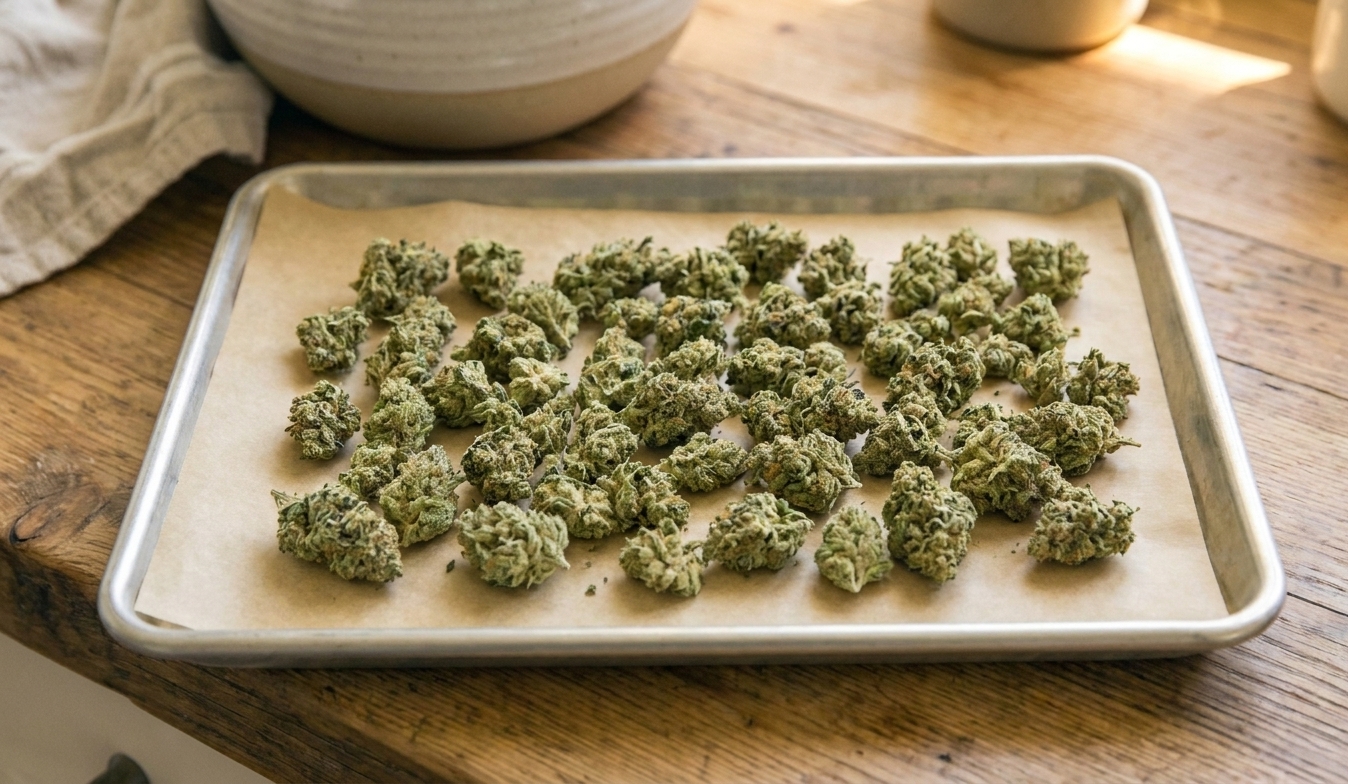
It is solid home guidance, but ovens vary a lot, and flower moisture and piece size matter. If your oven runs hot or cold, your timing changes. If you can, use an oven thermometer and treat the time range as a guide. You are looking for dry, lightly toasted, aromatic flower, not dark or burnt.
Why is there water in this recipe?
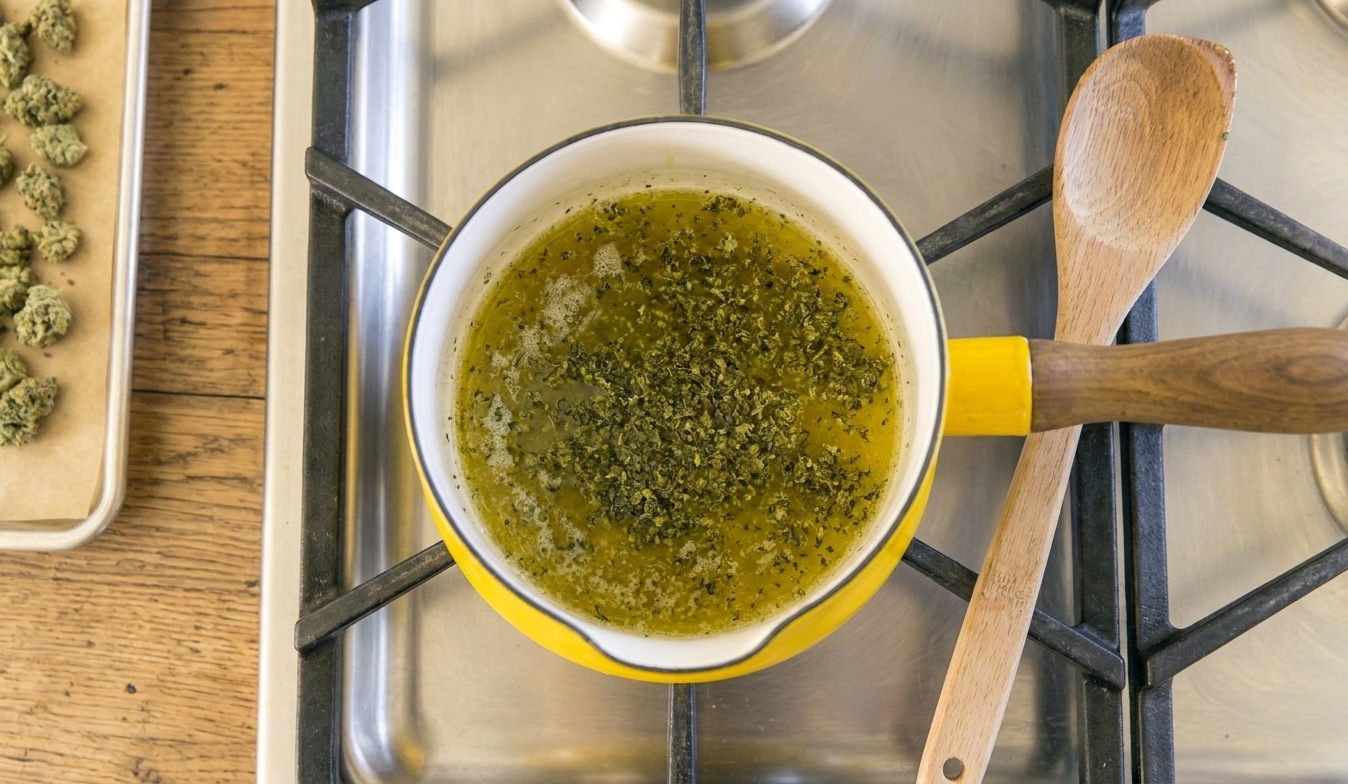
Water helps regulate temperature so the butter is less likely to scorch. It also keeps milk solids from browning too hard during the long infusion. You pour the water off after chilling, so it is not “watering down” your butter long-term.
What temperature should I infuse at?
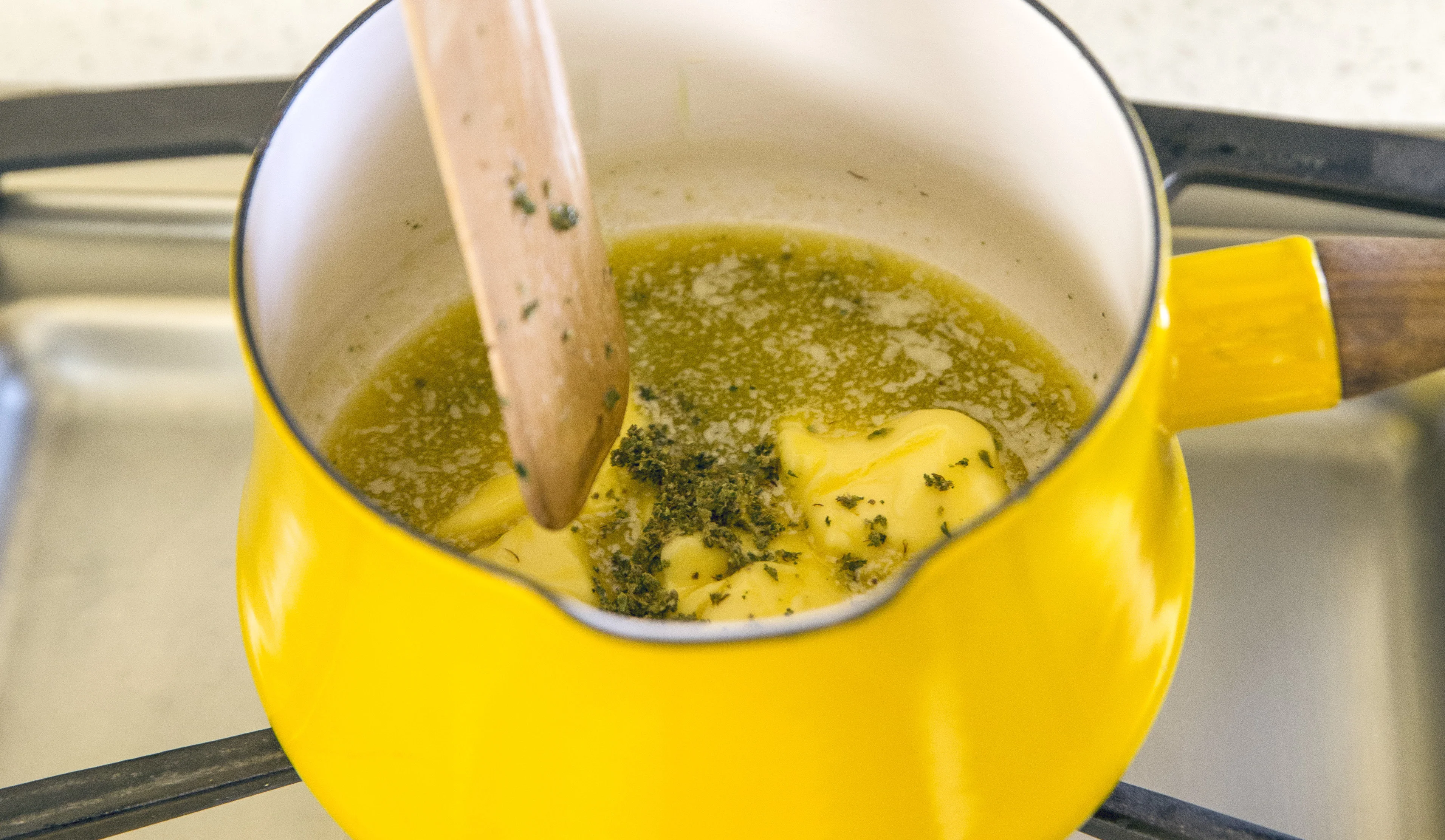
Keep it low. If you have a thermometer, aim for roughly 160°F to 190°F. That is below a true simmer. Visually, you want a few tiny bubbles at the edges now and then, not a rolling boil. If it starts bubbling aggressively, turn the heat down.
My butter tastes super weedy. How do I make it milder?
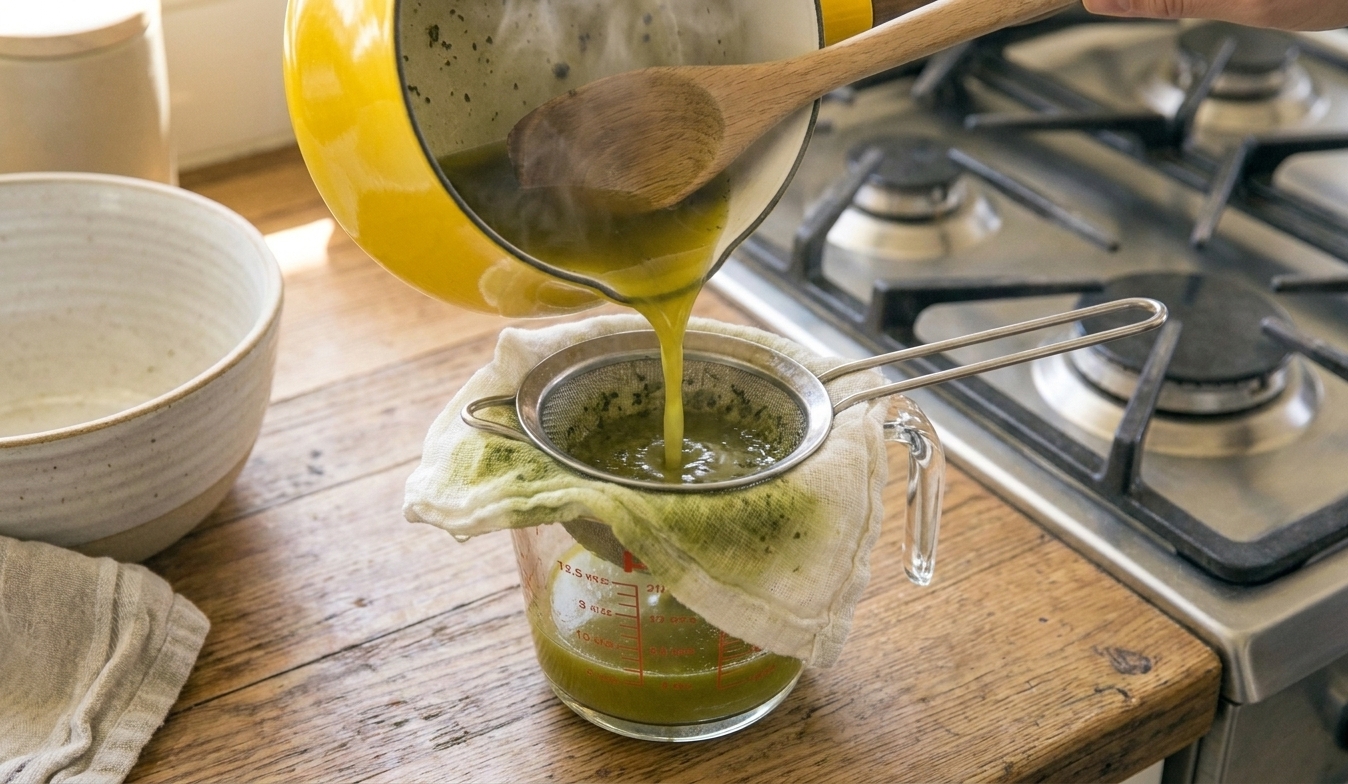
Strain more thoroughly, avoid high heat, and consider a quick water cure (soaking the cannabis in water and changing it a few times before drying and decarbing). Also, using less plant material per stick makes a big difference in flavor.
Can I use salted butter?
You can, but I recommend unsalted. It gives you more control when you use the butter in recipes.
How do I estimate potency?
Home methods are not lab-precise, but you can get a rough estimate:
Estimated total THC (mg) = grams of cannabis × THC% × 1000 × efficiency
Then divide by tablespoons of butter (this recipe yields about 16 tablespoons).
Example: 7 g at 20% THC: 7 × 0.20 × 1000 = 1400 mg THC in the plant. If you assume ~70% efficiency for decarb and infusion combined: 1400 × 0.70 = 980 mg THC in the batch. 980 ÷ 16 ≈ 61 mg per tablespoon.
Important: This is a rough estimate. Actual results depend on your flower, your temps, and your timing. When in doubt, start low.
Does lecithin “emulsify” the butter?
It will not keep butter and water blended long-term. What it can do is help cannabinoids and fats disperse a bit more evenly, which can help consistency in some recipes (especially chocolates, gummies, and batters). It is optional here.
Can I reuse the strained plant material?
I do not recommend it. Most of the good stuff is already in the fat. Compost it or discard it safely and out of reach of kids and pets.