What’s the difference between a Negroni and a White Negroni?
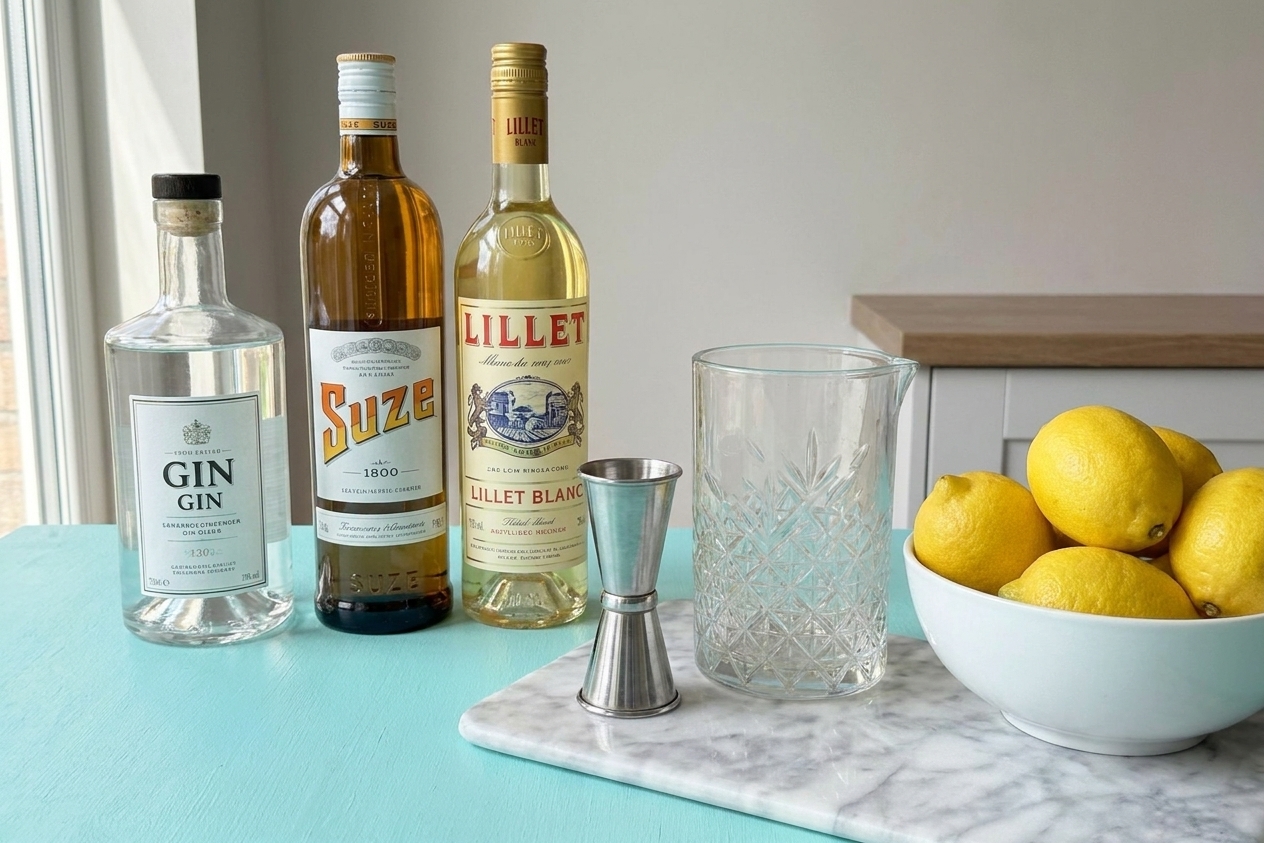
A classic Negroni is gin + sweet vermouth + Campari. A White Negroni keeps gin, but is commonly made with Lillet Blanc (instead of sweet vermouth) and Suze (instead of Campari). Some bars use Cocchi Americano in place of Lillet as a standard spec. Either way, you get something paler, brighter, and more herbal with a gentian bite.
What style of gin works best?
London Dry is the safest bet here. It has enough backbone to stand up to Suze without getting lost. Very delicate, super floral, or softly sweet gins can taste a little shy once the gentian bitterness shows up. If you love a more aromatic gin, just consider bumping gin slightly (say, 1 1/4 oz gin and 1 oz each Lillet and Suze) after you try the classic equal-parts version.
What does Suze taste like?
Suze is a French aperitif flavored with gentian root. Expect earthy bitterness, a little citrusy lift, and a clean, drying finish.
Can I substitute Lillet Blanc?
Yes. The closest easy swap is Cocchi Americano (a bit more bitter and quinine-like). In a pinch, use a dry vermouth and add a tiny splash of simple syrup or orange liqueur to mimic Lillet’s roundness.
Can I substitute Suze?
Suze is fairly unique, but you can get close with other gentian aperitifs. The truest direct substitutes are Salers or Avèze (both gentian-forward and in the same neighborhood). If you want less bitter, try Aperol and accept that it will turn orange and taste sweeter.
Do I shake or stir a White Negroni?
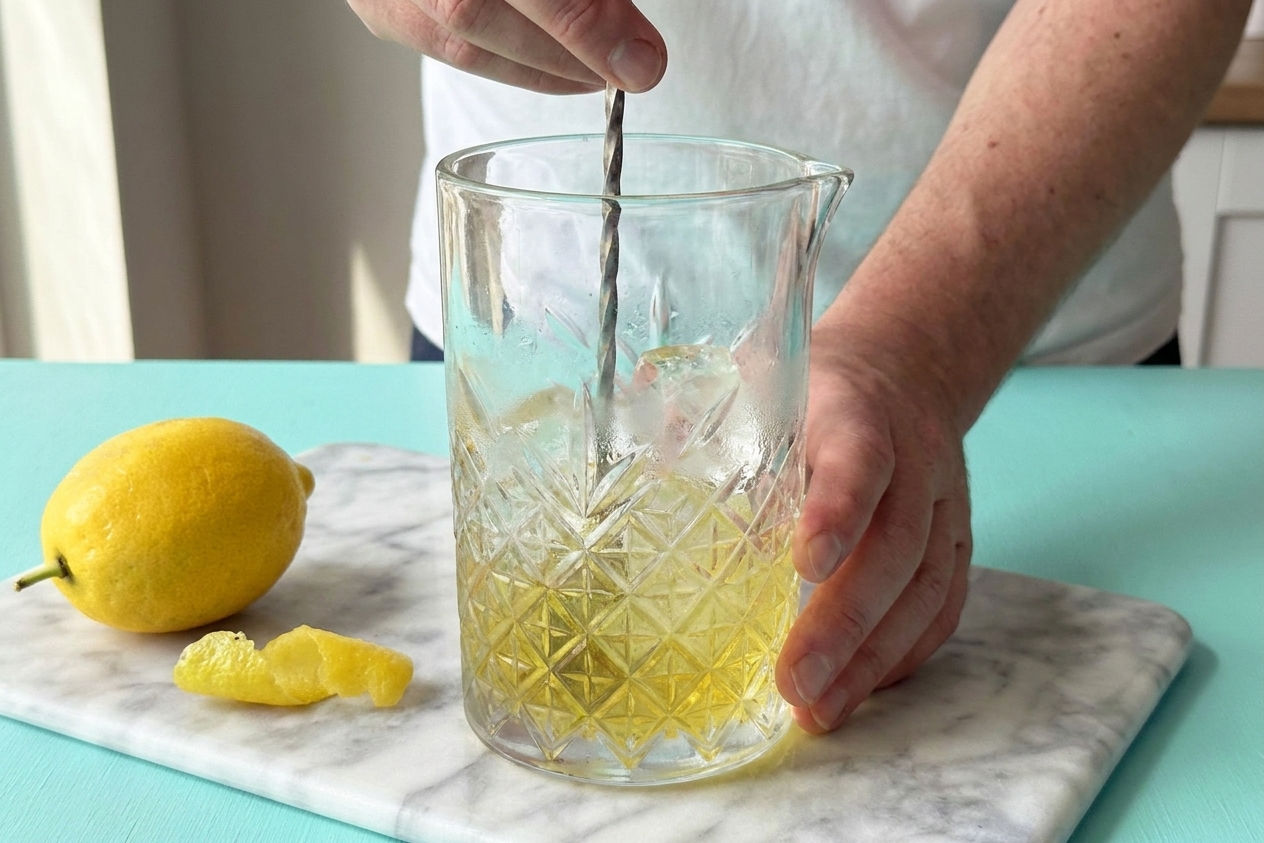
Stir. There’s no juice, egg, or cream here. It’s spirit plus aromatized/aperitif ingredients, so stirring keeps it cold, silky, and clear.
What glass should I use?
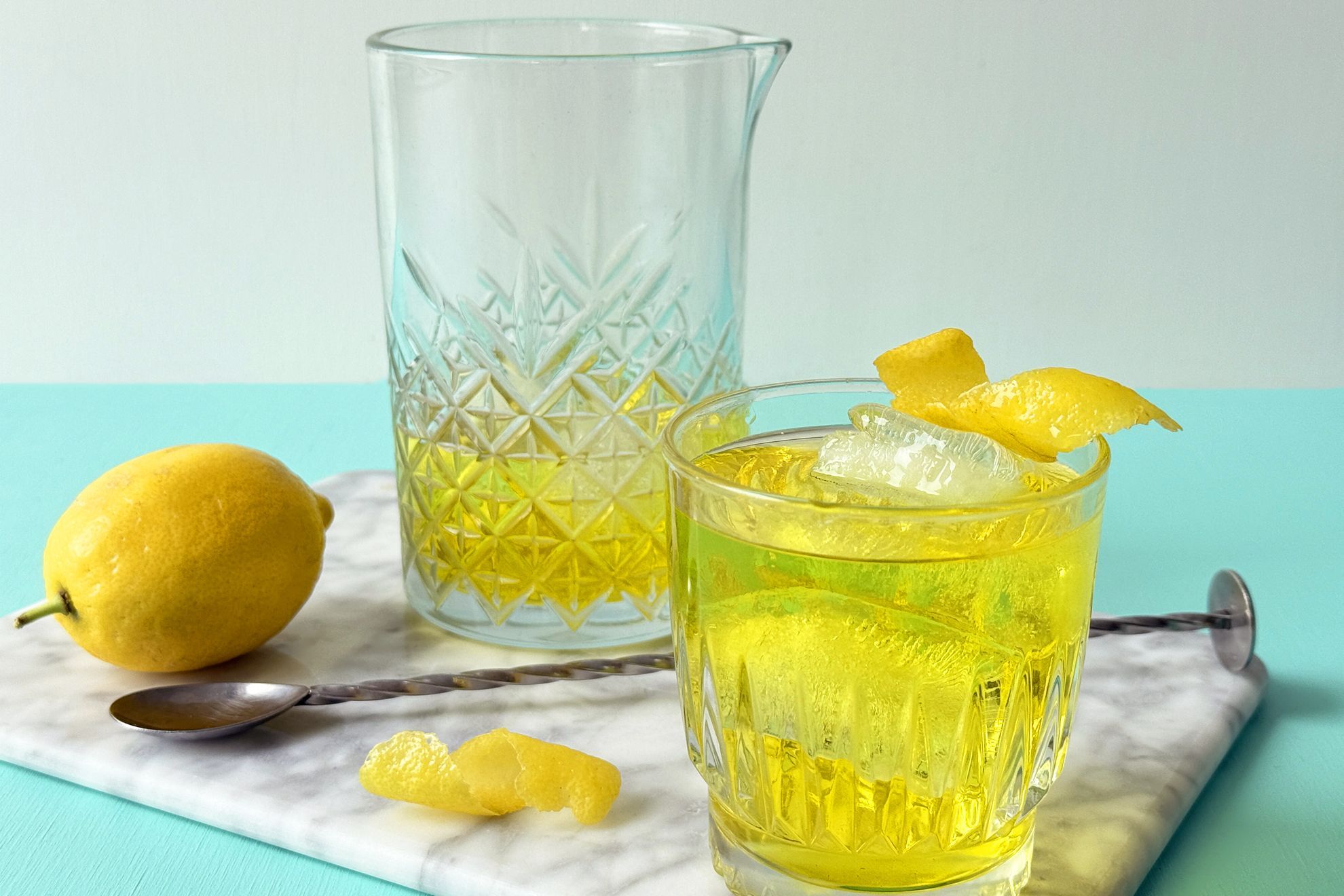
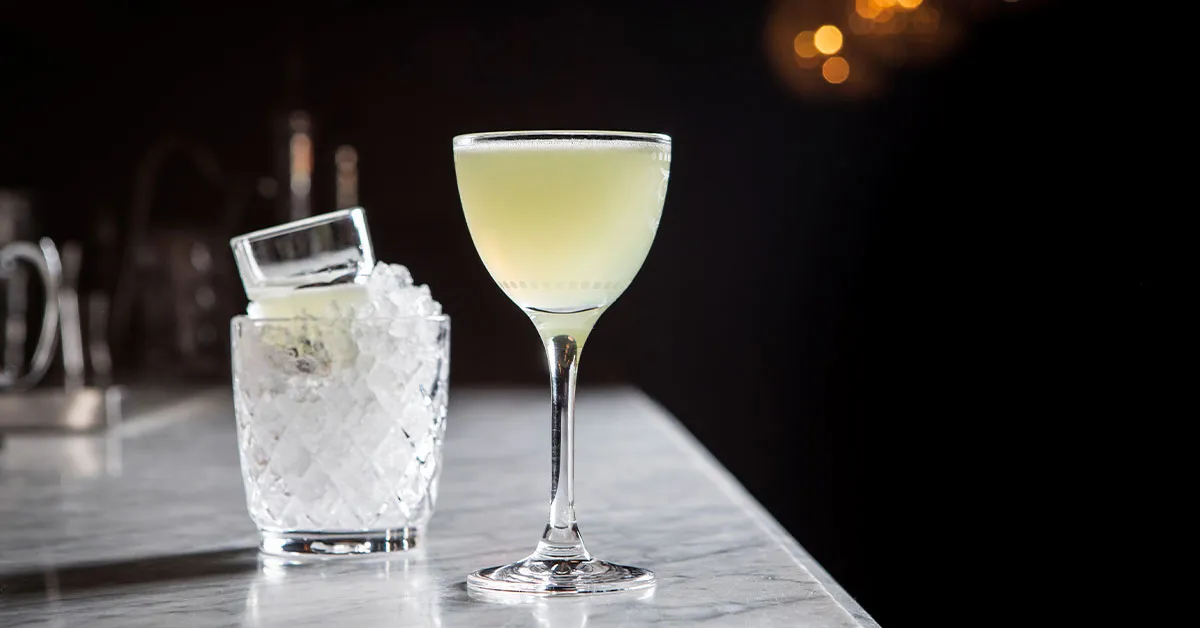
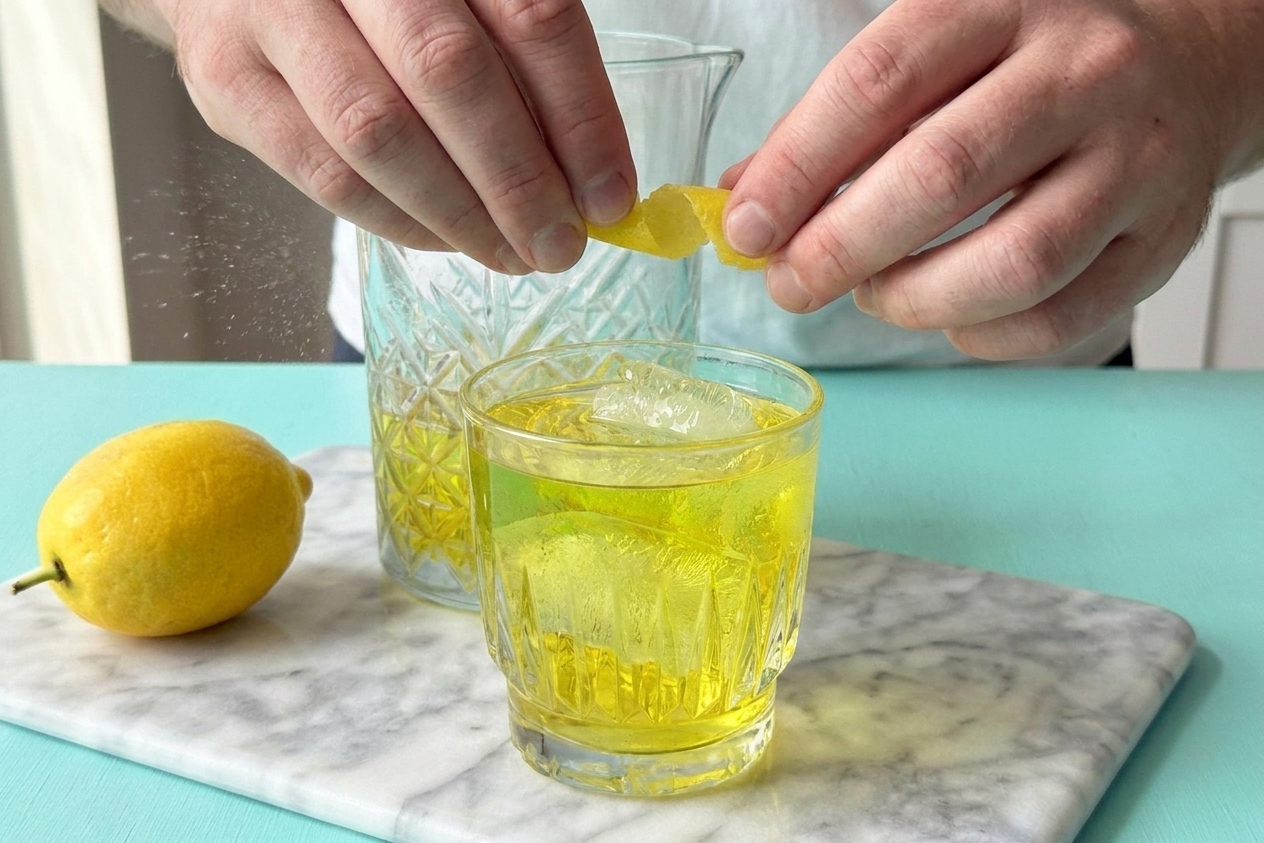
You can go either way. Rocks over a big cube feels relaxed and slow-sippy. Up in a Nick & Nora makes it snappier and a little more perfume-forward. Same drink, different vibe.
What garnish is best?
Lemon twist is the classic move. Orange works too, especially if your gin is more citrus-forward.