Mom's Best Recipes
Recipe

Roast Leg of Lamb

Garlic, rosemary, lemon, and a no-stress method for a juicy roast with crisp edges and an easy pan gravy.

Author By Matt Campbell
4.8
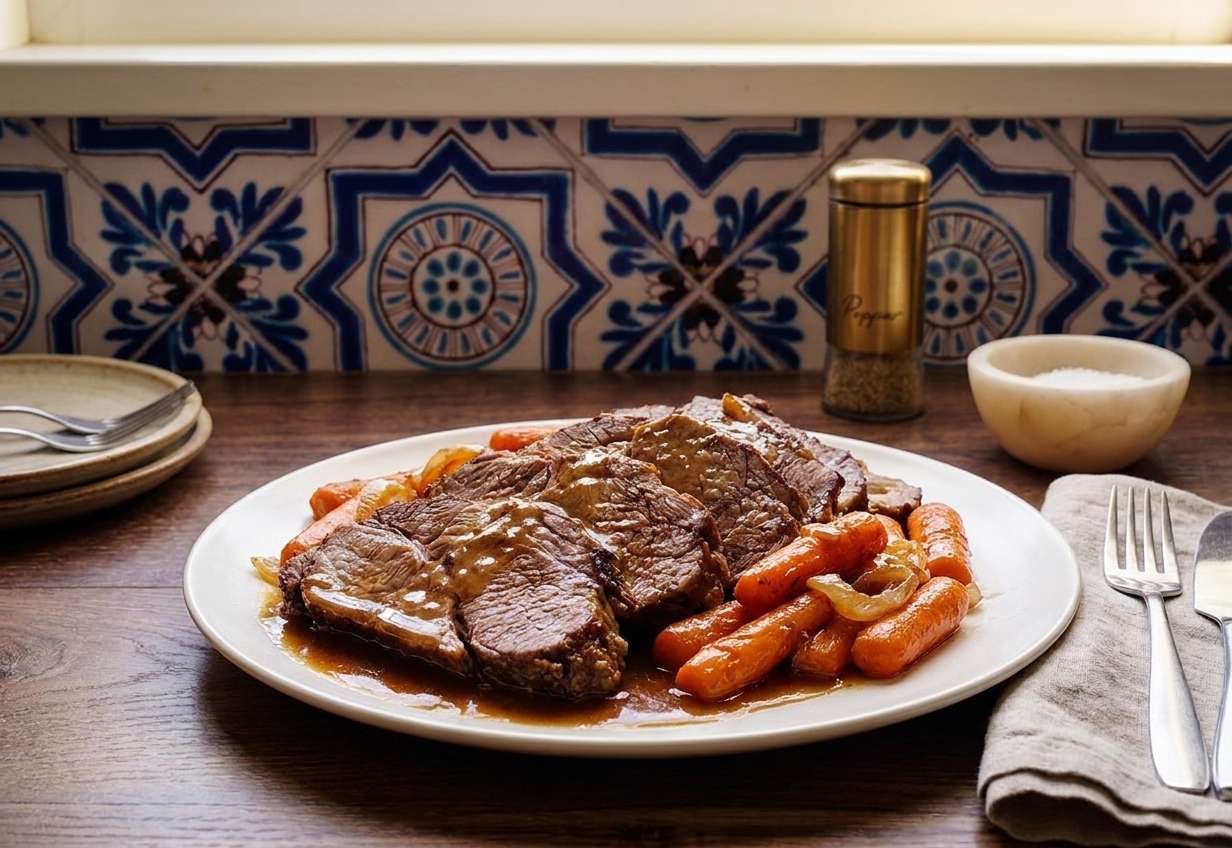
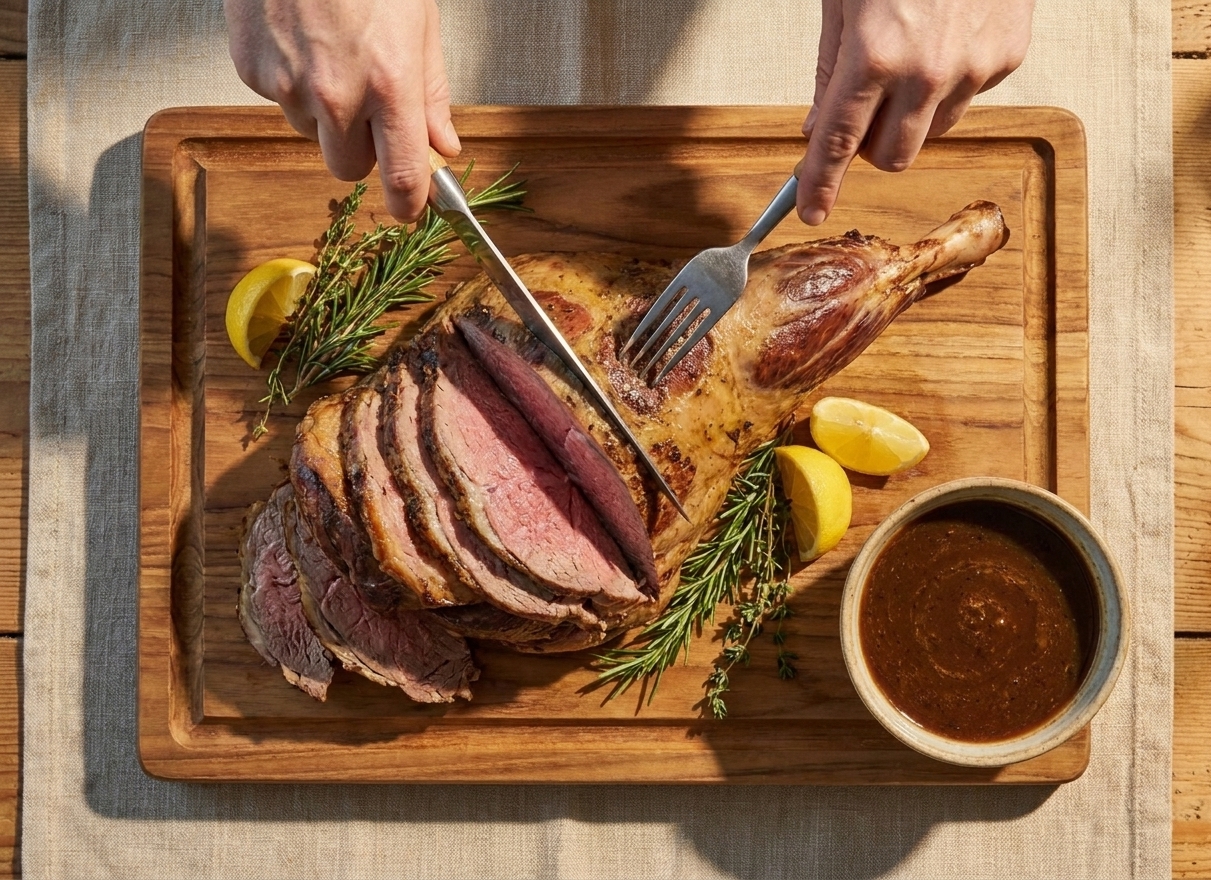
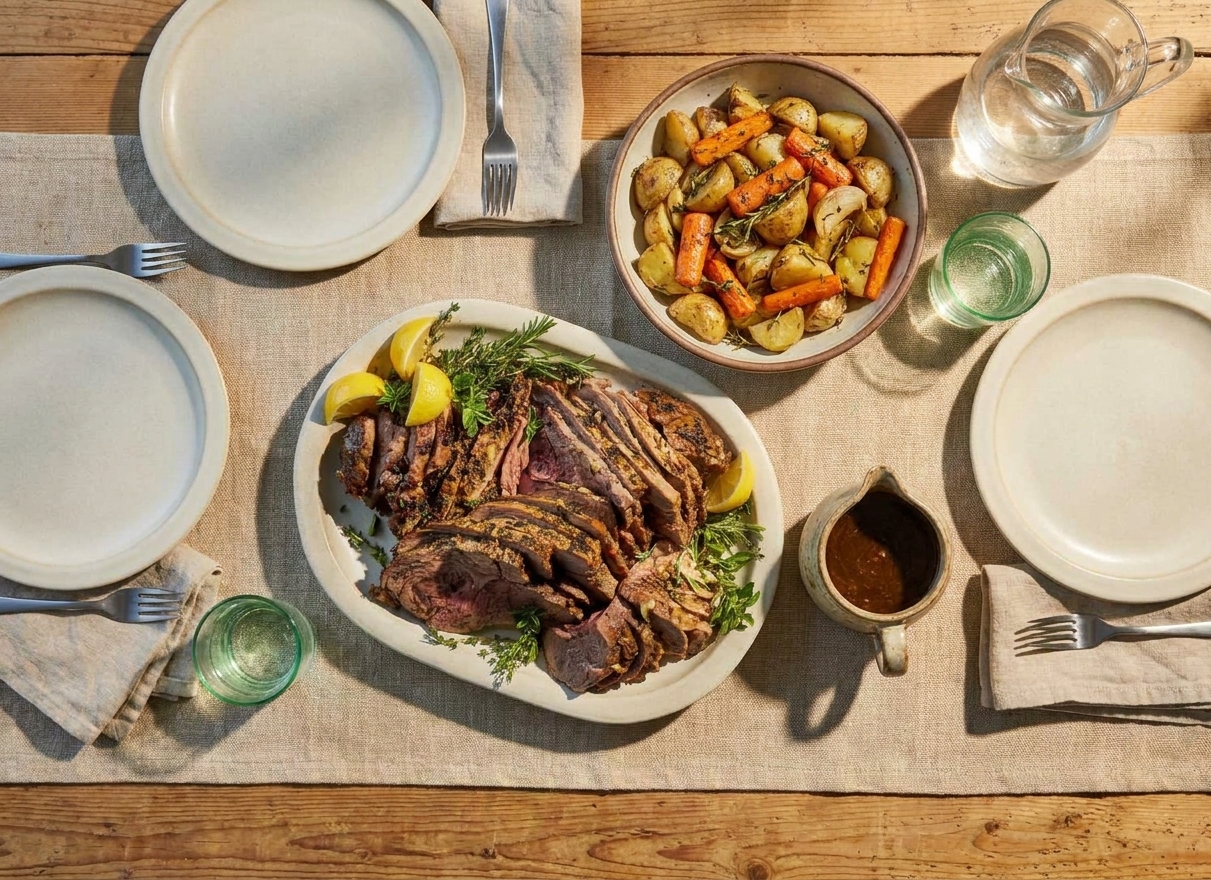
A sliced roast leg of lamb on a warm serving platter with rosemary sprigs, roasted garlic cloves, and glossy pan juices, set on a wooden table with simple dinner plates

Roast leg of lamb has a reputation for being a special-occasion only situation, like you need a chef coat and a deep fear of undercooking. I disagree. This is actually one of those big, dramatic roasts that wants to be easy, as long as you give it two things: enough seasoning and a thermometer.

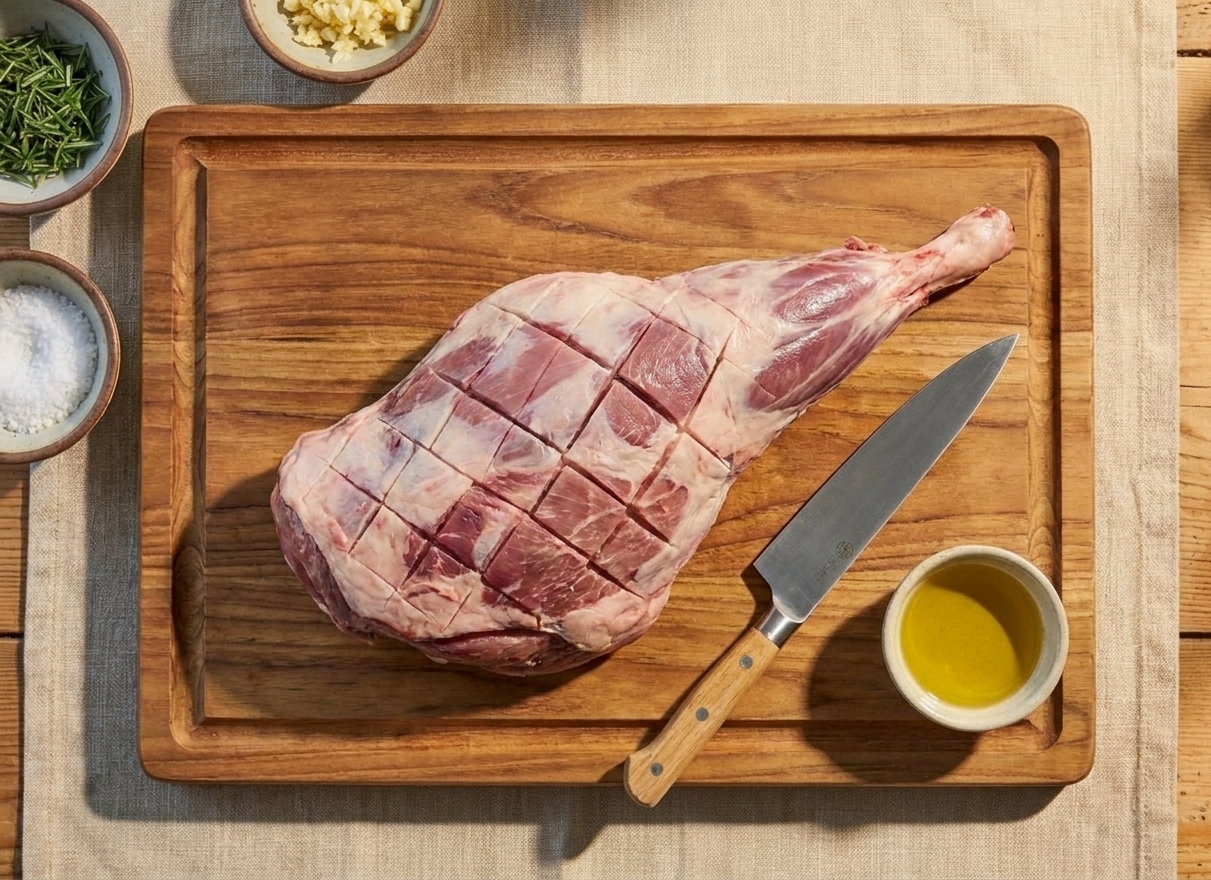
My version goes hard on the classics: garlic, rosemary, lemon, and black pepper. We score the fat so it renders and gets those crisp edges, then roast hot enough to brown and steady enough to stay juicy. The best part is the pan gravy at the end. It tastes like you did something wildly professional, even if your kitchen looked like a rosemary crime scene for a minute.

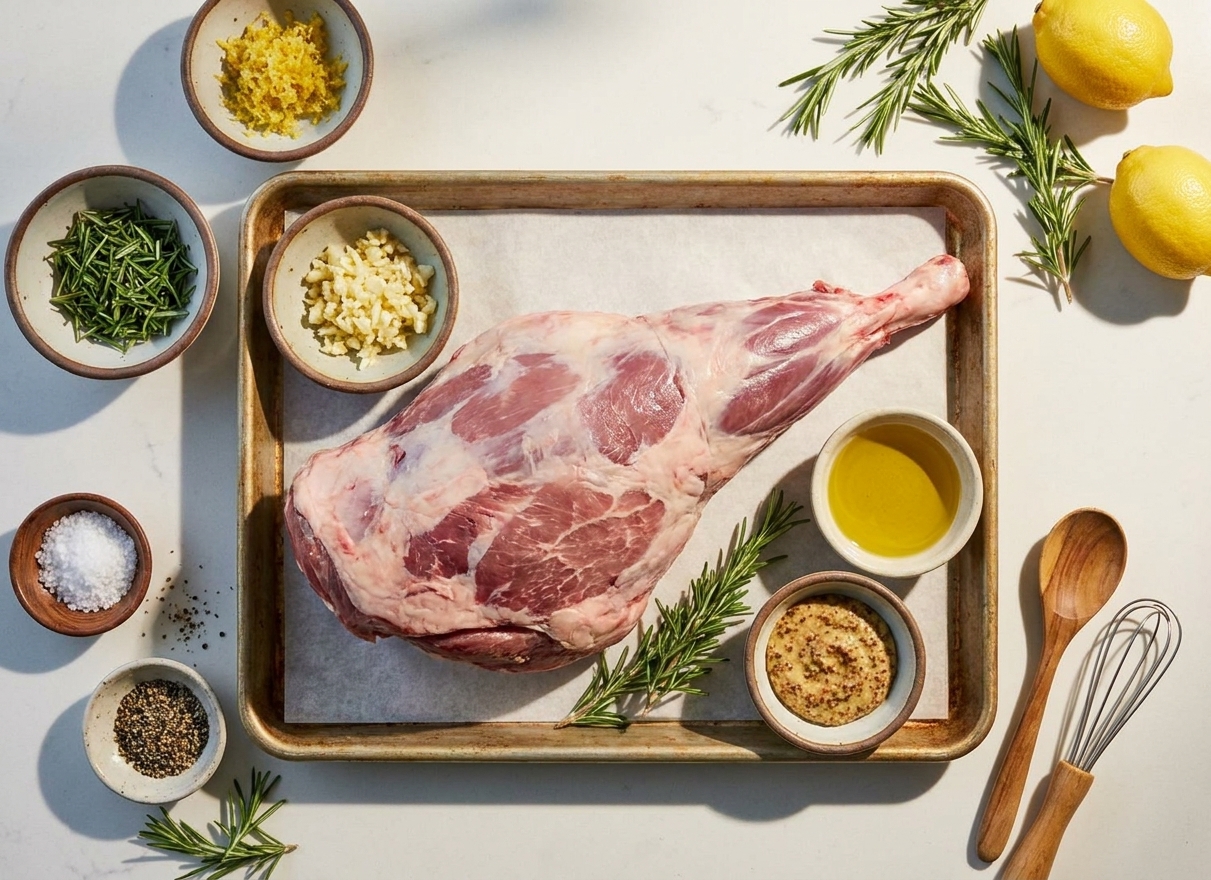
Raw leg of lamb on a sheet pan surrounded by small bowls of chopped rosemary, minced garlic, lemon zest, salt, pepper, olive oil, and Dijon mustard on a bright kitchen counter

Why It Works

  • Big flavor, simple prep: A quick garlic-rosemary paste gets into the scores and clings to the meat so every slice is seasoned.
  • Crisp outside, tender inside: Scoring the fat helps it render and brown instead of staying chewy.
  • Doneness you can trust: Clear temperature targets plus a rest time means no guessing and no dry lamb.
  • Built-in gravy: The roasting pan drippings turn into a fast pan gravy with wine (or broth) and a proper thickening method that will not clump.

Pairs Well With

Storage Tips

Refrigerate: Cool leftovers, then store in an airtight container for up to 4 days. Keep sliced lamb with a spoonful of pan juices or gravy to prevent drying out.

Freeze: Freeze sliced lamb in a freezer bag with as much air removed as possible for up to 2 months. Freeze gravy separately if you can.

Reheat without sadness: Warm lamb in a covered baking dish with a splash of broth or gravy at 300°F until just heated through. For single servings, microwave gently at 50 to 70% power with a damp paper towel over the top.

Leftover moves:

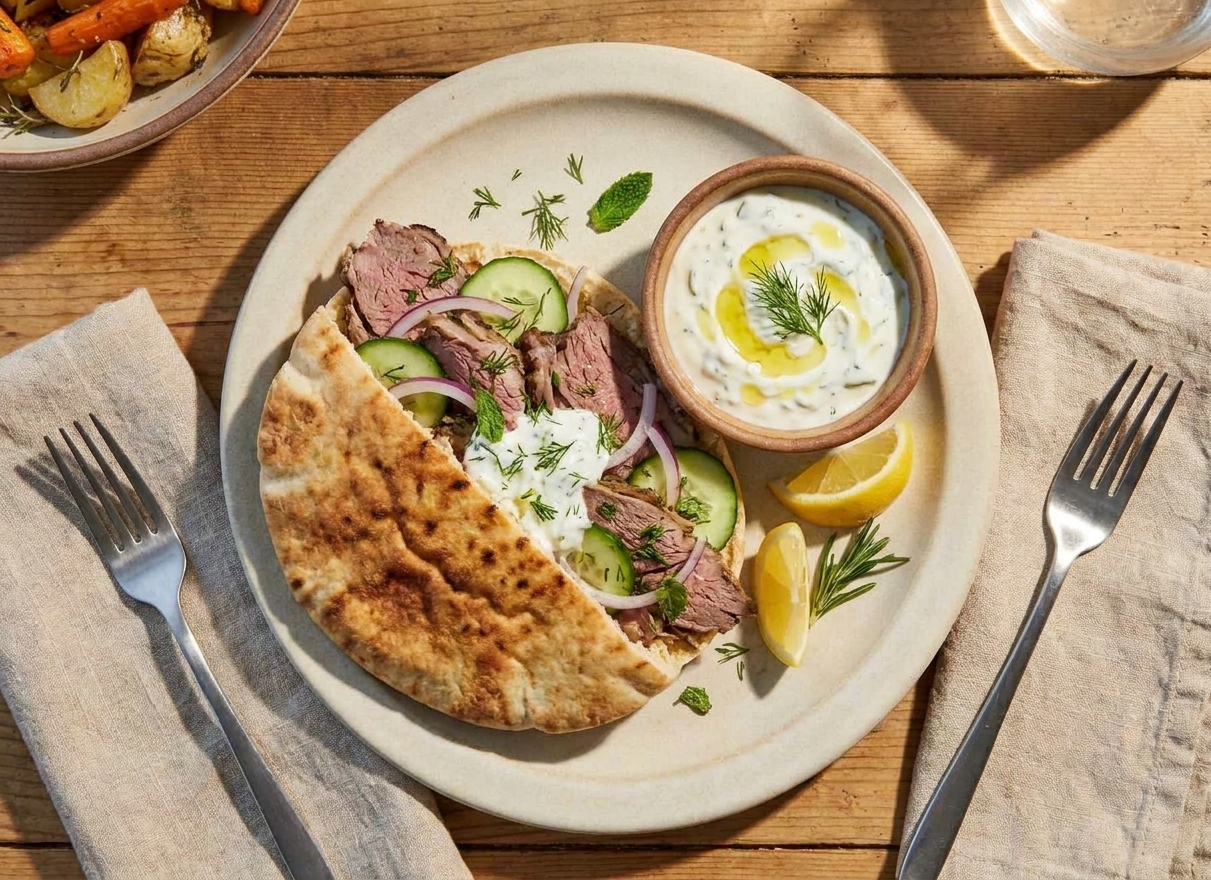
  • Thin slices in warm pita with yogurt sauce, cucumber, and herbs
  • Chopped lamb in fried rice with peas and a little lemon
  • Lamb and potatoes hash with a crispy egg on top

A plate with a warm pita filled with sliced leftover lamb, cucumber, red onion, and yogurt sauce beside a small bowl of extra sauce on a wooden table

Common Questions

What internal temperature should roast leg of lamb be?

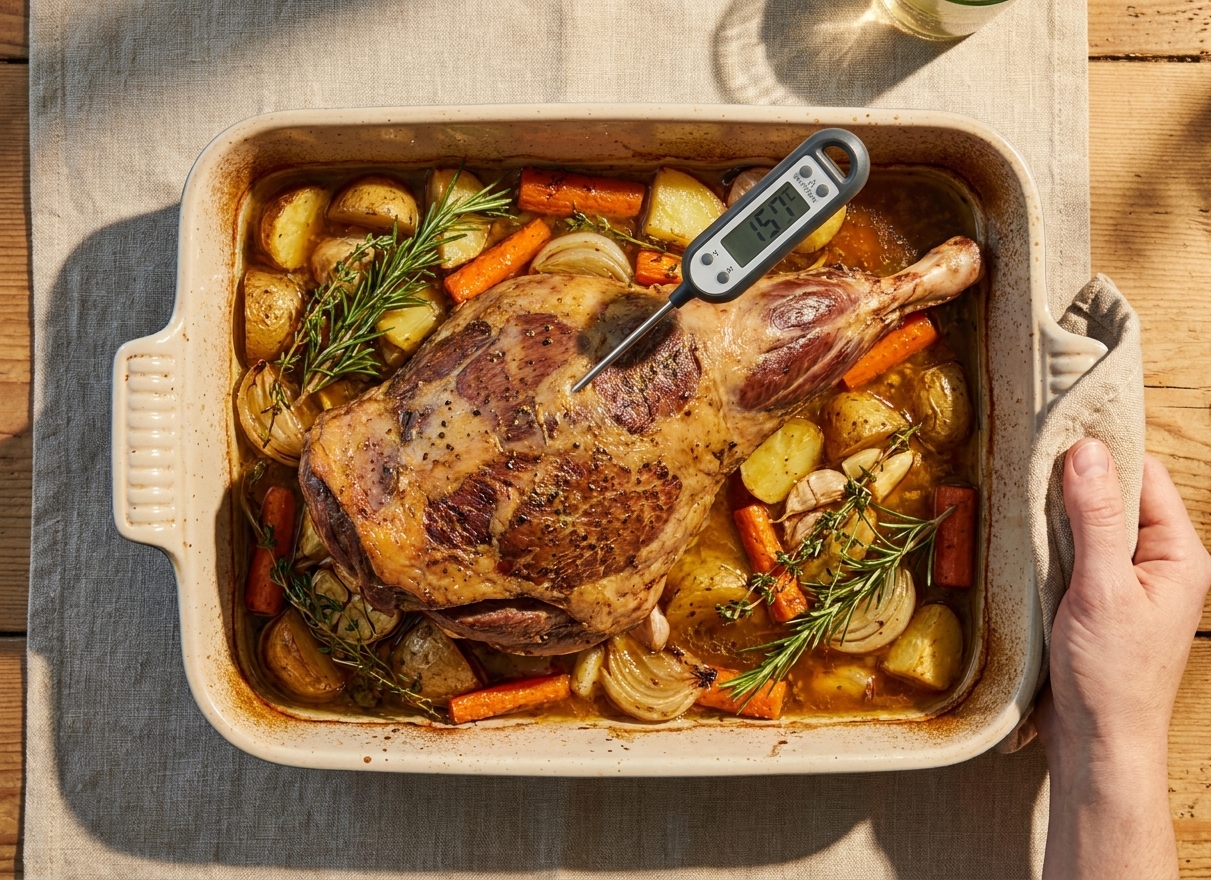
Pull it from the oven when the thermometer in the thickest part of the largest muscle (not touching bone, not sitting in a seam) hits:

  • Medium-rare (chef preference): 125°F to 130°F (rises to about 130°F to 135°F after resting)
  • Medium (chef preference): 135°F to 140°F (rises to about 140°F to 145°F)
  • Medium-well: 145°F to 150°F (rises to about 150°F to 155°F)

Food safety note: USDA guidance for whole cuts of lamb is 145°F with a 3-minute rest. Many cooks prefer lamb served medium-rare or medium for tenderness. Choose what fits your comfort level, and use a thermometer either way.

How long does it take to roast a leg of lamb?

Time depends on size, shape, and your oven. As a rough guide for a 5 to 6 pound leg: about 80 to 110 minutes total oven time (including the initial high-heat start) for medium-rare to medium. Use temperature as the final answer.

Different sizes cook differently, so instead of trusting minutes per pound, use this better rule: start checking early. For a 4 to 5 pound leg, start checking about 35 to 45 minutes after lowering the oven temp. For a 6 to 7 pound leg, start checking about 50 to 60 minutes after lowering the oven temp.

Should I cover leg of lamb while roasting?

Not at first. Roast uncovered so the outside browns. If it is getting too dark before it reaches temp, loosely tent with foil for the remaining time.

Bone-in or boneless, which is better?

Both are great. Bone-in can feel a little more forgiving and looks extra impressive. Boneless is easier to carve and often easier to season evenly. Shapes vary (shank end, sirloin end, rolled and tied), so rely on the thermometer, not the clock.

Do I need to marinate the lamb overnight?

No, but it helps. Even 30 to 60 minutes with the garlic-rosemary paste makes a difference. If you have time, rub it and refrigerate overnight (uncovered if you can) for deeper flavor and better browning.

What if I do not like “gamey” lamb?

Go heavier on lemon zest, Dijon, and garlic, and serve with something bright like minty yogurt sauce. Also, choose a leg (milder than some other cuts) and avoid overcooking it, which can intensify strong flavors.

Do I need to let the lamb sit out before roasting?

You do not have to. I like to take the chill off for more even cooking, but keep the lamb at room temp for no more than 1 hour (and never over 2 hours total, food-safety-wise). If you skip it, just expect the roast to take a bit longer.

How do I adjust for convection?

If you use convection, reduce the oven temperature by 25°F and start checking the temperature a bit earlier.

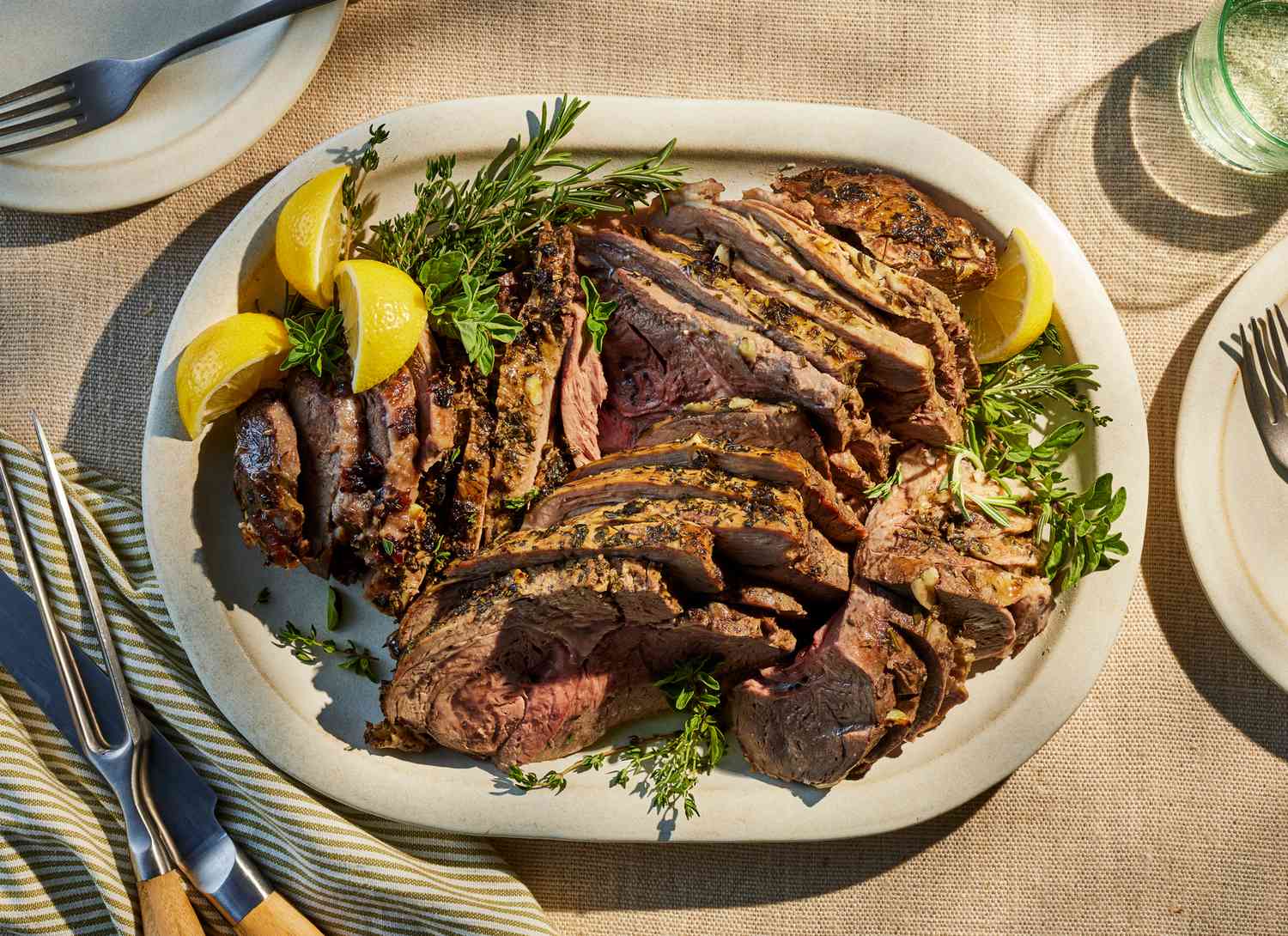
The first time I made leg of lamb for a group, I treated it like a final exam. I overthought everything except the one thing that mattered: temperature. Now I cook it like a friend is hanging out at my counter, stealing crispy bits and asking, “So when do we eat?” The vibe is simple: season confidently, roast with a thermometer, rest patiently, then carve like you meant to do it this way all along.