Mom's Best Recipes
Recipe

Wiener Schnitzel

A classic Austrian veal cutlet, pounded thin, breaded, and shallow-fried until extra crisp and golden.

Author By Matt Campbell
4.8
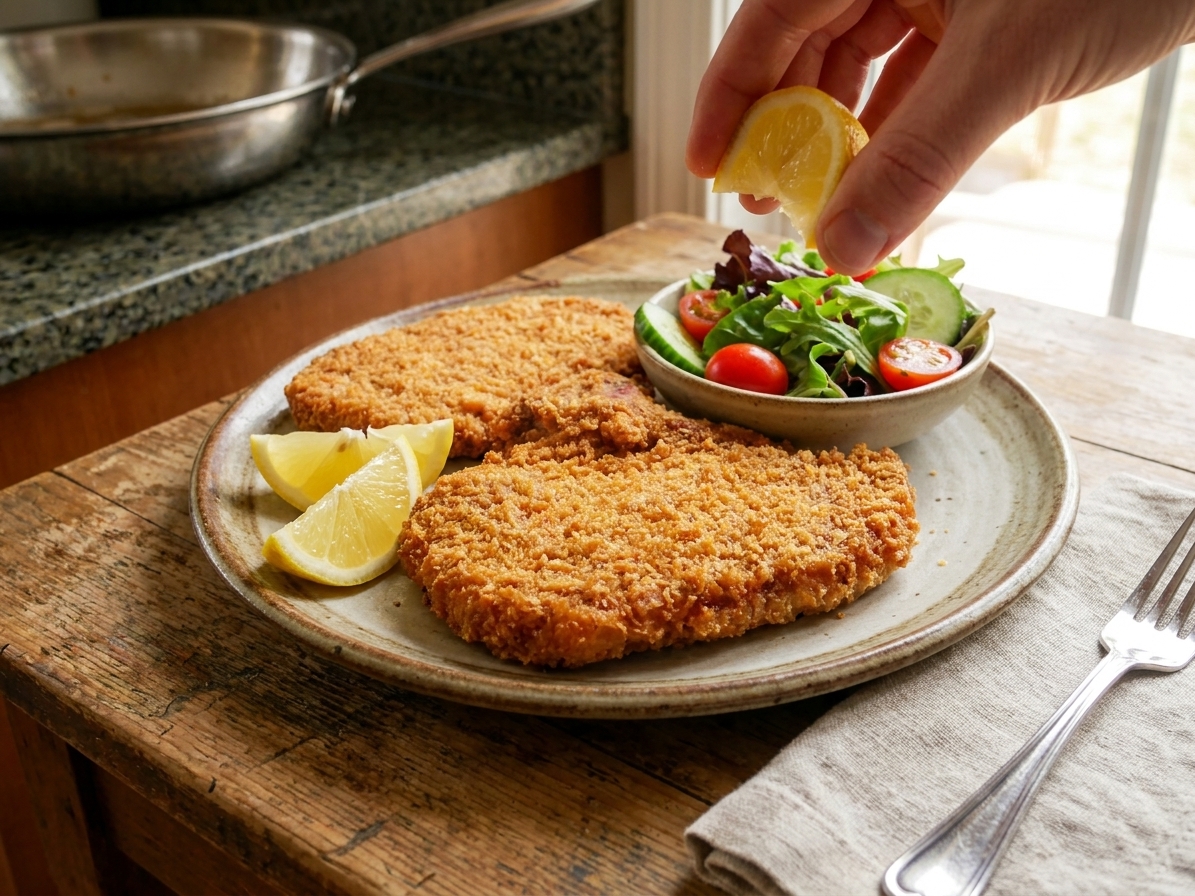
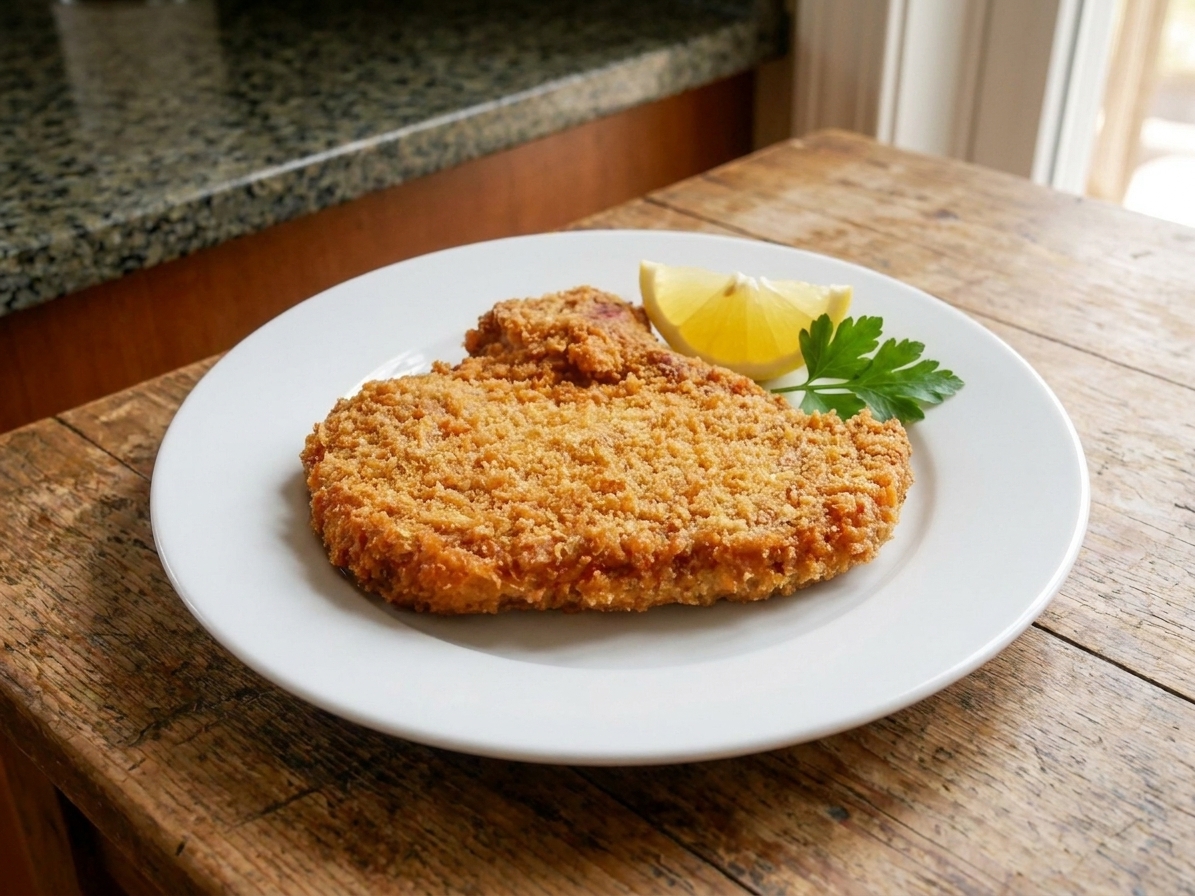
A plated Wiener schnitzel with a wedge of lemon, a small pile of parsley, and a crisp golden crust on a white plate on a wooden table

Wiener schnitzel is one of those dishes that feels fancy until you realize it is basically a perfectly fried cutlet with a squeeze of lemon. That is it. No mystery. Just technique. And once you nail the technique, you get that dreamy combo: shatter-crisp coating, tender veal, and bright, salty, buttery vibes that make you want to eat standing over the stove.

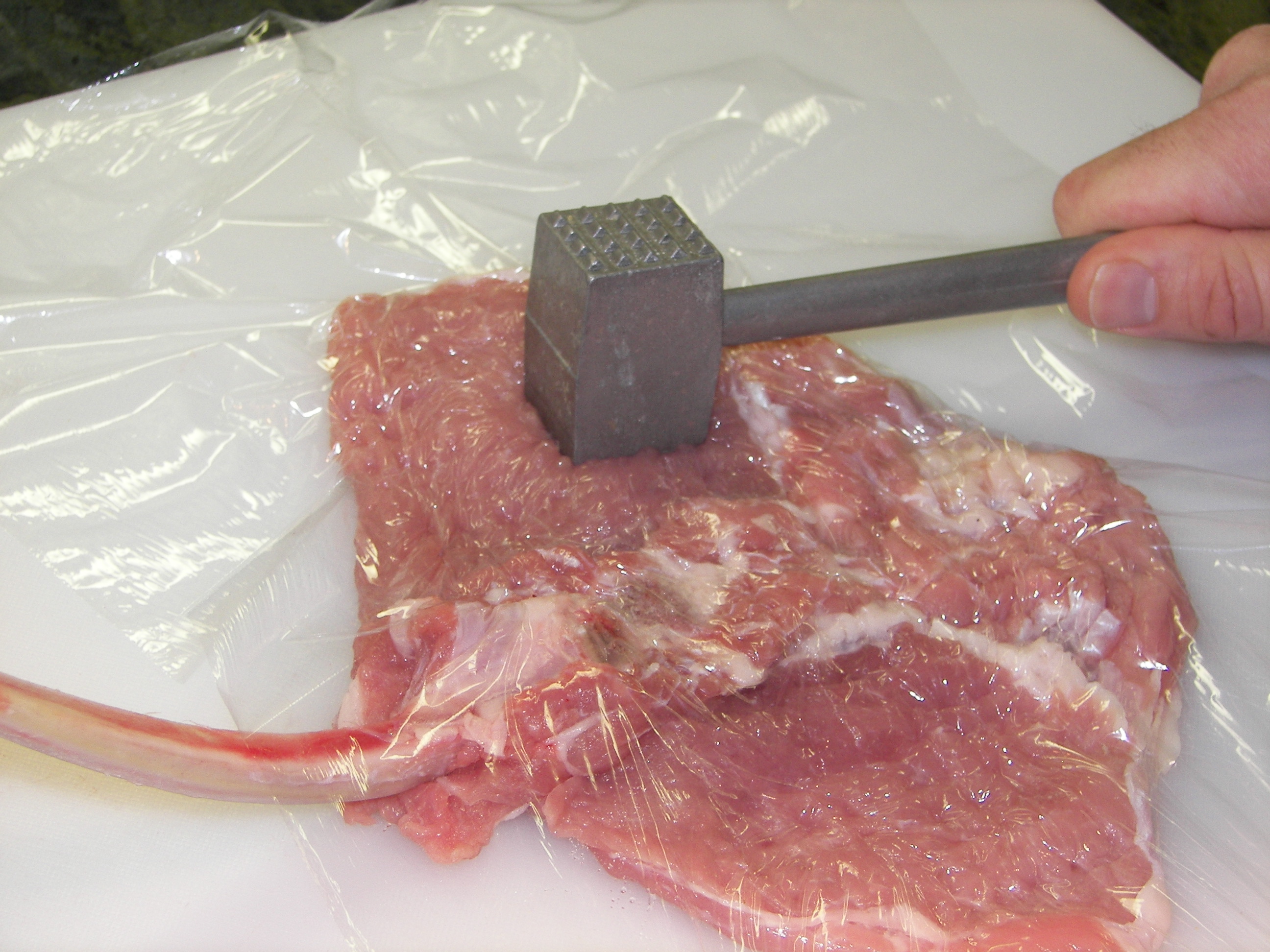
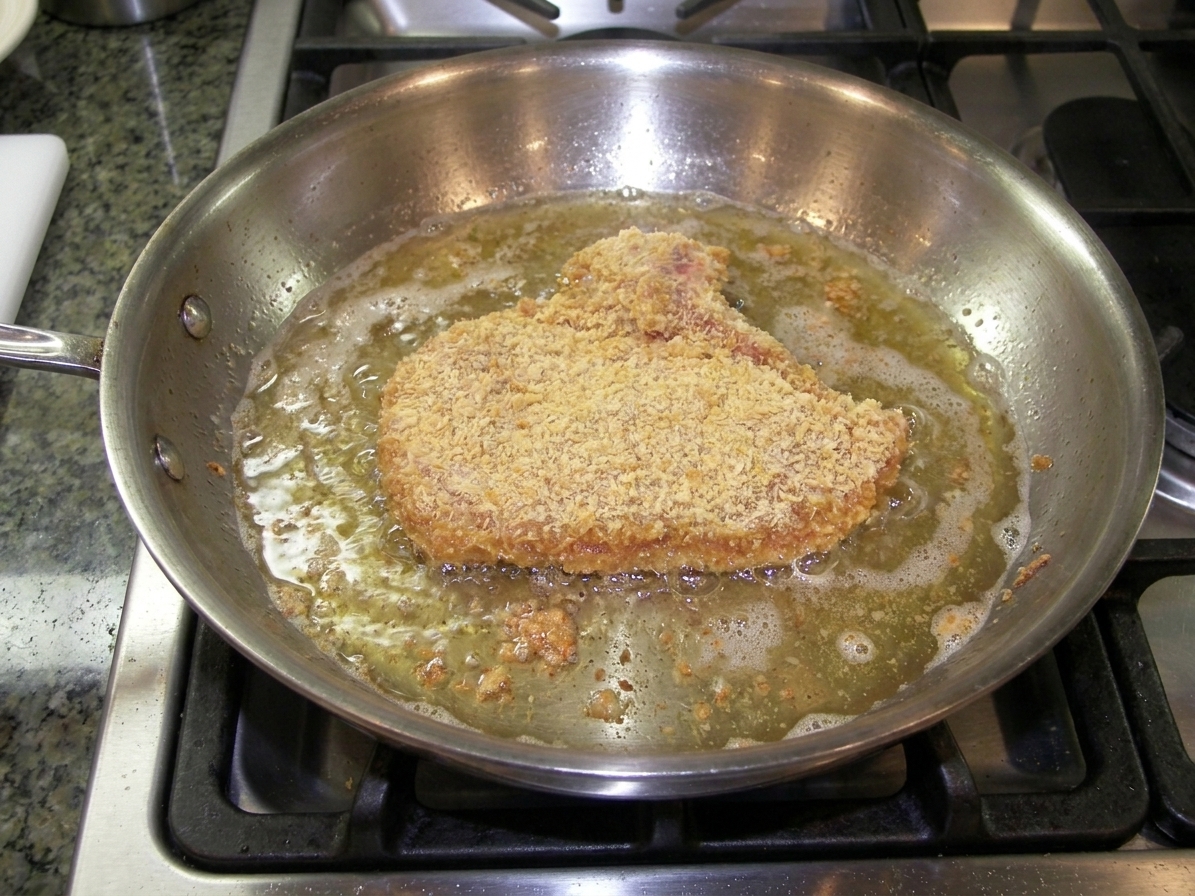
This version sticks to the classic Austrian method: thin veal cutlets, a simple flour-egg-breadcrumb breading, then a quick shallow fry. I will show you how to keep the coating light and wavy, not glued on, and how to fry so it stays crunchy instead of greasy. (The Dijon in the egg is optional and not traditional, but it adds a tiny extra savory kick if you like that sort of thing.)
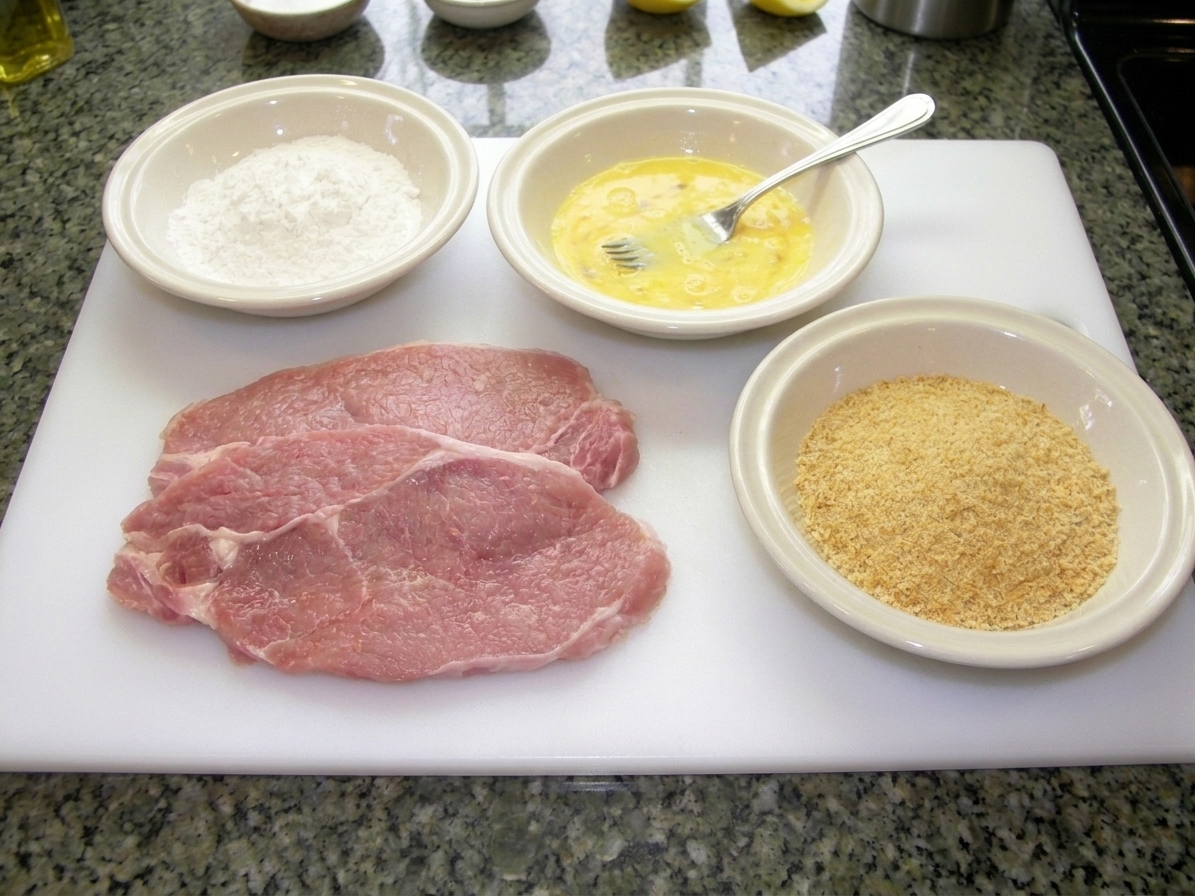
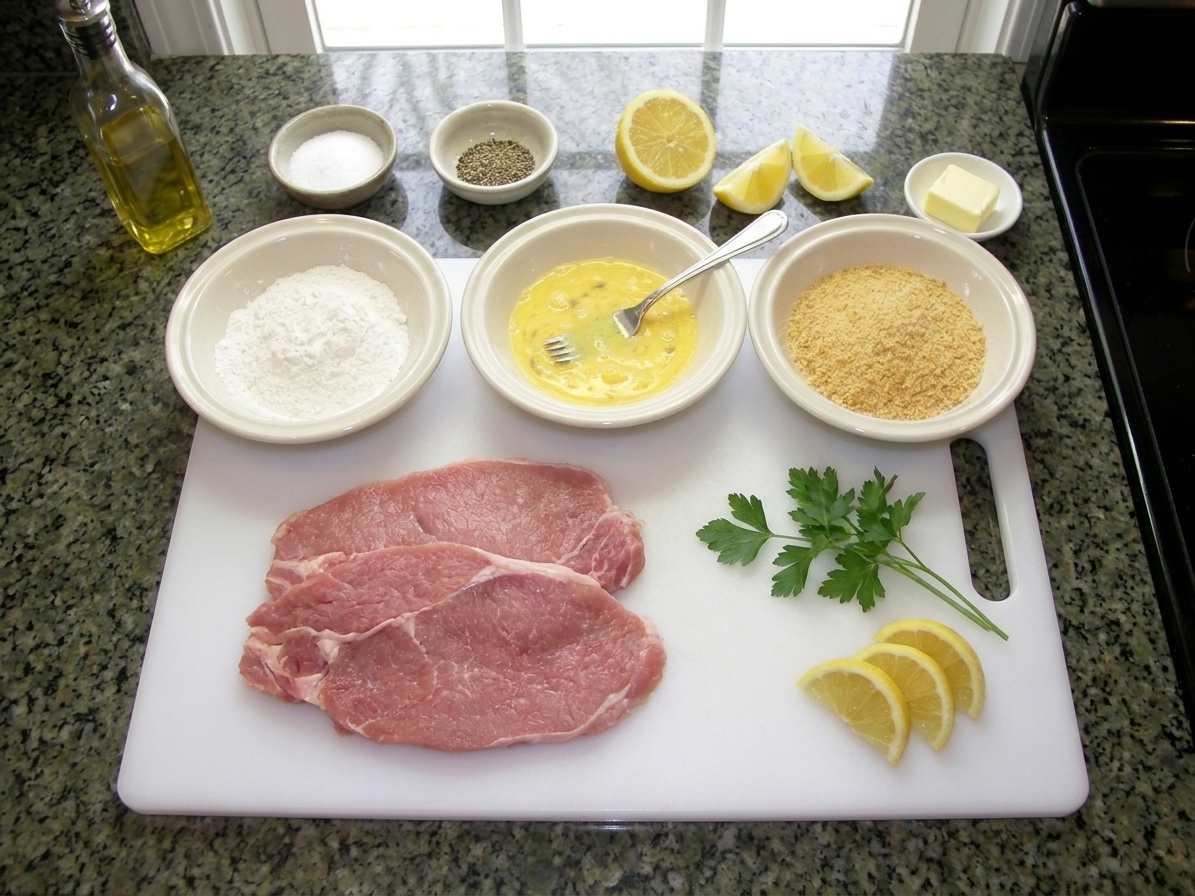
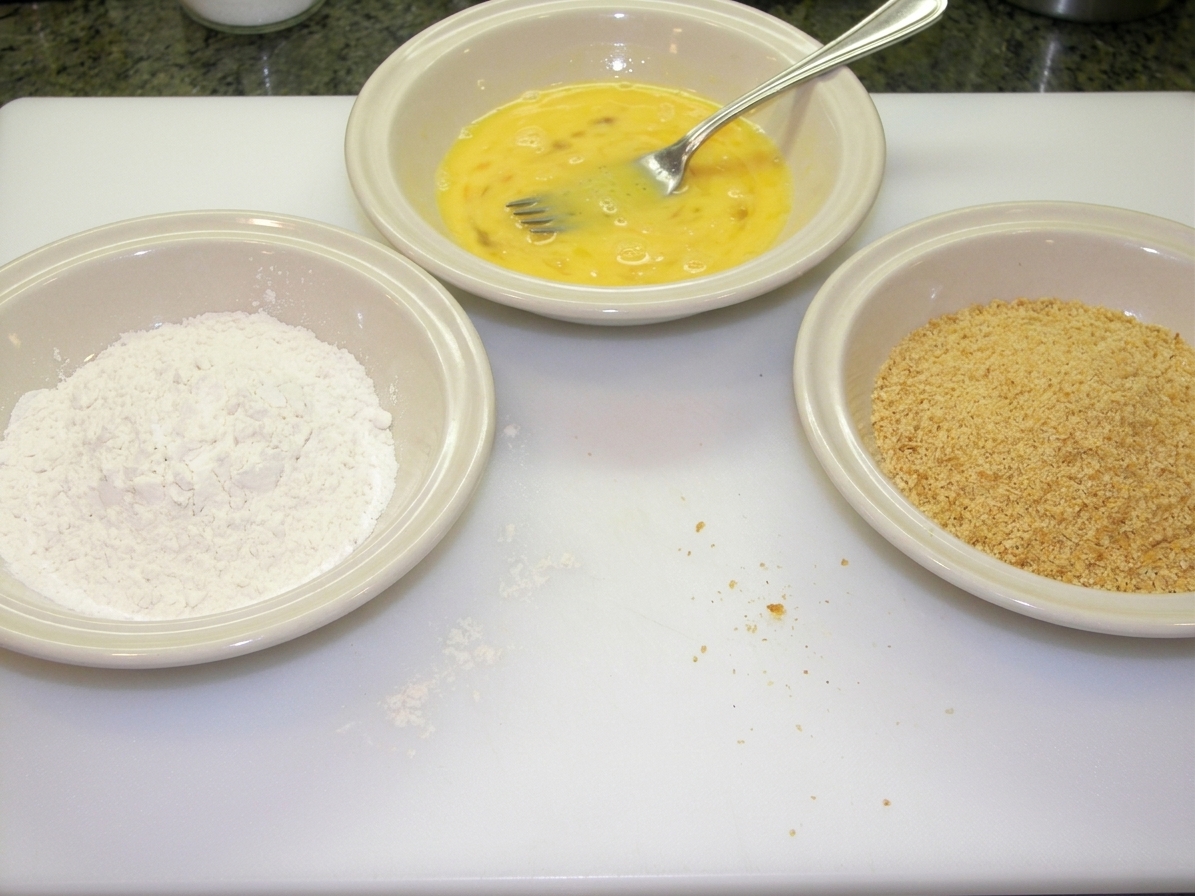
Raw veal cutlets pounded thin on a cutting board beside three shallow bowls for flour, beaten eggs, and breadcrumbs on a bright kitchen counter

Why It Works

  • Crisp, airy crust: You will lightly press the breadcrumbs so they cling, but not so hard they turn into a dense shell.
  • Tender meat every time: Pounding the cutlets thin and frying fast keeps the veal juicy.
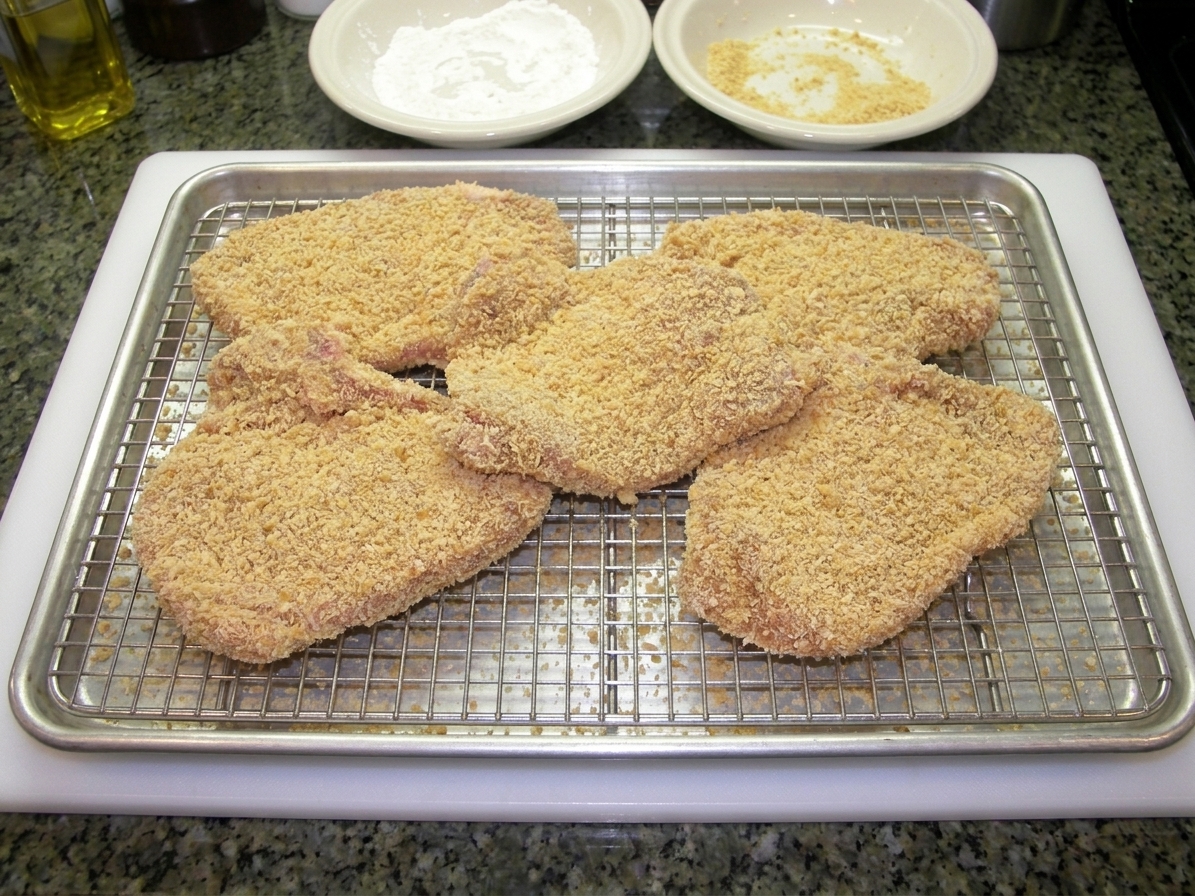
  • No soggy schnitzel: A hot pan, enough oil, and a quick drain on a rack keep everything crunchy.
  • Classic flavor with minimal ingredients: Lemon, salt, and clarified butter (or a quick butter baste) do a lot of heavy lifting.

Pairs Well With

Storage Tips

Schnitzel is at its absolute best right after frying, when the crust is still singing. But leftovers can still be really good if you re-crisp them correctly.

Refrigerate

  • Cool completely, then store in an airtight container with paper towel under and over the cutlets.
  • Keep refrigerated up to 2 days.

Reheat (best method)

  • Oven: Heat to 425°F. Place schnitzel on a wire rack over a sheet pan. Reheat 8 to 12 minutes, flipping once.
  • Air fryer: 390°F for 4 to 6 minutes, flipping once.

What not to do

  • Avoid microwaving unless you enjoy soft breading. It will still taste fine, but the crunch is gone.

Freeze

  • You can freeze cooked schnitzel, but the crust loses some magic. Freeze on a sheet pan until solid, then bag it. Reheat from frozen at 425°F on a rack for 15 to 18 minutes.

Common Questions

Is Wiener schnitzel always veal?

Traditionally, yes. In Austria, menus commonly reserve the name “Wiener Schnitzel” for veal. If you use pork, it is often listed as schnitzel Wiener Art (Viennese style). At home, pork works great and is usually cheaper.

Why did my breading fall off?

Usually one of these:

  • The cutlets were wet. Pat them dry before flouring.
  • You skipped the flour, or the flour layer was patchy. Flour gives the egg something to grab.
  • You pressed the crumbs too hard, creating a heavy layer that can slide off.
  • The oil was not hot enough, so the coating soaked oil before setting.

What breadcrumbs should I use?

Classic Wiener schnitzel uses fine, dry breadcrumbs (not panko). Panko makes a delicious crunch, but it is a different texture. If panko is what you have, do it. Just know it will look more jagged and modern.

Can I make it ahead for a party?

Best results are when you fry right after breading, since the crumbs stay driest and puff the most. That said, you can bread the cutlets 30 to 60 minutes ahead and keep them on a rack in the fridge. If you need extra wiggle room, you can push it to 2 hours, but the coating may puff a little less.

If you must hold them, keep cooked schnitzel warm on a rack in a 200°F oven for up to 30 minutes.

What is the deal with the lemon?

It is not optional in my kitchen. The squeeze of lemon cuts the richness and makes the crust taste even crispier somehow. Science? Maybe. Vibes? Definitely.

The first time I made schnitzel, I treated it like fried chicken and got… fried sadness. The crust was thick, the oil was too cool, and everything felt heavy. Then I learned the move: pound it thinner than you think, keep the breading light, and fry hot and fast. Suddenly it was that classic restaurant bite, where the crust kind of ripples and the lemon hits like a spotlight. Now it is one of my favorite “I want comfort but I also want a little drama” dinners.