Mom's Best Recipes
Recipe

Wok Vegetables With Garlic Ginger Sauce

Crisp-tender vegetables tossed in a glossy, savory-sweet garlic ginger sauce. Fast, flexible, and perfect over rice or noodles.

Author By Matt Campbell
4.8
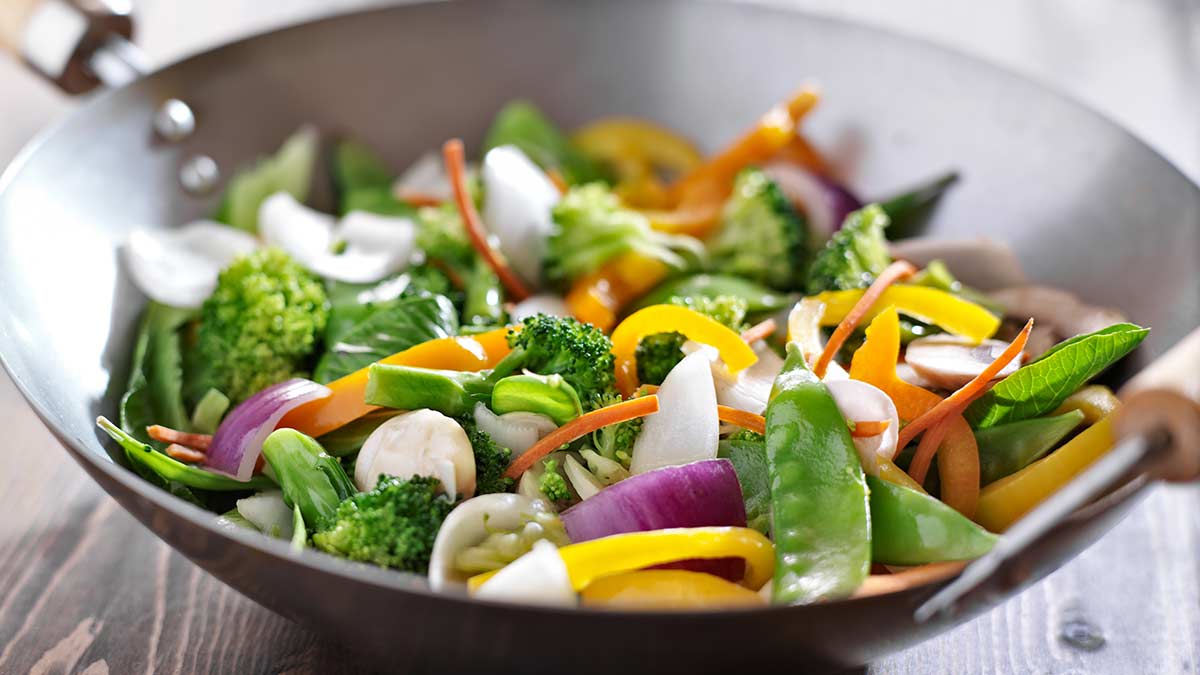
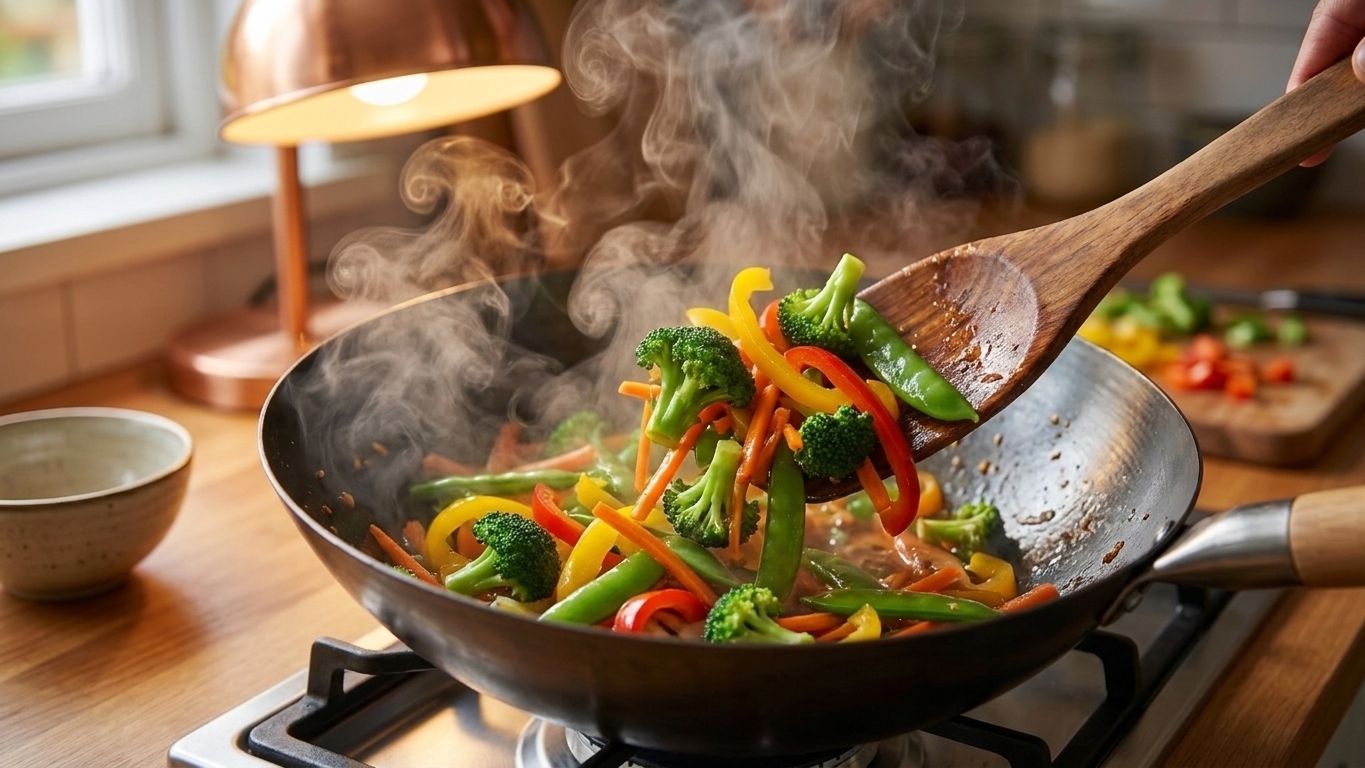
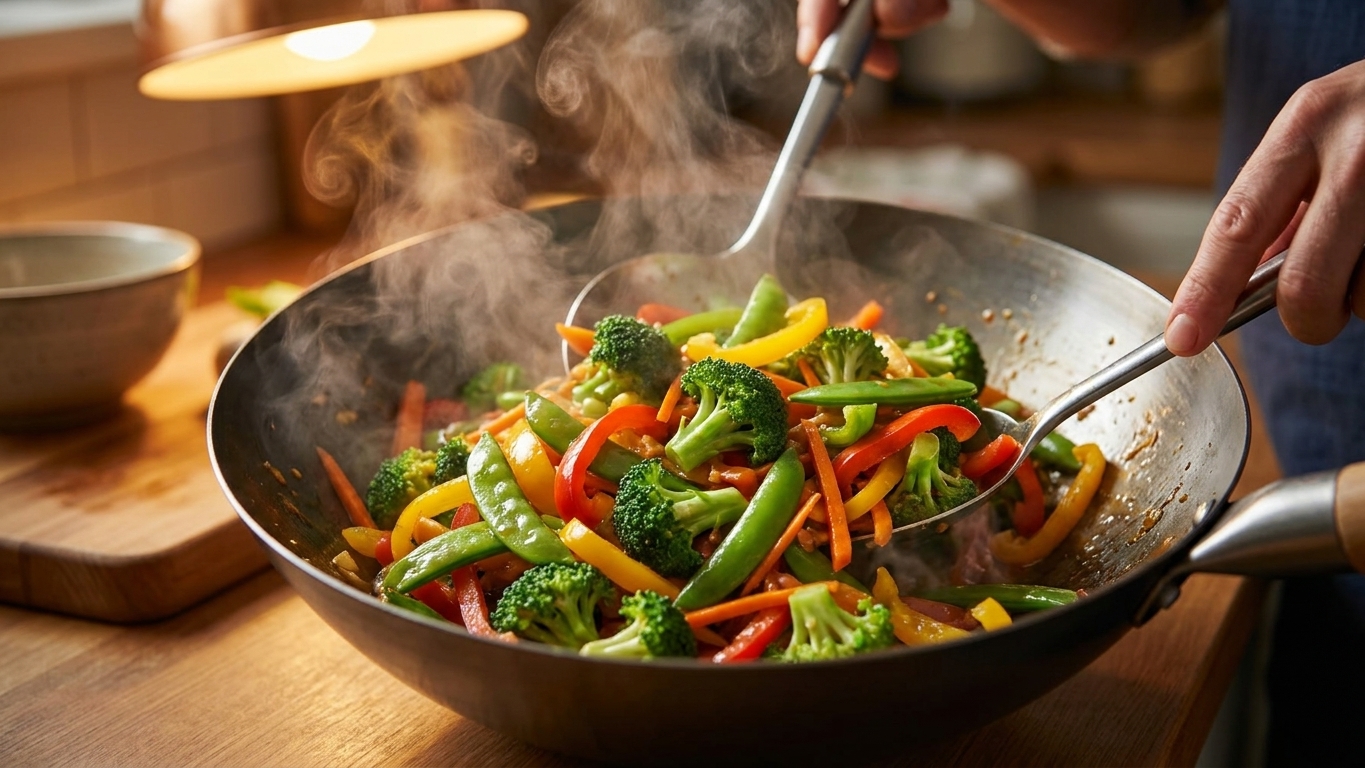
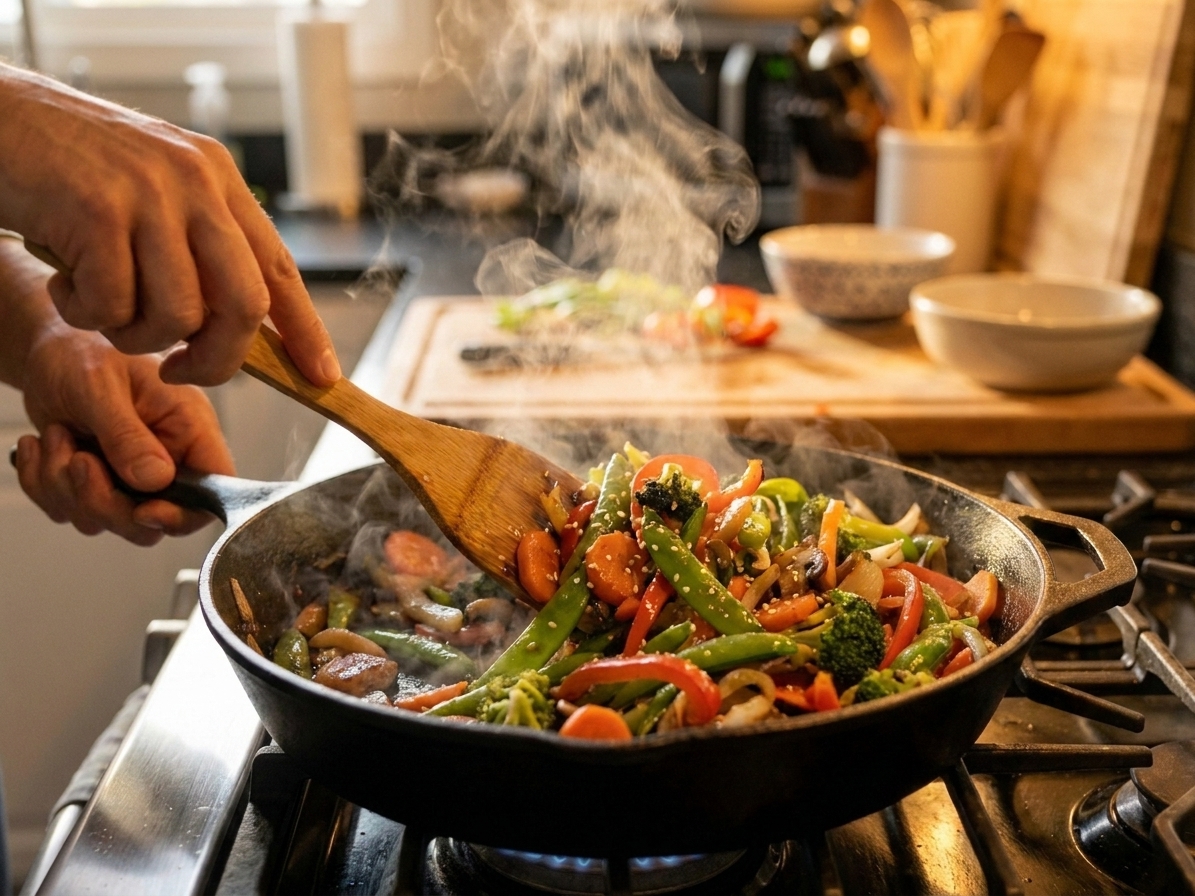
A hot wok filled with colorful stir-fried vegetables like broccoli, bell peppers, snap peas, and carrots coated in a glossy garlic-ginger sauce, steam rising under warm kitchen lighting

If you have a bag of random vegetables and about 20 minutes, you are dangerously close to a great dinner. This wok vegetable stir-fry is my go-to when I want crisp edges, bright sauce, and the kind of garlic-ginger aroma that makes everyone wander into the kitchen pretending they were already helping.

We are keeping it accessible: grocery-store veggies, pantry sauce, and one very important rule: hot pan, quick cooking. That is how you get vegetables that are still snappy, not sad. If you are cooking on a typical home stove, do not be shy about letting the pan fully preheat, and do not overcrowd. Two quick batches beat one steamy one every time.
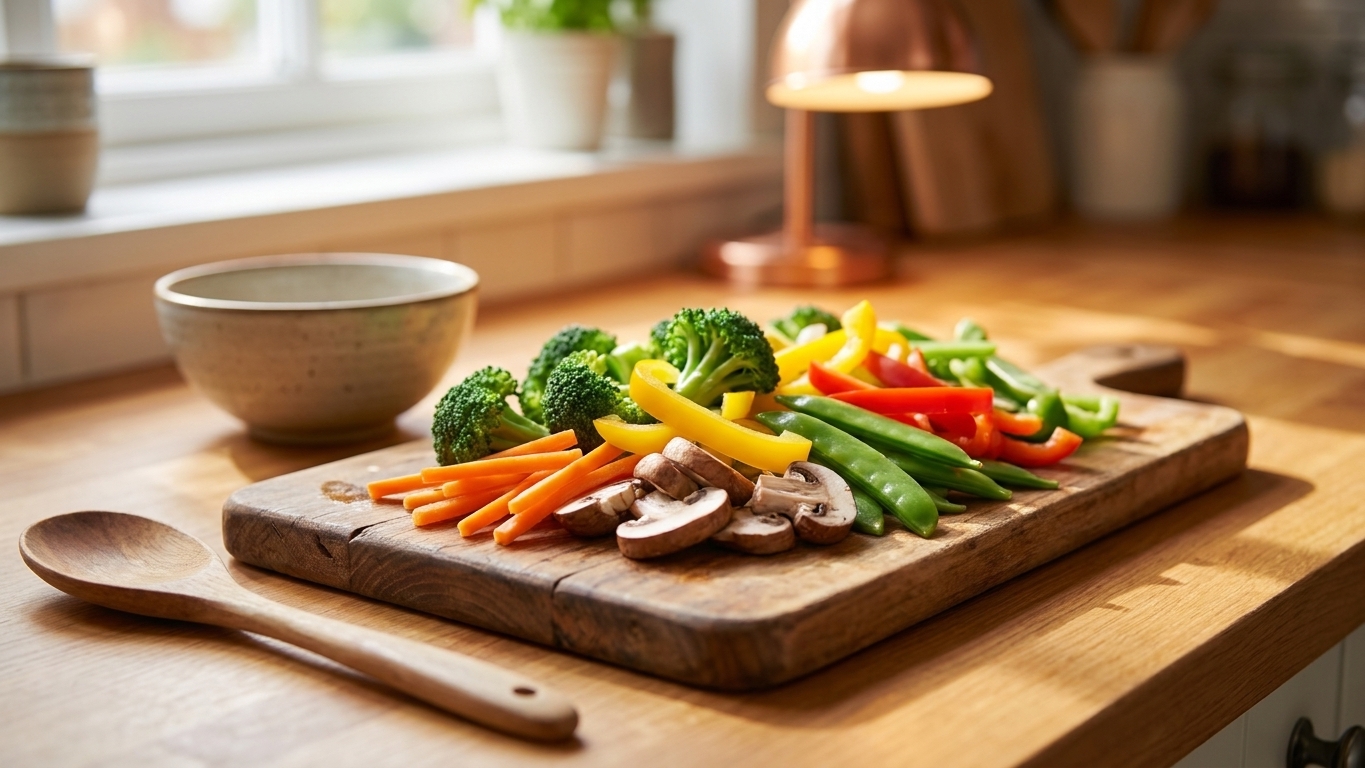
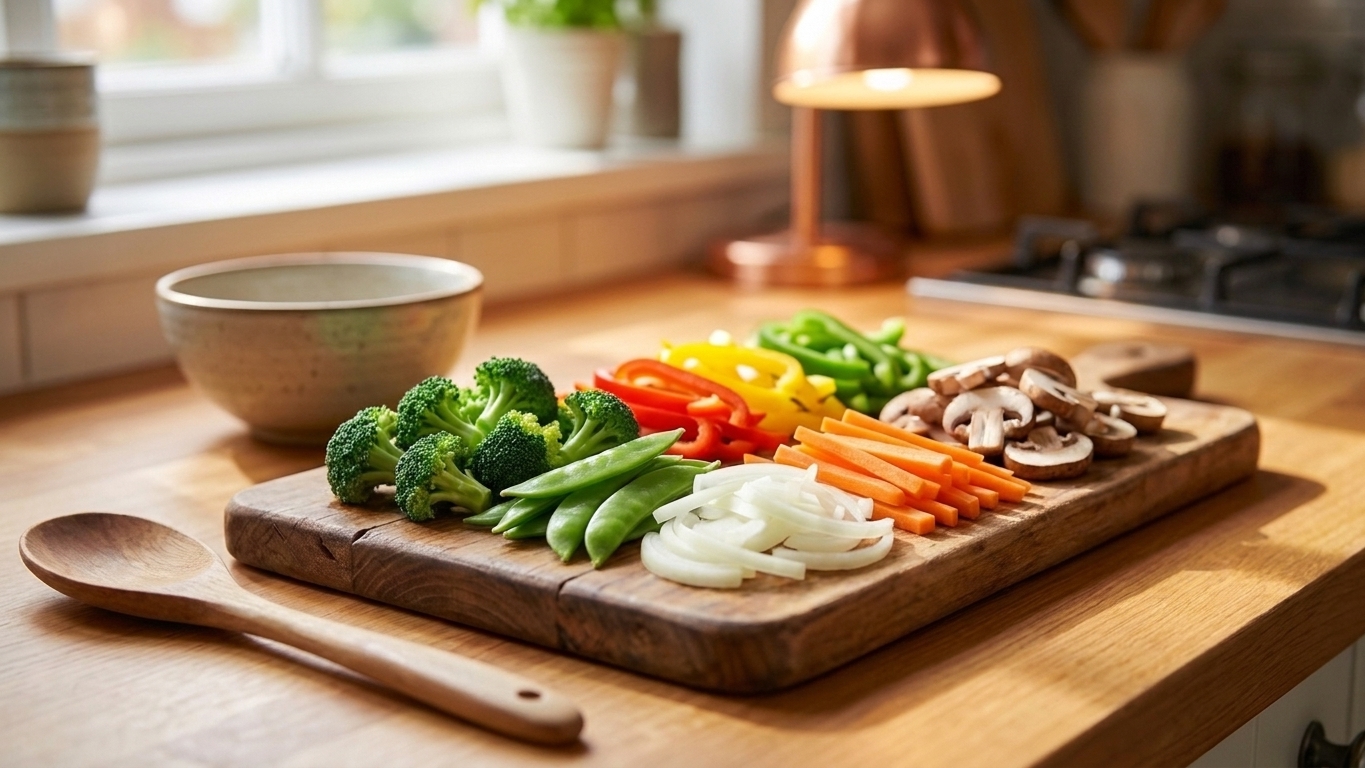
Fresh stir-fry vegetables including broccoli florets, sliced bell peppers, snap peas, carrots, and mushrooms arranged on a wooden cutting board on a bright kitchen counter

Why It Works

  • Crisp-tender texture: High heat plus small batches keeps veggies vibrant and snappy instead of watery.
  • A sauce that actually clings: A quick cornstarch slurry turns the sauce glossy so it coats every bite.
  • Flexible and fridge-friendly: Use what you have. The method stays the same even if your veggie lineup changes.
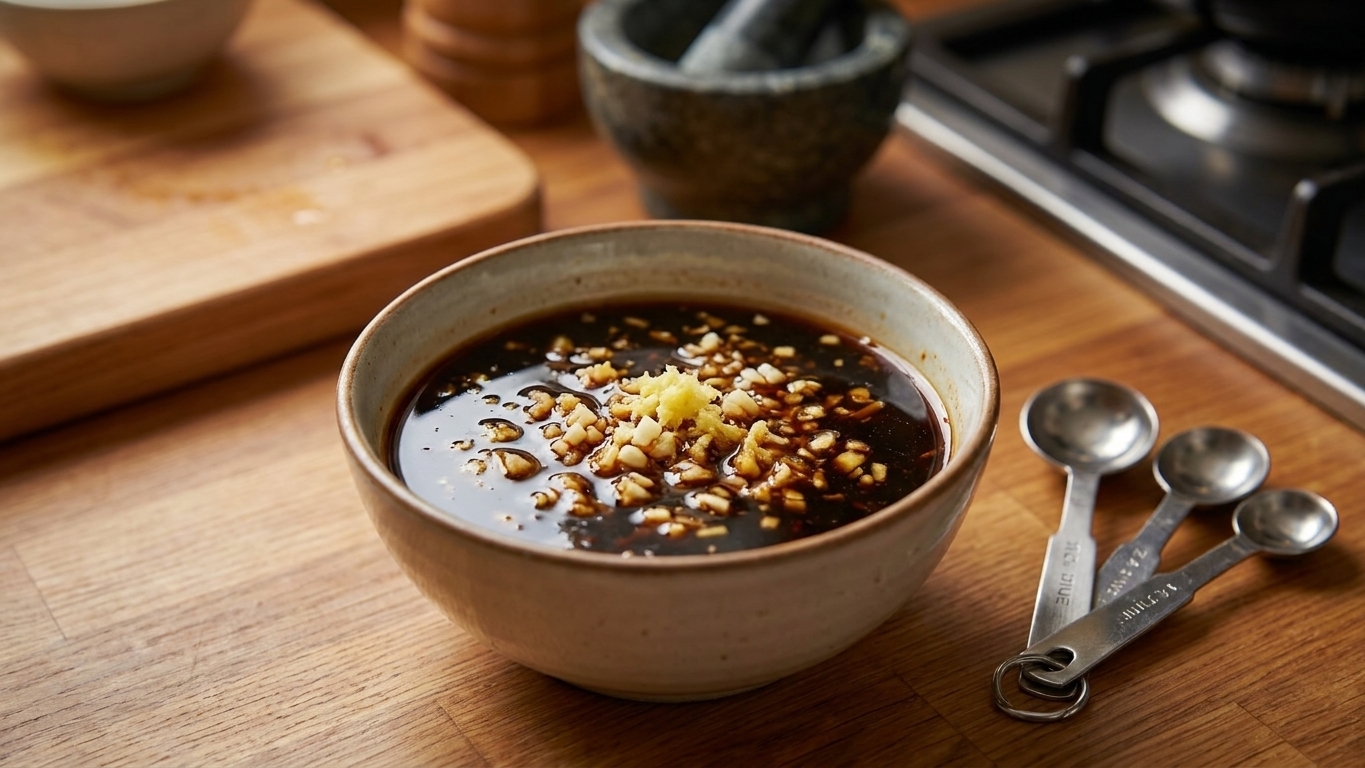
  • Fast flavor build: Garlic and ginger hit the oil first, then the sauce finishes the job in under a minute.

Pairs Well With

Storage Tips

Refrigerate: Cool leftovers, then store in an airtight container for up to 3 to 4 days.

Reheat: Best in a skillet or wok over medium-high heat with a tiny splash of water to loosen the sauce, about 2 to 4 minutes. Microwave works too, but keep it short so the vegetables do not go mushy.

Freeze: You can, but the texture will soften, especially with mushrooms and other water-heavy vegetables. If you plan to freeze, slightly undercook the vegetables. Freeze up to 2 months and thaw overnight in the fridge before reheating.

A glass meal prep container filled with leftover vegetable stir-fry and rice on a kitchen counter with a lid nearby

Common Questions

Do I need a wok?

Nope. A large skillet works well. Cast iron is great for browning, nonstick is forgiving, and stainless steel is excellent if you are comfortable with heat control.

How do I keep stir-fry vegetables from getting soggy?

Three moves: get the pan very hot, cook in batches if needed, and do not add the sauce until the vegetables are nearly done. Sauce too early equals steaming.

What vegetables work best?

Broccoli, bell peppers, snap peas, green beans, carrots, mushrooms, zucchini, cabbage, and baby corn are all solid. Soft greens like spinach can be added at the very end.

Can I add protein?

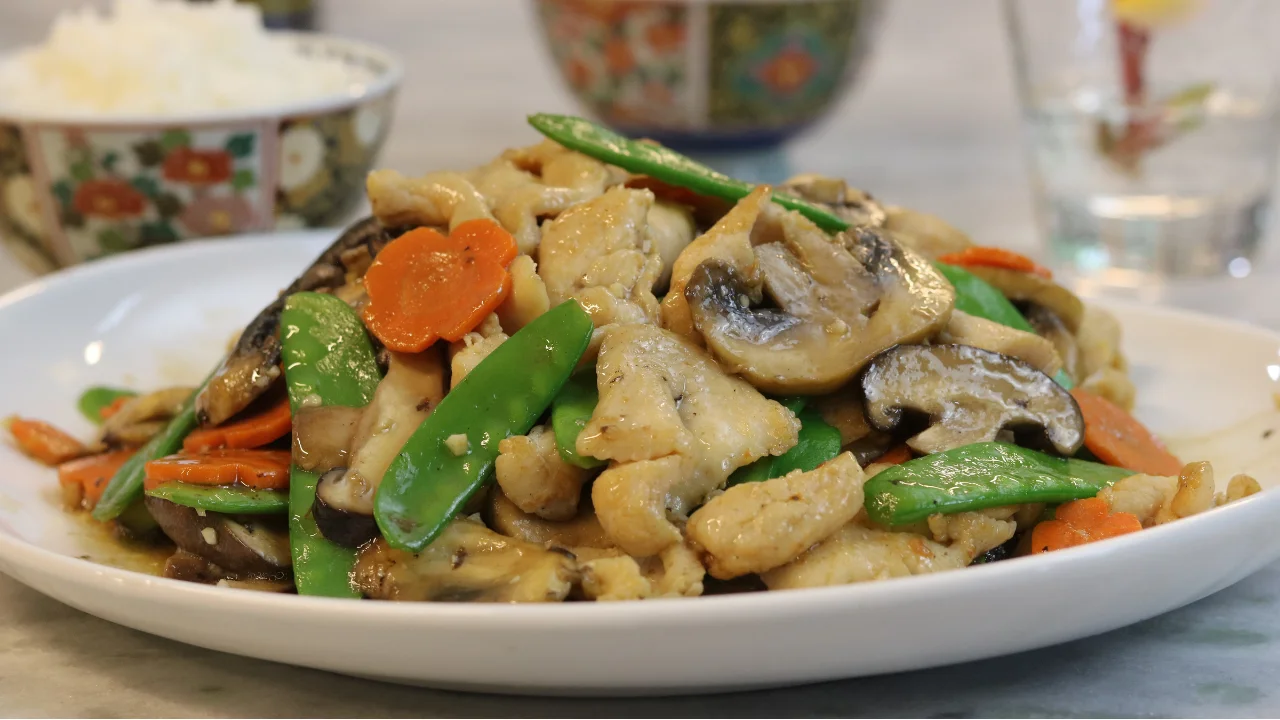
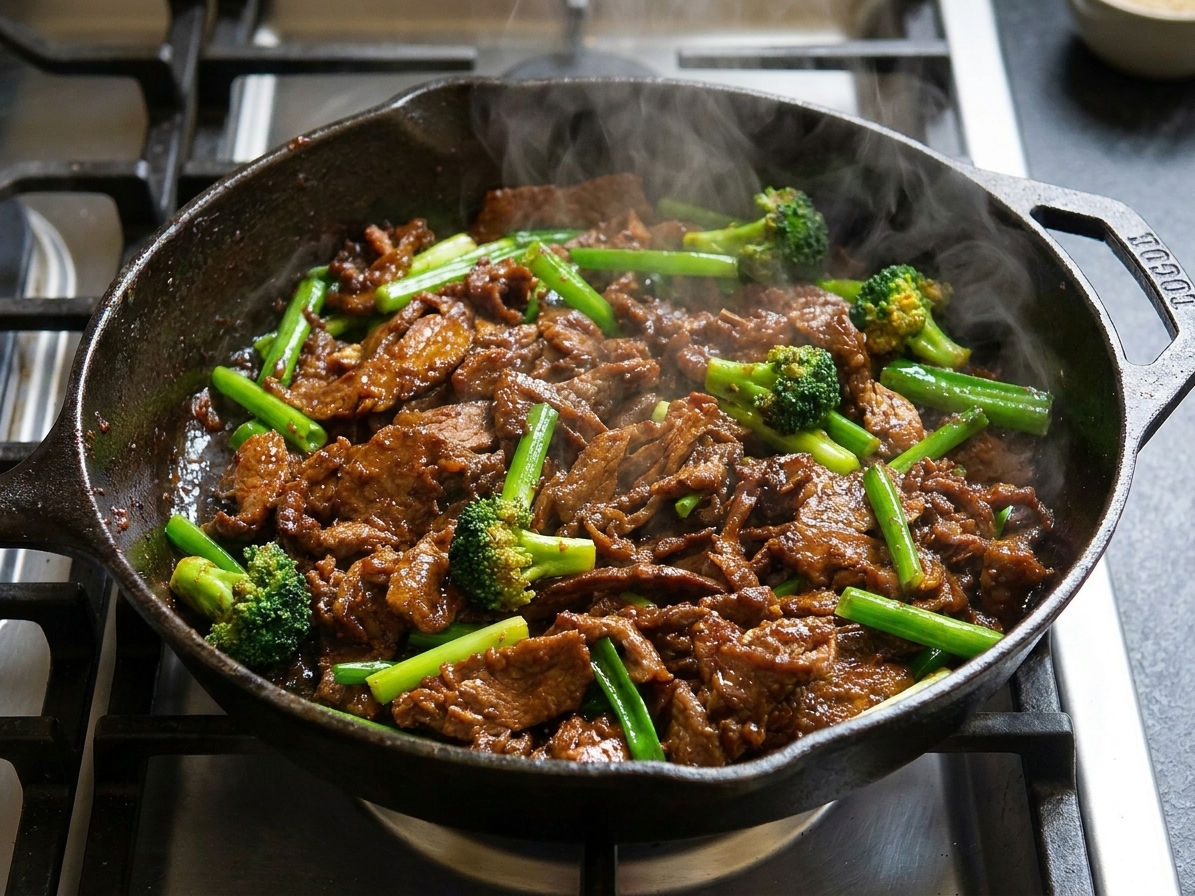
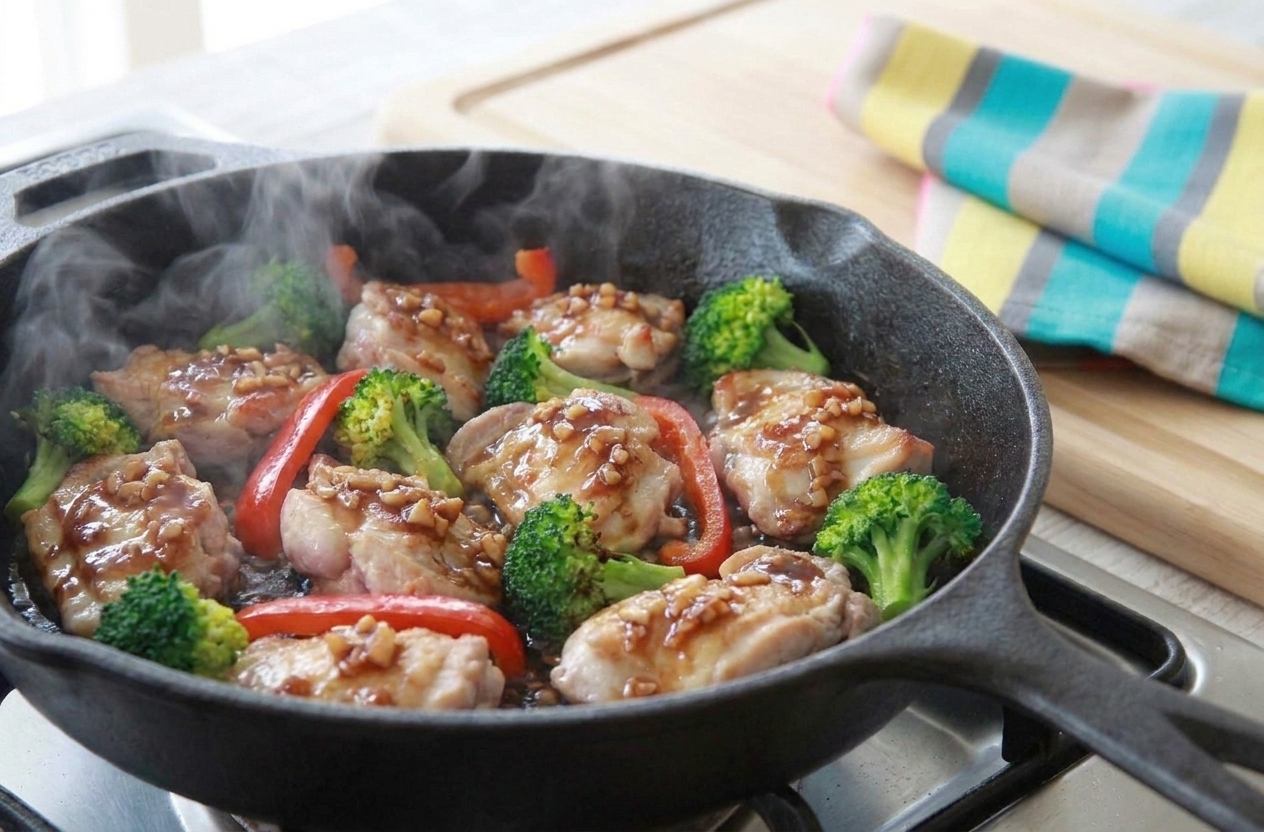
Absolutely. Add 1 pound of bite-size chicken, shrimp, tofu, or thin-sliced beef. Cook it first, remove to a plate, then stir-fry the veggies and add the protein back when you add the sauce.

Is this gluten-free?

It can be. Use tamari (or certified gluten-free soy sauce) and double-check your oyster sauce or use a gluten-free version.

I used to think wok cooking was this mysterious restaurant-only thing, like you needed a jet engine flame and a chef who could flip shrimp into the air without blinking. Then I started making simple vegetable stir-fries at home and realized the secret is not fancy gear. It is heat, timing, and tasting as you go. Now this is my clean-out-the-crisper dinner, my “I forgot to plan” dinner, and honestly my “I want something crunchy and saucy over rice” dinner. Which is often.