Mom's Best Recipes
Recipe

Ahi Poke Bowls

Fresh, flavorful ahi poke with sesame, soy, and citrus, served bowl-style with rice, avocado, and crunchy toppings.

Author By Matt Campbell
4.8
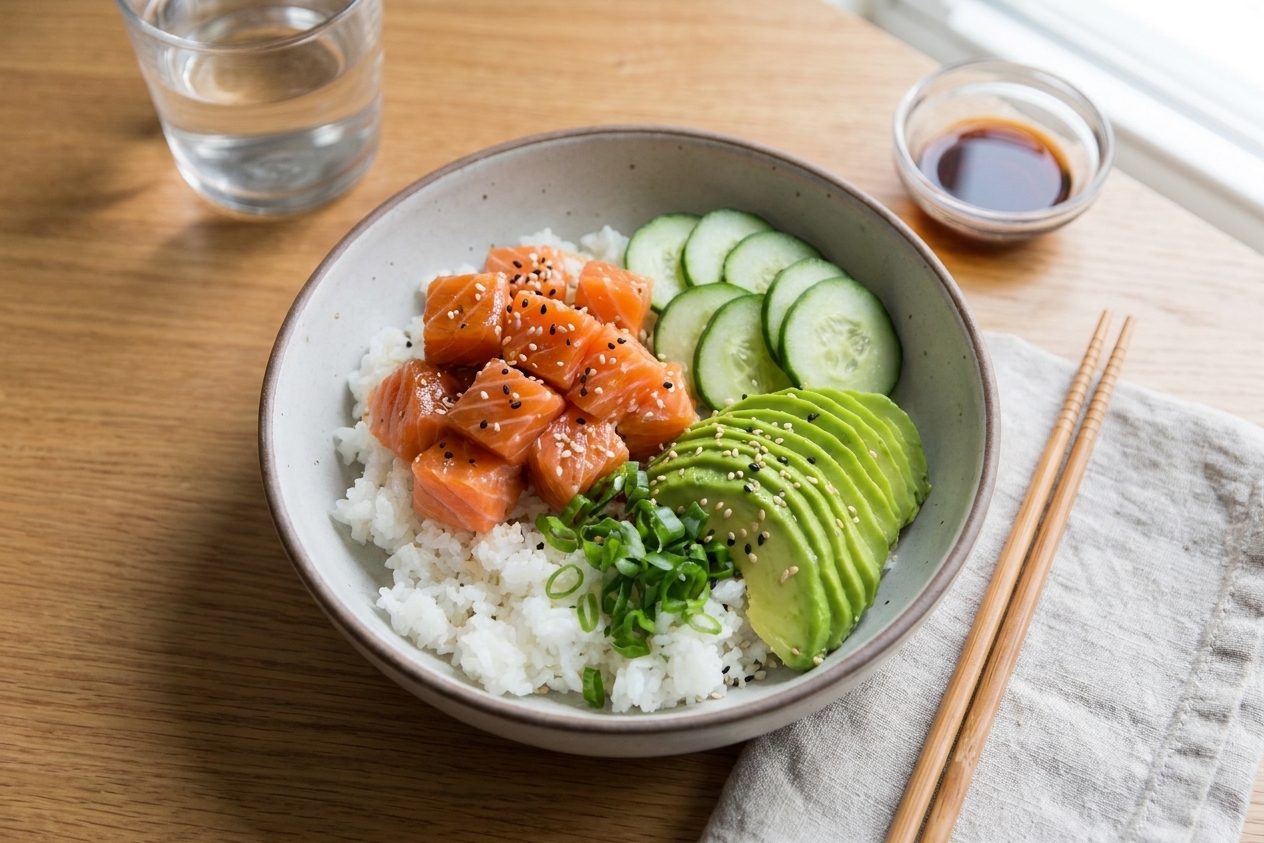
A plated ahi poke bowl with glossy cubes of marinated tuna over sushi rice, topped with sliced avocado, cucumber, scallions, sesame seeds, and a small ramekin of extra sauce on a light wood table

Ahi poke is my kind of home cooking: barely any heat, a lot of flavor, and an unreasonable amount of “just one more bite” energy. You get buttery tuna, a salty-sweet sesame soy situation, and all the crunchy, creamy toppings that make a bowl feel like dinner and a little treat.

This version stays classic and accessible. No hard-to-find ingredients, no mysterious powders. Just good tuna, a quick marinade, and a build-your-own bowl setup that makes everyone happy, even the picky one who only wants avocado and rice (we see you).

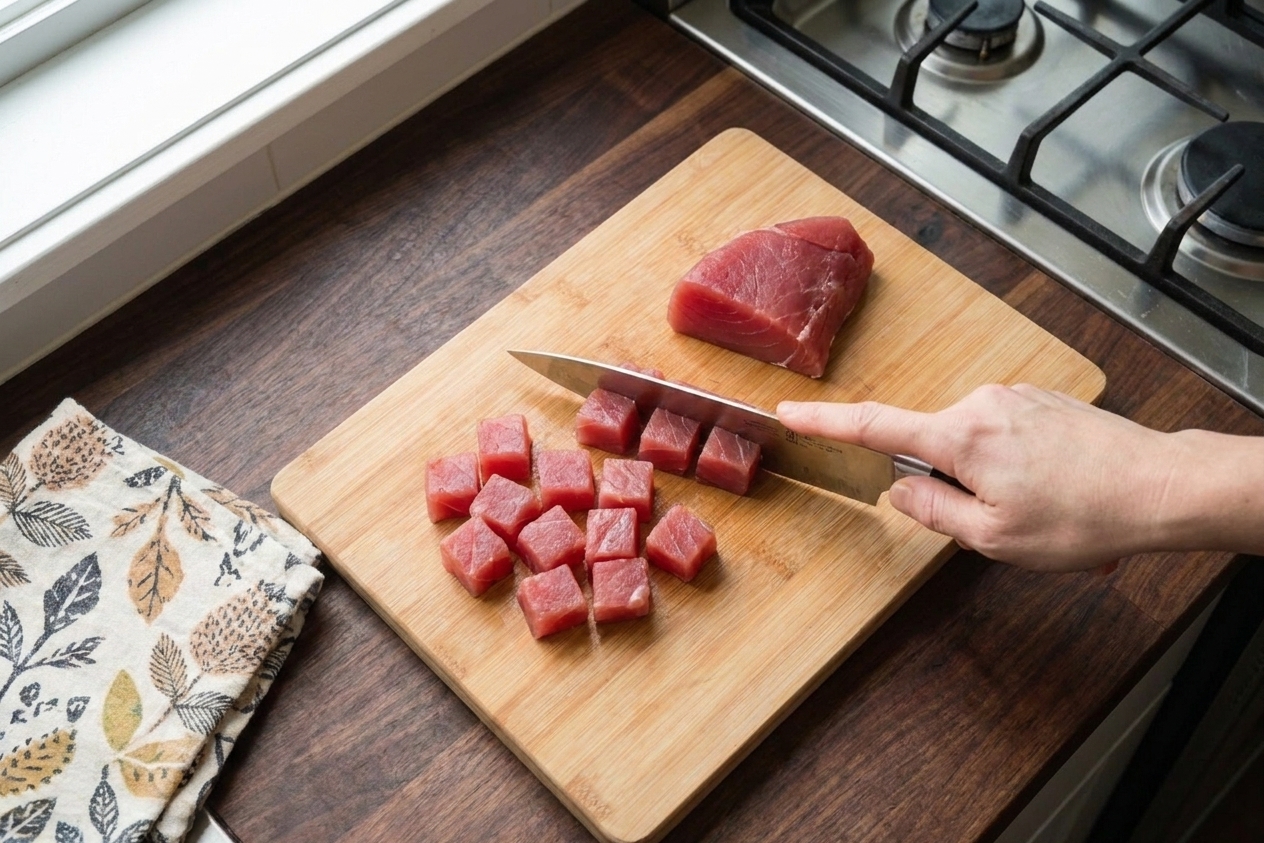
Quick shopping note: if you are buying a tuna steak or loin, ask for the freshest cut they recommend for raw prep, and let them know you are planning to cube it for poke. If the case has pre-cut “poke cubes,” make sure they look bright, smell clean, and have been kept properly cold.
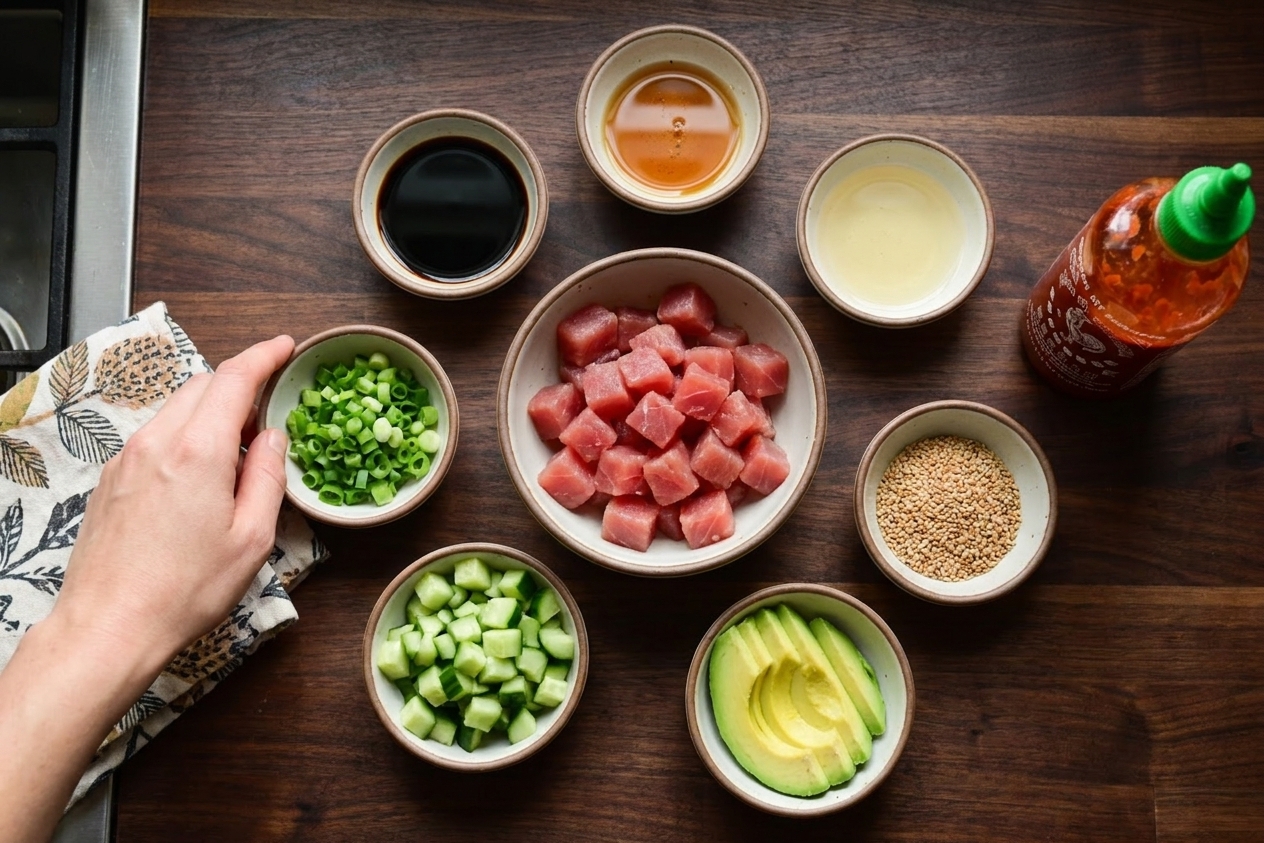
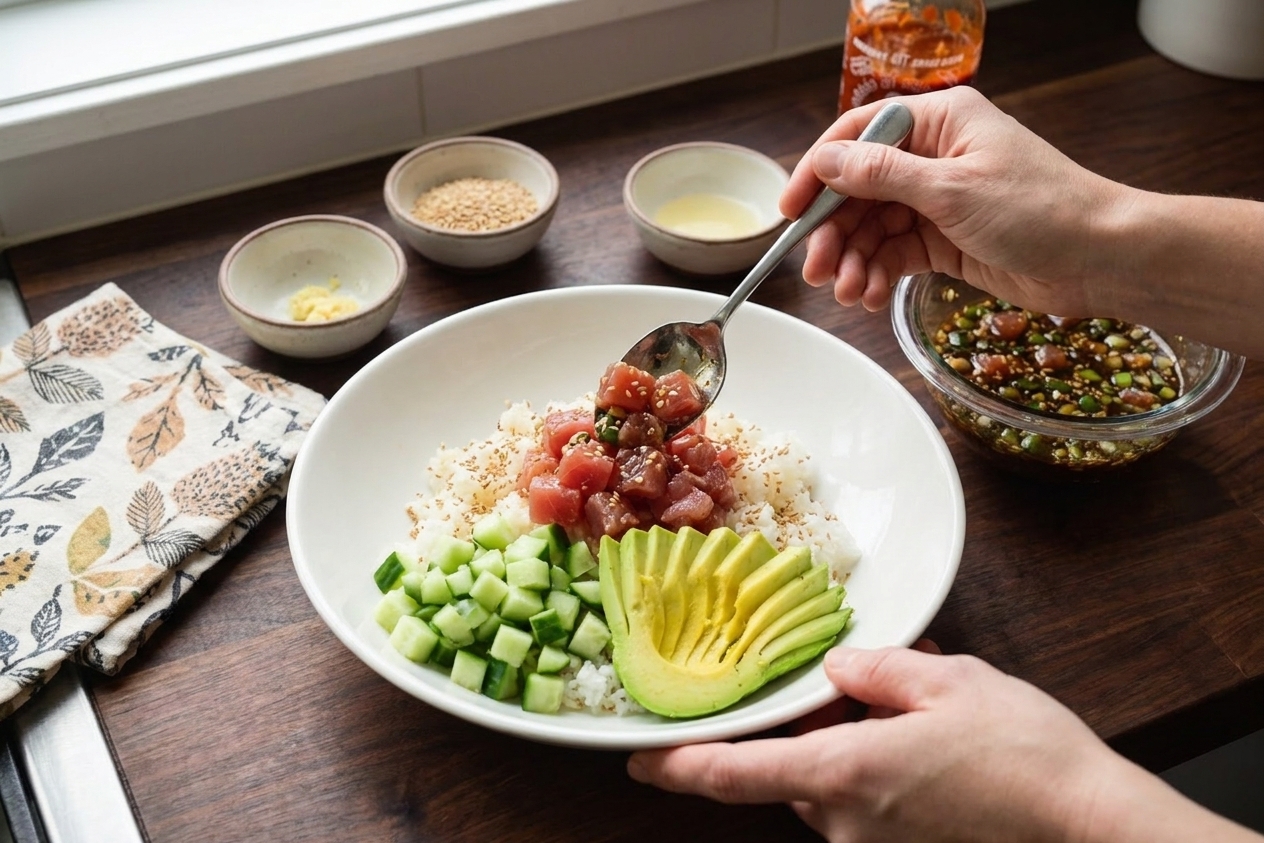
A home kitchen counter with small bowls of cubed ahi tuna, soy sauce, toasted sesame oil, rice vinegar, green onions, cucumber, avocado, sesame seeds, and sriracha laid out for poke

Why It Works

  • Big flavor in minutes: A quick marinade with soy, sesame, citrus, and a hint of heat sinks in fast without overpowering the tuna.
  • Great texture balance: Tender tuna plus crisp cucumber, creamy avocado, and optional crunchy add-ons like macadamias or crispy onions.
  • Flexible bowl build: Serve it over sushi rice, brown rice, cauliflower rice, or greens depending on your mood and your Tuesday.
  • Clear safety guidance: Simple, practical tips for choosing and handling raw fish so you can feel confident.

Pairs Well With

Storage Tips

Poke is best the day you make it. After that, the tuna texture changes and the flavors can get a little too intense.

Refrigerate

  • Marinated tuna: Store in an airtight container in the coldest part of your fridge and eat within 24 hours. Do not serve leftovers to high-risk groups (pregnant people, young kids, older adults, and anyone immunocompromised). If anything smells off or the fish feels slimy, toss it.
  • Rice: Cool rice quickly (spread in a shallow layer), then refrigerate within 1 to 2 hours. Use within 3 to 4 days. Reheat until steaming hot, then let it cool slightly before topping with poke.
  • Toppings: Keep cucumber, scallions, and sauces separate when possible. Add avocado fresh.

Do not freeze

Freezing leftovers is not ideal once the tuna has been cubed and marinated. The thawed texture tends to go soft and watery.

Quick leftover move: If you have extra rice and toppings but no poke left, make a snacky bowl with cucumber, avocado, a fried egg, and drizzle the reserved sauce (or a fresh splash of soy and sesame) on top.

Common Questions

Is ahi poke safe to eat at home?

It can be, as long as you start with high-quality fish and handle it properly. Buy tuna from a reputable seafood counter, tell them you are making poke and plan to eat it raw, keep it cold, and cut it with a clean knife on a clean board. If you are pregnant, immunocompromised, or serving young kids, consider using cooked salmon or shrimp instead.

What does “sushi-grade” mean?

There is no single legal definition in the U.S. It is a marketing term that usually signals the seller believes the fish is appropriate for raw use. Your best move is to buy from a trusted source, say you are serving it raw, and look for clear handling cues like fish that has been kept properly cold and looks fresh (no dull color, no strong “fishy” smell).

Can I use frozen tuna?

Yes, if it is high-quality and handled well. Thaw it safely in the refrigerator (not on the counter), pat it dry, and keep everything cold while you prep. Some fish intended for raw use may be frozen to reduce parasite risk, but that is not a universal safety guarantee and it does not address bacterial risk. Proper sourcing and cold handling still matter.

How long should poke marinate?

For ahi tuna, 10 to 15 minutes is the sweet spot. Longer can start to “cook” the surface a bit from the acid and salt, which changes the texture.

What can I use instead of sesame oil?

Sesame oil is part of that classic poke flavor, but you can use a neutral oil (avocado or canola) plus extra toasted sesame seeds. It will be slightly less nutty, still delicious.

What are good toppings for kids?

Keep it simple: rice, cucumber, avocado, and a little sauce on the side. You can also swap the raw tuna for cooked shrimp or shredded rotisserie chicken and let them build their own bowl.

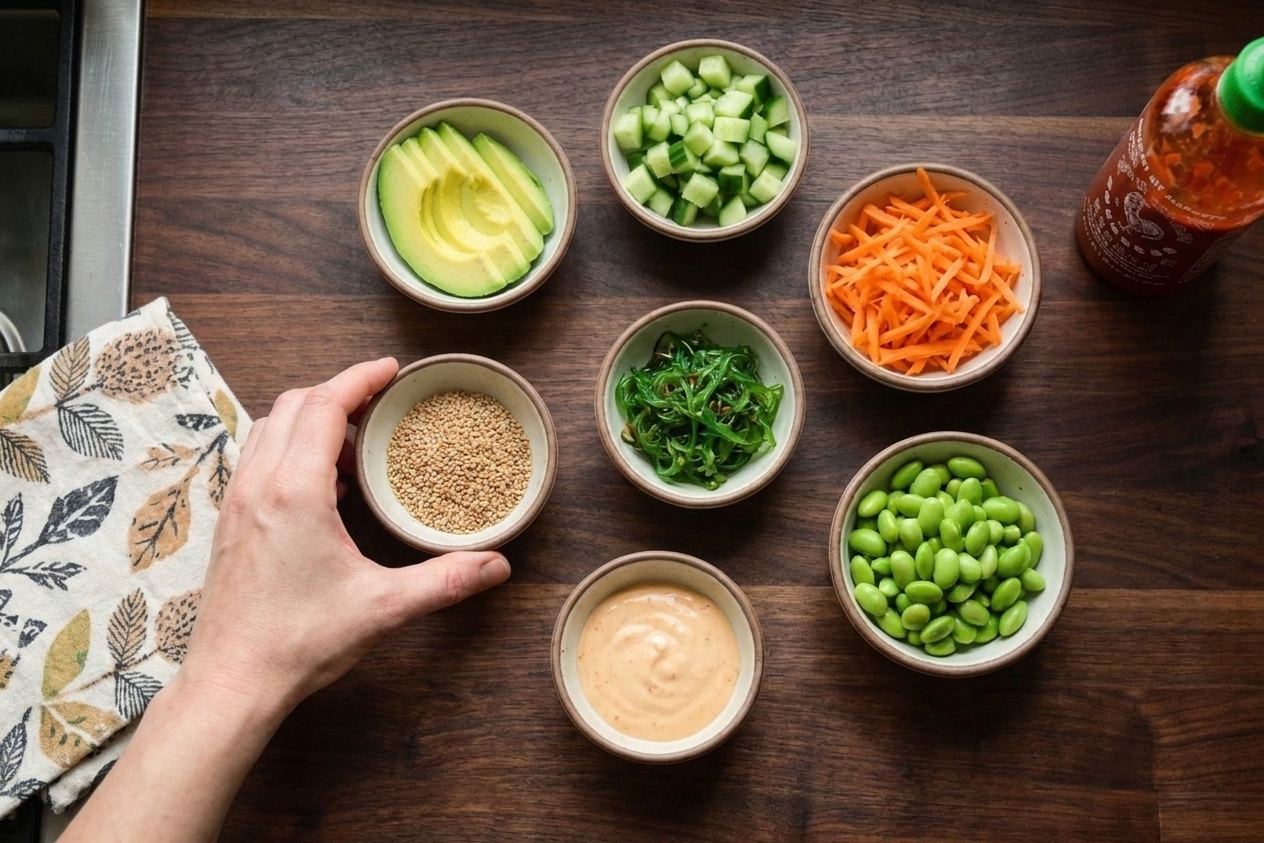
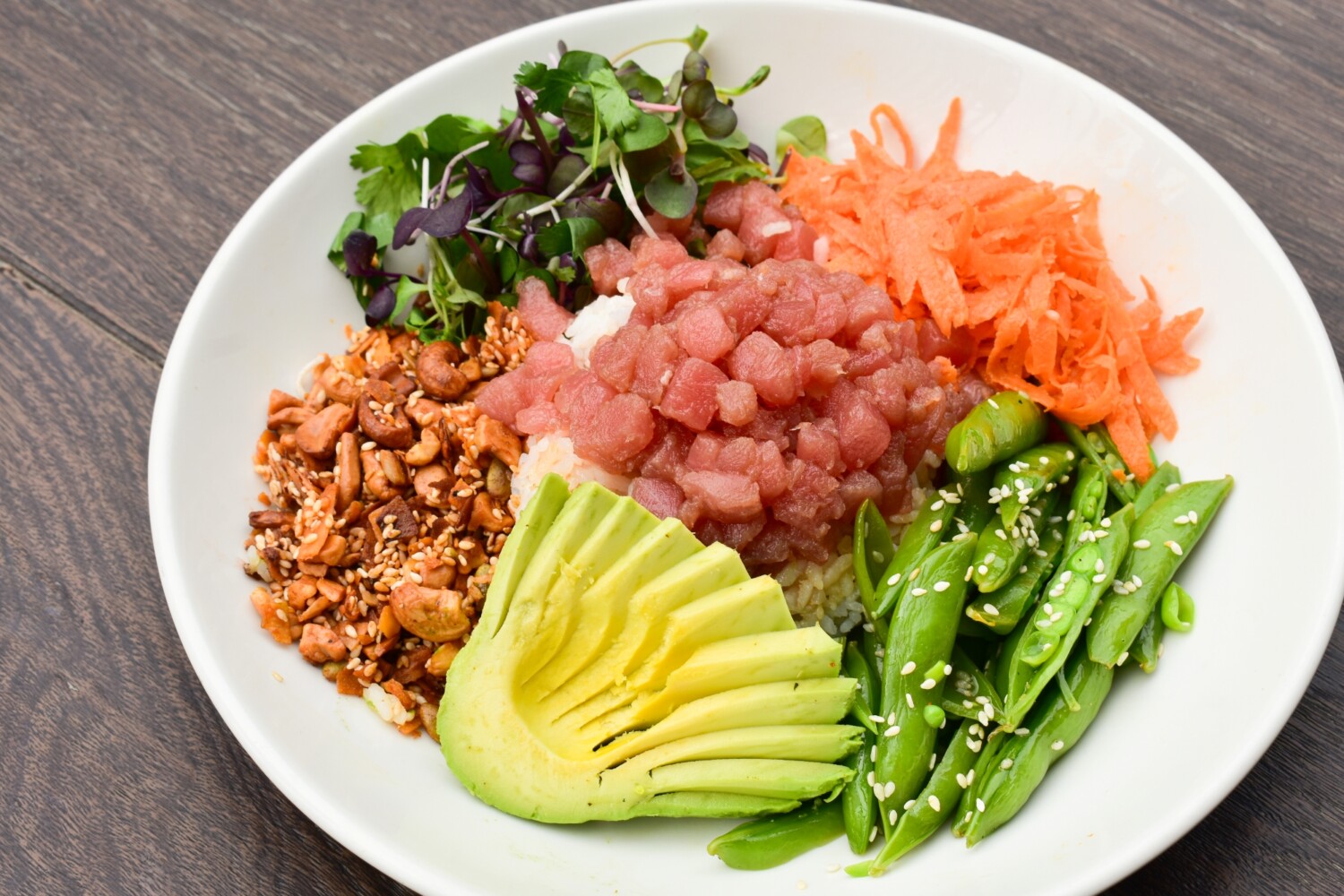
A countertop scene with small bowls of poke toppings including sliced avocado, diced cucumber, shredded carrots, edamame, seaweed salad, sesame seeds, and spicy mayo

The first time I made poke at home, I treated it like a high-stakes science experiment. Gloves. Cold bowls. Tuna cubes lined up like they were posing for a yearbook photo. Now I am a little more relaxed about it, but I still respect the basics: keep it cold, keep it clean, taste the sauce.

This is one of those dishes that makes you feel like you pulled off something fancy without doing anything dramatic. You chop, you stir, you build a bowl, and suddenly dinner looks like it came from your favorite spot. That is my kind of chaos.