Mom's Best Recipes
Recipe

Aioli Olio

Garlic-chile olive oil pasta finished with a quick lemon aioli for a glossy, creamy sauce with zero cream.

Author By Matt Campbell
4.8
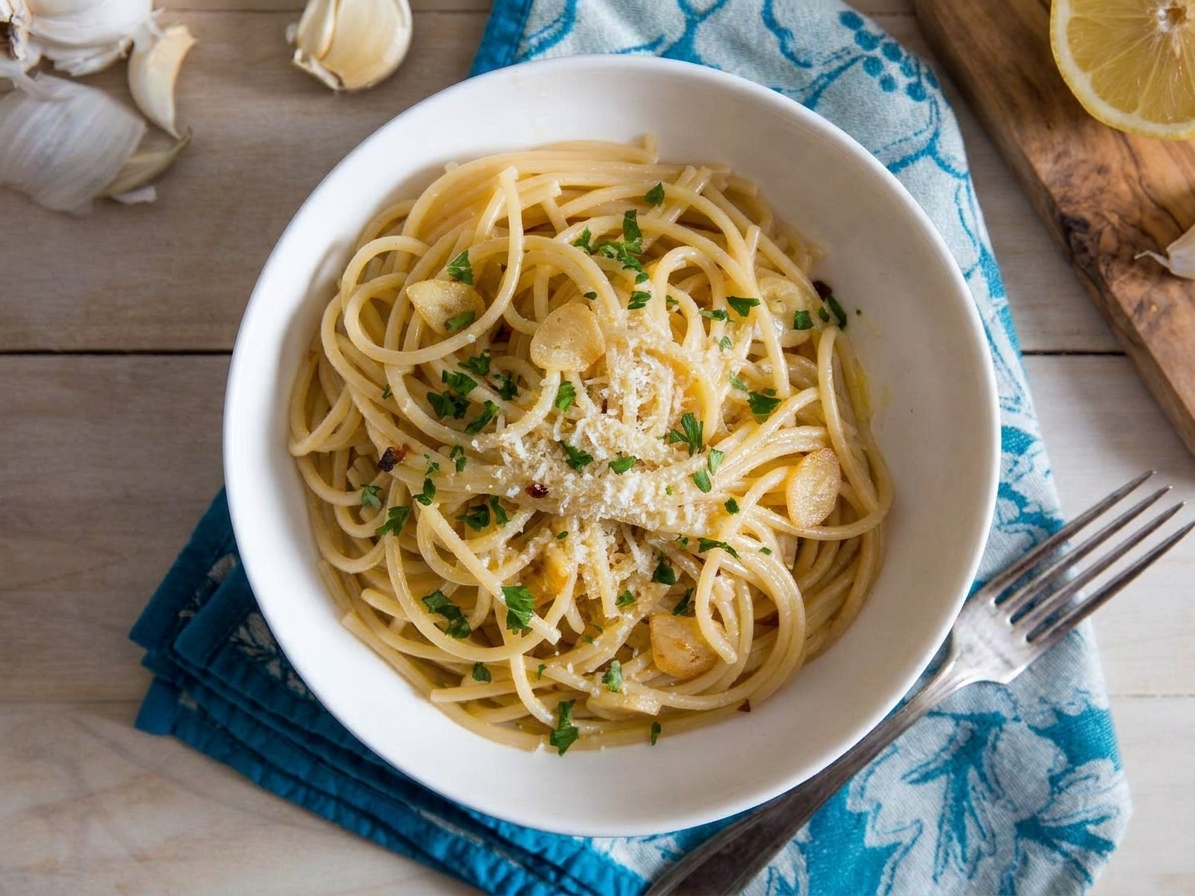
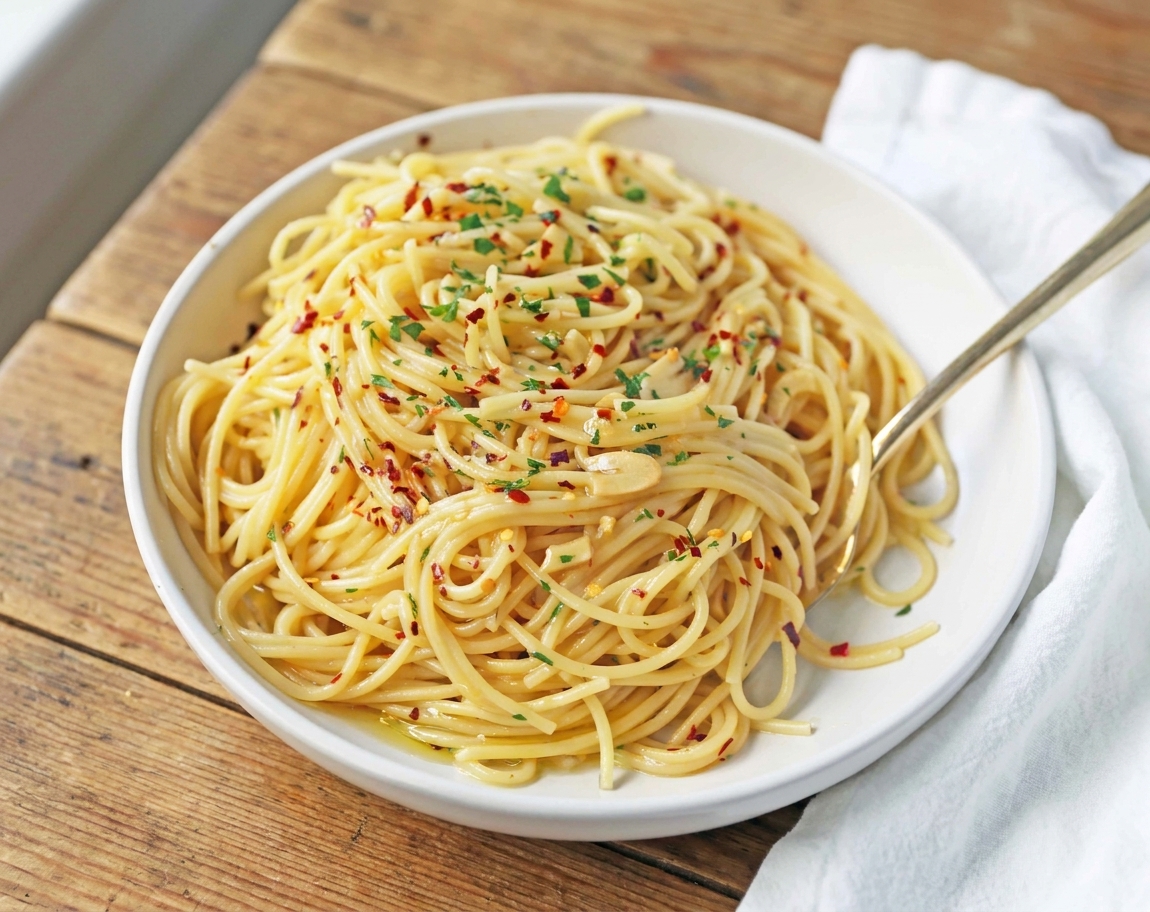
A shallow bowl of spaghetti tossed in glossy garlic olive oil sauce and topped with a dollop of lemon aioli, parsley, and red pepper flakes on a wooden table

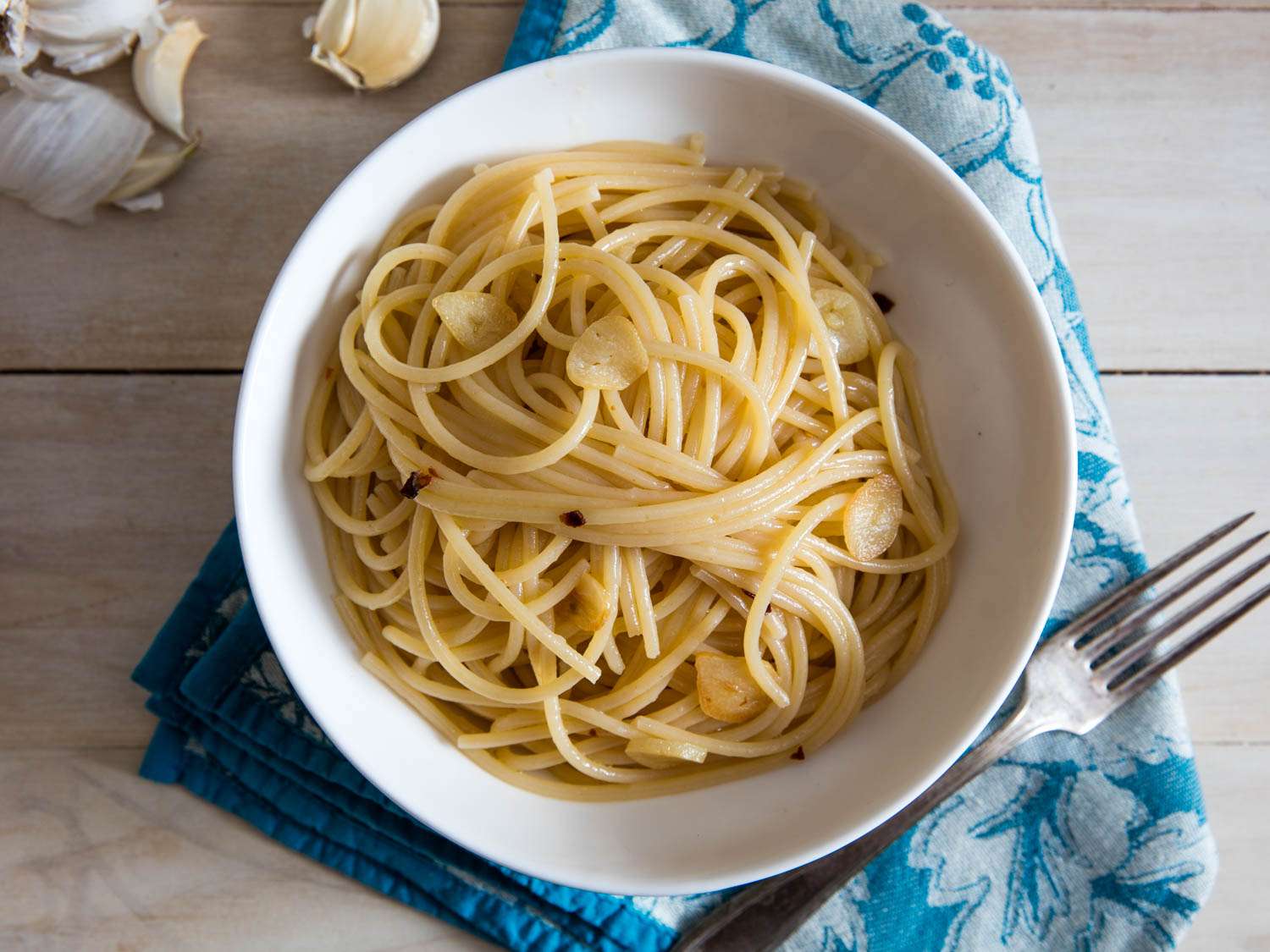
Aioli olio is what happens when aglio e olio shows up wearing a silk shirt. Same garlicky, chili-spiked olive oil base, but we finish with a quick aioli that melts into the pasta and turns the whole thing creamy without cream. It is bright, cozy, a little spicy if you want it, and extremely weeknight-friendly.

My biggest promise here is this: you will not be standing over the stove wondering why your sauce looks oily and sad. The aioli plus pasta water gives you a sauce that actually clings. You know, the kind that makes you do the fork-twirl pause and go, "Okay, wow."
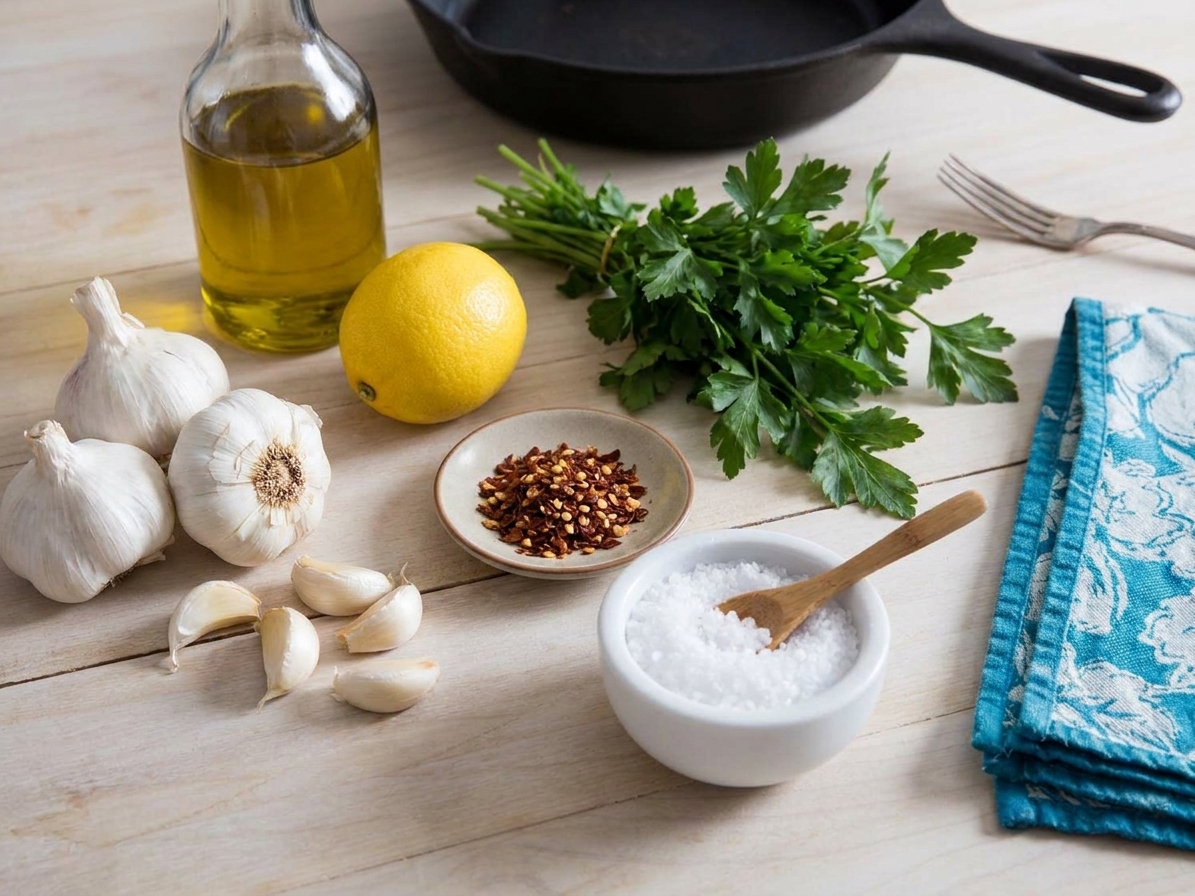
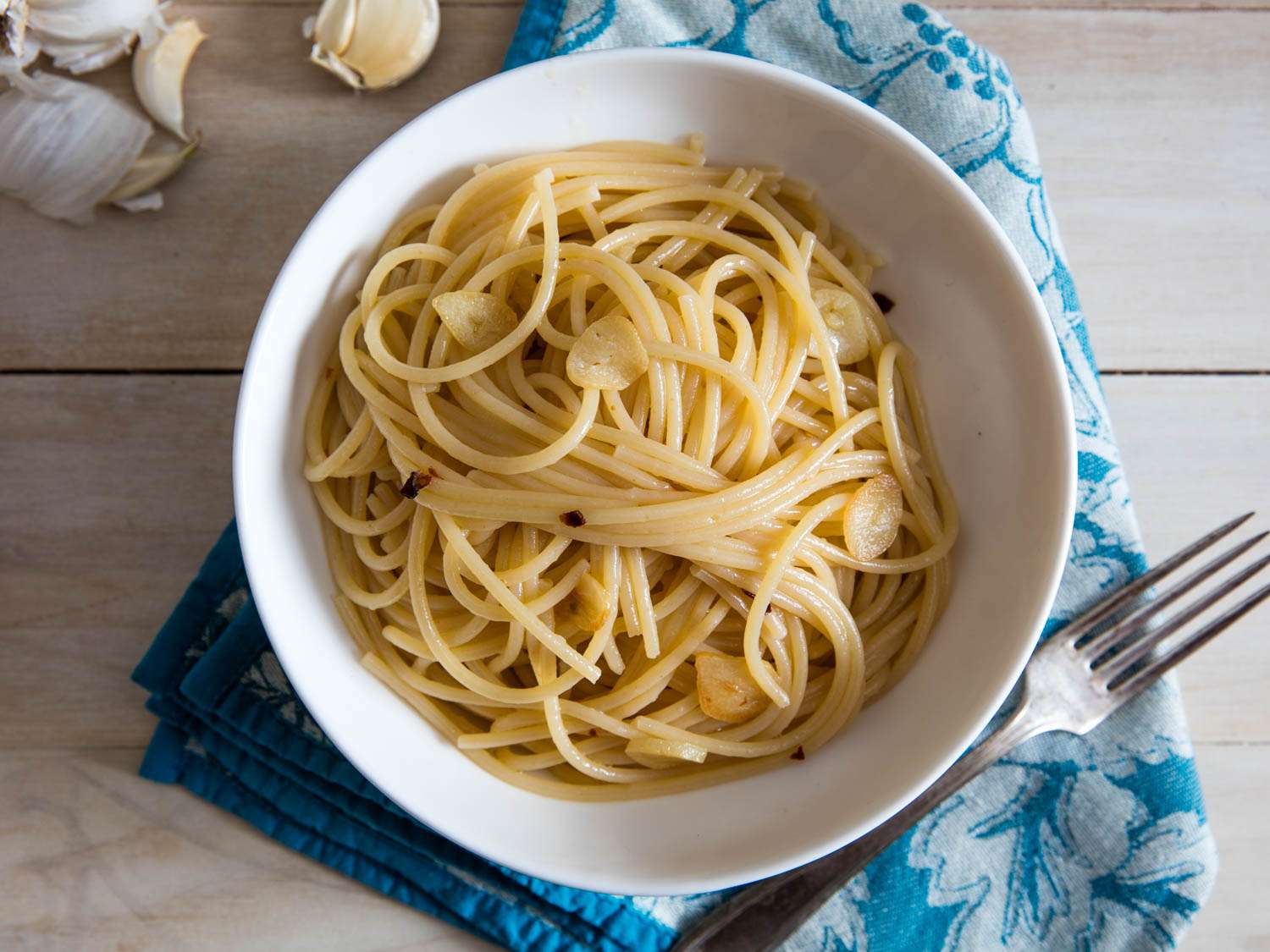
Garlic cloves, a lemon, olive oil, parsley, and red pepper flakes arranged on a clean kitchen counter with a small bowl of salt

Why It Works

  • Big flavor from small ingredients: garlic gently toasted in olive oil, plus lemon and peppery heat.
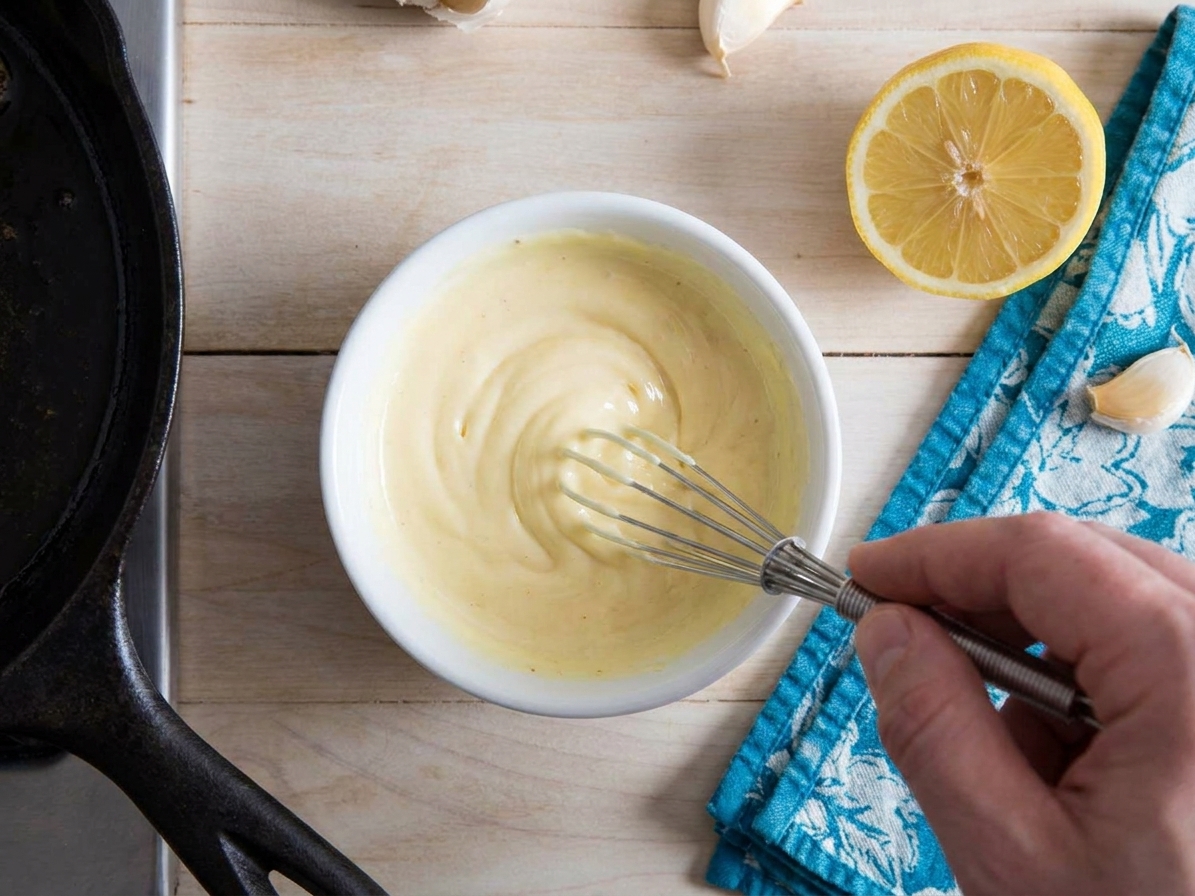
  • Silky texture without dairy: a fast aioli emulsifies with hot pasta water to make a creamy coating.
  • Flexible: keep it classic, add greens, or throw in shrimp or chicken if you want to make it a full situation.
  • Low drama: one pot for pasta, one skillet for the garlic oil, one bowl for aioli. That is it.

Pairs Well With

Storage Tips

This pasta is best right after tossing, when the sauce is glossy and the garlic is at its peak. But leftovers can still be very good with a gentle reheat.

Refrigerate

  • Store in an airtight container for up to 3 days.
  • If possible, keep any extra aioli separate and add fresh when reheating.

Reheat

  • Warm in a skillet over low heat with a splash of water to loosen.
  • Turn off the heat and stir in a small spoonful of aioli at the end for the creamiest finish.

Freezing

I do not recommend freezing. The texture gets weird and the aioli can break.

Common Questions

What is aioli olio?

Think of it as a mash-up of aglio e olio (garlic and olive oil pasta) and aioli (a garlic-forward mayo). You toss pasta in garlic-chile oil, then stir in a lemony, garlicky mayo with pasta water to create a creamy, emulsified sauce.

Will the aioli taste like mayonnaise?

Not in a bad way. Once it hits hot pasta and pasta water, it turns into a savory, garlicky creaminess. Using lemon juice and plenty of garlic keeps it bright.

Do I need raw egg?

Nope. This recipe uses mayonnaise as the base, which is already emulsified (and typically pasteurized). If you want a traditional aioli with raw egg yolk, you can, but it is not required here.

How do I keep the sauce from breaking?

Two tips: temper the aioli with warm pasta water before adding, and turn off the heat when you stir the aioli into the pasta. High heat can make it separate.

What pasta works best?

Spaghetti is the classic move, but linguine and bucatini are great too. Short shapes like rigatoni work, but you will want a little extra pasta water to help it coat evenly.

Can I make it less spicy?

Absolutely. Skip the red pepper flakes or use a tiny pinch. The dish still delivers because garlic and lemon are doing a lot of heavy lifting.

I started making versions of this on nights when I wanted comfort food but did not want the heaviness of a cream sauce. Aglio e olio is my forever love, but sometimes you want that extra cling and richness without opening a carton of anything. The first time I stirred a lemony aioli into hot spaghetti and watched it turn glossy, I felt like I had cheated the system in the best way. It is now one of my favorite “feed yourself like you planned ahead” dinners, even when you very much did not.