Mom's Best Recipes
Recipe

Almond Flour Bread

A tender, gluten-free loaf with a light crust and a sturdy crumb that slices clean and toasts beautifully.

Author By Matt Campbell
4.8
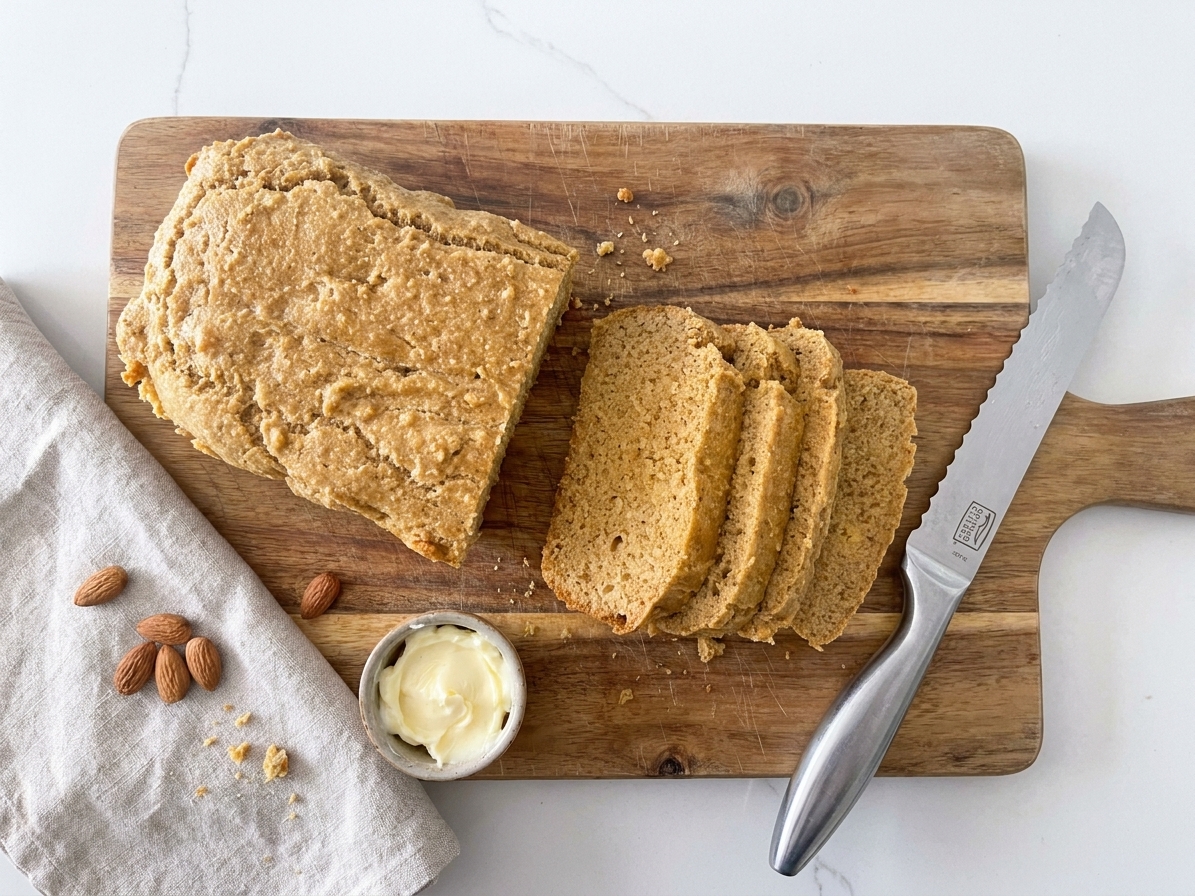
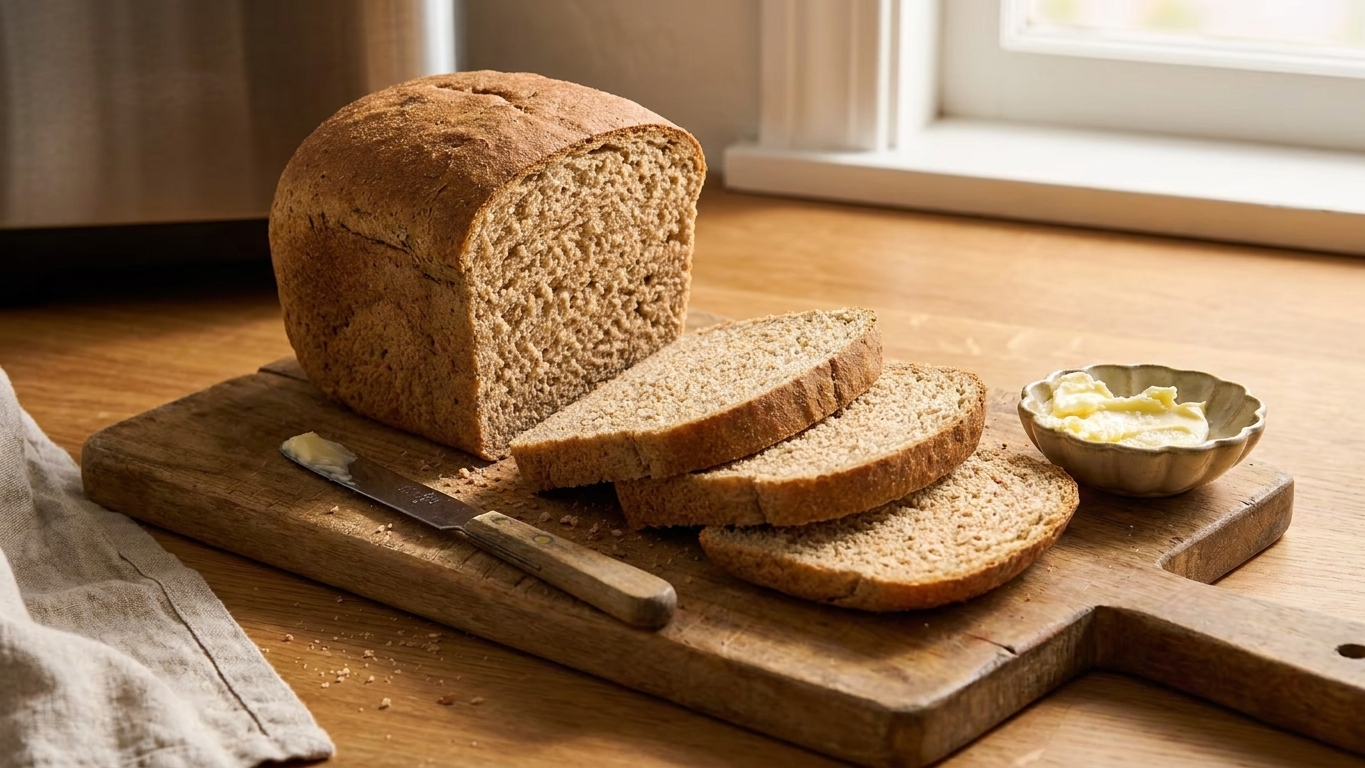
A golden brown almond flour bread loaf on a wooden cutting board with a few slices fanned out beside it on a bright kitchen counter

If you have ever baked with almond flour and thought, why is my bread either wet in the middle or crumbling like a sad cookie, I have good news. This almond flour bread is the one I keep coming back to because it is sliceable, toasts like a champ, and does not require a long list of ingredients.

We are leaning on eggs for structure, a little bit of fat for tenderness, and psyllium husk for that bread-like chew and hold. It is the quiet hero here. The result is a loaf that works for breakfast toast, lunch sandwiches, and that 9:30 p.m. "just one more bite" situation with butter and flaky salt.

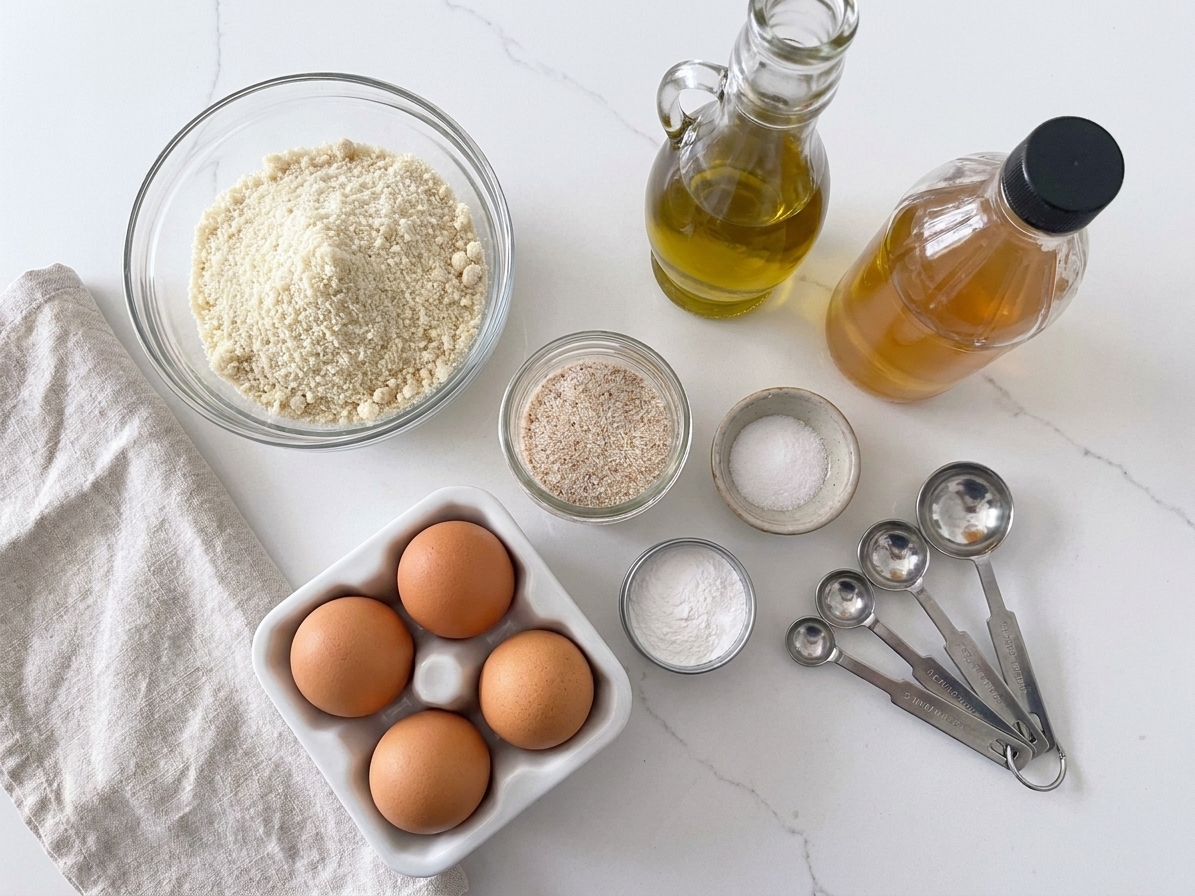
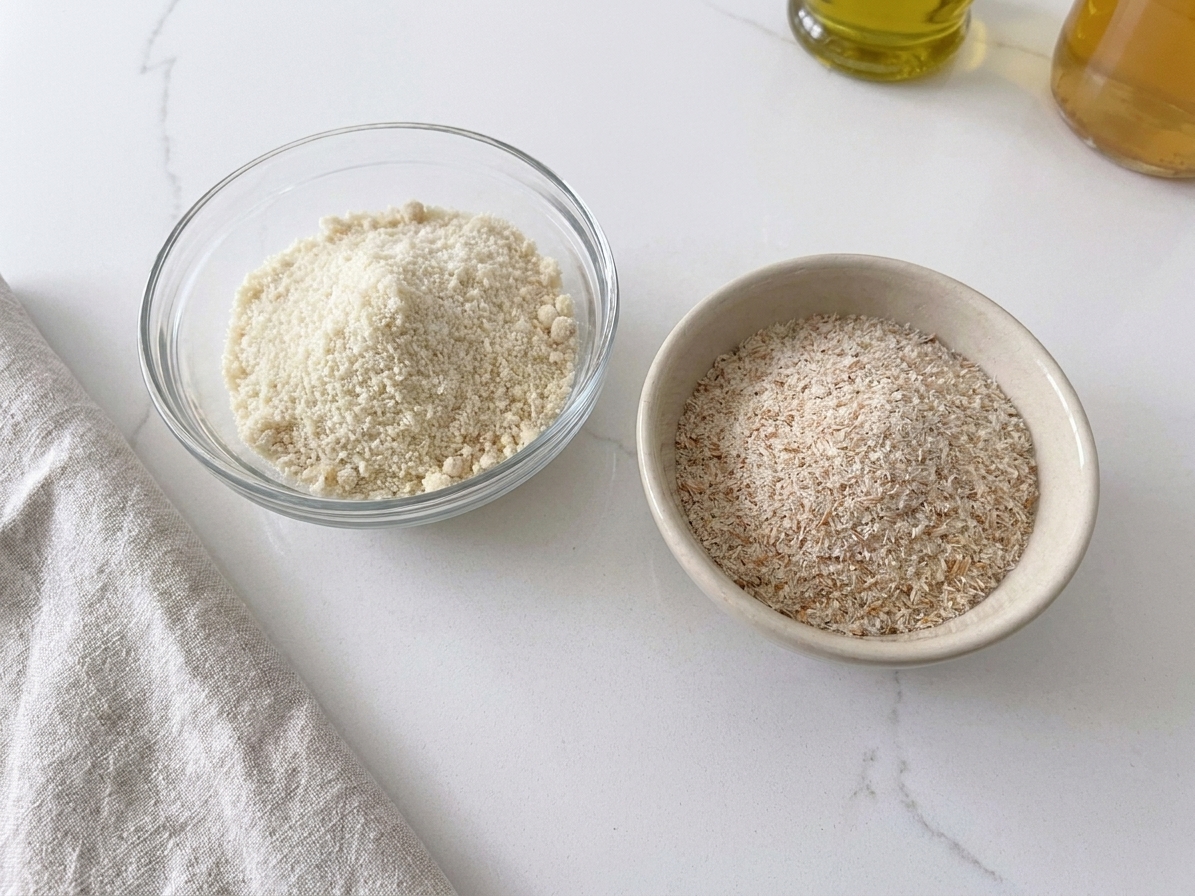
Almond flour, eggs, psyllium husk, baking powder, salt, olive oil, and apple cider vinegar arranged on a kitchen counter with measuring spoons

Why It Works

  • Sturdy, sliceable crumb: Psyllium helps the loaf hold moisture in a way that still lets it slice cleanly instead of crumbling.
  • Not eggy: A touch of vinegar balances flavor and helps the loaf taste more like bread and less like breakfast.
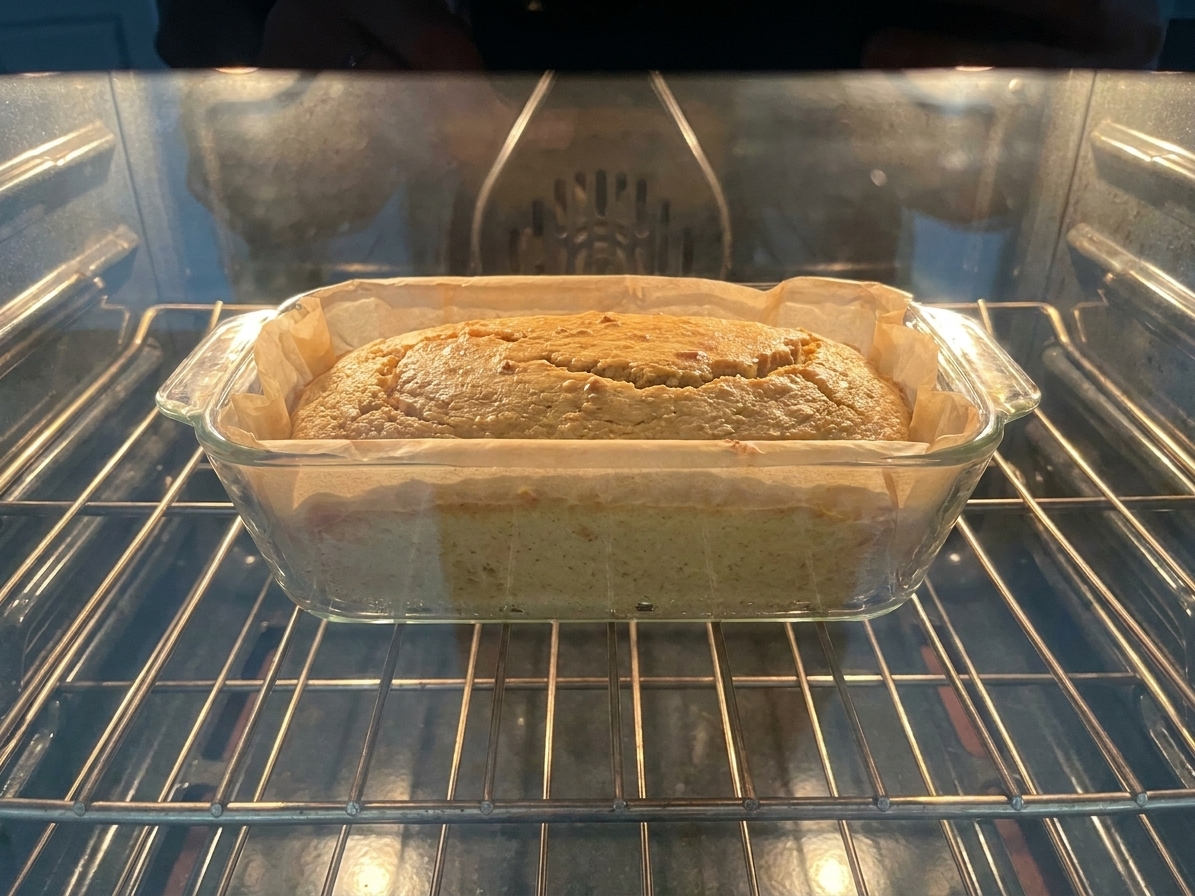
  • Great crust and toastability: Baking in a loaf pan gives structure, and a full cool time finishes the set so slices do not tear.
  • Accessible, low-drama method: No yeast, no fancy flours, no complicated proofing schedule.

Pairs Well With

Storage Tips

Room temperature: Once fully cool, store the loaf in an airtight container for up to 2 days. If your kitchen runs warm, move it to the fridge sooner.

Refrigerator: Wrap tightly and refrigerate for up to 6 days. Almond flour breads can feel firmer when chilled, so plan to toast or warm slices.

Freezer (best option): Slice the loaf, then freeze slices separated with parchment in a freezer bag for up to 3 months. Toast straight from frozen.

Reheating: Toast is ideal. For a softer warm slice, microwave 10 to 15 seconds, then finish in a dry skillet for 1 minute per side.

Common Questions

Do I have to use psyllium husk?

For this specific loaf, yes if you want clean slices. Psyllium husk is what gives this bread that flexible, bread-like structure. If you skip it, the loaf will likely be more cake-like and prone to crumbling.

Whole psyllium husk or powder?

Both work, but they behave differently, and this is the one spot where being picky helps. Whole husk is what the recipe is written for. If you use powder, it absorbs faster and stronger, so start with about 12 to 14 g (roughly 1 1/2 tablespoons), let the batter sit 2 to 3 minutes, then decide. If it becomes very stiff or dry, add 1 to 2 tablespoons water.

Why is my almond flour bread gummy in the middle?

Common culprits are underbaking, slicing while warm, or measuring almond flour inconsistently. Bake until the top is deeply golden and the center feels set and springs back when pressed. If you have a thermometer, aim for about 200°F to 210°F in the center. Then cool at least 45 minutes before slicing so the crumb can finish setting.

Can I make it dairy-free?

Yes. This recipe is naturally dairy-free as written if you use olive oil or avocado oil. If you swap in melted butter, that is optional, not required.

Can I make it egg-free?

Honestly, this is a tough one. Eggs provide the lift and structure. Flax eggs usually make this loaf heavy and more fragile. If you need egg-free, I would look for a recipe designed specifically for that.

What can I add for flavor?

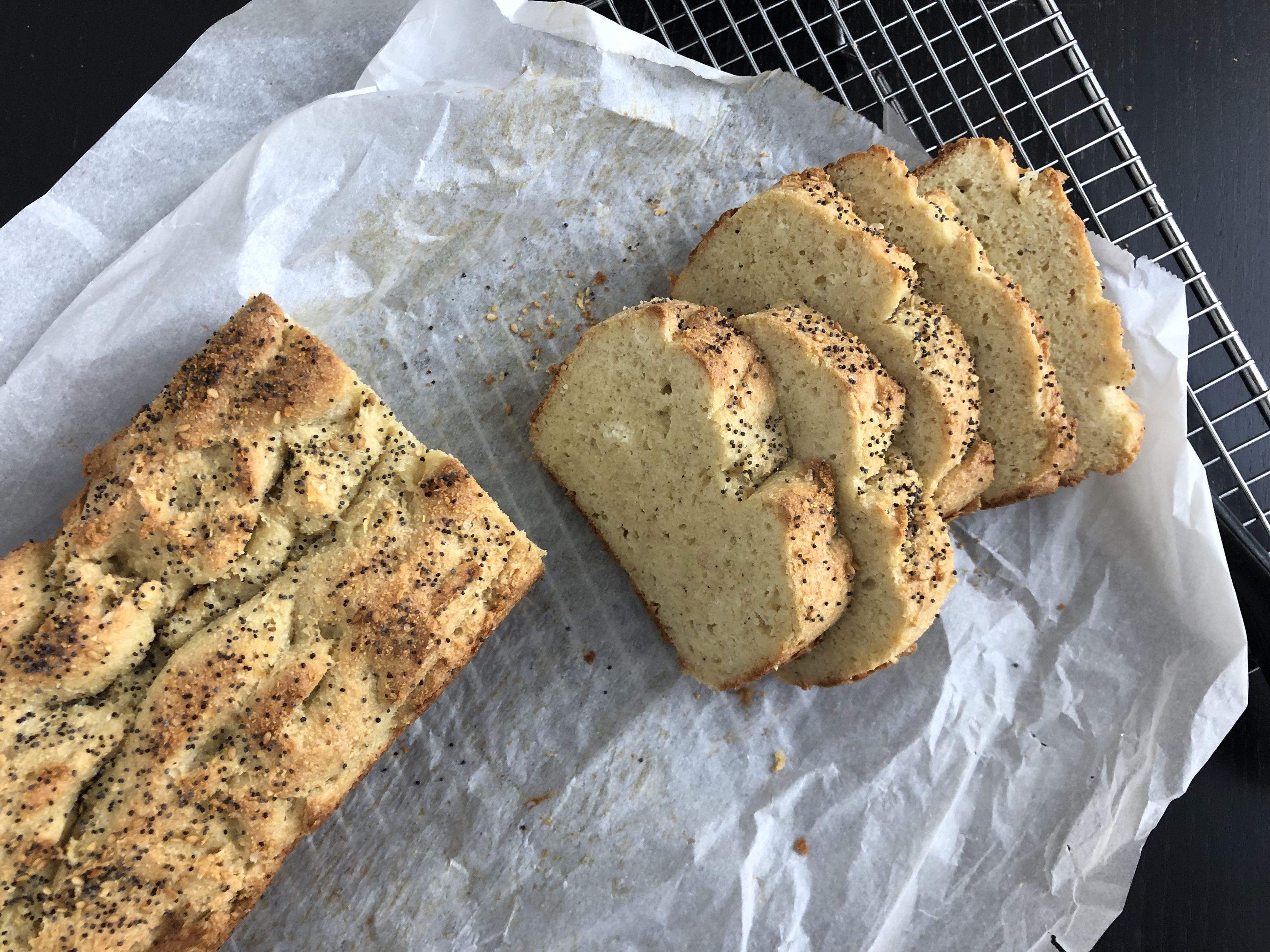
Try 1 to 2 teaspoons garlic powder, 1 teaspoon dried Italian seasoning, or a handful of chopped herbs. For a cheesy version, fold in 1/2 cup shredded cheddar at the very end. For a seedy top, sprinkle sesame or everything-bagel seasoning before baking.

Can I use an 8.5x4.5-inch loaf pan?

Yes. The loaf will be taller and may need a bit more time. Start checking around 45 minutes, and expect it to land closer to 50 to 55 minutes depending on your oven.

Any high-altitude tips?

If you bake at high altitude and breads tend to sink or overbrown, try lowering the oven temp by 15 to 25°F and plan for a slightly longer bake. Use the color and center set cues, and consider the thermometer range (about 200 to 210°F) as your backup.
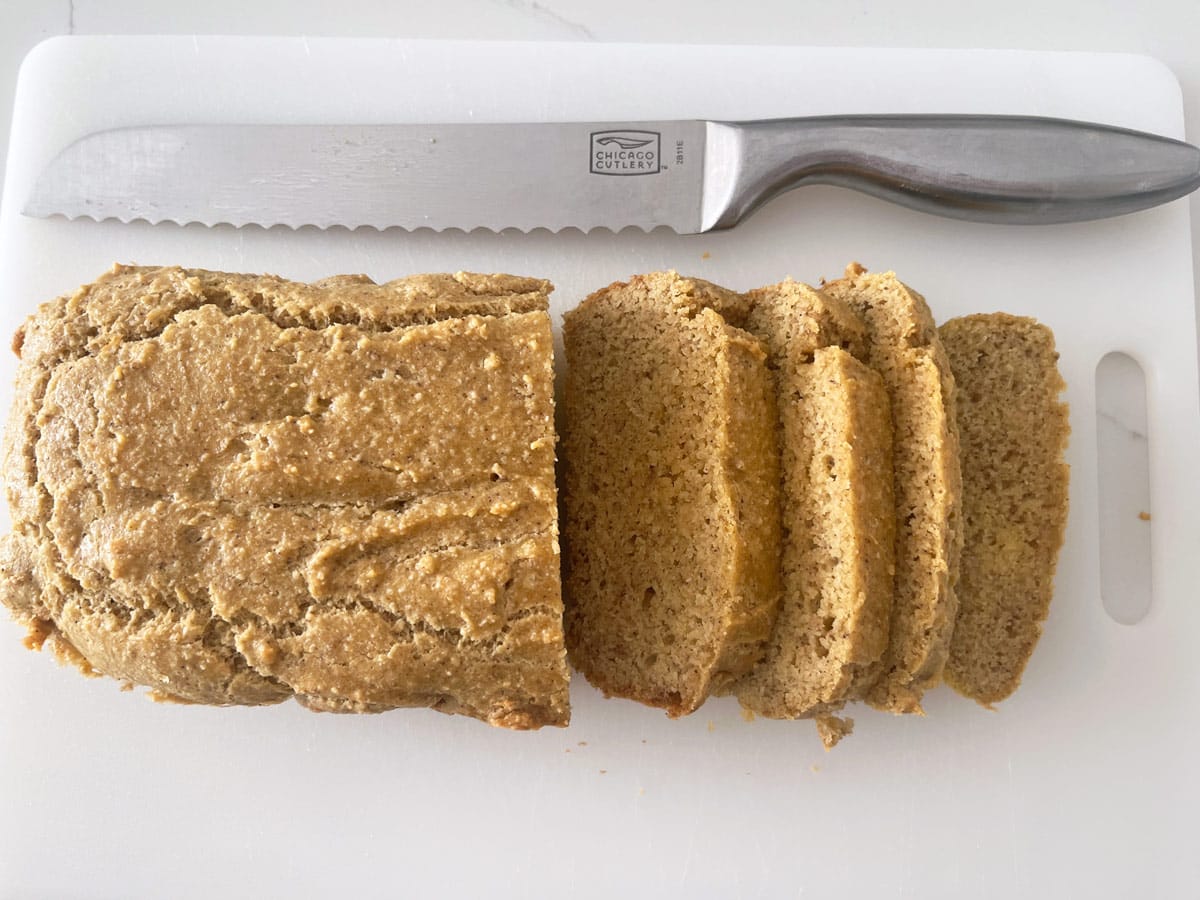

Hands slicing a cooled almond flour bread loaf with a serrated knife on a cutting board, showing a tender crumb

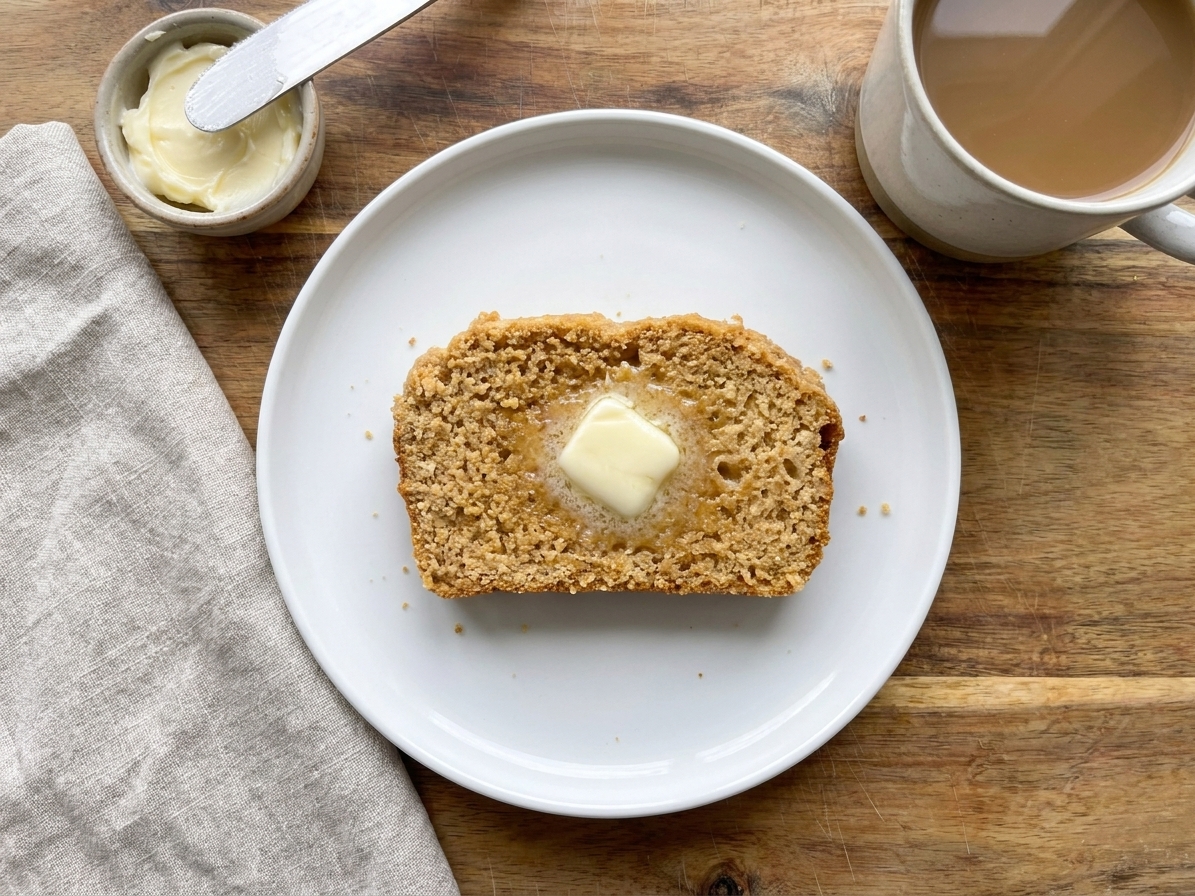
I used to think almond flour bread was doomed to be either weirdly wet or weirdly fragile, with no middle ground. Then I started treating it like its own thing, not a wheat loaf in disguise. The first time I added psyllium husk and let the batter sit for a couple minutes before baking, I got a loaf I could actually toast without it falling apart. I remember standing at the counter, butter melting into the warm slice, thinking: okay wow, this is the one. Now it is my go-to when I want bread vibes with minimal drama and maximum toast potential.