Mom's Best Recipes
Recipe

Whole Wheat Bread Machine Bread

A soft, lightly sweet whole wheat loaf with a tender crumb and crisp edges, built for sandwiches and toast with bread machine ease.

Author By Matt Campbell
4.8
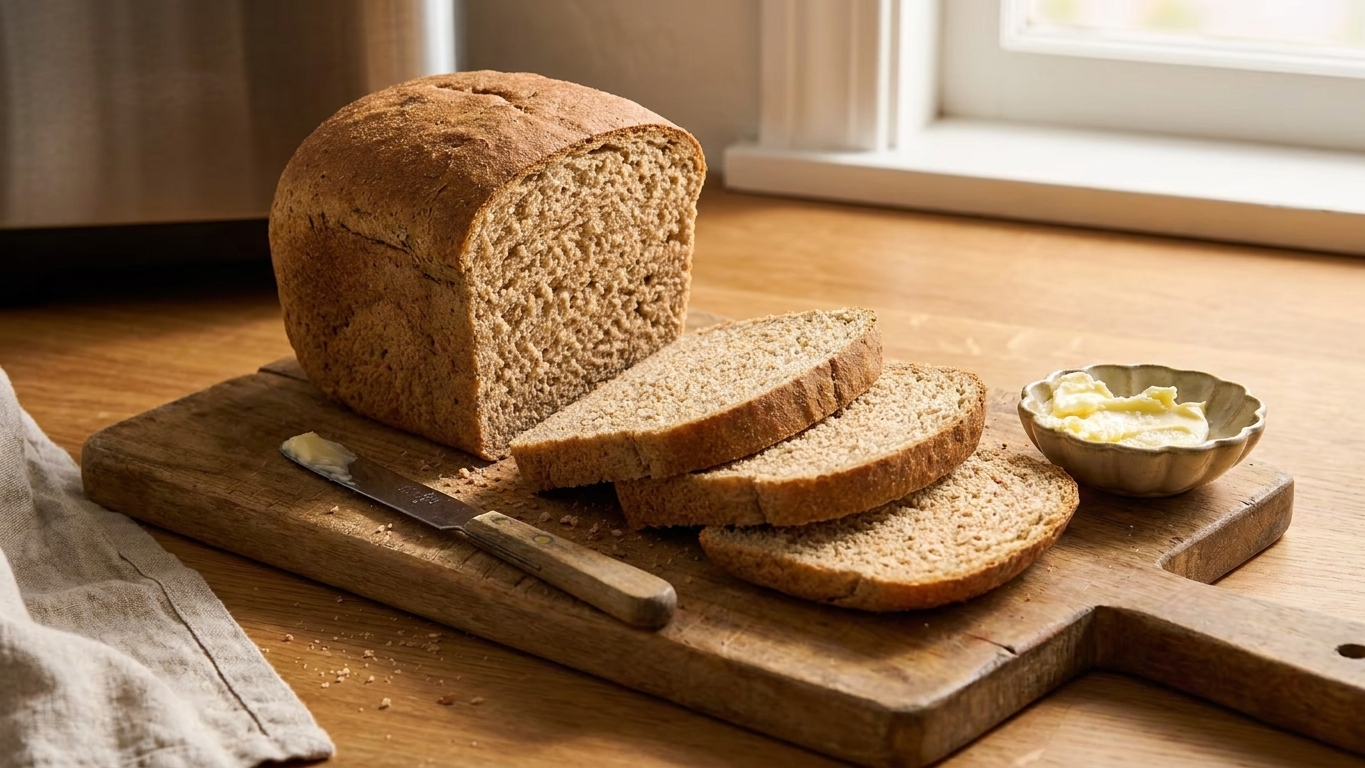
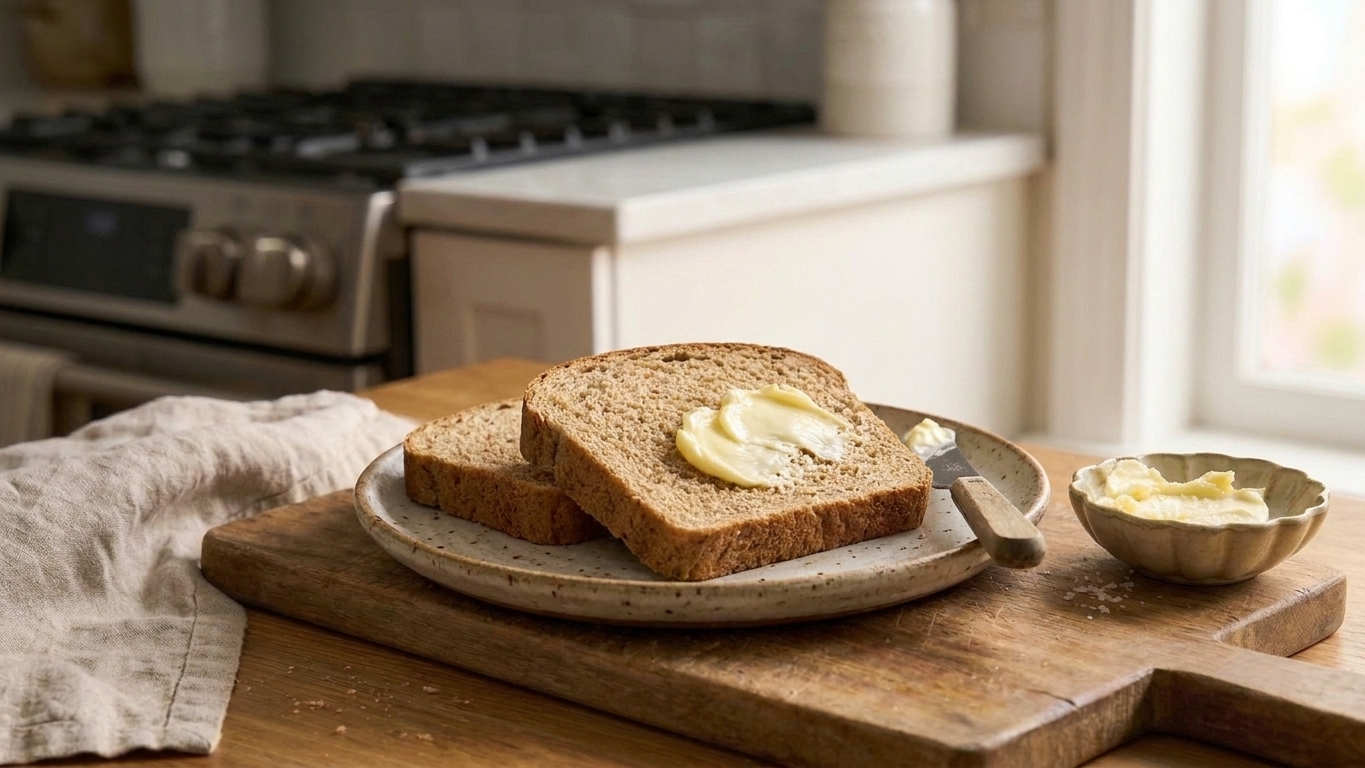
A freshly baked whole wheat bread machine loaf sliced on a wooden cutting board, with a butter knife and a small dish of butter on a cozy kitchen counter in warm natural light

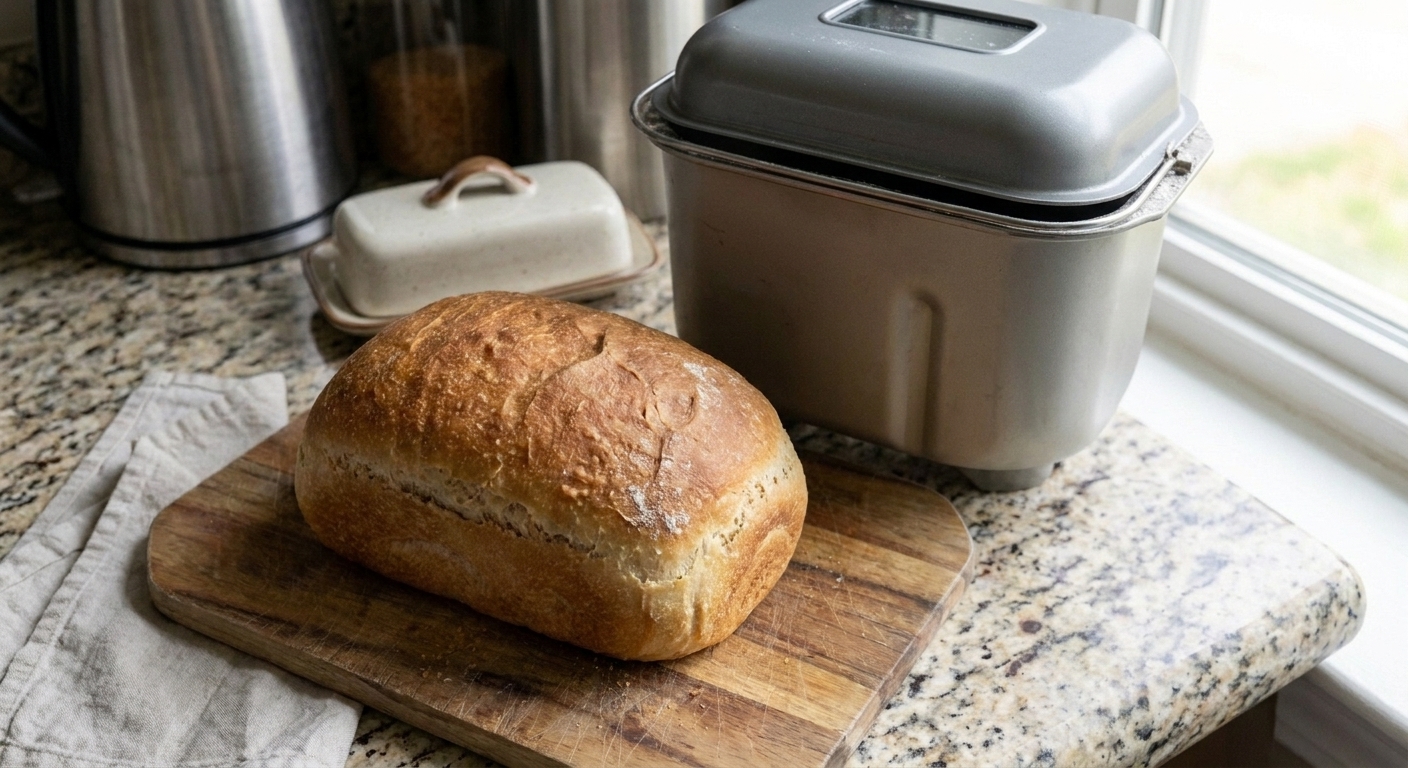
Whole wheat bread wants to be the responsible choice. But it also has a habit of turning out a little… brick-adjacent if you do not give it the right support. This bread machine version is my weeknight-friendly fix: a loaf that is actually soft, actually sliceable, and still tastes like real whole wheat, not sad “health bread.”

The keys are simple: enough hydration, a touch of fat for tenderness, and a small boost of gluten structure so your loaf rises like it means it. You dump, you press Start, you come back to a kitchen that smells like you have it together.

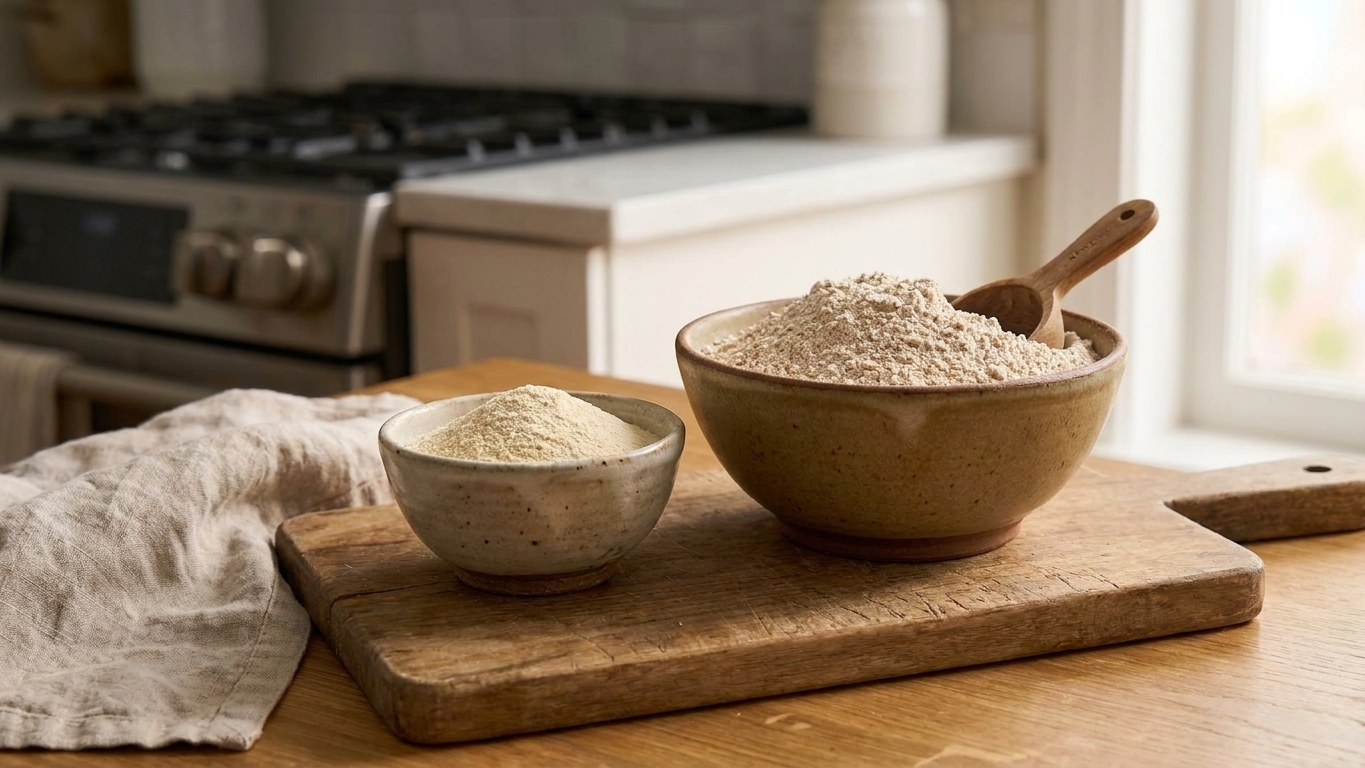
Whole wheat flour, instant yeast, salt, honey, olive oil, and a small bowl of vital wheat gluten arranged on a clean kitchen counter

Why It Works

  • Soft crumb, not dense: A little vital wheat gluten and the right water amount keep whole wheat from baking up heavy.
  • Reliable rise: Ingredient order and a quick dough check during the first mix prevent dry corners and flour pockets.
  • Real flavor: Honey plus a pinch of salt makes the wheat taste warm and nutty, not bitter.
  • Great for sandwiches: Sturdy enough for PB&J, tender enough for toast that does not shred your mouth.

Pairs Well With

Storage Tips

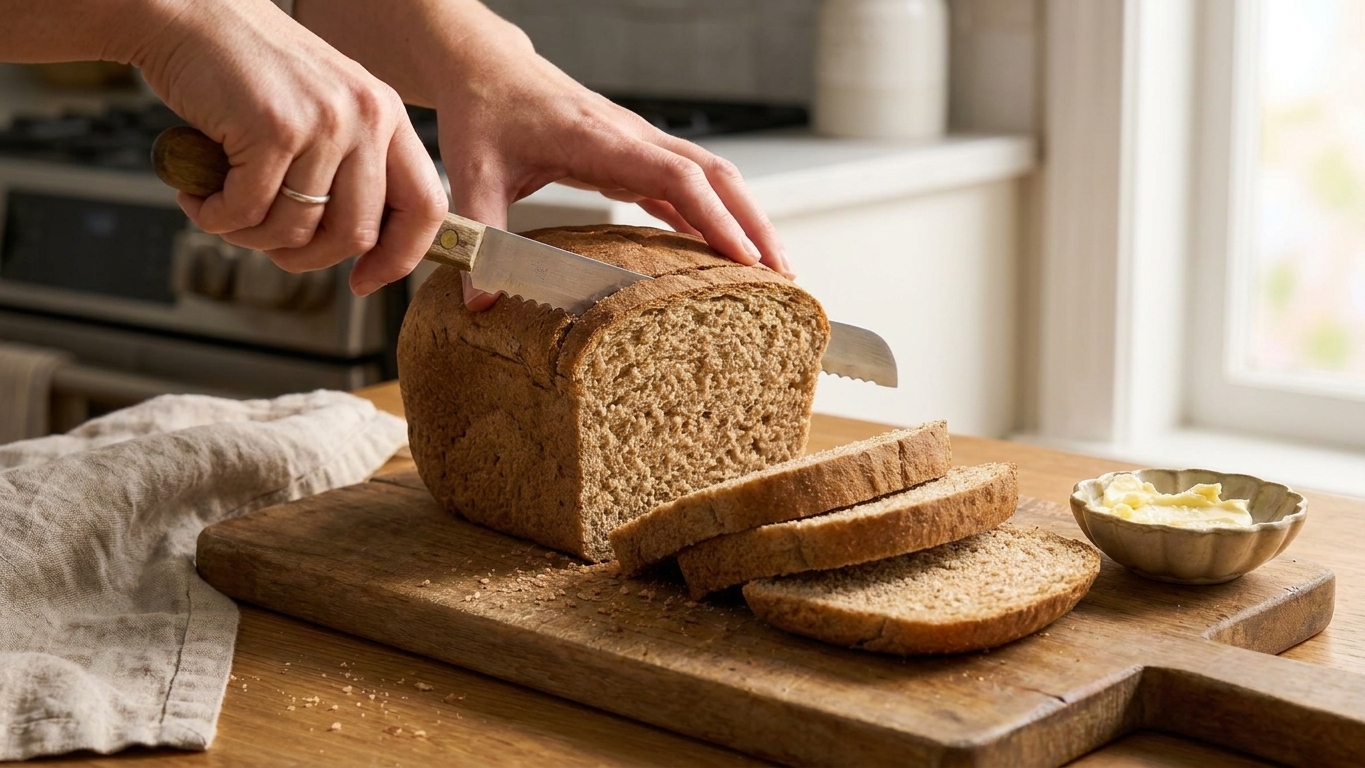
Cool completely first. Give the loaf at least 2 hours on a rack before slicing. If you cut too early, the crumb can get gummy.

Counter storage (best for 2 to 3 days): Store in a bread bag or airtight container at room temp. I like slicing half the loaf and keeping the other half intact so it stays fresher.

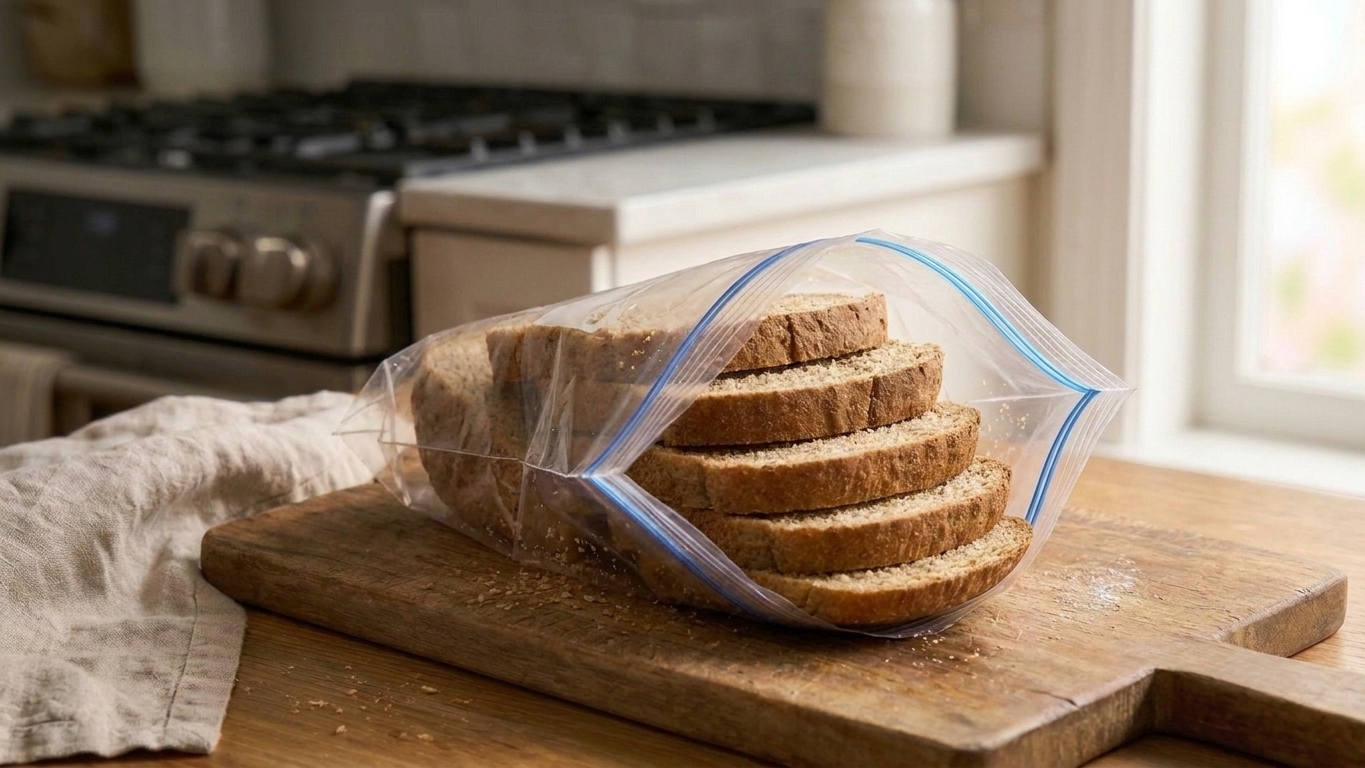
Freeze (best for up to 3 months): Slice the loaf, then freeze slices in a zip-top bag. Grab what you need and toast straight from frozen.

The fridge note: The fridge can make bread go stale faster. In very hot or humid kitchens it can help slow mold, so do what works for your house. For longer storage that still tastes like bread, the freezer is your best bet.

Slices of whole wheat bread stacked inside a partially open zip-top freezer bag on a kitchen counter

Common Questions

What bread machine setting should I use for whole wheat?

Use the Whole Wheat cycle if your machine has it. If not, use Basic with a medium crust, and do a quick dough check during the first knead so it does not run dry.

Why is my whole wheat bread machine loaf so dense?

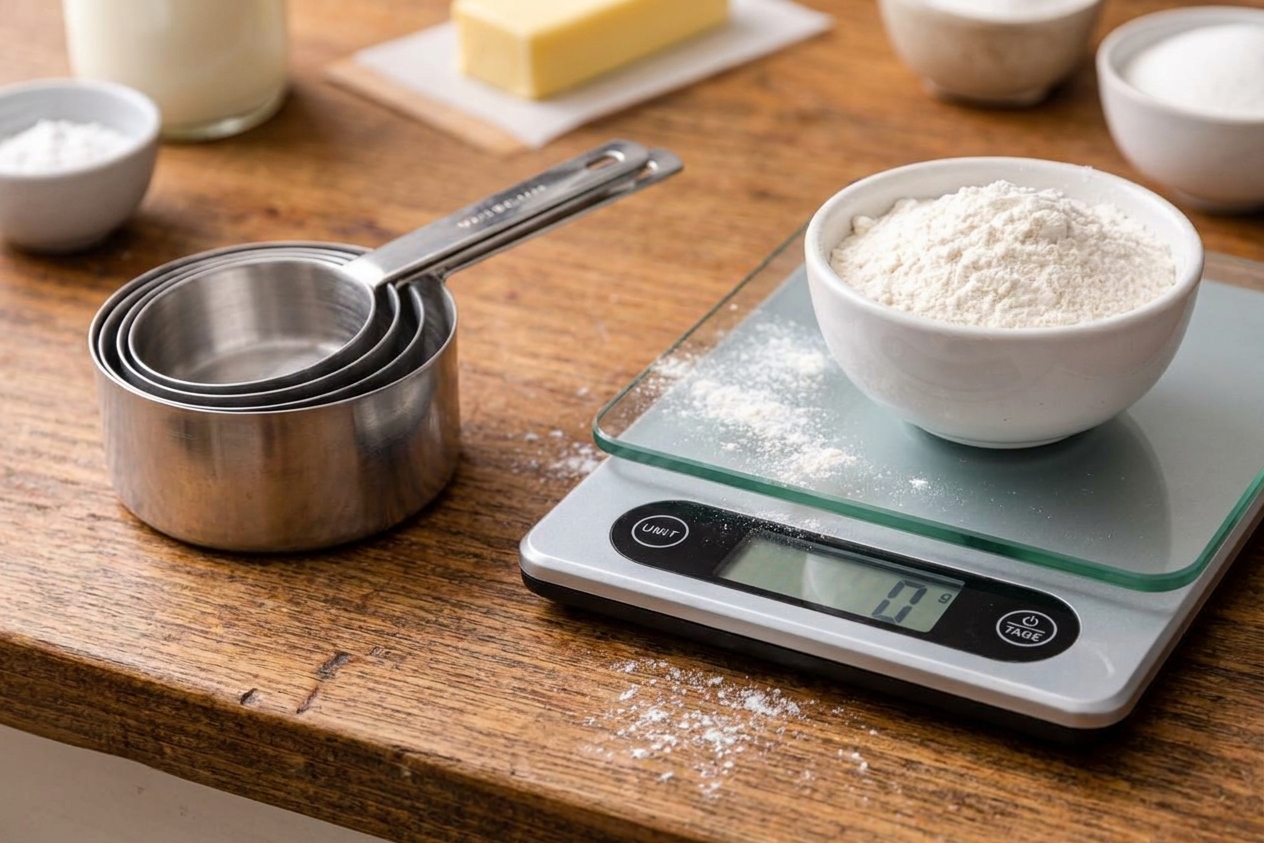
The usual culprits are too much flour (scooping packs it), not enough water, or weak gluten structure. For best results, spoon flour into the measuring cup and level it, or weigh it. Whole wheat also benefits from vital wheat gluten, especially with bread machines.

Do I have to use vital wheat gluten?

No, but it helps a lot. Without it, the loaf will still work, just a bit shorter and tighter-crumbed. If skipping, consider using half whole wheat flour and half bread flour for a lighter loaf.

Can I use active dry yeast instead of instant?

Yes. You can usually swap it 1:1. If your loaf seems a little slow to rise, bump the yeast up by 1/4 teaspoon next time, or follow your bread machine manual and yeast brand guidance. If your manual recommends it, make a small well in the flour and add the yeast there so it does not touch the liquid until mixing starts.

How do I know the dough looks right in a bread machine?

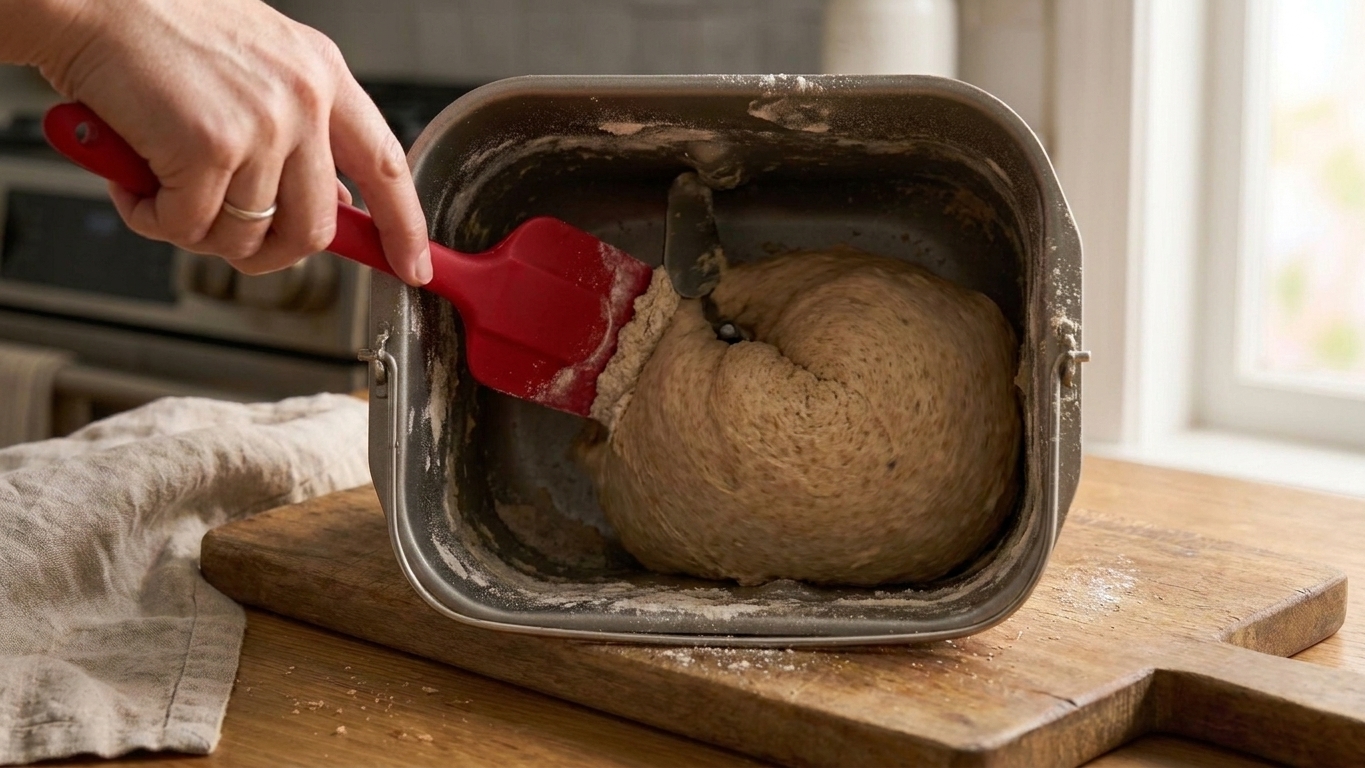
About 5 to 10 minutes into kneading, the dough should form a smooth, slightly tacky ball. If it is crumbly or riding the paddle like a rock, add water 1 teaspoon at a time. If it is soupy and smearing, add flour 1 tablespoon at a time.

When do I add seeds or other mix-ins?

Add them at the mix-in beep (if your machine has one) or toward the end of kneading. This keeps seeds from getting pulverized and helps them distribute evenly.

How do I know it is done?

Most machines nail it, but if you ever get an underbaked center, check for an internal temperature of about 190 to 200 F. If it is not there yet, you can usually run a little extra bake time (machine-dependent).
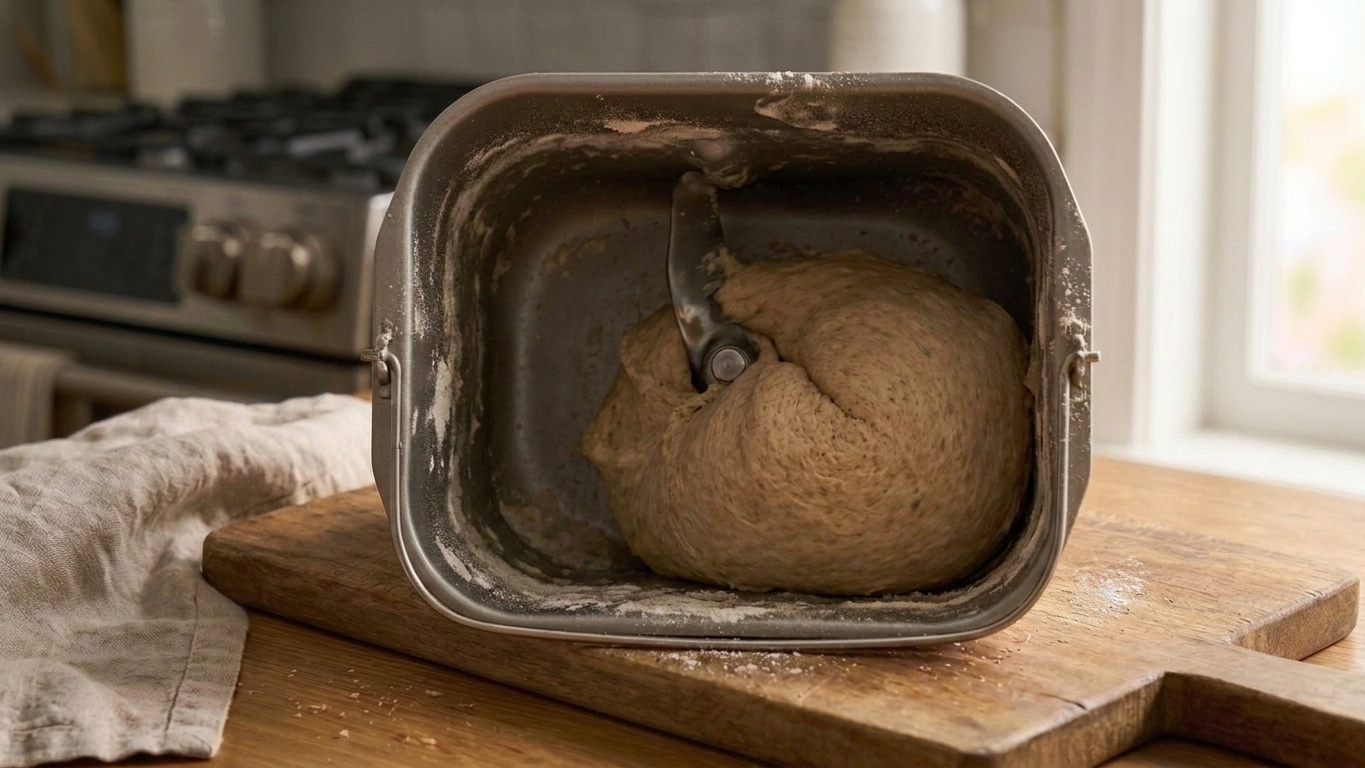

Dough kneading in a bread machine pan during the first mix, forming a soft ball with lightly tacky surface

I used to think bread machines were a little too “push button, receive bread,” like it could not possibly be legit. Then I had a week where I wanted homemade toast and I also wanted to not ruin my evening with a flour tornado. The bread machine earned its counter space fast.

This whole wheat loaf is the one I keep coming back to because it hits that sweet spot: it tastes homemade, it slices clean, and it does not require me to babysit a rise while I am doing dishes or trying to remember if I fed the dog.

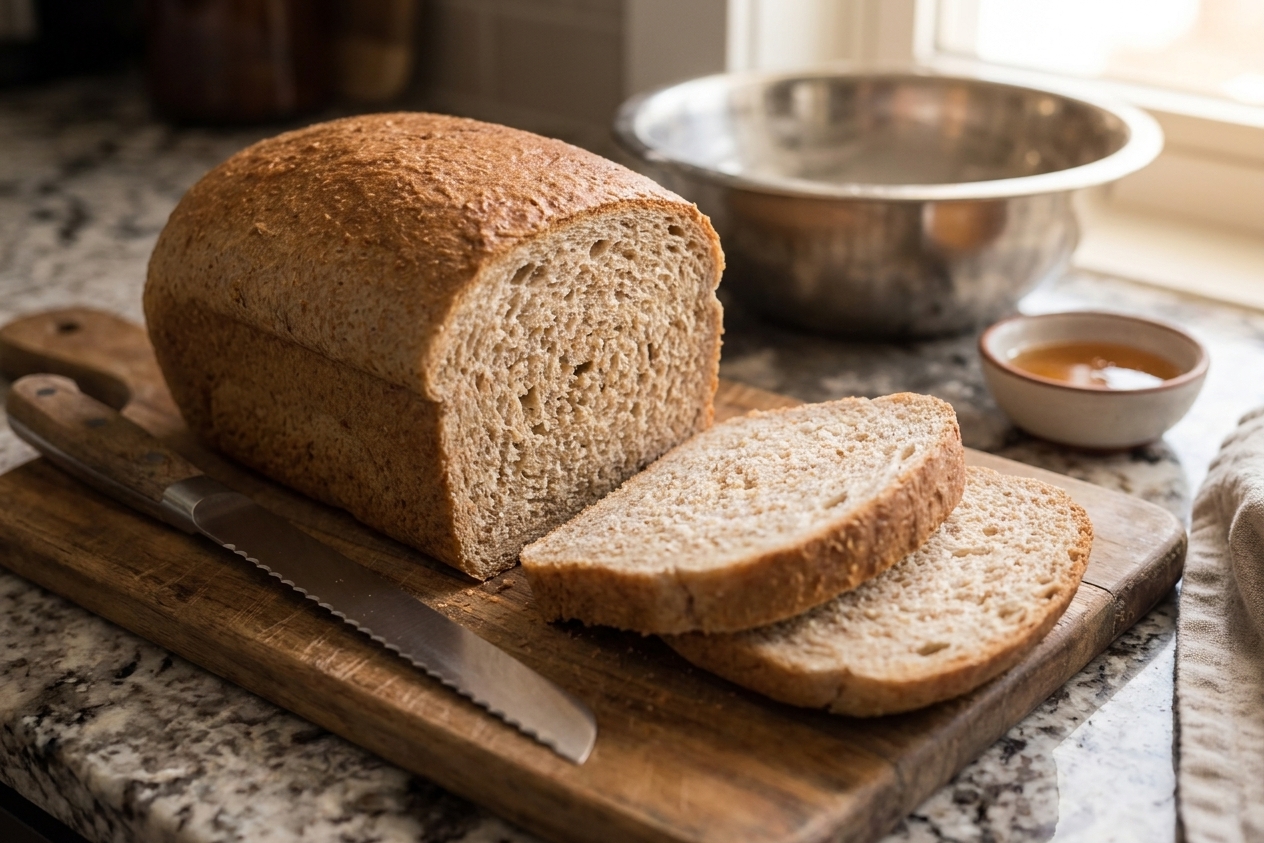
A home cook's hands slicing a cooled whole wheat loaf with a serrated knife on a wooden cutting board