Mom's Best Recipes
Recipe

American Buttercream Icing

Fluffy, sweet, and pipeable frosting made with butter, powdered sugar, vanilla, and a splash of cream.

Author By Matt Campbell
4.8
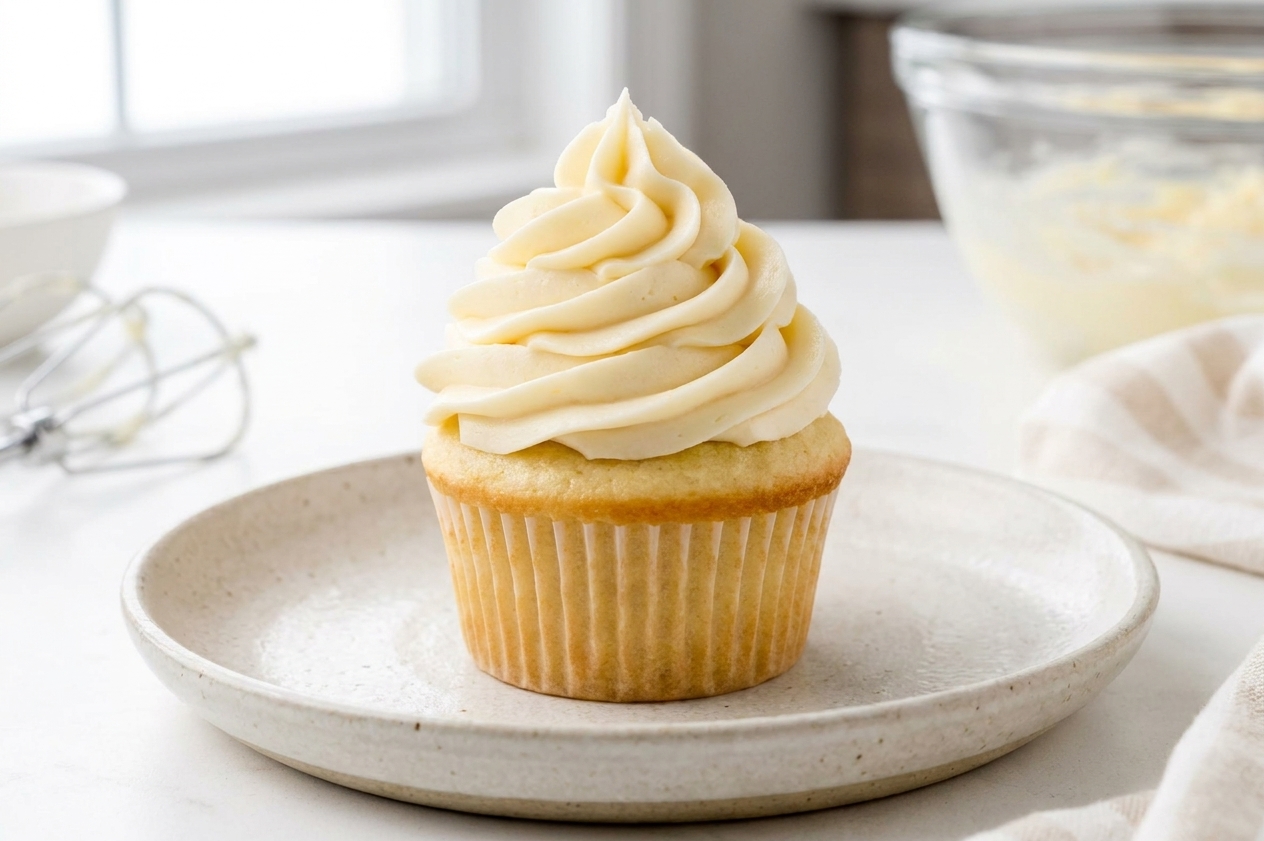
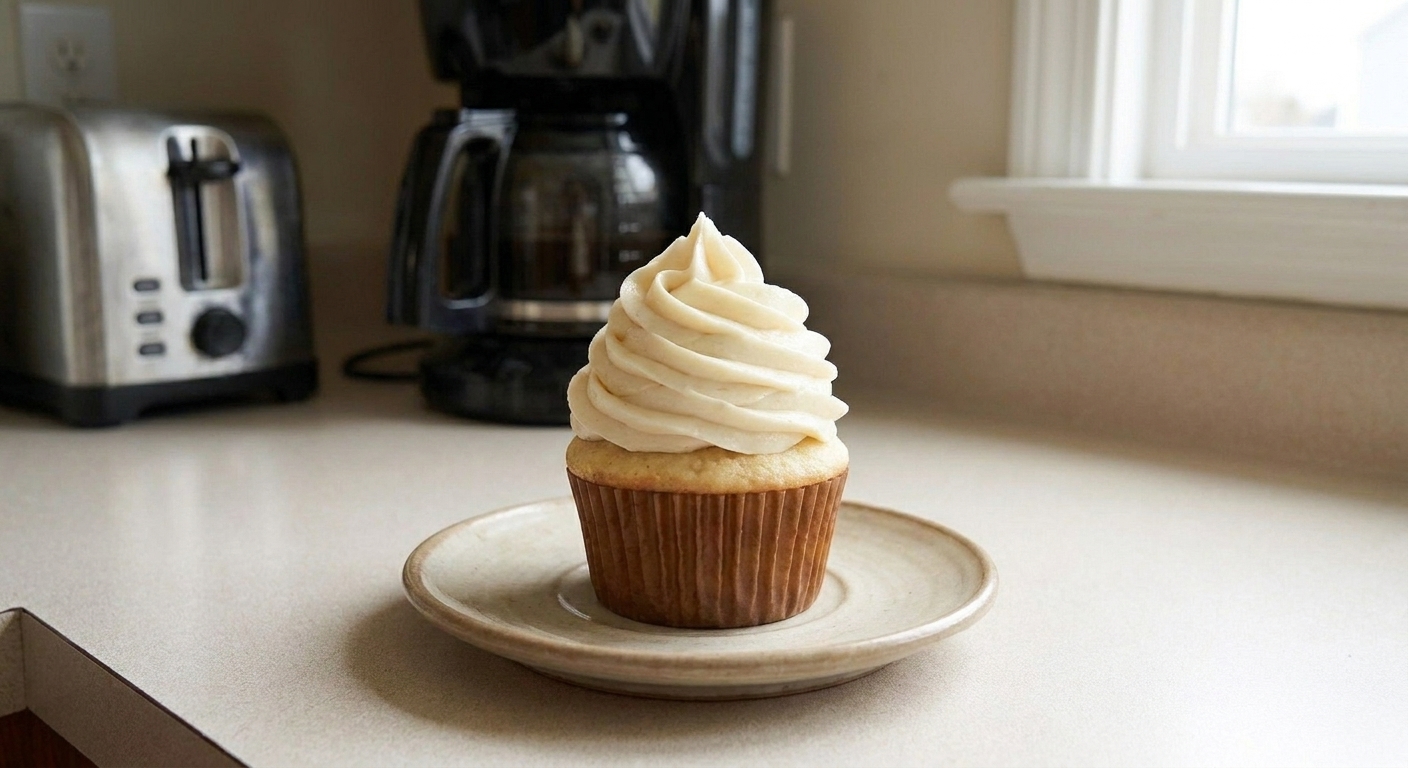
A swirl of pale vanilla American buttercream piped high on a vanilla cupcake on a light stoneware plate, with a cozy kitchen counter in soft natural light

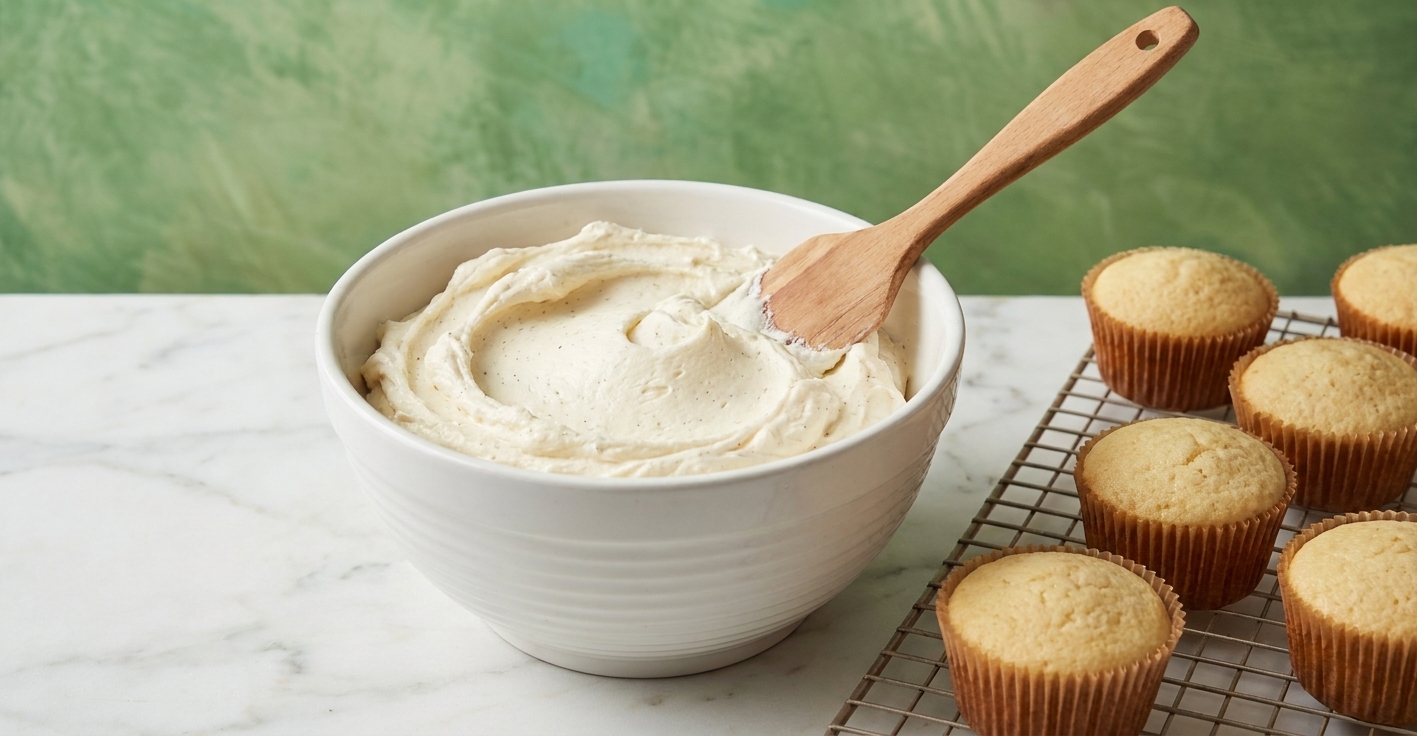
American buttercream is the frosting I make when I want maximum payoff with minimum drama. It is sweet, fluffy, and sturdy enough to hold a tall swirl on a cupcake, but still soft enough to swoop across a cake like you meant to do that the whole time.

It is also the frosting that teaches you the most important baking habit: taste as you go. Powdered sugar brands vary, butter varies, your kitchen temperature varies, and your frosting should flex with all of that. I will show you the simple base recipe, then the little adjustments that make it yours, whether you want it ultra smooth, balanced, or sturdy for piping.

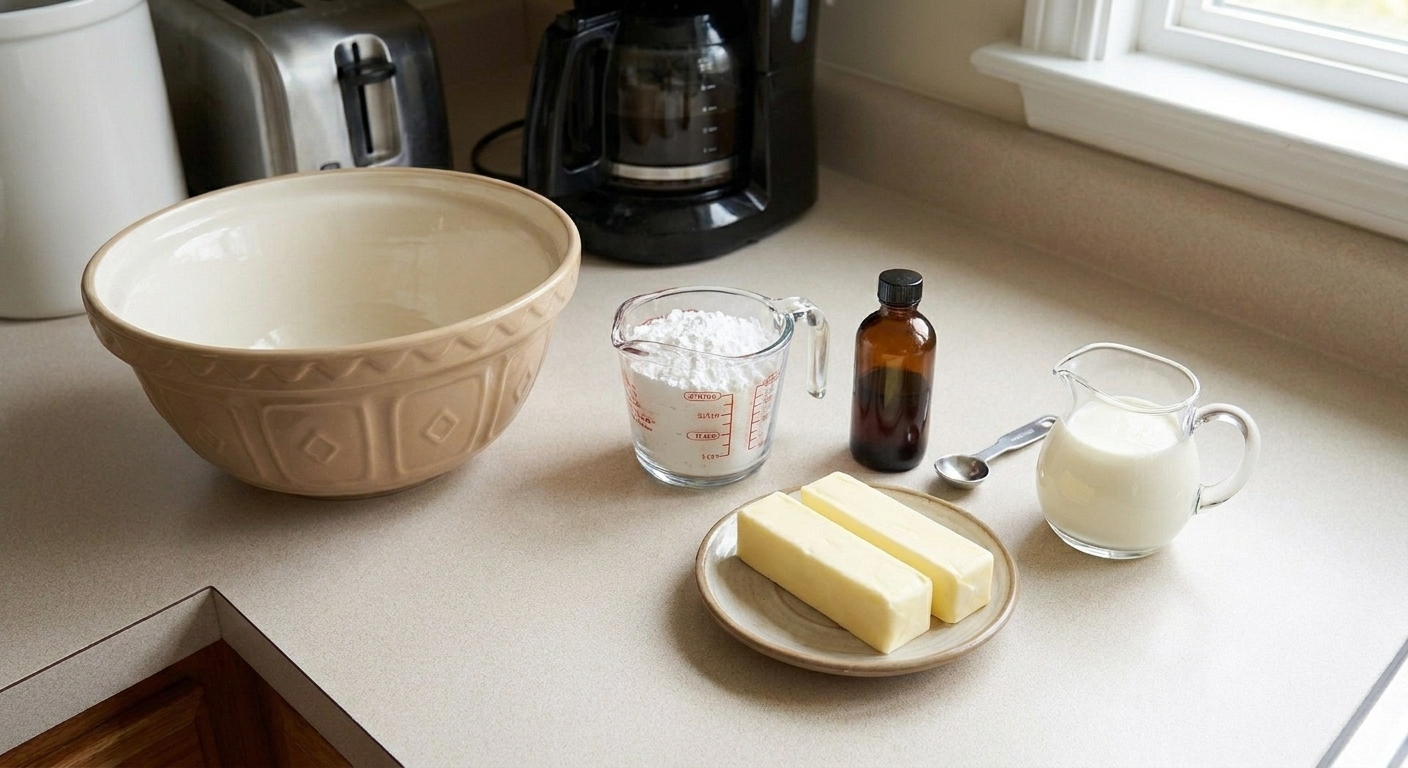
Butter, powdered sugar, vanilla extract, and heavy cream measured on a clean kitchen counter next to a mixing bowl

Why It Works

  • Fast flavor: Butter plus vanilla is a simple combo, but whipping builds a lighter texture and makes it taste less one-note sweet.
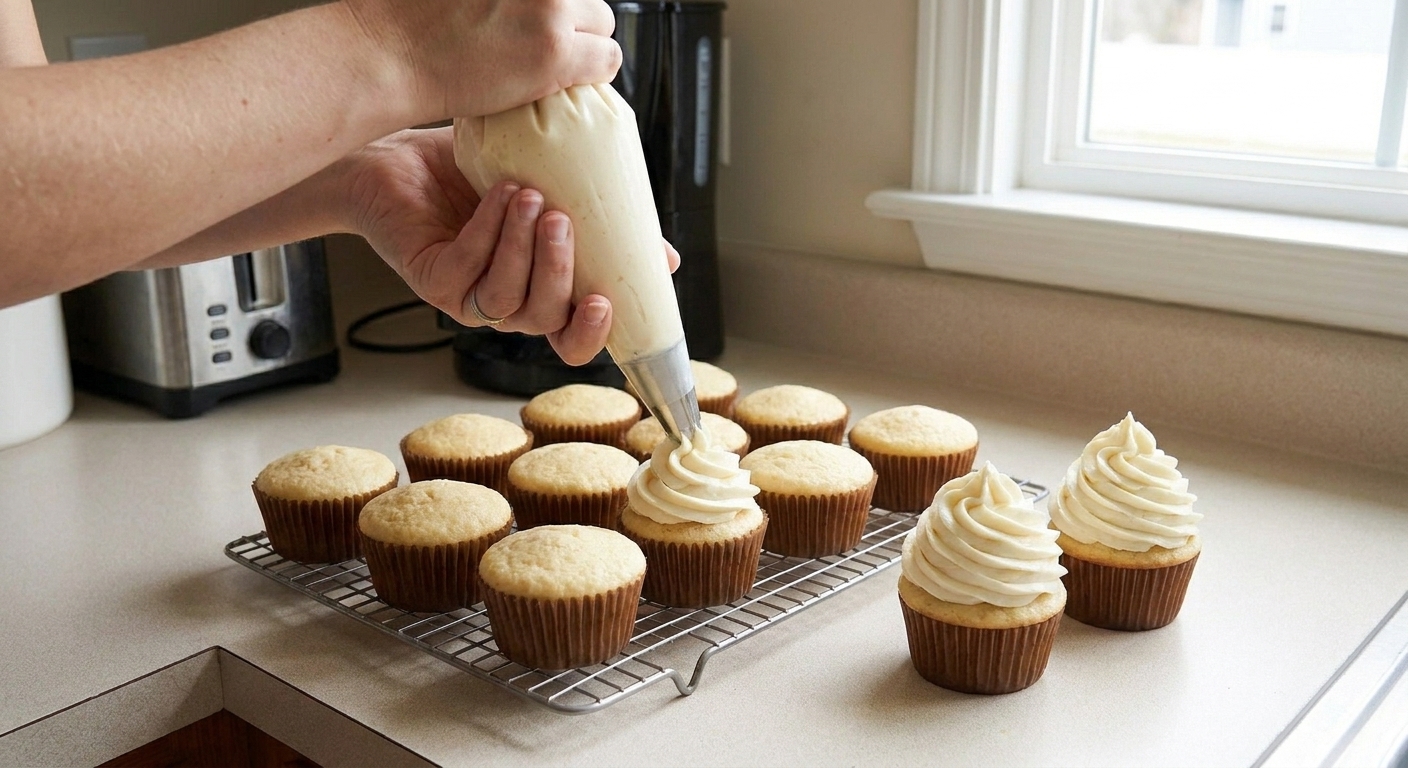
  • Pipeable stability: The high powdered sugar content helps it hold shape for rosettes, borders, and cupcake swirls.
  • Adjustable texture: A tablespoon of cream or milk at a time takes you from stiff to silky without breaking the frosting.
  • Beginner friendly: No cooking, no thermometers, no egg whites. Just mix, whip, and fix as needed.
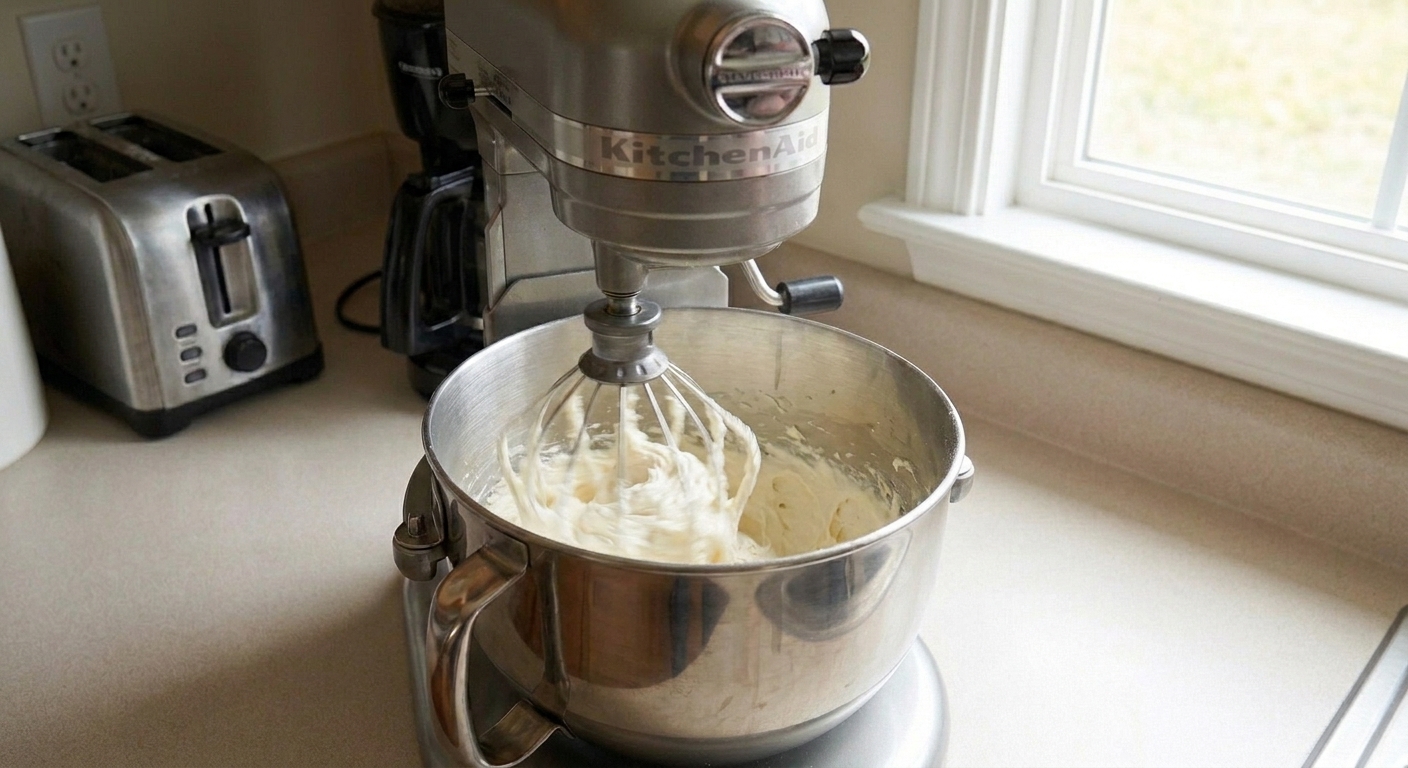
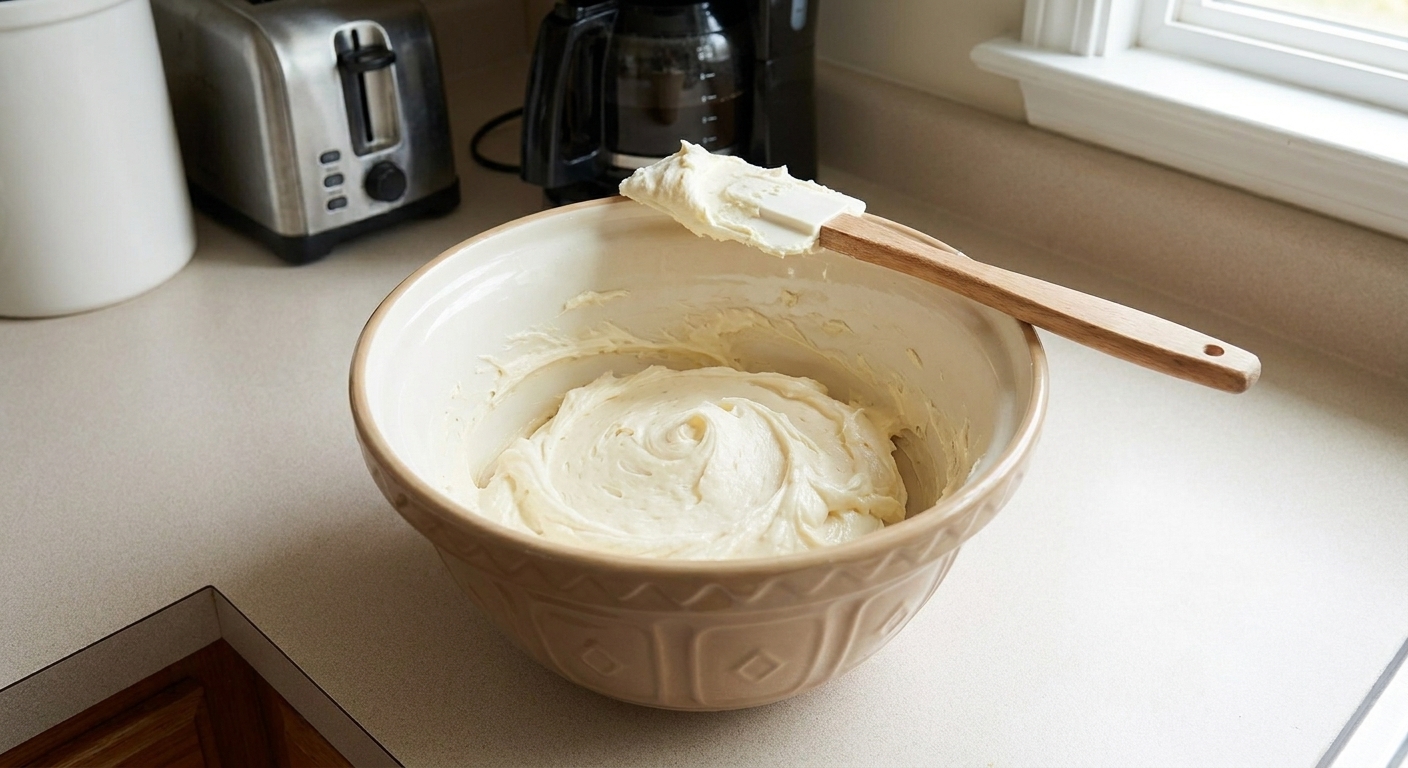
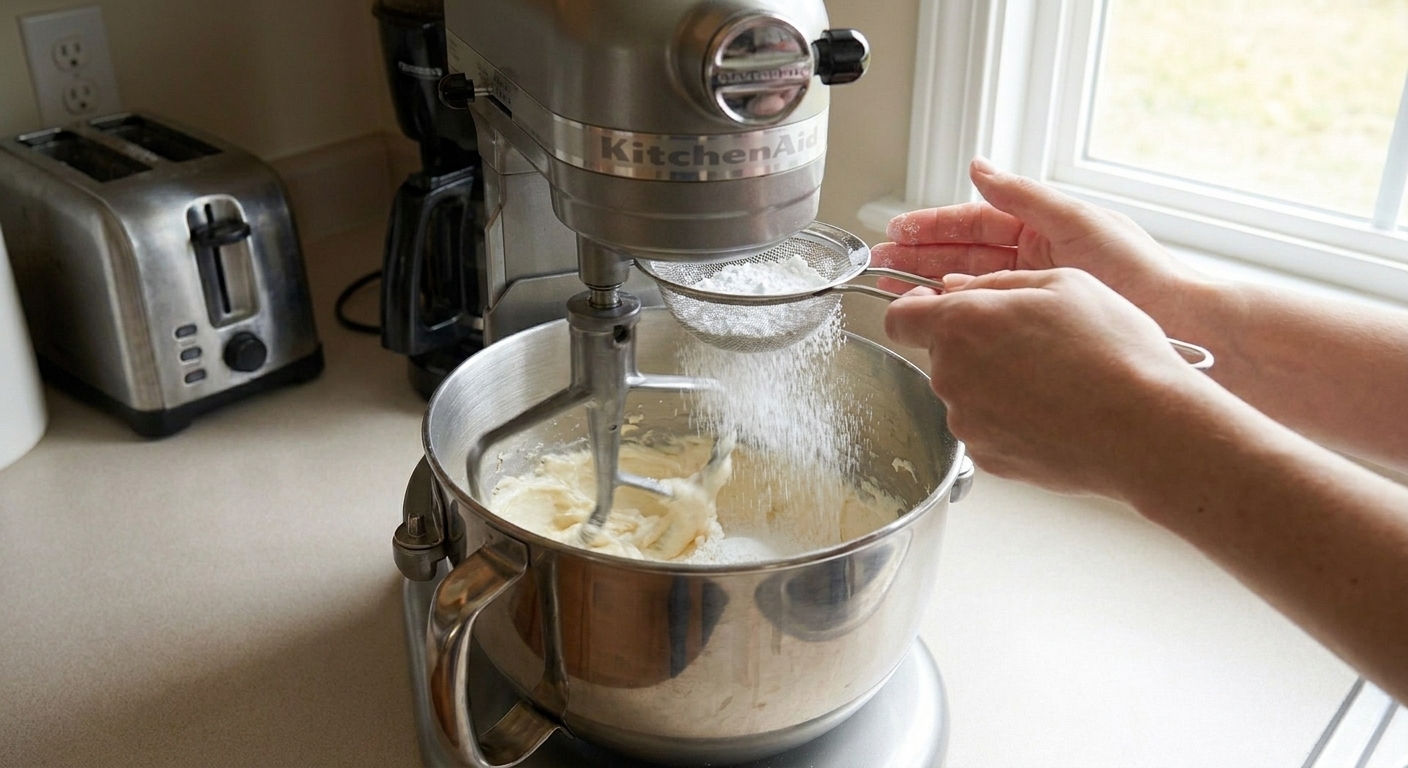
A stand mixer whipping pale buttercream in a stainless steel bowl on a home kitchen counter

Pairs Well With

Storage Tips

Storage Tips

Room temperature: If your kitchen is cool, you can keep American buttercream in an airtight container for up to 1 day. If your room is warm or you used milk or cream, refrigerating is the safest move. Before using, re-whip briefly to bring back the fluff.

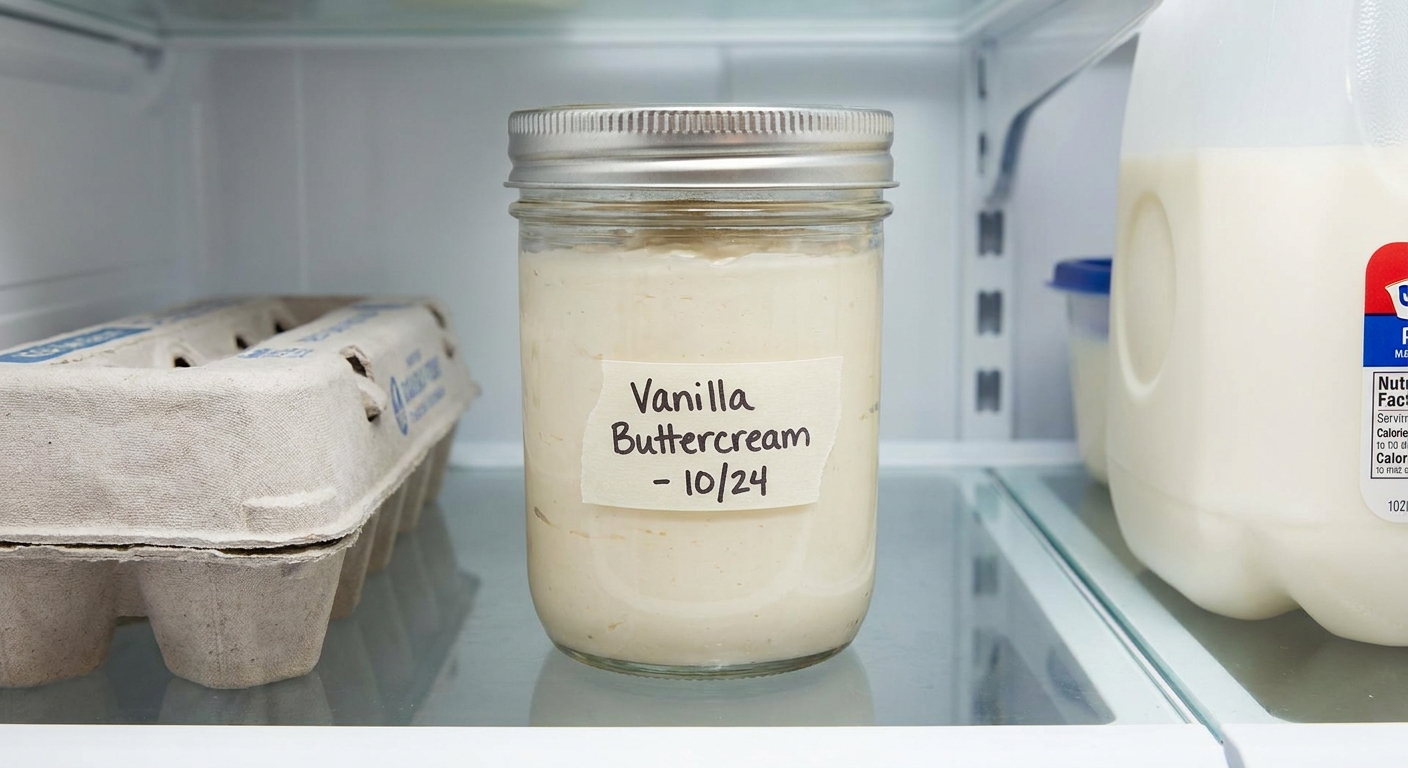
Refrigerator: Store airtight for up to 1 week. It will firm up. Let it sit at room temp for 30 to 60 minutes, then beat for 1 to 2 minutes until smooth.

Freezer: Freeze in a freezer bag or airtight container for up to 2 months. Thaw overnight in the fridge, then bring to room temp and re-whip. If it is too thick after thawing, add 1 to 2 teaspoons cream and beat again.

On a frosted cake: A fully frosted cake can be refrigerated (covered) for 2 to 3 days. Let slices come to room temperature before serving for the best texture.

A sealed glass container filled with vanilla buttercream sitting on a refrigerator shelf

Common Questions

Common Questions

Why is American buttercream so sweet?

Because it is mostly powdered sugar. The upside is stability and easy piping. If you want it to taste less sweet, focus on balance: add a pinch more salt, use a little more vanilla, or add cocoa or bittersweet chocolate for depth (it does not remove the sugar, but it can keep the sweetness from feeling one-note). If you truly want a less-sweet frosting, your best bets are Swiss meringue buttercream or ermine frosting.

You can reduce the powdered sugar a bit, but the tradeoff is a softer frosting that is less stable for piping and may not crust.

How do I make it smoother and less gritty?

Start by sifting your powdered sugar, then beat the finished frosting for 2 to 3 minutes on medium to knock out graininess. Also make sure your butter is truly softened, not cold in the center. If you want an extra-smooth finish for cakes, mix on low with the paddle for 30 to 60 seconds at the end to knock out some air bubbles.

My buttercream is too thick. How do I fix it?

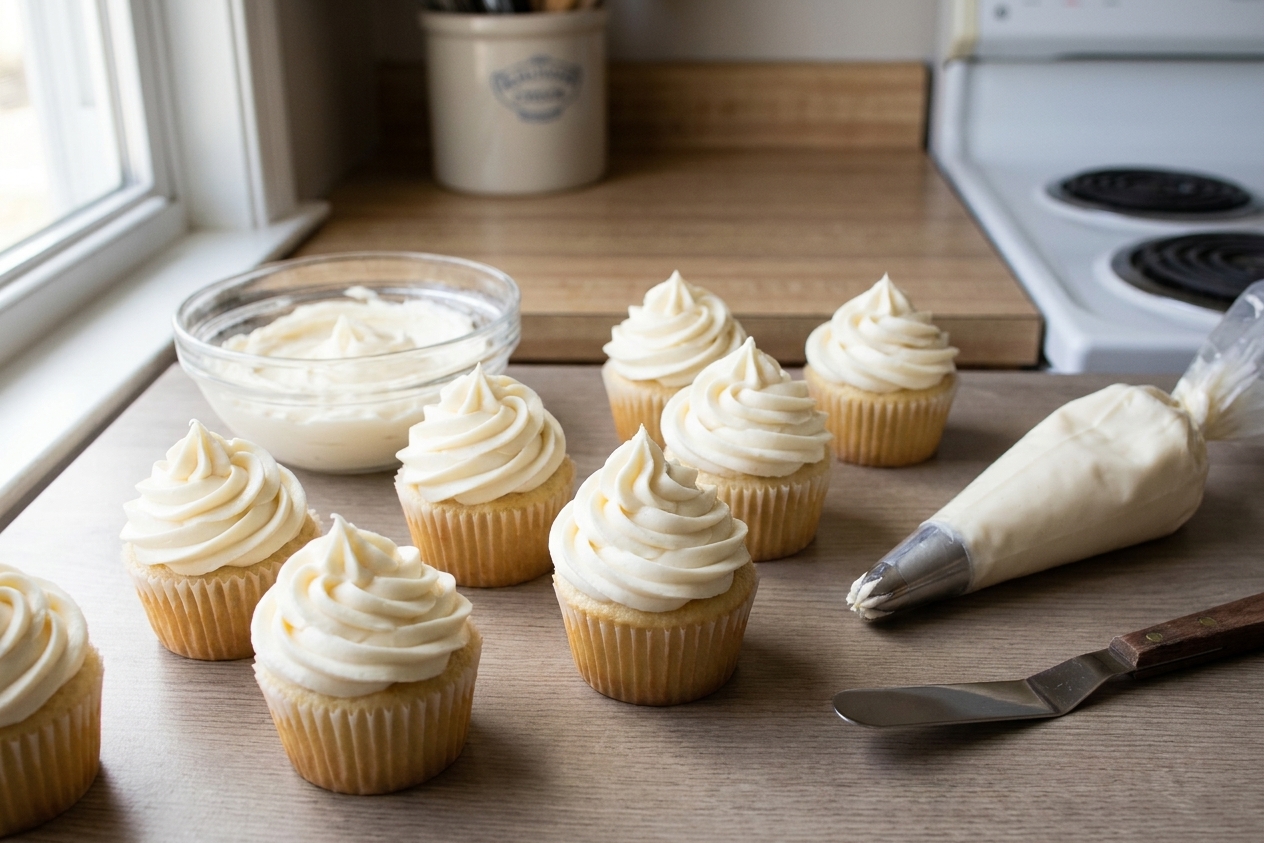
Add cream or milk 1 tablespoon at a time, mixing well between additions. For piping, you want it to fall off a spatula in a thick ribbon and briefly hold a ridge before relaxing.

My buttercream is too thin. Now what?

Add more sifted powdered sugar, 1/4 cup at a time. If it is thin because your kitchen is warm, chill the bowl for 10 to 15 minutes, then beat again.

Why does my buttercream look greasy, loose, or lumpy?

Usually temperature. American buttercream does not “curdle” the way meringue buttercreams can, but it can look separated if the butter is too warm or too cold. If the butter was too cold, keep whipping and it will often smooth out as it warms. If the frosting got too warm and looks shiny or greasy, chill it briefly, then re-whip. Either way, do not panic. Buttercream is dramatic but redeemable.

Can I color American buttercream?

Yes. Gel food coloring works best because it adds strong color without thinning the frosting. Add a little, mix, then decide. Colors deepen slightly as they sit.

How do I make it bright white?

Use clear vanilla (or a clear vanilla flavoring) and whip well. If it still looks a little yellow, a tiny dot of violet gel color can neutralize the warm tone.

Can I use salted butter?

You can. Just reduce added salt to a small pinch, then taste. You want the salt to sharpen the flavor, not announce itself.

Can I use non-dairy milk or cream?

Yes. Use an unsweetened, higher-fat option if possible (like oat creamer) and add it slowly. The texture may be slightly softer than heavy cream.

Does American buttercream crust?

Often, yes. After 10 to 20 minutes, the surface can form a light crust, which can help with smoothing and protects the finish. Humidity and lower sugar can reduce crusting.

Can I scale this recipe up or down?

Yes. You can halve or double it easily. If you double it, mix on low when adding the sugar so it does not poof everywhere, and scrape the bowl more often for even texture.

In my head, frosting should feel like putting on your favorite hoodie. Comforting, reliable, and a little indulgent. American buttercream is that for me. It is the one I learned early, the one I come back to on busy weeks, and the one that still makes me pause mid-lick of the spoon and think, okay, wow. Also, it is the frosting that has saved more than one cake in my kitchen. When the layers bake a little uneven or the edges get a bit too golden, buttercream shows up like a good friend and says, we can work with this.