Mom's Best Recipes
Recipe

Apple Jelly

Glossy, golden apple jelly with a fresh apple bite, perfect on toast, biscuits, or stirred into sauces.

Author By Matt Campbell
4.7
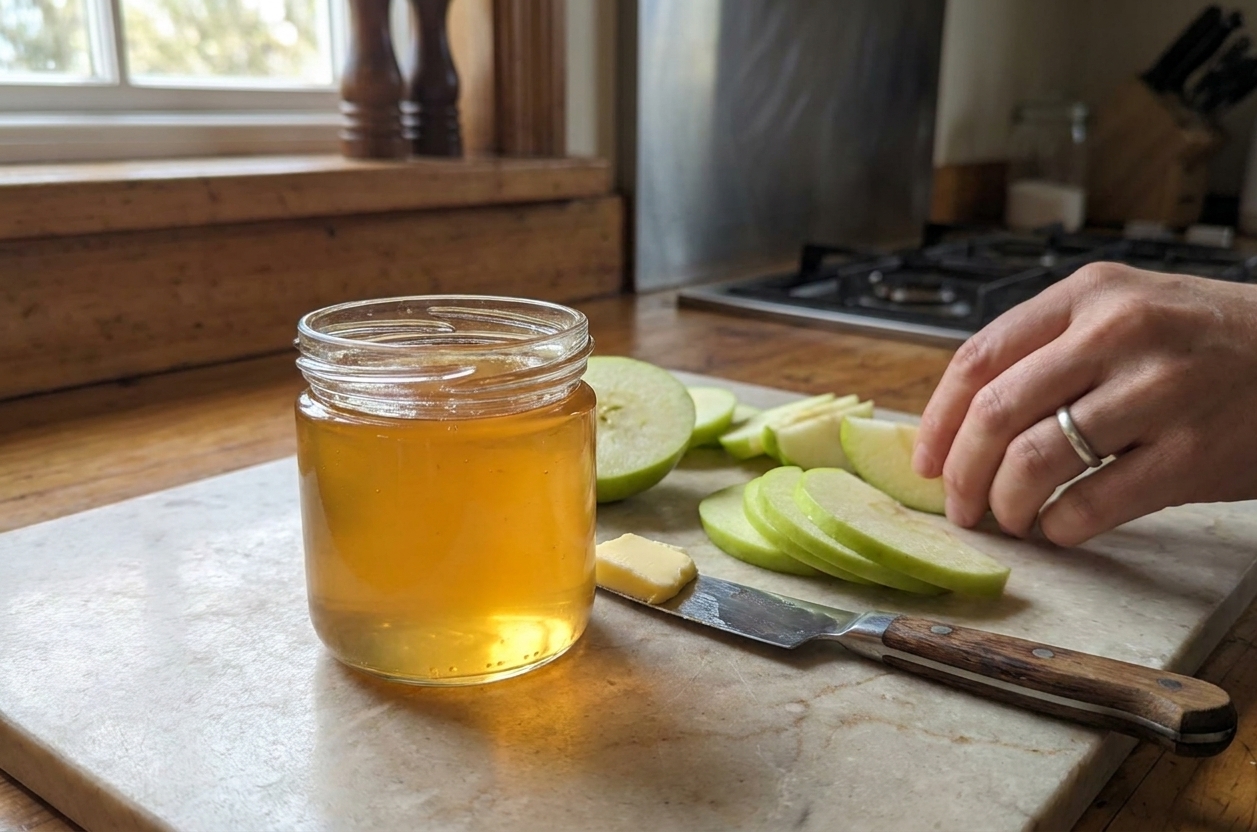
A small glass jar of golden homemade apple jelly on a light stone kitchen counter with sliced green apples and a butter knife nearby, soft window light

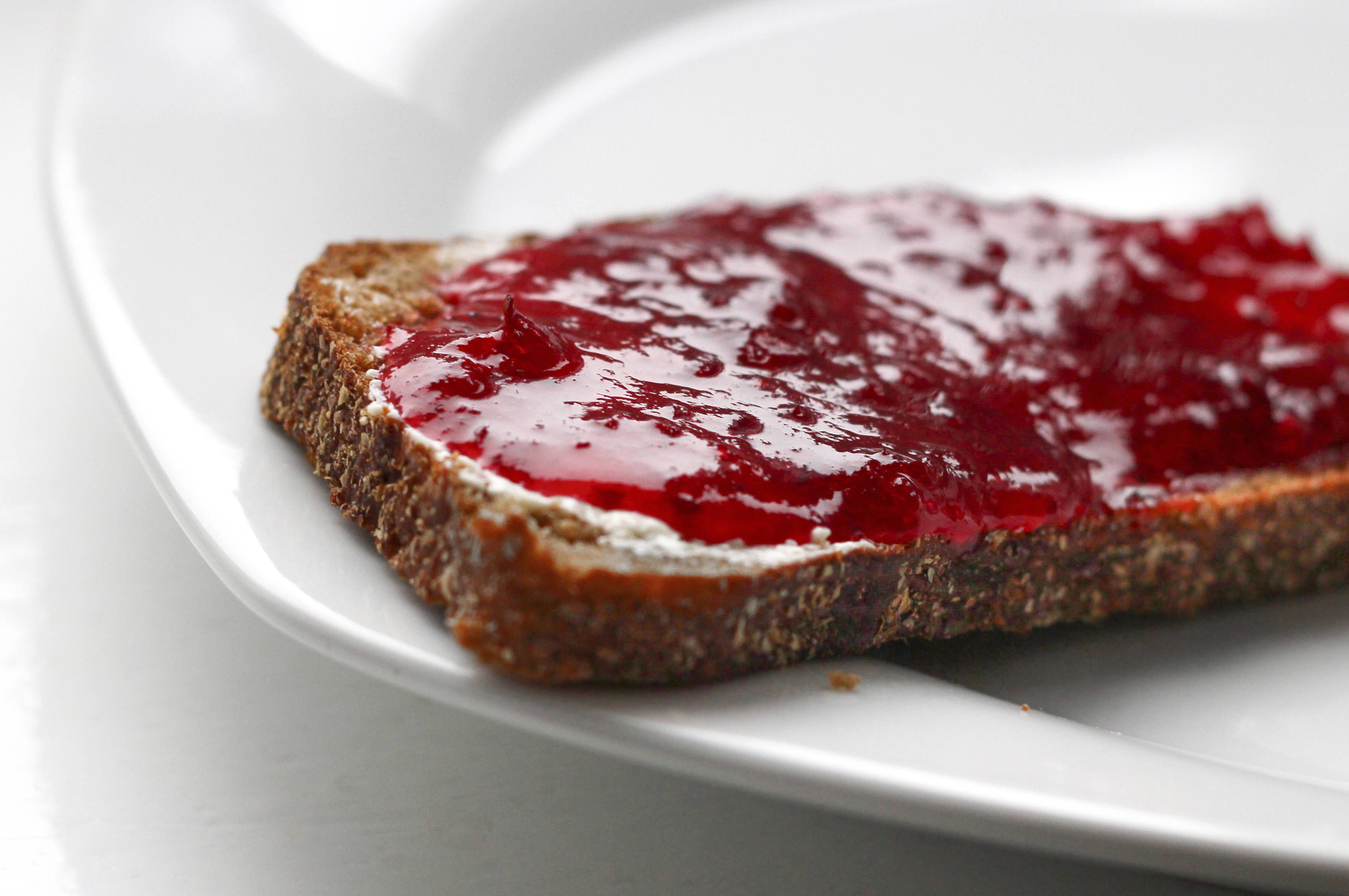
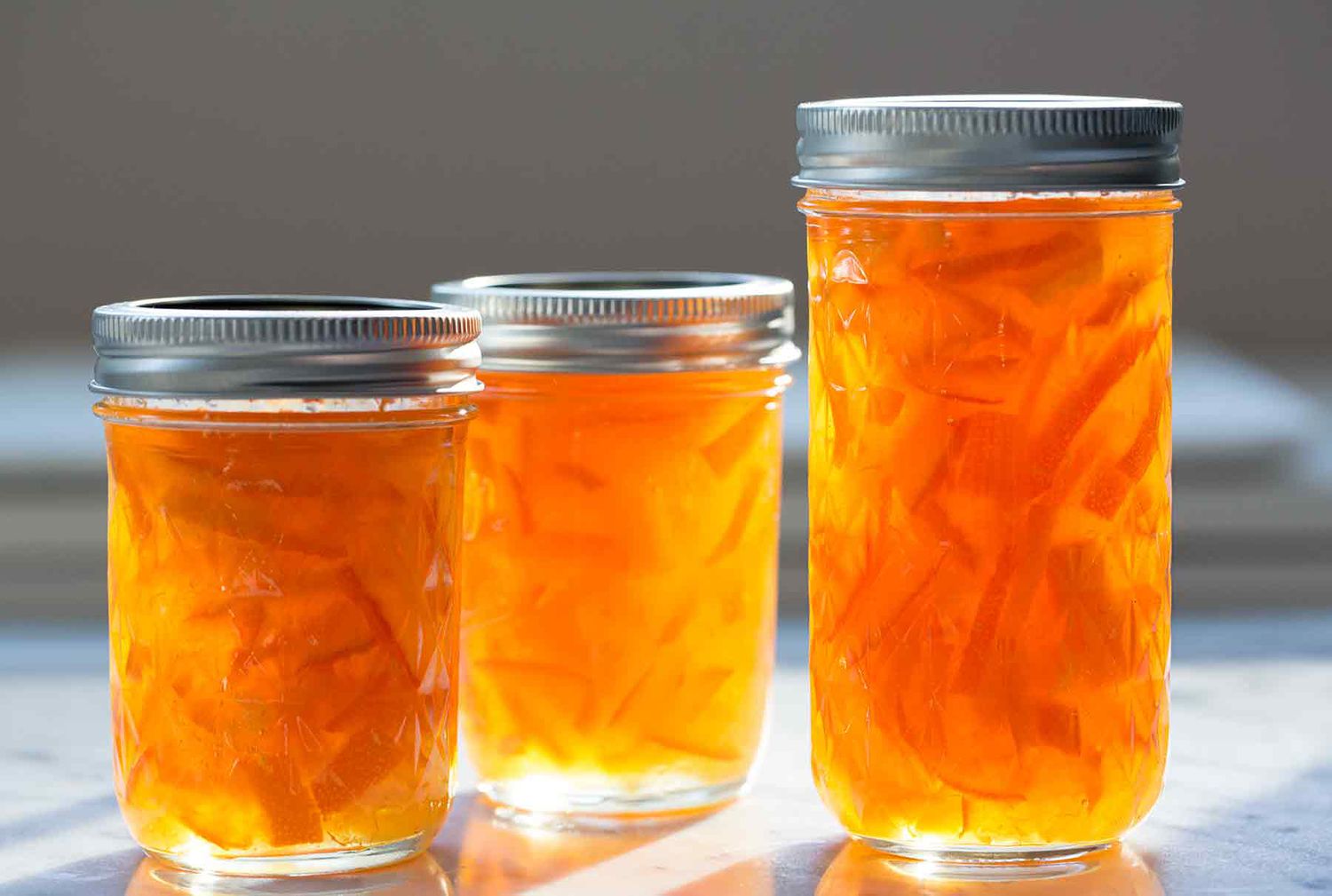
Apple jelly is one of those old school kitchen flexes that feels fancy, but it is basically just apples, water, sugar, and a little patience. The payoff is big: a clear, golden jelly that tastes like crisp apple skin and sunshine, and makes even basic toast feel like it has plans later.

This recipe keeps it approachable. No specialty apples required, no mystery steps, and you get options depending on your mood: fridge jelly for immediate gratification, or a water bath canning route if you want pantry jars lined up like tiny trophies.

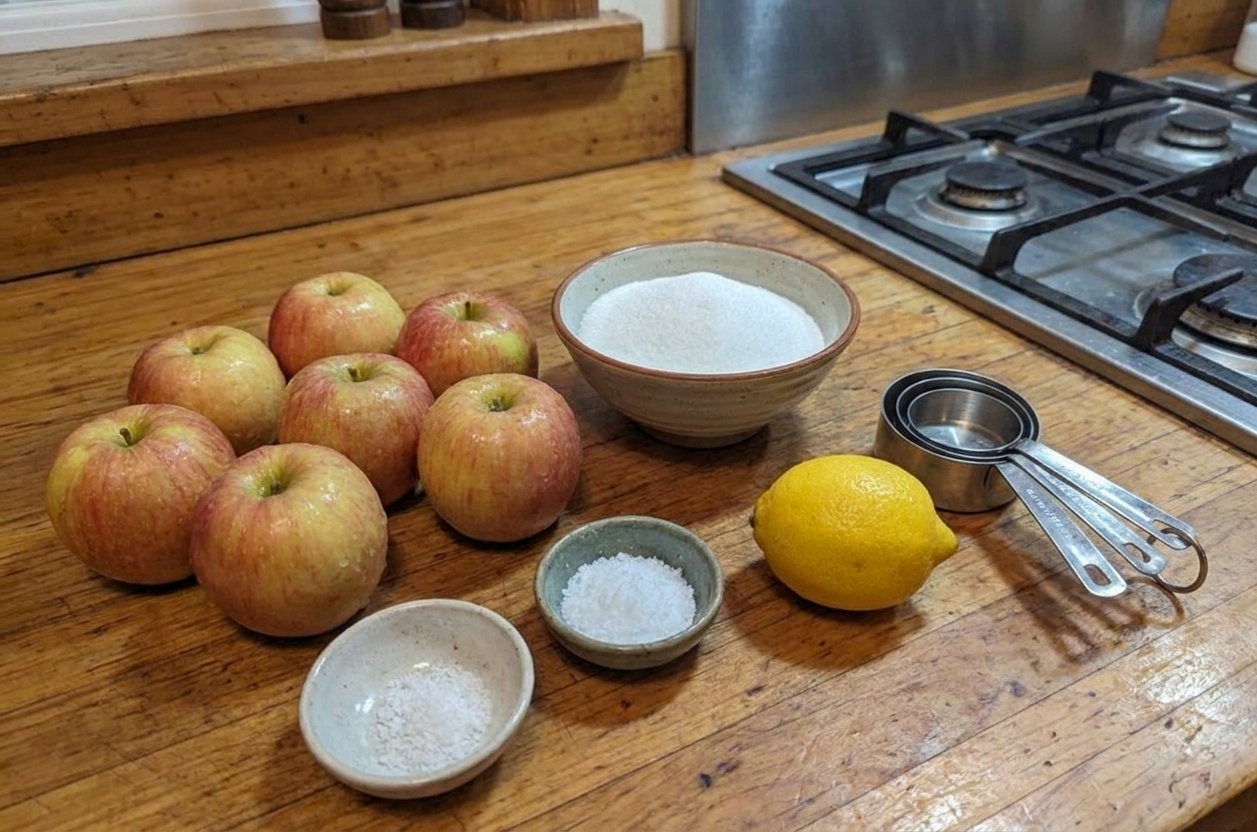
Whole apples, granulated sugar, a lemon, and a small bowl of salt arranged on a clean kitchen counter with measuring cups

Why It Works

  • Bright apple flavor, not just sweetness: A splash of lemon lifts everything so it tastes like apples, not candy.
  • Choose your set: Use 3/4 cup sugar per cup of juice for a softer, less sweet jelly, or go up to 1 cup for the most reliable firm set.
  • Clear, glossy finish: We let the juice drip instead of squeezing, which keeps the jelly jewel clear.
  • Flexible process: Make it as refrigerator jelly, or process jars for shelf stability.

Pairs Well With

Storage Tips

Refrigerator (opened jar): Keep apple jelly refrigerated and use within 3 to 4 weeks. Always use a clean spoon to avoid introducing crumbs or butter.

Freezer: Freeze in freezer safe containers with a little headspace for expansion for up to 6 months. Thaw overnight in the fridge.

Pantry (water bath canned, sealed jars): Store in a cool, dark place for up to 12 months for best flavor. Refrigerate after opening.

Quick tip: If you get a little sugar crystallization on the lid or rim, wipe it clean and refrigerate. If you see mold, fizzing, or smell anything off, discard the jar.

Common Questions

What apples are best for apple jelly?

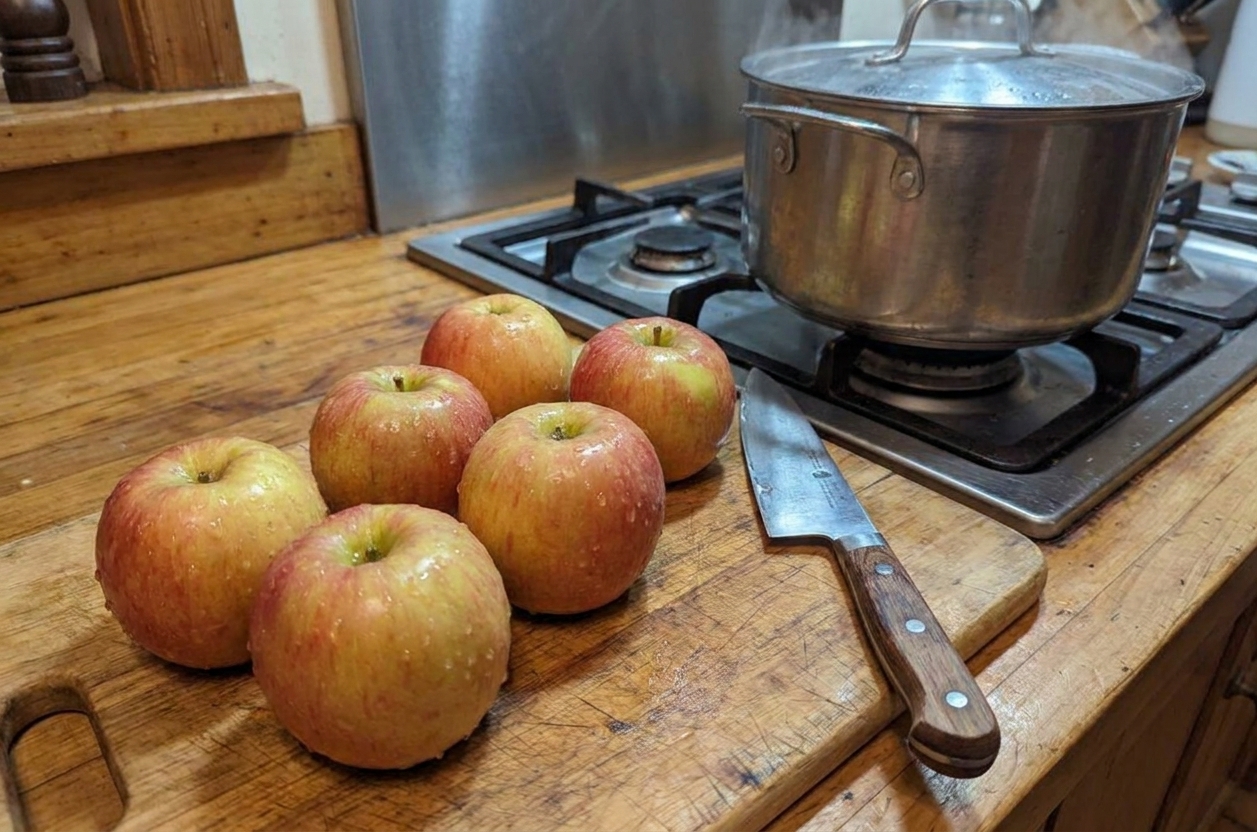
Tart, firm apples are your best friends here because they bring flavor and natural pectin. Granny Smith is a classic. For a rounder flavor, mix in some Honeycrisp, Fuji, or Gala. If you go all sweet apples, the jelly can taste flat unless you boost the lemon.

Do I need added pectin?

Not for this recipe, as long as you use some tart apples and you cook to the right temperature. That said, if your apples are very ripe and sweet, or you want a faster, firmer set, you can add boxed pectin. If you do, follow the pectin package directions since the order of sugar and boil time changes.

Why is my jelly cloudy?

Most of the time it is from squeezing the jelly bag or pressing the cooked apples. It is tempting, I know. Let it drip on its own. Cloudy jelly is still delicious, it just will not have that clear, jewel look.

Why did my jelly not set?

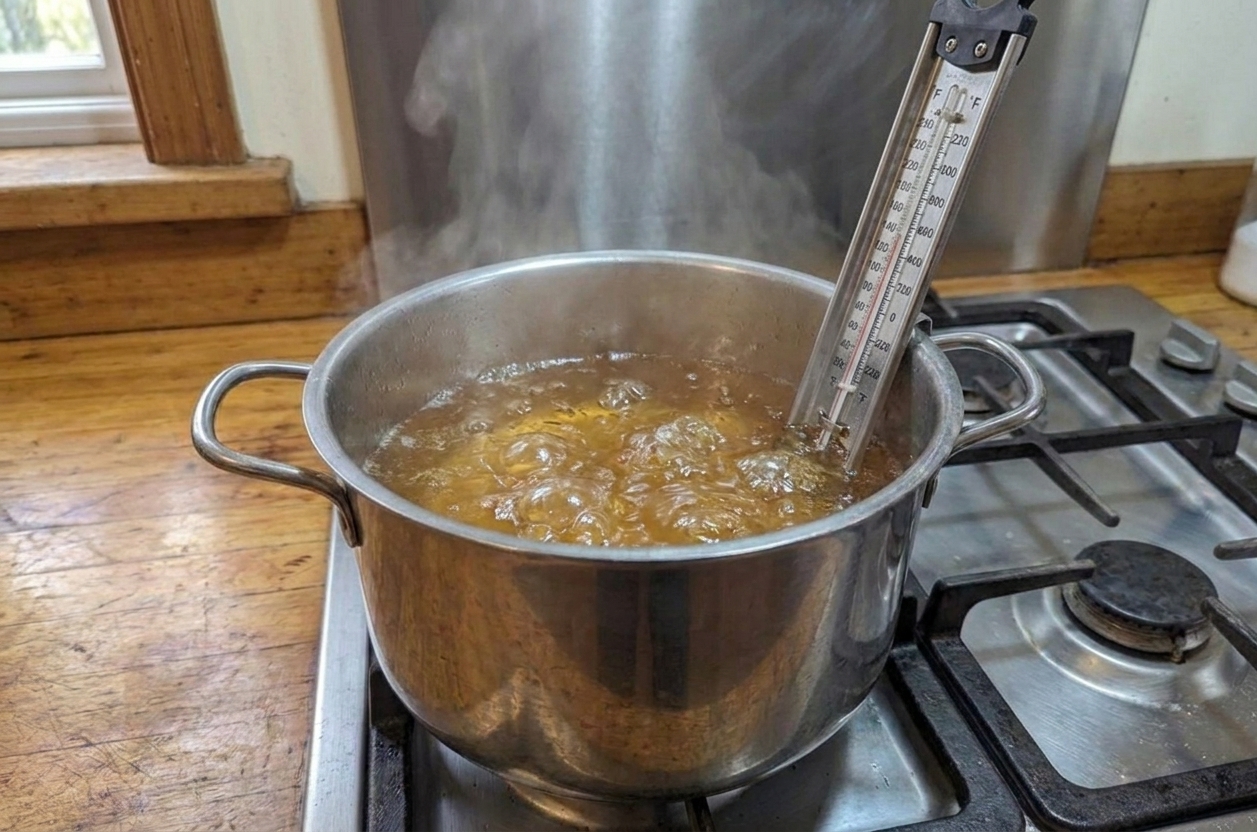
Common culprits are undercooking, too much juice for the amount of sugar, or low pectin apples. You can re-cook it: pour the jelly back into a pot, bring to a boil, and cook until it reaches 220°F at sea level (or the gel stage on a cold plate).

Can I reduce the sugar?

Traditional jelly relies on sugar for a firm set and long-term shelf stability. You can reduce it for refrigerator jelly, but expect a softer set. If you want a low sugar version that still sets well, use a low sugar pectin made for that purpose.

I love apple jelly because it feels like kitchen magic you can actually pull off on a weeknight if you start after dinner and let the juice drip while you do literally anything else. The first time I made it, I squeezed the bag like it owed me money and ended up with cloudy jelly. Still amazing on biscuits, but not exactly the clear golden brag jar I wanted. Now I let it drip patiently, and it comes out glossy and clean like it knows it is the main character.