Mom's Best Recipes
Recipe

Orange Peel Marmalade

Glossy, bright marmalade with tender citrus peel, balanced sweetness, and a clean bitter edge that makes buttered toast impossible to ignore.

Author By Matt Campbell
4.8
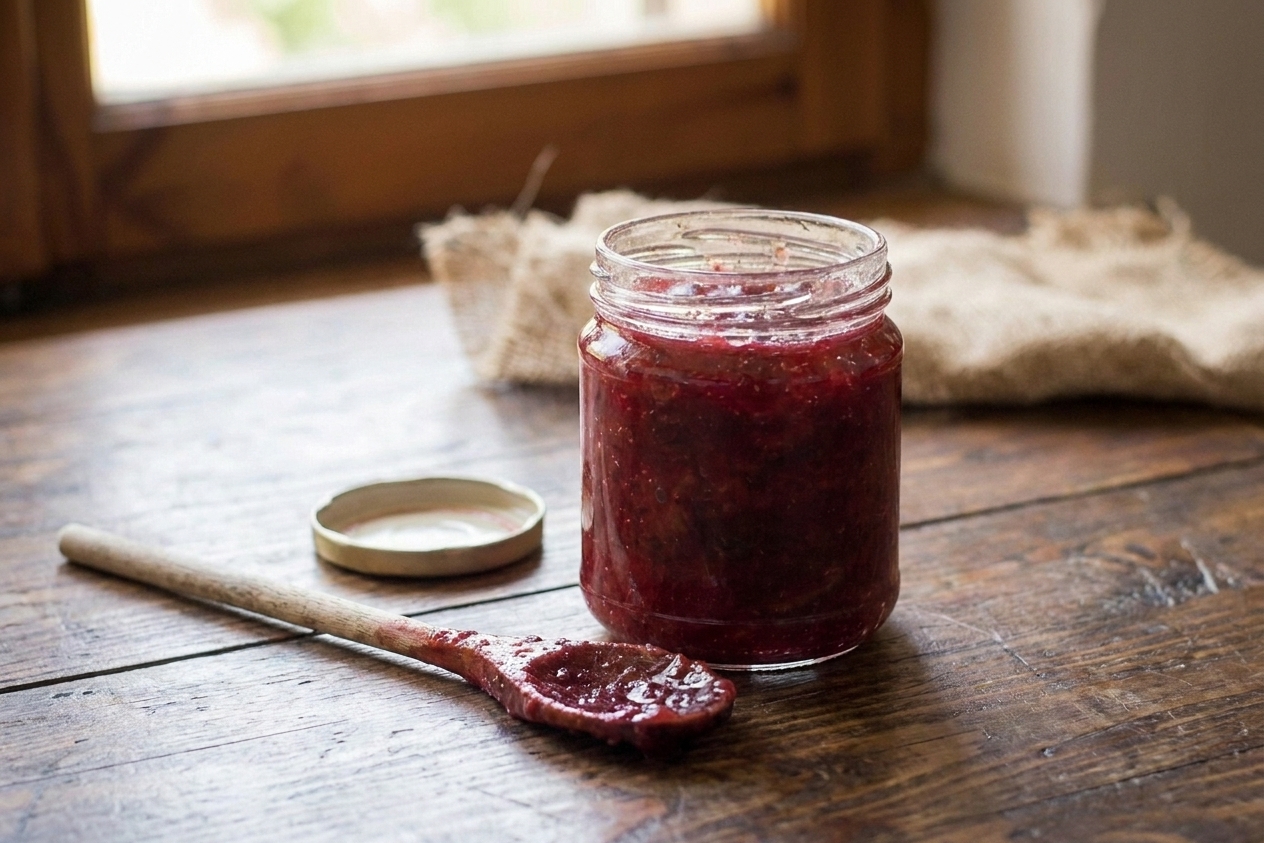
A small glass jar of orange peel marmalade with visible ribbons of peel beside a buttered slice of toast

If jam is a hug, marmalade is a wink. It is sweet, yes, but it also has that tiny, grown-up bite from citrus peel that makes you go back for one more swipe. This orange peel marmalade is my go-to when I want something bright and a little fancy without turning my kitchen into a sticky science fair.

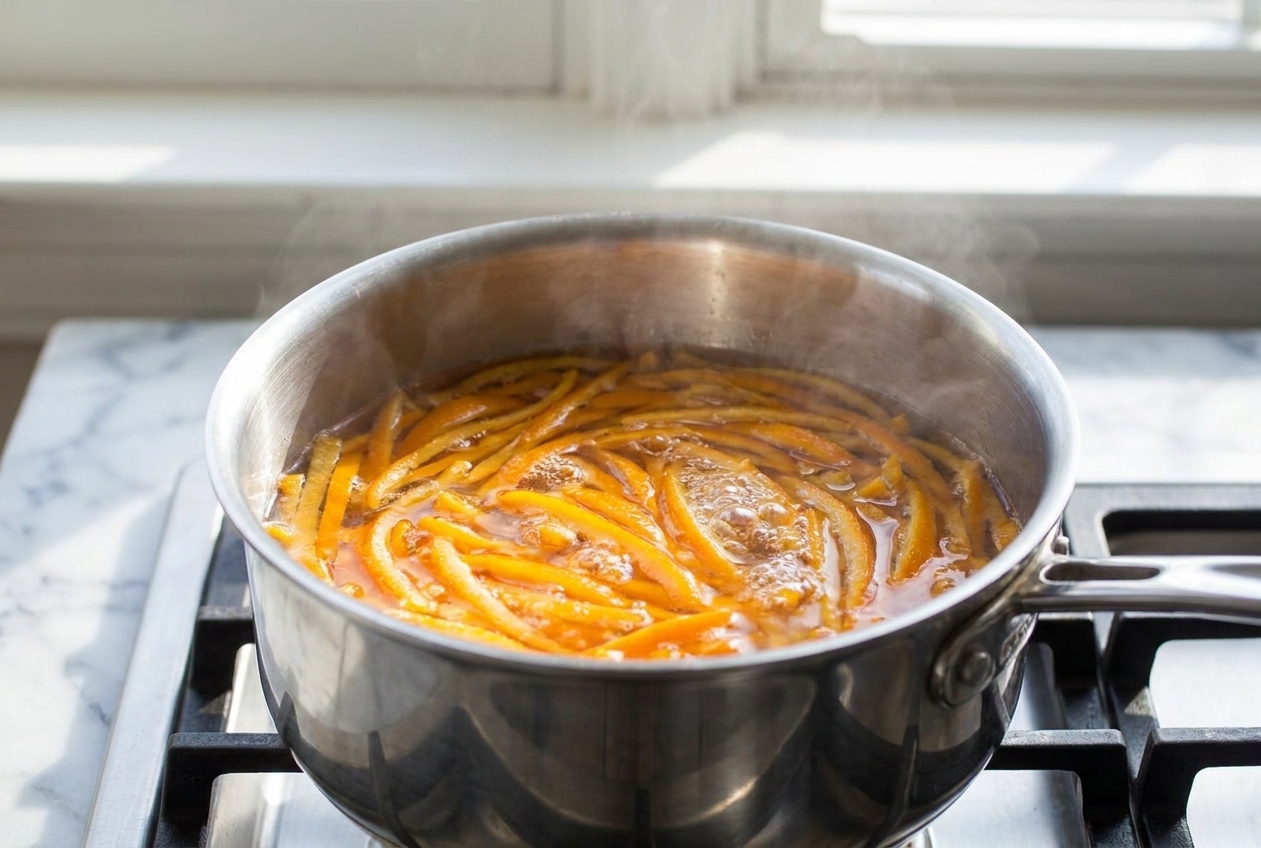
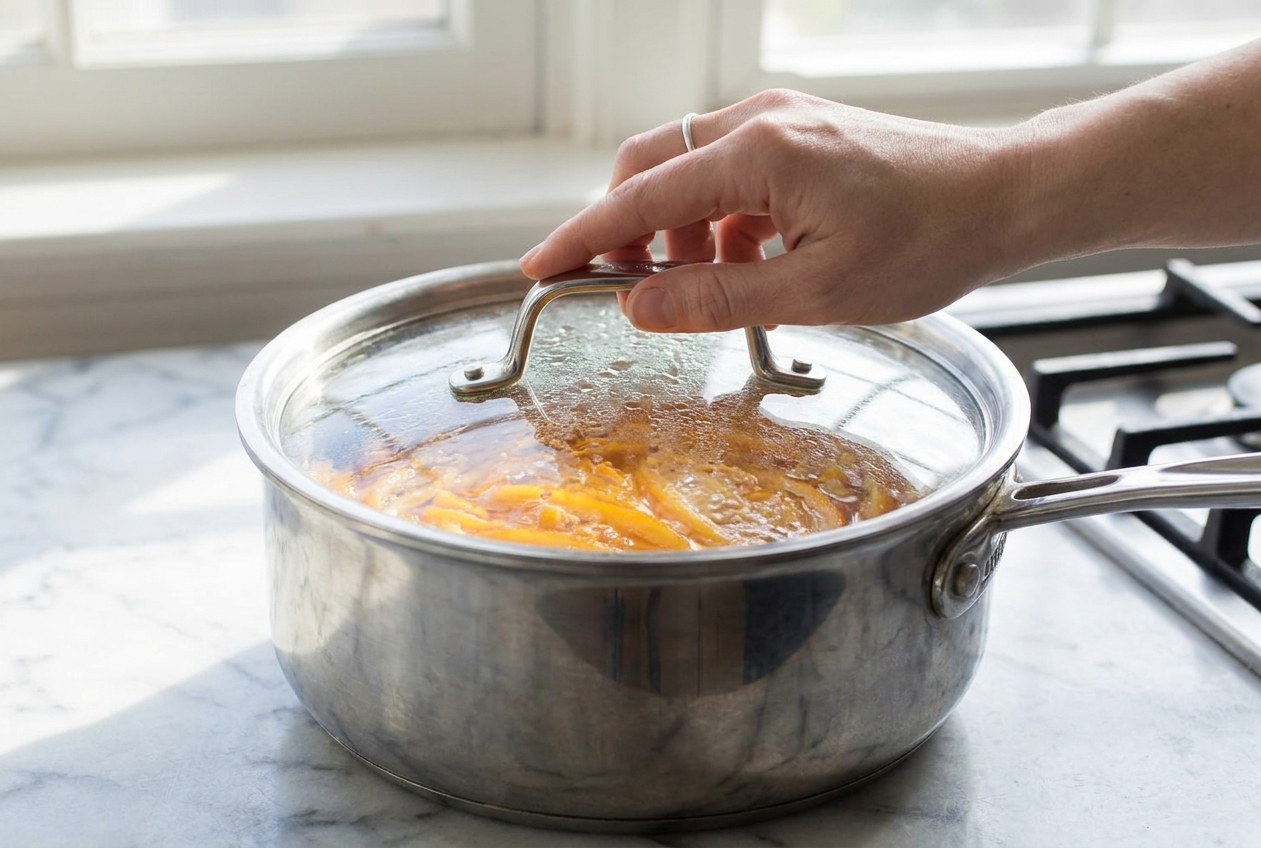
We are using the whole orange in the smartest way: the juice and peel bring flavor, and the seeds and thick pithy bits we trim off go into a little pectin bag to help it set naturally. A rest lets everything relax so you are not fighting chewy peel later. You do not need any boxed pectin for this one, just patience, a pot, and the willingness to taste as you go.

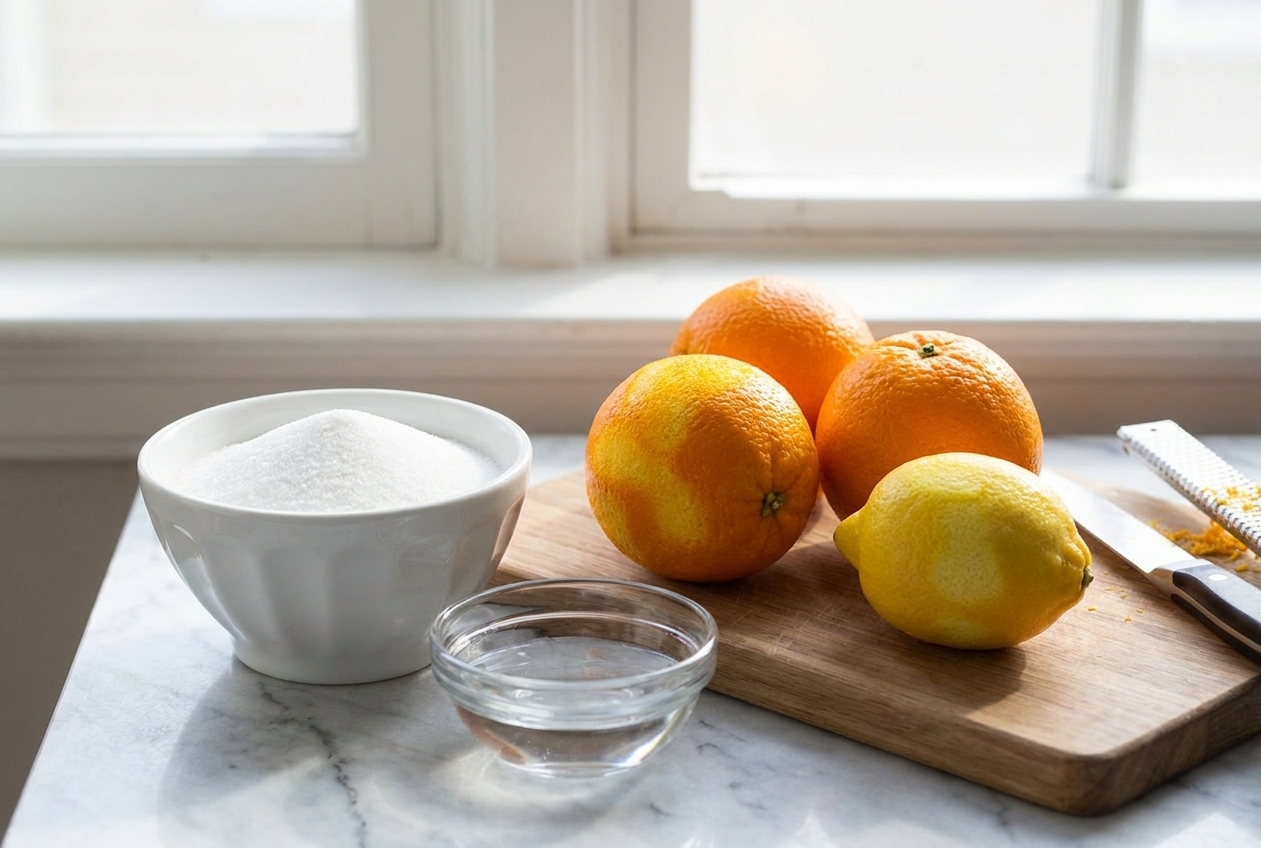
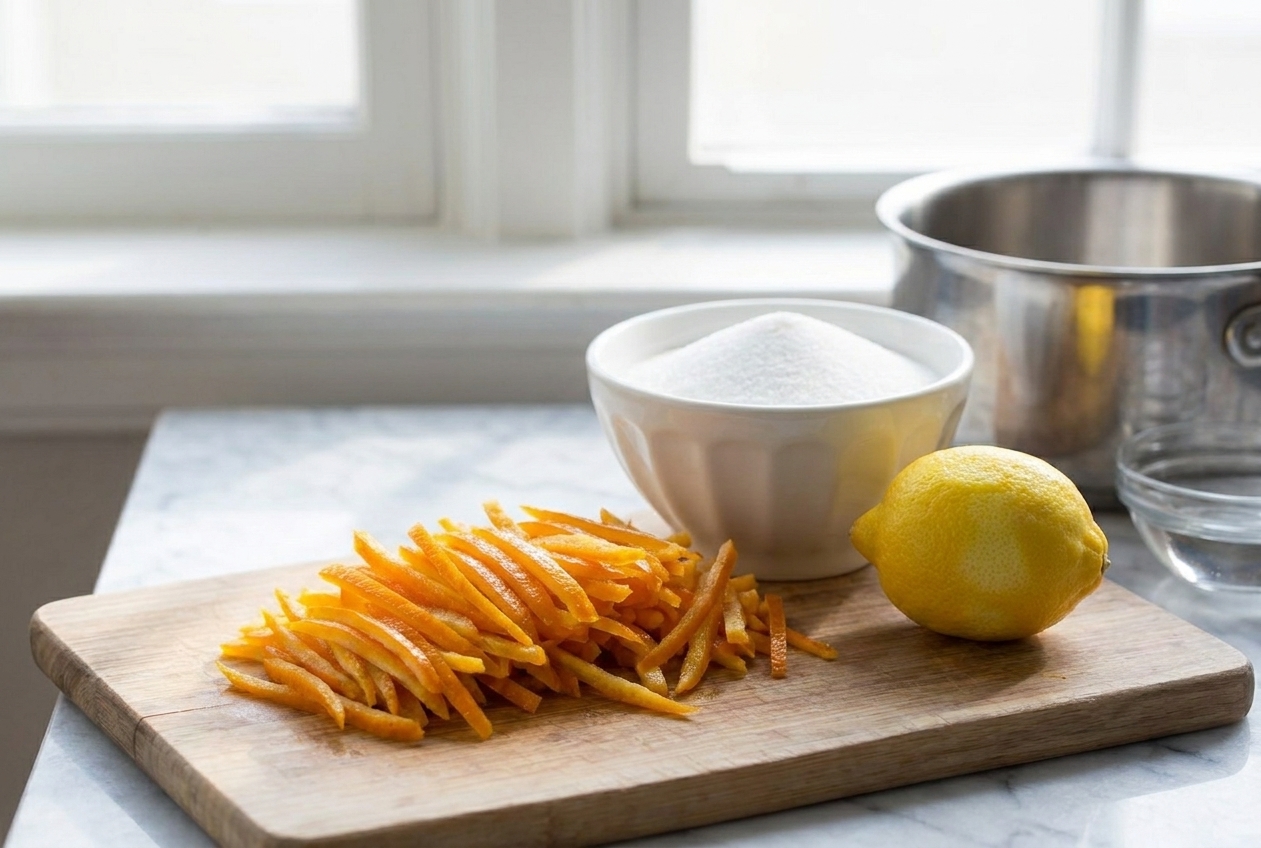
Whole oranges, a lemon, sugar, and a small bowl of water arranged and ready to start a marmalade batch

Why It Works

  • Big orange flavor: Juice and zest, plus gently simmered peel for that classic marmalade punch.
  • Better texture: A quick blanch and an overnight soak helps the peel turn tender instead of tough.
  • Reliable set without added pectin: We trap the seeds and thick pith in a little pectin bag so the marmalade thickens naturally.
  • Not too sweet: Lemon juice keeps things sharp and balanced so it tastes like citrus, not candy.

Pairs Well With

Storage Tips

How to Store Marmalade

  • Refrigerator: Store in a clean jar with a tight lid for up to 3 weeks. For best quality, keep crumbs and butter out by using a clean spoon every time.
  • Freezer: Freeze in freezer-safe jars or containers for up to 6 months. Leave about 1 inch of headspace since it expands.
  • Water bath canning (optional): For shelf-stable jars, follow a tested marmalade canning recipe and current safe canning guidelines (headspace, processing time, and altitude adjustments). Properly processed and sealed jars are often best within 1 year. Once opened, refrigerate.
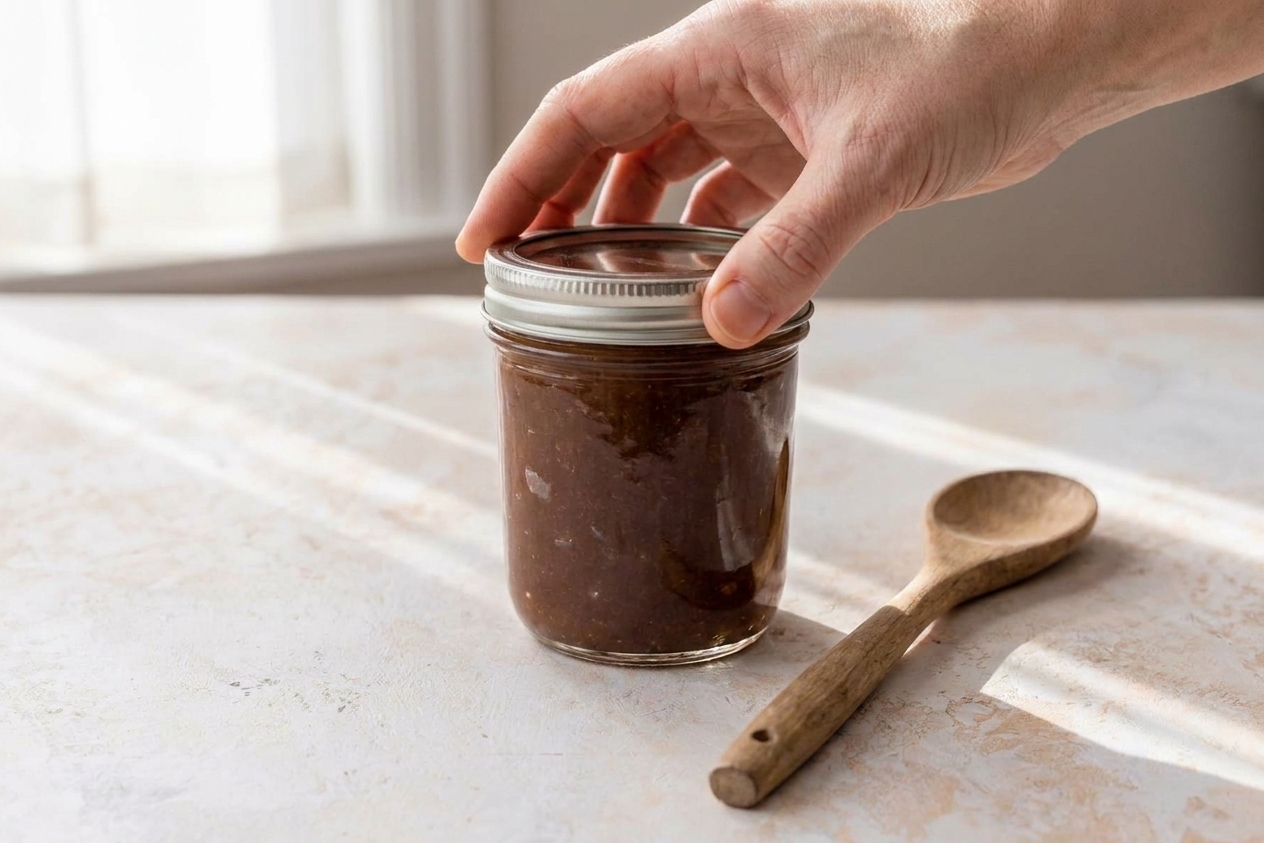
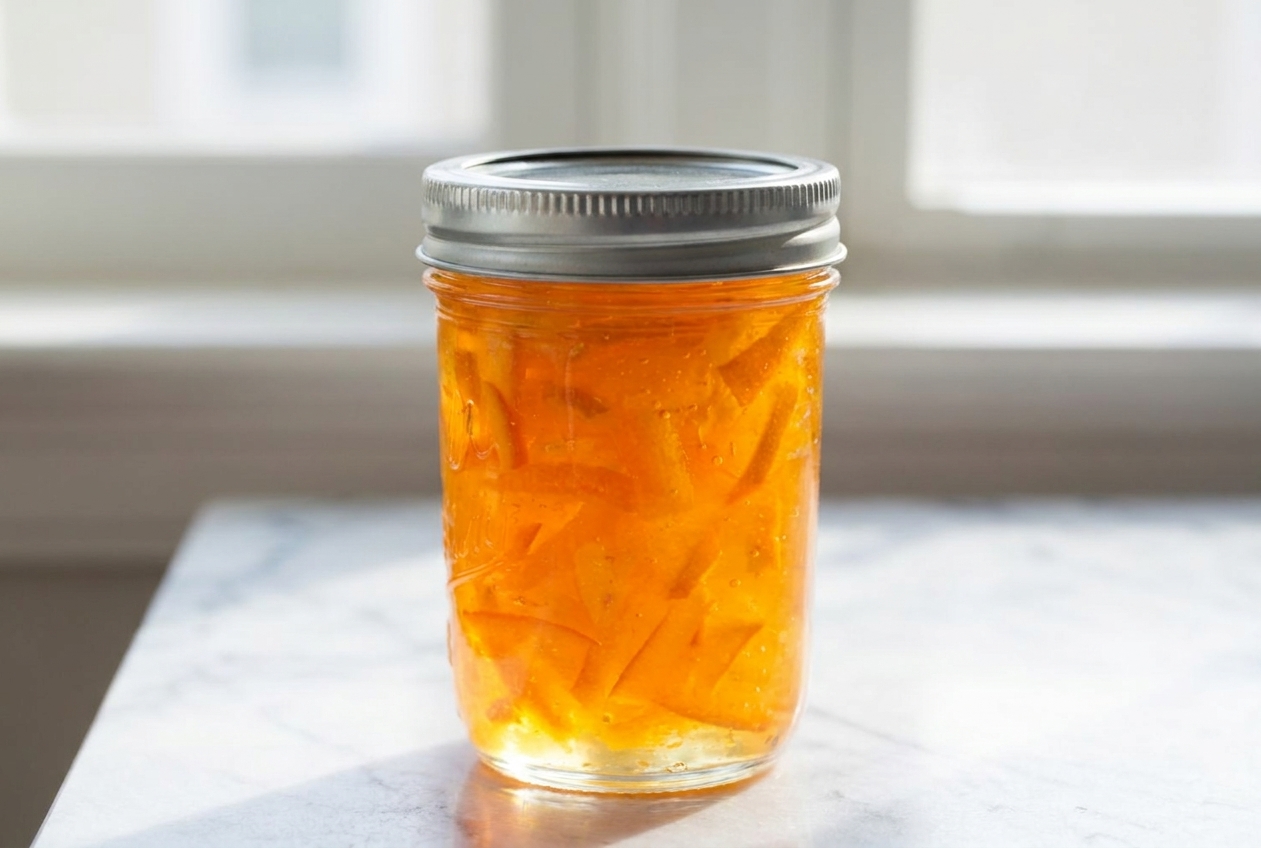
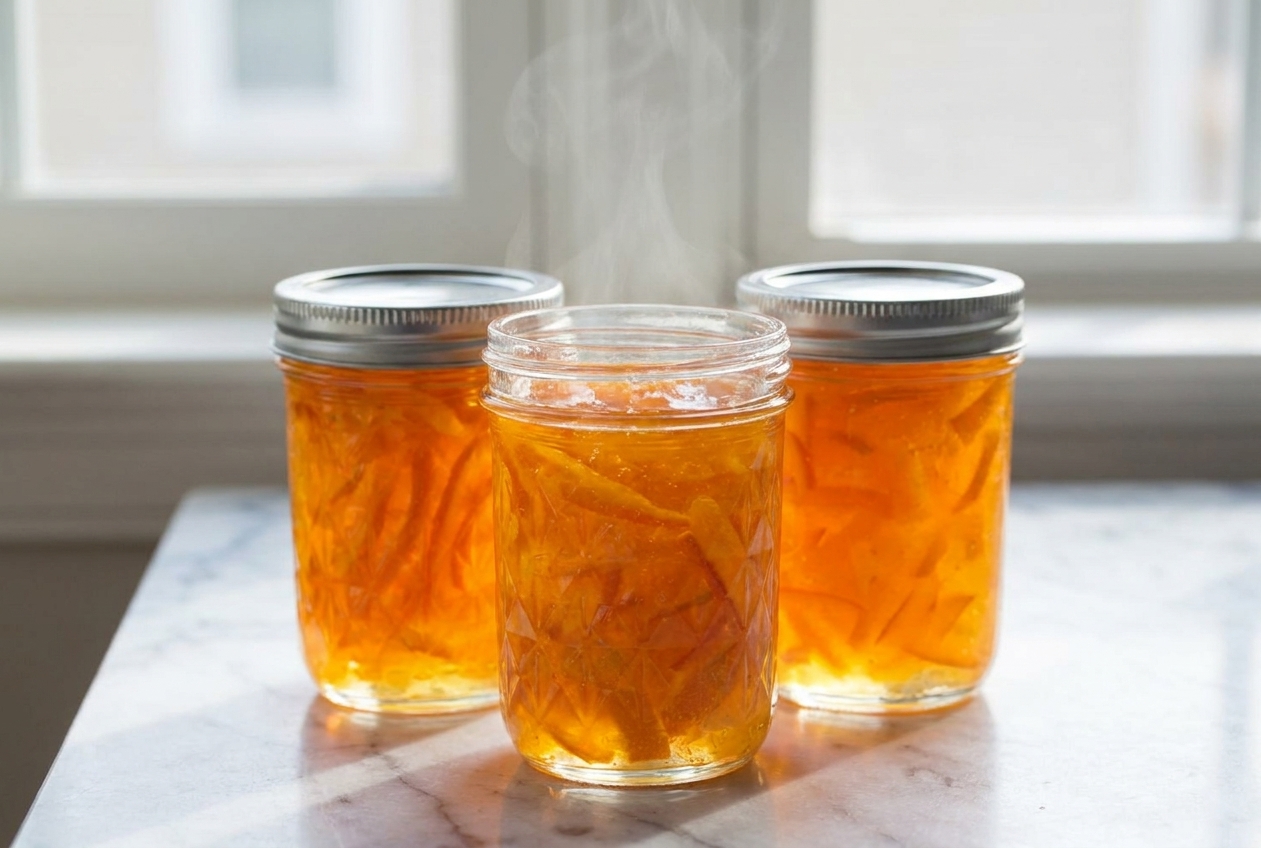
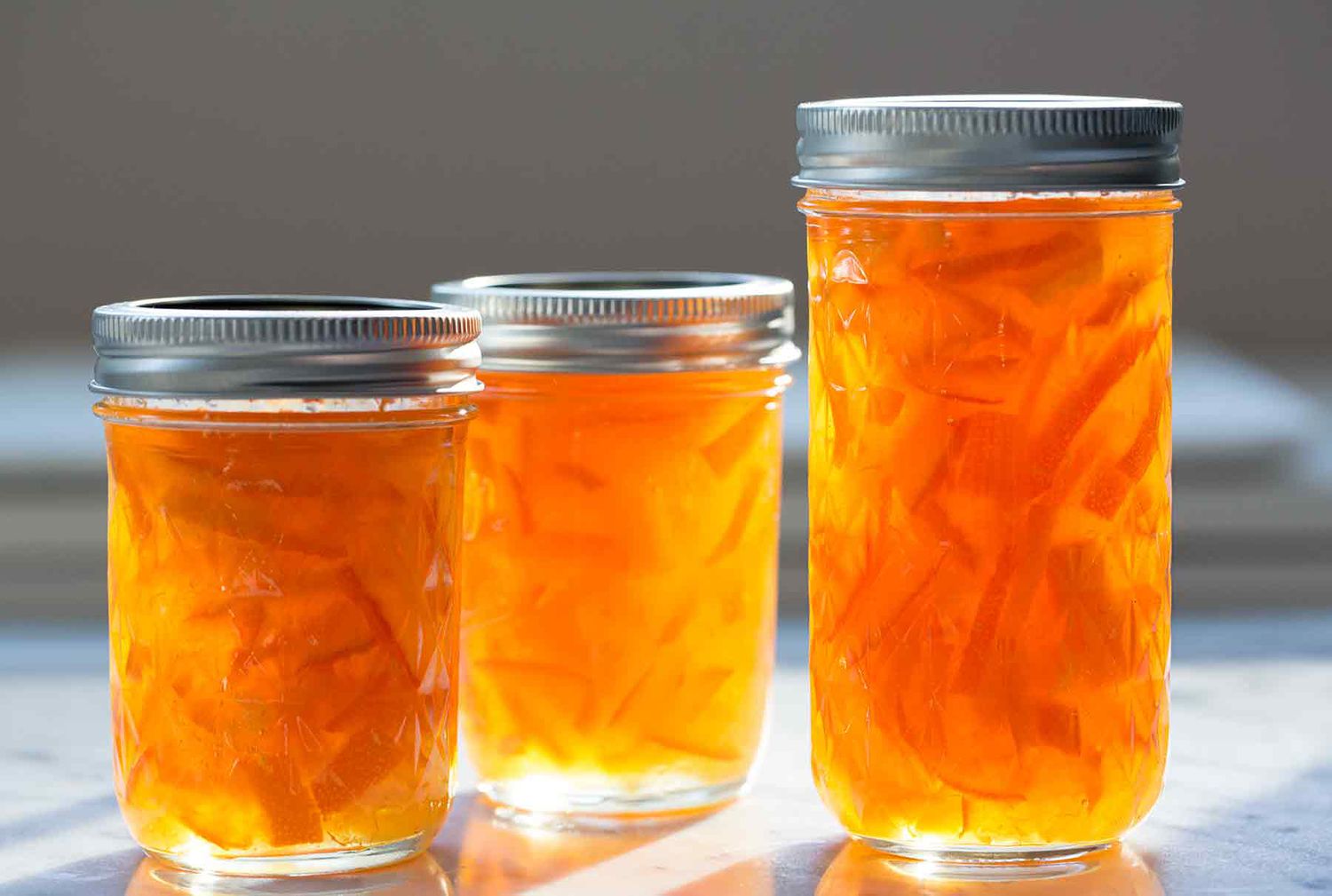
A sealed jar of orange marmalade with a lid, ready for storage

Common Questions

Common Questions

Do I have to use the pith and seeds?

You do not have to, but they help a lot. The seeds and the thick pithy bits you trim off contain natural pectin. That is why we tie them in cheesecloth so you get the benefits without the weird bits.

Why is my marmalade bitter?

Some bitterness is the point. If it is too bitter, a few things could be happening: you included a ton of thick white pith, you did not blanch the peel, or you reduced it very aggressively and concentrated the bitter compounds. Next time, blanch the peel and be more selective with thick pith.

How do I know when it is done?

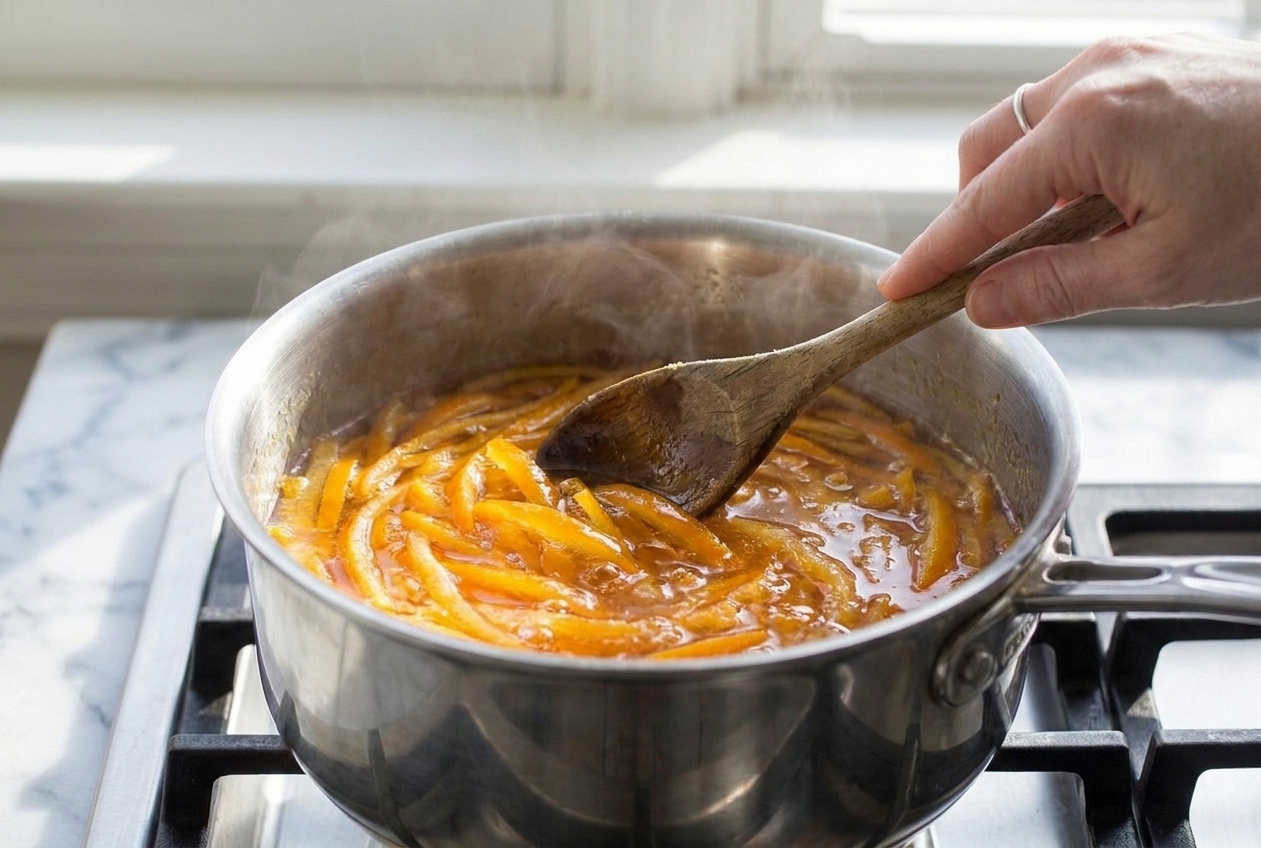
The best home method is the cold plate test. Chill a small plate in the freezer. Spoon a little marmalade onto it and wait 60 seconds. If it wrinkles when you push it with your finger, you are set.

Helpful extra cues: the bubbles look thicker and slower, and when you drag a spoon across the bottom of the pot, it leaves a brief trail before filling back in.

My marmalade will not set. What can I do?

First, do not panic. Marmalade often sets more as it cools. If it is still loose the next day, reboil it with a splash of lemon juice and simmer to a higher temperature, then test again. You can also add a little apple peel or extra citrus seeds in a cheesecloth bundle next time for extra pectin.

Can I reduce the sugar?

You can, but set and shelf life depend on sugar. If you reduce it a lot, expect a looser texture and plan to refrigerate and use sooner. For a less-sweet vibe without changing the chemistry too much, keep the sugar but add a tiny pinch of salt and do not skip the lemon.

What oranges work best?

Any orange works. Navel oranges are easy and common. Valencia oranges are super juicy. If you have access to Seville oranges, they make a more traditional, pleasantly bitter marmalade.

What about altitude?

At higher elevations, water boils at a lower temperature, so marmalade reaches its set at a lower temperature too. A simple rule: subtract about 2°F for every 1,000 feet of elevation (so around 216°F at 2,000 feet). The cold plate test still wins if you are unsure.

I used to think marmalade was just that dusty jar your grandparents kept in the back of the fridge. Then I made it once, mostly out of curiosity and stubbornness, and it completely changed my mind. The smell alone is worth it: oranges going from bright and raw to deep, almost floral, like the kitchen is doing a slow citrus perfume reveal. Now it is my favorite “I have a pile of oranges and a free afternoon” project. It is a little chaotic, a little sticky, and wildly rewarding.