Mom's Best Recipes
Recipe

Au Jus Gravy

A rich, savory au jus gravy made with drippings or broth, finished silky with a quick roux and a splash of umami.

Author By Matt Campbell
4.8
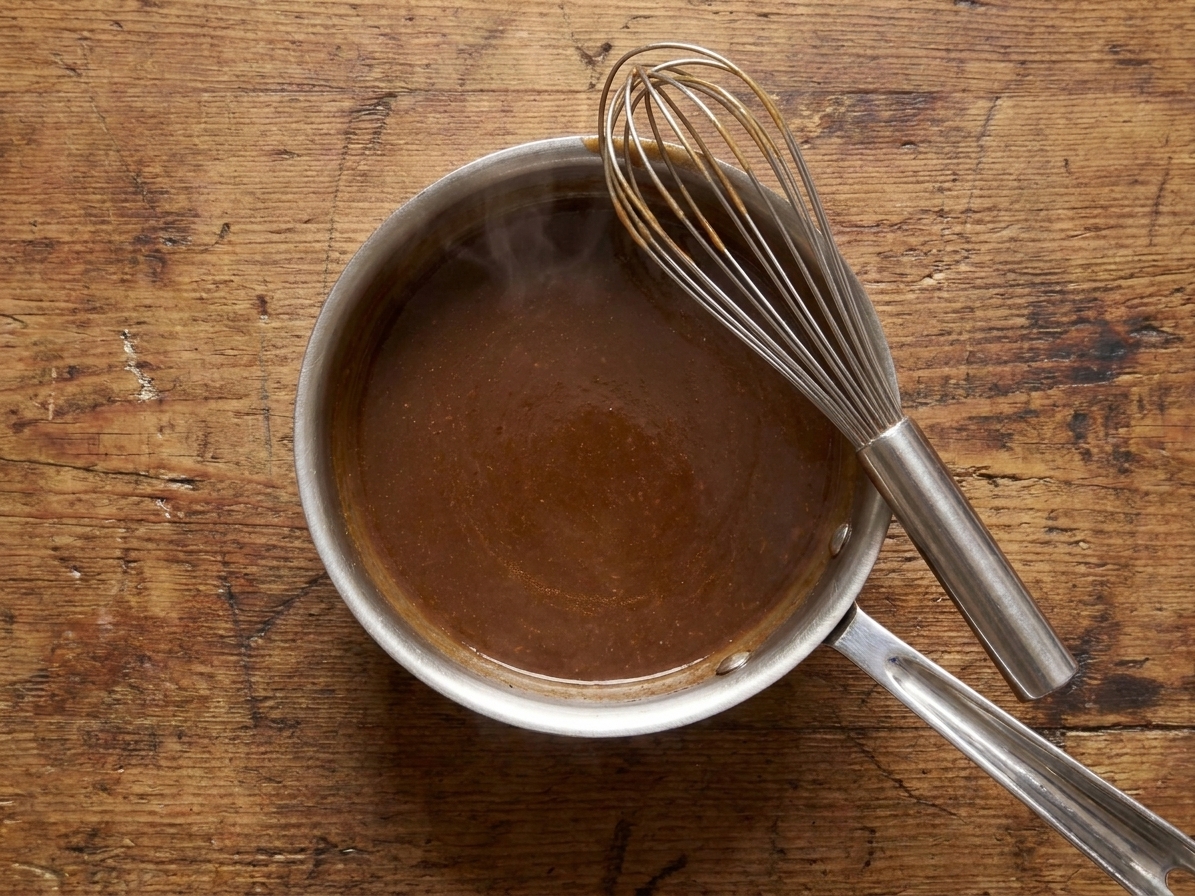
A small stainless saucepan filled with glossy brown au jus gravy, with a whisk resting on the rim on a warm-toned kitchen counter

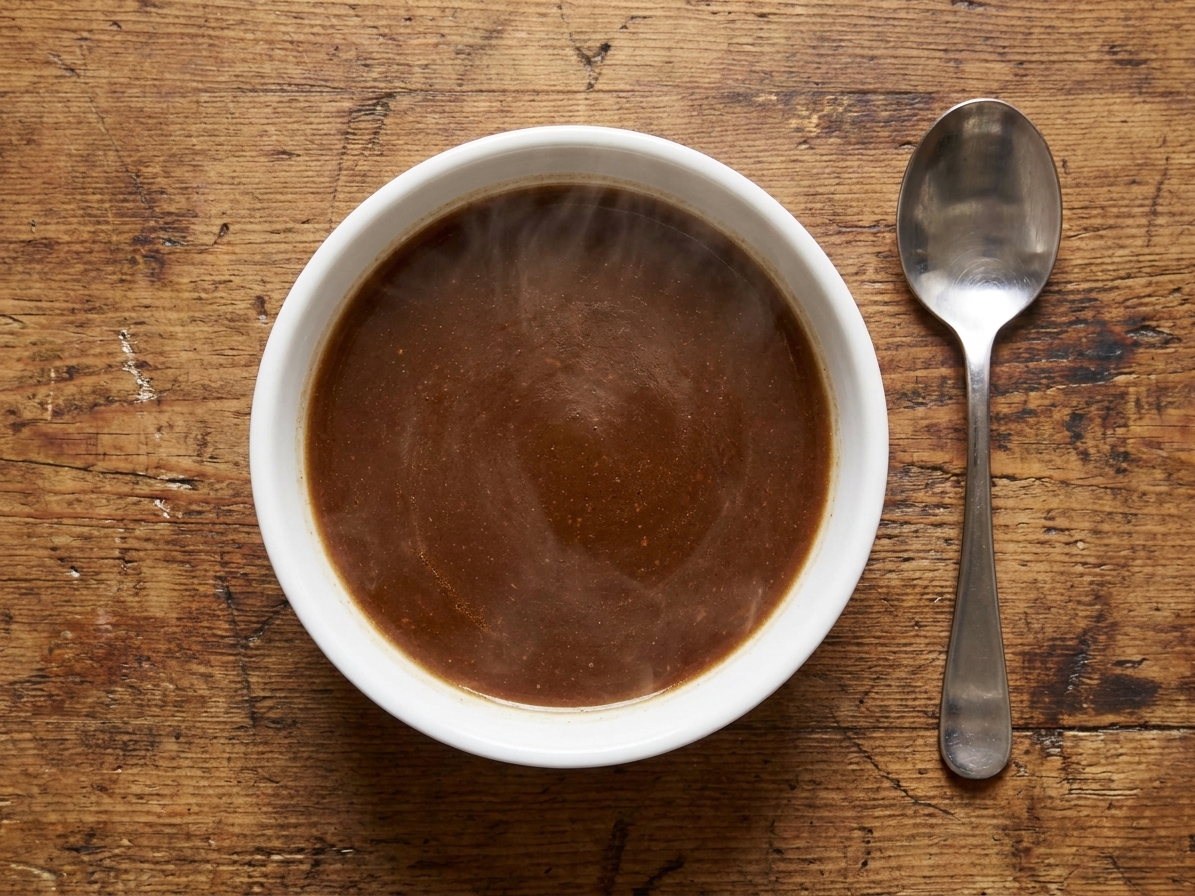
Au jus is that deeply savory, beefy sauce you want for French dip sandwiches, prime rib, roast beef, and basically anything that deserves a little extra drama on the plate. Traditional au jus is more like a thin, seasoned meat juice. This version lands in the sweet spot I actually want at home: still pourable, still beef-forward, but with just enough body to cling to a sandwich and make mashed potatoes feel understood.

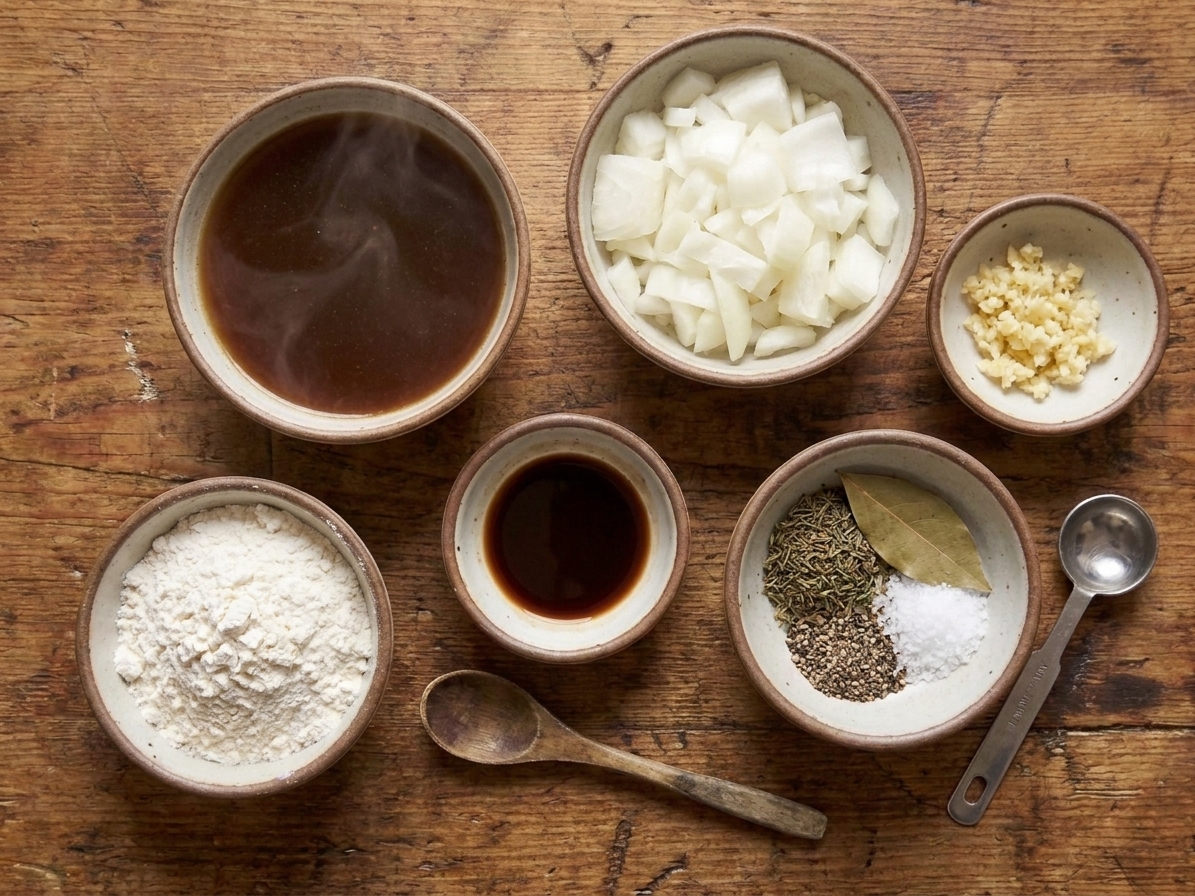
No drippings? No problem. If you have a pan full of roast drippings, we use them. If you do not, we build the flavor with broth, a little Worcestershire, and a few small tricks that make it taste like you planned ahead.
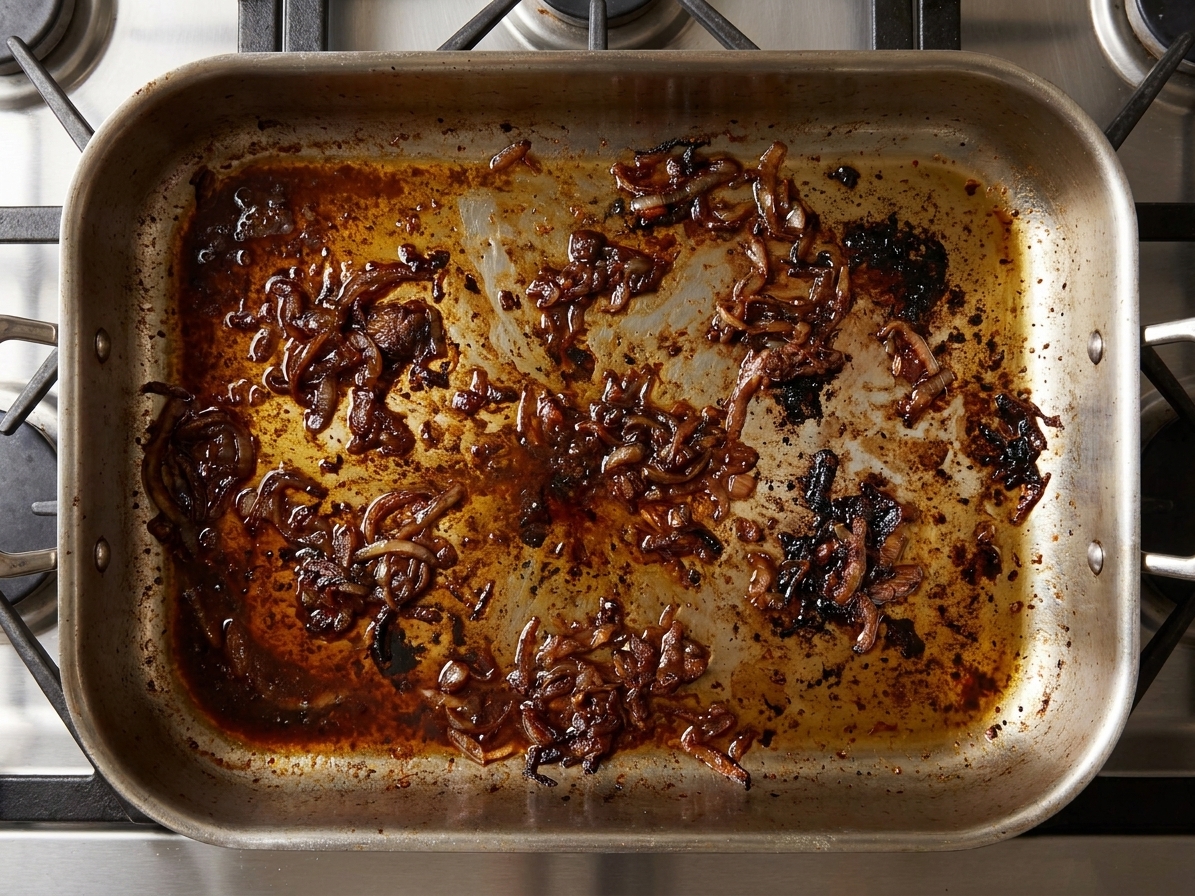
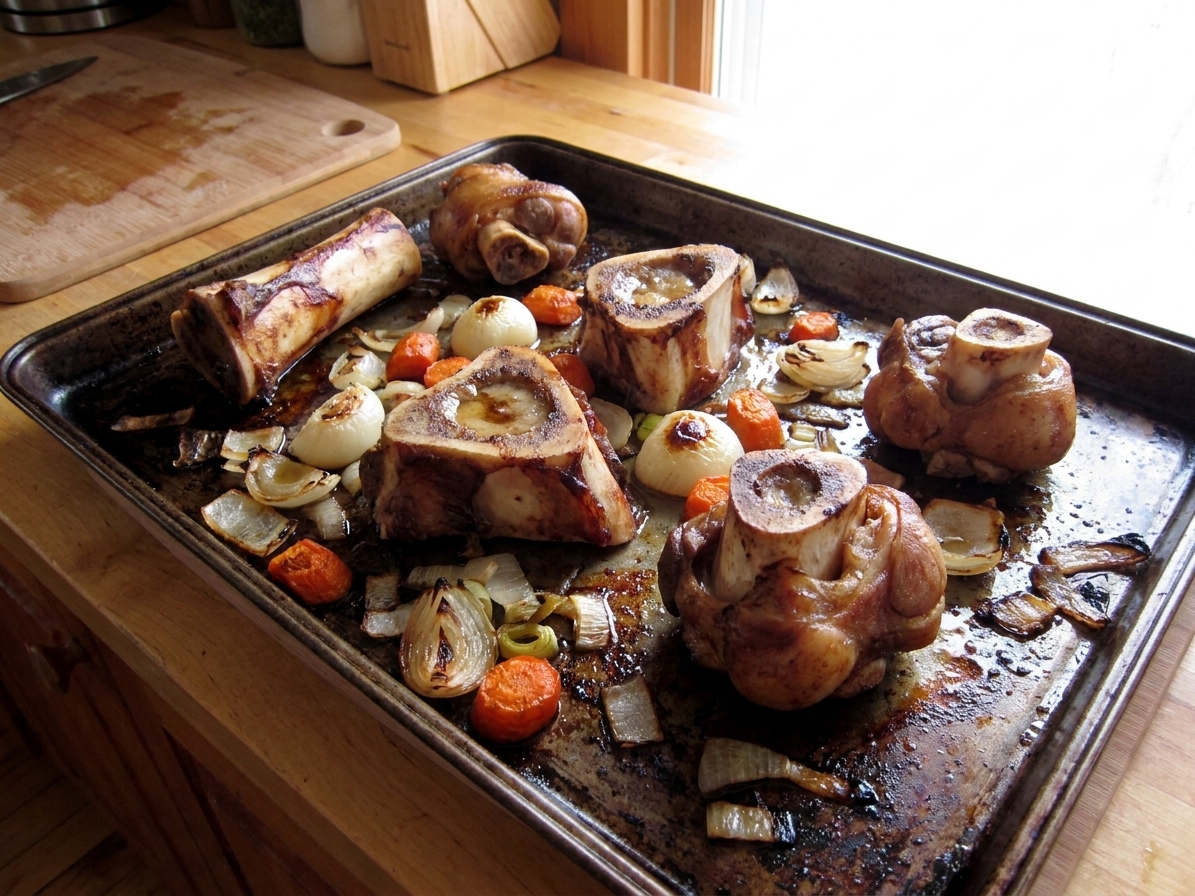
A roasting pan with browned beef drippings and caramelized bits on the bottom, resting on a stovetop

Why It Works

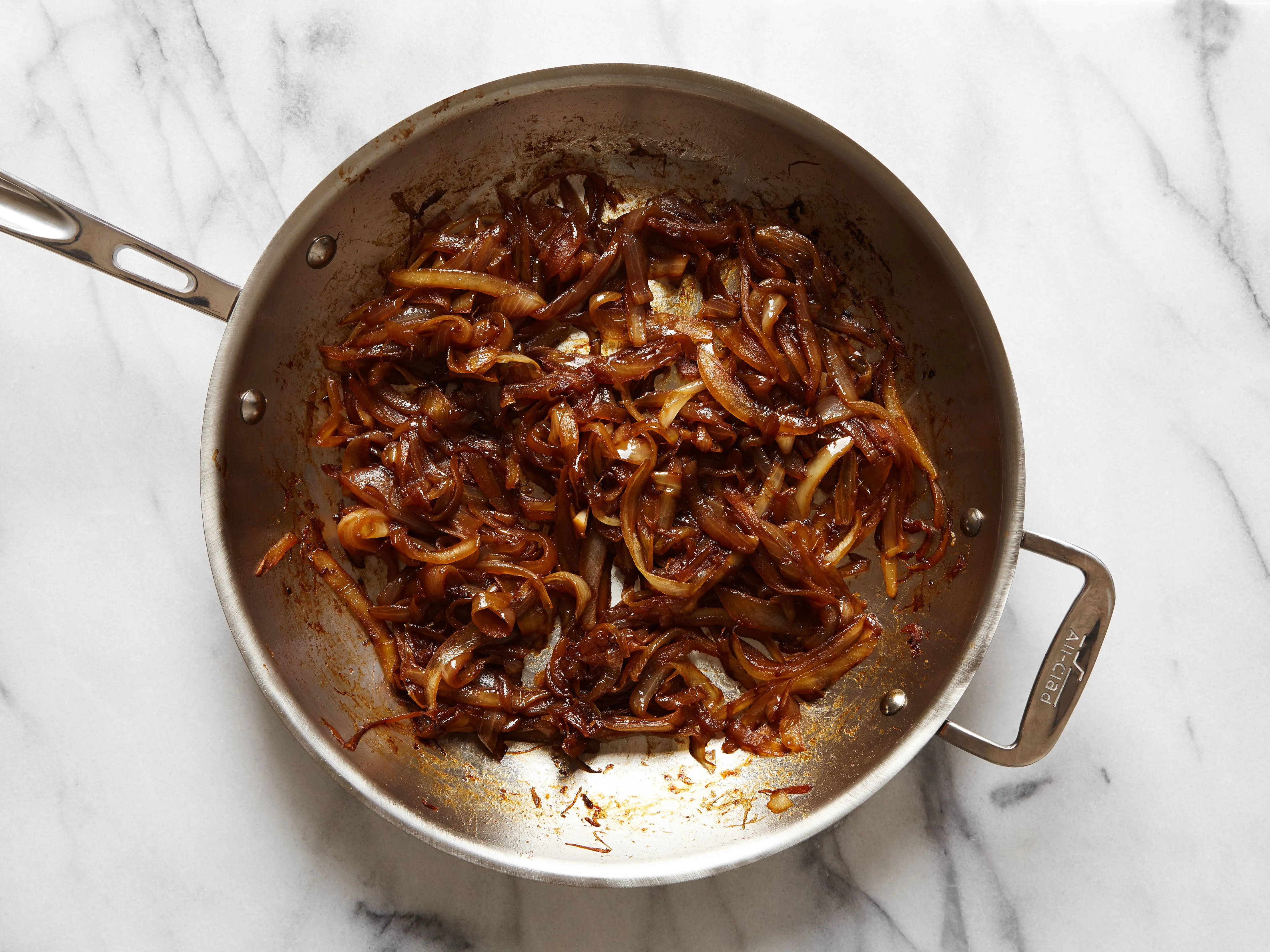
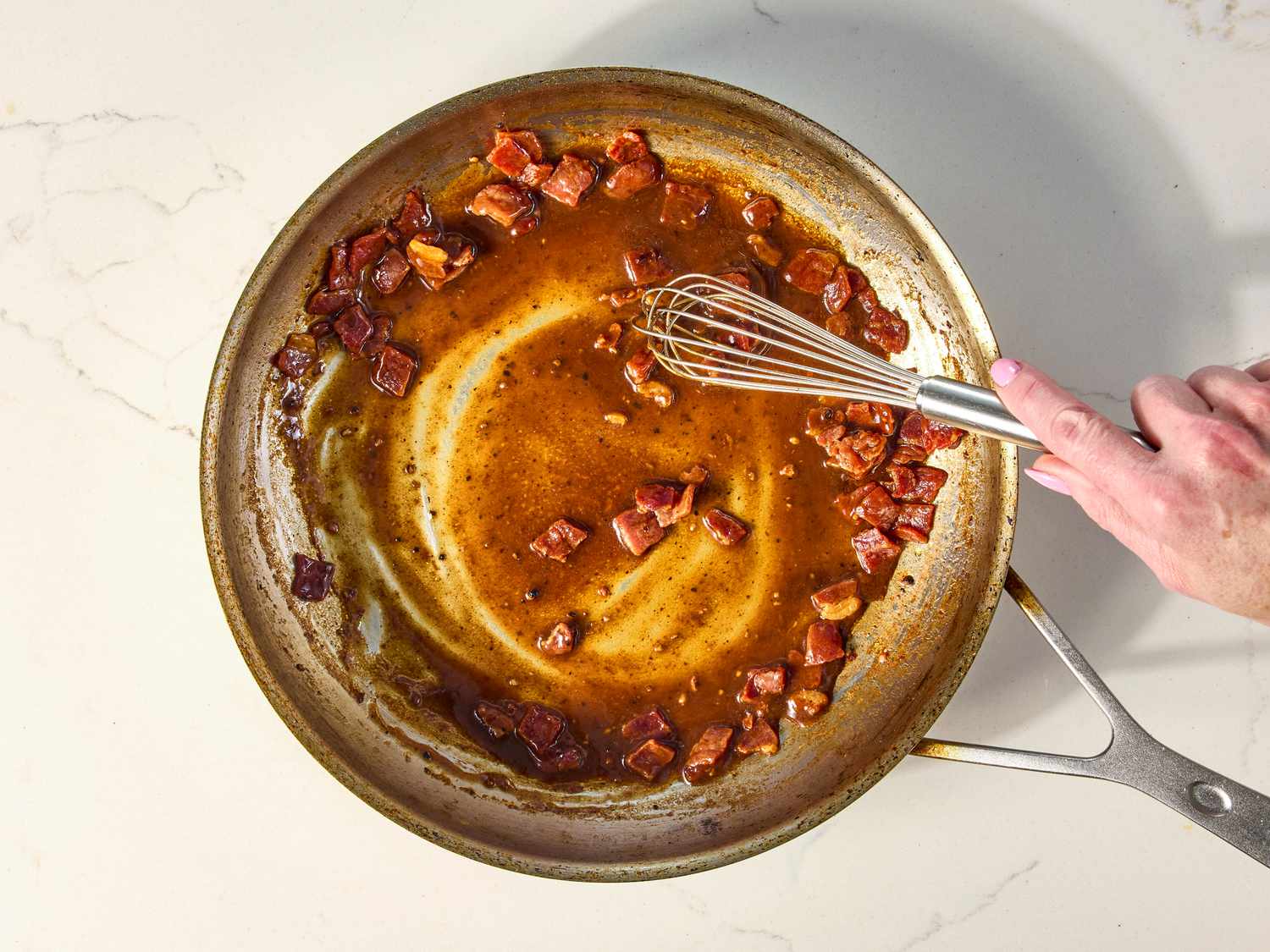
  • Big roasted flavor from deglazing browned bits, whether they came from your roast or a quick butter and onion base.
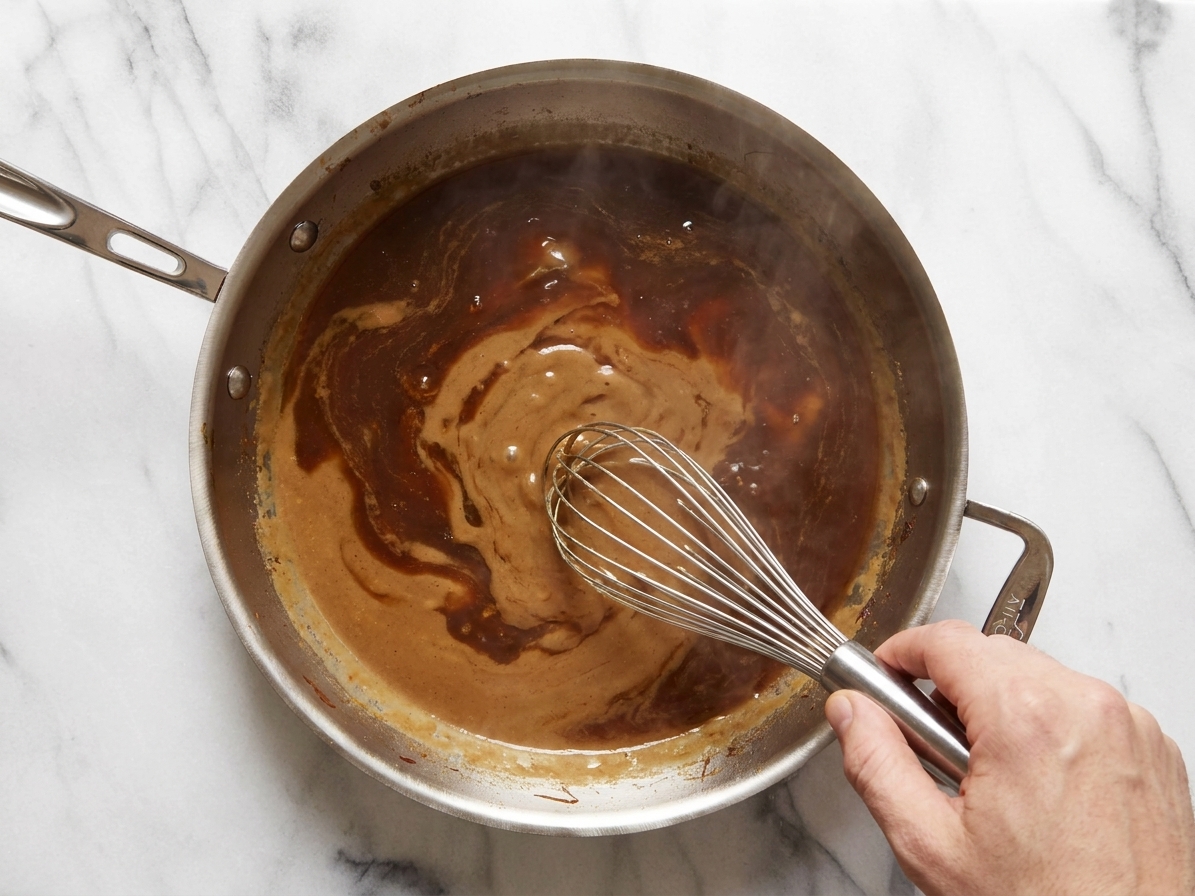
  • Silky texture without fuss using a small roux. It thickens gently so your au jus stays spoonable, not gluey.
  • Flexible salt control by starting with low-sodium broth and seasoning at the end after it reduces.
  • Fast enough for weeknights but good enough to park next to prime rib on a holiday table.

Pairs Well With

Storage Tips

Refrigerate: Cool au jus gravy completely, then store in an airtight container for up to 4 days. It will thicken as it chills. That is normal.

Freeze: Freeze in a freezer-safe container or silicone cubes for up to 3 months. Thaw overnight in the fridge.

Reheat: Warm in a small saucepan over low heat, whisking. If it seems too thick, add a splash of broth or water until it pours the way you like.

Fat cap tip: If you made this with real drippings, you may see a layer of fat on top after chilling. You can whisk it back in for richness or spoon some off for a lighter sauce.

Common Questions

What is the difference between au jus and gravy?

Au jus is usually a thinner, seasoned meat juice, often made by deglazing a roasting pan and simmering with stock. Gravy is typically thickened more noticeably (often with flour or cornstarch). This recipe is a hybrid: au jus flavor with a light gravy body.

Can I make au jus without drippings?

Yes. Use good beef broth, add aromatics (onion and garlic), and finish with Worcestershire and a touch of soy sauce for that roasted, savory depth.

How do I make it gluten-free?

Skip the flour roux. Instead, mix 1 tablespoon cornstarch with 1 tablespoon cold water (slurry) and whisk it into the gently simmering liquid. Simmer 1 to 2 minutes until slightly thickened. If you want more body, add another teaspoon or two of slurry and simmer again.

Why is my au jus bitter?

Usually the pan drippings got too dark or the garlic scorched. Fix it by adding a little more broth, a small pat of butter, and a tiny pinch of sugar. Also strain out overly dark bits if needed.

How do I make it saltier without making it taste salty?

Add a few drops of Worcestershire or soy sauce first. They boost savory flavor. Then add salt a pinch at a time at the very end.

The first time I made au jus at home, I treated it like this mysterious steakhouse thing that required a roast the size of a bowling ball. Then I realized the truth: it is basically pan stuff plus a little patience. Now it is my go-to move when dinner feels a little too plain. A simple sandwich becomes a French dip. Leftover roast becomes a real plan. And when I am cooking with friends, au jus is the kind of sauce that makes everyone hover around the stove taking “quality control” spoonfuls like we are getting paid for it.