Do I need to peel acorn squash before baking?
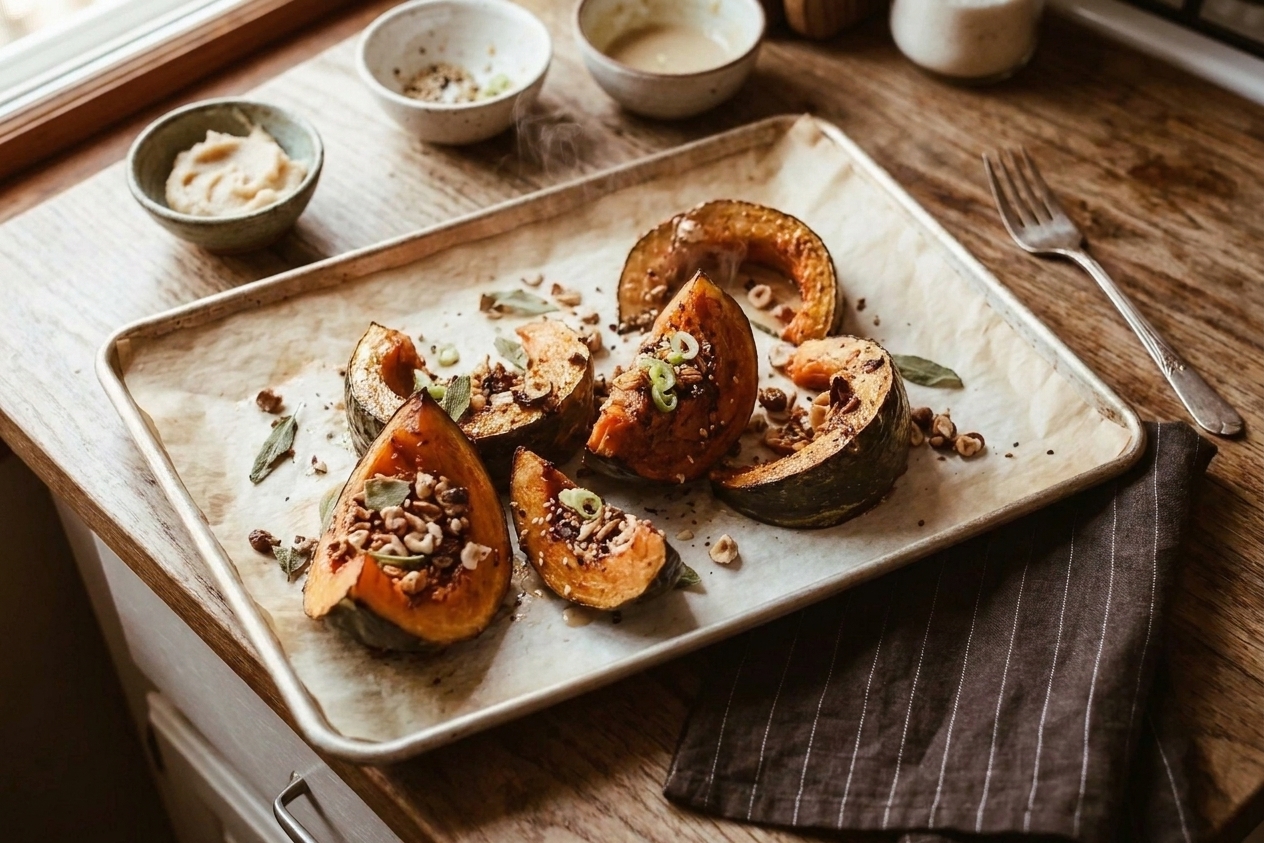
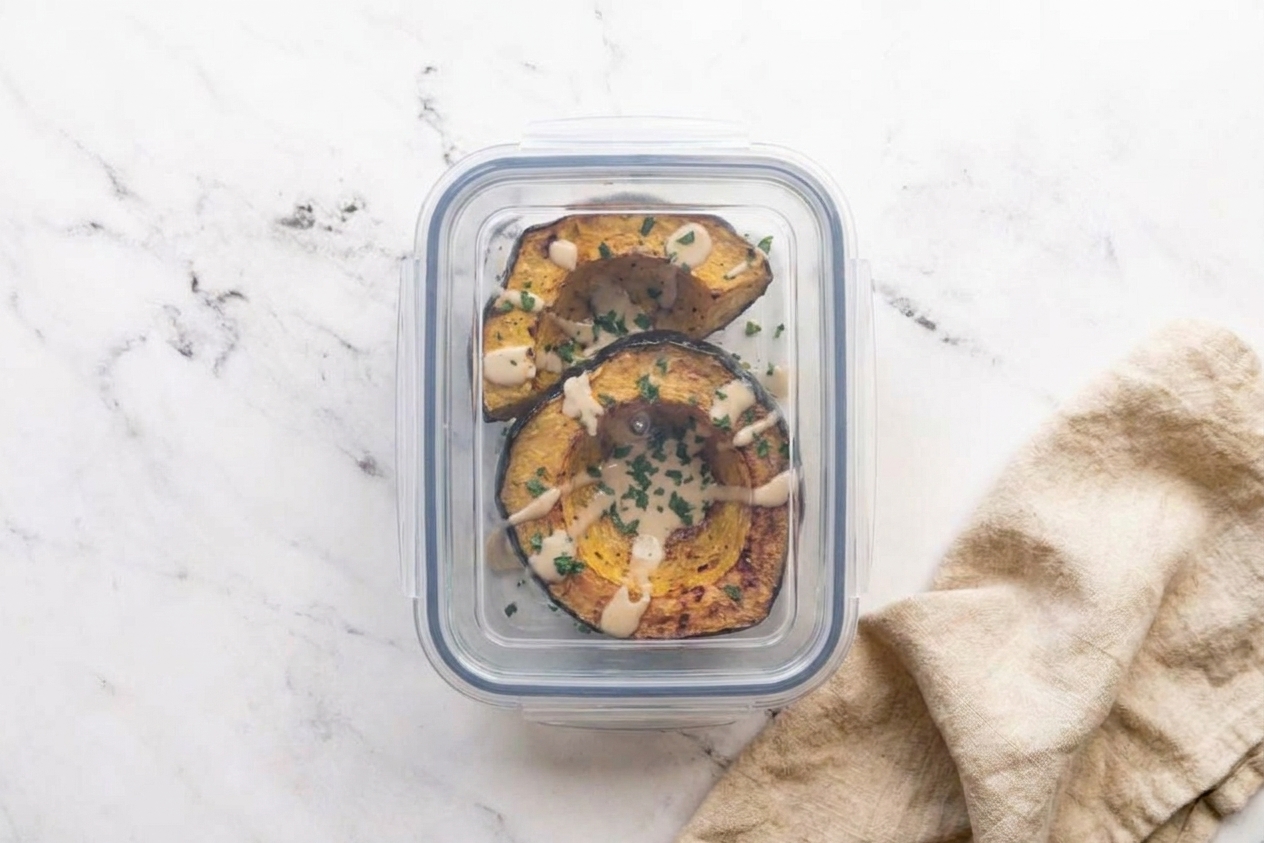
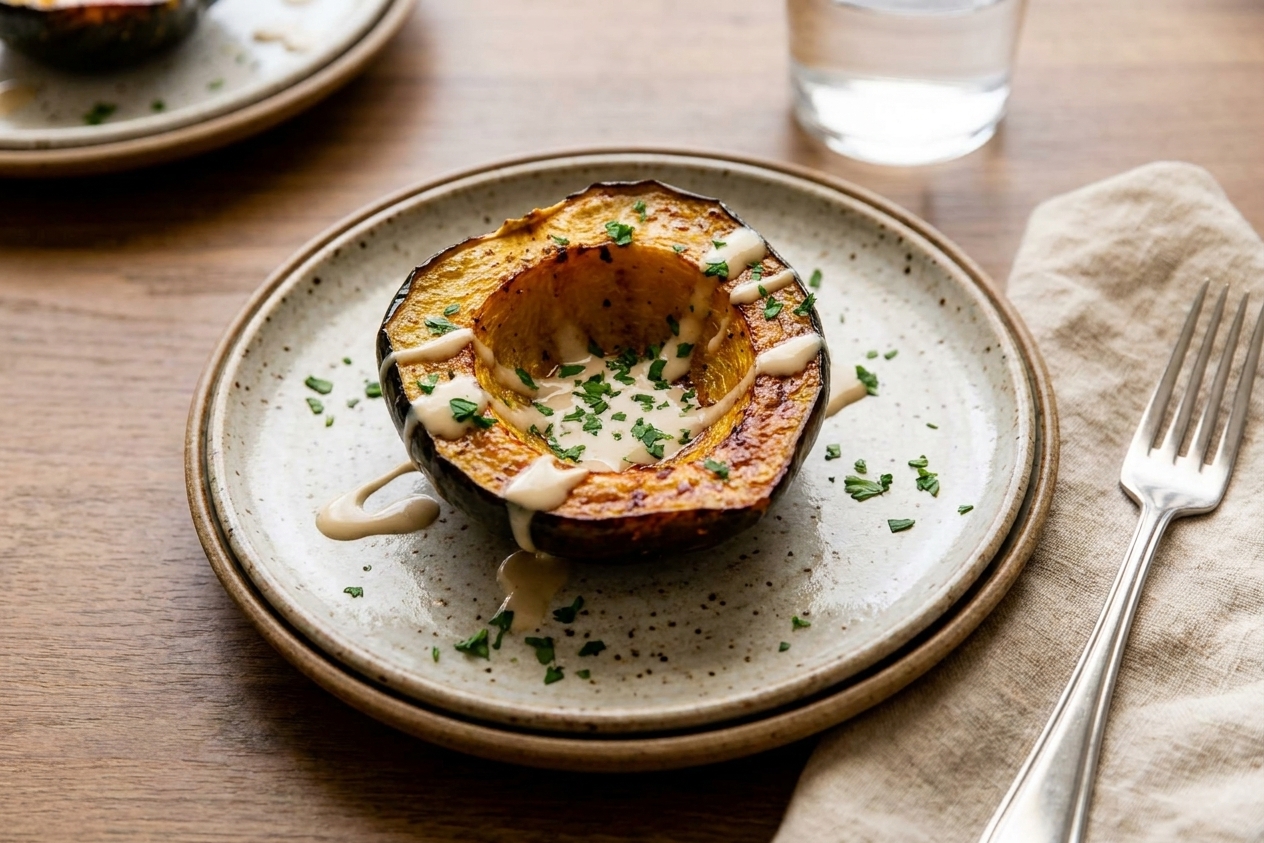
Nope. The skin softens as it bakes and is generally edible, though older or larger squash can stay a little tough. Most people scoop the flesh out with a spoon anyway. Leaving the skin on keeps the squash sturdy and makes serving easy.
How do I cut acorn squash safely?
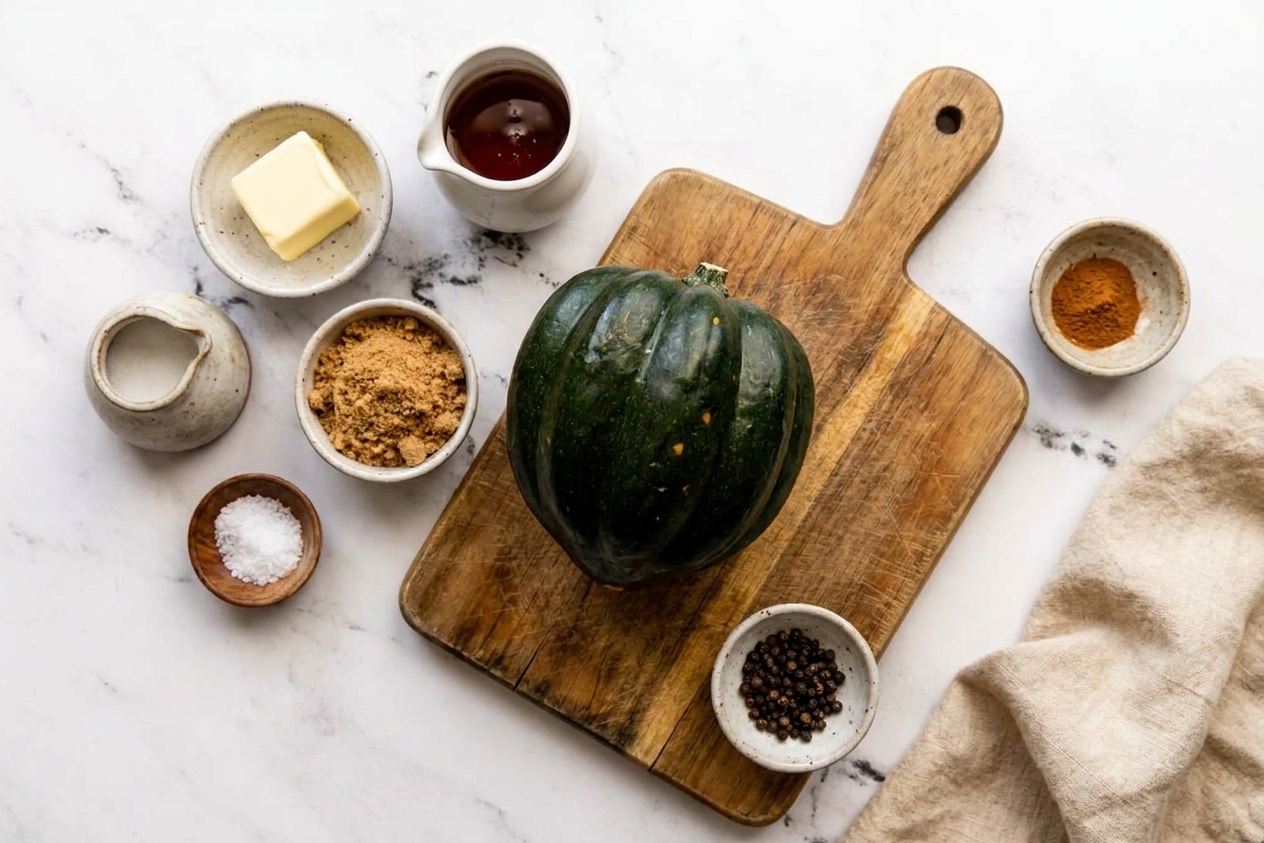
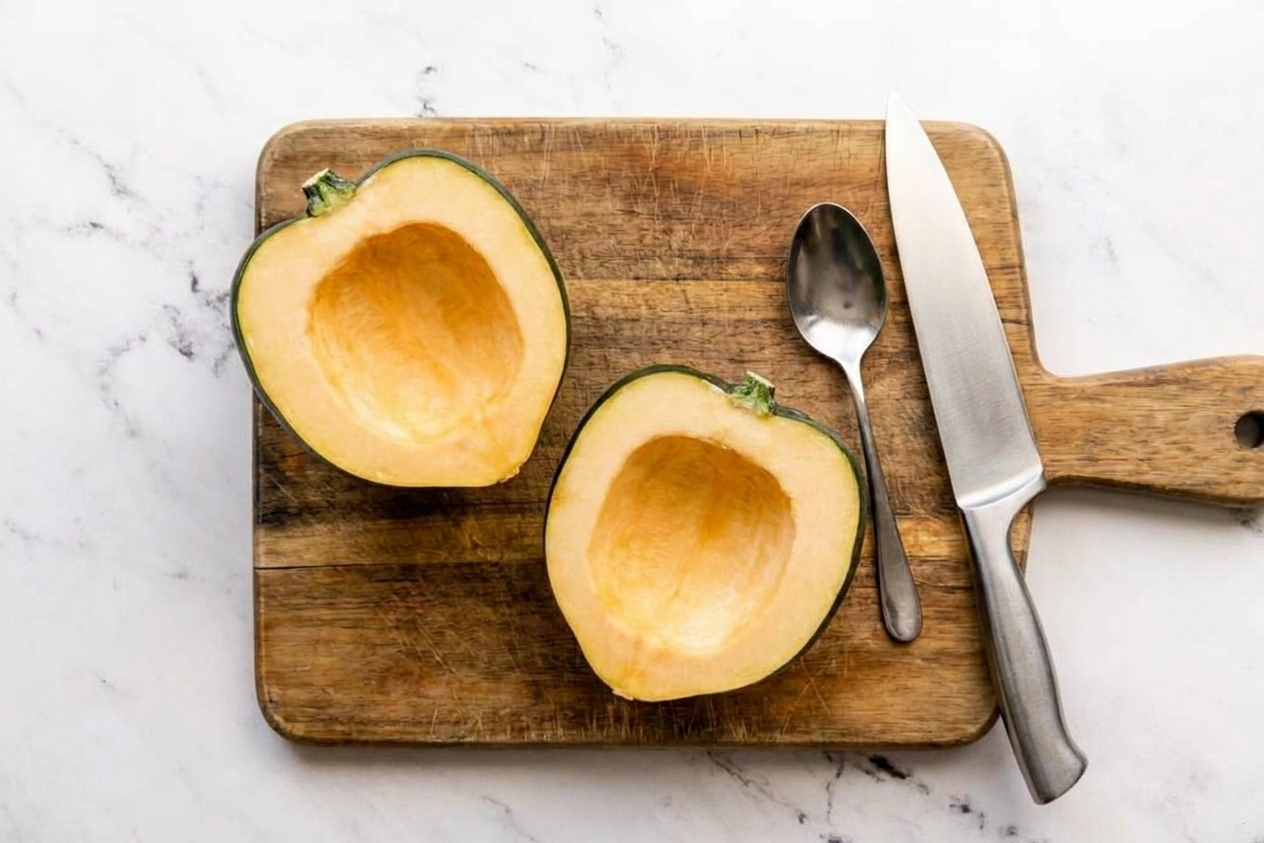
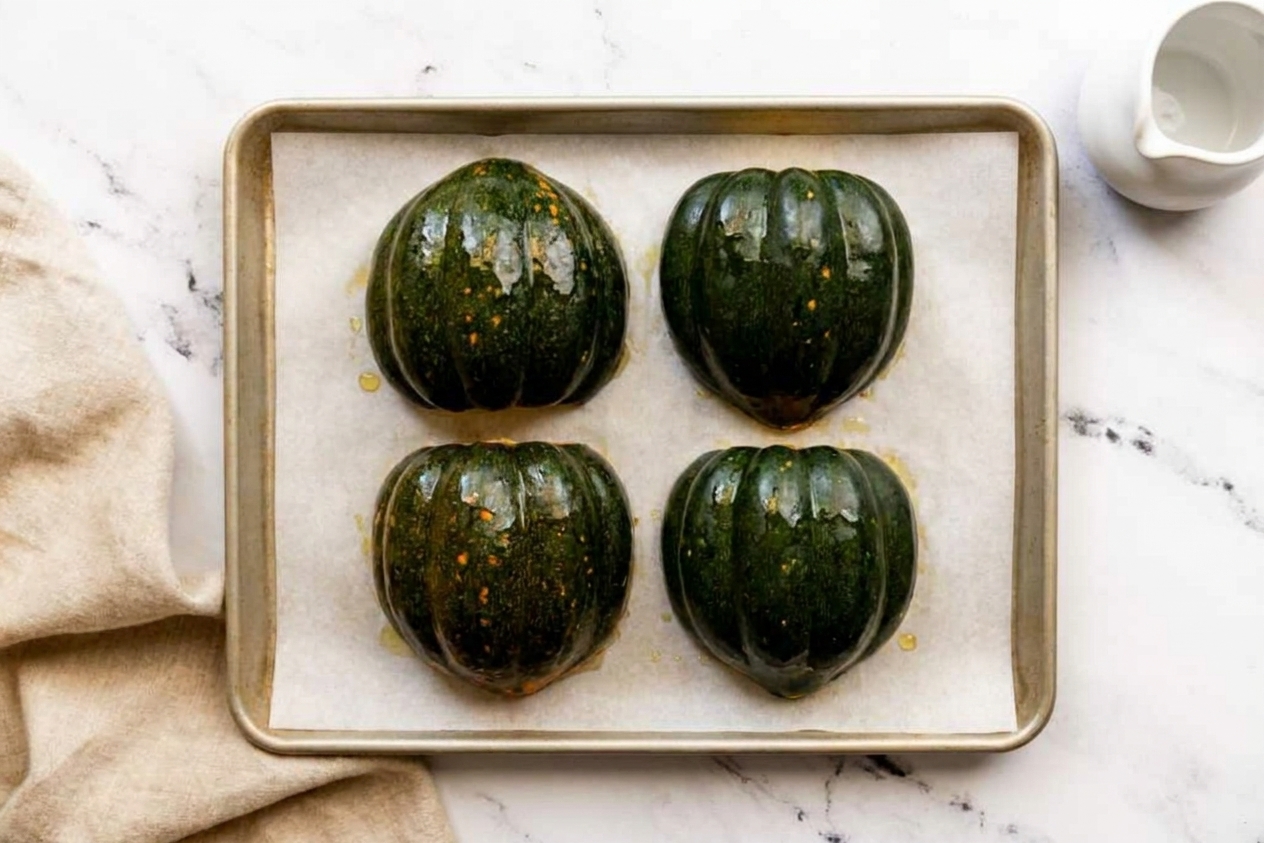
Use a stable cutting board and a sharp chef’s knife. If the squash is rock hard, microwave it briefly to take the edge off: pierce the skin once, microwave in 30-second bursts (total 60 to 90 seconds), and let it sit for a minute so heat evens out. Then cut off a thin slice from the bottom (so it does not roll), slice in half from stem to tip, and scoop out seeds. A clean kitchen towel helps you grip the squash without slipping.
How do I know when it is done?
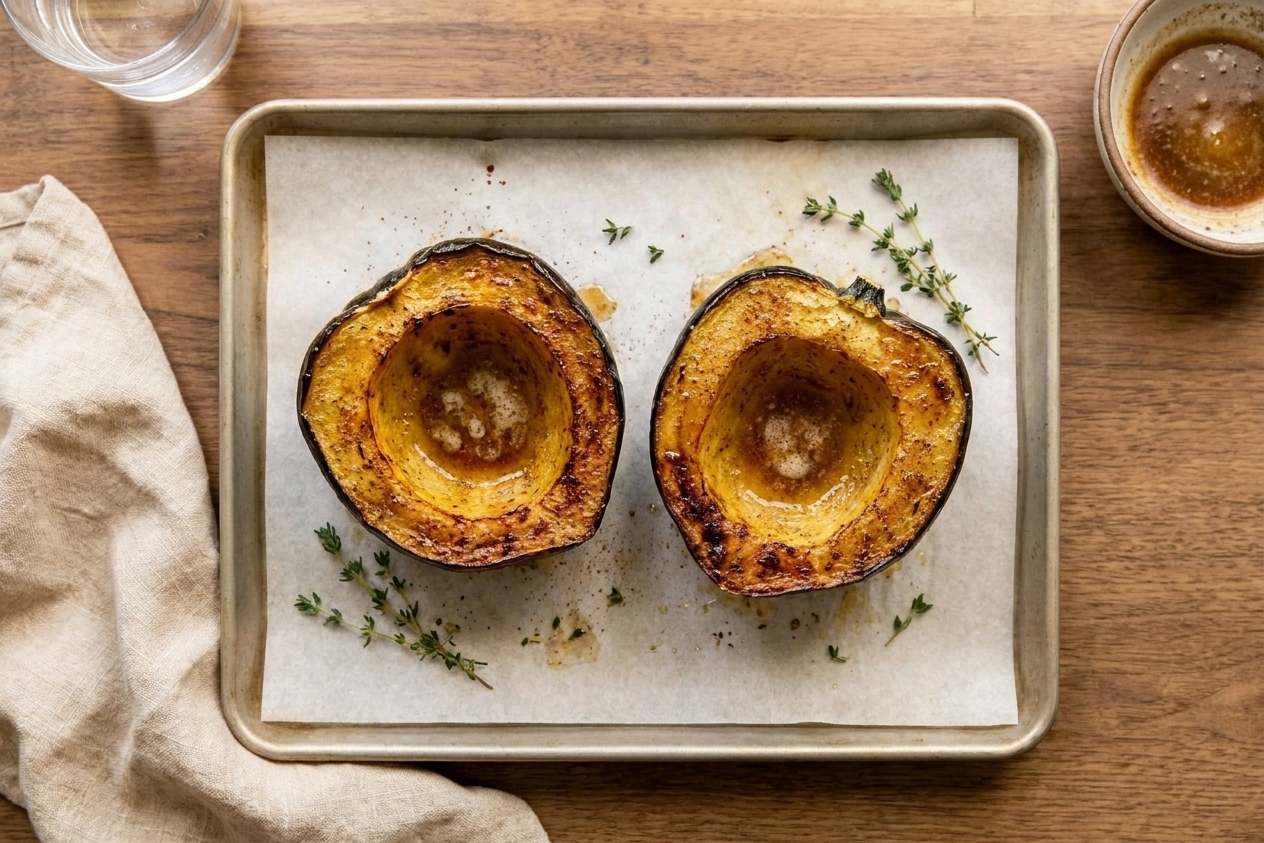
A fork should slide into the thickest part with almost no resistance. If you have to push, it needs more time. You are aiming for tender enough to scoop, not just barely cooked. If you like numbers, the flesh is usually around 200 to 205 F when it is truly spoon-tender (totally optional thermometer moment).
Can I make it savory instead of sweet?
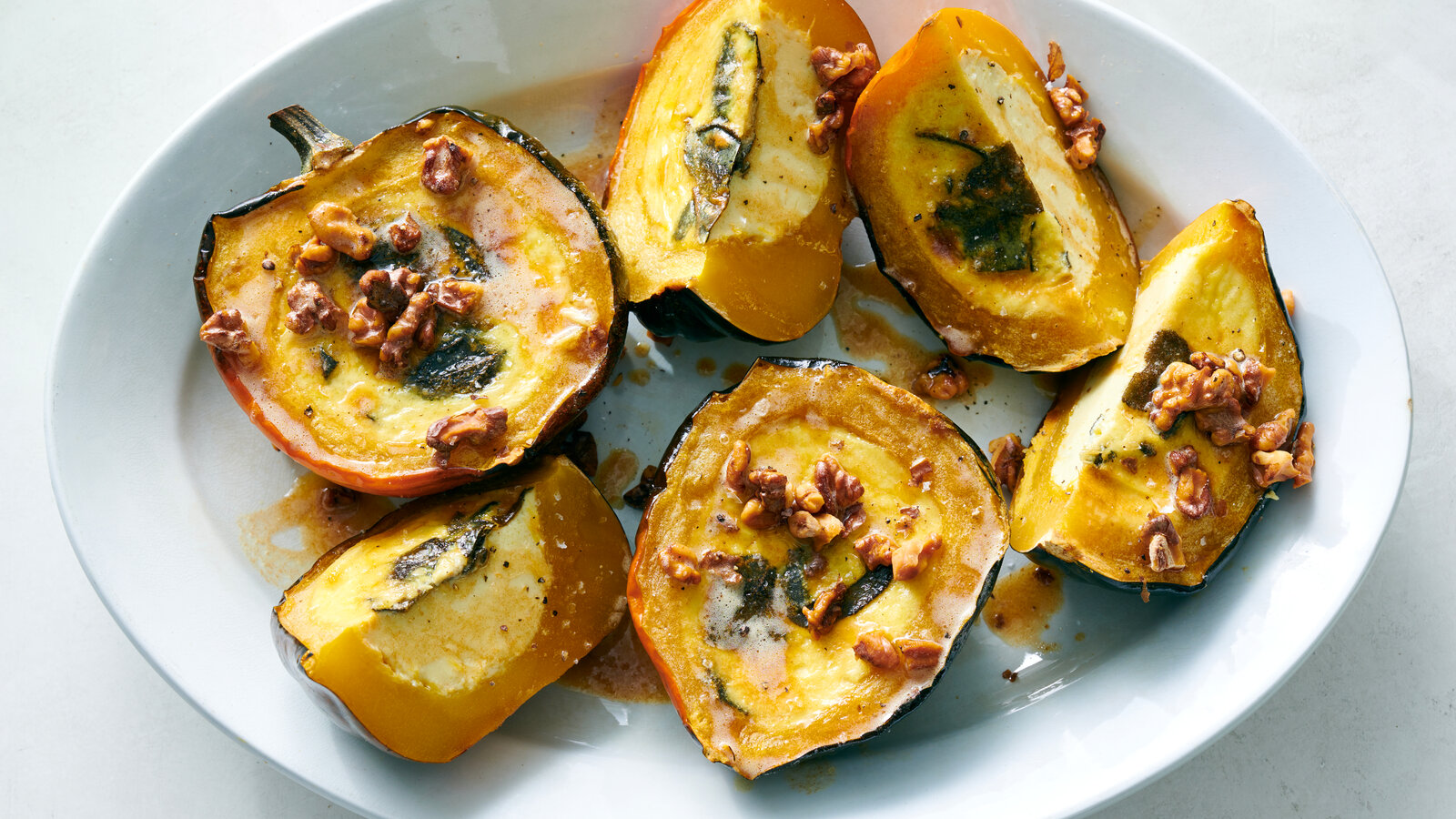
Absolutely. Skip the brown sugar and maple. Use olive oil or butter, salt, pepper, garlic powder, and a sprinkle of Parmesan near the end. A little chopped sage or rosemary is very at-home here too.
Why is my squash watery?
Sometimes it is underbaked, and sometimes it is just a high-moisture squash doing its thing. A few fixes: bake cut-side down a little longer, do the final stretch cut-side up uncovered so moisture can cook off, and avoid overcrowding the pan. If you lined the pan tightly with foil, leave it open so steam can escape.
Does squash size change the bake time?
Yep. Small squash can finish faster, large ones can take longer. Start checking for fork-tender around 40 minutes total, and keep going until it is genuinely soft.