Mom's Best Recipes
Recipe

Maple Roasted Custard Squash

Creamy custard squash roasted until caramelized, then finished with maple butter and a pinch of warm spice.

Author By Matt Campbell
4.8
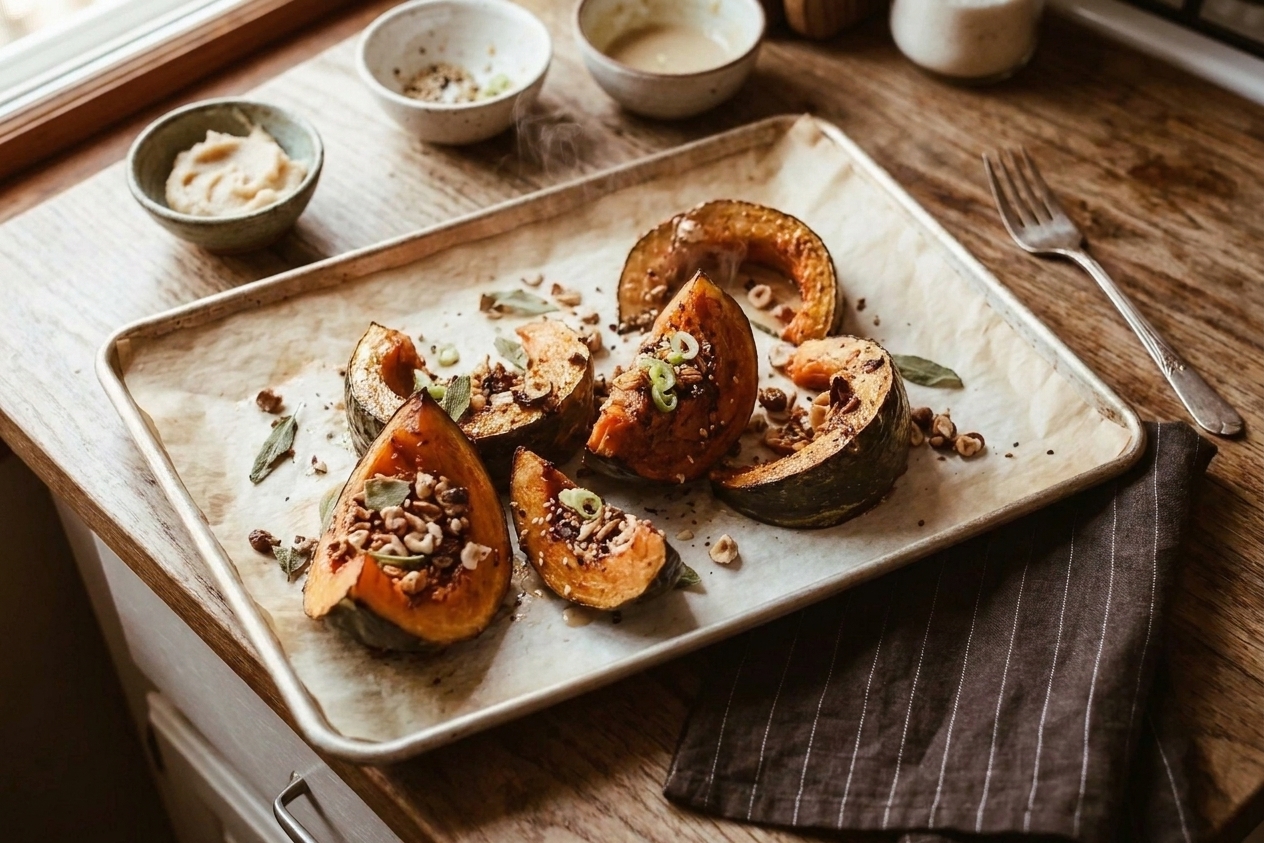
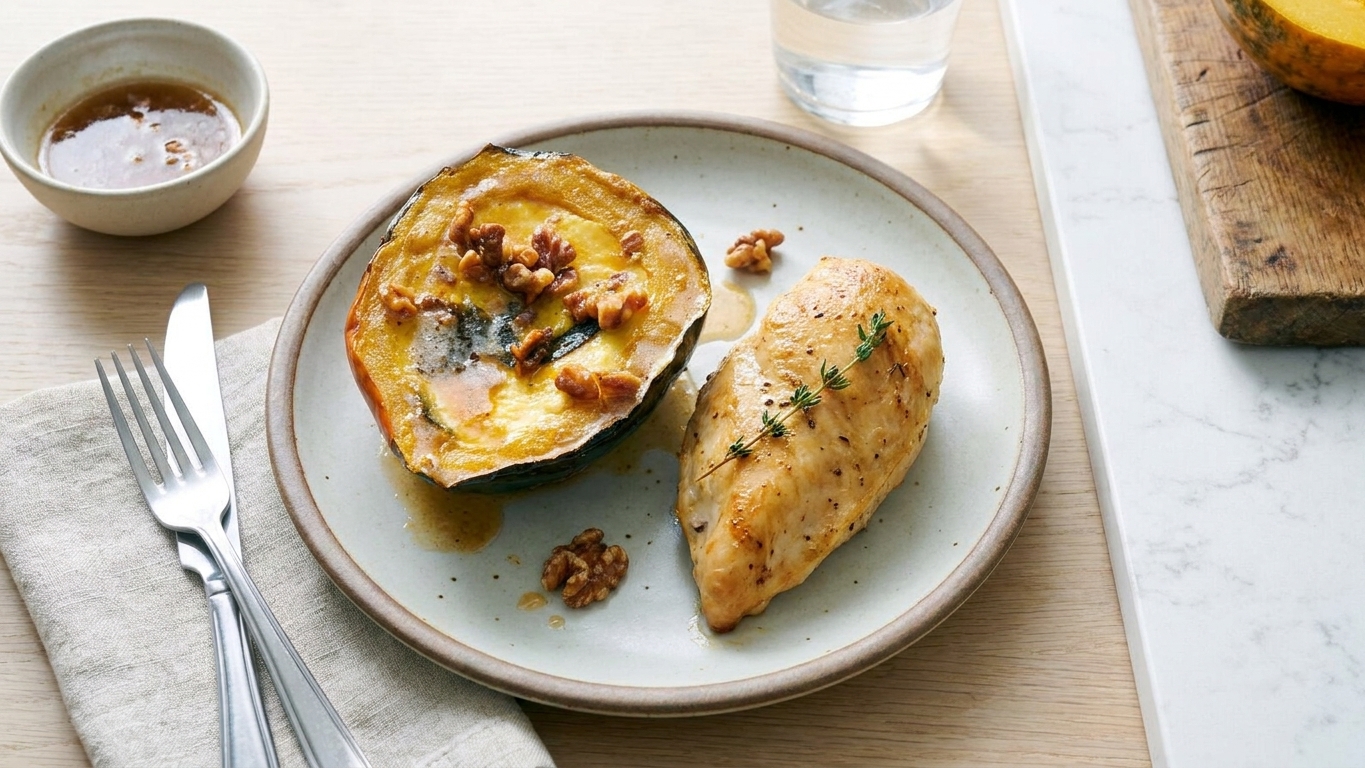
A platter of maple roasted custard squash halves with caramelized edges and a glossy butter glaze, set on a wooden table with a simple linen napkin

Custard squash is the sleeper hit of the winter squash world. It is small, sweet, and the texture is exactly what the name promises: smooth and spoonable, like it wants to be turned into dessert but is totally happy showing up as dinner.

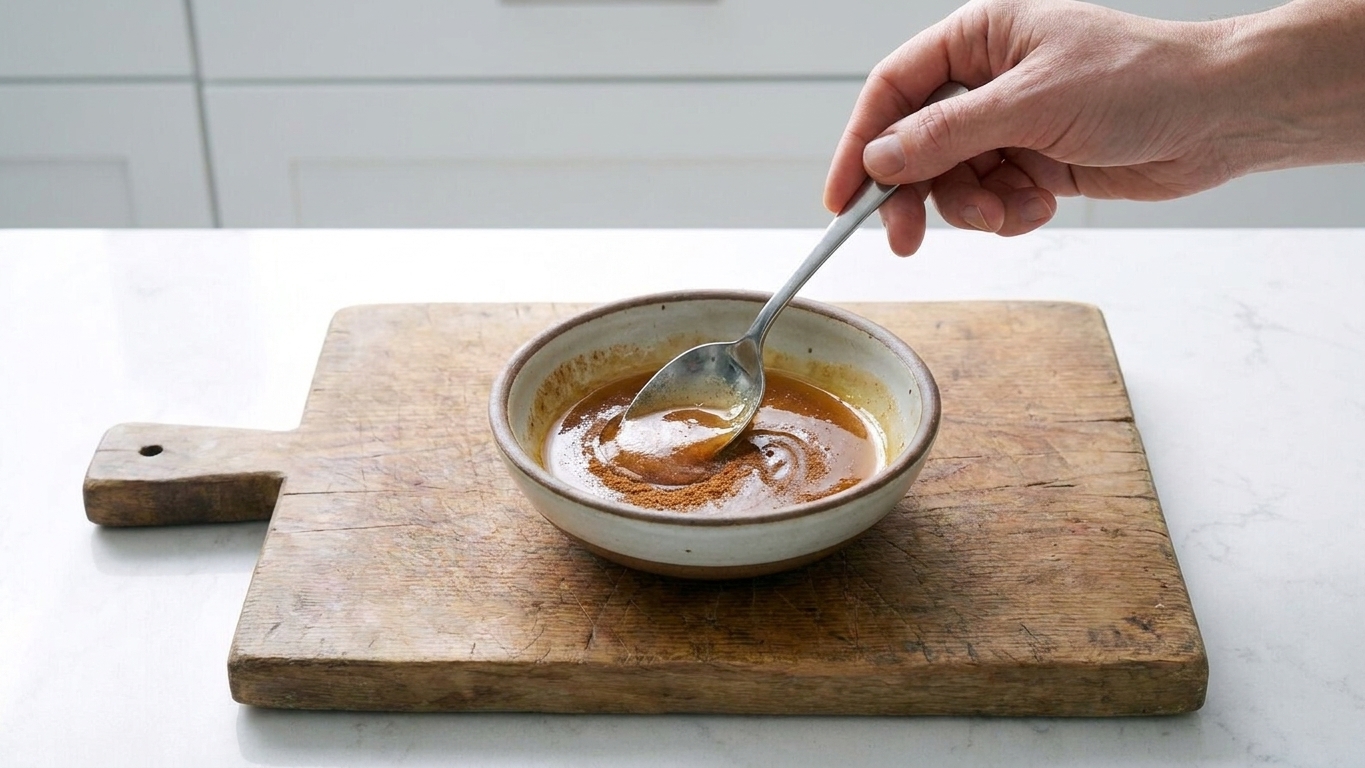
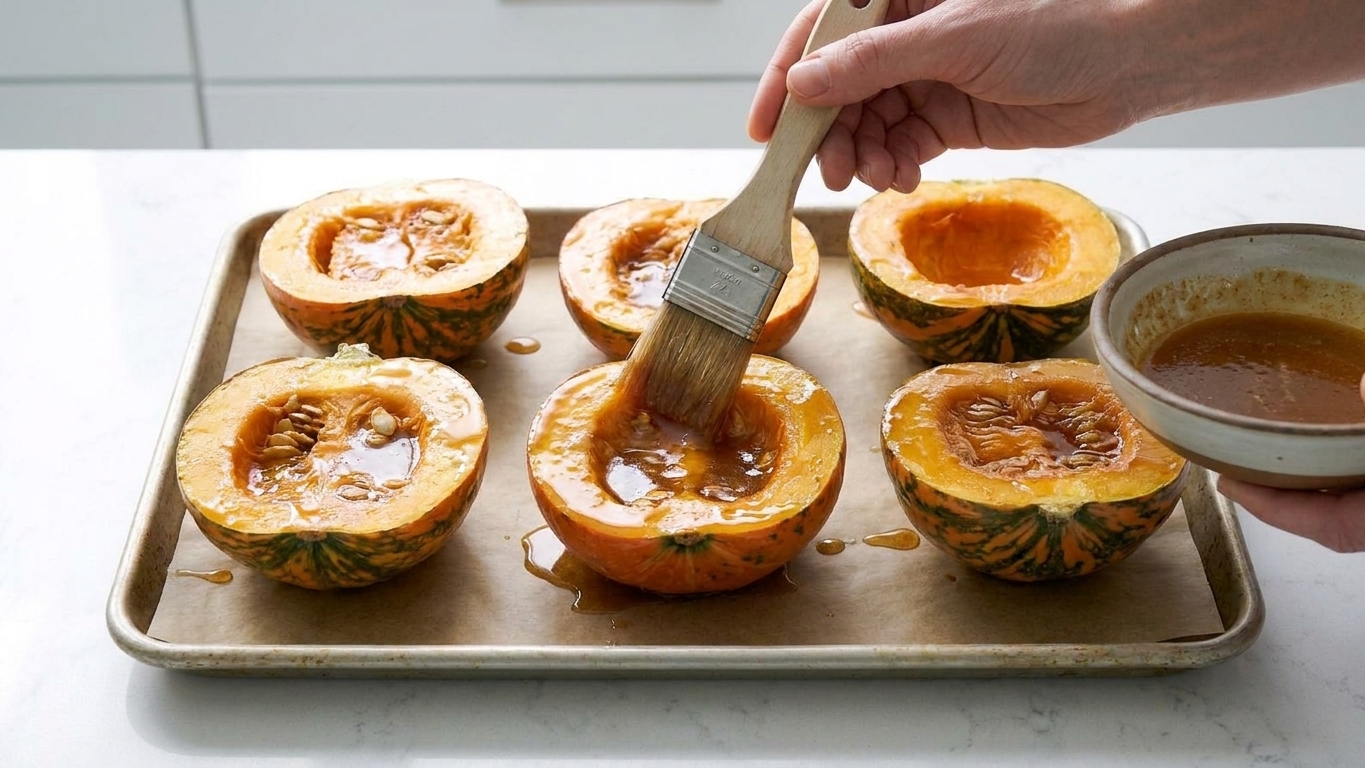
This recipe is my favorite way to treat it: roast it hard enough to get those browned, candy-like edges, then brush on a maple-butter glaze that sinks into the flesh and makes every bite taste richer than it has any right to.

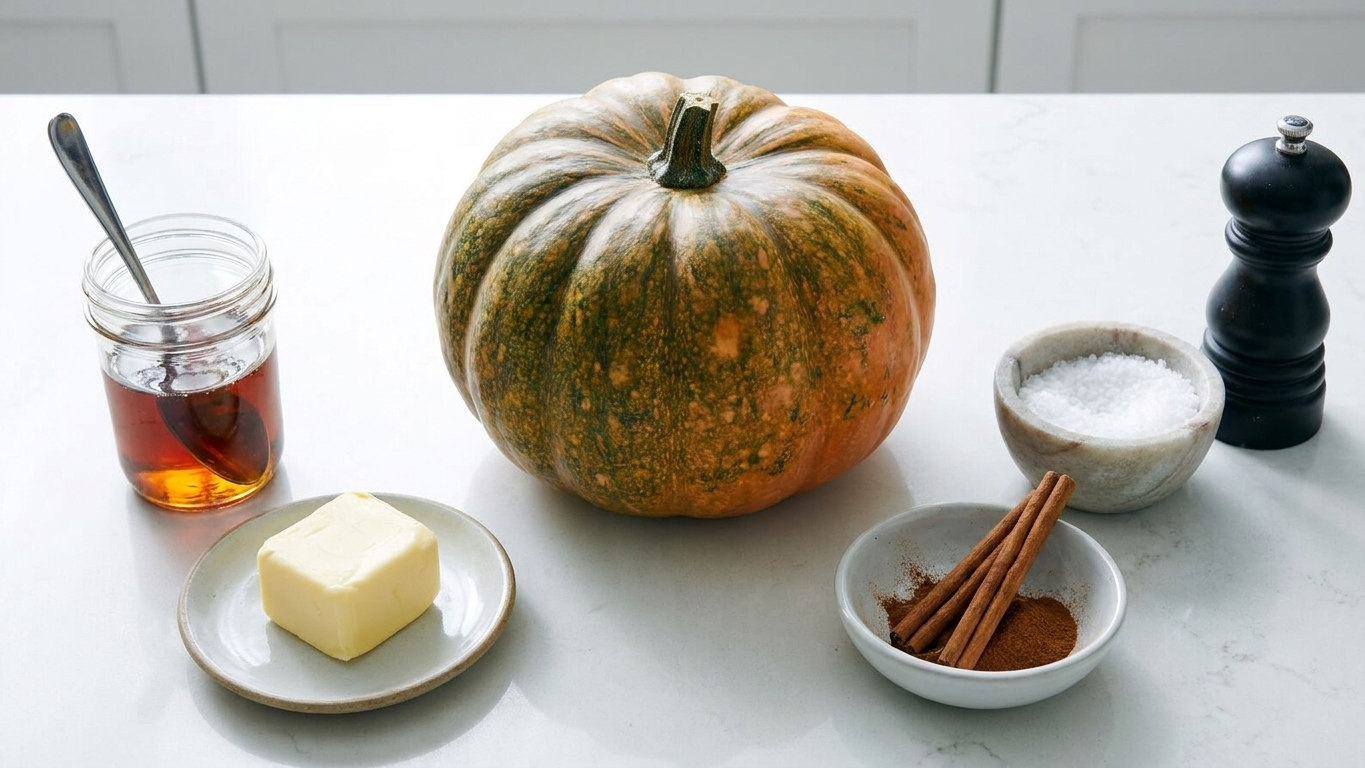
Whole custard squash, maple syrup, butter, cinnamon, salt, and black pepper arranged on a bright kitchen counter

Why It Works

  • Ultra creamy center: Custard squash naturally bakes up smooth, so you get a soft interior without extra work.
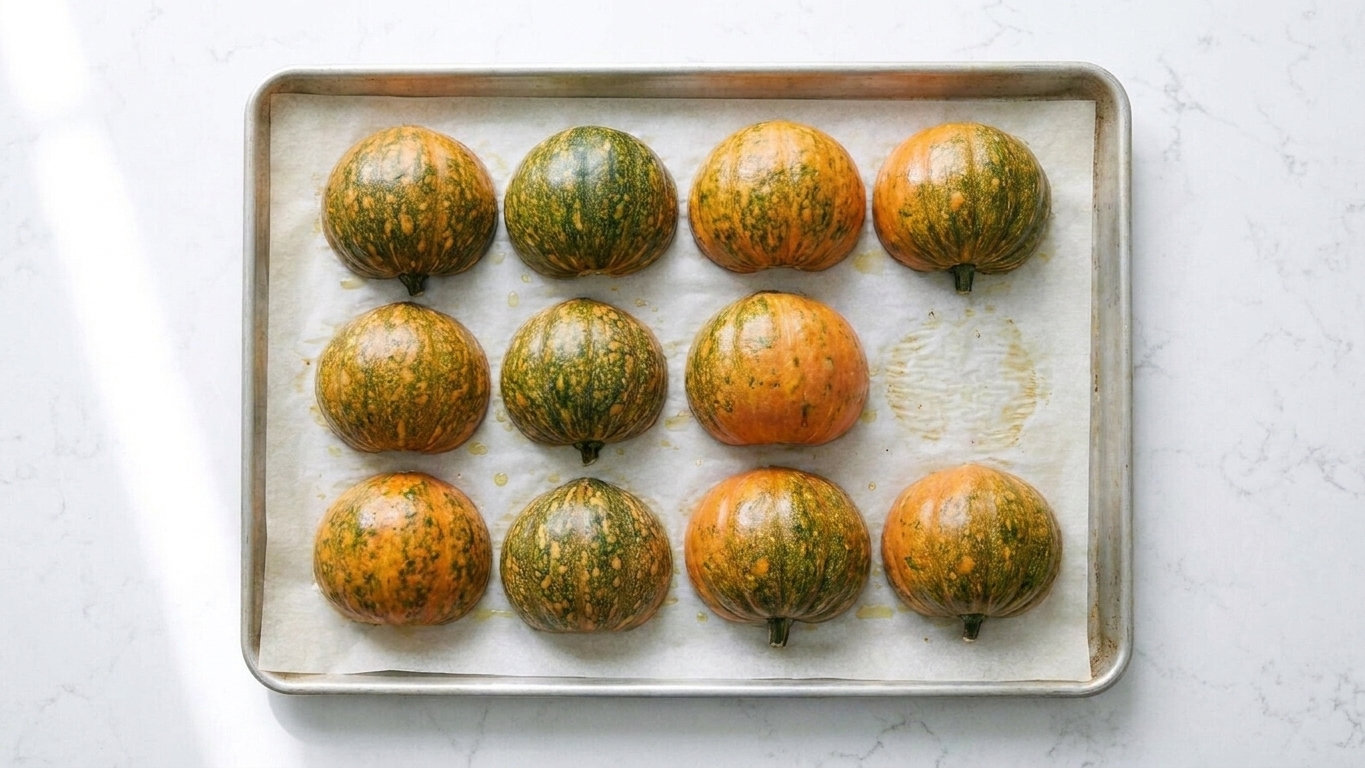
  • Crisp, caramelized edges: Roasting cut-side down first builds color and deep sweetness.
  • Big flavor, small ingredient list: Maple, butter, salt, and warm spice do the heavy lifting.
  • Flexible finish: Keep it sweet and cozy, or go fully savory with spices and browned butter.

Pairs Well With

Storage Tips

Refrigerate

Store cooled leftovers in an airtight container for up to 4 days. If you have halves, scoop the flesh out first so it reheats faster and more evenly.

Reheat

  • Oven (best for edges): 350°F for 10 to 15 minutes, covered loosely with foil.
  • Microwave (fast): 45 to 90 seconds, then add a tiny pat of butter and a pinch of salt to wake it back up.

Freeze

You can freeze the cooked flesh (not the skins) up to 3 months. Thaw overnight in the fridge and reheat gently. It is great stirred into oatmeal, pancake batter, soups, or mashed like sweet potatoes.

Common Questions

What is custard squash, exactly?

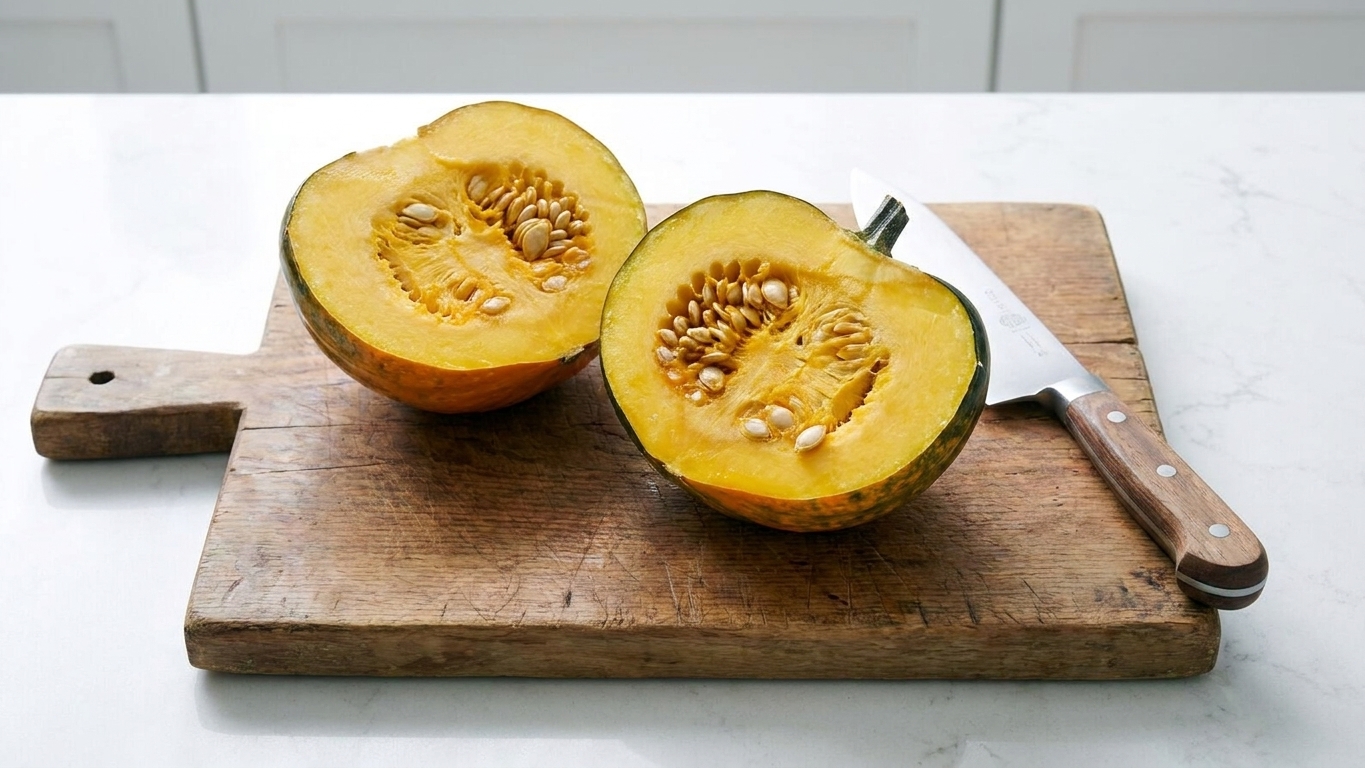
Custard squash is a small, pale winter squash with a naturally sweet flavor and a very smooth interior. Depending on where you shop, it may not always be labeled consistently, so look for a squat, hand-sized squash with creamy off-white skin and a seed cavity similar to acorn squash. When roasted, the flesh turns soft and almost pudding-like, hence the name.

Do I need to peel custard squash?

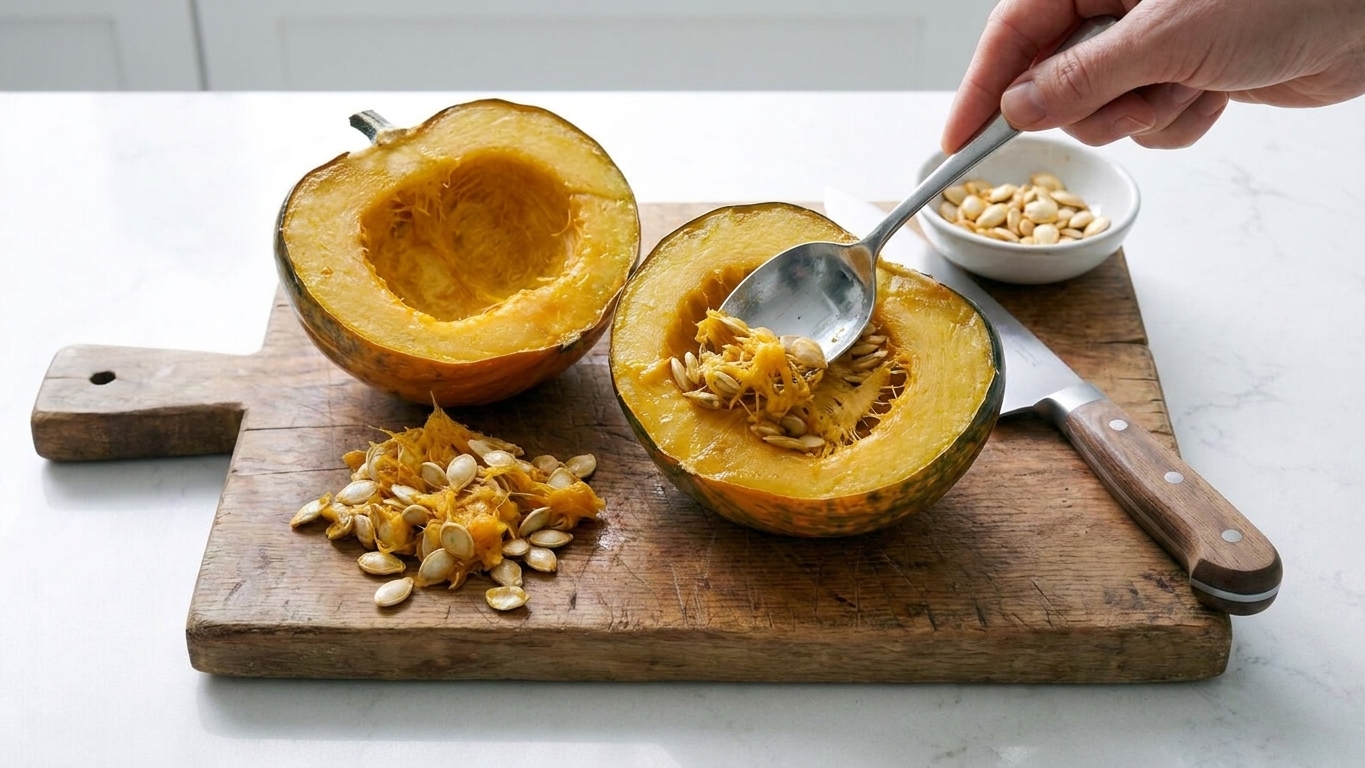
Nope. For roasting halves, the skin acts like a little bowl. Most people scoop the flesh out to eat it. If you cube it, peeling is optional, but the skin can be a bit firm compared to delicata.

How do I know it is done roasting?

The cut side should be deeply golden and a fork should slide into the thickest part with basically no resistance. If it still feels firm, give it another 5 to 10 minutes.

Can I make this savory instead of sweet?

Yes. For truly savory, skip the maple entirely and use browned butter, garlic powder, and a pinch of smoked paprika. Finish with flaky salt and a squeeze of lemon. If you just want a different kind of sweetness, honey works great too.

What can I use instead of custard squash?

Acorn squash is the closest in size and shape. Delicata works too, but it cooks faster. Butternut is great if you cube it, just expect a longer roast time.

How do I choose custard squash?

Pick squash that feel heavy for their size with firm, unbroken skin and no soft spots. A little surface scuffing is fine. If you find them at a farmers market or a well-stocked produce section, grab a couple, they disappear fast once people figure out how good they are.

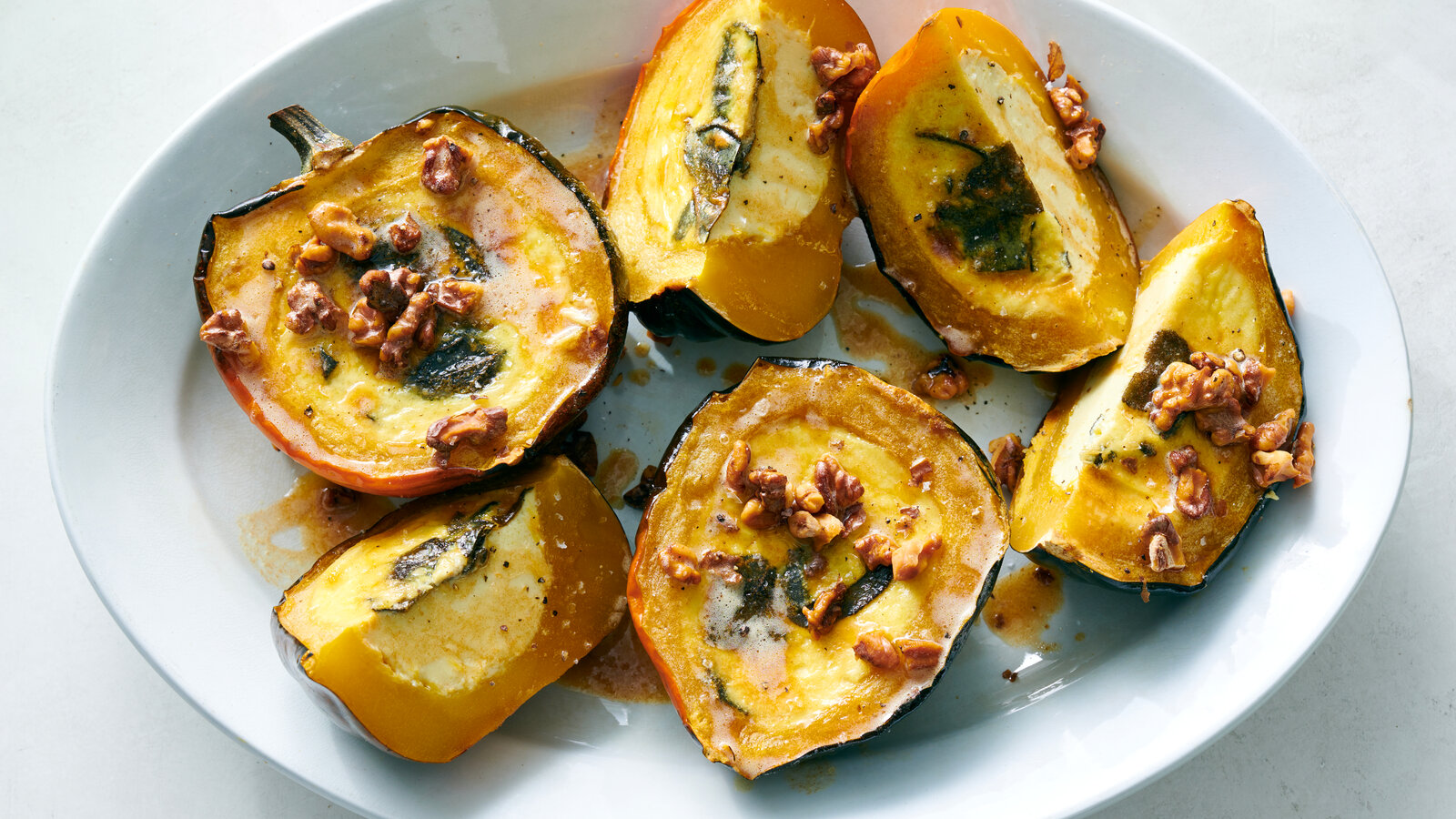
I first cooked custard squash because it was sitting in a bin like it was trying not to make eye contact. No hype, no fan club, just this cute little squash with a name that sounded like dessert. I took it home, roasted it with butter, tasted it straight off the spoon, and immediately got annoyed that it is not more popular.

Now it is my go-to when I want something that feels like comfort food but still tastes bright and intentional. Also, it makes the kitchen smell like cinnamon toast and fall weekends, which is never a bad thing.