Mom's Best Recipes
Recipe

Roasted Kabocha Squash With Miso Maple Butter

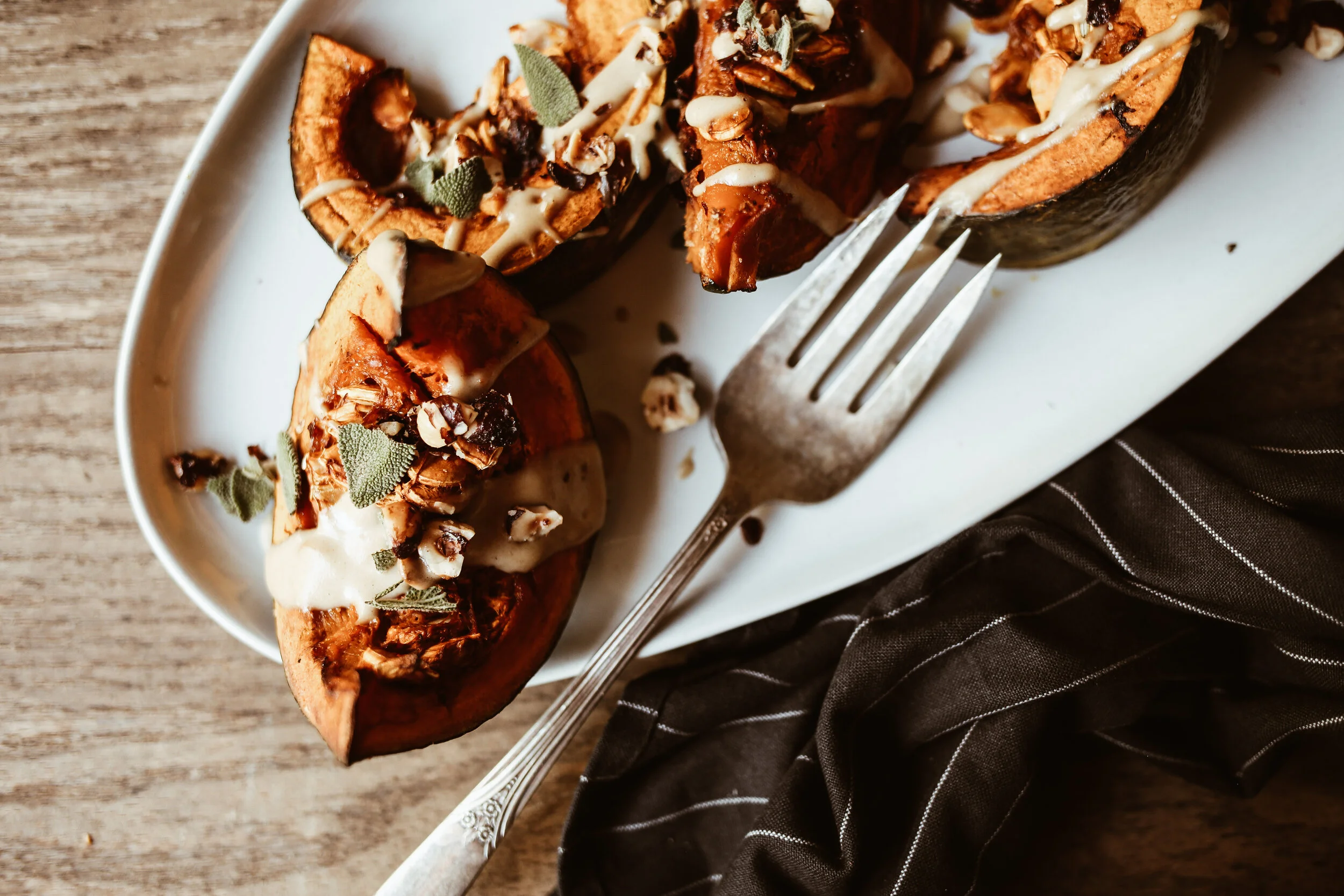
Caramelized kabocha wedges with a salty sweet miso maple butter, sesame crunch, and scallions. Cozy, fast, and wildly snackable.

Author By Matt Campbell
4.8
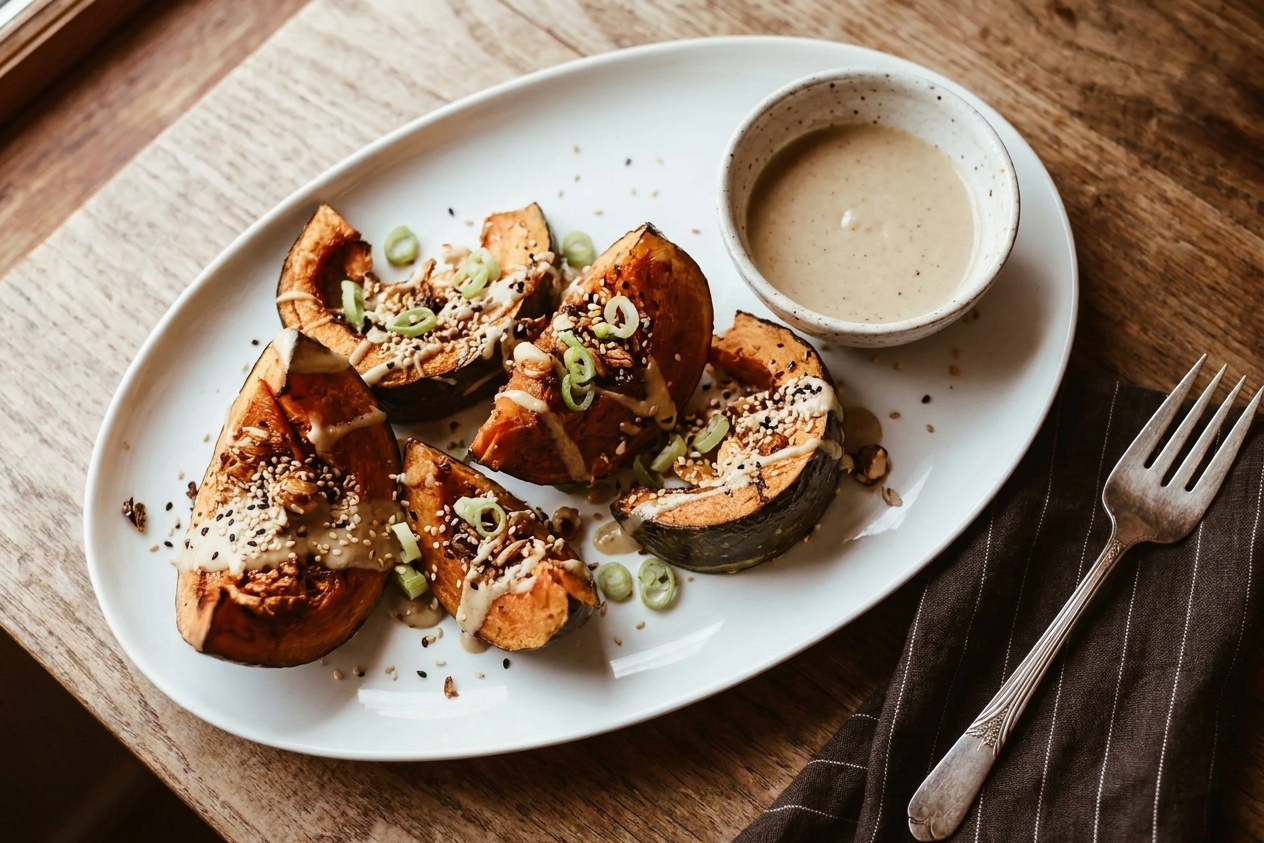
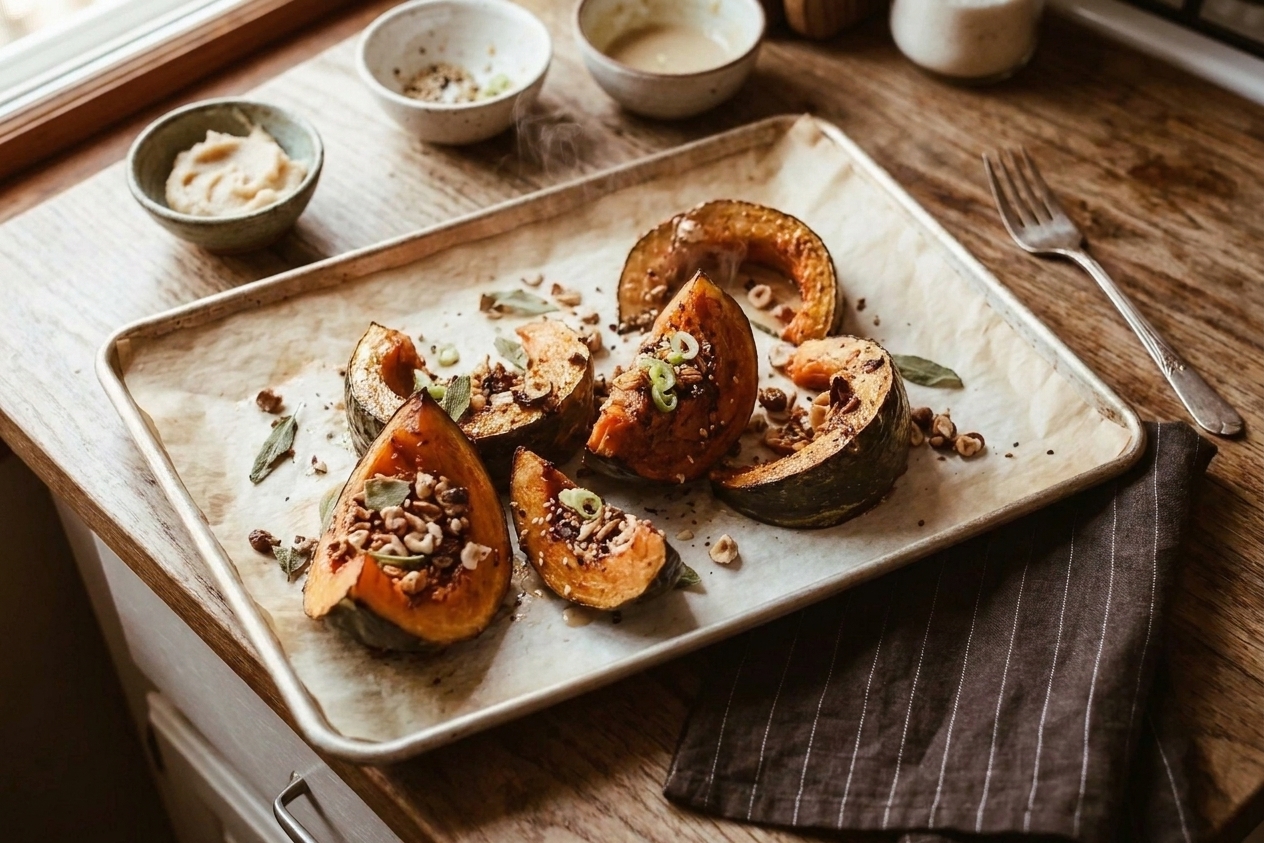
A baking sheet of deeply caramelized roasted kabocha squash wedges brushed with glossy miso maple butter, sprinkled with sesame seeds and sliced scallions, warm kitchen lighting

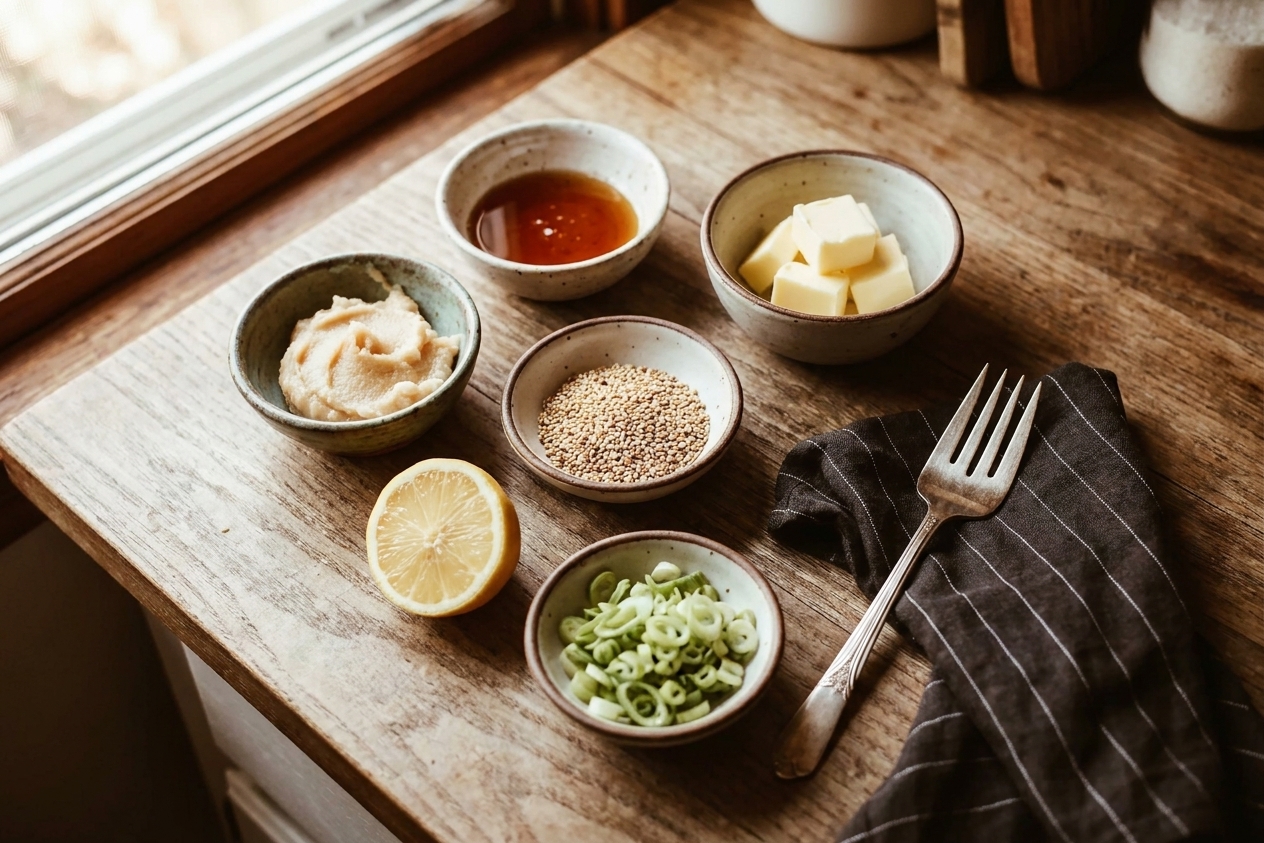
Kabocha is that squat little green squash that looks humble, then you roast it and it turns into candy with crisp edges. The texture is dense and creamy, almost like a sweet potato that finally got itself together. And because I cannot leave well enough alone, we are finishing it with a miso maple butter that hits all the right notes: salty, sweet, roasty, and just glossy enough to make you “accidentally” eat a wedge straight off the pan.

This is the kind of recipe that feels fancy on a plate but behaves like a weeknight side. It is also a quiet meal prep hero. Roast a whole kabocha, keep it in the fridge, and you have instant upgrades for salads, grain bowls, ramen, and breakfast eggs.
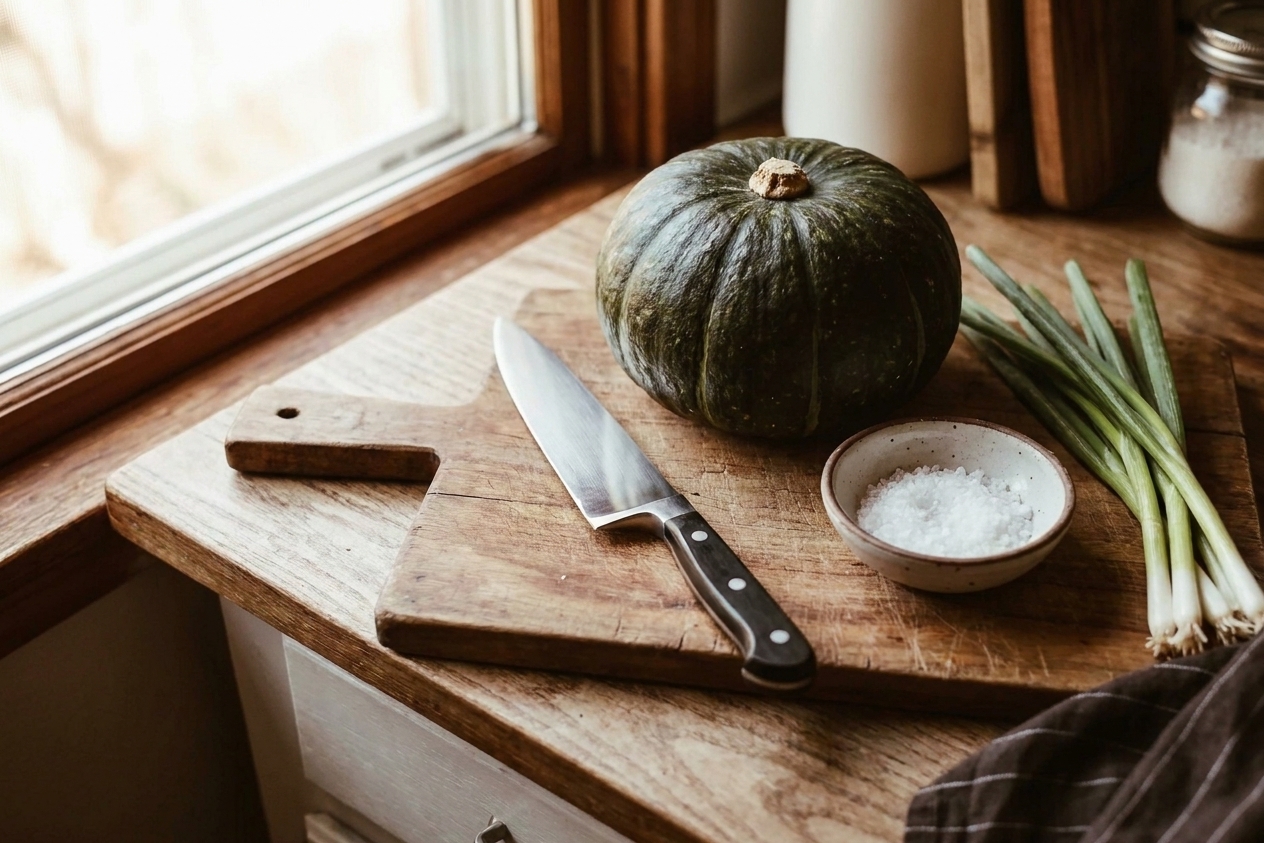
A whole kabocha squash on a wooden cutting board next to a chef's knife, a small bowl of salt, and a few scallions on a bright kitchen counter

Why It Works

  • Big flavor with minimal ingredients: miso brings savory depth, maple brings shine and caramel notes, butter makes it all cling.
  • Crisp edges, creamy center: high heat plus enough space on the pan gives you the best texture contrast.
  • Mostly no peeling required: kabocha skin is usually edible when roasted, and skipping peeling keeps this low-drama.
  • Flexible serving: it works as a side, a vegetarian main over rice, or a snack you “test” five times.
  • Helpful yield note: 1 medium kabocha typically gives about 10 to 14 wedges, depending on size and how you slice it.

Pairs Well With

Storage Tips

How to Store Leftovers

Refrigerate: Store cooled kabocha in an airtight container for up to 4 days. Keep any extra miso maple butter separate if you can. It will firm up as it chills, so warm it gently and drizzle right before serving.

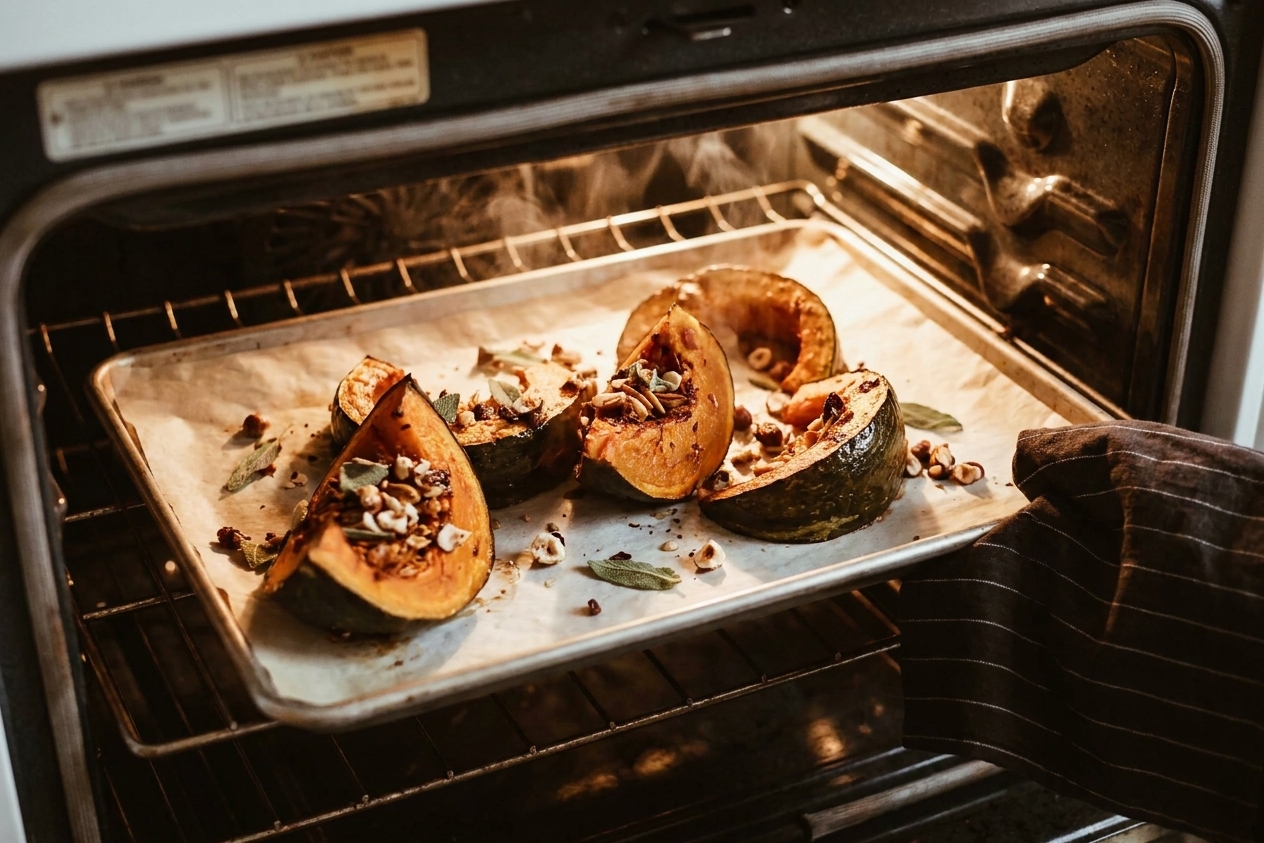
Reheat: For crisp edges, reheat on a sheet pan at 400°F for 8 to 12 minutes. Microwave works for speed, but the edges go soft.

Freeze: You can freeze roasted kabocha for up to 2 months. The texture gets a little softer after thawing, which is perfect for mashing into soup or stirring into rice.

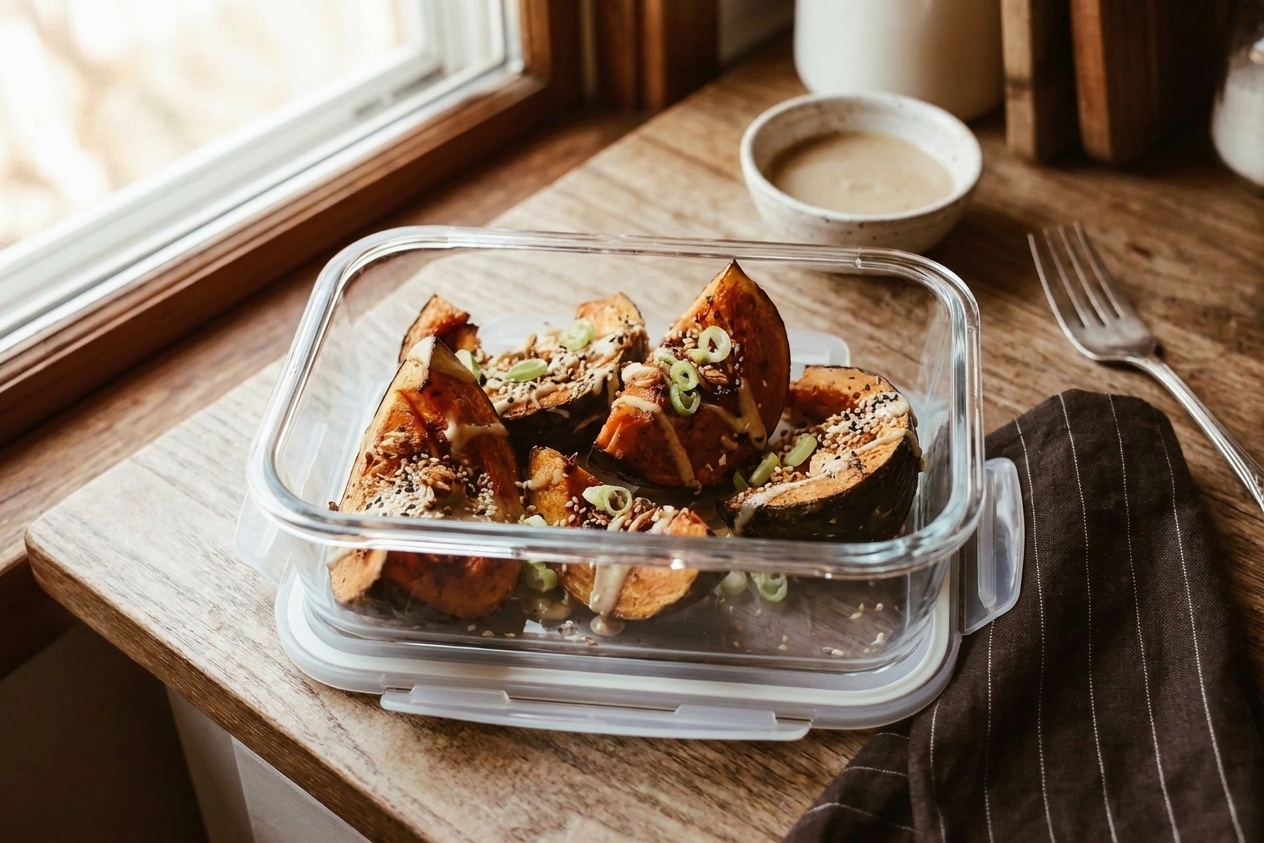
Roasted kabocha squash wedges stored in a clear glass meal prep container with a lid on a kitchen counter

Common Questions

Common Questions

What does kabocha taste like?

Sweet, nutty, and pumpkin-adjacent, but denser and creamier. Think sweet potato meets roasted chestnut.

Do you eat kabocha skin?

Usually, yes. The skin softens as it roasts and becomes totally edible. That said, older squash or certain varieties can have thicker, tougher skin. If yours feels stubborn after roasting, slice the wedges thinner next time, roast a bit longer, or peel the skin off after it cooks.

How do I cut kabocha without risking my fingers?

Two tricks: (1) Microwave the whole squash briefly to soften the skin slightly, then let it cool. (2) Use a heavy chef’s knife and rock it through with controlled pressure. Do not rush it.

Can I make this dairy-free?

Absolutely. Swap the butter for melted coconut oil or a good plant-based butter. You will still get that miso-maple magic.

What miso should I use?

White miso is the most forgiving and slightly sweet. If you use red miso, start smaller because it is saltier and more intense.

Raw kabocha squash cut into thick wedges with seeds removed, arranged on a cutting board with a spoon nearby

The first time I cooked kabocha, I treated it like a decorative pumpkin. I overthought it, babied it, and somehow still ended up with uneven chunks. Then I roasted it again, harder, hotter, with more salt than I thought was polite. Suddenly it clicked. Kabocha wants confidence. It wants space on the pan. And it really, truly wants a finishing sauce that makes it feel like it is wearing a nice jacket out of the oven. This miso maple butter is my go-to jacket.

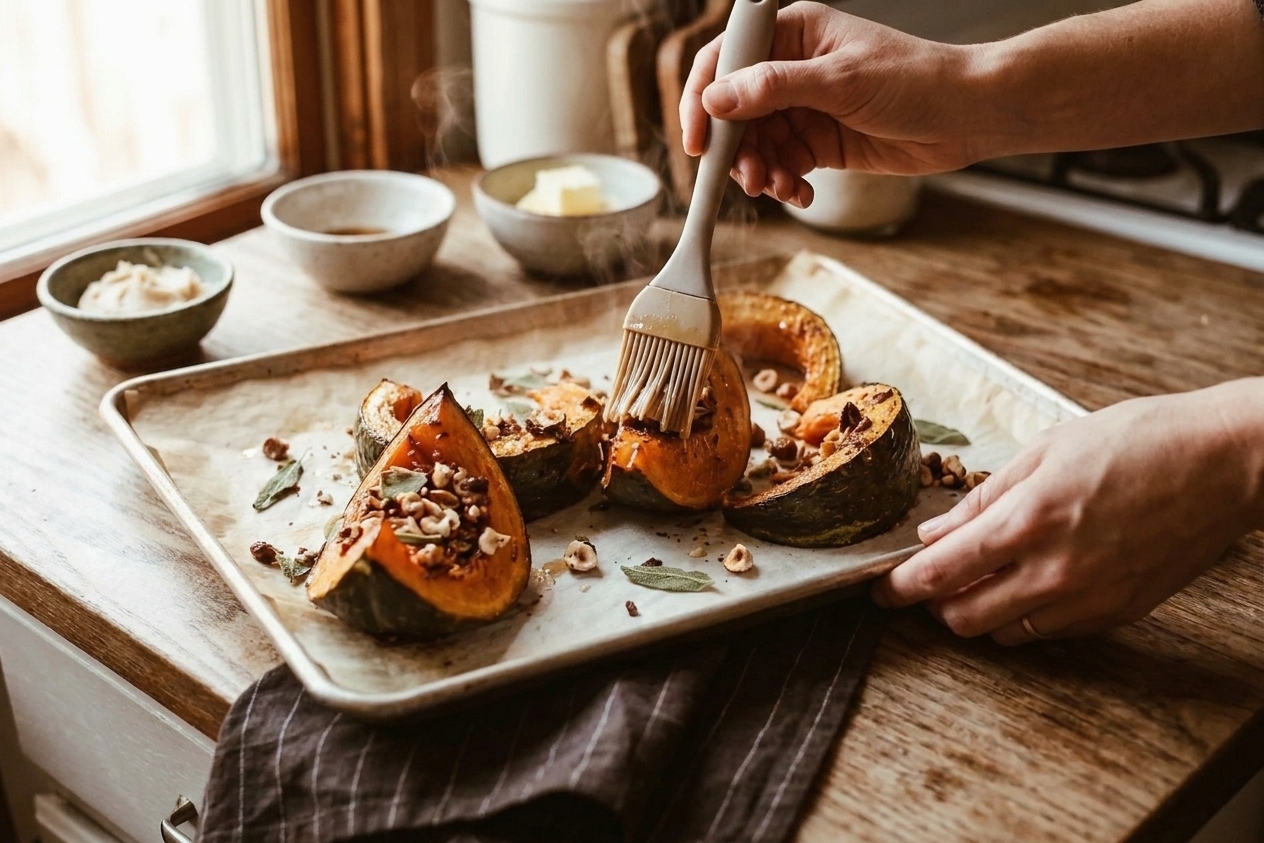
A pair of hands brushing glossy miso maple butter onto hot roasted kabocha squash wedges on a sheet pan in a home kitchen