Mom's Best Recipes
Recipe

BBQ Pulled Pork

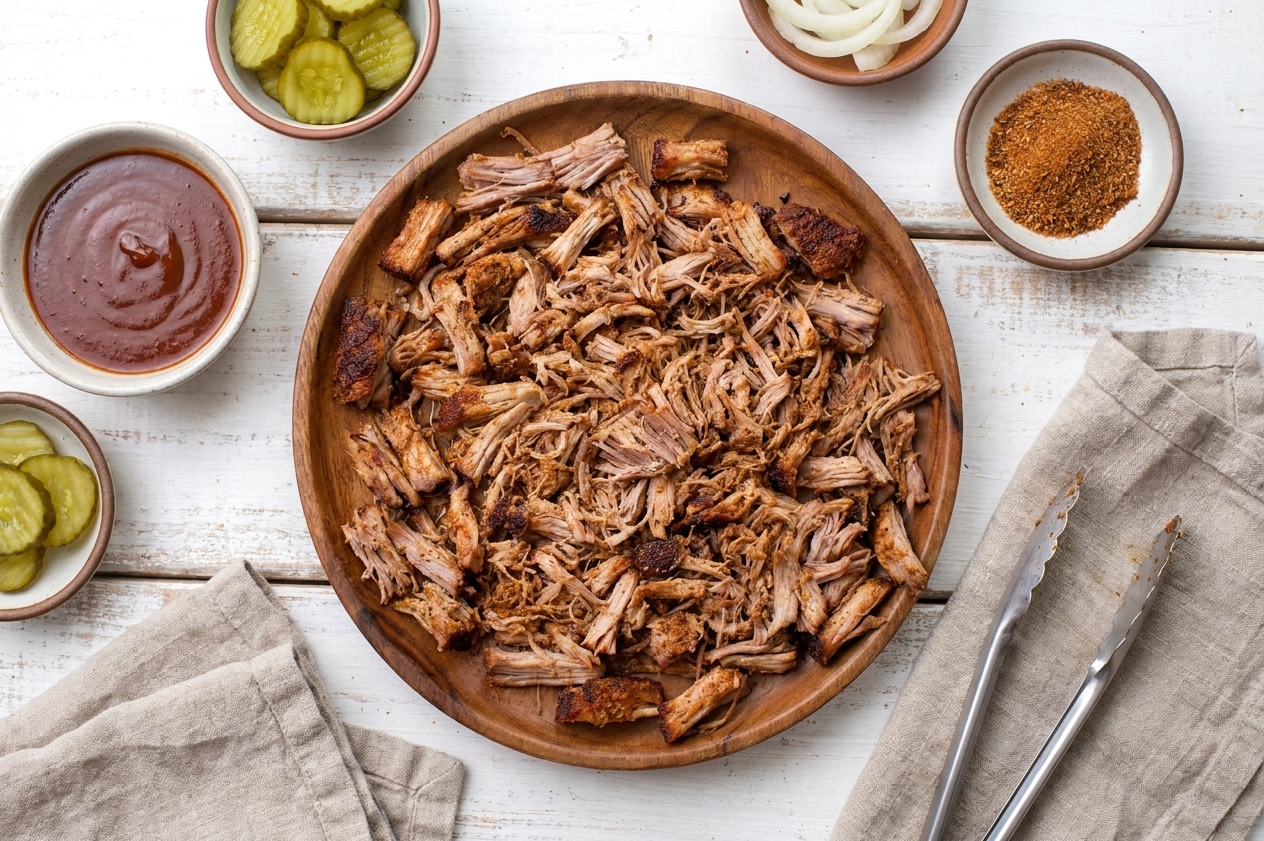
Oven-roasted pork shoulder, shredded and tossed in a tangy, smoky BBQ sauce, then crisped for those irresistible edges.

Author By Matt Campbell
4.8
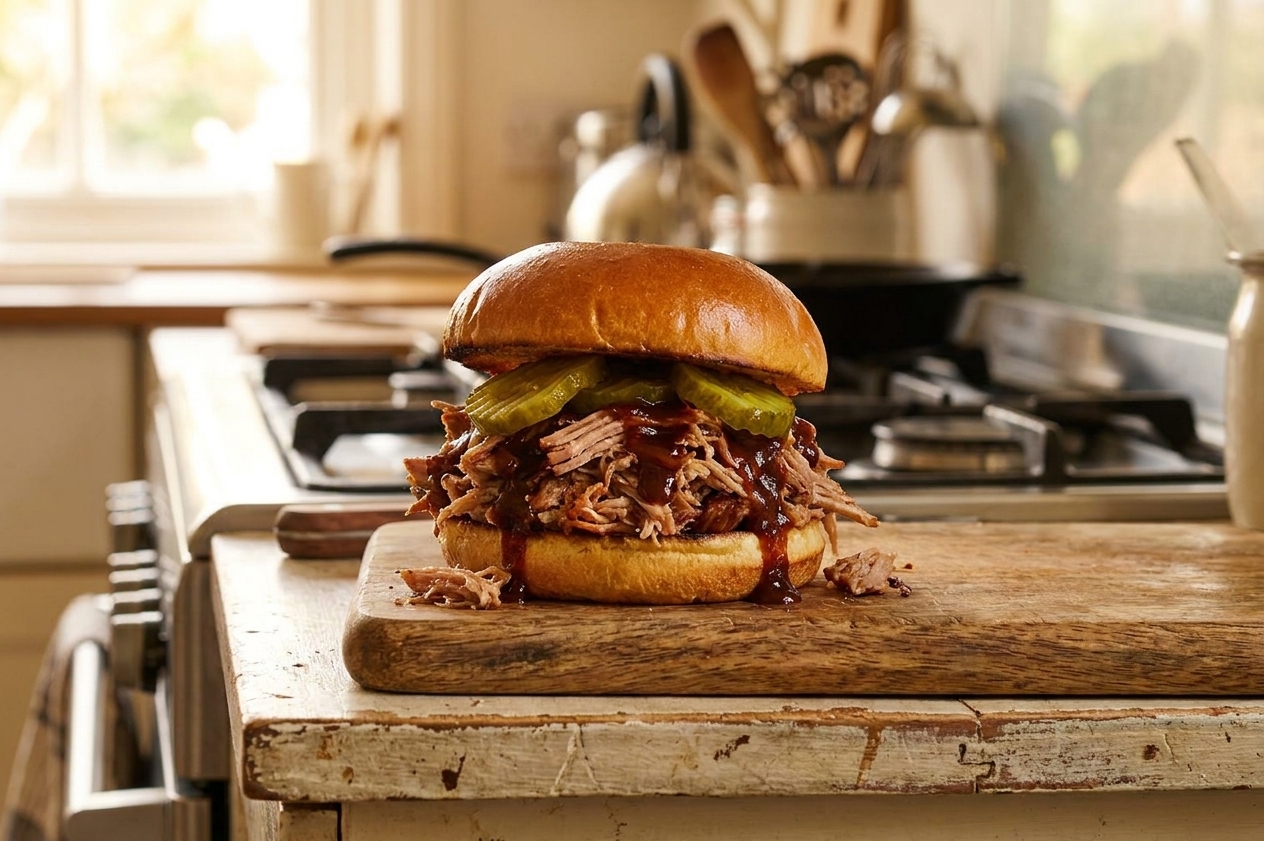
A heaping BBQ pulled pork sandwich on a toasted bun with pickles, served on a wooden cutting board in a warm home kitchen

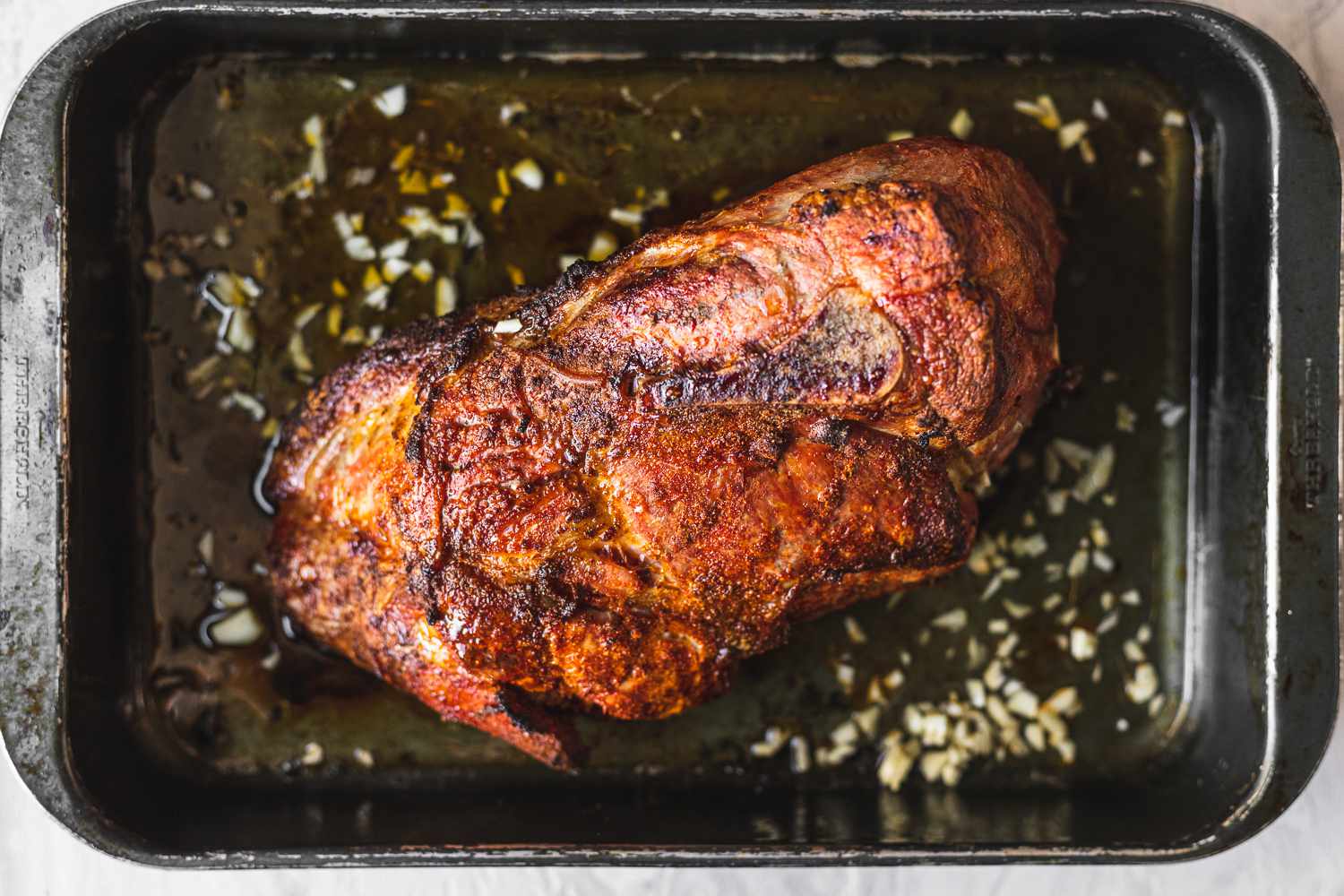
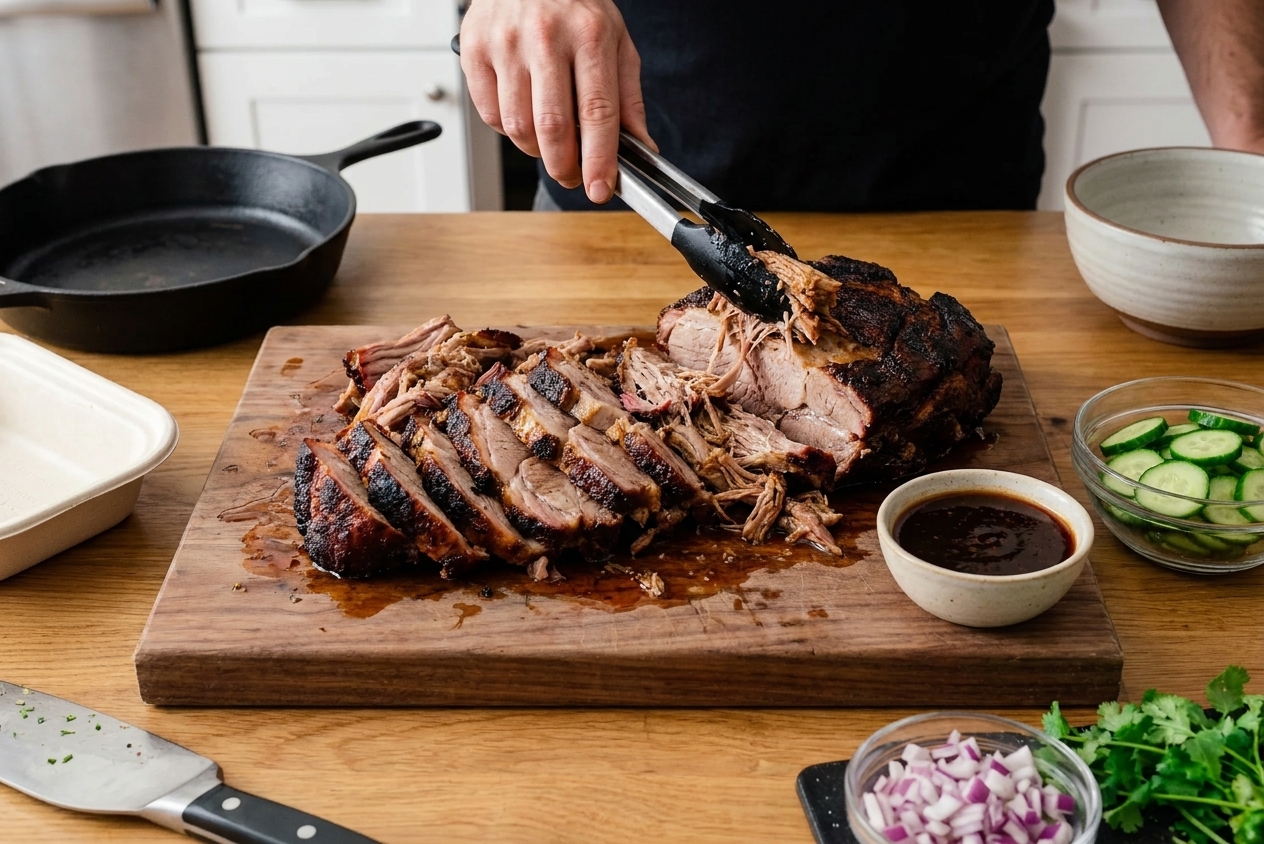
Let’s make the kind of BBQ pulled pork that makes you hover over the pan with a fork “just to taste,” and suddenly half of it is gone. We’re going for fall-apart tender, bright tangy sauce, and crisp edges you only get when you give shredded pork a quick blast of heat at the end.

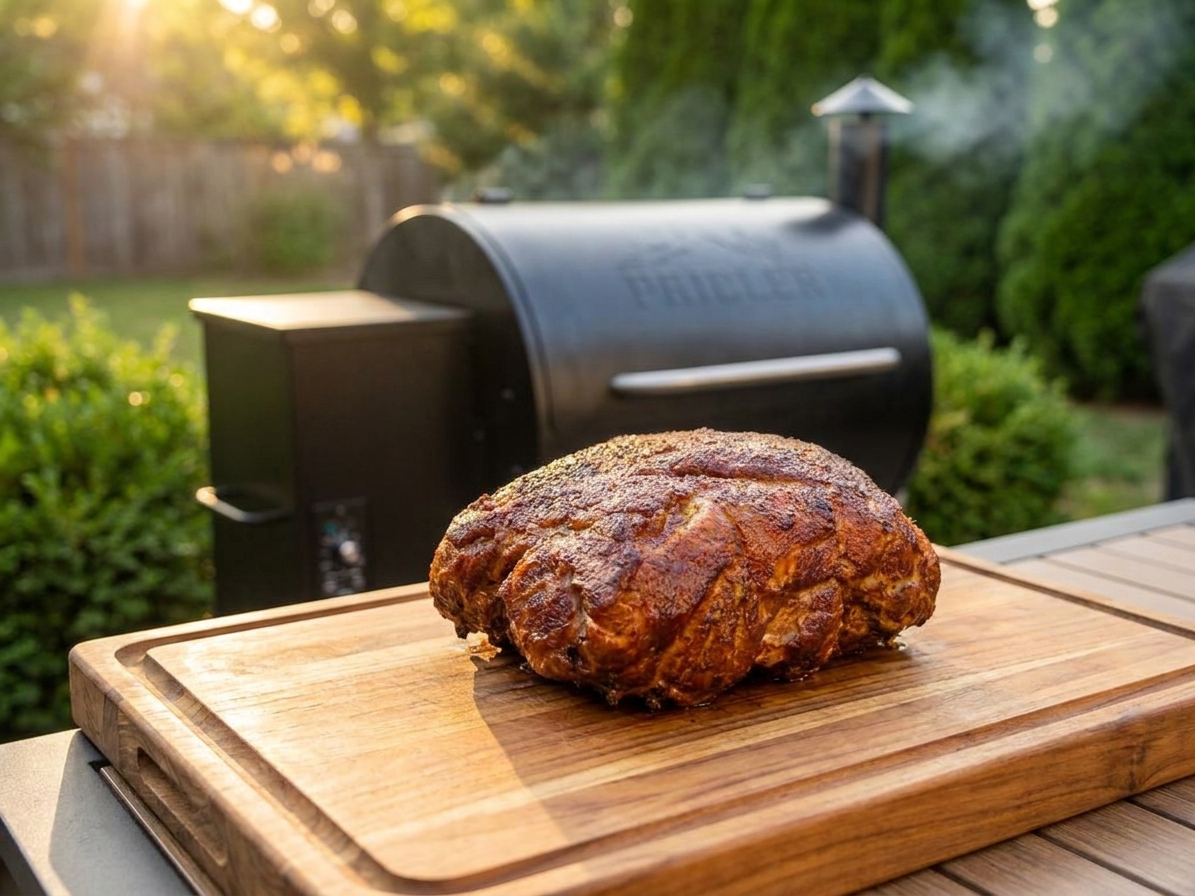
This is an oven method on purpose. No smoker required, no babysitting a fire, no gadgets you only use twice a year. Just a pork shoulder, a spice rub, a splash of liquid, and a sauce that tastes like you tried harder than you did.

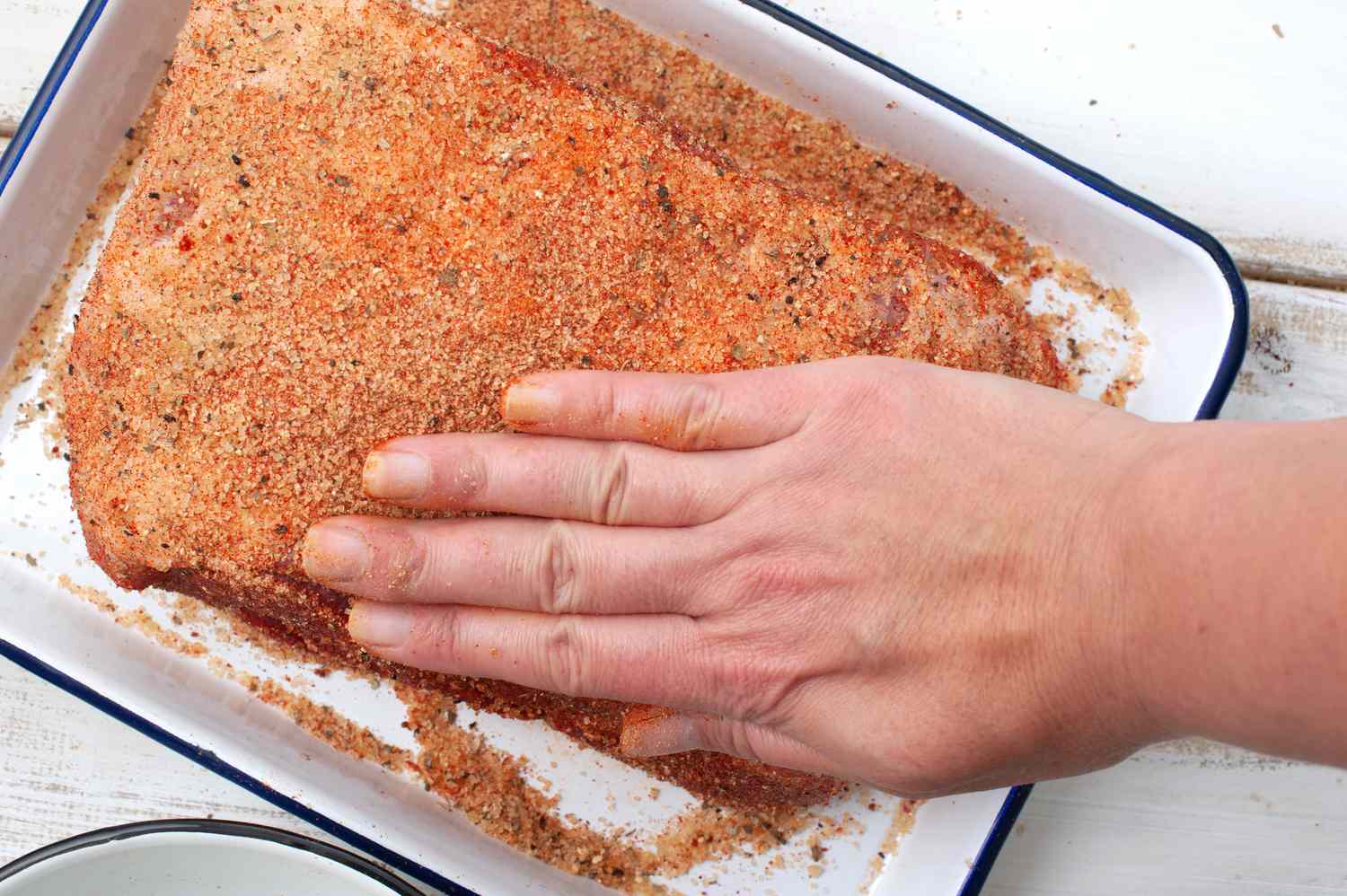
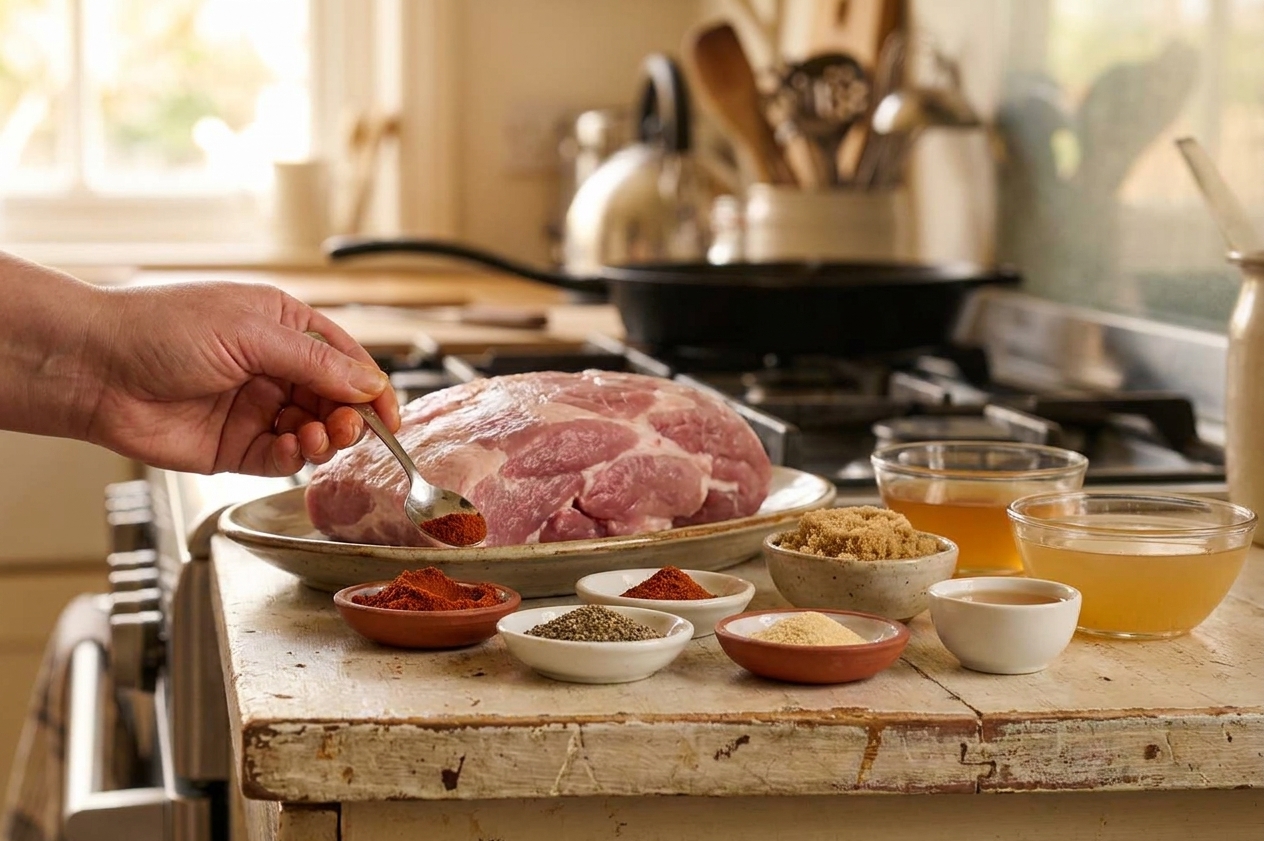
A pork shoulder on a sheet pan being rubbed with a brown sugar and spice mixture on a clean kitchen counter

Why It Works

  • Built-in flavor from the start: A simple rub deeply seasons the exterior, and every bite gets even better once it is tossed with sauce and pan juices.
  • Moist, shreddable texture: Covered braising keeps the meat juicy, then resting locks it in.
  • Sauce that actually tastes alive: Apple cider vinegar, mustard, and a little smoke balance the sweet so it is not one-note.
  • Crisp edges on demand: A quick broil (or hot oven) turns shredded pork into those caramelized bits everyone fights over.

Pairs Well With

Storage Tips

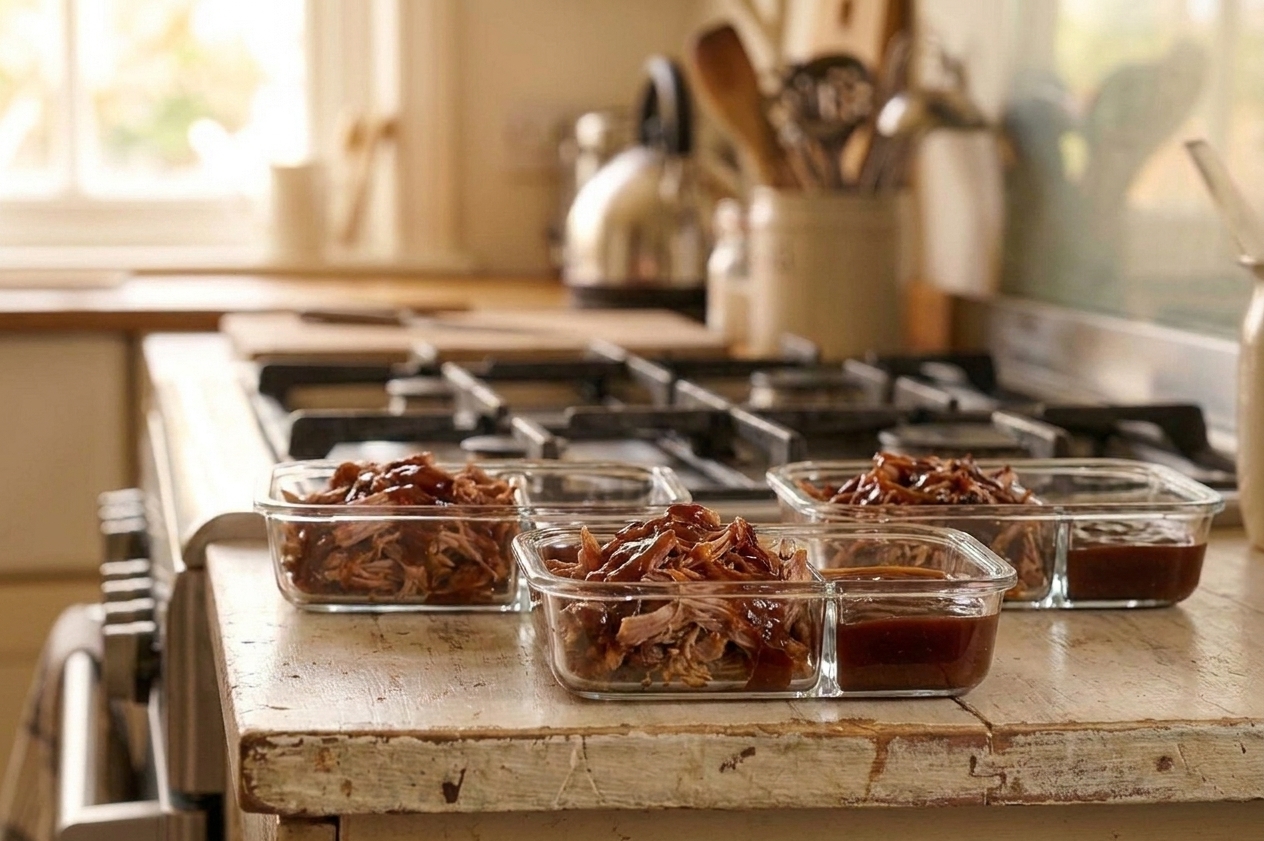
Fridge: Cool pulled pork quickly, then store in an airtight container with a little extra sauce mixed in. It keeps well for 4 days.

Freezer: Portion into freezer bags, press flat, and freeze for up to 3 months. Flattened bags thaw faster and stack neatly.

Reheat (best texture): Warm in a skillet with a splash of water or sauce, then let it sit undisturbed for a minute to re-crisp the edges.

Reheat (easy mode): Microwave covered in short bursts, stirring once, with a spoonful of sauce to keep it juicy.

Portions of BBQ pulled pork in glass meal prep containers with extra sauce on the side on a kitchen counter

Common Questions

What cut of pork is best for pulled pork?

Pork shoulder is the classic. Look for bone-in pork butt or boneless shoulder with good marbling. Lean cuts like pork loin will cook up dry and sliceable, not shreddable.

Do I need to sear the pork first?

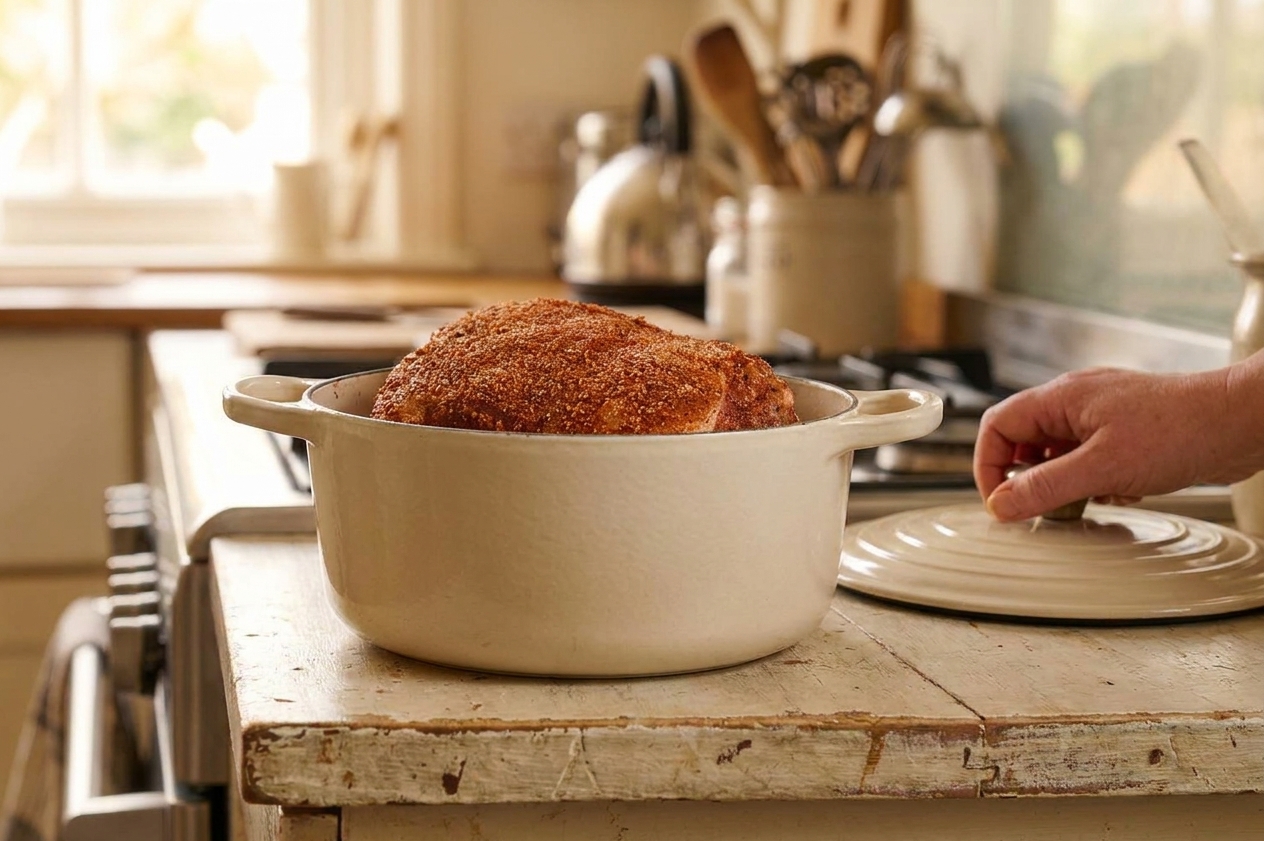
Not required. The long cook plus the finishing crisp step handles a lot of the browning. If you love extra depth, you can sear it in a Dutch oven before covering and roasting, but I would not call it mandatory.

How long does it take in the oven?

For a 4 to 5 lb shoulder at 300°F, plan on about 4 to 6 hours. Thickness, bone-in vs. boneless, and the pan you use can all change the timeline. Go by tenderness and temperature, not the clock.

What internal temperature should pulled pork reach?

For shreddable pulled pork, aim for 195°F to 205°F. The magic is collagen breakdown, not just “safe temp.” If it is stuck at 185°F and feels tight, it needs more time.

Can I make this in a slow cooker?

Yes. Cook on low 8 to 10 hours (or high 5 to 6) until it shreds easily. Then shred, sauce, and crisp under the broiler on a sheet pan for the best texture.

How do I keep it from being too sweet?

Balance is everything. Add more apple cider vinegar or a squeeze of lemon, plus a pinch more salt. Sweetness usually feels louder when the seasoning is under-salted.

What if my sauce tastes flat?

Add one of these in small increments: more vinegar (brightness), mustard (bite), smoked paprika (depth), Worcestershire (savory), or salt (the volume knob).

I love food that feels like you planned ahead even if you did not. Pulled pork is my favorite kind of kitchen magic trick because it asks for a little patience, then pays you back all week. I started making it when I realized my “future restaurant” brain and my “I need dinner and I am tired” brain can actually coexist. Make one big pork shoulder, and suddenly you have sandwiches, tacos, rice bowls, and midnight forkfuls straight from the container. No shame. That is quality control.