What kind of beer is best for beer batter?
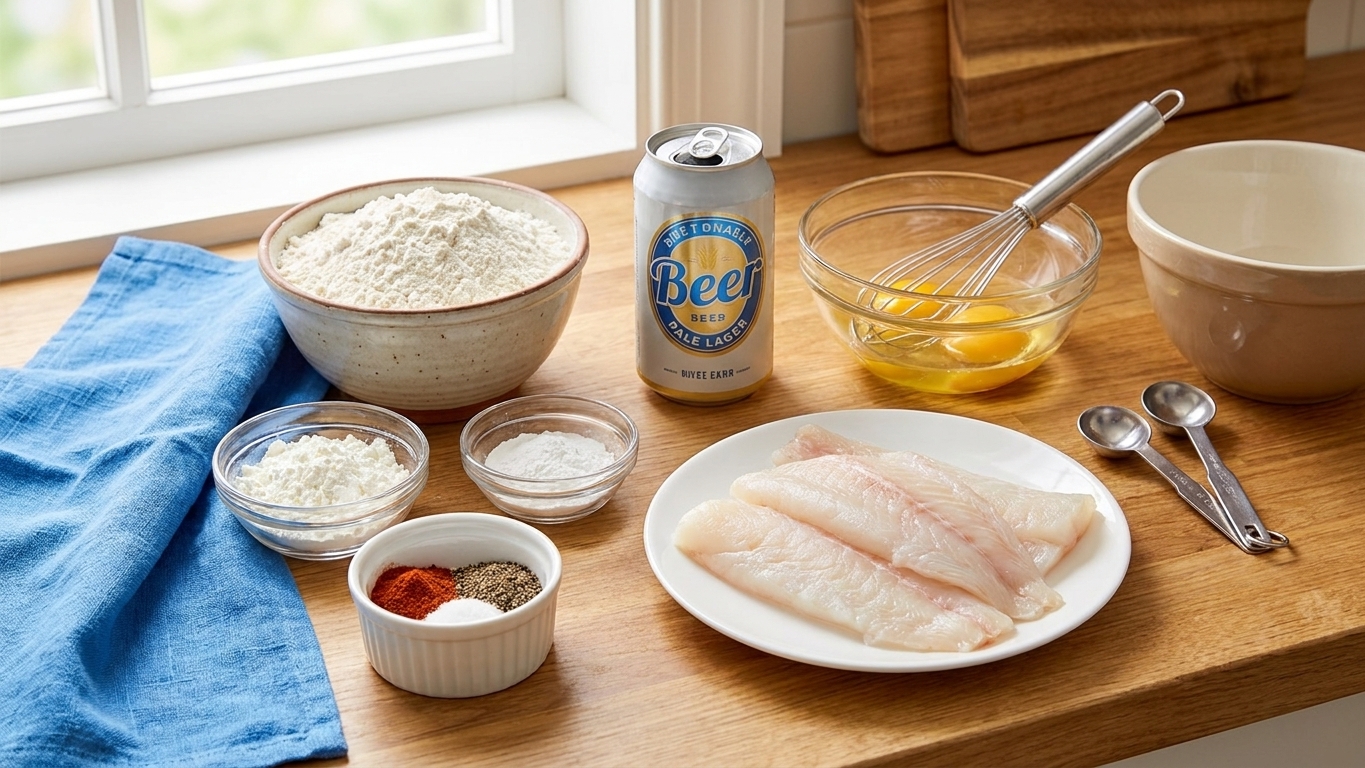
Go for something light and crisp like a lager, pilsner, or blonde ale. Dark beers can work, but they can make the coating heavier and add roasted bitterness. The most important part is that the beer is cold.
Can I make the batter ahead of time?
I would not. Once the beer hits the dry ingredients, the batter starts changing. Mix it right before frying for the lightest texture. You can pre-mix the dry ingredients and keep them in a bowl, then add beer and egg when you are ready.
Why is my batter sliding off the fish?
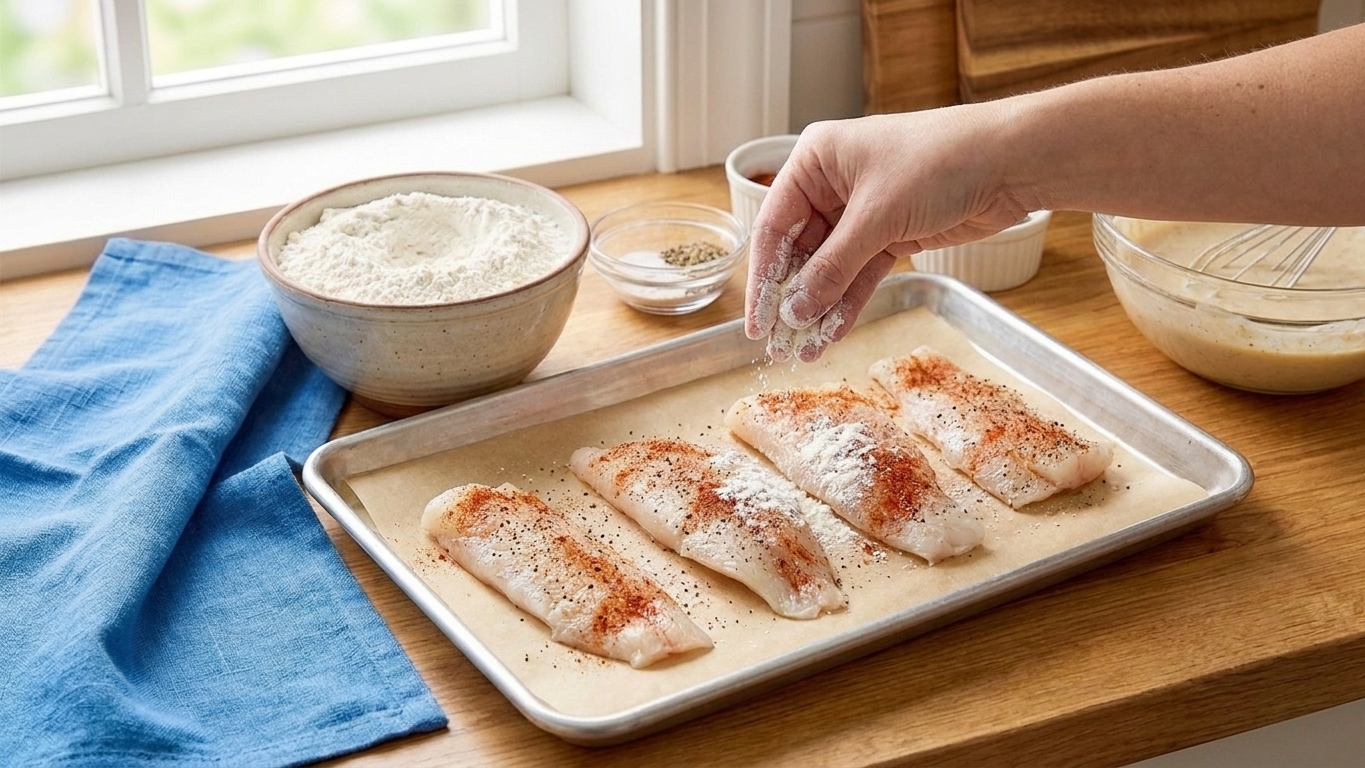
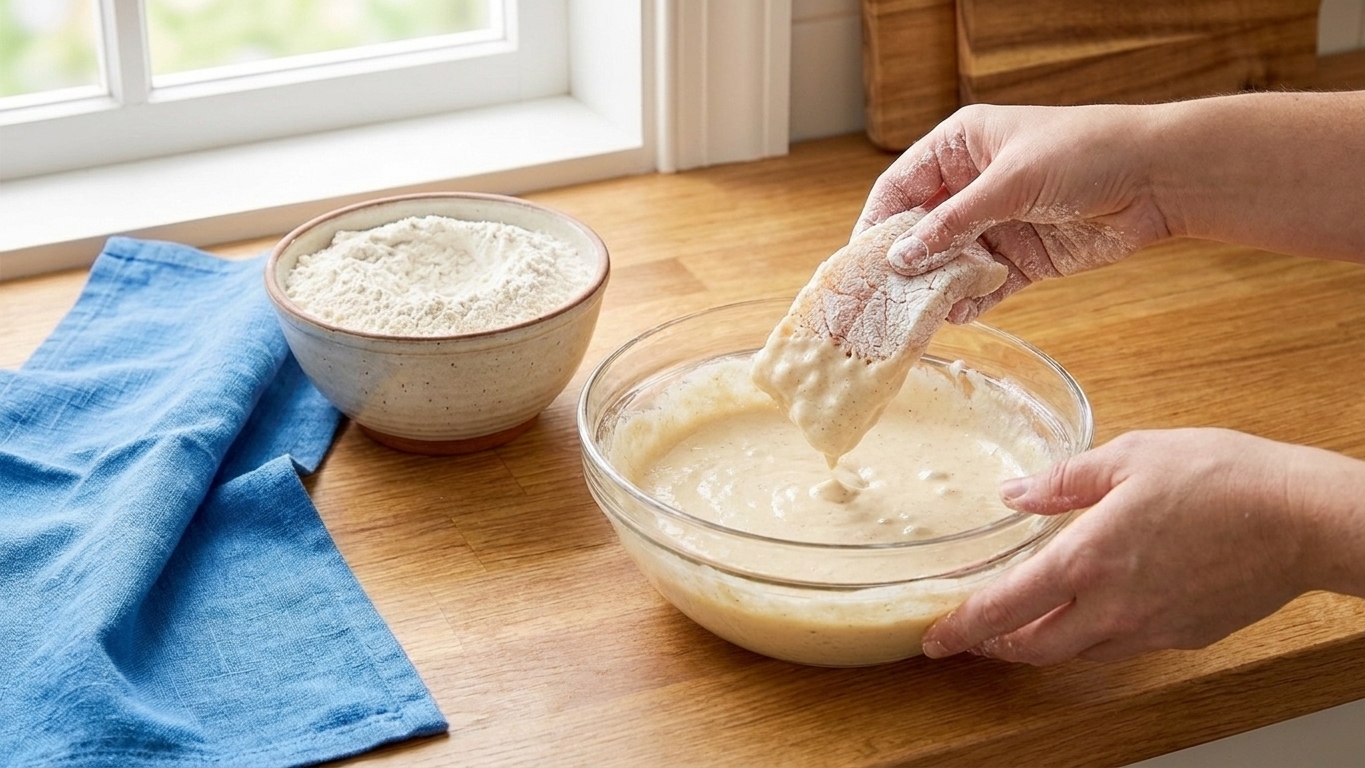
Usually one of three things: the fish is wet, the oil is not hot enough, or you skipped the quick dusting step. Pat the fish very dry, dust with flour, then dip in batter, then go straight into the oil.
What oil temperature should I aim for?
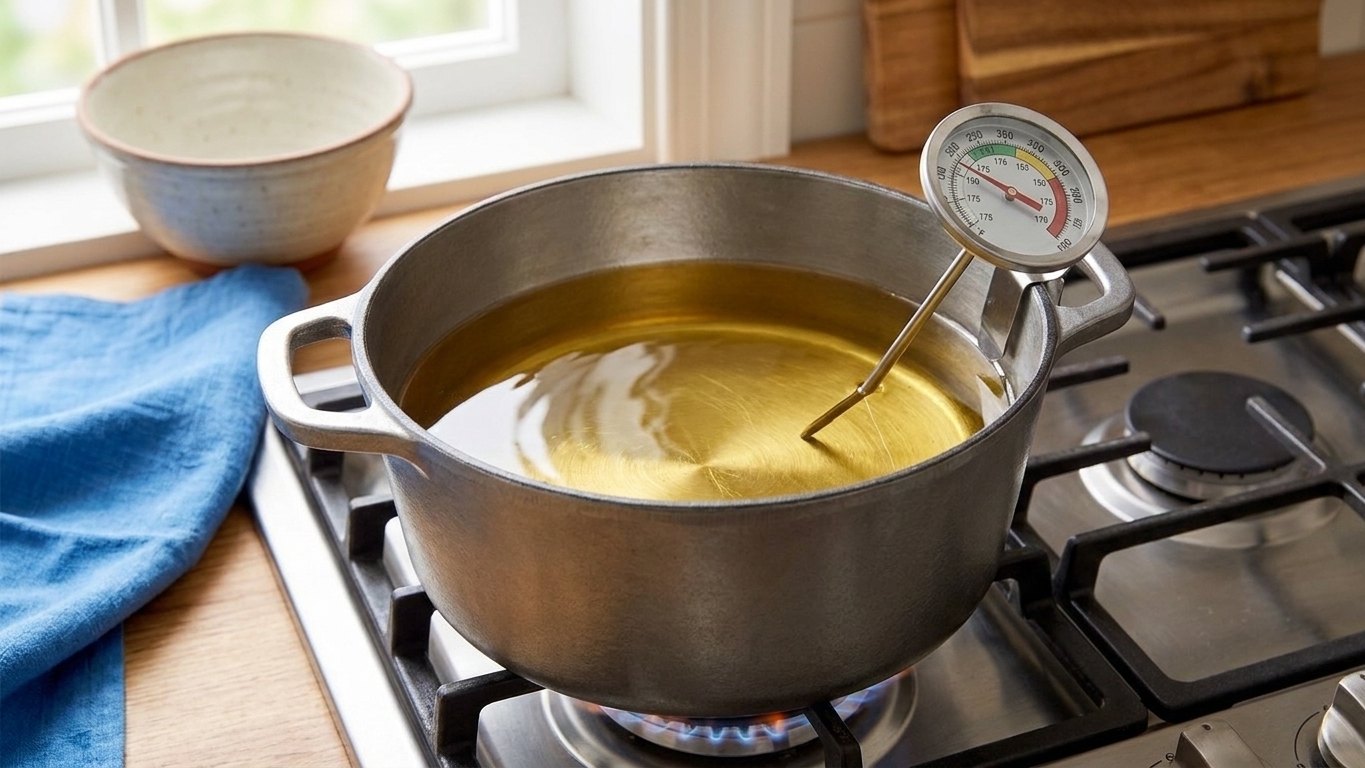
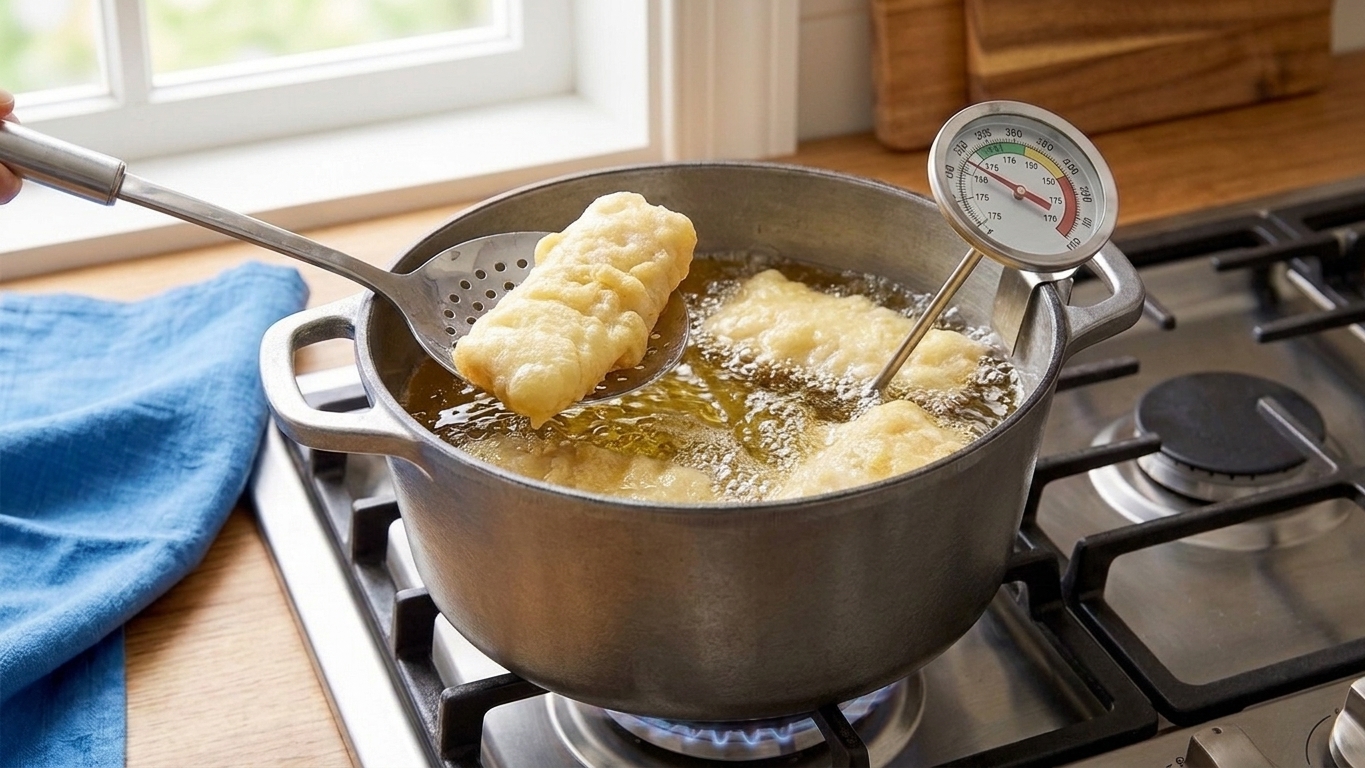
350°F to 365°F. If you hang out in the low 340s for too long, the batter can soak up oil and go heavy. Let the oil recover between batches.
How do I know the fish is done?
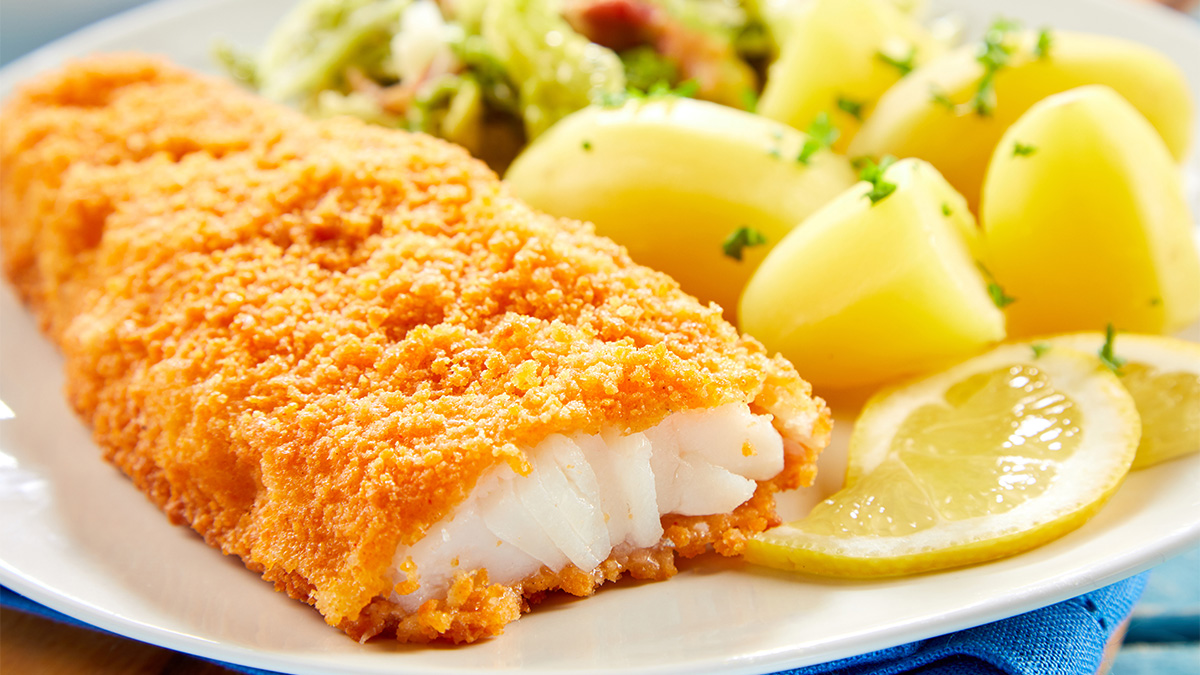
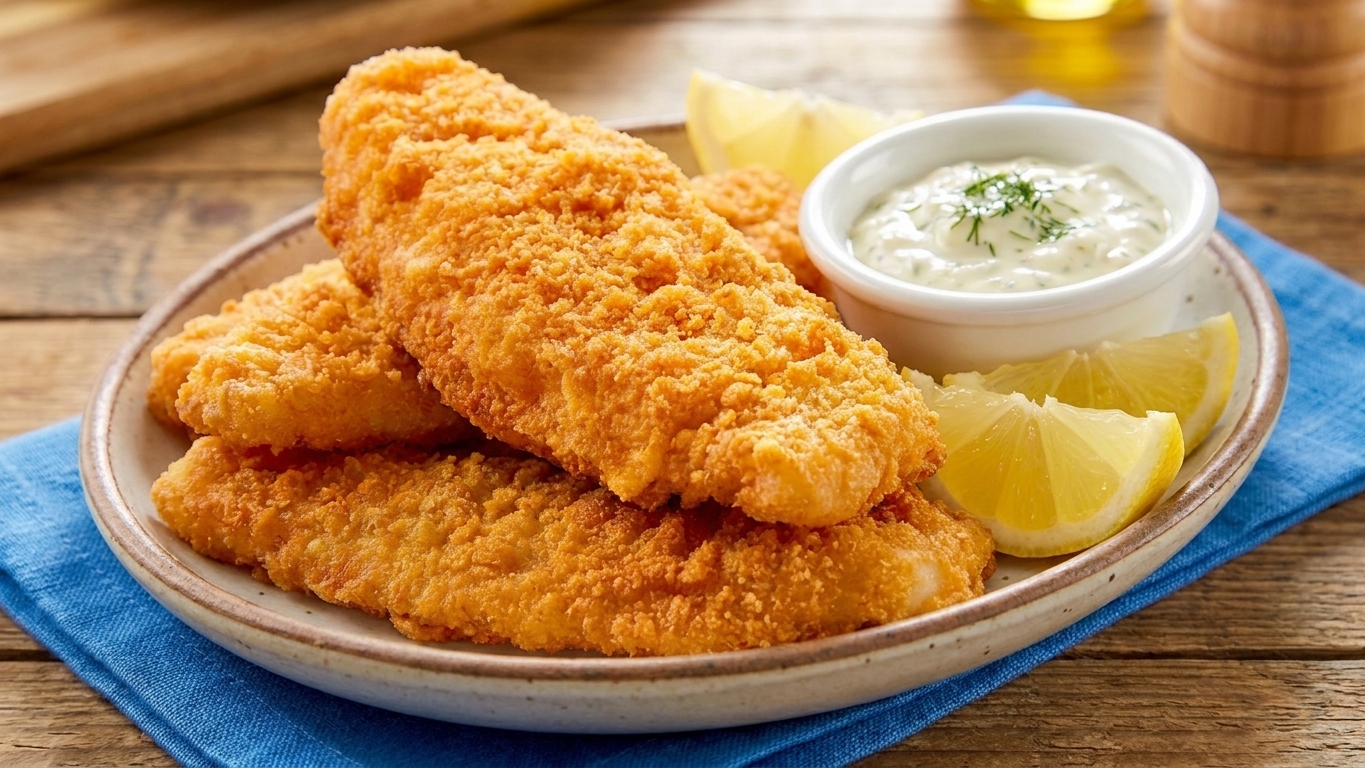
You are looking for deep golden batter and fish that flakes easily. If you want the no-guesswork version, the thickest part should hit 145°F on an instant-read thermometer.
Can I bake beer battered fish instead of frying?
Beer batter is designed for frying, so baking will not give the same shatter-crisp crust. If you need an oven version, use a breaded coating instead. If you still want to try, place battered fish on a greased wire rack, spray generously with oil, and bake hot, but expect a softer finish.
What fish works best?
Cod is classic, but haddock, pollock, and halibut are great too. Aim for thicker fillets that hold up to frying. If you can, shoot for pieces about 1 inch thick so cook time is predictable.