Mom's Best Recipes
Recipe

Beer Can Chicken

Crispy skin, juicy meat, and a simple spice rub. Make it on the grill or in the oven with easy, practical steps that keep the chicken stable and flavorful.

Author By Matt Campbell
4.8
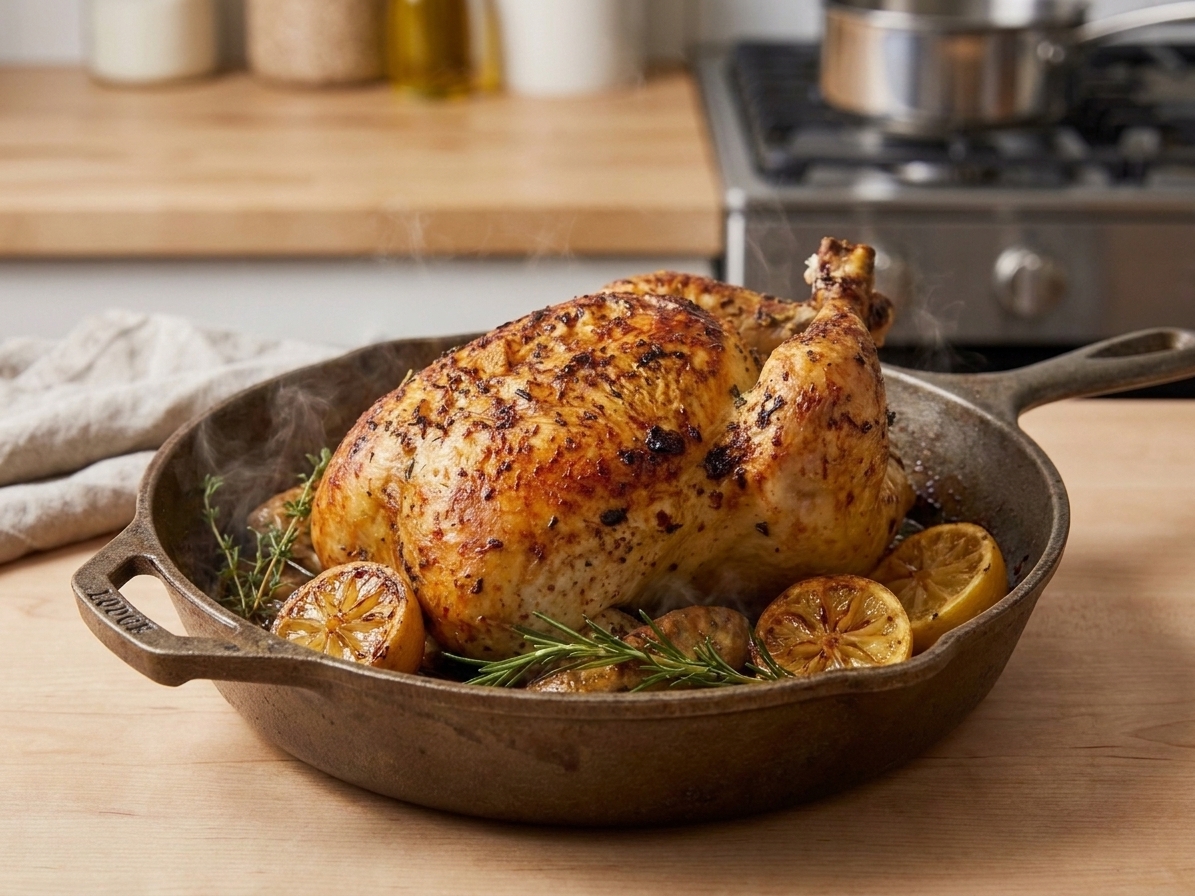
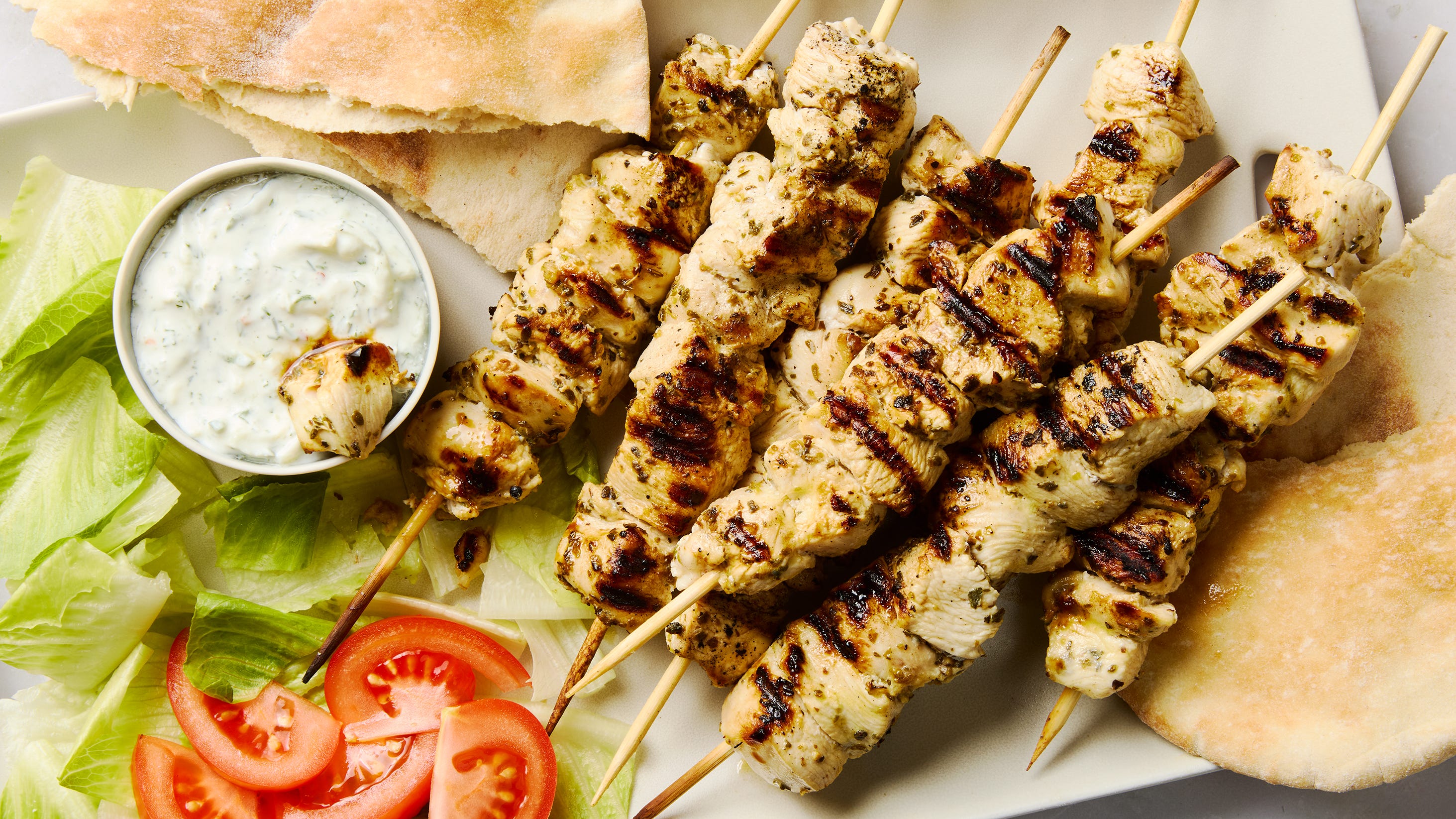
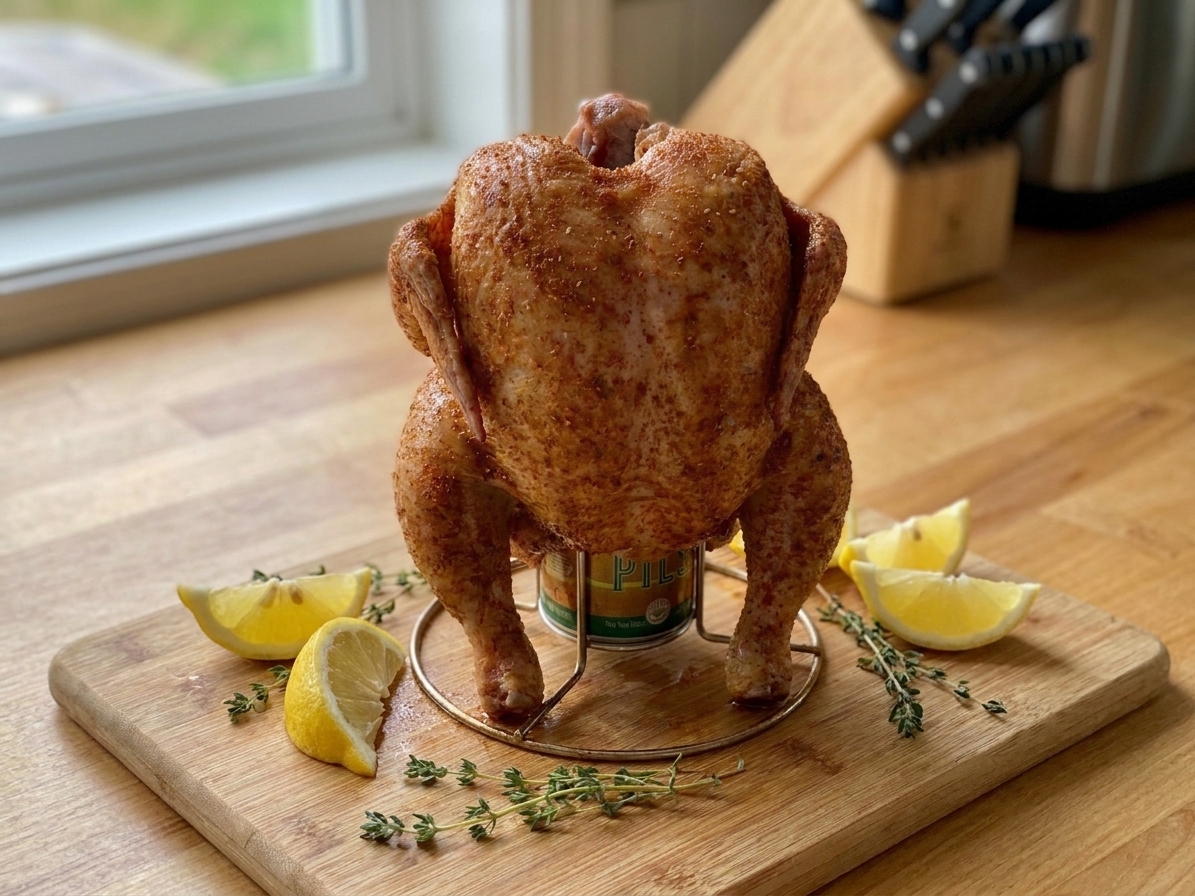
A whole chicken standing upright on a beer can chicken stand on a backyard grill, skin deeply golden and crisp

Beer can chicken is one of those recipes that feels like a party trick, but it earns its keep. You get even cooking, juicy breast meat, and crisp, seasoned skin without hovering over a pan the whole time. And yes, you can absolutely do it in the oven if the weather is doing the most.

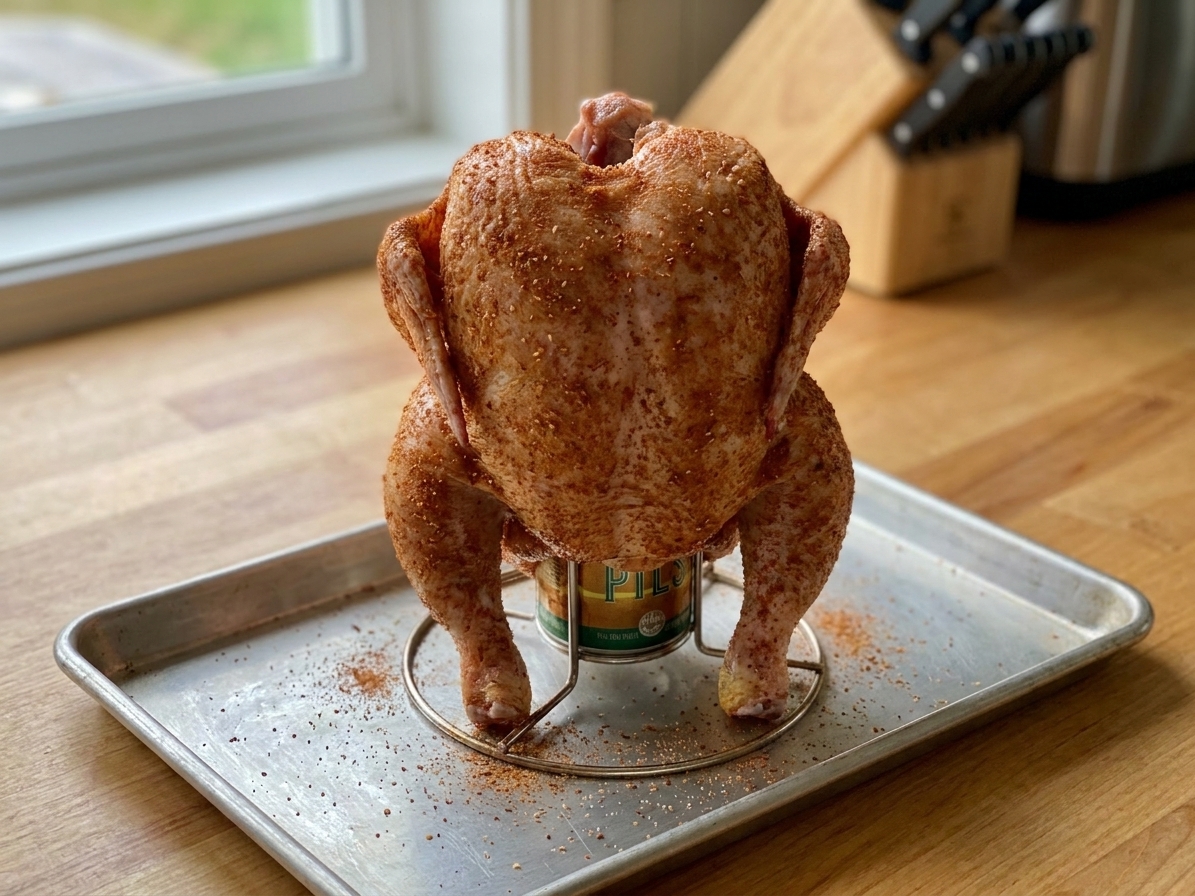
My vibe with this recipe is simple: accessible ingredients, clear steps, and bold flavor. The beer is not really there to steam the chicken or make it taste like a lager. The real magic is the upright, vertical roast that helps the chicken cook more evenly while the skin turns bronze and crackly. Cozy roast chicken energy, with a little backyard swagger.

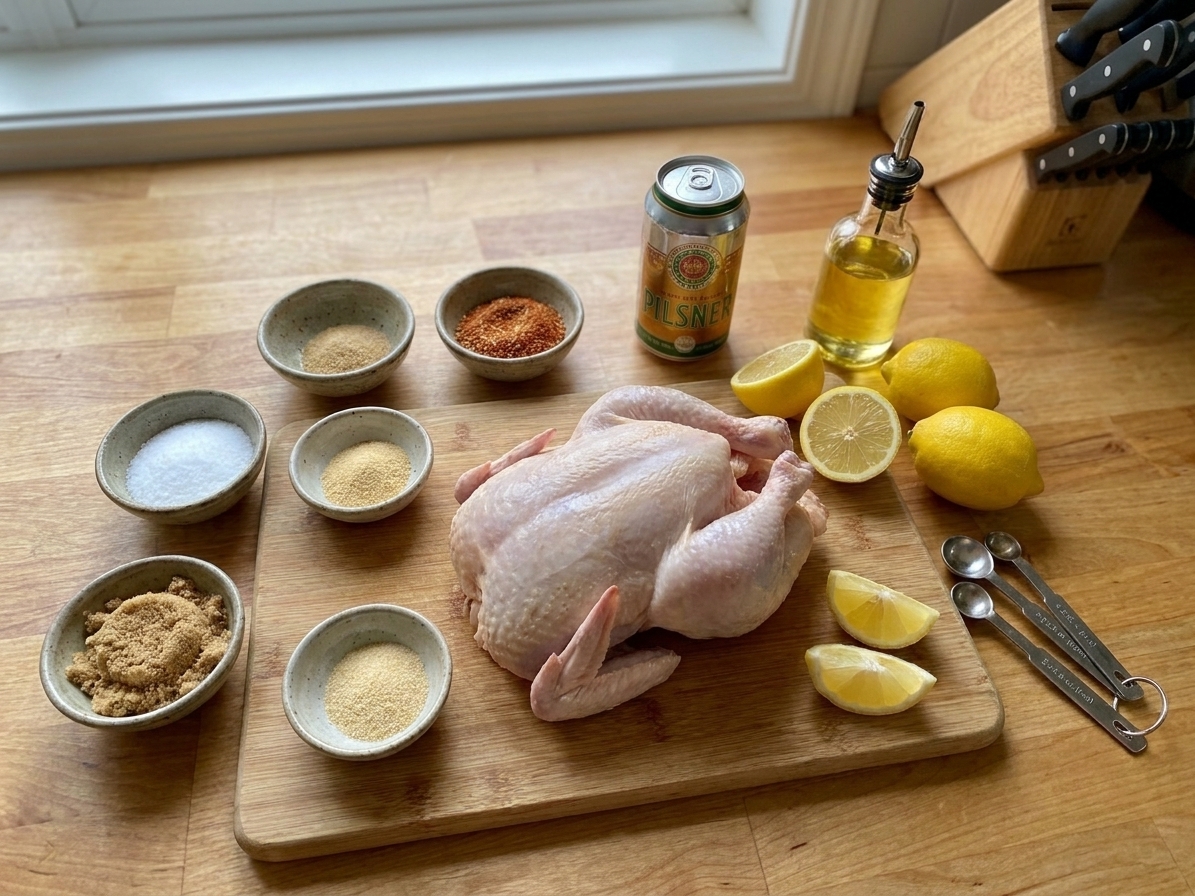
A kitchen counter with a whole raw chicken, a can of beer, small bowls of spices, kosher salt, brown sugar, garlic powder, lemon, and a bottle of oil set up for prep

Why It Works

  • Juicy meat, especially the breast: the vertical position promotes more even cooking and helps protect the breast while the legs finish.
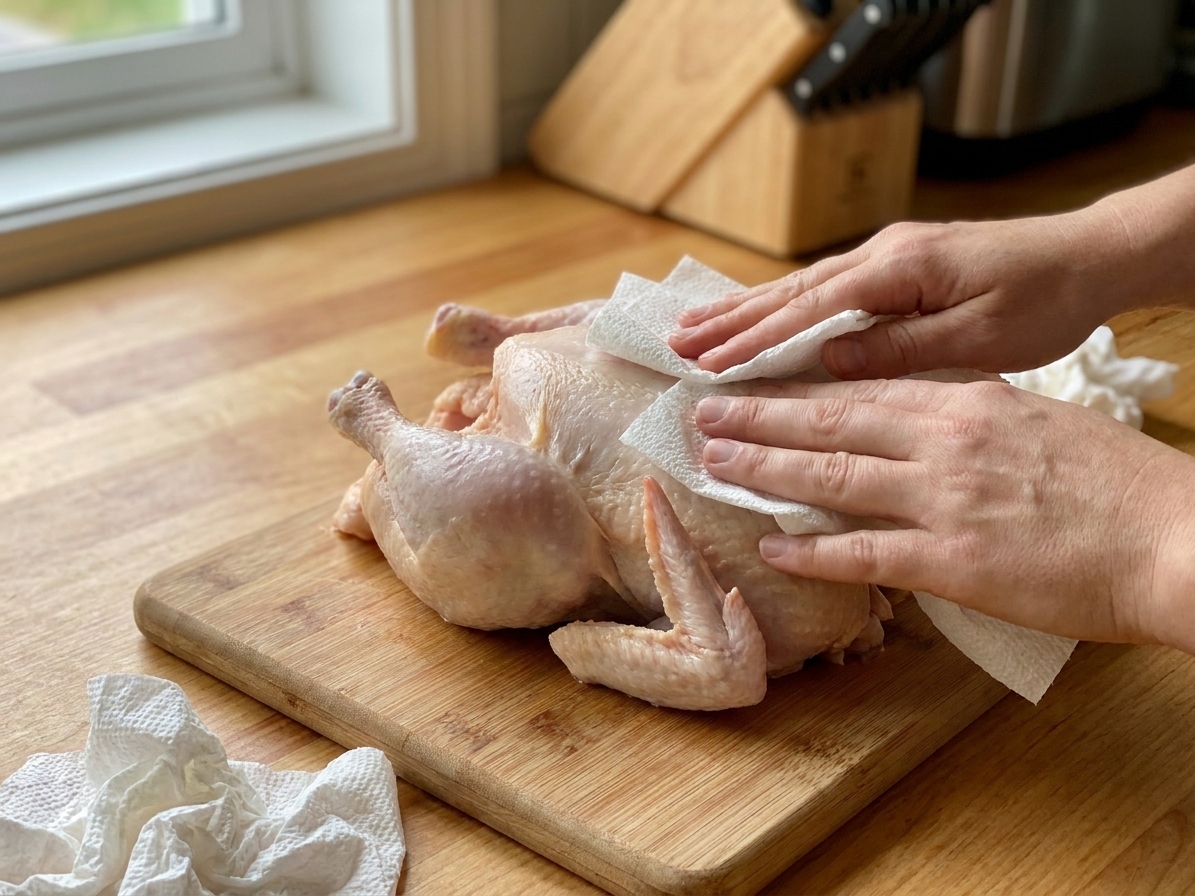
  • Crispy skin: dry skin plus steady heat gets you those crisp edges.
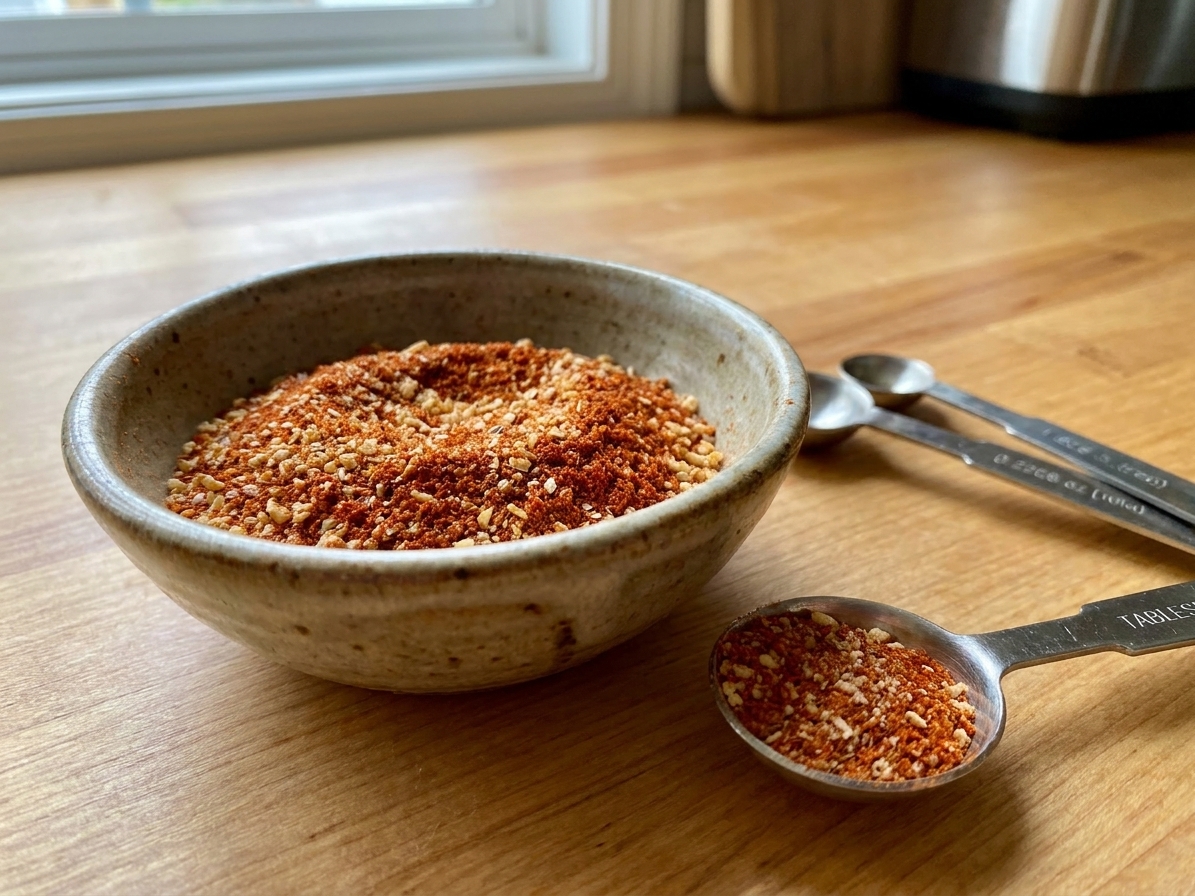
  • Big flavor with pantry spices: paprika, garlic, and a little brown sugar bring that BBQ-adjacent magic.
  • Grill or oven friendly: same prep, two reliable cooking paths.

Pairs Well With

Storage Tips

Cool it down fast: Pull the meat off the bones within 1 to 2 hours, then refrigerate.

  • Fridge: Store shredded or sliced chicken in an airtight container for up to 4 days. Add a spoonful of pan juices (or a splash of broth) to keep it moist.
  • Freezer: Freeze in portions for up to 3 months. Wrap tightly or use freezer bags and press out the air.
  • Reheat (best results): Warm covered in a 325°F oven with a splash of broth until hot. For crispy skin, uncover for the last few minutes.

Leftover MVP ideas: chicken tacos with lime, chicken salad with celery and dijon, or toss into a quick pot of white bean soup.

Common Questions

Does the beer actually flavor the chicken?

Not in a loud, “this tastes like beer” way. And despite the legend, the beer in the can typically does not boil and steam your chicken into juiciness. The real win is the vertical roast: the bird cooks more evenly, the dark meat gets more time, and the breast is a little more protected. If you want extra flavor, put it in the rub and finishing touches (lemon, herbs, a quick sauce).

What kind of beer should I use?

Use a drinkable lager, pilsner, or pale ale. Avoid super bitter IPAs if you are sensitive to bitterness, and skip heavy stouts unless you want deeper roasted notes. You can also swap the beer for soda, broth, or water if you are just here for the upright roasting method.

Is beer can chicken safe?

It can be, if you do it smart and stable. The main safety issues are tipping and the fact that some cans have inks/linings that people prefer not to heat. The simplest solution is using a dedicated vertical roaster or a beer can chicken stand with a stainless cup insert. If you do use an actual can, keep it half-full for weight, set the bird like a tripod, and treat the can like a hot cooking tool once it comes off the heat.

Why does my chicken fall over?

Usually one of three things: the chicken is too big, the setup is too light, or the legs are not positioned as a tripod. Use a stand if you can, half-fill the can, and splay the legs forward so the bird has a wide base.

What temperature should chicken be cooked to?

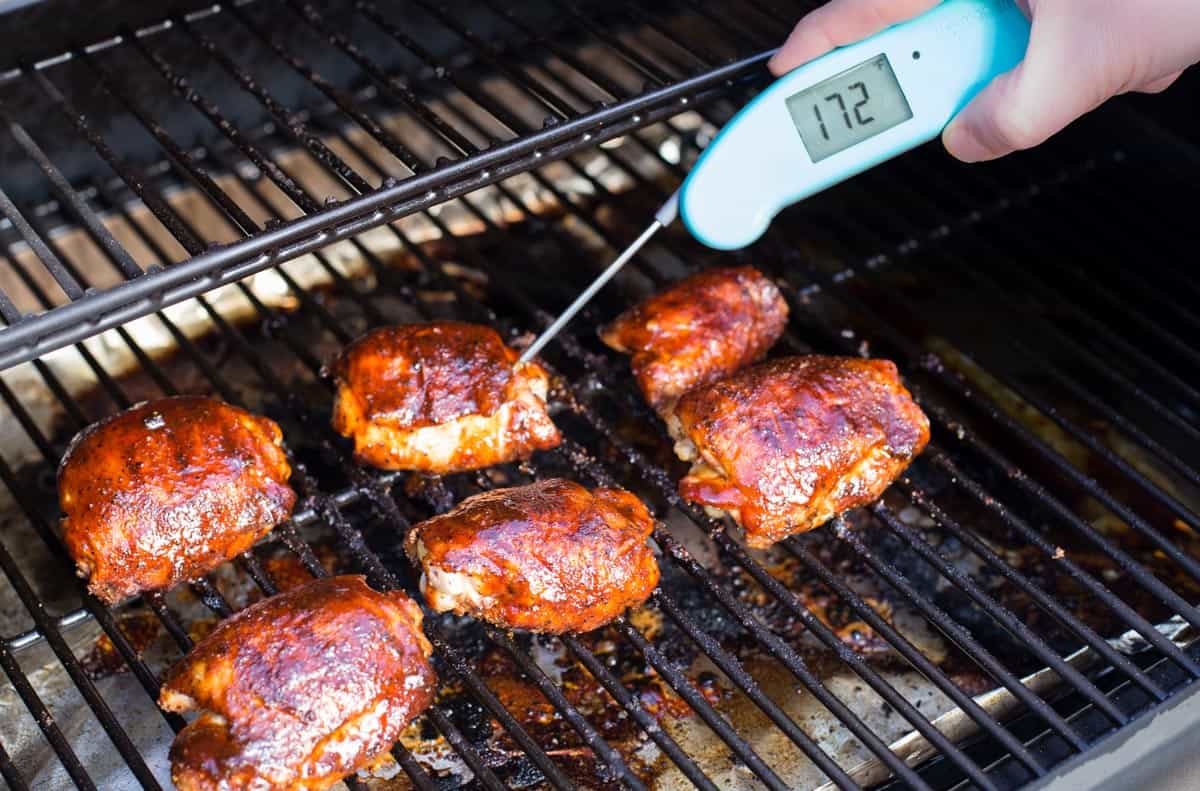
For safety, cook until the thickest part of the breast hits 165°F. I like pulling it when the breast is 160°F to 162°F and the thigh is 175°F to 185°F, then resting, but that assumes you get enough carryover cooking during a proper rest. If you want the simplest rule, go to 165°F in the breast.

Can I do this in the oven?

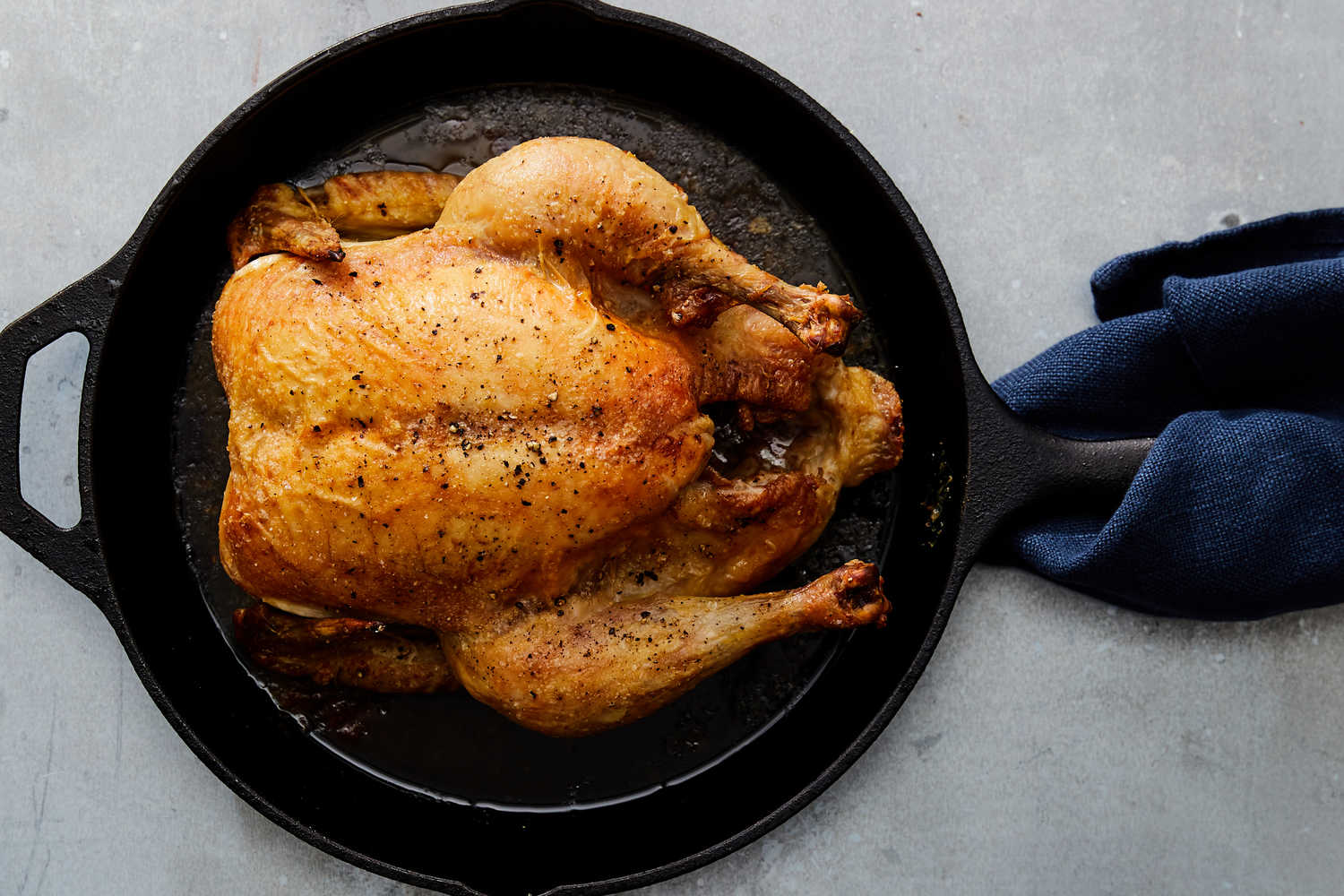
Yep. Place it on the middle rack with a roasting pan or sheet pan underneath to catch drips. You will still get crisp skin, especially if you start with a dry surface and give it enough time. If you use convection, start checking a little earlier.

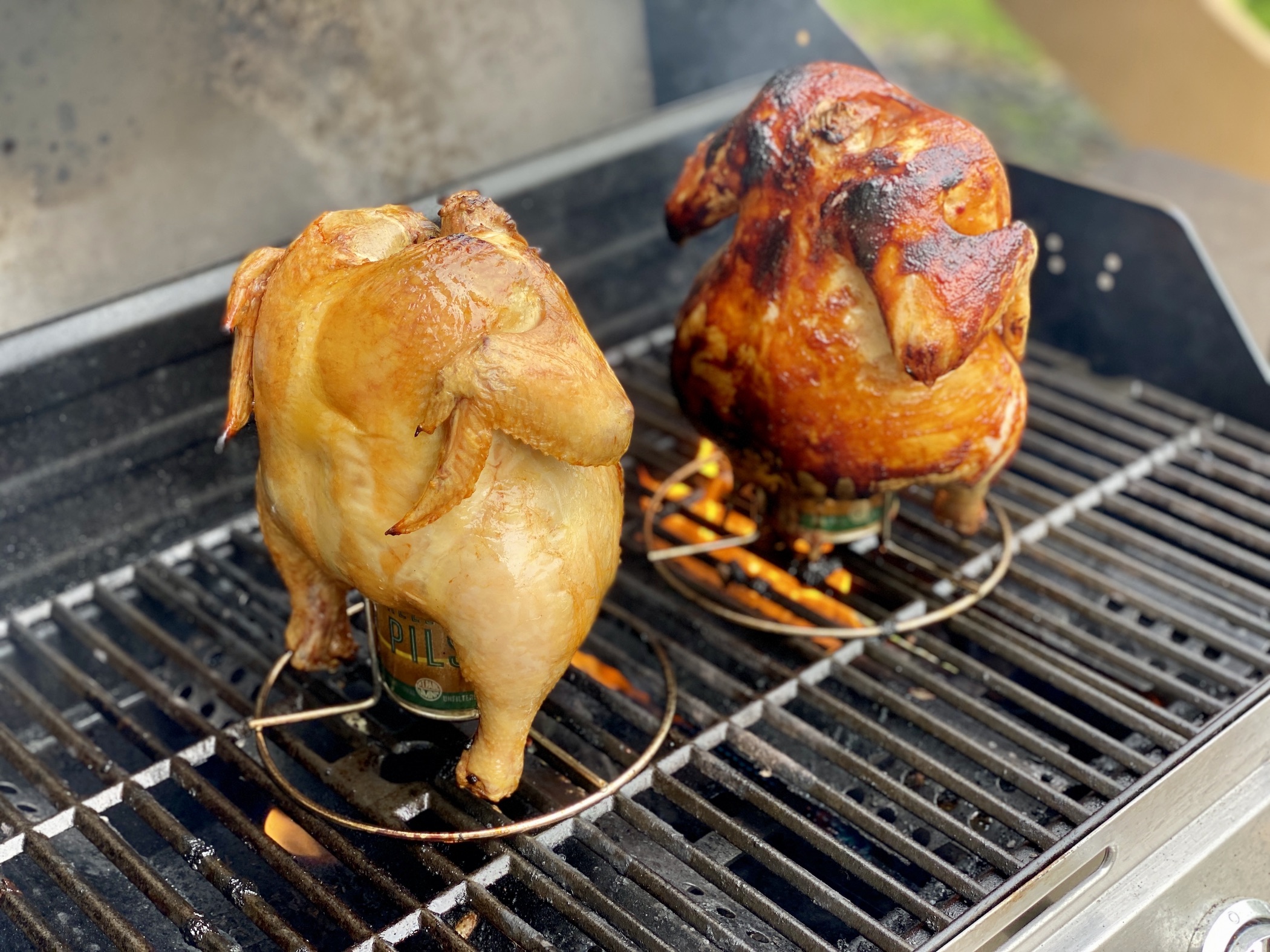
The first time I made beer can chicken, I treated it like a stunt and not a roast. I was so focused on the can that I forgot the basics: dry the skin, season like you mean it, and cook to temp. Once I started approaching it like a regular chicken that just happens to be standing up, it got wildly better. Now it is my go-to when I want something that feels fun and slightly chaotic, but still lands on the table like I planned it.