Mom's Best Recipes
Recipe

Roasted Whole Chicken

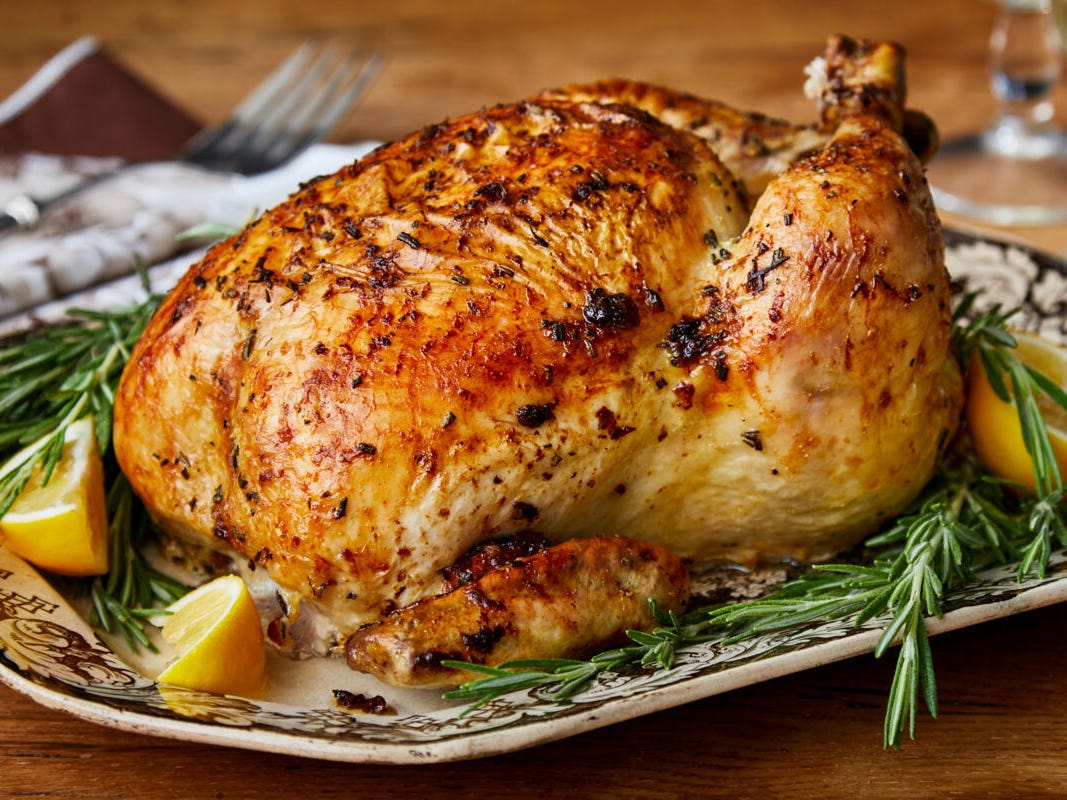
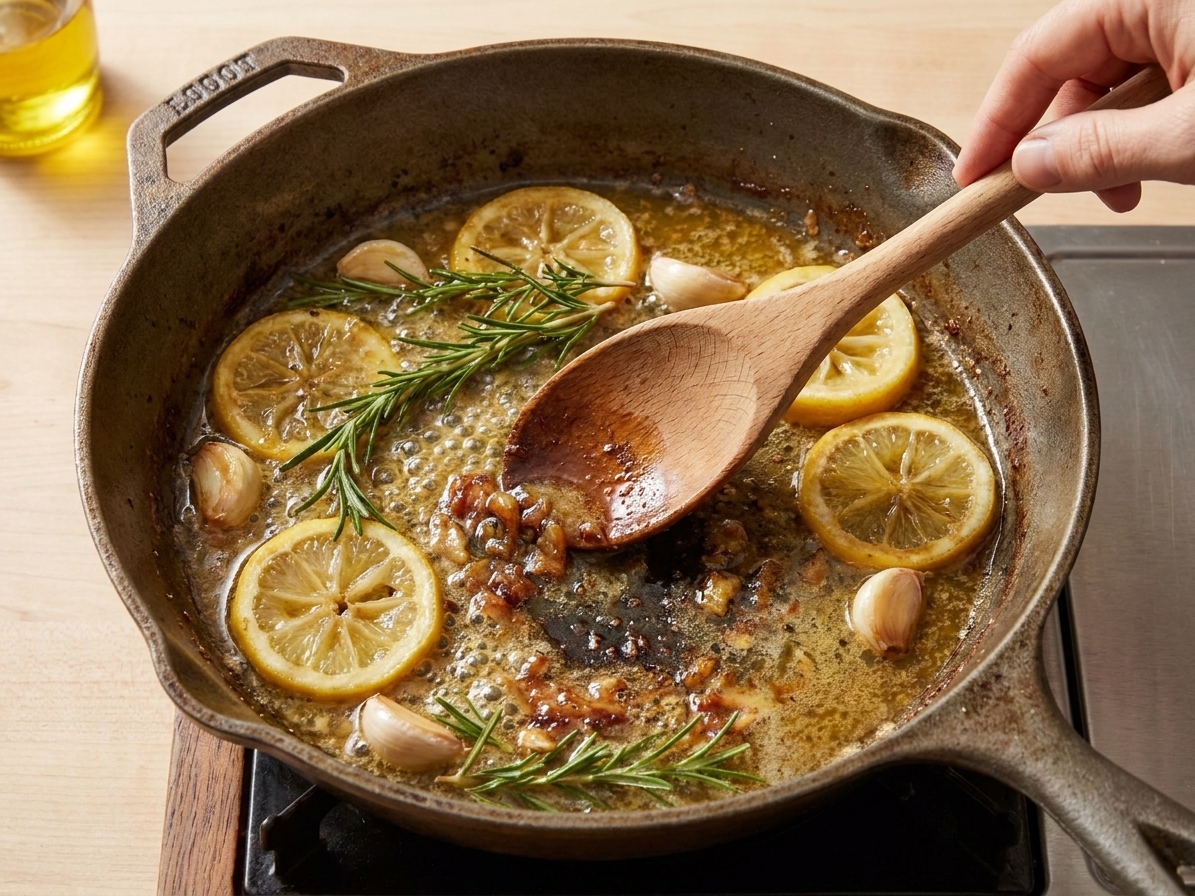
Crisp skin, juicy meat, and a quick lemon-garlic pan sauce, no fancy tricks required.

Author By Matt Campbell
4.8
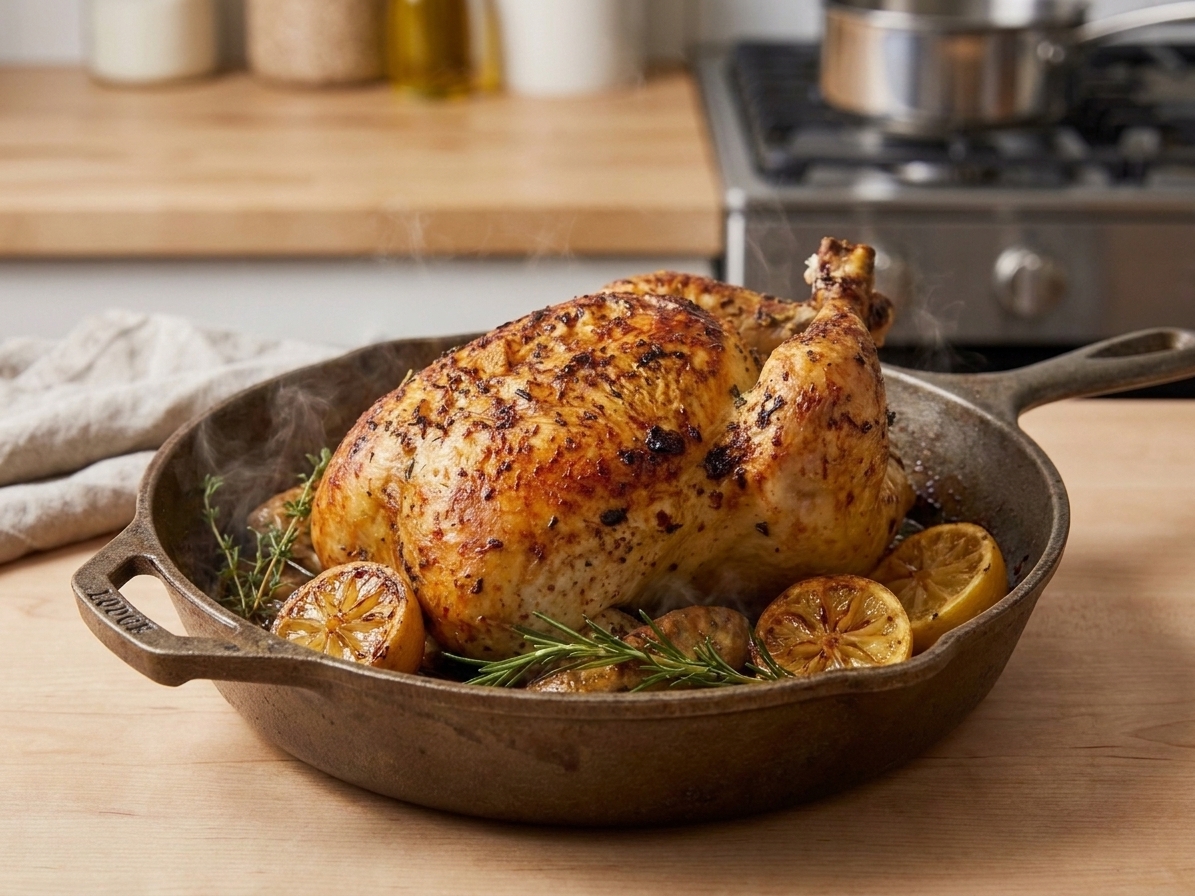
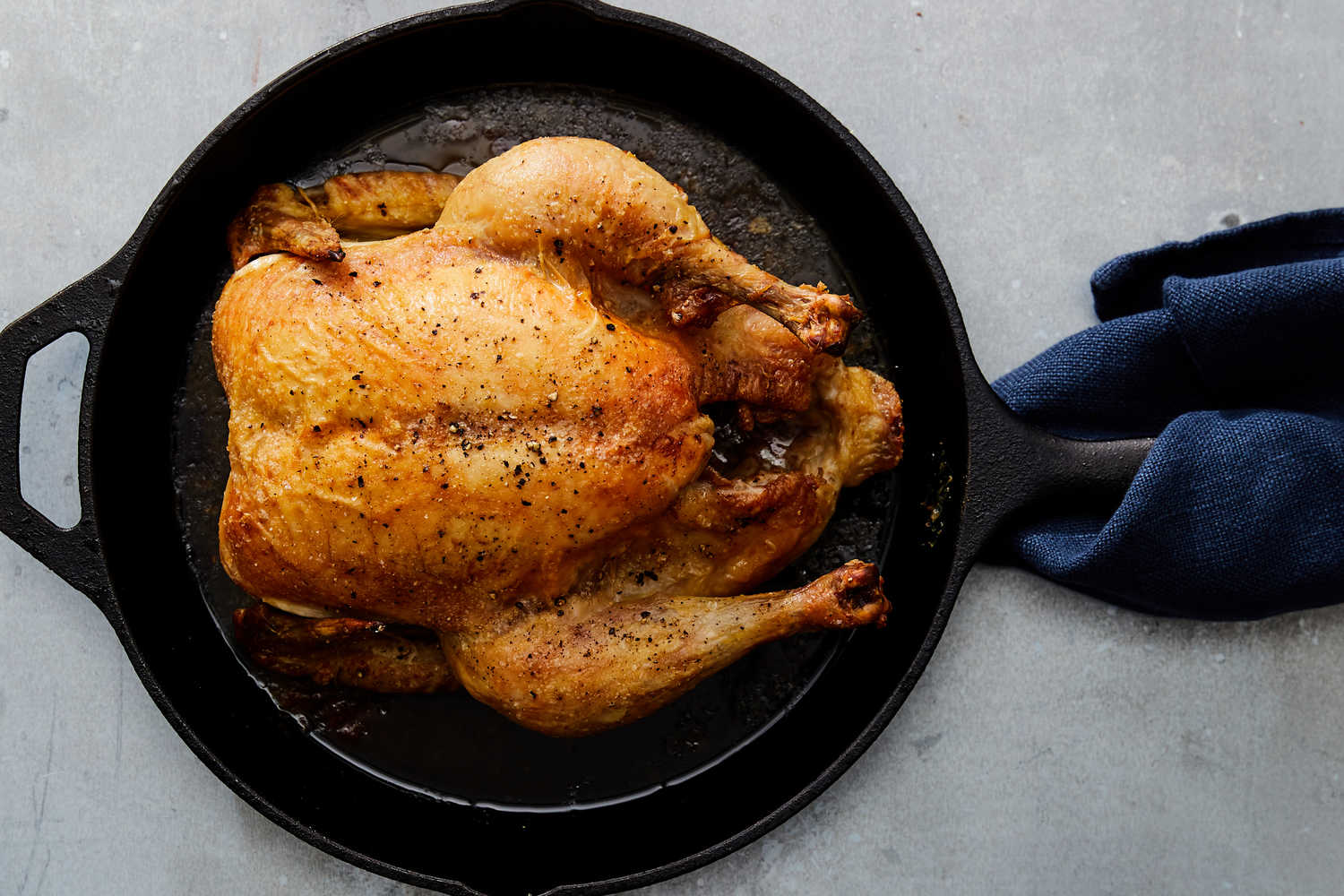
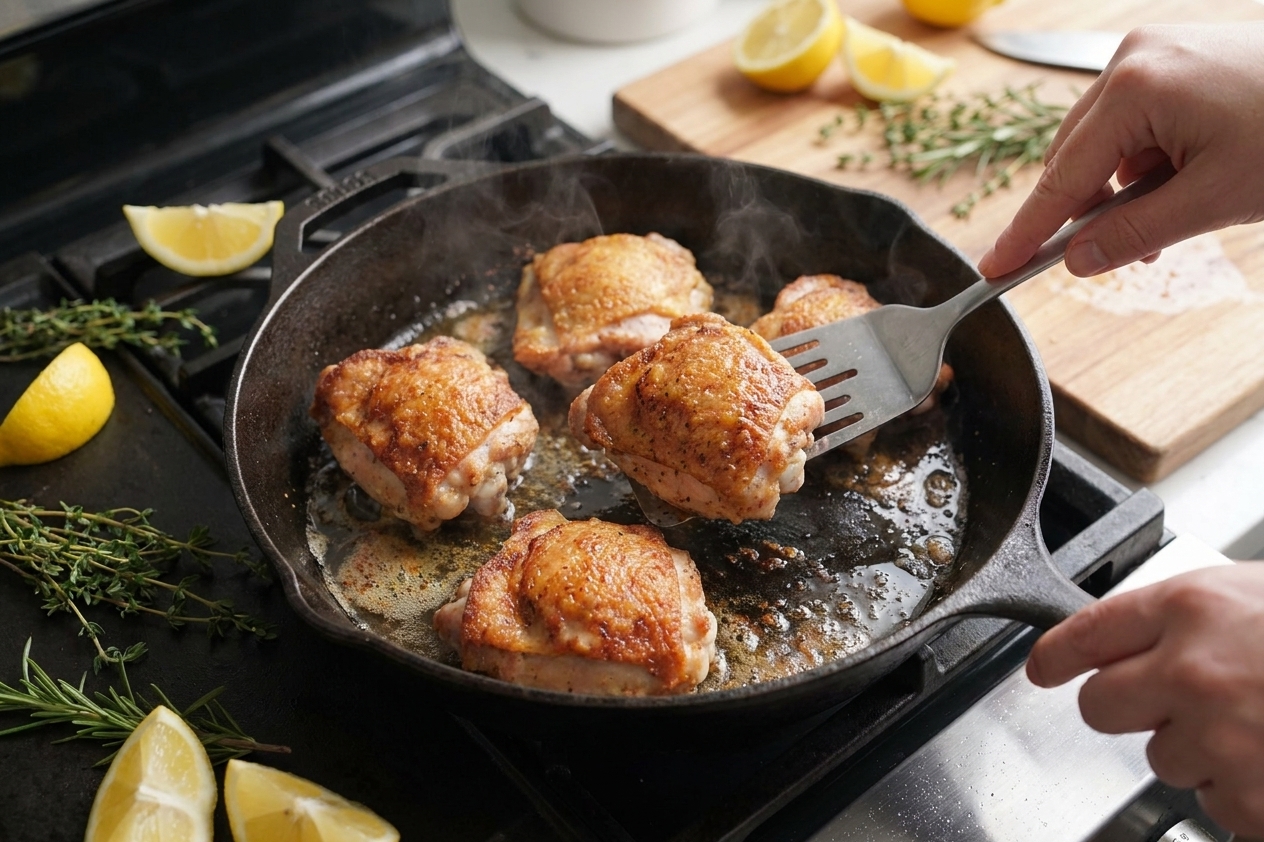
A whole roasted chicken with deeply golden, crisp skin resting in a cast iron skillet with lemon halves and herbs on a warm kitchen counter

Roasting a whole chicken is one of those kitchen moves that looks like you had your life together all day, even if you absolutely did not. It is cozy, it feeds everyone, and it gives you leftovers that make the next few meals feel suspiciously easy.

This is my go-to method when I want crisp skin, juicy meat, and a bright pan sauce that tastes like you did something fancy on purpose. No complicated brining schedule required, but I will show you two tiny tricks that make a big difference: drying the skin well, and roasting hot enough to actually brown it.

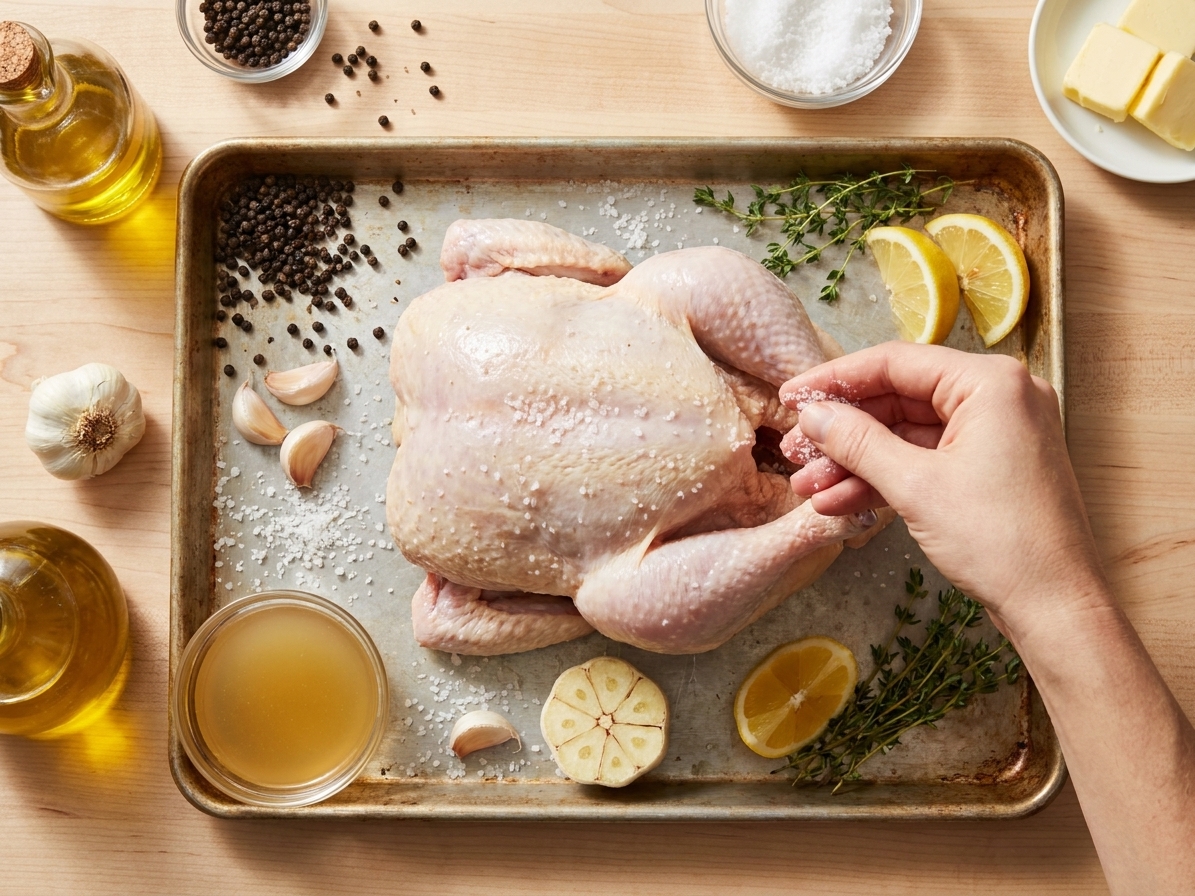
A whole raw chicken on a tray surrounded by kosher salt, black pepper, garlic, lemon, olive oil, butter, thyme, and a small bowl of chicken broth on a light kitchen counter

Why It Works

  • Skin that crackles: Dry skin plus a high-heat roast means real browning, not pale rubber.
  • Juicy breast meat: We pull it at the right temperature and let it rest so the juices stay put.
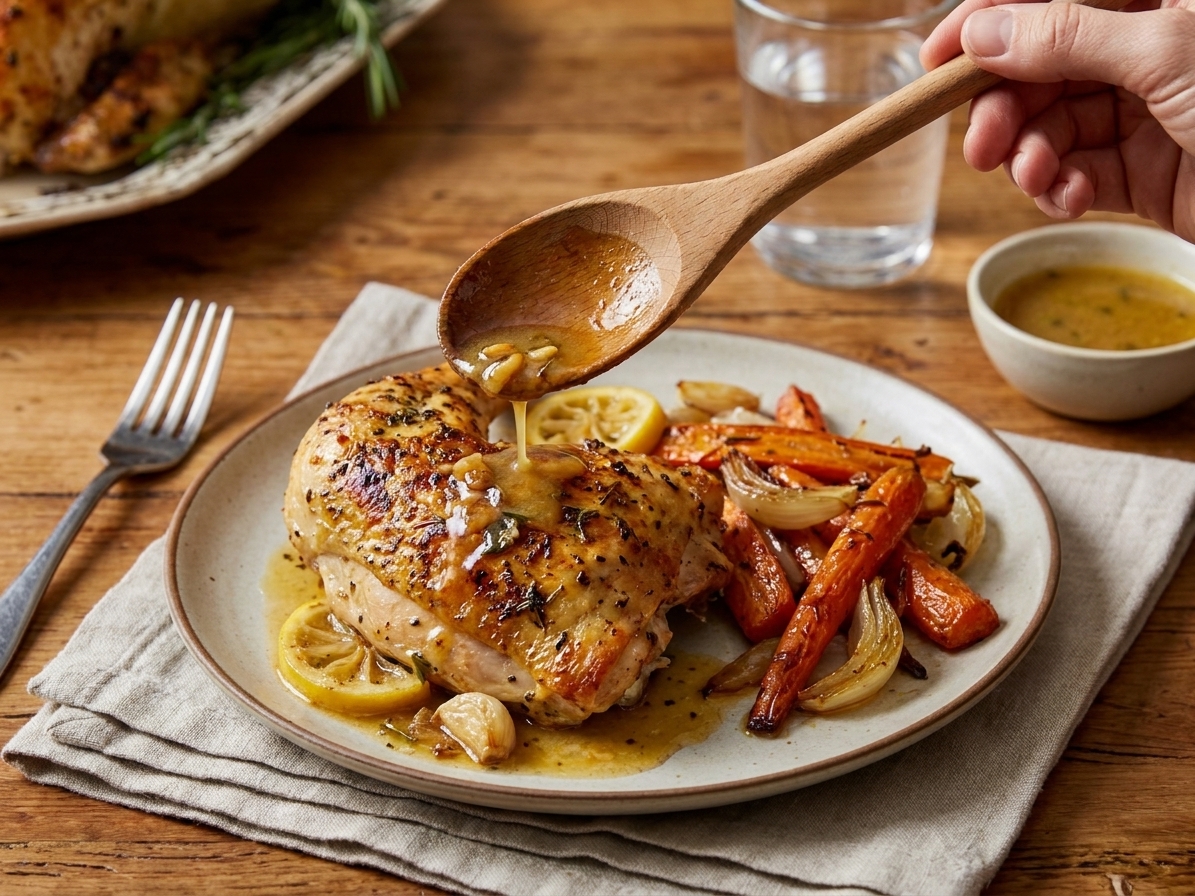
  • A built-in sauce: The pan drippings turn into a quick lemon-garlic sauce that makes even leftover chicken taste freshly cooked.
  • Flexible flavor: Keep it classic with lemon and herbs, or swap in paprika, chili flakes, or rosemary depending on your mood.

Pairs Well With

Storage Tips

Cool it fast: Let the chicken cool until just warm, then pull the meat off the bones. Store within 2 hours of cooking.

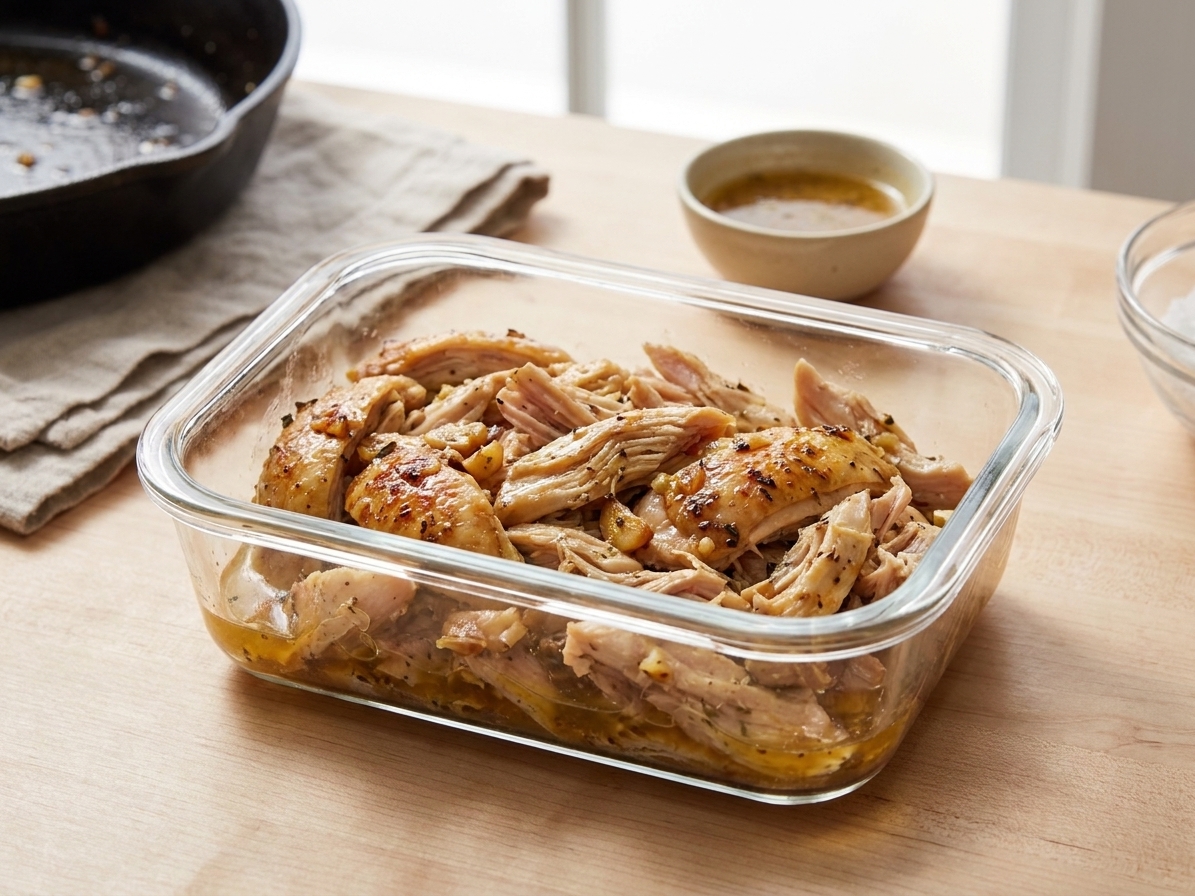
  • Fridge: Store shredded or sliced chicken in an airtight container for up to 4 days. Keep some pan juices with it if you can, it helps prevent drying.
  • Freezer: Freeze cooked chicken (best pulled or chopped) for up to 3 months. Wrap tightly or use a freezer bag and press out extra air.
  • Reheat: For best texture, warm in a covered skillet with a splash of broth or water over medium-low heat. Or microwave in short bursts, covered.
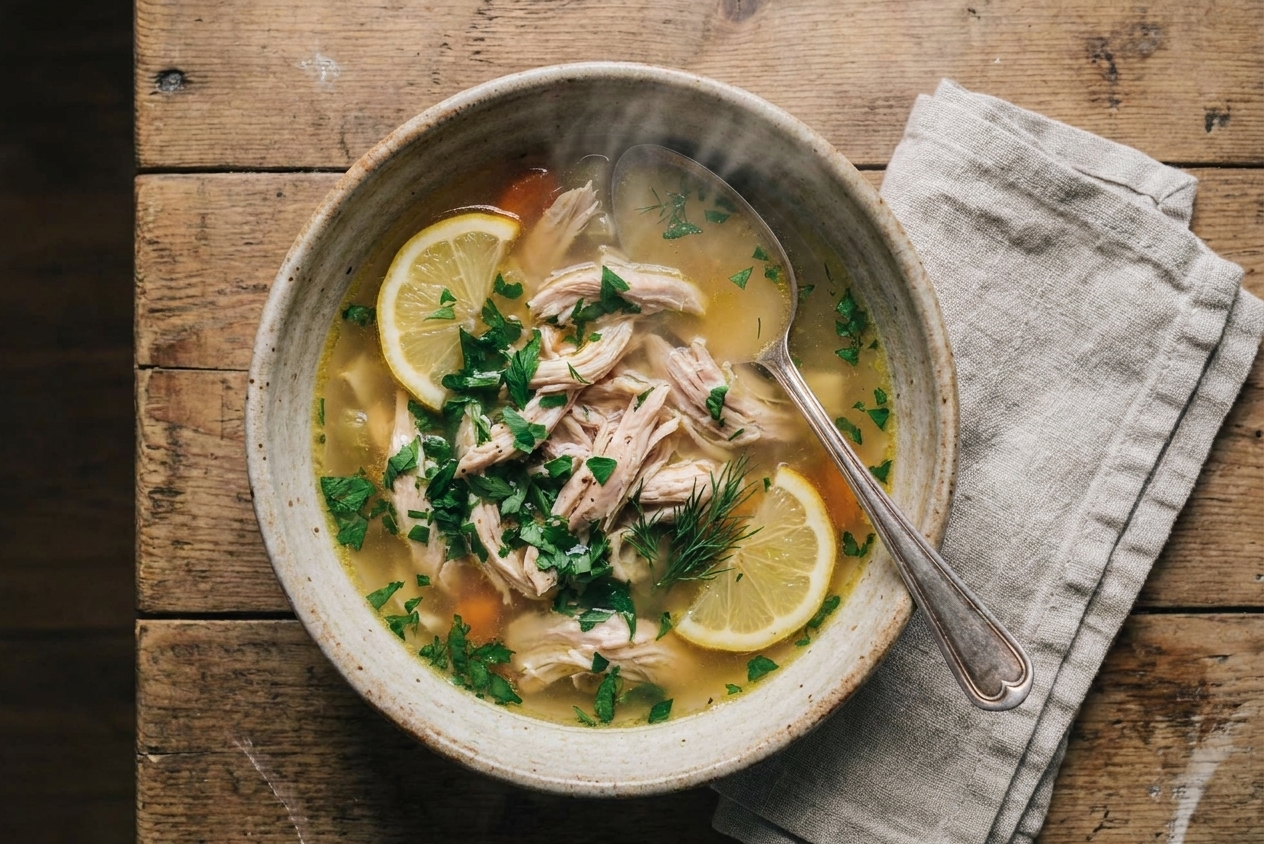
  • Bonus: Save the carcass for stock. Freeze it in a bag if you are not making stock within a day or two.
Pulled roasted chicken stored in a glass meal prep container with a little pan juice, set on a clean kitchen counter

Common Questions

What temperature should I roast a whole chicken at?

I like 425°F for most of the roast to get browning, then you can drop to 400°F if it is getting too dark before the breast is done. You want crisp skin and fully cooked meat without drying the breast.

How do I know when the chicken is done?

Use an instant-read thermometer and probe the thickest part of the breast (aim for the center, and avoid touching bone). For juicy breast meat, I usually pull it at 160°F in the breast and let carryover heat bring it up to about 165°F as it rests. For the thigh, 165°F is safe, but I prefer 175°F for more tender, less chewy dark meat.

Quick safety note: USDA guidance is 165°F for poultry. If you prefer to follow that exactly, just roast until the breast reads 165°F.

How long does it take to roast a whole chicken?

For a 4 to 5 pound chicken at 425°F, plan on about 60 to 75 minutes, plus resting time. If your chicken is very cold from the fridge or your pan is crowded, it can take a bit longer. Ovens vary, so trust the thermometer over the clock.

Should I cover the chicken while roasting?

No. Covering traps steam, which is the enemy of crisp skin. If the skin browns too fast, tent loosely with foil for the last part of cooking.

Do I need to truss the chicken?

It helps the bird cook more evenly and looks neat, but it is not mandatory. If you do not want to fuss, just tuck the wing tips under the bird and tie the legs with kitchen twine, or skip it and keep an eye on doneness.

Why is my roasted chicken dry?

Most of the time it is overcooked breast meat or not resting long enough. Pull at 160°F breast (or 165°F if you prefer), rest 15 to 20 minutes, then slice.
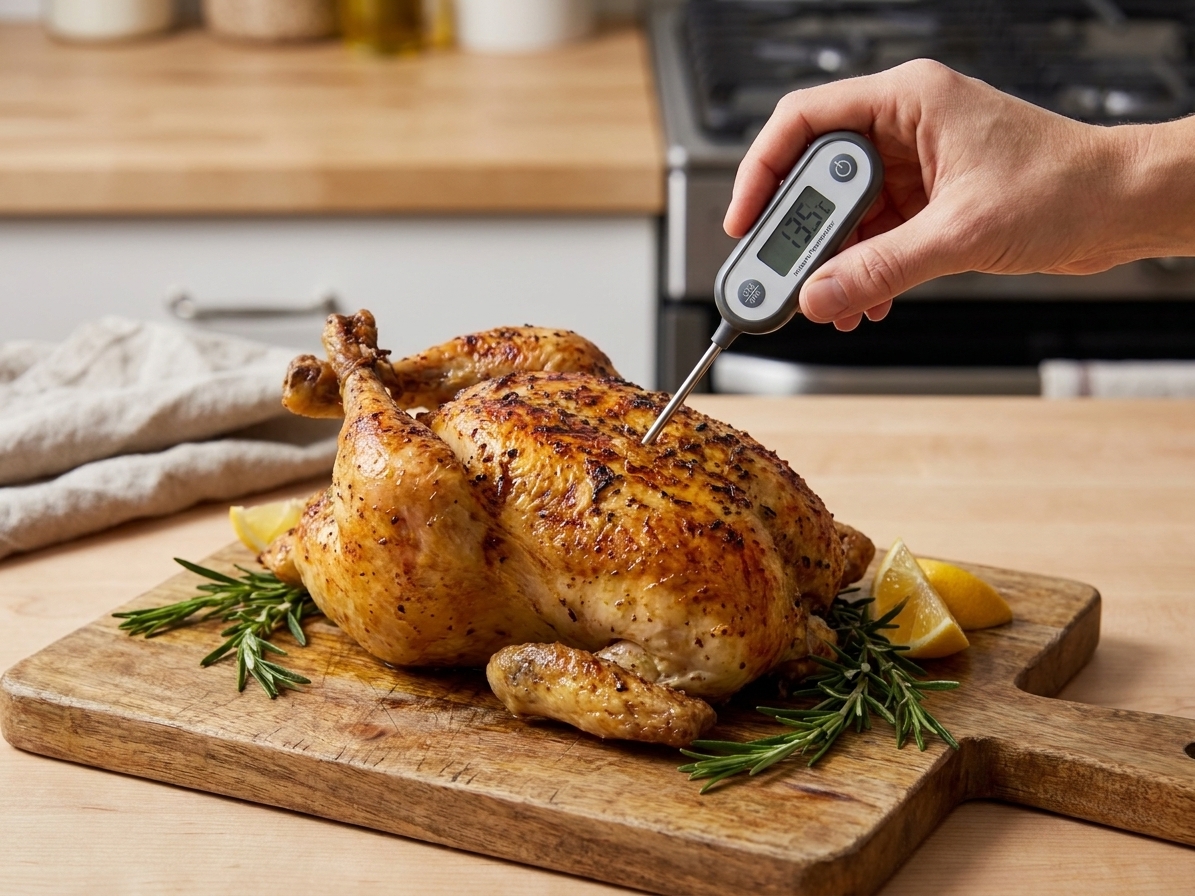

An instant-read thermometer inserted into the thickest part of a roasted chicken breast while the chicken rests on a cutting board

The first time I roasted a whole chicken, I treated it like a big culinary performance. Too many herbs, too much overthinking, and I still managed to under-season it. Humbling.

Now I keep it simple and a little chaotic in the good way: dry the skin, season like you mean it, roast it hot, and make a quick pan sauce while the chicken rests. It is the kind of dinner that makes your kitchen smell like you are cooking something special, even if you are just feeding yourself on a Tuesday.