Mom's Best Recipes
Recipe

Beer Can Chicken

Crispy skin, juicy meat, and a bold, pantry-friendly rub with an easy oven or grill method.

Author By Matt Campbell
4.8
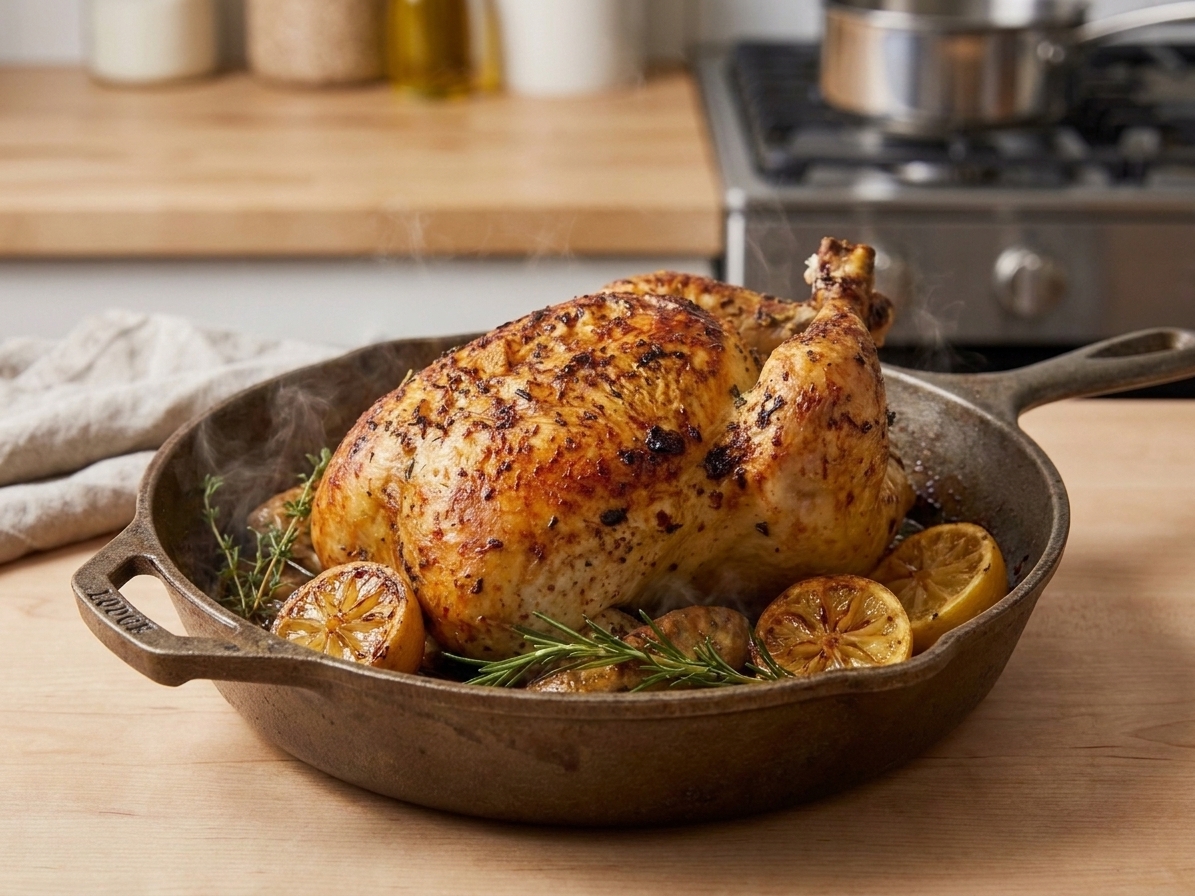
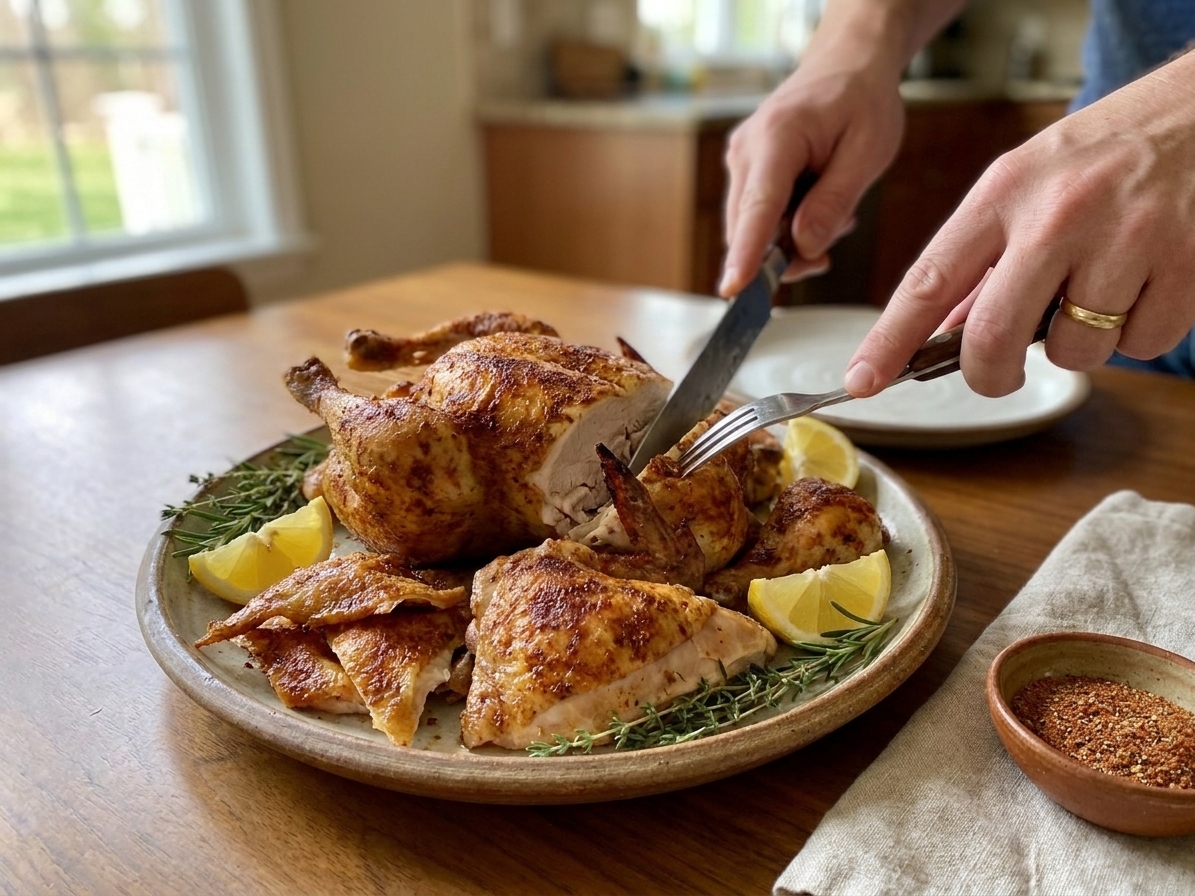
A whole beer can chicken with deeply browned, crispy skin resting on a cutting board with lemon wedges and fresh herbs on a warm kitchen counter

Beer can chicken is one of those backyard classics that feels like a party trick. The real magic is simple: you get steady heat, good airflow around the bird, and skin that renders like it means business. Suddenly you look like the kind of person who owns a meat thermometer on purpose.

This version is my go-to when I want crisp edges, cozy savory flavor, and meat that stays juicy even if I get pulled into side-dish chaos. You get a simple rub that tastes like you tried harder than you did, plus an easy path for grill or oven. No complicated brine required, but I will absolutely give you the optional moves if you want to level up.

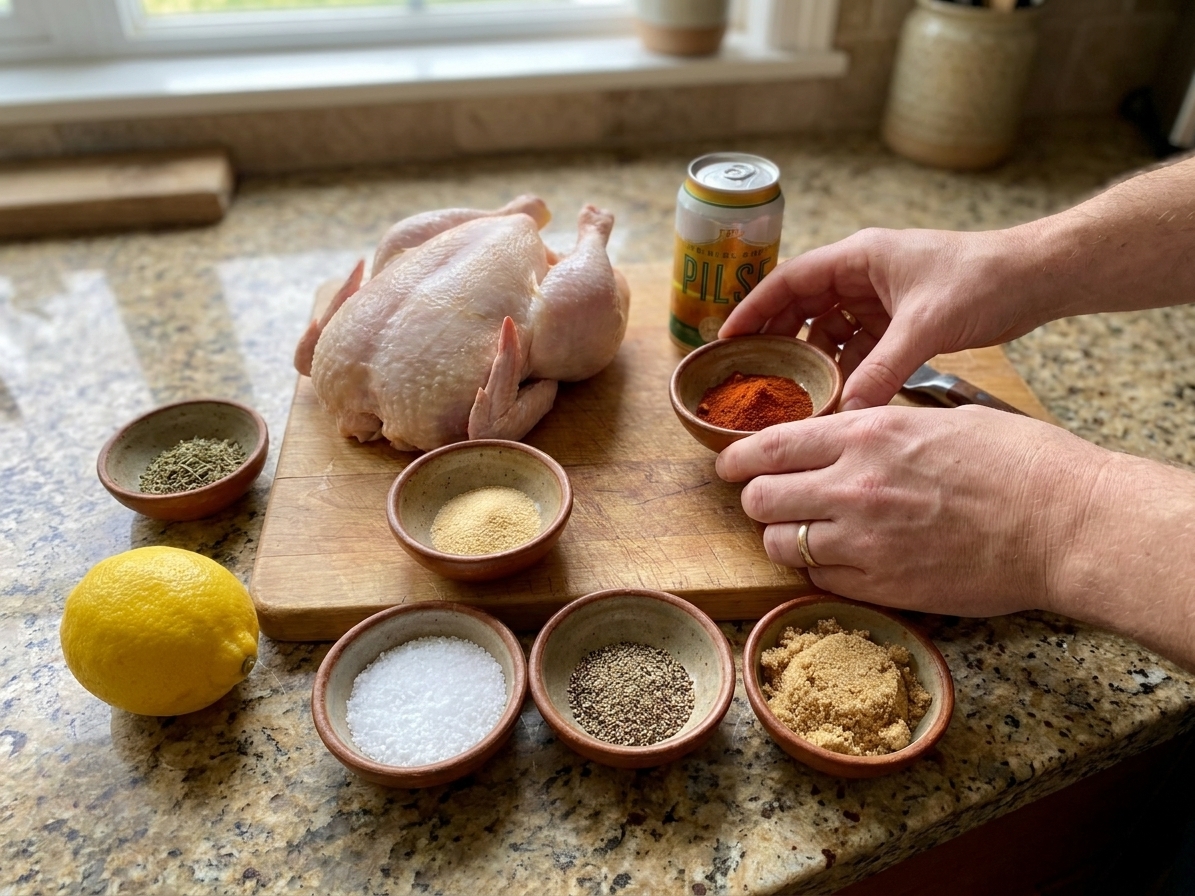
Raw whole chicken, a can of beer, small bowls of paprika, garlic powder, salt, pepper, brown sugar, and a lemon on a tidy kitchen counter

Why It Works

  • Juicy breast meat: Upright roasting plus smart temperature targets help the breast stay tender while the legs take the heat like champs.
  • Crispy, rendered skin: A dry rub and steady heat encourage browning and crunch without deep frying anything.
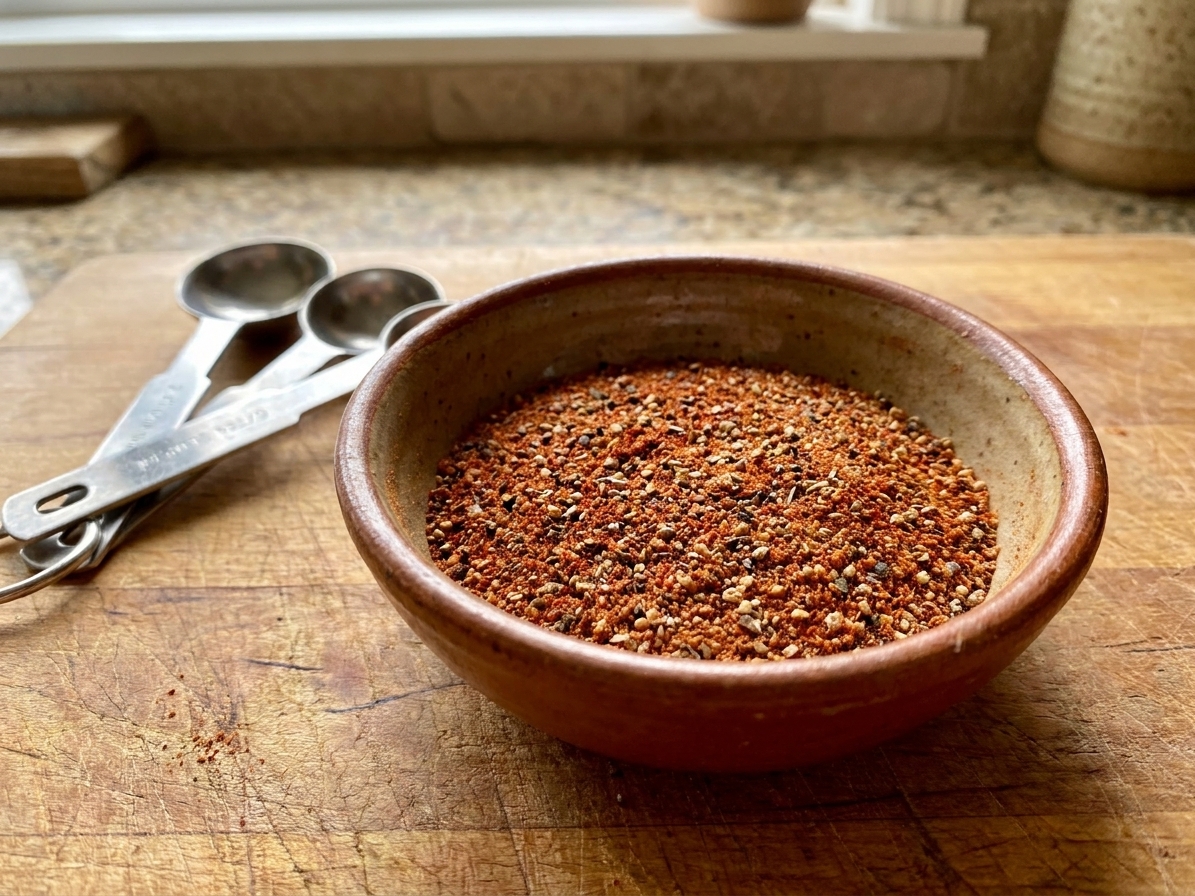
  • Big flavor with normal ingredients: Paprika, garlic, and a little brown sugar bring smoky-sweet barbecue energy without needing a long ingredient list.
  • Foolproof doneness: We cook to temperature, not vibes, so you do not end up with dry chicken and regret.

Pairs Well With

Storage Tips

Refrigerate: Pull the meat off the bones once the chicken cools a bit. Store in an airtight container up to 4 days.

Freeze: Shred or chop and freeze in a zip-top bag (press out air) up to 3 months. Add a splash of broth before reheating to keep it juicy.

Reheat without drying it out:

  • Oven: 325°F, covered, with a spoonful of drippings or broth, until warmed through (aim for 165°F in the thickest part).
  • Skillet: Medium heat with a little oil for crispy bits, then a tiny splash of water and lid to steam through until hot.
  • Microwave: Lowest power that still warms it, covered, with a damp paper towel, until steaming hot.

Leftover MVP ideas: chicken tacos with lime and hot sauce, BBQ chicken baked potatoes, chicken salad with crunchy celery and Dijon, or a quick ramen upgrade.

Common Questions

Is beer can chicken actually safe?

It can be, but there are a couple concerns some cooks and food safety folks raise: the chicken can be awkward to move when it is hot, and some people prefer not to heat beverage cans directly because coatings and inks may affect flavor. If you want the same upright-roast effect with less hassle, use a vertical roaster or set the chicken over a small oven-safe ramekin. You can still pour beer into the drip pan for aroma.

Do I have to use beer?

Nope. Use soda (like lemon-lime), cider, or even broth. The main job is to add a little moisture to the pan and help stabilize the bird upright. The flavor impact is subtle.

What internal temperature should I aim for?

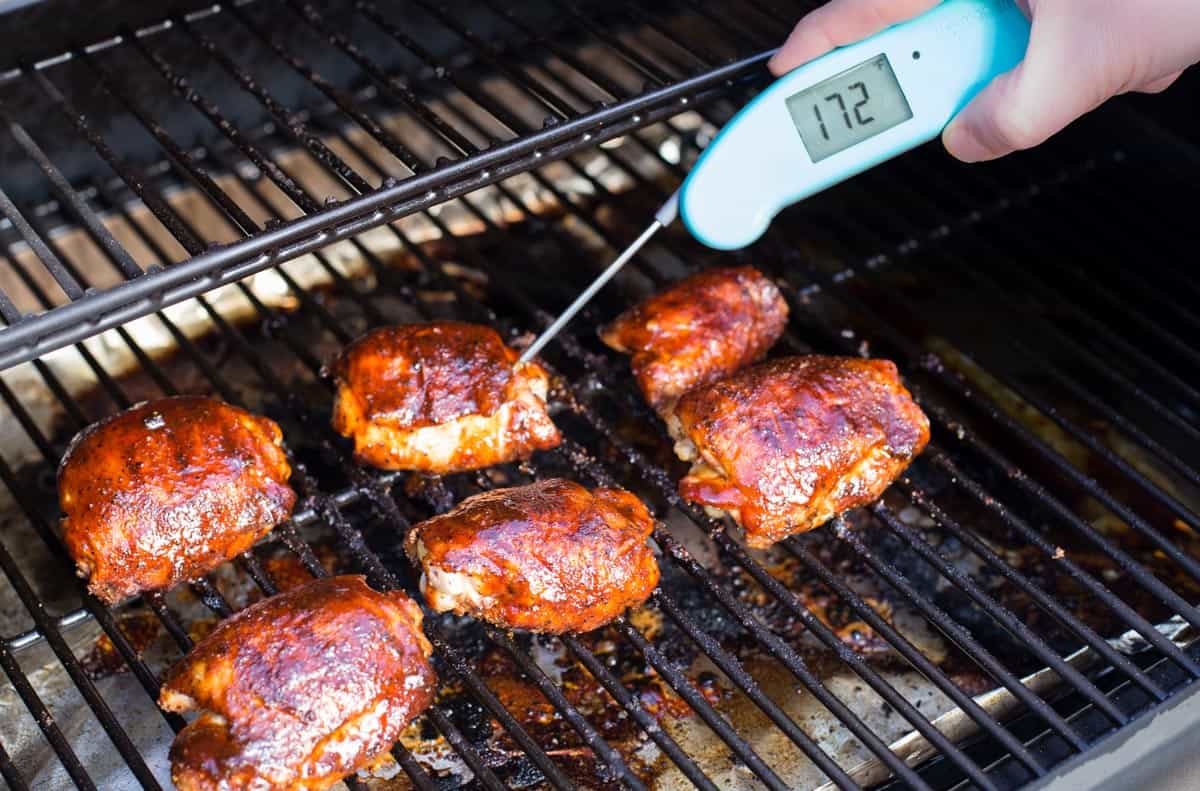
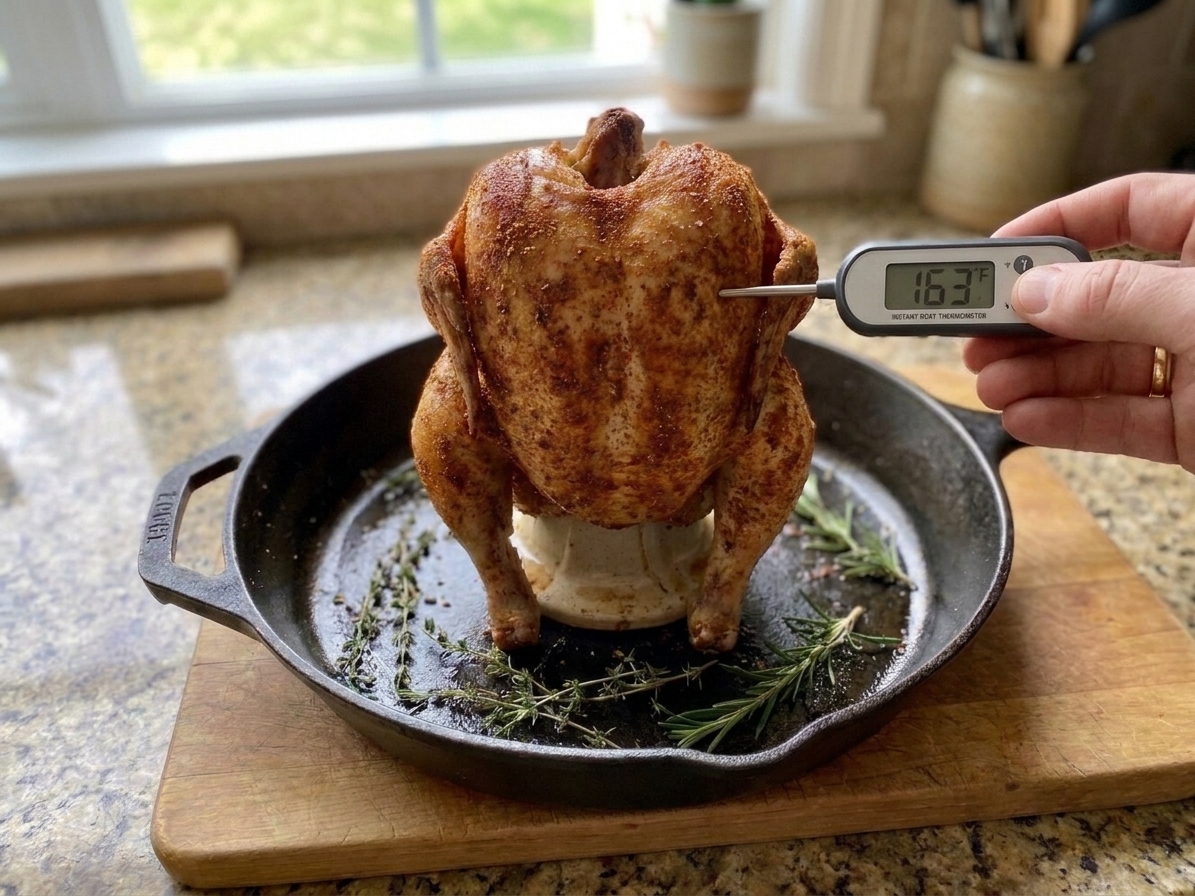
USDA guidance is 165°F for poultry. For the best texture, I like to pull the chicken when the breast hits 160°F and the thigh hits 175 to 185°F, then rest 10 to 15 minutes. Carryover heat typically brings the breast up to 165°F without drying it out. (Thighs are happiest a little higher because they get tender as collagen breaks down.)

Why is my skin not crispy?

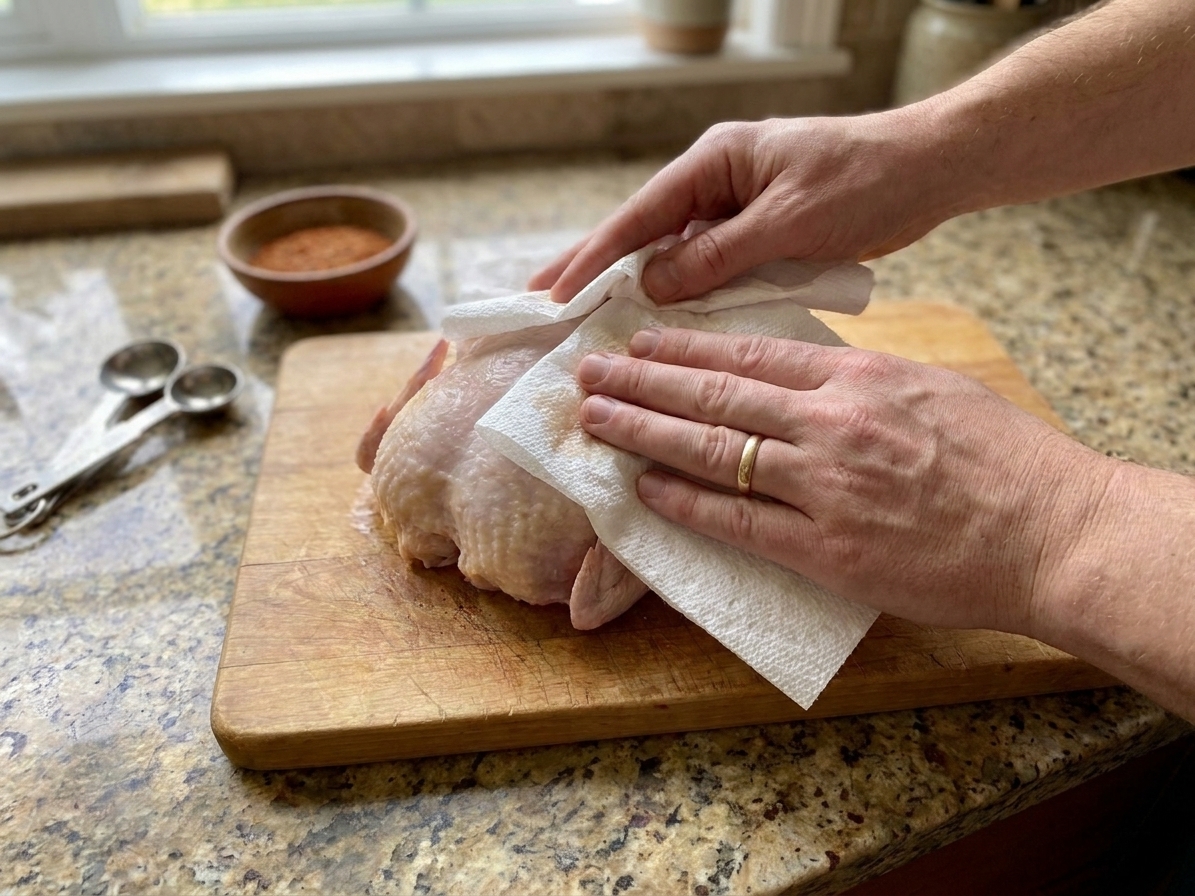
Usually one of these: the chicken was wet, the heat was too low, or the seasoning had too much sugar early on. Pat dry very well, cook at 375°F to 425°F, and if you love sugar in the rub, keep it modest. A drip pan can also help prevent smoky, scorched drippings on the grill.

Can I make this in the oven?

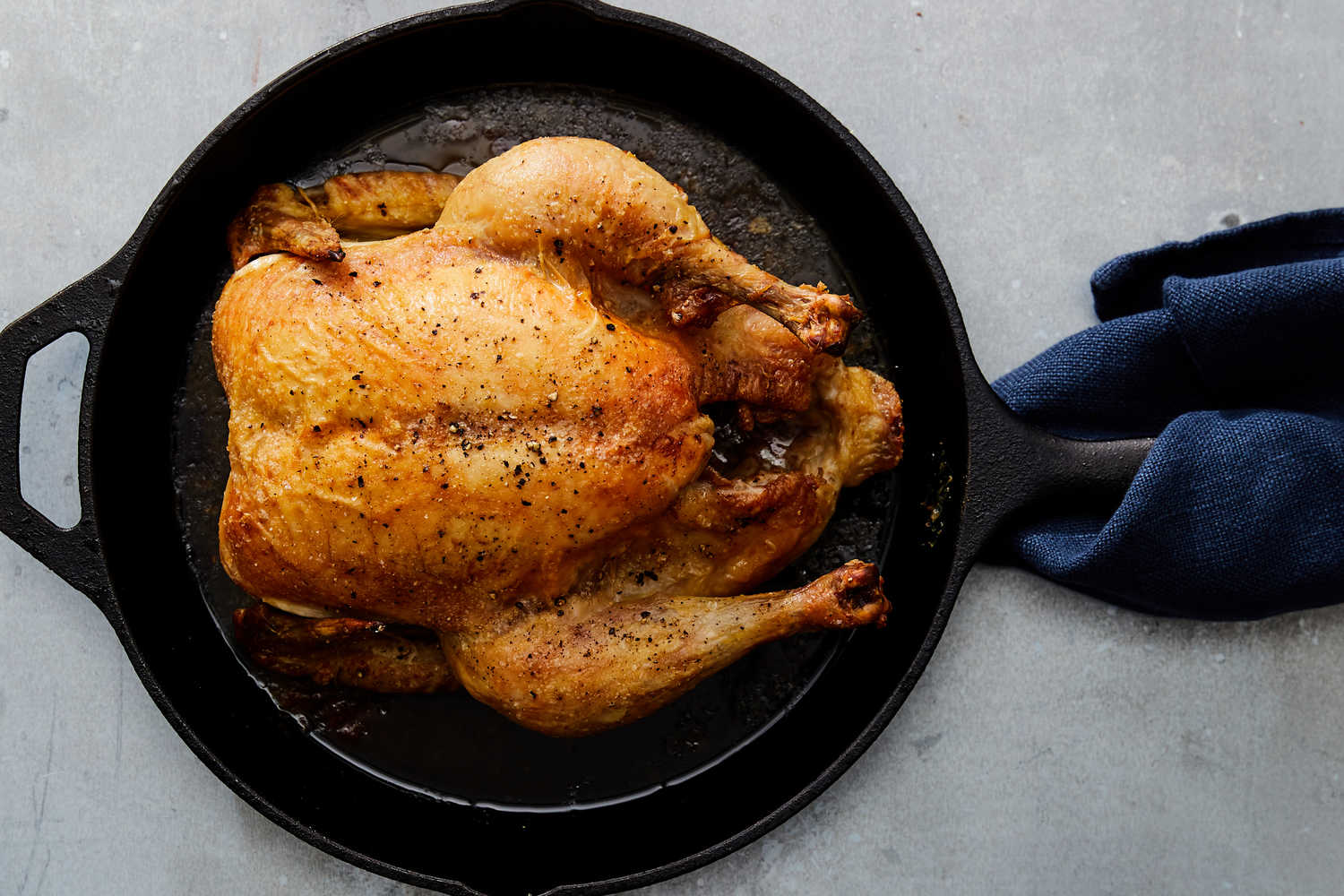
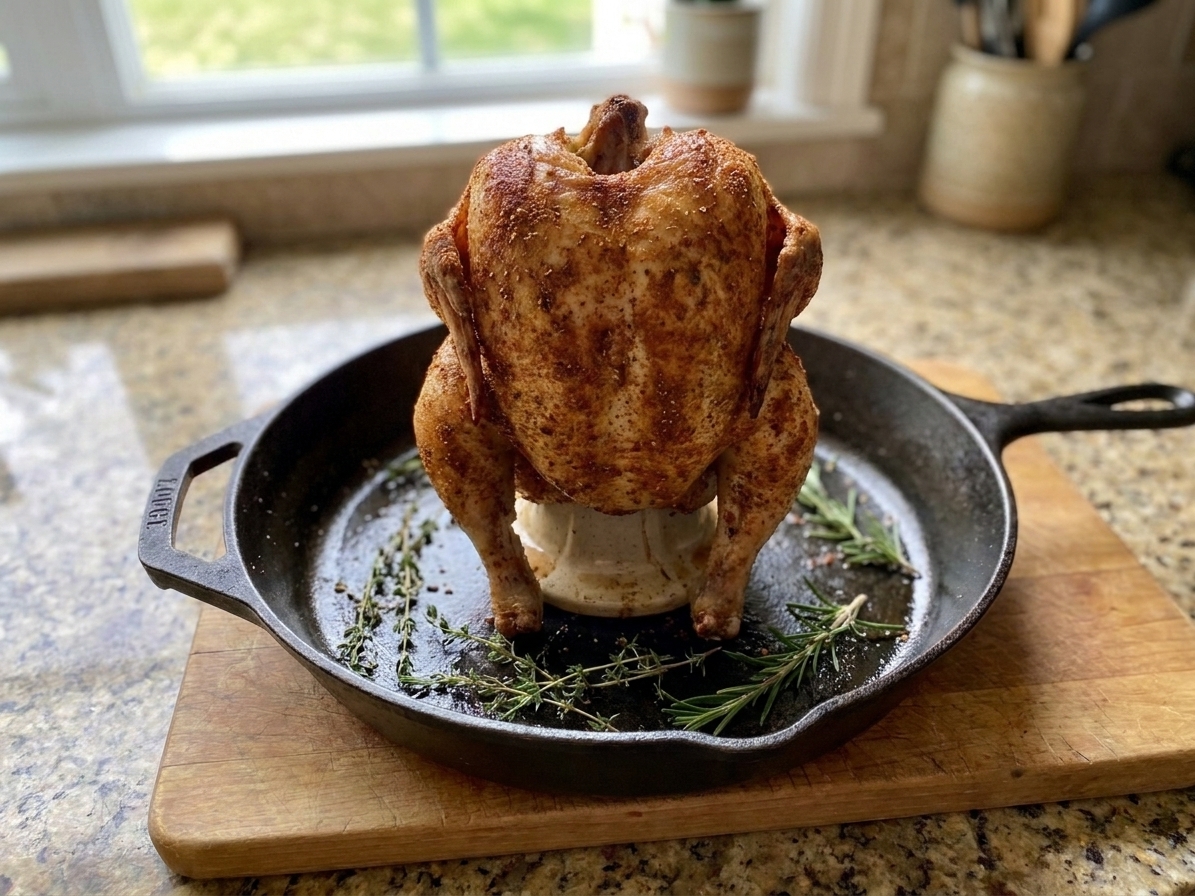
Yes, and it is honestly one of the easiest ways to get consistent results. Use a rimmed baking sheet or cast iron skillet to catch drippings.

How do I keep the chicken from tipping over?

Use a sturdy vertical roaster (or a can inside a proper holder) and set it in a cast iron skillet or roasting pan for extra stability. Also tuck the wings behind the back like they are doing a little stretch. That helps stabilize and prevents burning.

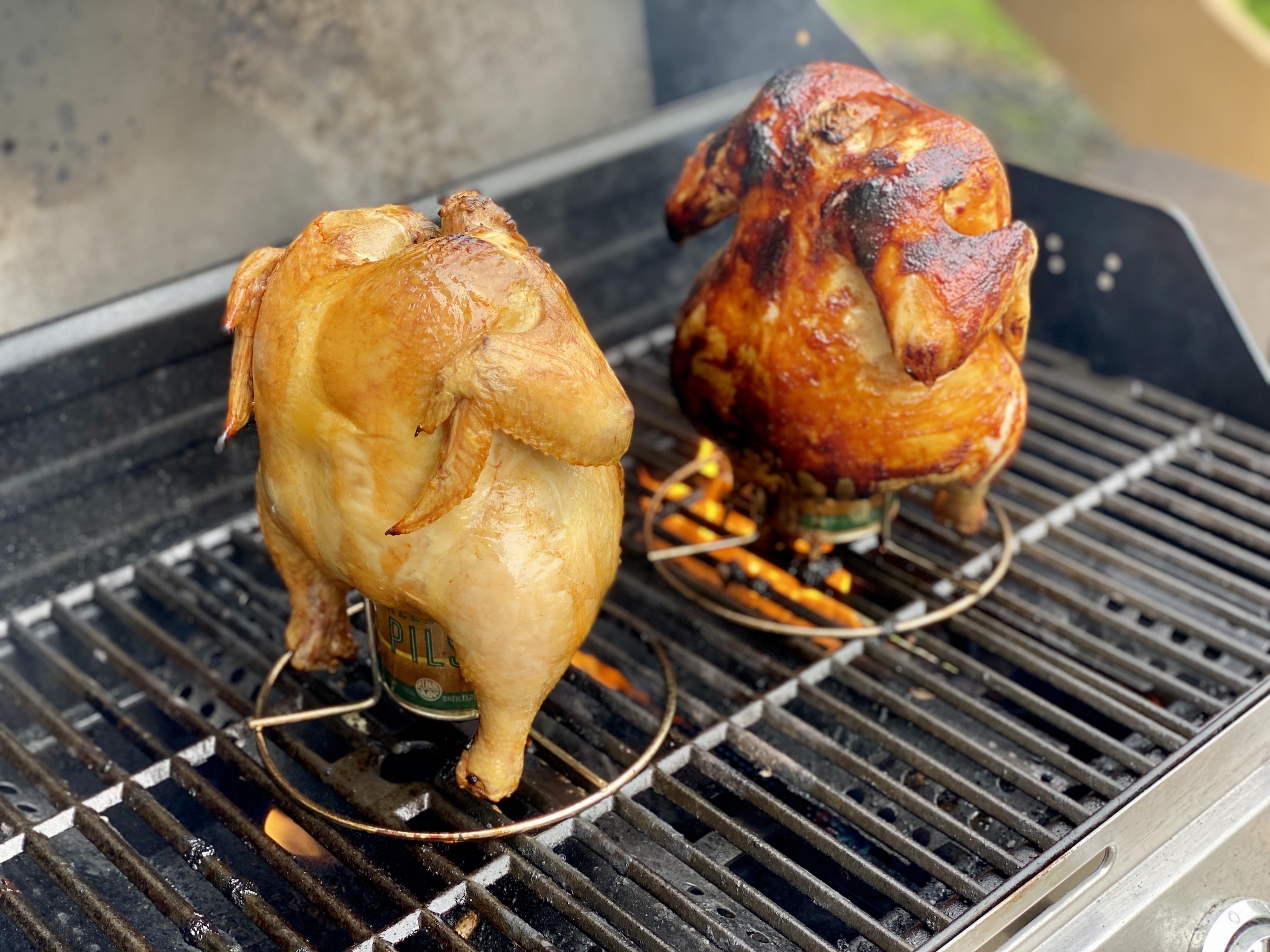
I used to think beer can chicken was pure showmanship. Then I made it on a weeknight when I wanted something hands-off but still a little dramatic, and it clicked. It is the rare recipe that feels like a flex while you are basically just waiting for a thermometer to beep. Now it is my go-to when I want the house to smell like a cookout and the chicken to stay juicy, even if my attention wanders to a bright, zippy sauce on the side.