Mom's Best Recipes
Recipe

Gluten Free Vanilla Cake

A soft, fluffy gluten free cake with a real vanilla-forward flavor and a tender crumb that slices clean, stacks beautifully, and stays moist for 2 to 3 days when stored airtight.

Author By Matt Campbell
4.8
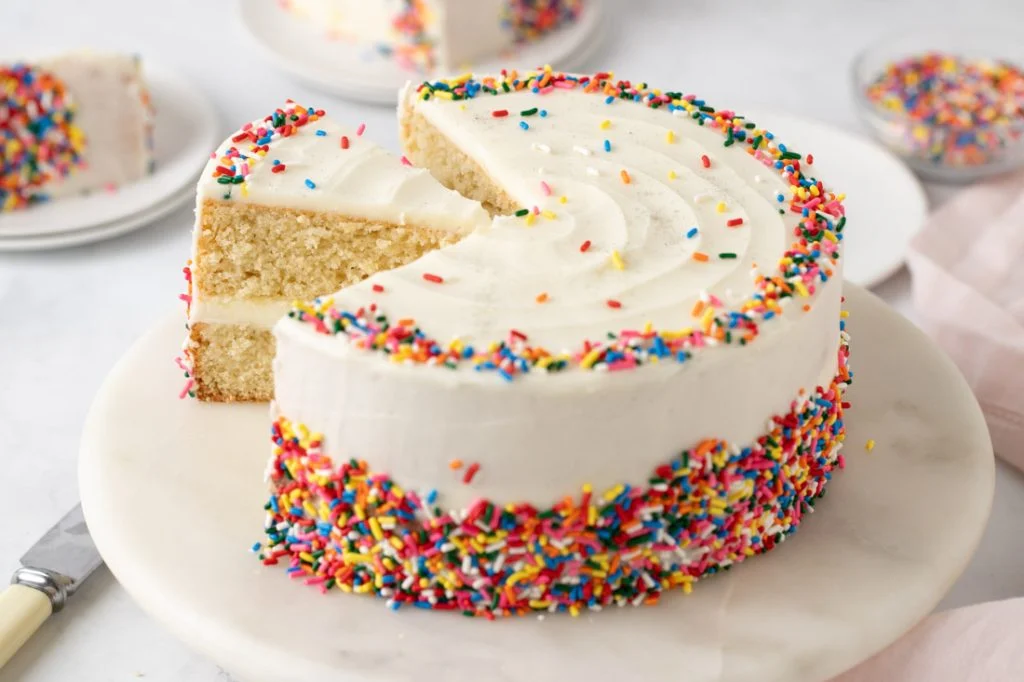
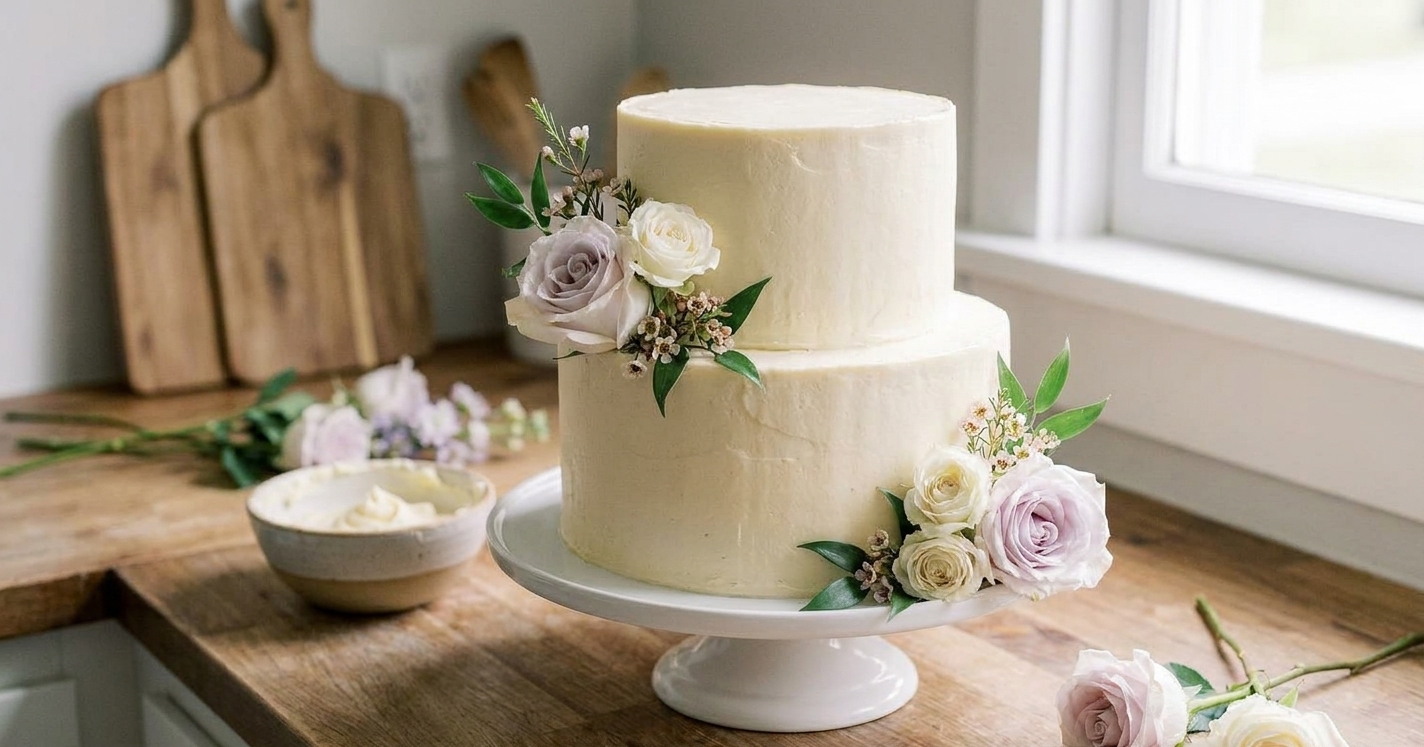
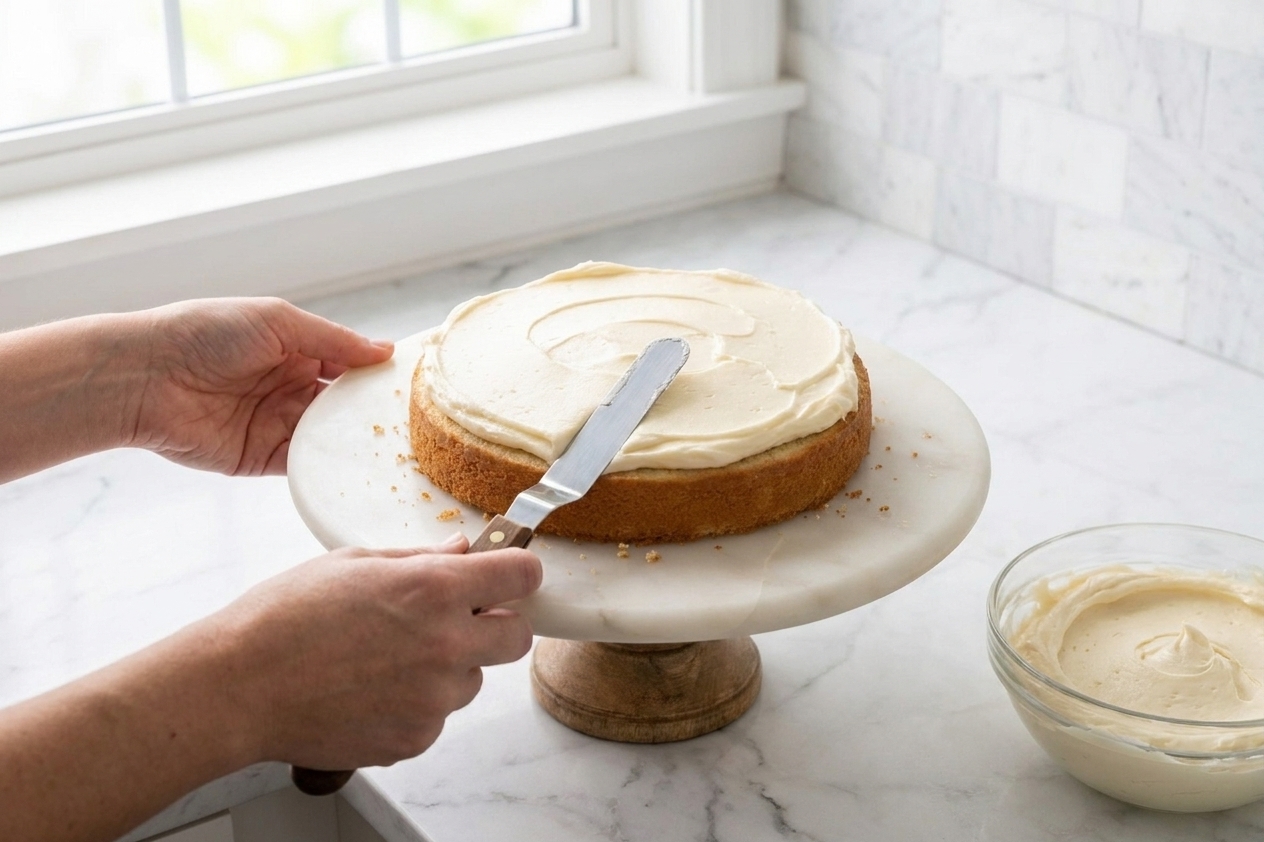
A two-layer gluten free vanilla cake with vanilla buttercream frosting on a white cake stand on a bright kitchen counter, natural window light

Gluten free cake has a reputation problem. Too dry, too gritty, too eager to crumble the second you look at it sideways. This one is the fix. It bakes up fluffy and tender with that classic vanilla birthday-cake vibe, and it does it without a scavenger hunt for ingredients.

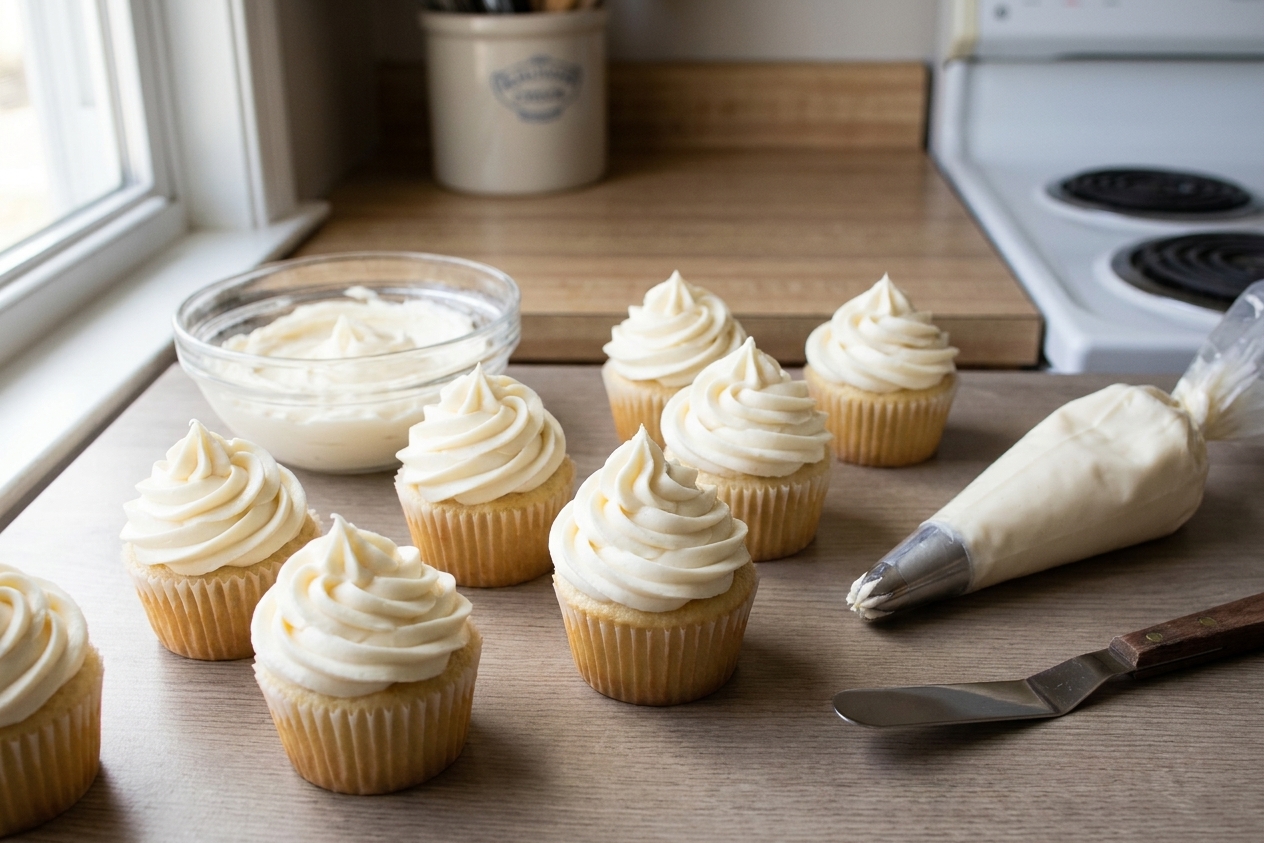
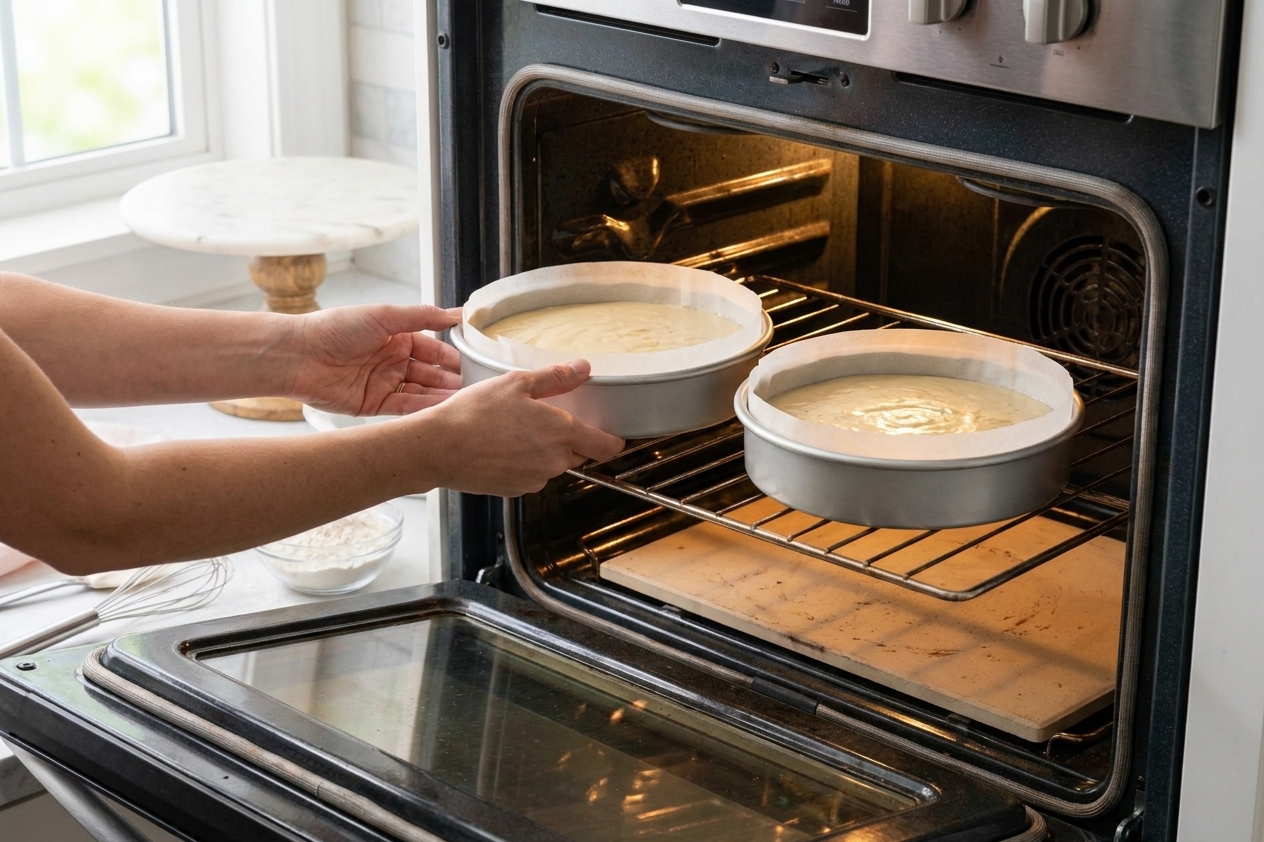
The secret is not magic. It is a good gluten free flour blend, the right amount of moisture, and a quick rest that lets the batter hydrate so you do not get that sandy texture. You can bake it as two 8-inch layers, a 9x13 sheet cake, or cupcakes when the group chat decides on “something easy” at 6:12 PM.

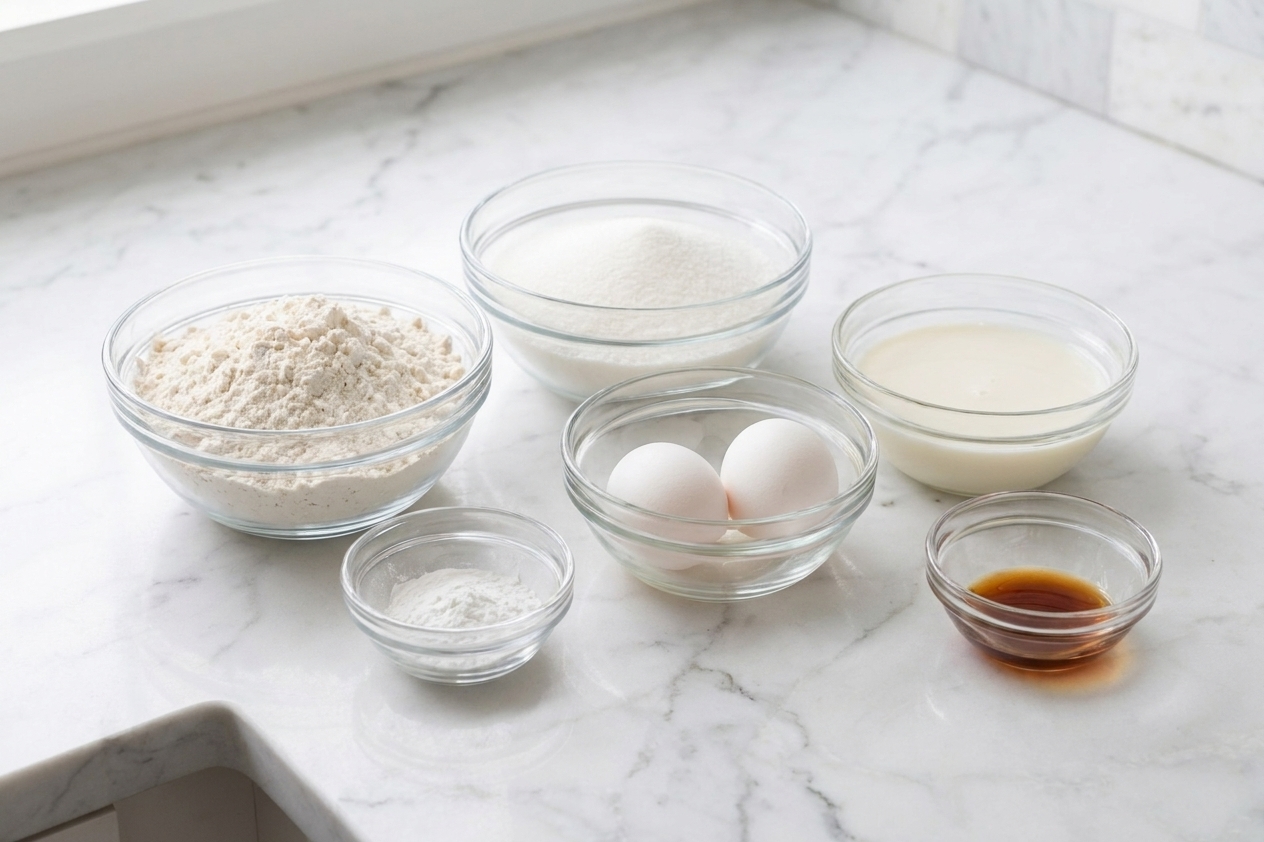
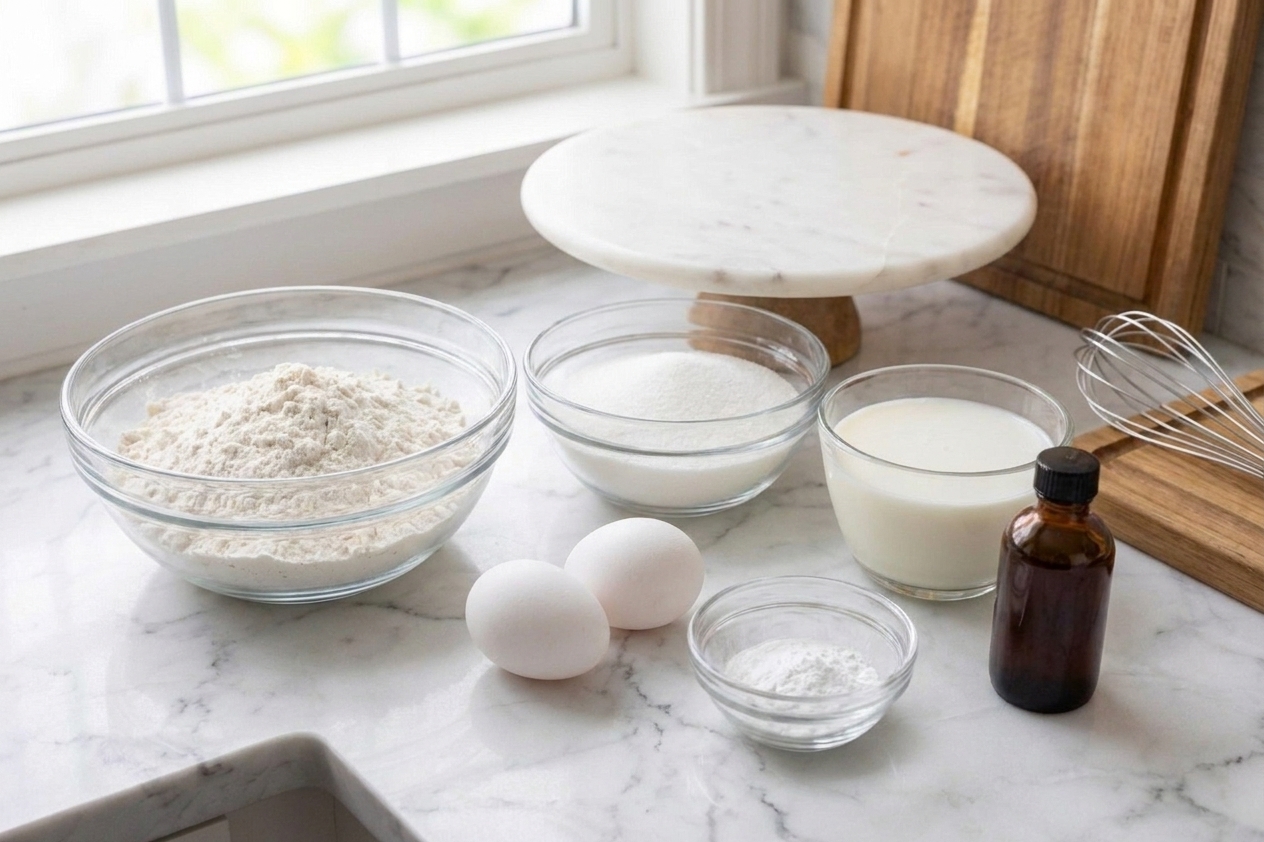
Measured gluten free flour blend, sugar, baking powder, eggs, milk, and vanilla arranged in small bowls on a clean kitchen counter

Why It Works

  • Soft, not crumbly: A short batter rest hydrates the flour blend and improves crumb.
  • Bright vanilla flavor: Vanilla extract plus a little extra salt makes the sweetness pop instead of tasting flat.
  • Reliable rise: Baking powder is the main leavener here, and good mixing and proper bake time help you avoid sinkholes.
  • Flexible bake: Works as layers, a sheet cake, or cupcakes with simple timing tweaks.

If you have ever had gluten free cake that tastes fine but feels like it is made of damp sand, this method is the way out.

Pairs Well With

Storage Tips

Room temperature: Store frosted cake (buttercream or dairy-free frosting) in a covered container for up to 2 days. Keep it away from direct sunlight or a warm stove.

Refrigerator: Refrigerate for up to 5 days in an airtight container. For the best texture, let slices sit at room temp for 30 to 45 minutes before eating.

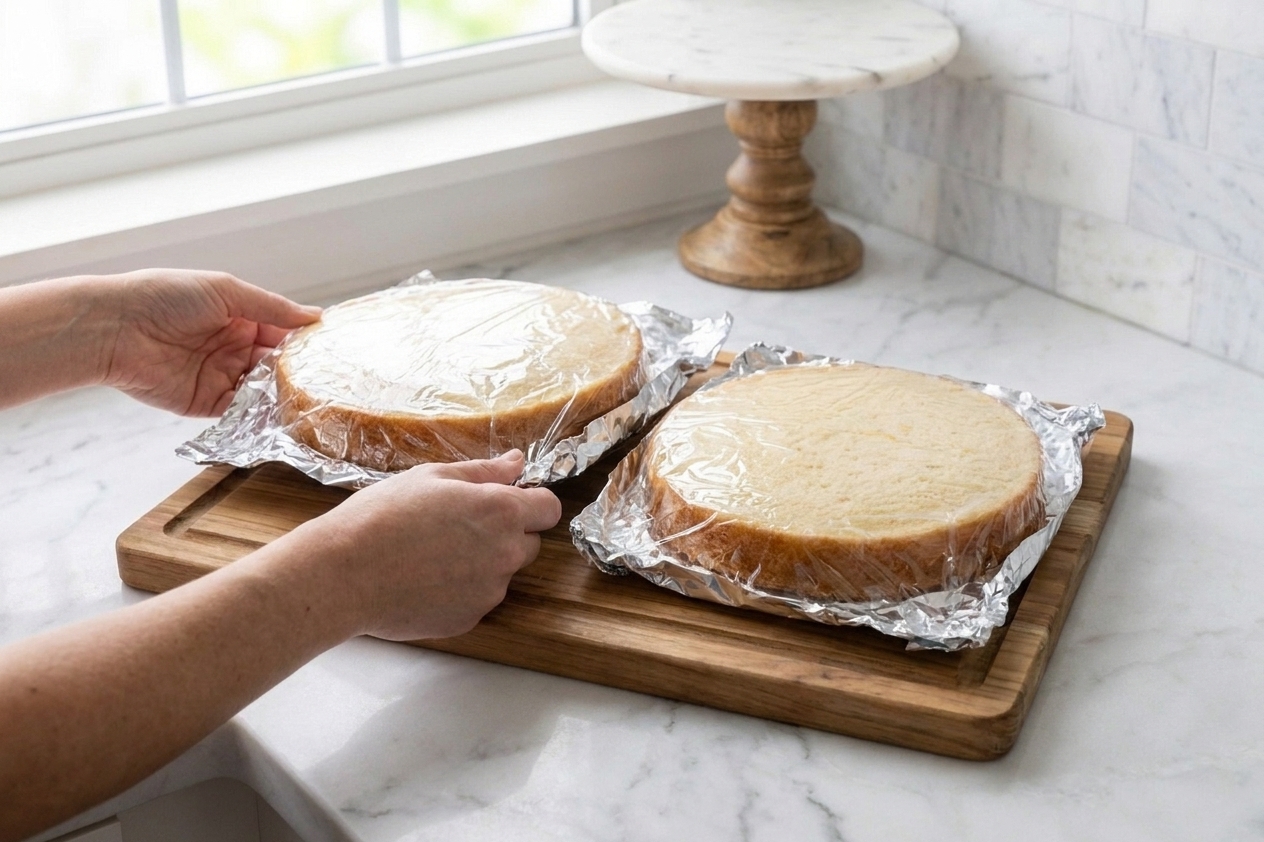
Freezer: Freeze unfrosted layers wrapped tightly in plastic wrap and then foil for up to 2 months. Thaw wrapped at room temp, then frost. You can also freeze frosted slices on a tray until firm, then wrap and store for quick treats.

Two unfrosted vanilla cake layers wrapped in plastic wrap and foil on a cutting board, ready for freezing on a kitchen counter

Common Questions

Can I use almond flour or coconut flour instead of a gluten free flour blend?

Not here. Almond flour and coconut flour behave totally differently and need a different formula. This recipe is built for a 1:1 gluten free all-purpose flour blend.

What gluten free flour blend works best?

Use a blend labeled 1:1 or measure-for-measure that contains rice flour and starches. Blends vary, some absorb more liquid or bake up softer than others, so small texture differences are normal. For the most consistent results, weigh your flour if you can.

If your blend does not include xanthan gum (or guar gum), add it as listed. If it already includes it, skip the extra.

Why rest the batter?

Gluten free flours need a minute to absorb liquid. Resting for 10 minutes reduces grittiness and helps the cake bake up with a smoother, more “normal cake” crumb. This can vary a bit by blend, but it is rarely a bad idea.

My cake sank in the middle. What happened?

  • Oven temperature off, or the door opened early.
  • Underbaked center. Check with a toothpick, look for a gentle spring-back, or use an internal temperature check (see below).
  • Expired baking powder.
  • Too much liquid from a milk swap. Some dairy-free milks are thinner, which can change structure.

Can I make it dairy free?

Yes. Use neutral oil (already dairy free), swap milk for unsweetened almond or oat milk, and use a dairy-free butter for the frosting. The cake stays tender.

Can I make it egg free?

Egg-free gluten free cakes can be tricky. If you want to try, use a commercial egg replacer designed for baking. The crumb will be a bit more delicate and the rise slightly smaller.
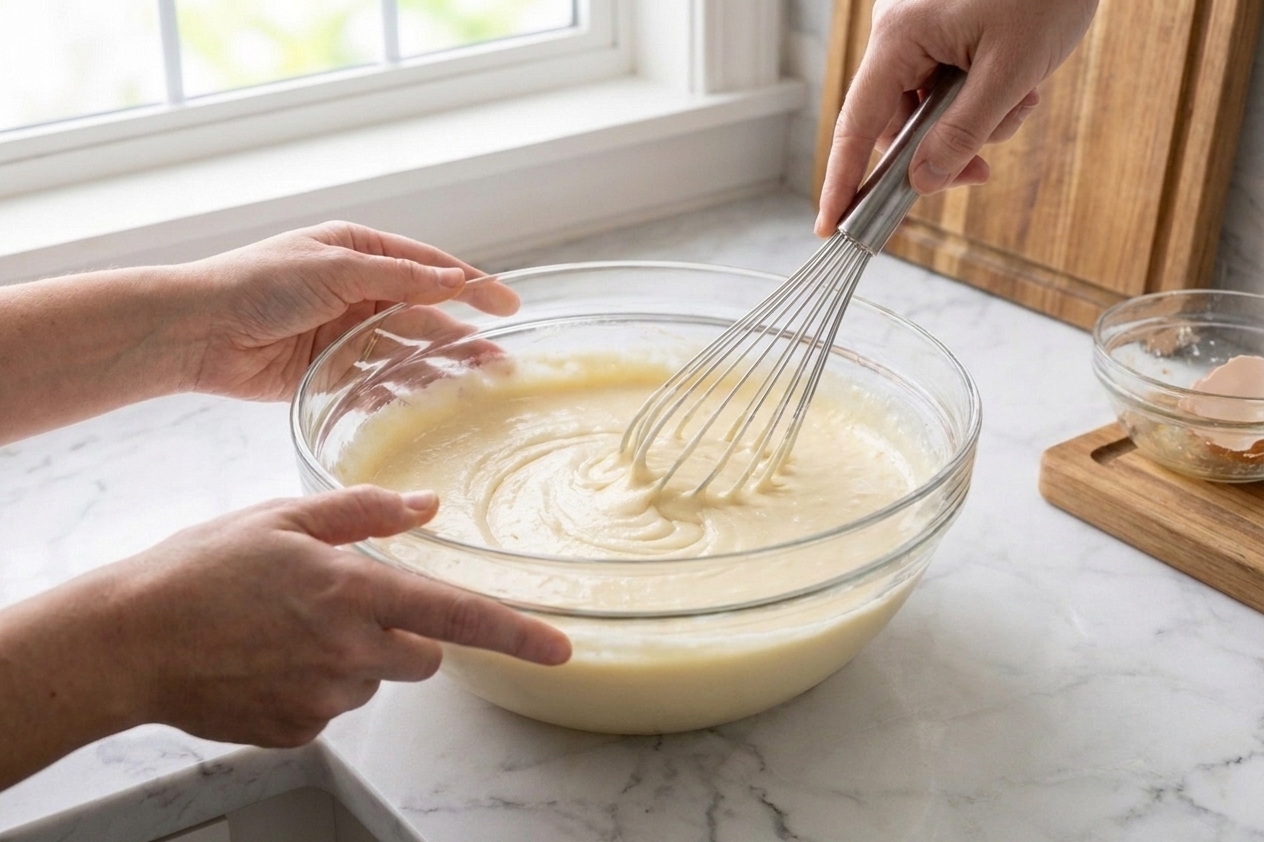

A bowl of smooth gluten free vanilla cake batter being whisked on a light-colored kitchen counter

I wanted to go to culinary school, but I ended up chasing the practical side of cooking instead. That means I am always testing recipes the way real people cook them, with imperfect pans, a mildly chaotic kitchen, and a timer that might as well be a suggestion. Gluten free baking used to intimidate me because the margin for error feels smaller, and nobody wants a sad, crumbly birthday moment.

This cake is the one I make when I need something that just works. It is vanilla, classic, and flexible, and it tastes like you meant to bake it gluten free, not like you settled.