What is beurre blanc made of?
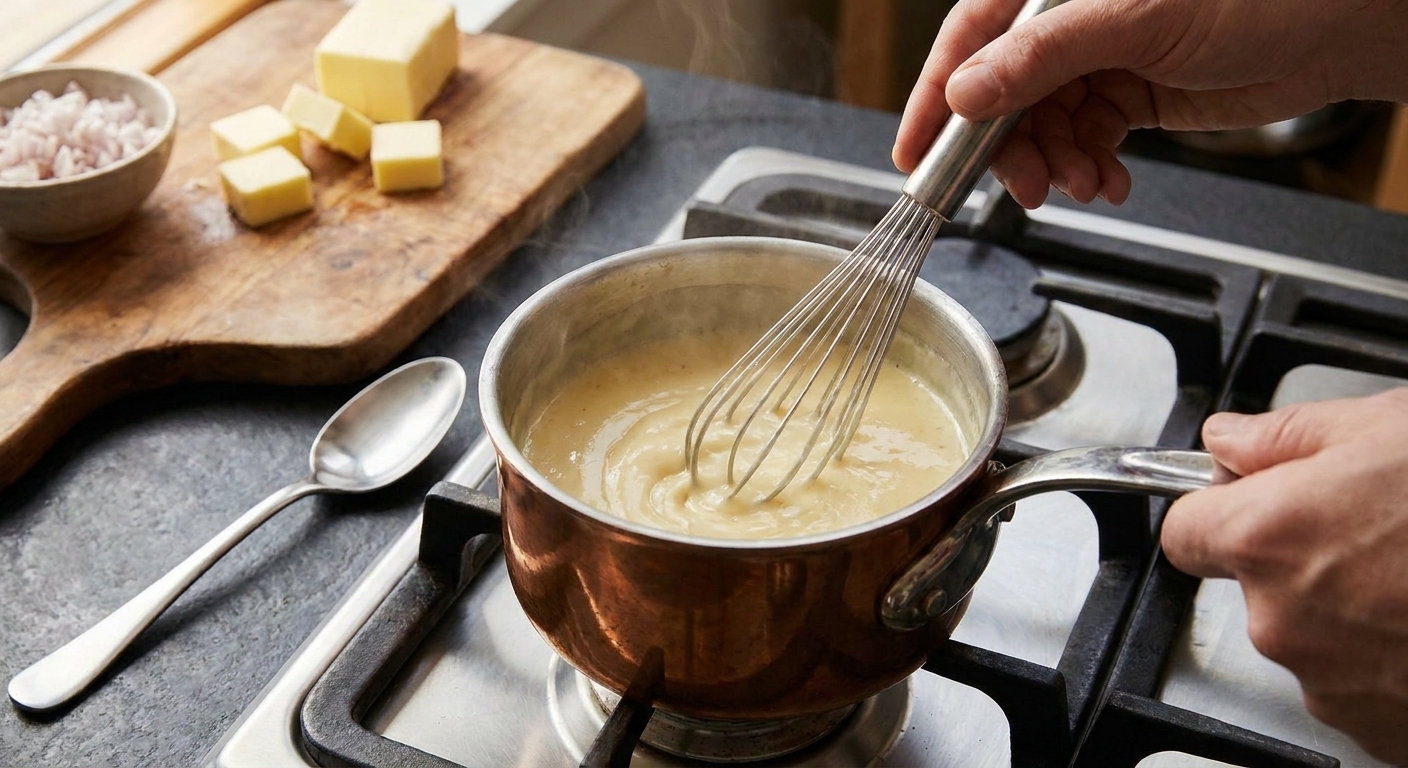
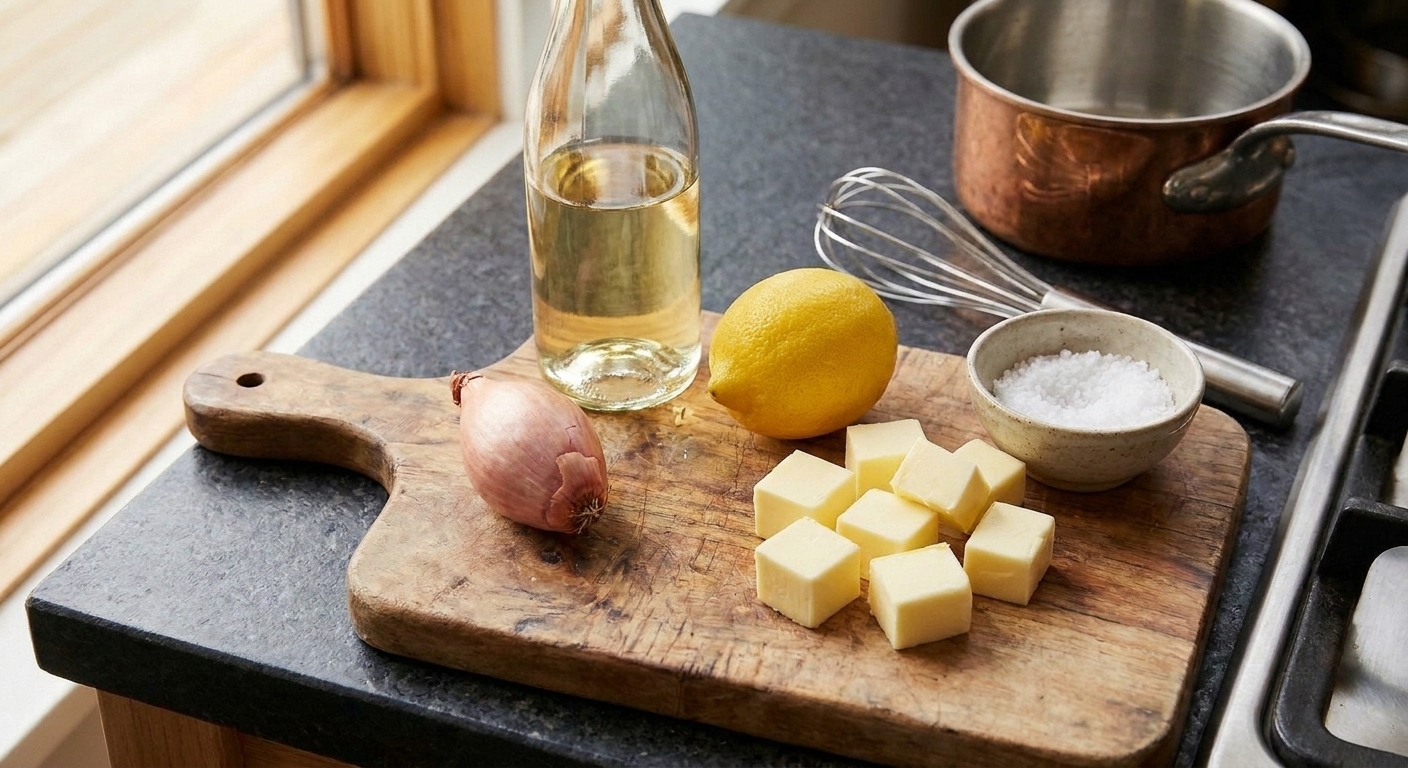
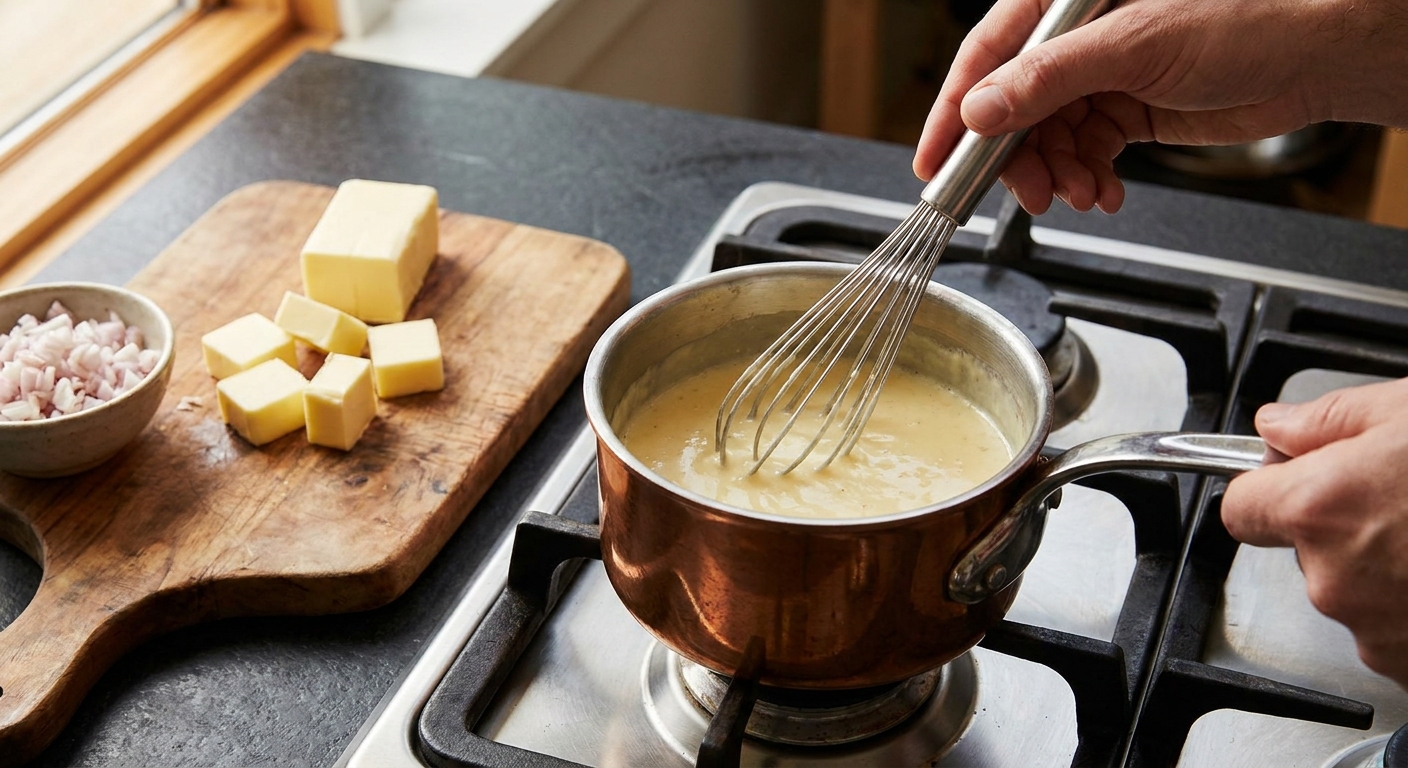
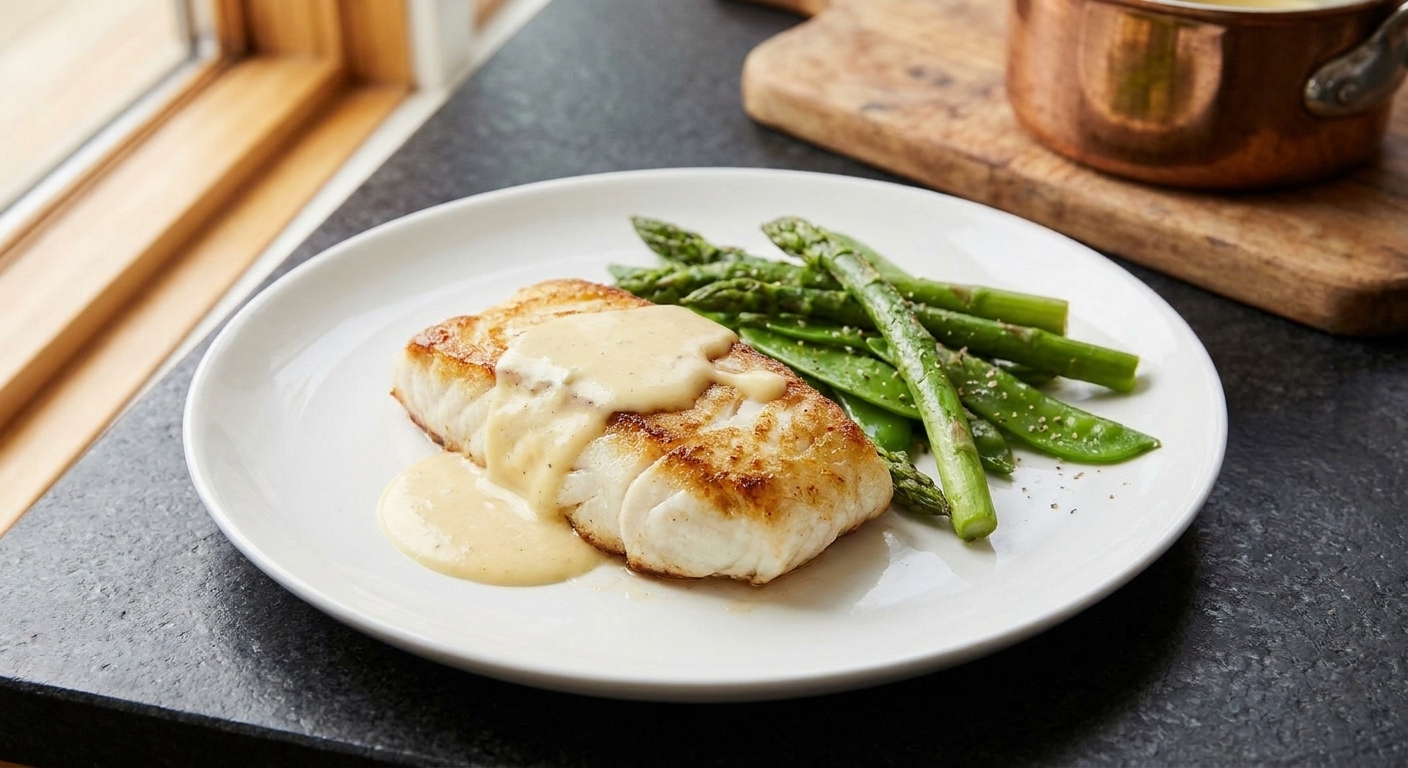
Classic beurre blanc is a reduction of white wine and shallot (sometimes with a splash of vinegar), whisked with lots of cold butter until it becomes a pale, creamy sauce. This version finishes with lemon juice.
Why did my beurre blanc break?
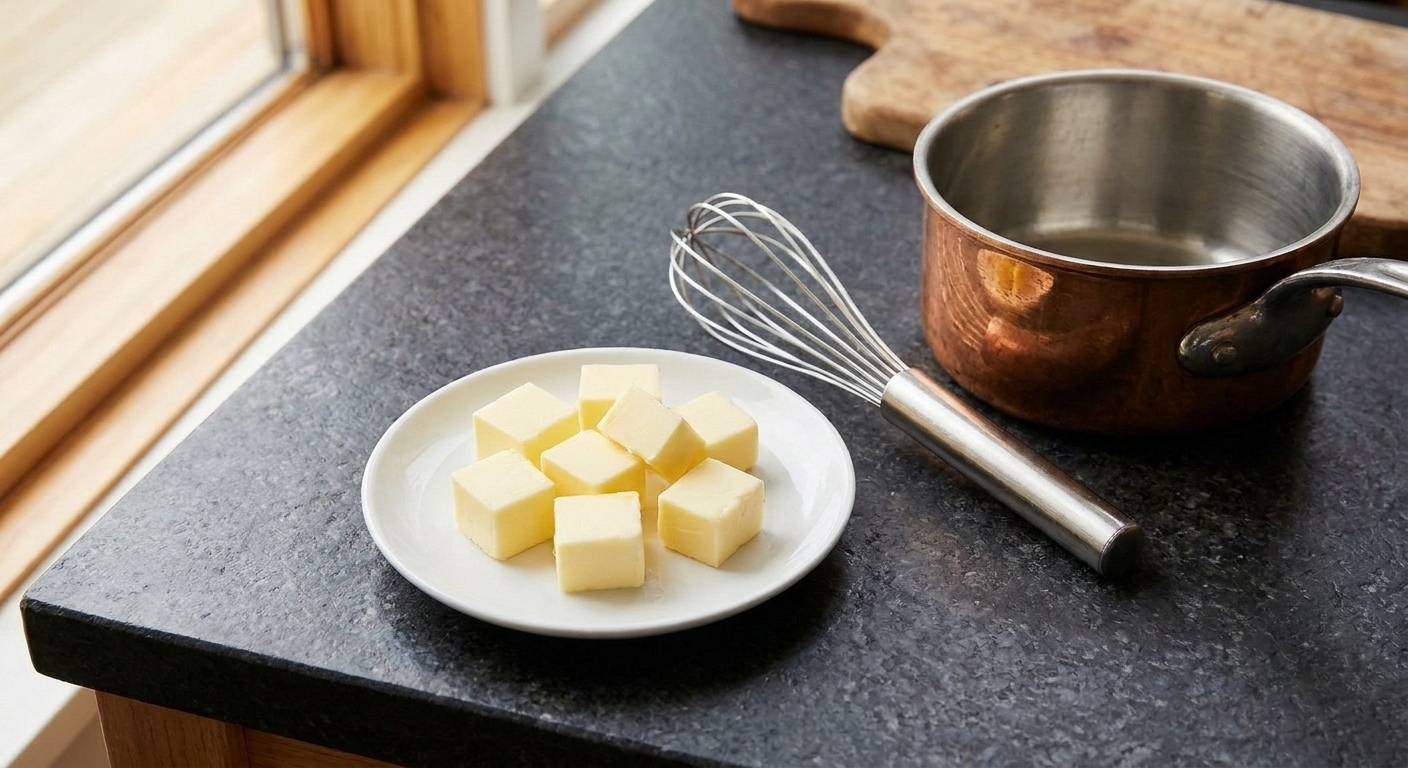
Usually one of three culprits: the pan was too hot, the butter went in too fast, or the sauce sat too hot for too long. Keep the heat low, whisk in cold butter gradually, and hold it warm (not hot) for serving.
How do I fix a broken beurre blanc?
Take it off the heat. In a clean bowl or saucepan, whisk in 1 teaspoon warm water, then very slowly whisk in the broken sauce a little at a time until it comes back together. If needed, whisk in one small cube of cold butter at the end to help it re-emulsify.
Can I make beurre blanc without wine?
You can, but it will not taste like classic beurre blanc. If you need a substitute, use a mix of chicken or vegetable broth plus 1 to 2 teaspoons lemon juice or a mild vinegar to mimic the acidity. The sauce will be softer in flavor.
What white wine is best?
Use a dry white wine you would happily sip: Sauvignon Blanc, Pinot Grigio, or an unoaked Chardonnay all work nicely. Avoid sweet wines.
When do I salt beurre blanc?
At the end. The reduction concentrates flavor quickly, so salting at the end helps you avoid oversalting and keeps the seasoning easy to control.
How do I hold beurre blanc warm for dinner?
Best method: pour it into a warm bowl and set that bowl over a saucepan of barely warm water (like a gentle double boiler). Aim for about 90 to 120°F (many kitchens hover around 100 to 110°F). Try to keep it under about 125 to 130°F, and do not let it simmer. Whisk occasionally.