Mom's Best Recipes
Recipe

Biko

Chewy coconut sticky rice baked until set and finished with a glossy coconut caramel topping.

Author By Matt Campbell
4.8
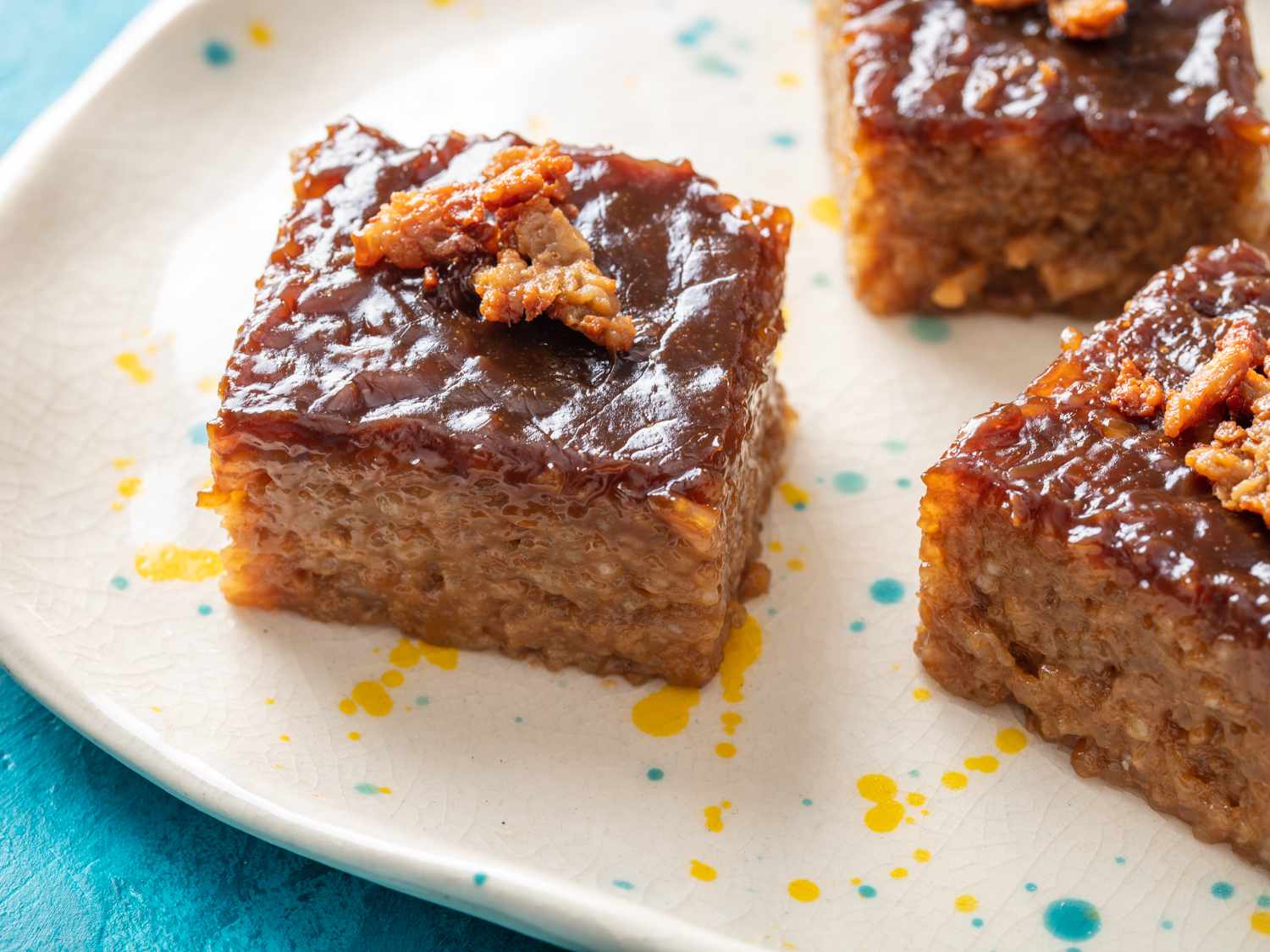
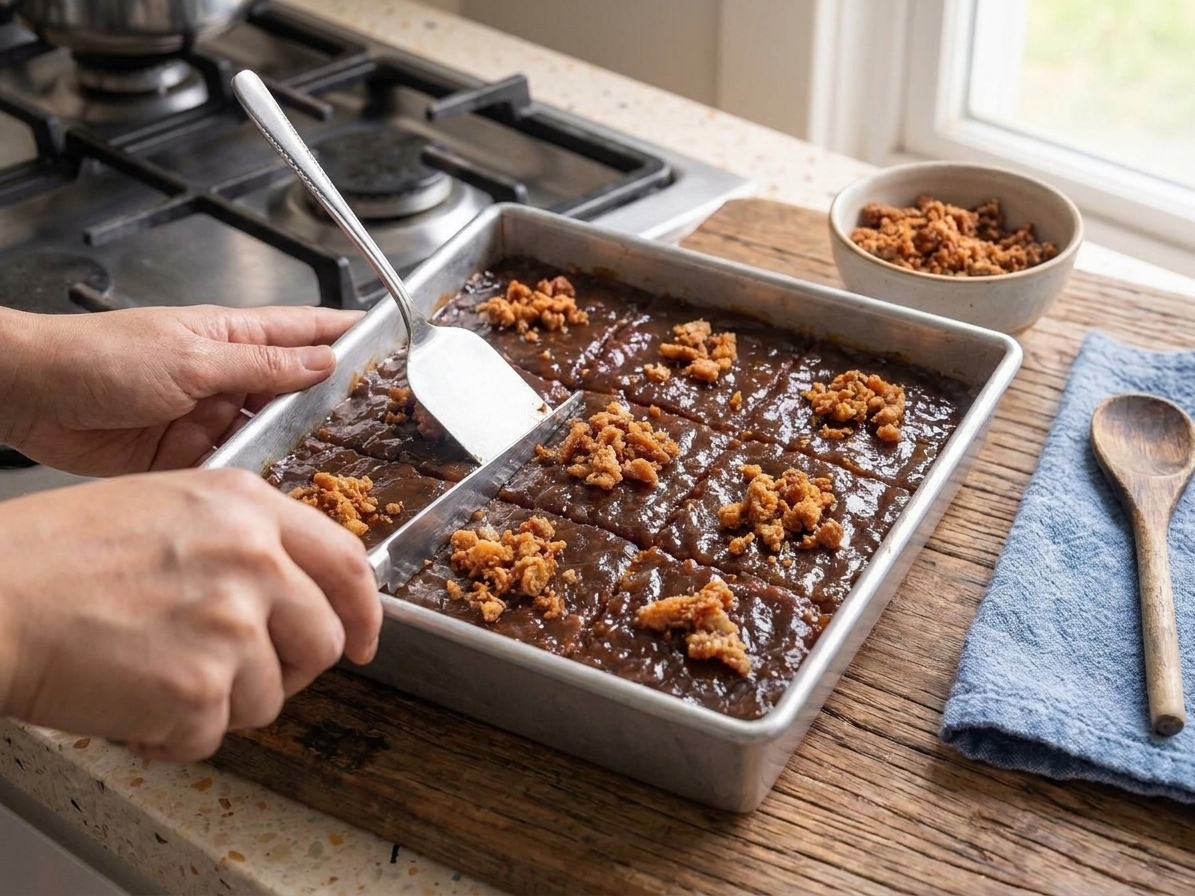
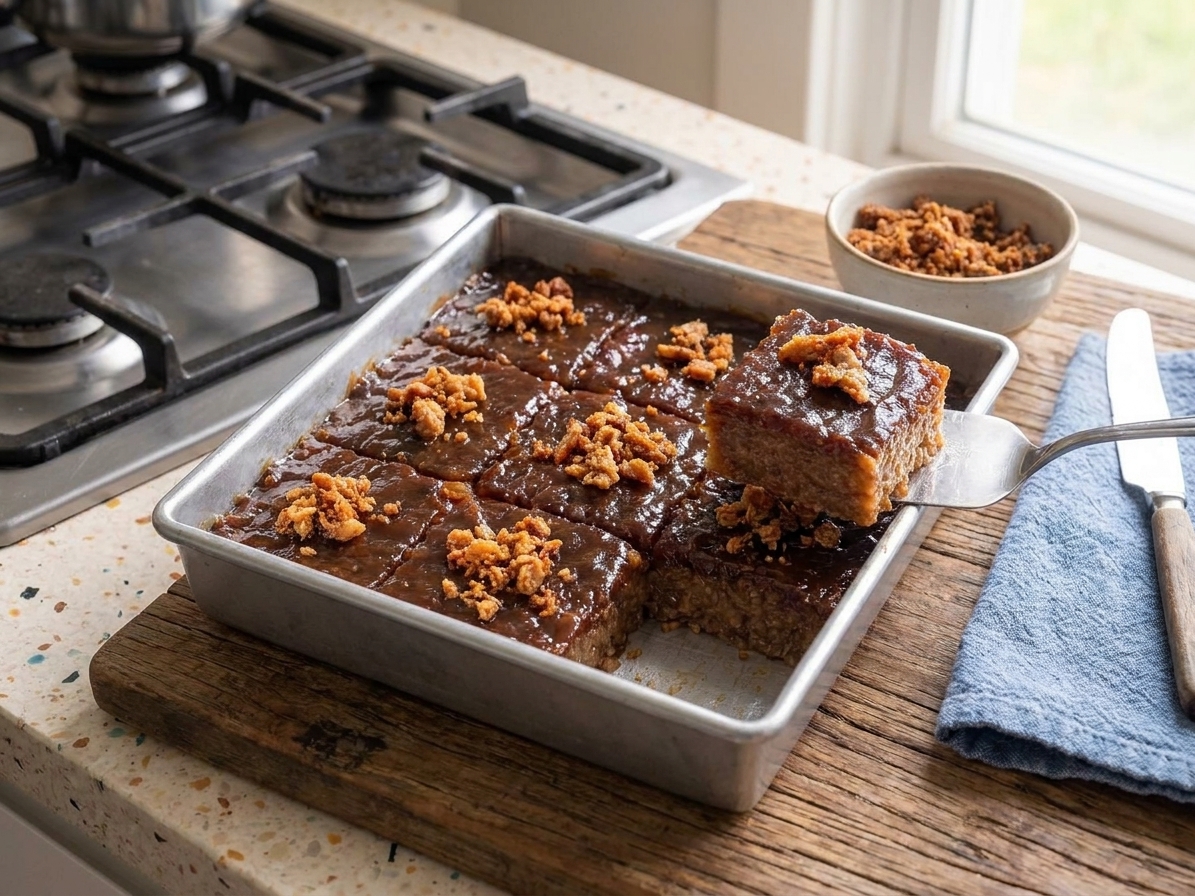
A pan of Filipino biko with a glossy coconut caramel topping, cut into neat squares on a rustic kitchen table with warm natural light

Biko is the kind of dessert that feels like a warm blanket with crisp corners. It's sweet and toasty from brown sugar, creamy from coconut milk, and delightfully chewy thanks to glutinous rice. If you've ever wanted a dessert that's low-fuss but still makes people hover around the pan “just to taste,” this is it.

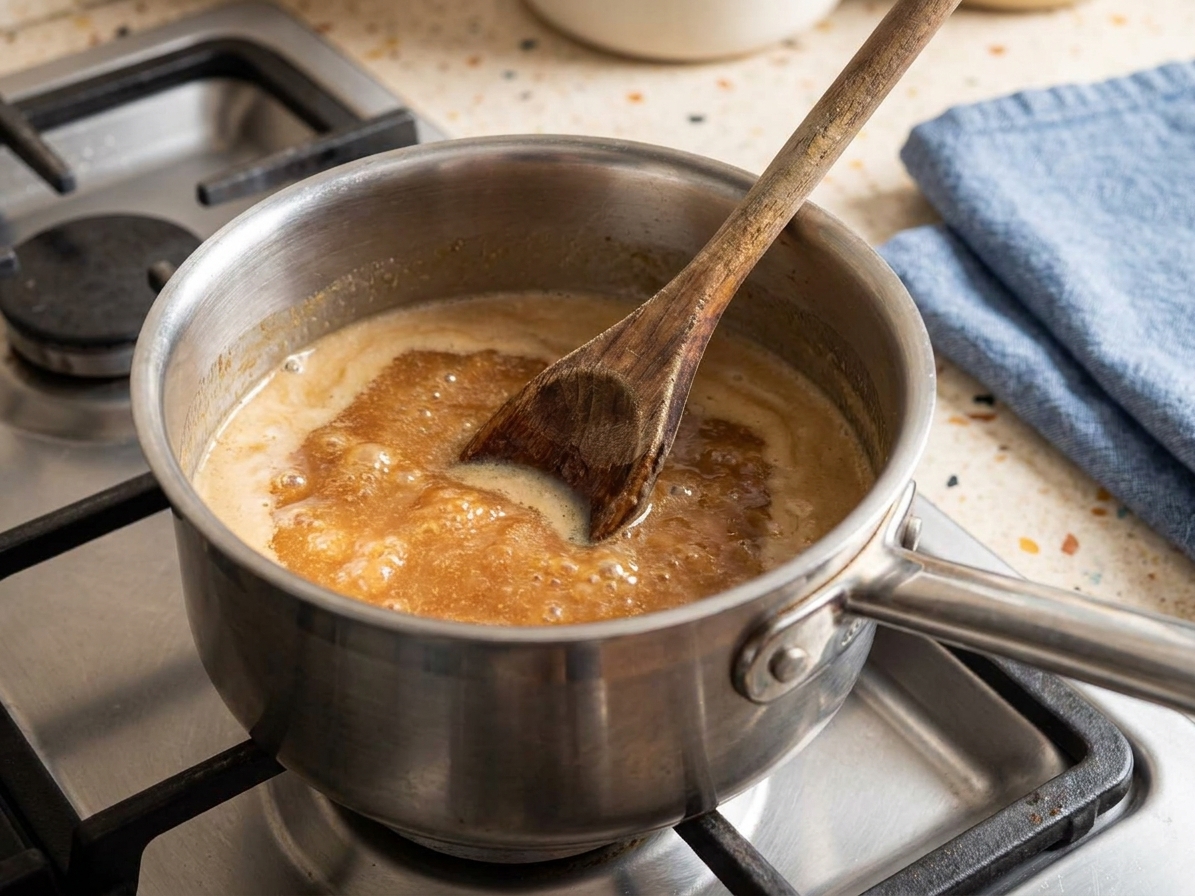
My version keeps ingredients accessible and the steps super clear: cook the rice in coconut milk, bake it to set, then pour on a quick coconut caramel topping that turns glossy and lightly chewy as it cools. Quick note: toppings vary by family and region. This is a simplified, bake-friendly approach that gives you that classic biko comfort with a glossy finish.
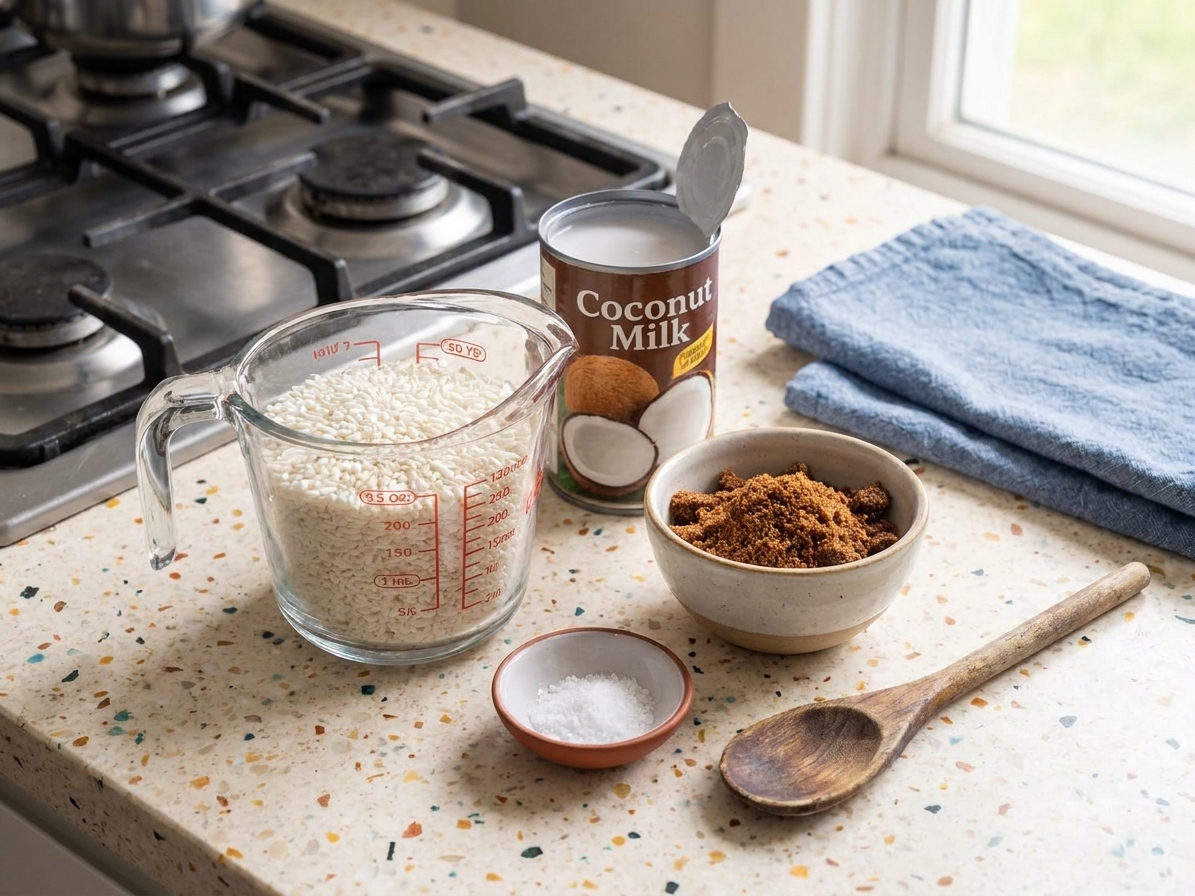
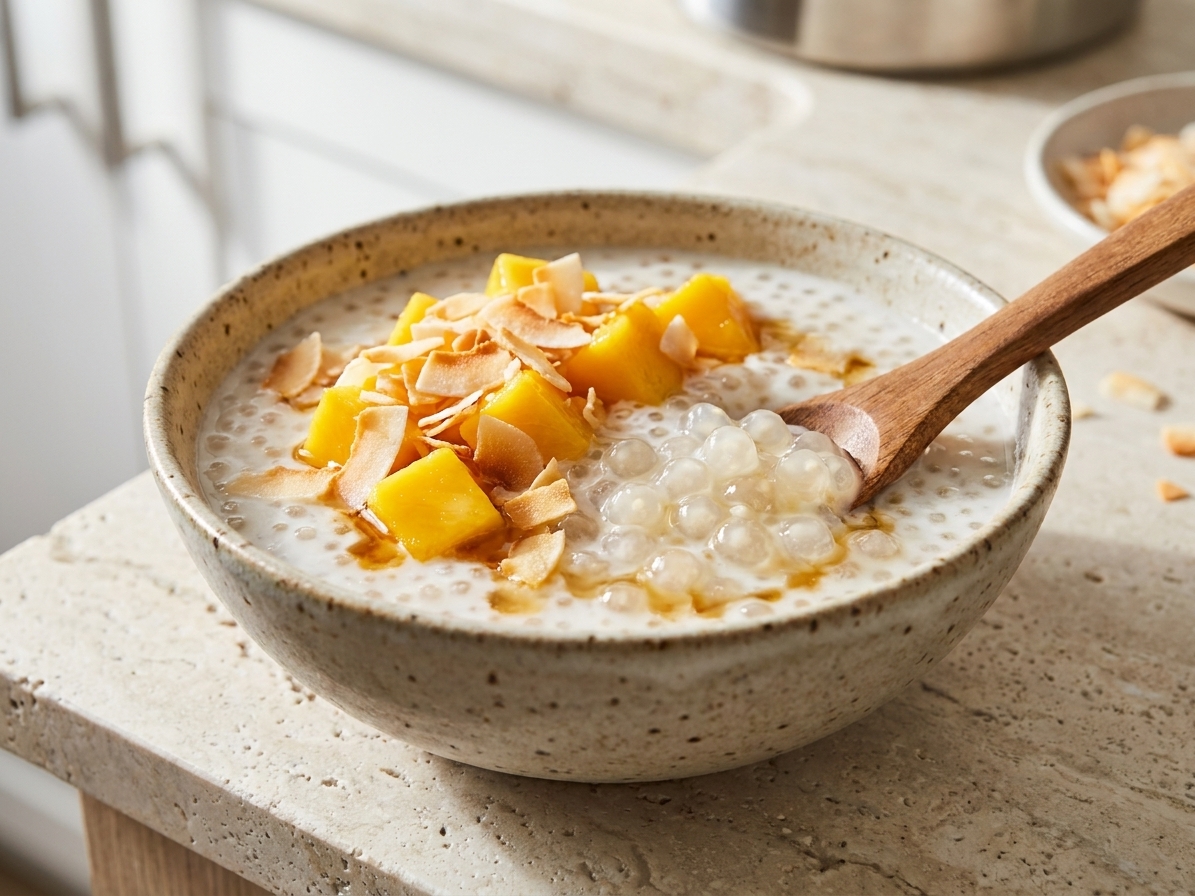
Glutinous rice, canned coconut milk, brown sugar, and salt measured on a clean kitchen counter with soft daylight

Why It Works

  • Chewy, not mushy: Rinse and soak the rice so it cooks evenly and stays pleasantly bouncy.
  • Deep coconut flavor: A mix of coconut milk and water keeps it rich without turning greasy.
  • Glossy topping, no drama: The coconut caramel is cooked just until thick enough to coat a spoon, then it finishes setting in the oven.
  • Crisp edges available on request: Bake until the sides darken slightly for those coveted caramelized corners.
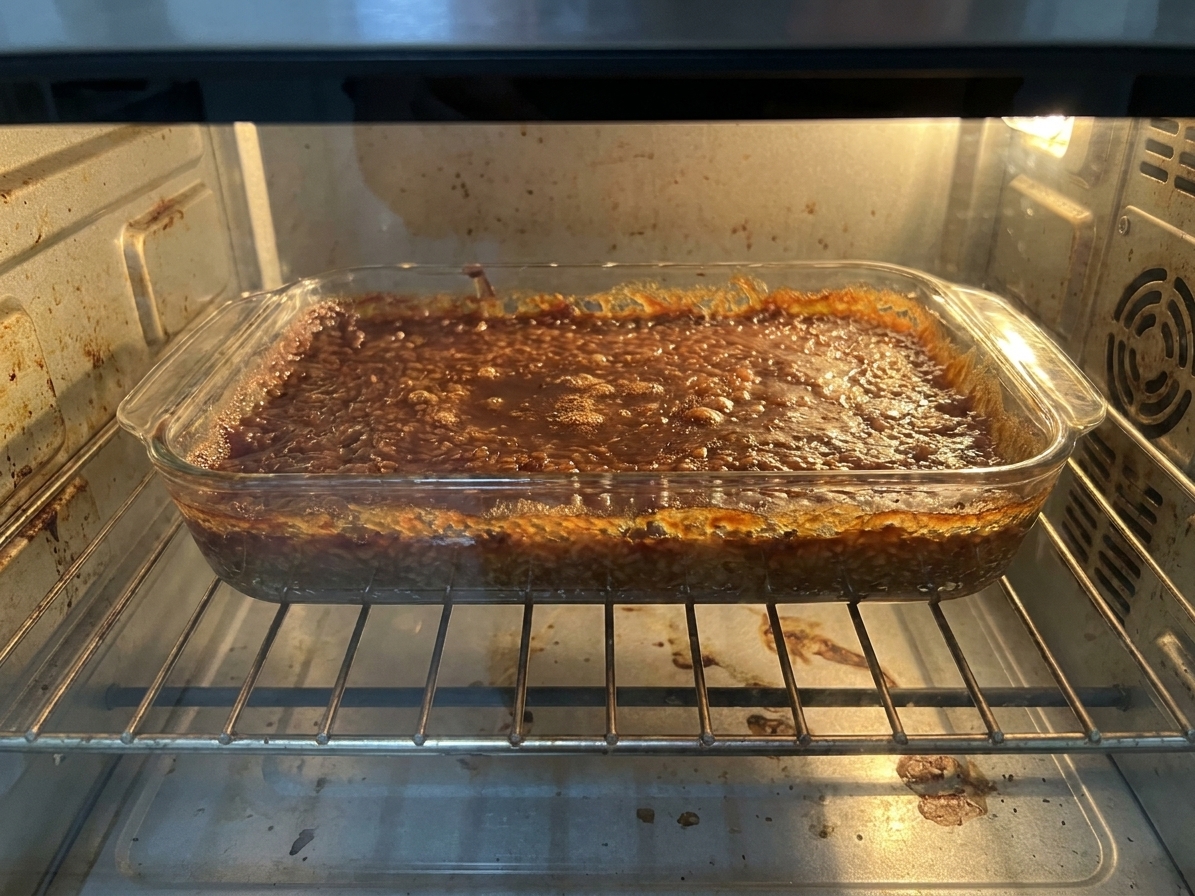
Biko baking in a rectangular glass baking dish on an oven rack, the surface starting to turn golden at the edges

Pairs Well With

Storage Tips

How to Store Biko

  • Room temperature: Keep tightly covered for up to 1 day if your kitchen is cool. If it's warm or humid, refrigerate sooner.
  • Refrigerator: Cover the pan or transfer squares to an airtight container for up to 5 days. The rice will firm up as it chills, that's normal.
  • Freezer: Wrap individual squares in plastic wrap, then store in a freezer bag for up to 2 months.

How to Reheat

  • Microwave: 15 to 30 seconds per square. Add a tiny splash of water on the plate if it seems dry.
  • Oven: Cover with foil and warm at 300°F for 10 to 15 minutes.
Two squares of biko on a small plate with a cup of coffee nearby on a wooden table, warm morning light

Common Questions

Common Questions

Is glutinous rice the same as regular rice?

No. Glutinous rice (also called sweet rice) is a different variety that cooks up chewy and sticky. Regular jasmine or long-grain rice won't give you biko texture.

Do I have to soak the rice?

I strongly recommend it. A 30-minute soak helps the grains hydrate so they cook evenly in coconut milk and you avoid crunchy bits. If you've got extra time, 1 to 2 hours is fine. Just drain very well.

Can I make biko without the topping?

Yes. It'll still be delicious, just less glossy and caramel-forward. If skipping the topping, bake until the rice is fully set and the edges look lightly browned.

Why is my biko dry?

Usually it's either overbaked or the rice cooked down too far before baking. Pull it when the center is set (it shouldn't ripple when you gently shake the pan) but still looks a little moist. It'll finish firming up as it cools.

Why is my biko too wet or loose?

It's usually underbaked, or the rice mixture wasn't cooked down enough on the stove. On the stovetop, aim for thick like loose oatmeal. In the oven, the top should look glossy and set, not wet.

What pan should I use?

An 8x8-inch pan gives thicker squares. A 9x13-inch pan makes a thinner tray that sets faster. Both work, just adjust bake time as noted below. Glass tends to brown a bit slower than metal, and metal may caramelize the edges faster.

The first time I made biko, I learned two things fast: coconut milk deserves your full attention, and the best pieces are the ones with the darkest edges. There's a very specific moment when the pot goes from “smells amazing” to “oh no, that's sticking,” so now I treat biko like a cozy, chatty friend. I stay close, I stir, and I taste a grain or two like I'm checking in on a good story. When it finally cools enough to slice, it's pure payoff.