Mom's Best Recipes
Recipe

Easy Blackberry Jam

A simple, small-batch blackberry jam that tastes like summer and sets without pectin. Bright lemon, big berry flavor, and a glossy finish.

Author By Matt Campbell
4.8
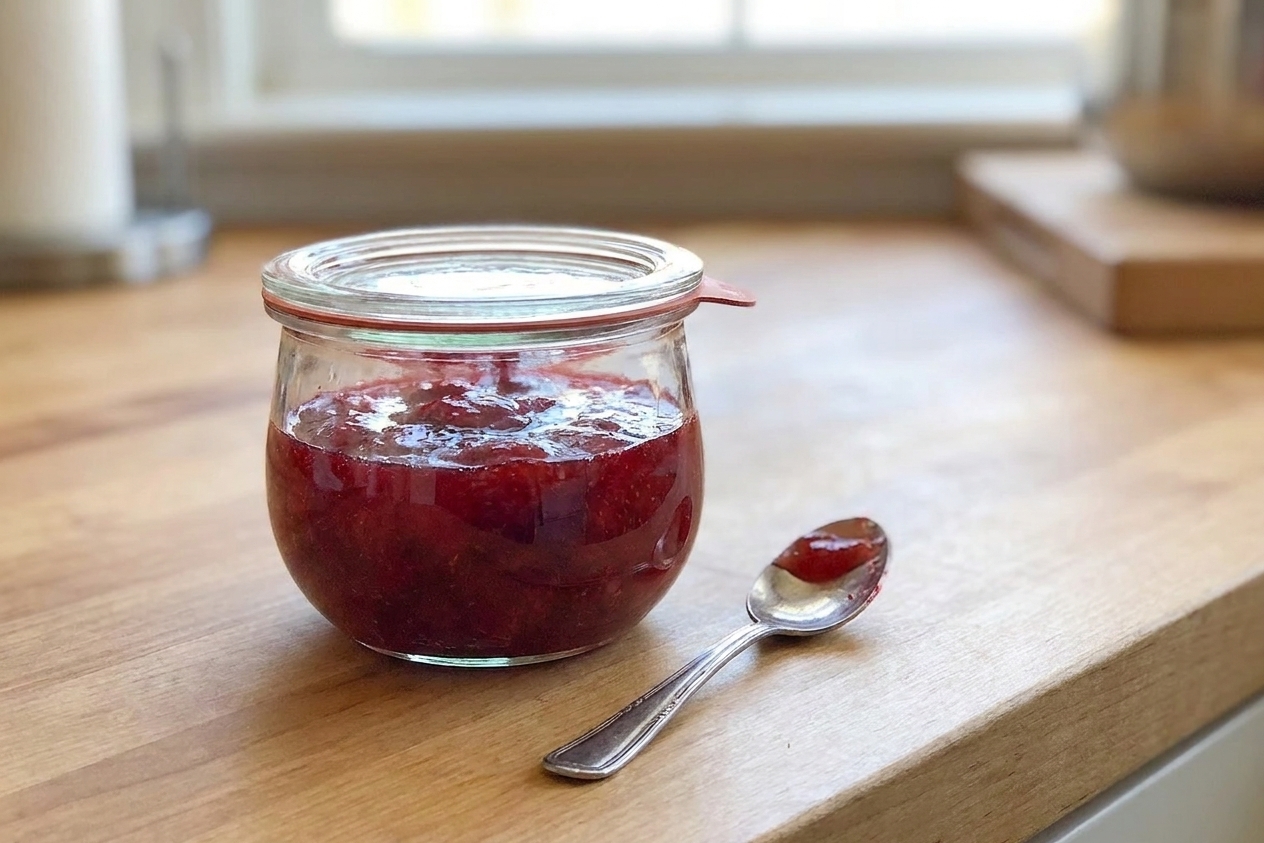
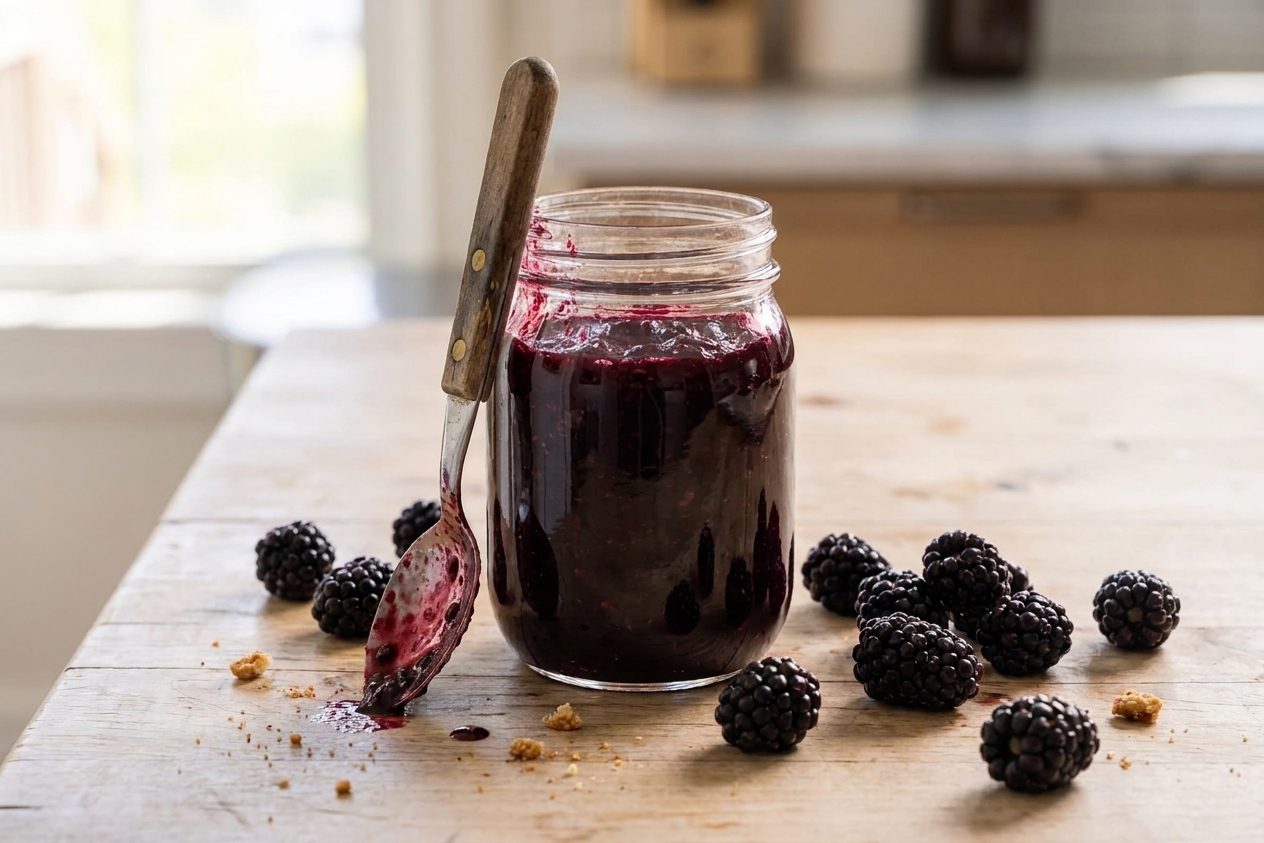
A glass jar of deep purple blackberry jam on a wooden kitchen counter with a spoon nearby and fresh blackberries scattered around, natural window light

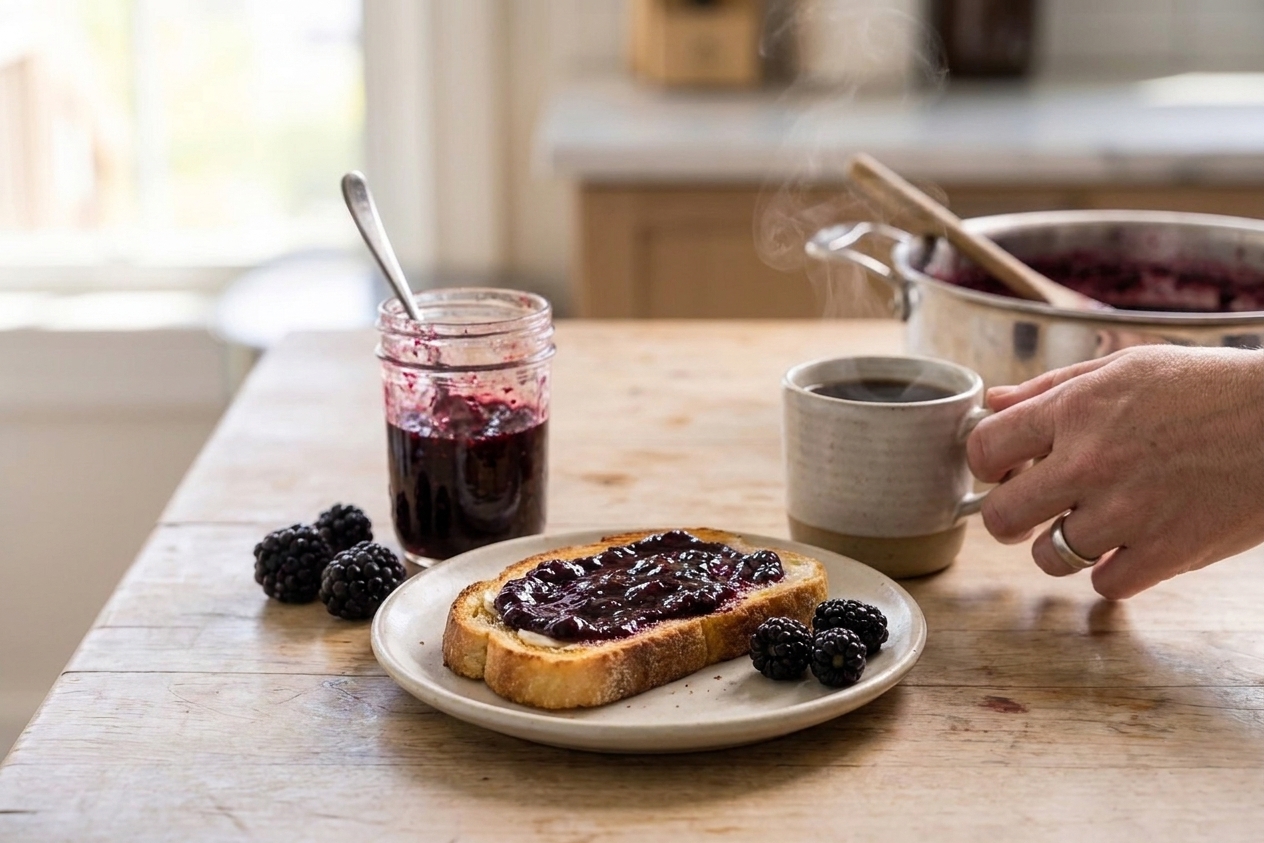
Blackberry jam is one of those kitchen wins that feels way fancier than the effort it asks for. You toss fruit in a pot, add sugar and lemon, and suddenly your house smells like a bakery and a berry patch decided to collaborate.

This version is no pectin, small-batch, and meant to be a refrigerator/freezer jam. It is approachable, forgiving, and ideal when you have a few pints of berries that are flirting with overripeness. We are going for a jam that is glossy, spreadable, and bright, with just enough lemon to make the berry flavor pop without turning it into lemonade.

Also, permission slip: it does not have to be perfectly smooth or perfectly set to be incredible. If it is delicious on toast, we are winning.

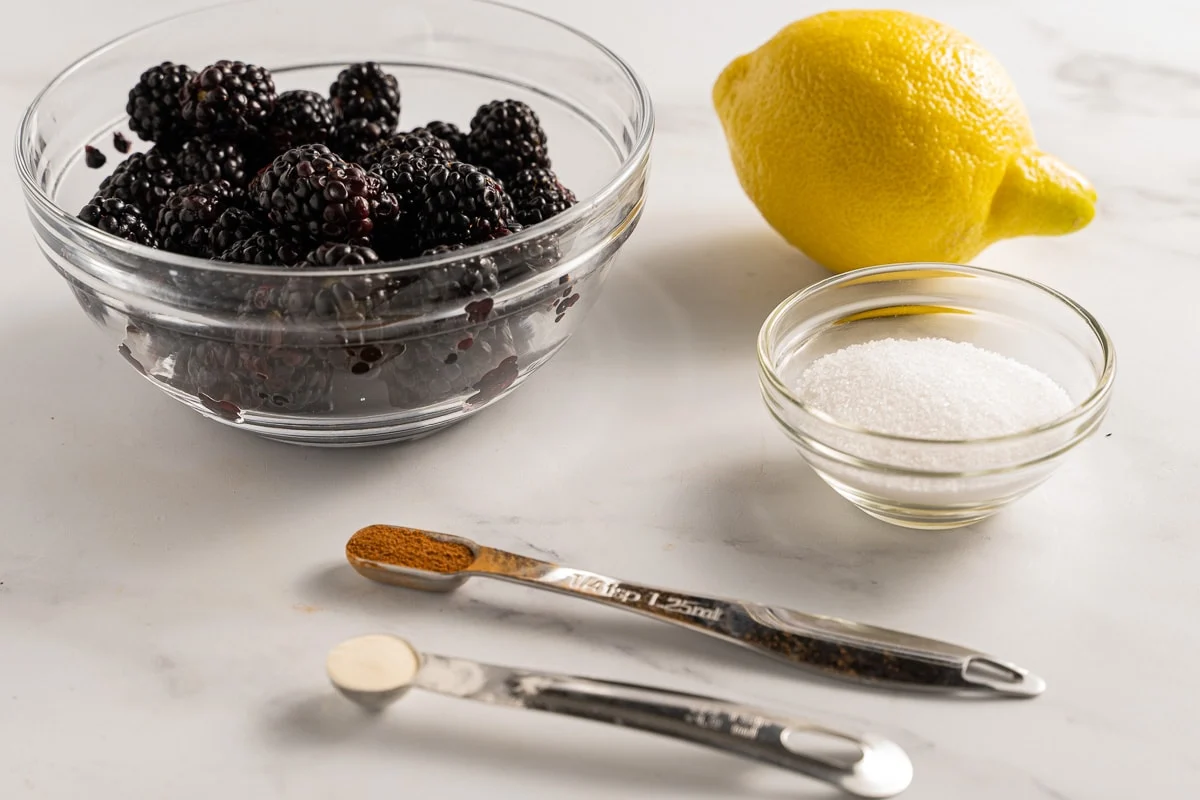
Fresh blackberries, a whole lemon, and a bowl of granulated sugar arranged on a clean kitchen counter, ready for jam making

Why It Works

  • No pectin needed: Blackberries often have enough natural pectin, and we rely on a steady simmer plus lemon juice to help the jam set. Your real decider is the cold plate test.
  • Big flavor, not just sweetness: Lemon juice and a small pinch of salt keep the jam tasting bright and berry-forward.
  • Small batch control: Cooking 2 pounds of fruit in a wide pot reduces faster, thickens evenly, and helps prevent that flat, overcooked taste.
  • Clear doneness cues: You get a simple plate test and an altitude-friendly temperature cue so you are not guessing.

Pairs Well With

Storage Tips

How to Store Blackberry Jam

Refrigerator: Let jam cool, then refrigerate in very clean jars with tight lids for about 2 to 4 weeks. (For refrigerator jam, sterilizing jars is not required, but clean matters.)

Freezer: For longer storage, freeze in freezer-safe jars or containers for up to 6 months. Leave about 1/2 inch headspace because jam expands as it freezes. Thaw overnight in the fridge.

Water-bath canning: If you want shelf-stable jam, follow a current, tested canning recipe from a trusted source (like the National Center for Home Food Preservation) that includes jar size, headspace, and processing times for your altitude. This recipe is written for the fridge/freezer.

Quick tip: If your jam stiffens too much in the fridge, stir in 1 to 2 teaspoons warm water to loosen it. It usually comes right back to life.

Common Questions

Common Questions

Do I have to strain out the seeds?

Nope. Seeds are part of blackberry jam’s personality. If you want it smoother, you can push the cooked berries through a fine-mesh strainer after they soften, then return the strained mixture to the pot to finish cooking. Just know it can take a little longer to reduce once you strain because you are working with a smoother, looser mixture.

How do I know when the jam is done without a thermometer?

Use the cold plate test. Freeze a small plate for 10 minutes. Spoon a little jam onto the plate, wait 30 seconds, then drag your finger through it. If it wrinkles slightly and the line stays mostly put, you are in jam territory. If it floods back together, keep simmering and test again in 3 to 5 minutes.

Why is my jam runny?

Most of the time it just needs more cook time. Jam sets as it cools, so wait until it is fully chilled before judging. If it is still loose after 24 hours, reheat it and simmer a bit longer, then retest on a cold plate.

Why did my jam turn out too thick or sticky?

It likely cooked a little past the set point. You can gently rewarm it with a splash of water and stir until it loosens, then cool again. Next time, pull it off the heat when it hits the wrinkle stage and remember it thickens more as it cools.

Can I reduce the sugar?

You can, but sugar does more than sweeten. It helps with texture and preservation. If you cut it drastically, the jam may not set well and will not keep as long. For this no-pectin method, I recommend staying close to the amounts below for the most reliable results.

Can I use frozen blackberries?

Yes. Thaw first and include any juices. Frozen berries can be a little more watery, so plan on a slightly longer simmer to reach the same thickness.

Can I water-bath can this exact recipe?

For safety, treat this as a refrigerator/freezer jam. Water-bath canning requires a tested canning recipe (with specific jar size, acidity, and processing time) from a trusted source like the National Center for Home Food Preservation.

I started making jam because I liked the idea of it, not because I had some perfect homestead setup. More like: a bowl of berries on the counter, a stubborn refusal to let them go to waste, and a pot I probably should have watched more closely.

Blackberry jam quickly became my favorite because it has this built-in drama. It goes from juicy and chaotic to glossy and thick in what feels like two minutes. The first time I nailed the set, I stood there with toast in one hand, spoon in the other, thinking, okay, wow. This is why people do this.