Mom's Best Recipes
Recipe

Tomato Jam

A small-batch tomato jam that turns ripe tomatoes into a glossy, sweet and tangy spread with lemon and warm spices.

Author By Matt Campbell
4.8
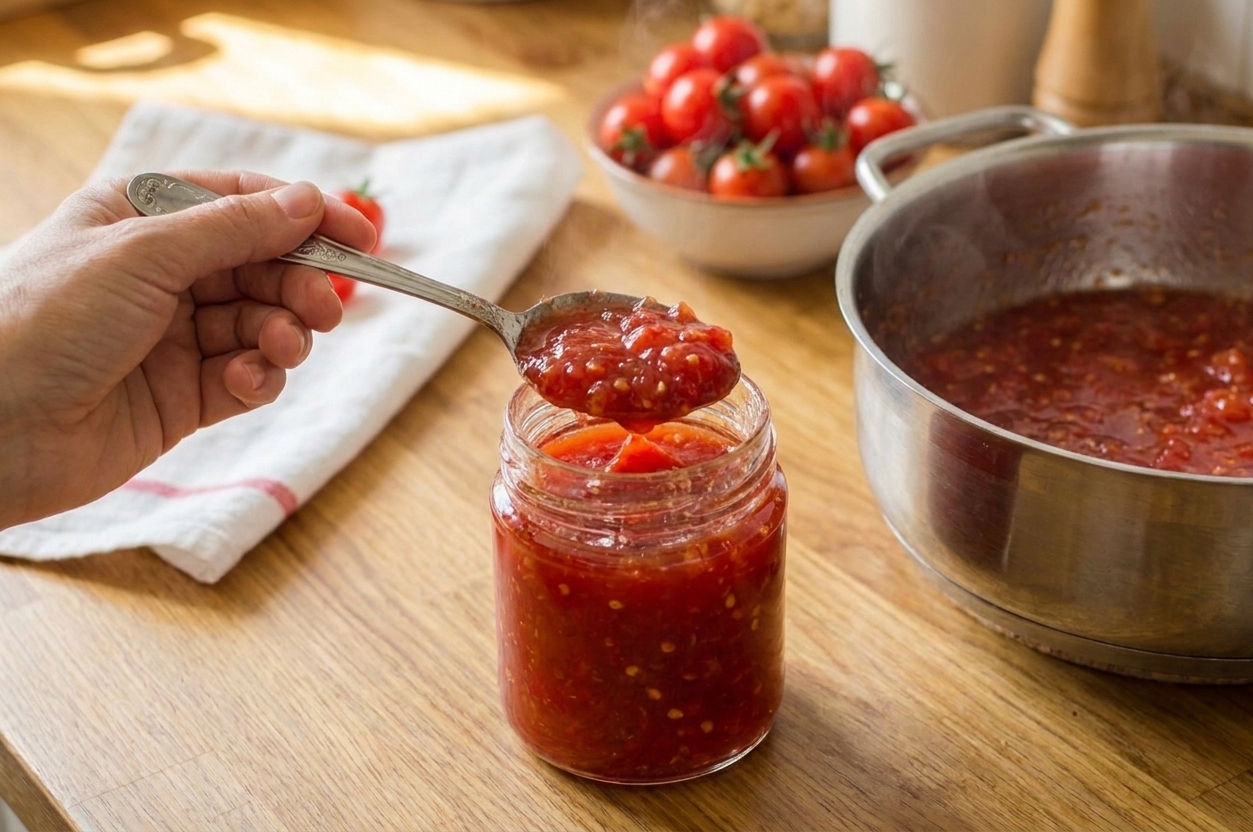
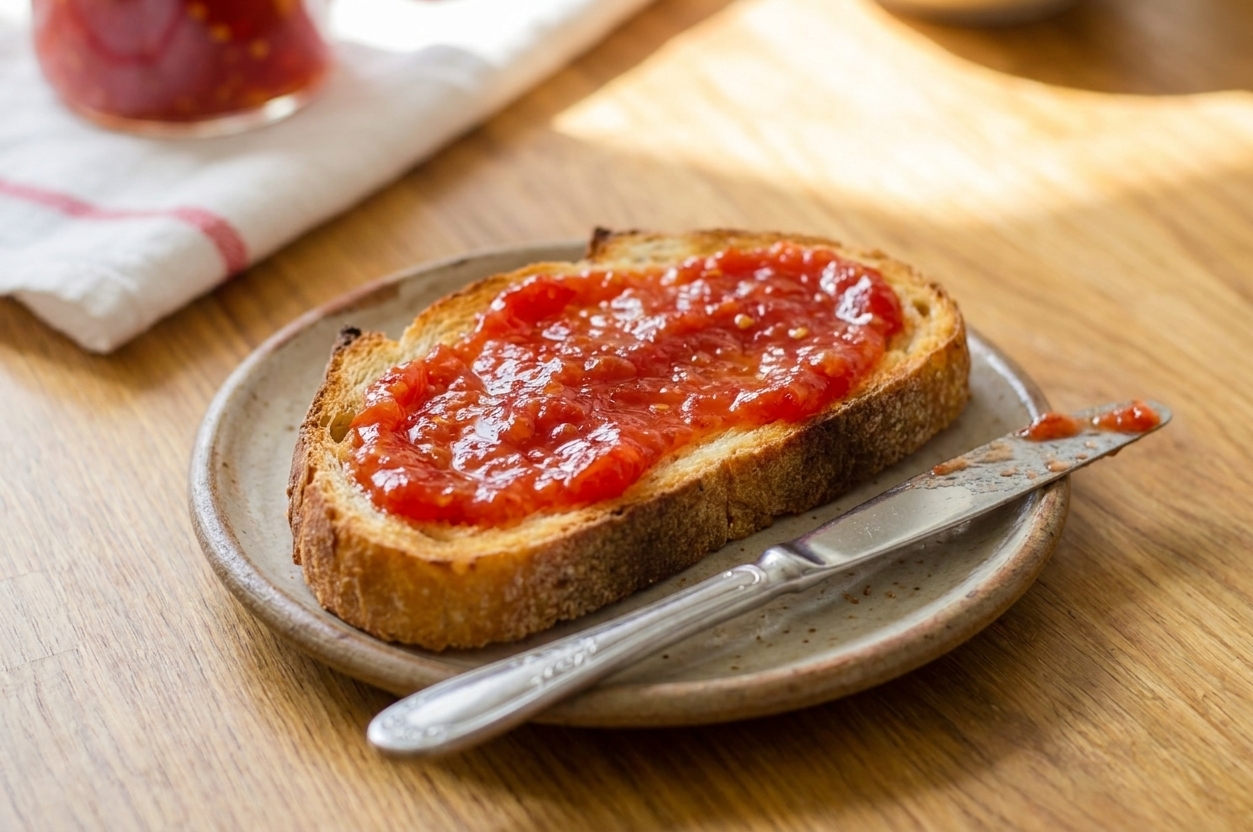
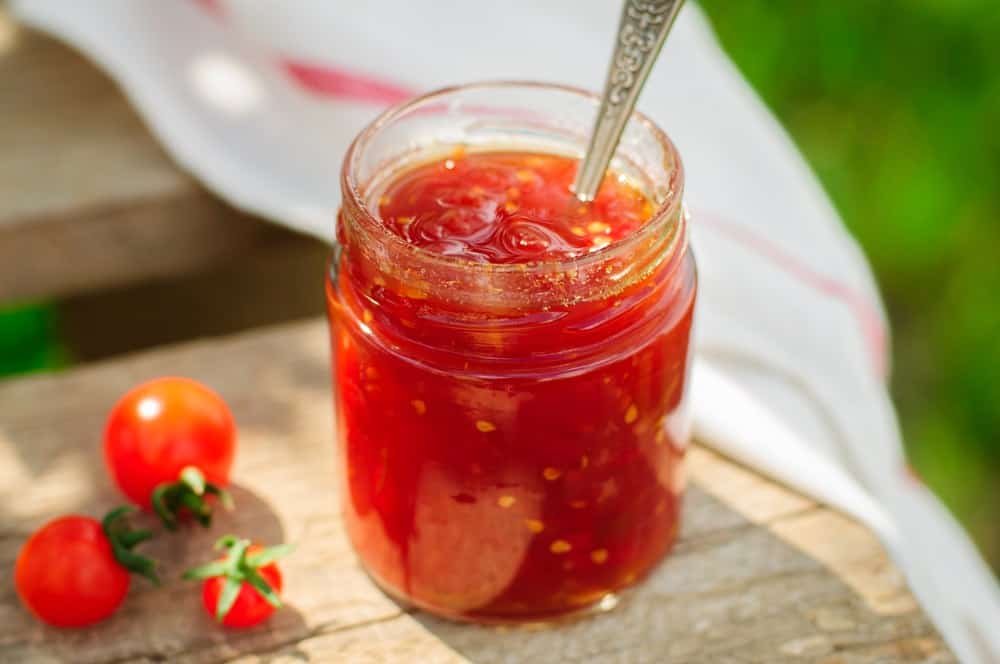
A glass jar of glossy tomato jam on a wooden kitchen counter with a spoon and slices of toasted bread nearby in warm natural window light

Tomato jam is one of those pantry tricks that feels a little mischievous, like you’re getting away with something. Tomatoes are technically fruit, so yes, we can absolutely cook them down with sugar and lemon until they turn into a deep red, glossy spread that tastes like summer decided to put on a sweater.

This version lands in the sweet spot: bright and tangy, not candy-sweet, with just enough warm spice to make you pause mid-bite. It’s incredible on buttered toast, but it also belongs on a grilled cheese, next to sharp cheddar, or brushed onto roast chicken when you want a quick glaze moment.
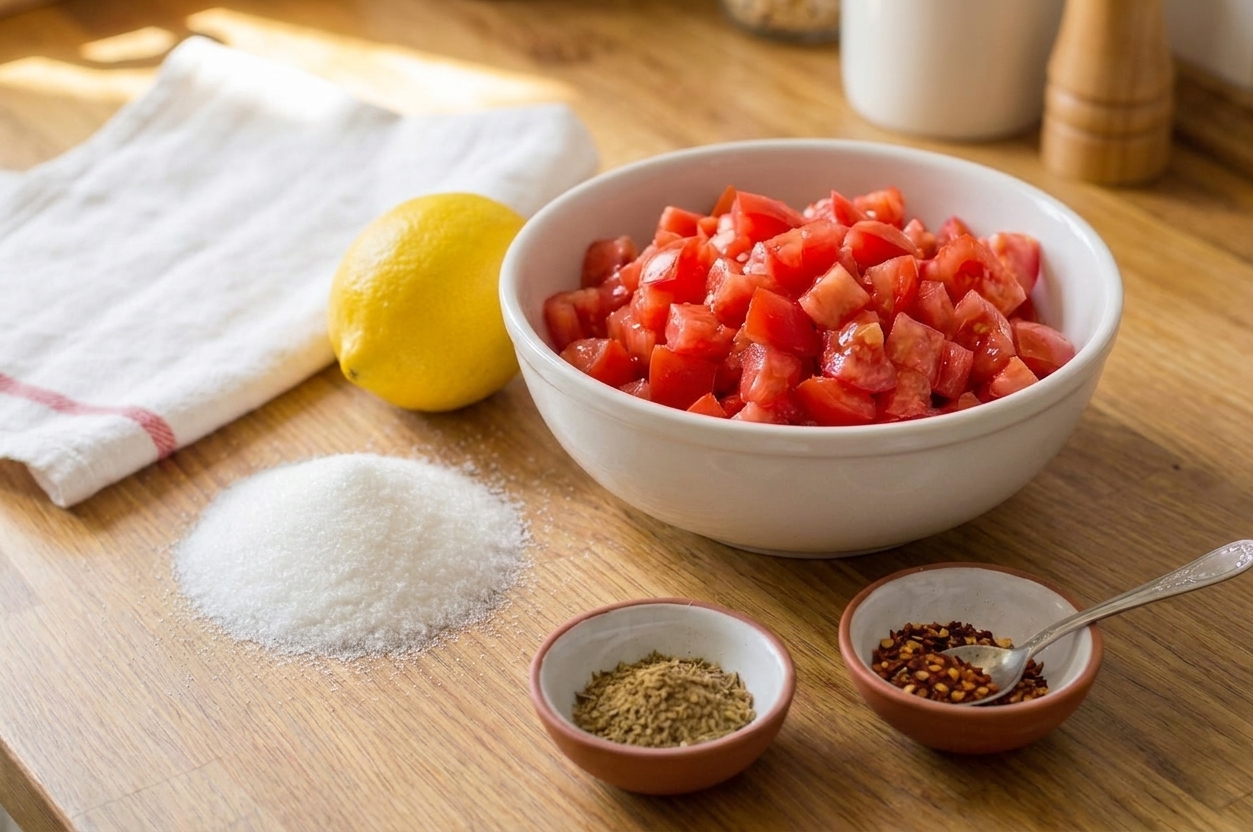
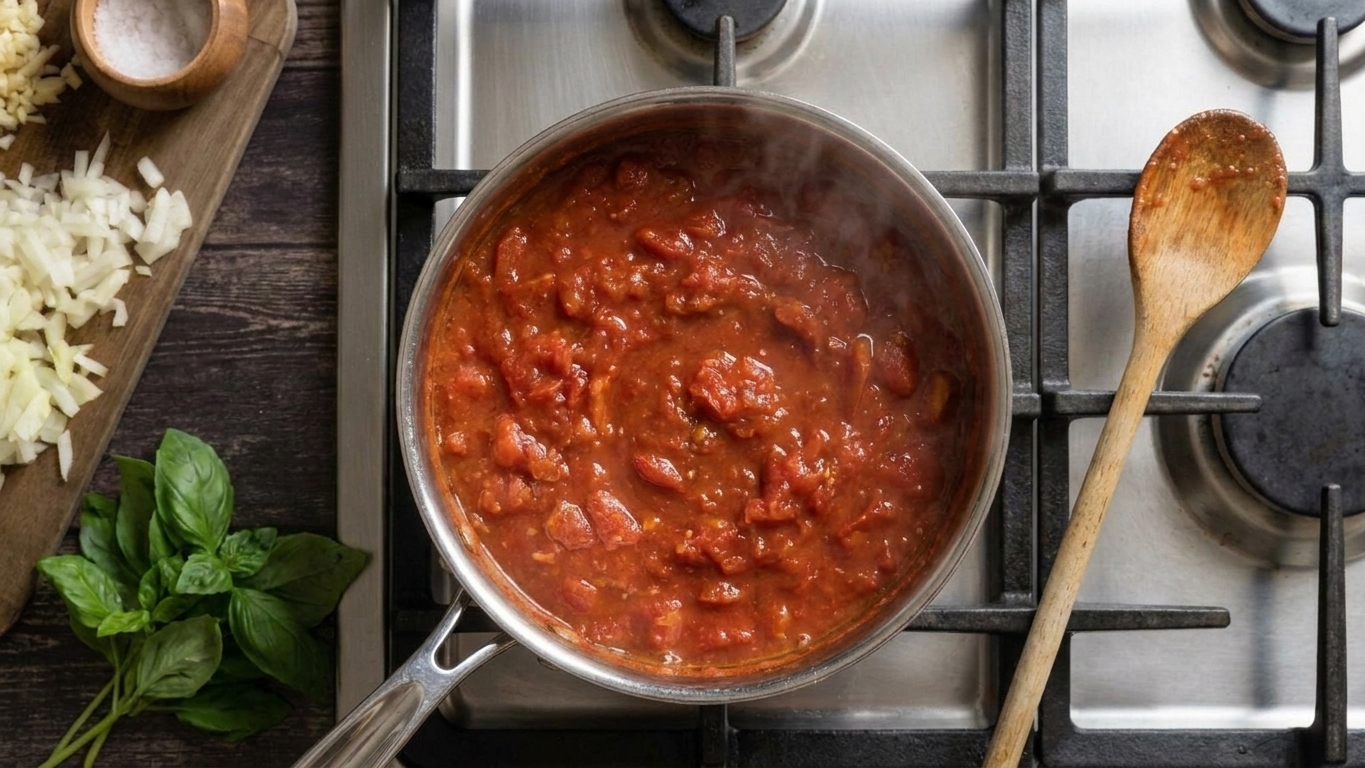
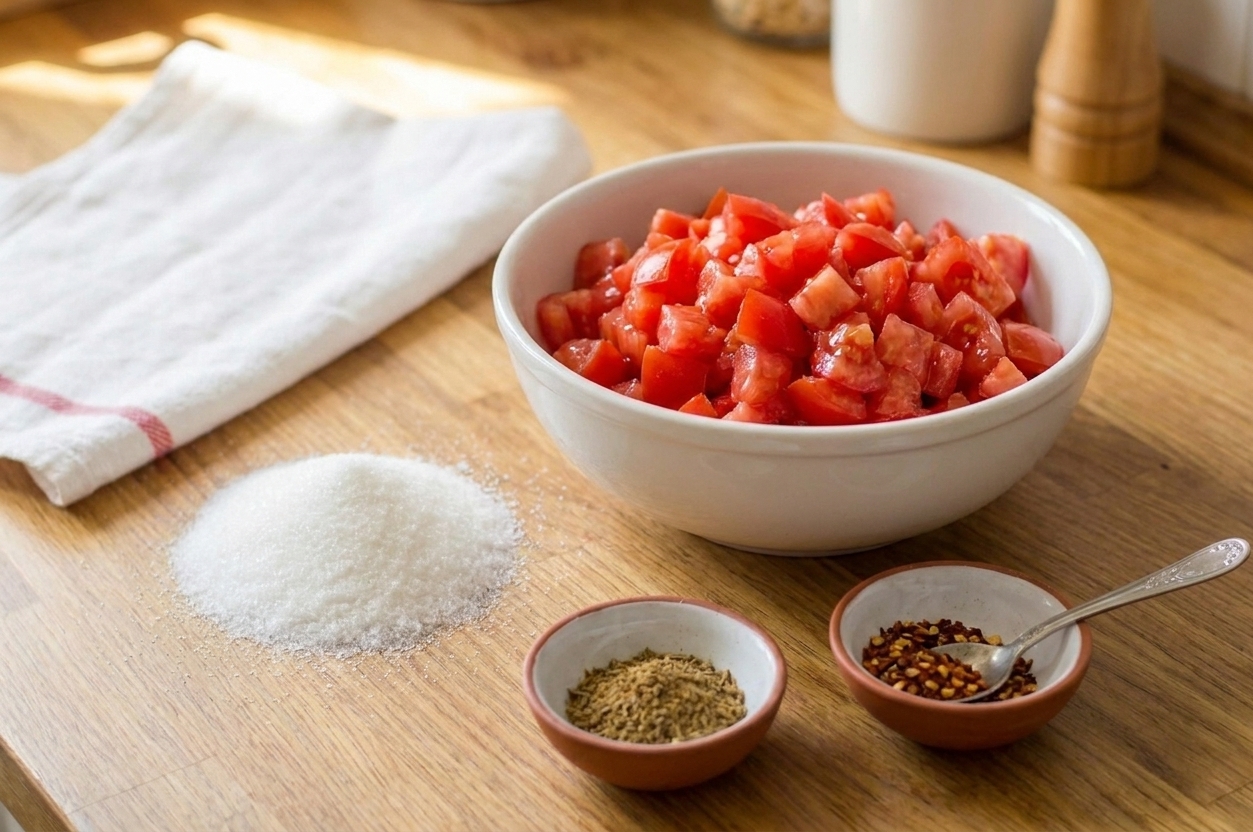
Ripe tomatoes, a lemon, granulated sugar, and small bowls of spices arranged on a clean kitchen counter in soft daylight

Why It Works

  • Big flavor from basic ingredients: tomatoes, sugar, lemon, and a few spices do all the work.
  • Jammy texture without drama: a steady simmer plus a quick plate test gets you to spoonable jam.
  • Balanced sweet and tangy: lemon juice and zest keep the finish bright so it doesn’t taste flat.
  • Plays well with savory: think burgers, breakfast sandwiches, cheese boards, and roasted meats.

Pairs Well With

Storage Tips

How to Store Tomato Jam

Refrigerator: Let the jam cool completely, then store in a clean jar or airtight container in the fridge for up to 2 weeks. Use clean utensils when serving, and discard if you notice mold, bubbling, or any off smell.

Freezer: Freeze in small containers (leave a little headspace) for up to 3 months. Thaw overnight in the fridge.

Canning note: This recipe is written as a refrigerator jam, not a tested shelf-stable canning formula. Don’t water-bath can this version. If you want to can it, use a lab-tested tomato jam canning recipe and follow proper processing times for your altitude.

Common Questions

Is tomato preserves jam the same as tomato jam?

Pretty much. Some people say “preserves” when the texture is chunkier and “jam” when it’s smoother. This recipe lands right in the middle: jammy and spreadable, with a few tender tomato bits for texture.

Do I need pectin?

Nope. Tomatoes do contain some natural pectin, but the real magic here is reduction (cooking off water) plus sugar concentration and a hit of lemon to keep the flavor bright. Give it time and use a wide pot so moisture evaporates efficiently.

How do I know when it’s done?

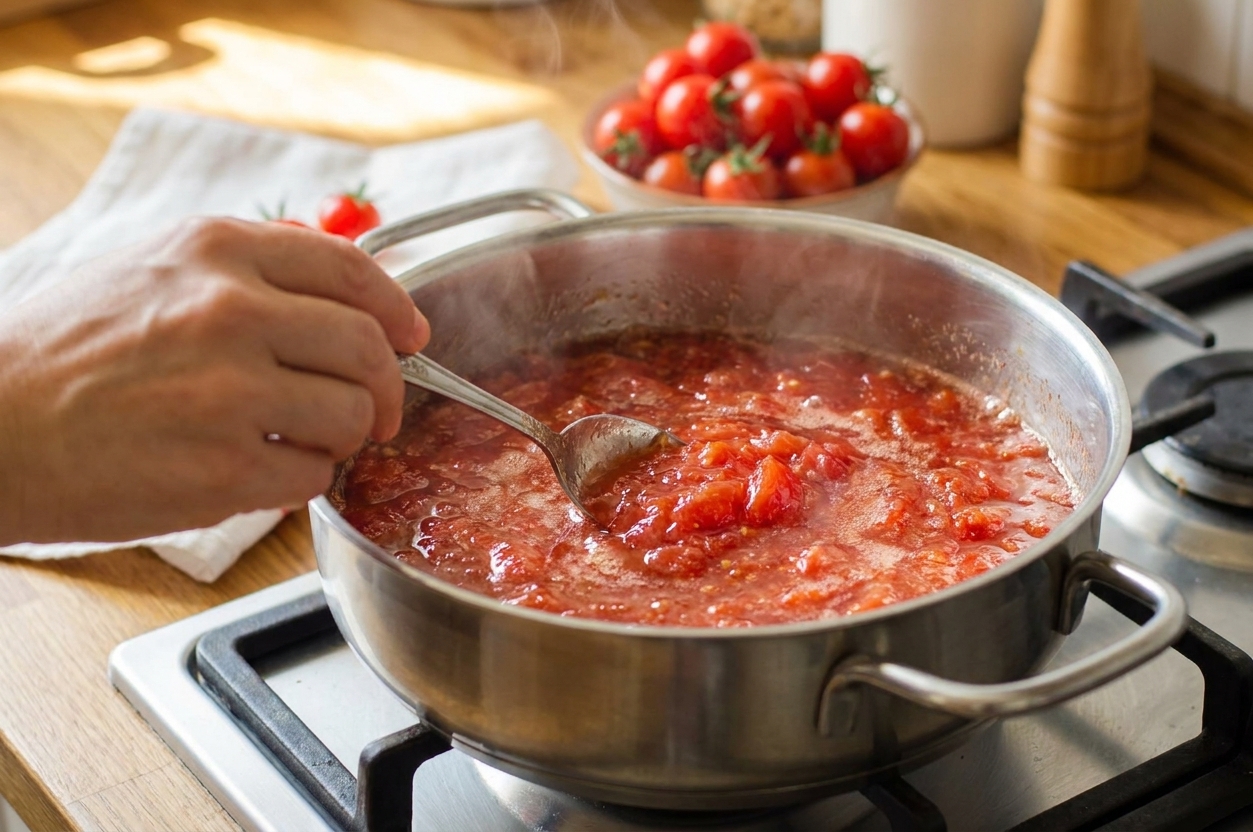
Look for a thick, glossy texture that slowly mounds on a spoon. My favorite check is the cold plate test: chill a plate in the freezer, add a small spoonful of jam, wait 30 seconds, then drag your finger through it. If it wrinkles slightly and the line holds, you’re there.

My jam seems runny. Did I mess it up?

Probably not. Tomato jam thickens more as it cools. If it’s still runny once fully cooled, put it back in the pot and simmer 5 to 10 more minutes.

Can I use canned tomatoes?

Fresh is best for a brighter flavor, but you can use canned whole peeled tomatoes in juice (not sauce) in a pinch. For a similar amount to 2 pounds fresh, use about two 14.5-ounce cans, drained well. Expect the cook time to vary.

Is it supposed to taste savory or sweet?

Both. This recipe is sweet enough for toast, but balanced enough to sit next to cheese or glaze a pork chop without feeling like dessert.

I started making tomato jam when I realized I was buying fancy little jars of it for cheese boards, then pretending I didn’t care how fast they disappeared. The first time I made my own, I hovered over the pot like it was a reality show finale, stirring, tasting, stirring again. It came out sticky, tangy, and just spicy enough to wake up a grilled cheese. Now it’s my favorite way to rescue tomatoes that are one day away from going soft in the fruit bowl.