Common Questions
What are sugar plums, exactly?
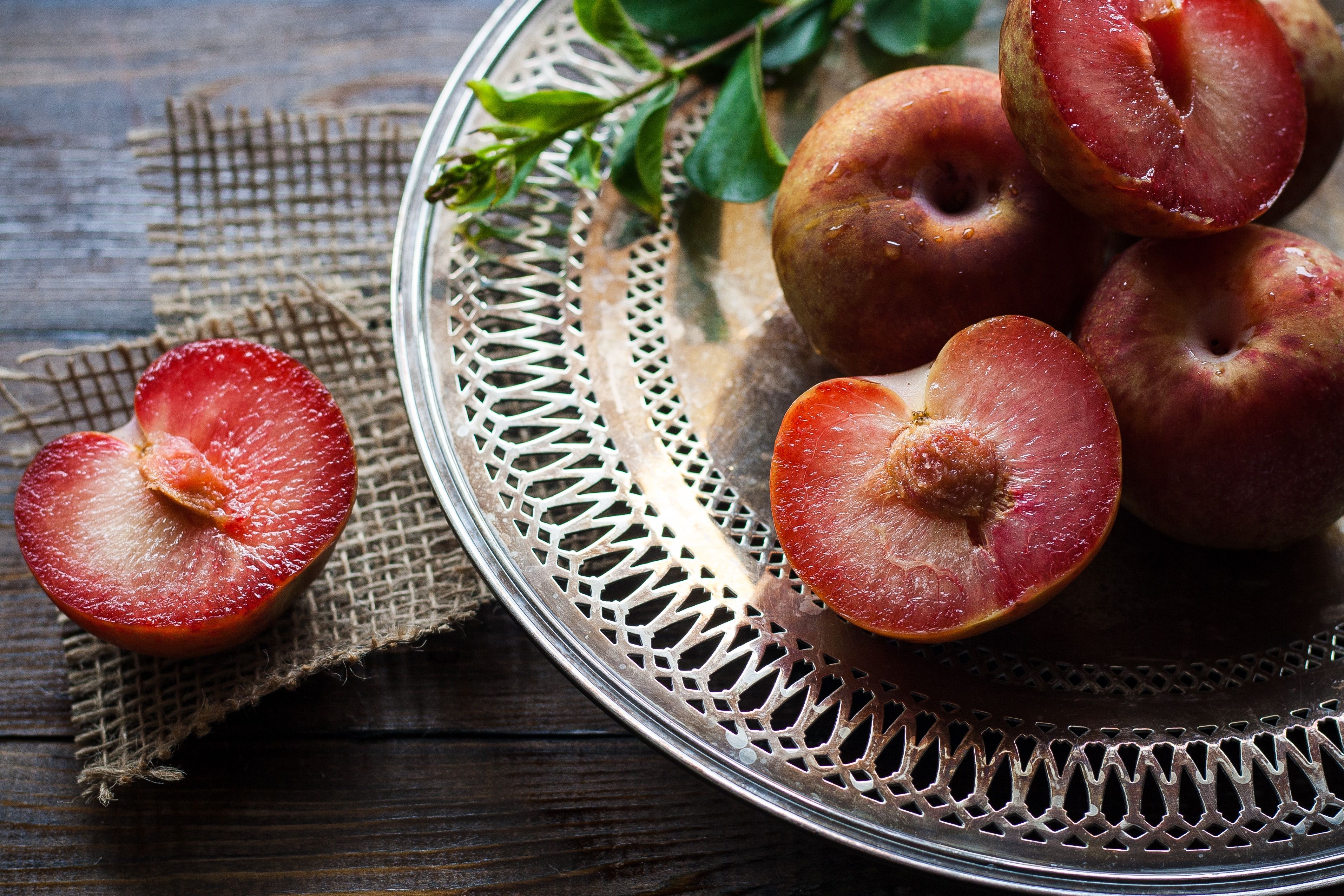
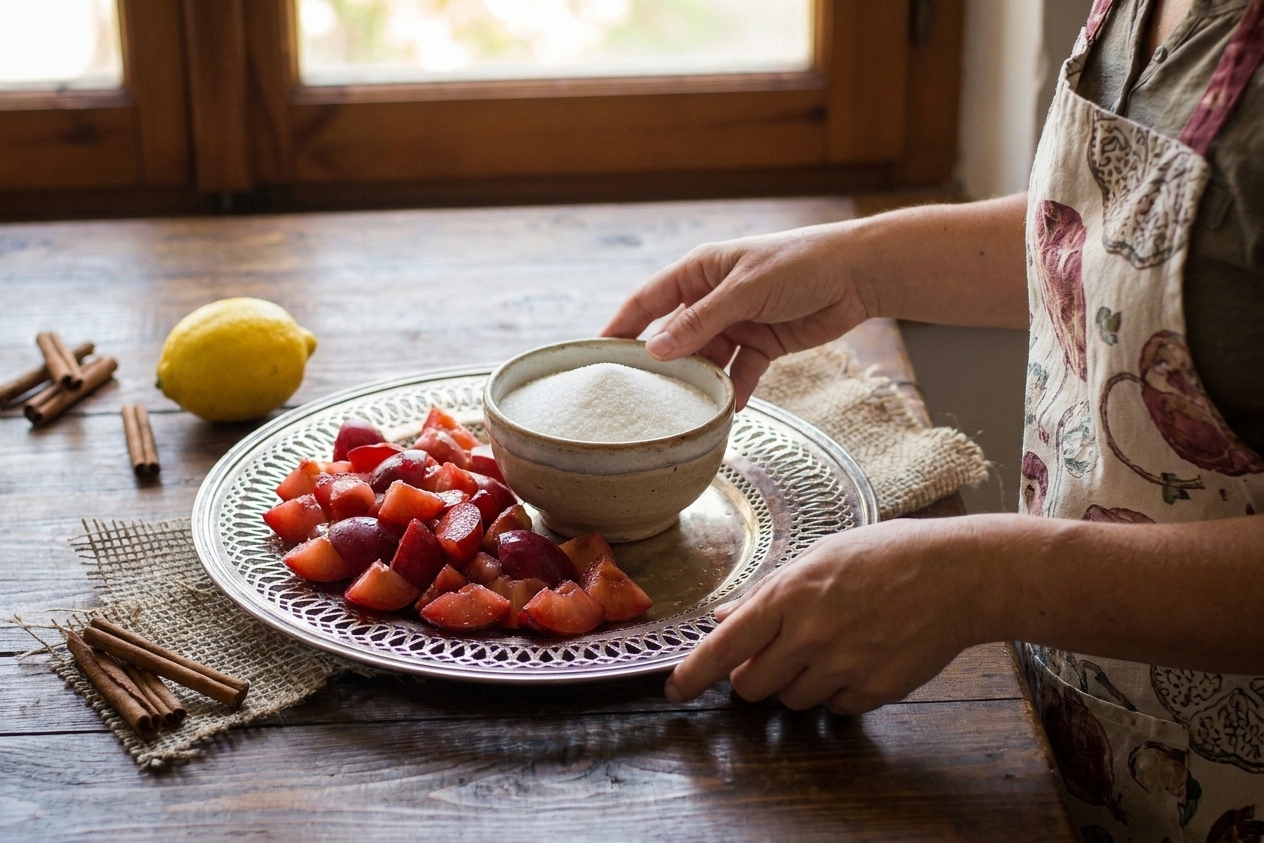
In cooking terms, people usually mean plums that taste extra sweet or a spiced plum preserve that feels holiday-ish. For this recipe, use ripe plums you can find easily: black plums, red plums, or Italian prune plums all work. Consider this “sugar plum” in the spiced-holiday sense.
Do I need to peel the plums?
Nope. Plum skins melt down and add color. If you want ultra-smooth jam, you can blend at the end or push it through a fine mesh strainer, but I like a little texture.
How do I know when the jam is set?
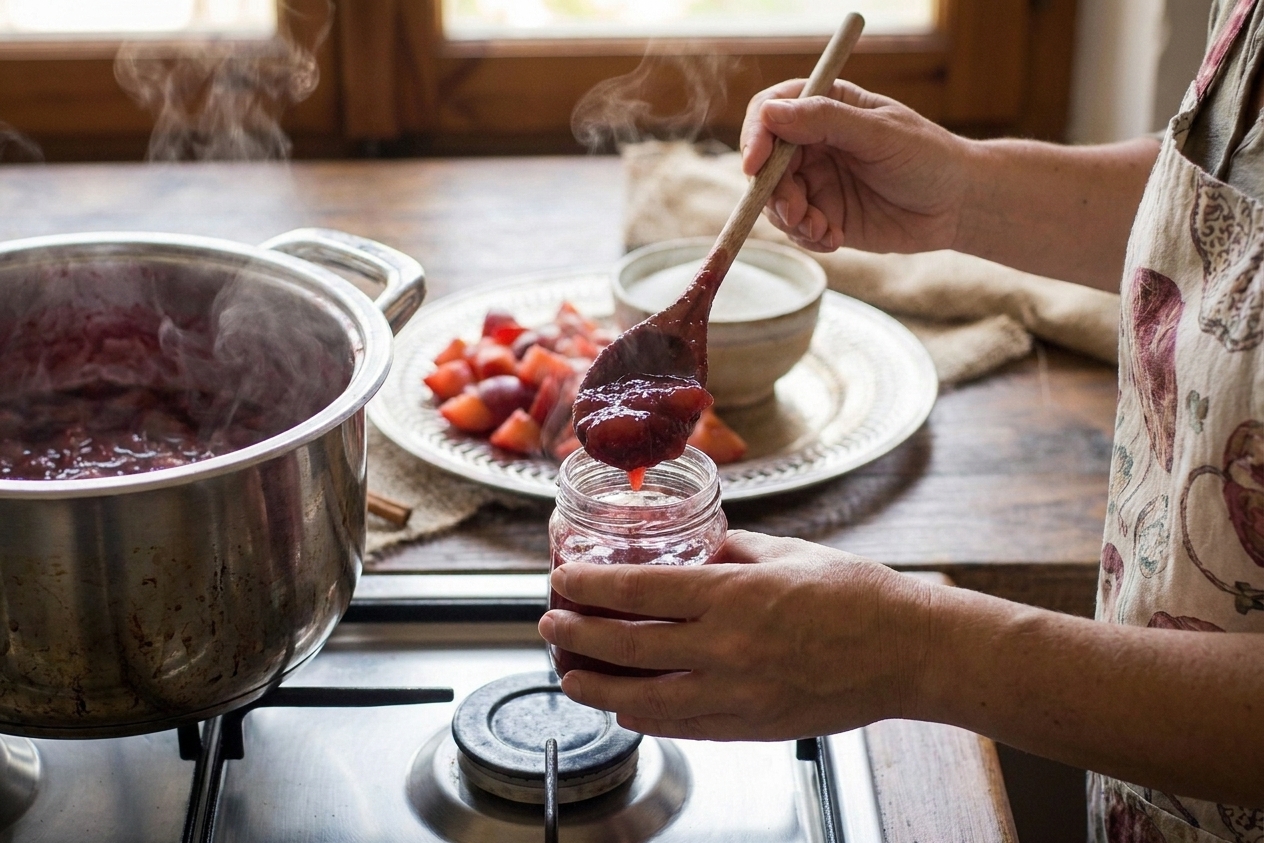
Use the cold plate test: chill a small plate in the freezer. Drop a little hot jam on it, wait 30 seconds, then drag a spoon through. If it wrinkles and holds a line, you are good. For an extra layer of confidence, you can use a thermometer too, but the plate test is the truth-teller.
My jam feels runny. Did I mess it up?
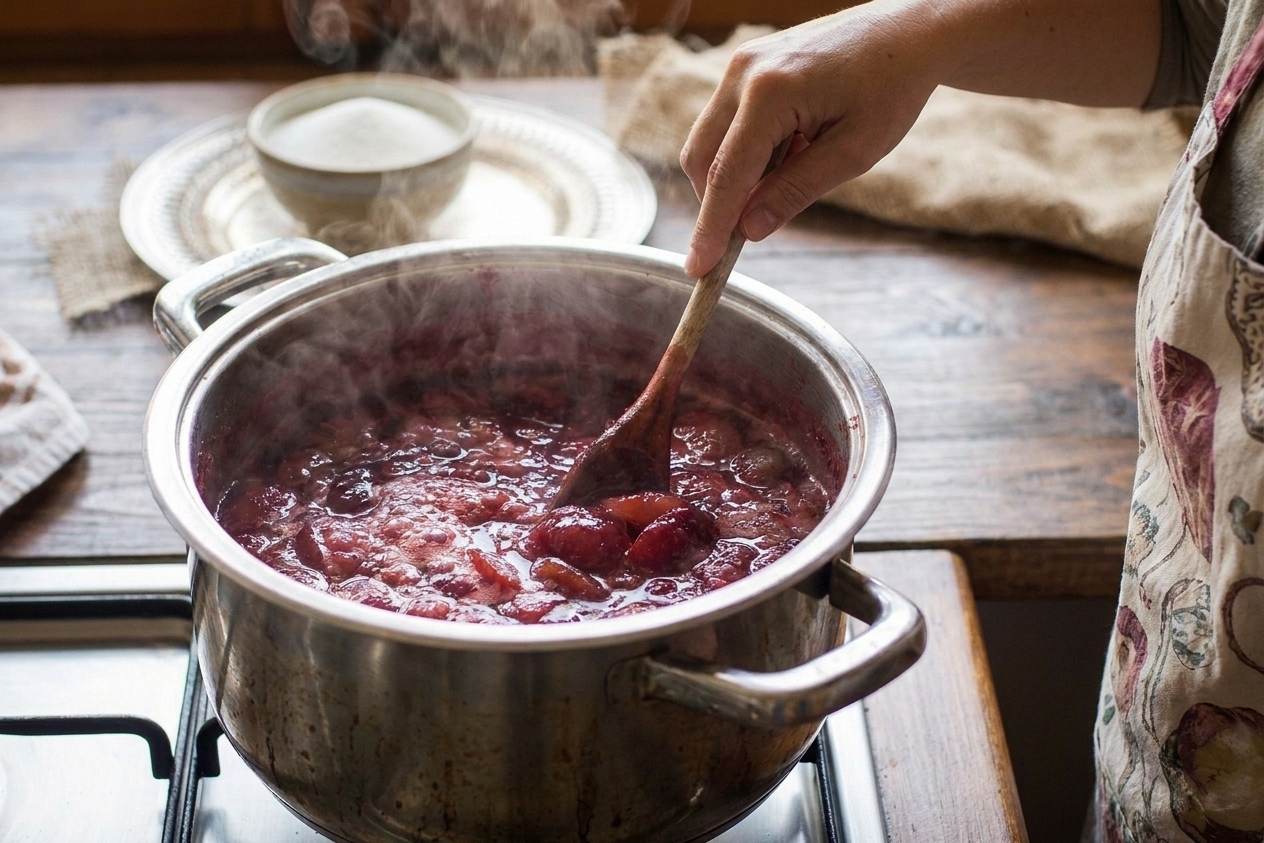
Probably not. Jam thickens as it cools. If it is still thin after chilling overnight, put it back in the pot and simmer 5 to 10 minutes more, then test again.
Can I reduce the sugar?
You can, but the set and shelf life will change. For a reliable texture without pectin, stick close to the amounts below. If you want less sweetness, use tarter plums and keep the lemon in play.
My jam is not setting. Why?
Two common reasons: the plums were very ripe and extra juicy, or it just needs a little more cook time. Slightly under-ripe plums can help with setting because they tend to have more natural pectin. You can also simmer a bit longer and test again.
What does it taste good with besides toast?
Swirl into yogurt, spoon over oatmeal, pair with brie or goat cheese, glaze roasted pork, or stir a tablespoon into sparkling water for a quick mocktail moment.
Any quick fixes if the flavor is off?
Too tart: add a tablespoon or two of sugar and warm it through. Too sweet: add a splash more lemon juice. Tannic or slightly bitter: that can happen with some plum skins or overcooking. A small pinch of salt and a touch more vanilla can round it out.