Is blackened seasoning the same as Cajun seasoning?
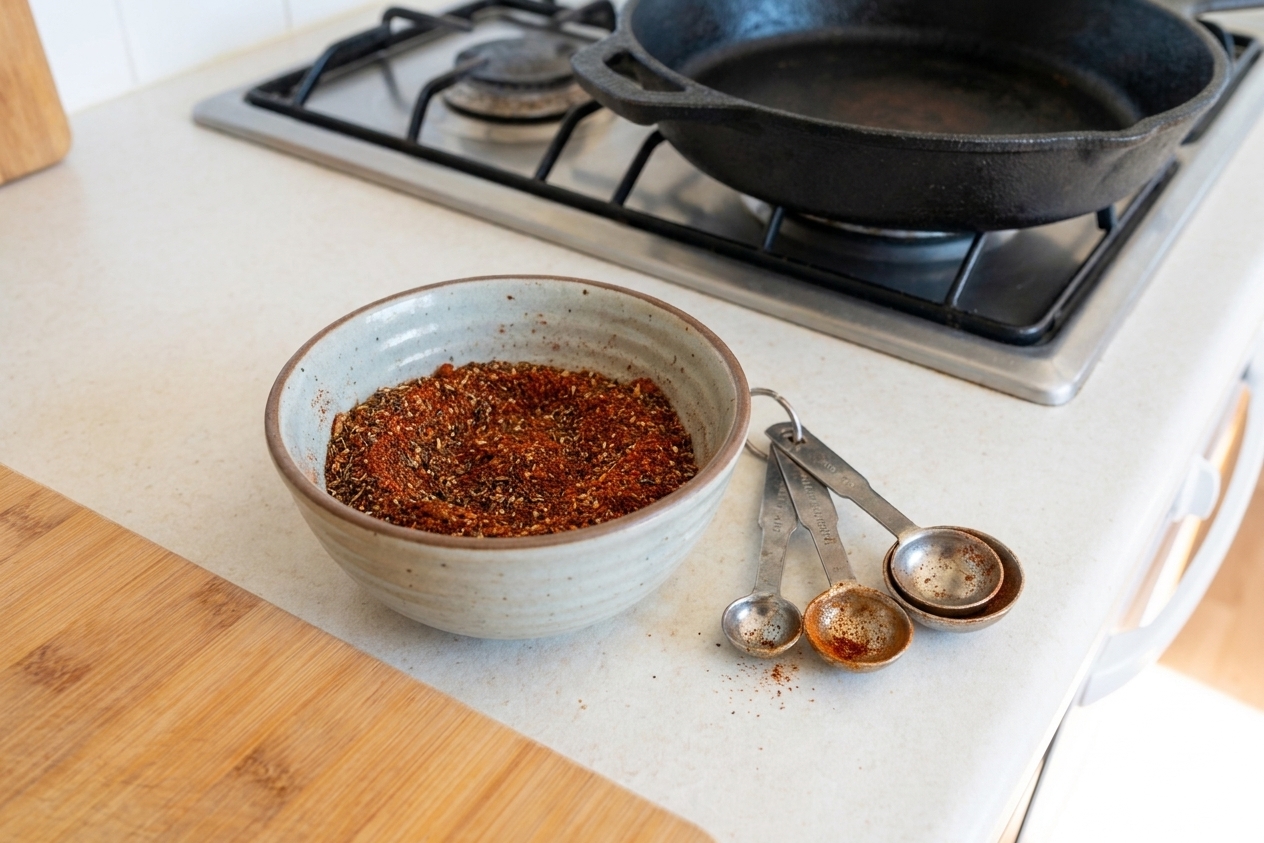
They are close cousins. Cajun seasoning is a broad category and can be saltier or heavier on certain peppers. Blackened dishes are cooked at high heat to create a dark crust, and this blend is formulated to stand up to that with a strong paprika base and a peppery bite. You can absolutely use this anywhere you would use Cajun.
Does blackened mean burnt?
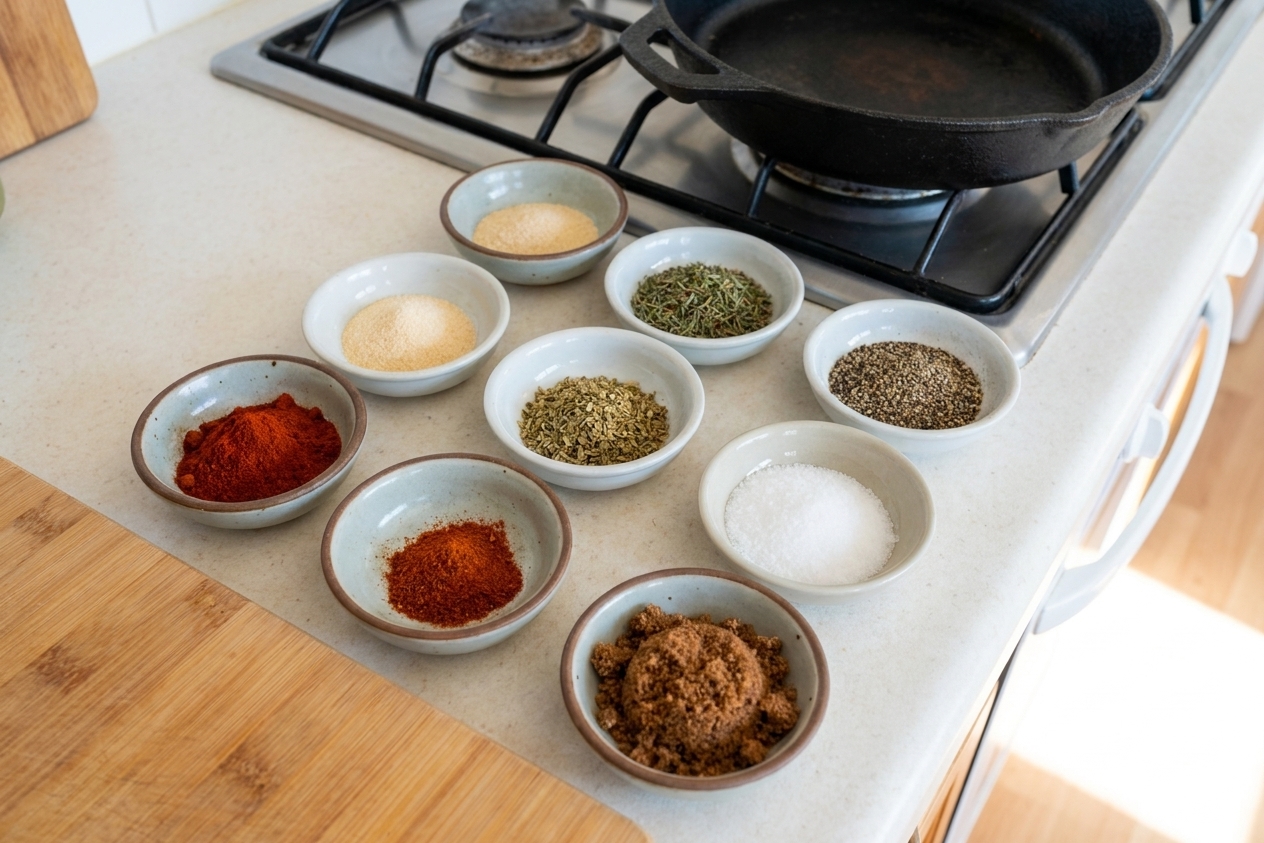
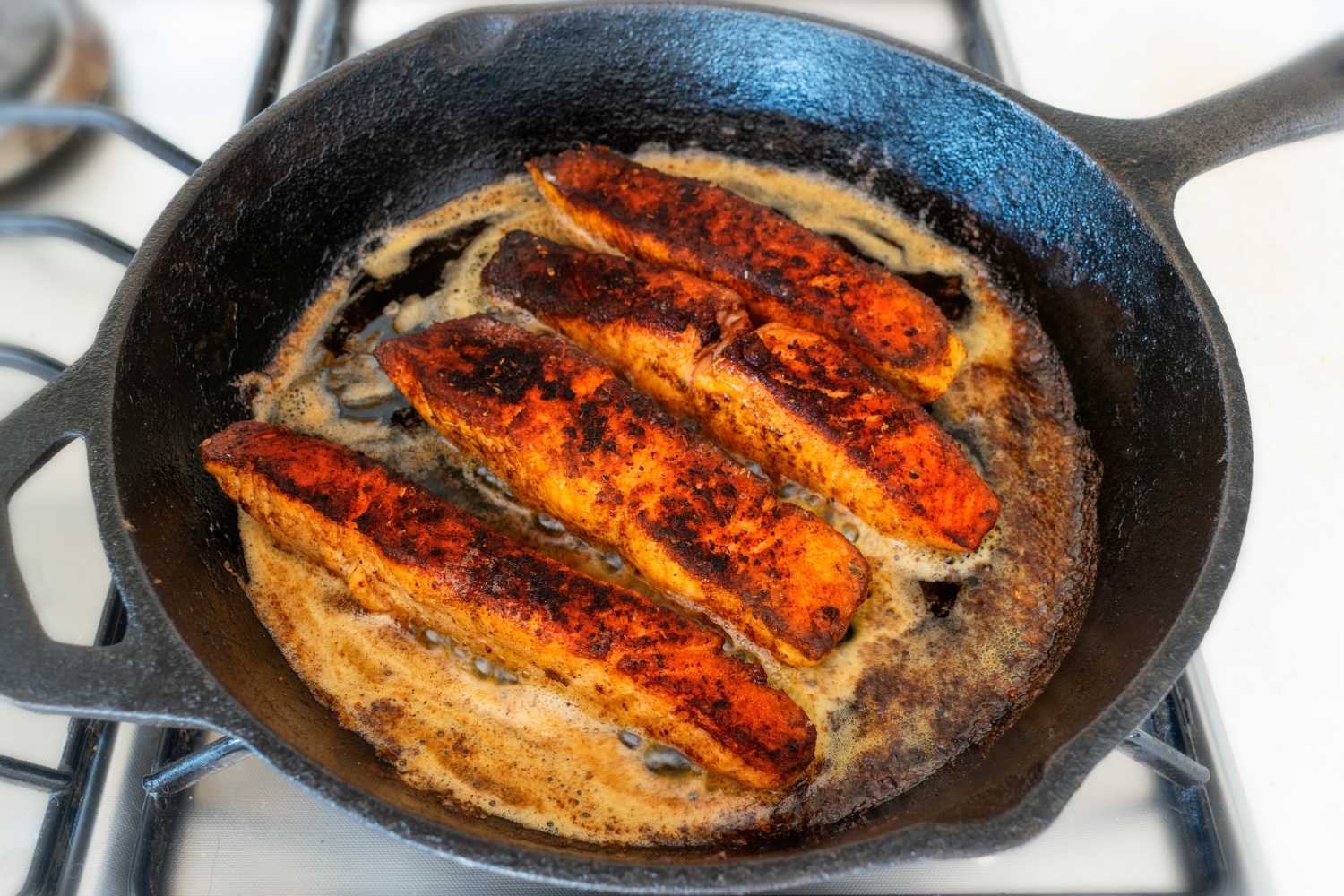
Nope. “Blackened” is a dark, flavorful crust created by spices and high heat. Burnt tastes bitter and ashy. If your pan is smoking aggressively, lower the heat a notch and consider skipping the sugar.
How spicy is this blend?
As written, it is medium. The cayenne gives a clear kick but it is not a dare. For mild, cut the cayenne to 1/4 teaspoon or leave it out and add a little extra paprika for depth.
Can I make it without cayenne?
Yes. Leave it out for a family-friendly version. If you still want warmth, add more black pepper or a pinch of crushed red pepper.
What is the best paprika for blackened seasoning?
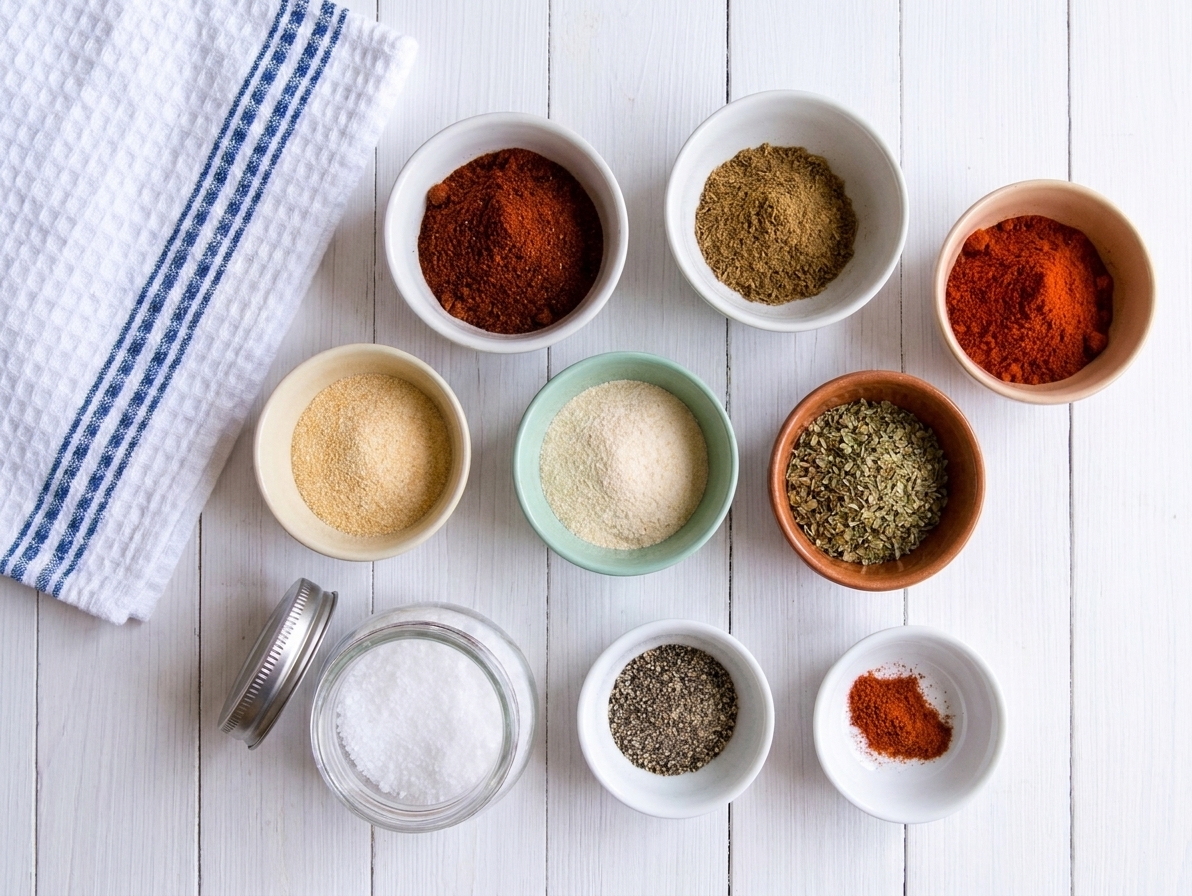
Use smoked paprika if you want that smoky vibe. Use sweet paprika for a more classic, balanced base. I like half and half when I have both.
How much blackened seasoning should I use per pound?
Start with 1 to 2 tablespoons per pound of meat or seafood. For veggies, 2 teaspoons per pound is usually plenty, especially if you are also salting separately.
Can I make it low-sodium?
Yes. For a lower-sodium blend, cut the salt in half or omit it and salt your food separately. This is also a good move if you are dry-brining or using salted butter for cooking.
Is this blend gluten-free?
Most single-ingredient spices are naturally gluten-free. If you are cooking for someone with celiac or high sensitivity, check labels and consider buying certified gluten-free spices to avoid cross-contamination.