Is this the same as seasoned salt?
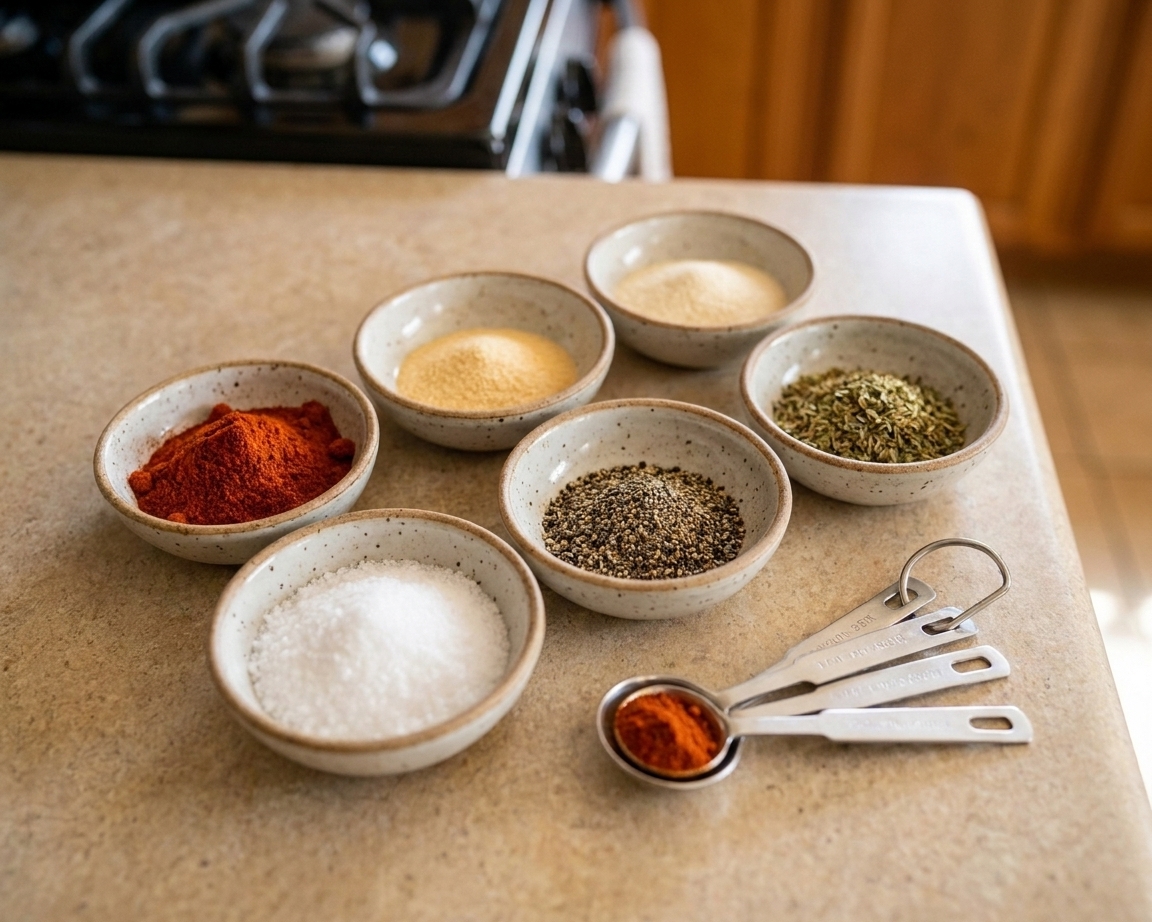
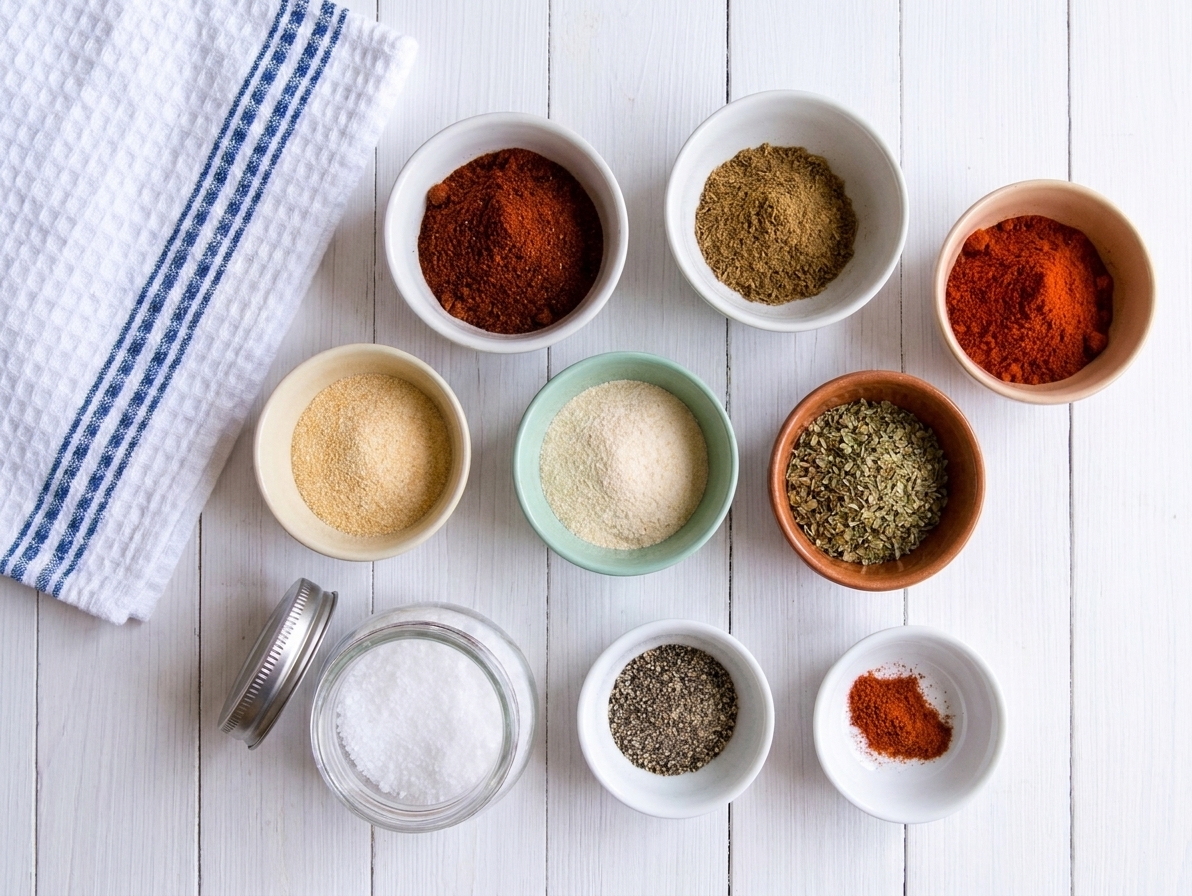
Not exactly. Seasoned salt is usually salt-forward and often leans sweet. This blend is more of an all-purpose seasoning, with salt plus garlic, onion, pepper, and paprika doing the heavy lifting.
How much should I use?
Start small, then adjust. For everyday cooking, try 1/4 to 1/2 teaspoon per pound of meat or per sheet pan of veggies, then taste and add more. For finishing, use a pinch between your fingers, taste, and repeat if needed.
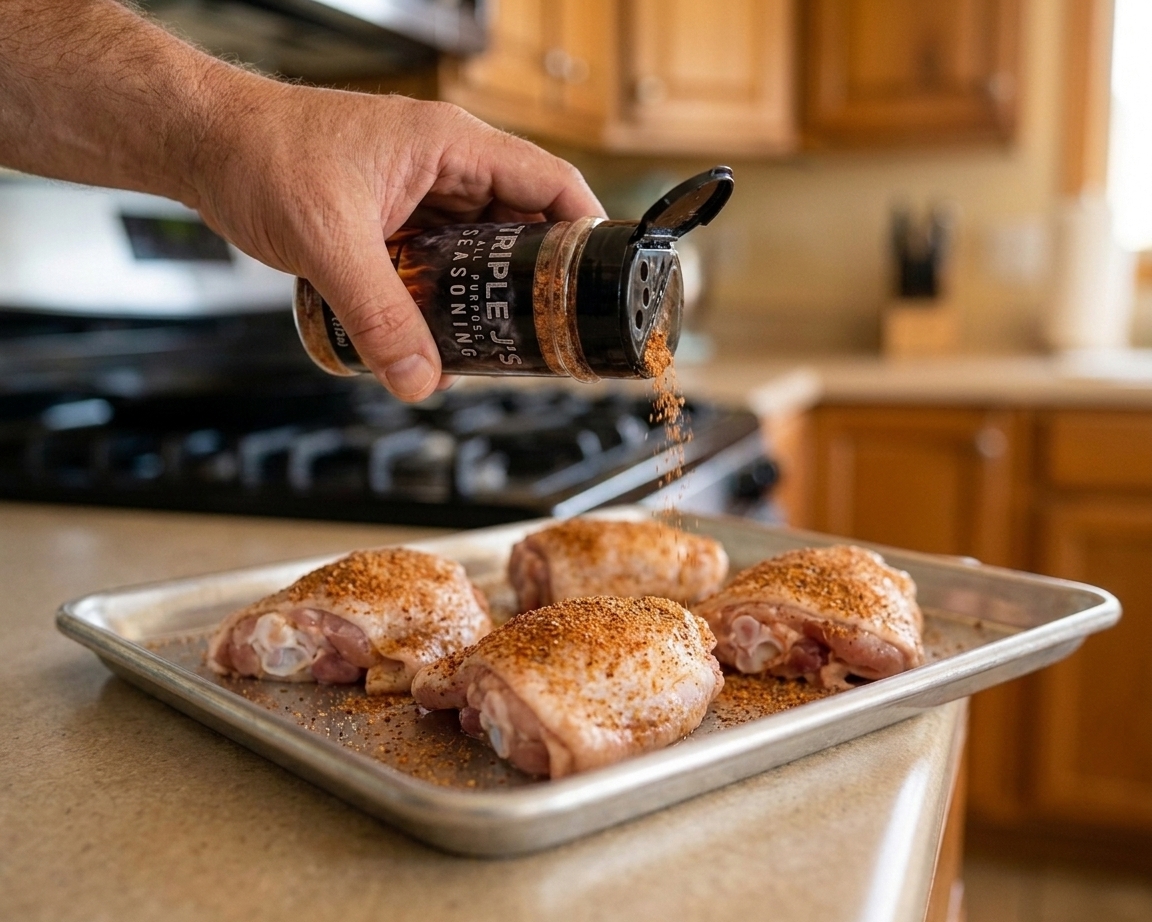
If you are using it like a dry rub on meat, you can go bigger: 1 to 2 teaspoons per pound plus a little oil to help it stick.
Can I make it salt-free or low-sodium?
Yes. For salt-free, leave the salt out and keep a separate salt shaker nearby. For lower sodium, cut the salt in half and replace the other half with more paprika or a little ground mustard so it still tastes like something.
Is it gluten-free?
Usually, yes, but it depends on your spice brands. Plain spices are typically gluten-free, but some blends and anti-caking agents can vary. If you need it strictly gluten-free, check labels (especially on garlic powder and onion powder).
My blend tastes bitter. What happened?
Two usual suspects: old oregano (it gets harsh) or too much smoked paprika. Swap in fresher herbs, or cut the smoked paprika with sweet paprika.
What does it taste best on?
Eggs, roasted potatoes, popcorn, grilled chicken, sautéed green beans, tomato soup, buttered noodles, and honestly any “I don't know what to do with this” vegetable.
Any easy variations?
More herby: add 1 teaspoon dried basil and another 1/2 teaspoon thyme.
More smoky: swap the sweet paprika for all smoked paprika, or add an extra 1/2 teaspoon smoked paprika.
BBQ-ish: add 1 to 2 teaspoons brown sugar and 1/2 teaspoon ground mustard, then use it as a rub.