Common Questions
What is the difference between blini and regular pancakes?
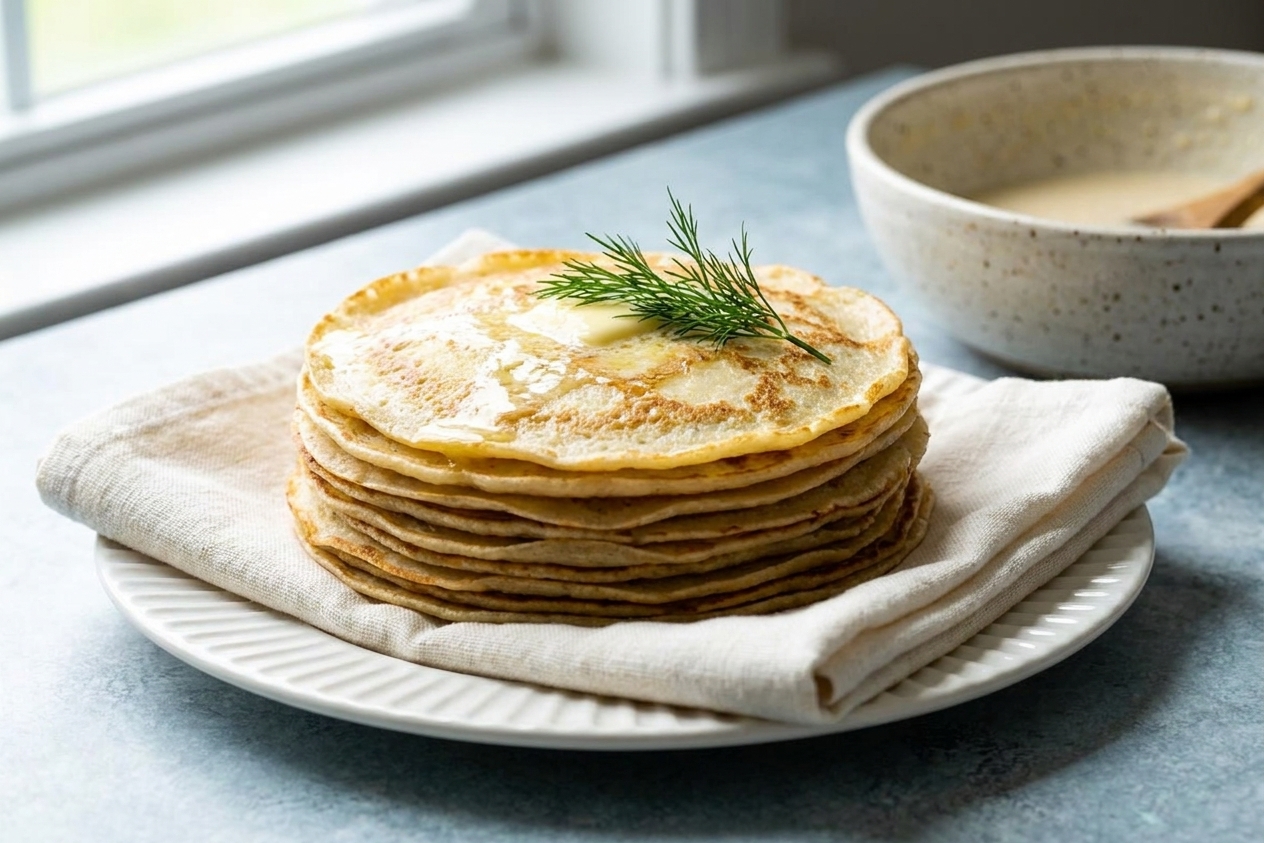
Blini are usually smaller and often have a light tang. Many traditional versions are yeasted (or sometimes sourdough) and may include buckwheat. That said, plenty of modern party-style blini are quick-leavened with baking powder. Regular pancakes are typically larger, sweeter, and leavened with baking powder or baking soda.
Do I have to use buckwheat flour?
No. Buckwheat is classic and adds a nutty, toasty flavor, but you can make great blini with all-purpose flour only. In this recipe, buckwheat is optional and kept to a small amount so the texture stays fluffy.
Can I use instant yeast instead of active dry?
Yes. Use 1 teaspoon instant yeast 1:1. You can still mix it into the warm milk like this recipe does, or whisk it into the dry ingredients and proceed. The rest time may move a little faster with instant yeast, so go by the batter looking airy and bubbly.
Can I make the batter ahead?
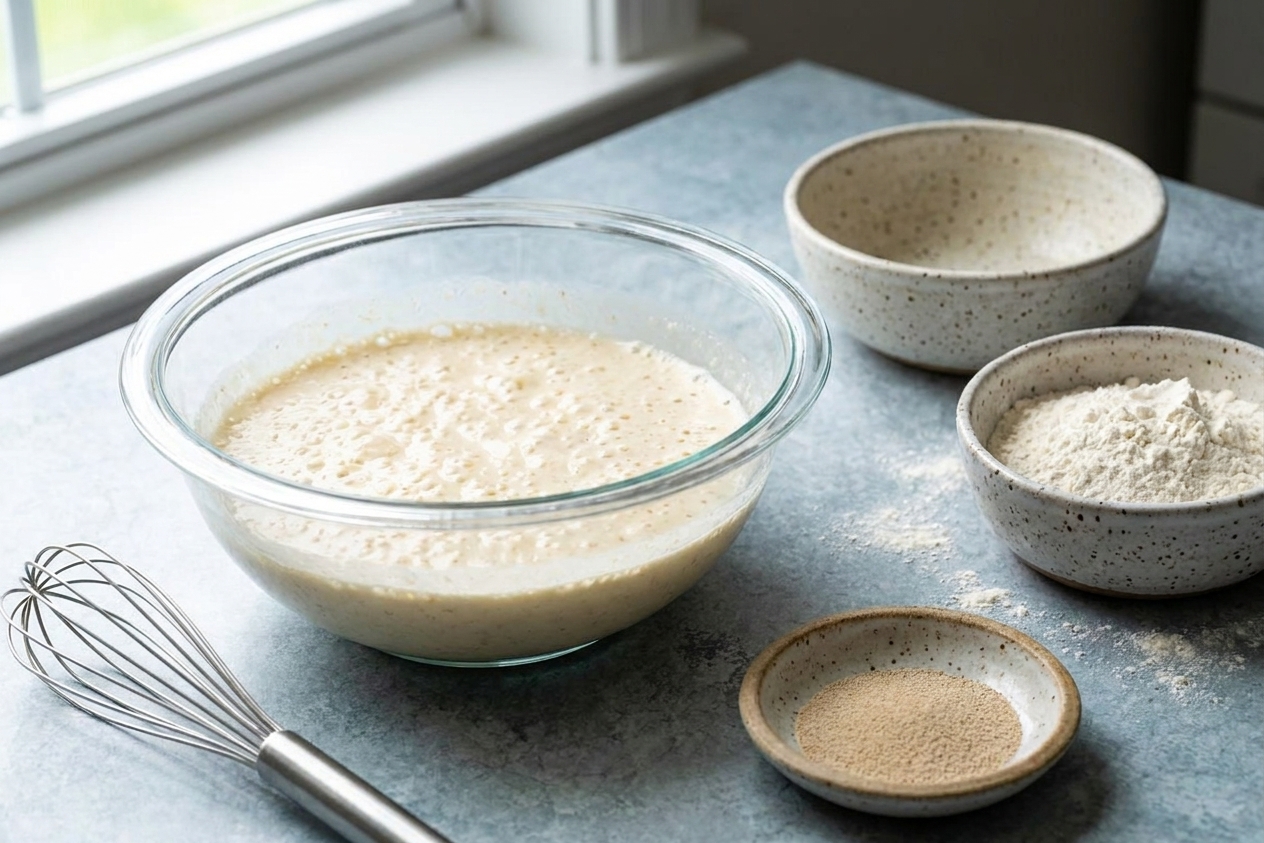
Yes. Mix the batter, cover, and refrigerate for 8 to 12 hours. Expect a little more tang, and the batter will thicken. If it looks very bubbly or overactive, just stir it down gently. Before cooking, stir and add 1 to 2 tablespoons of milk if needed to loosen it.
Why are my blini dense?
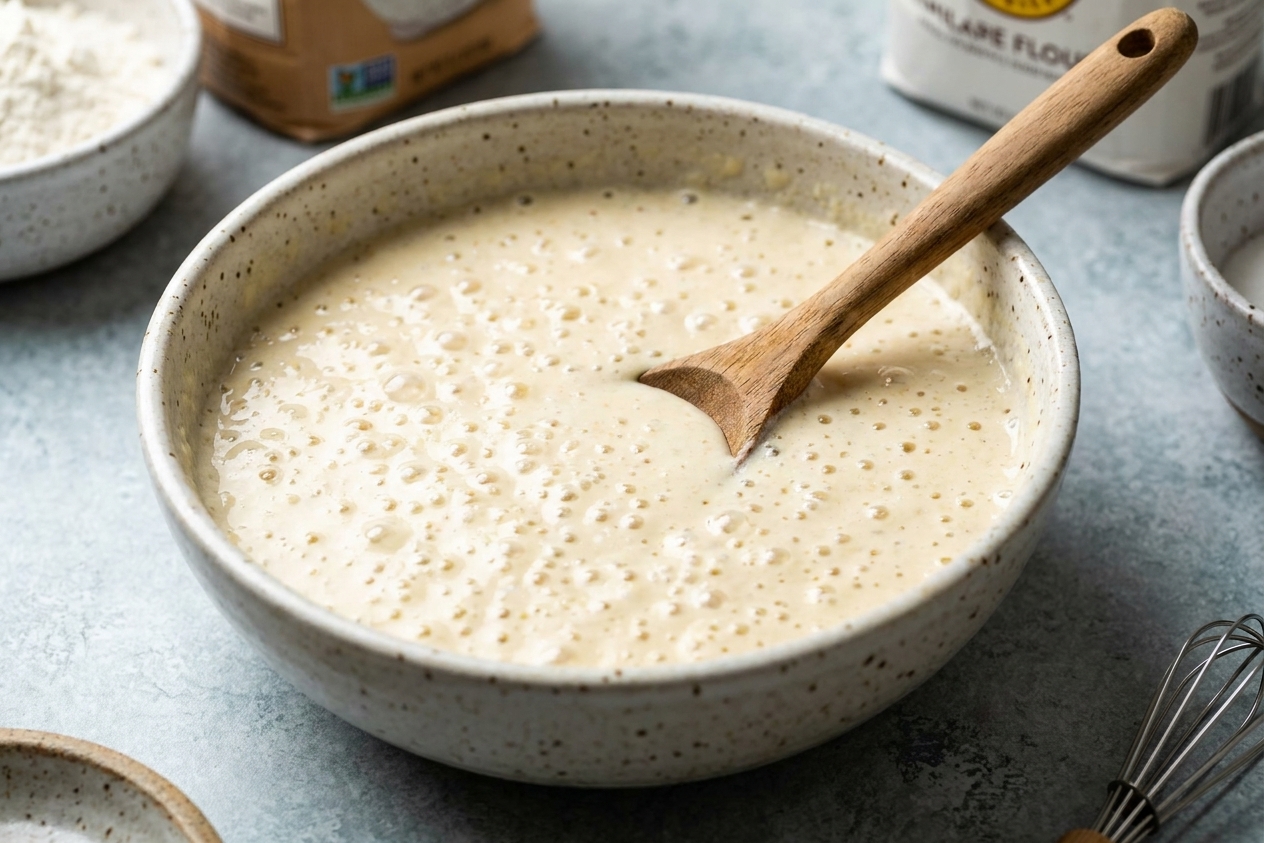
Common culprits: your yeast was old, your milk was too hot and harmed the yeast, you did not give the batter enough time to rest, or you overmixed after adding flour. Next time, whisk just until combined and let the batter get visibly airy.
What toppings go best with blini?
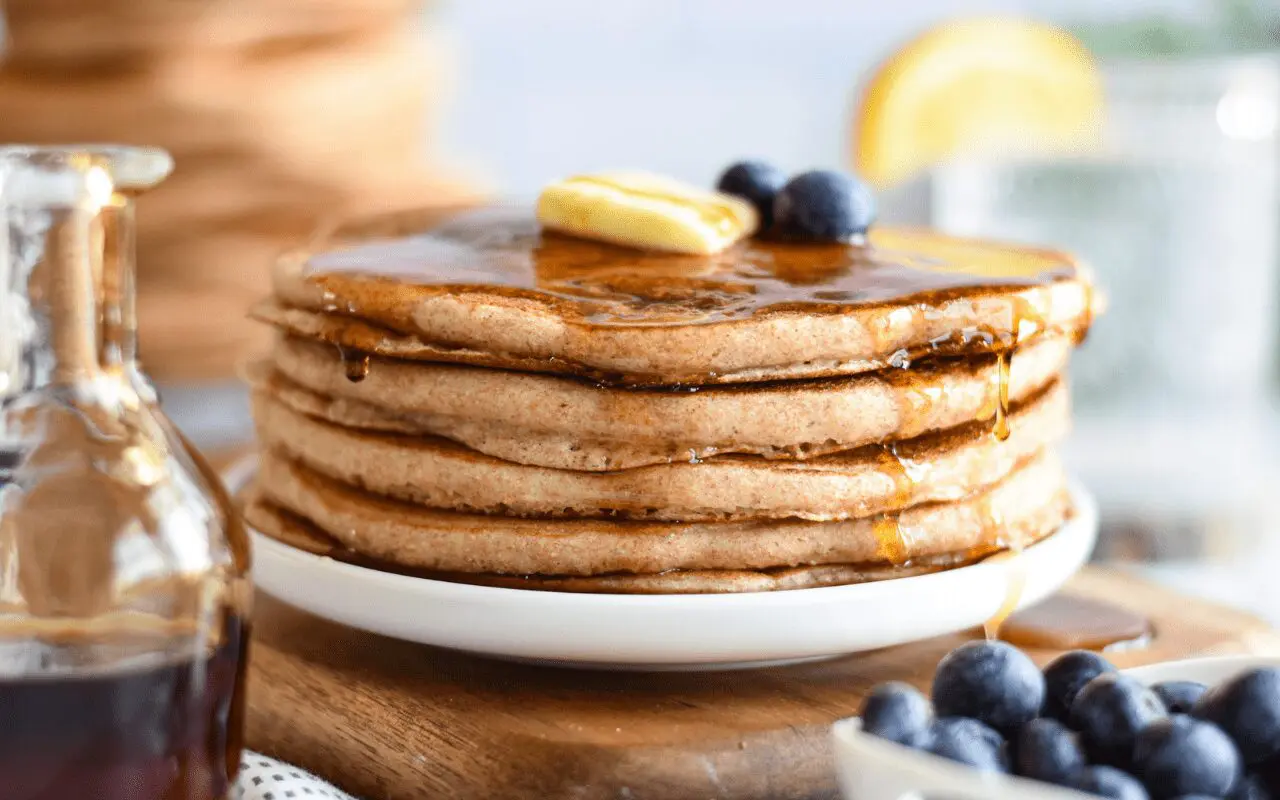
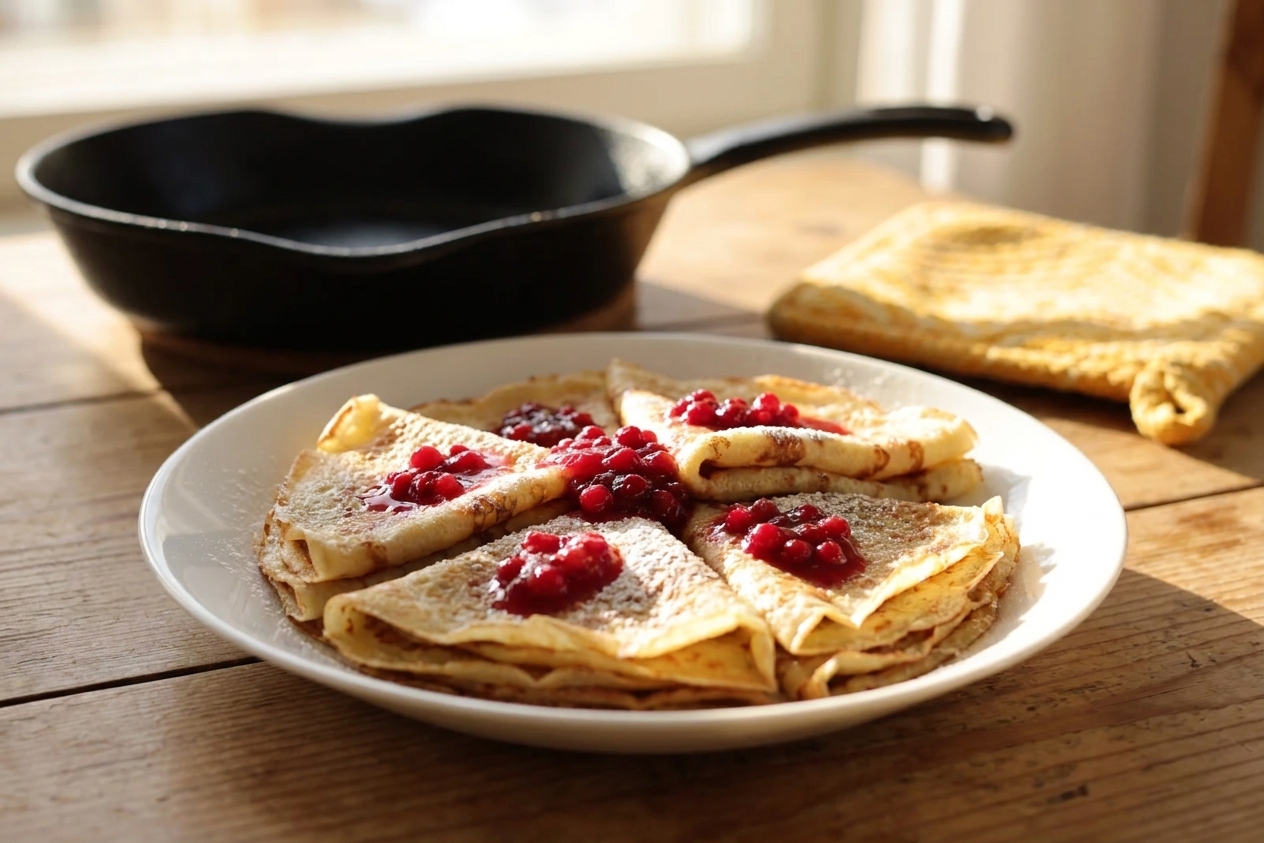
For savory: smoked salmon, sour cream or crème fraîche, dill, chives, lemon zest, capers, or trout roe. For sweet: jam, honey, maple syrup, whipped cream, fresh berries, or lemon curd.
Is this recipe gluten-free?
Not as written. Buckwheat is naturally gluten-free, but the all-purpose flour is not. For gluten-free blini, use a dependable 1:1 gluten-free flour blend in place of the all-purpose flour.