Mom's Best Recipes
Recipe

Navajo Fry Bread

Golden, crisp-edged fry bread with a soft, chewy center, ready for honey, cinnamon sugar, or taco-style toppings.

Author By Matt Campbell
4.8
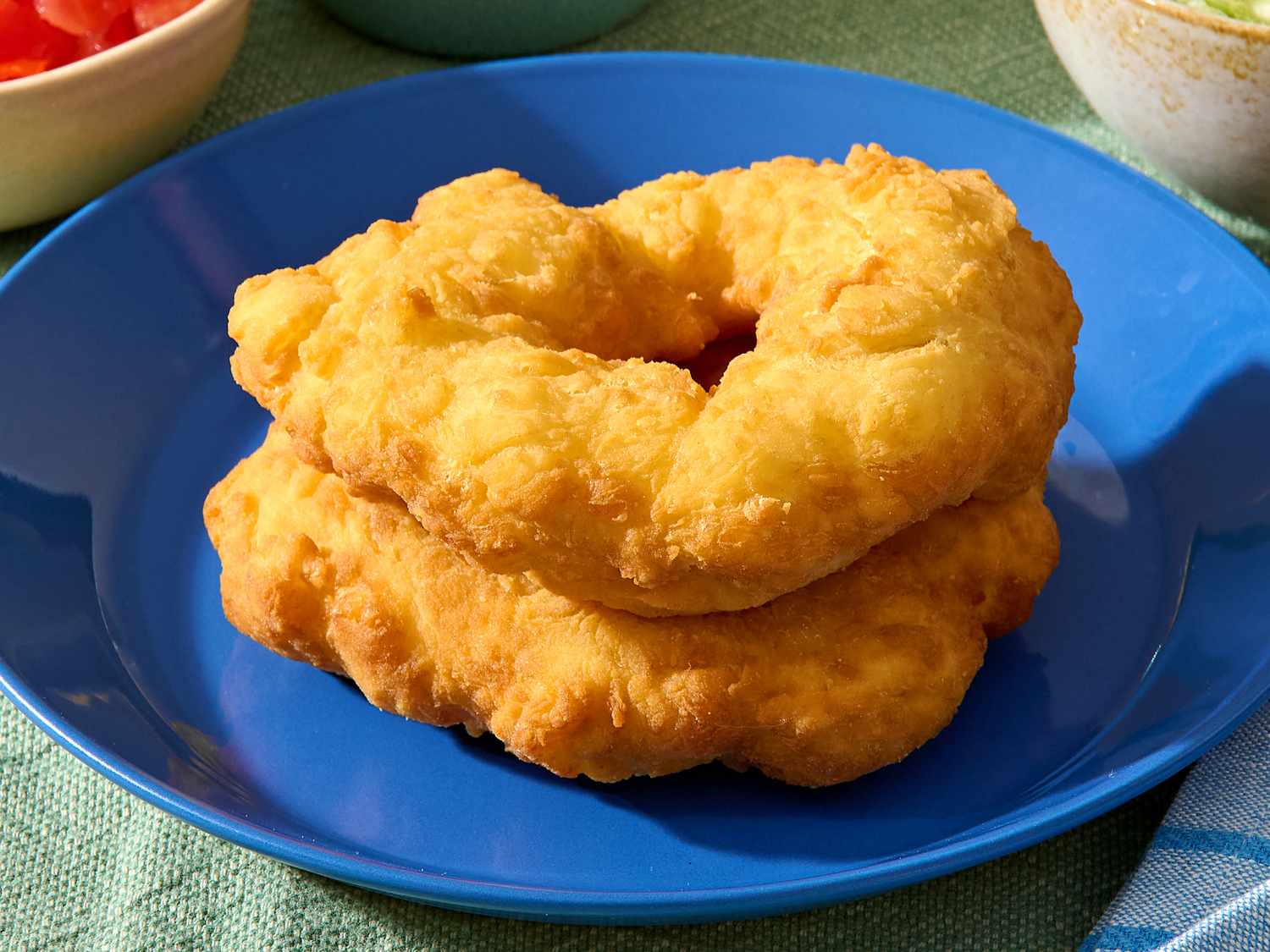
A single piece of Navajo fry bread, golden and blistered with crisp edges, served on a simple ceramic plate on a warm-toned kitchen table

Navajo fry bread is one of those recipes that feels almost too simple for how satisfying it is. A quick dough, a hot skillet of oil, and suddenly you have this puffy, blistered round with crackly edges and a tender middle that begs for something delicious on top.

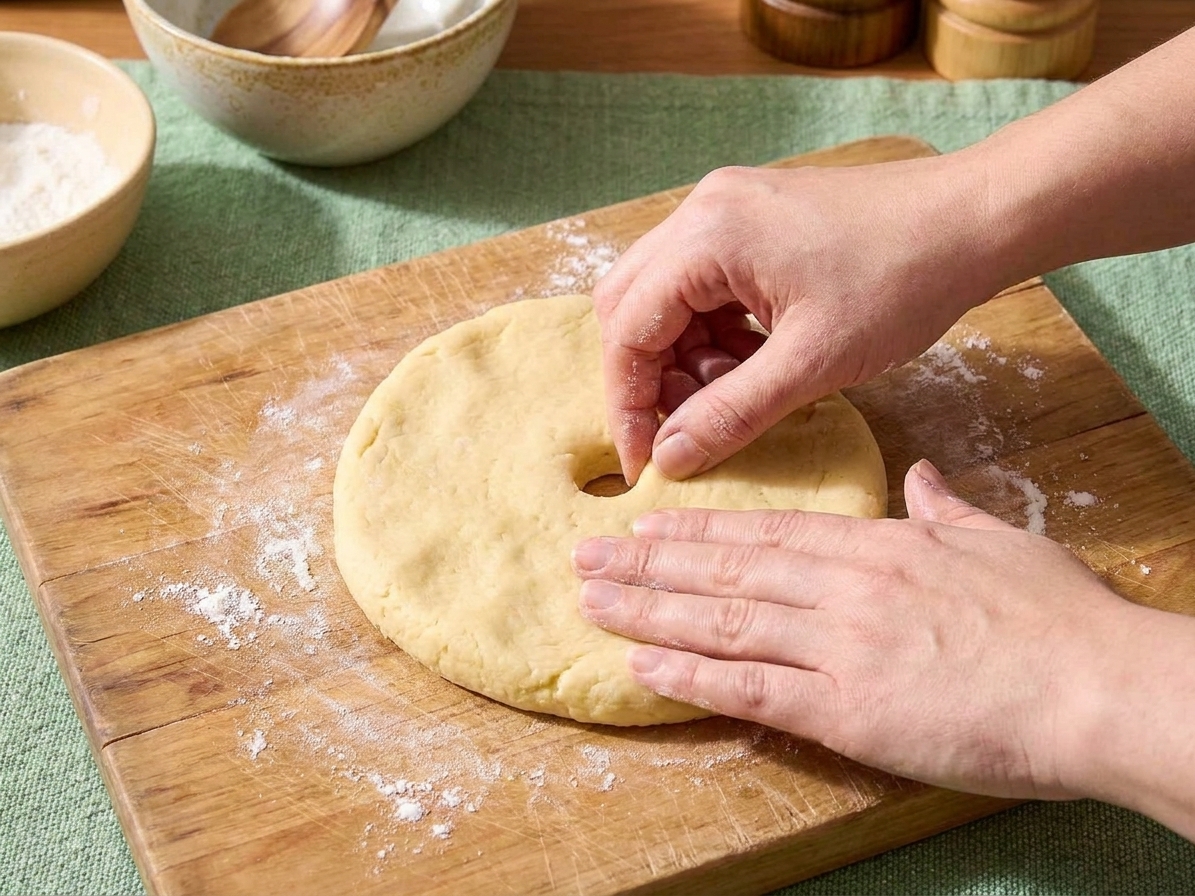
This version keeps the ingredients accessible and the instructions low drama. You will learn what the dough should feel like, how hot the oil needs to be, and the one little move that helps you get that classic shape: the thumb-poke in the center.

A quick note on naming: You will often see “Navajo fry bread,” but many people prefer “Diné,” and fry bread carries real history connected to displacement and rations. I am sharing it with respect, because it is also a food many families make and love.
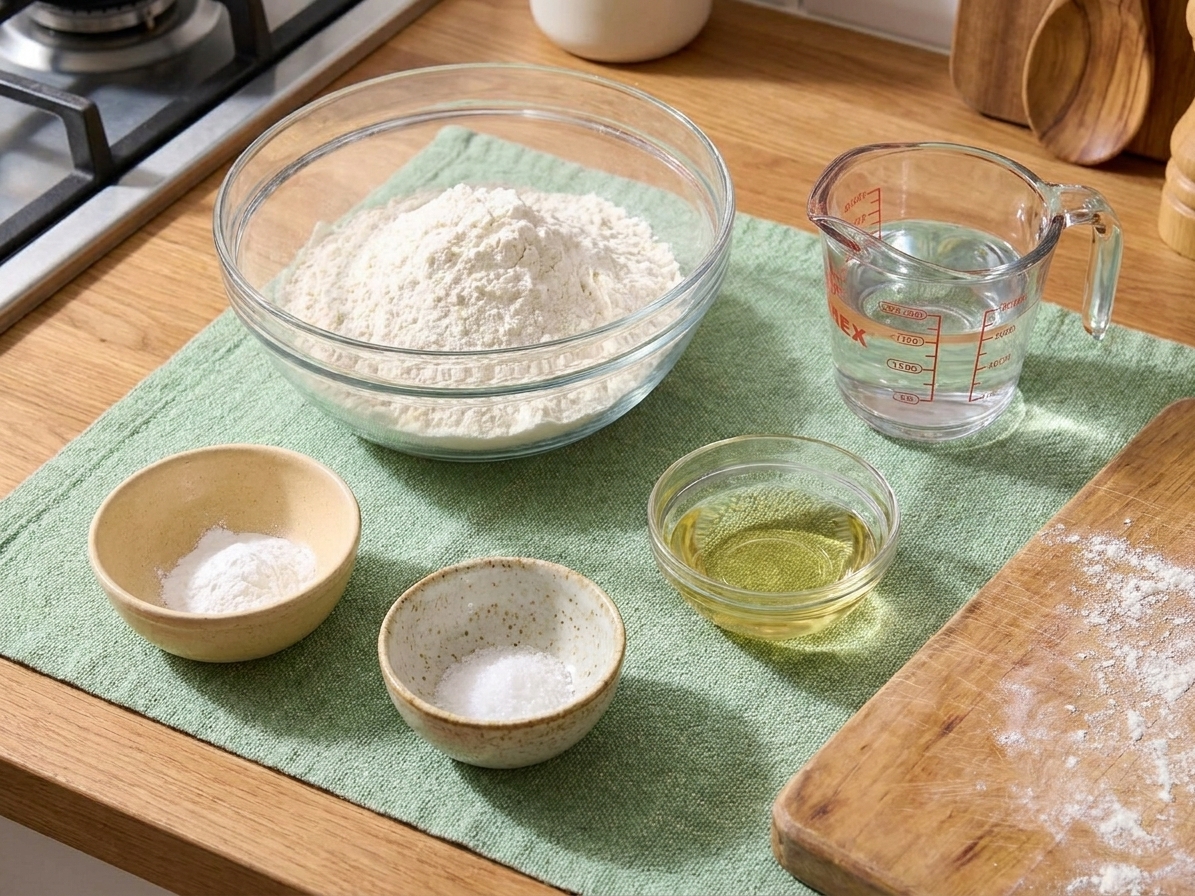
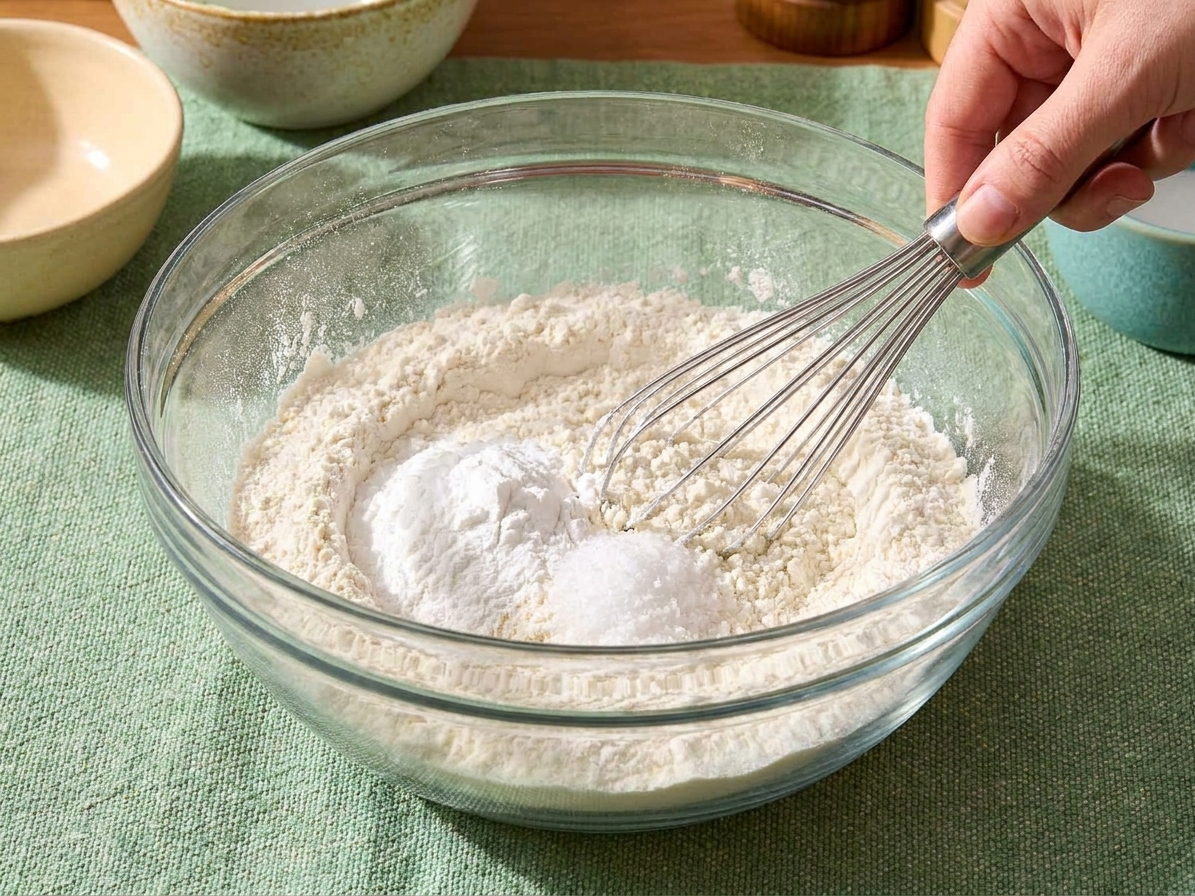
Flour, baking powder, salt, a small bowl of neutral oil, and a measuring cup of warm water arranged on a bright kitchen counter

Why It Works

  • Crisp edges, tender center: A slightly wetter dough plus properly heated oil gives you the best puff without turning greasy.
  • Simple pantry ingredients: Flour, baking powder, salt, and water get you most of the way there.
  • Fast payoff: No yeast, no long rise. You can be eating in about 30 minutes.
  • Sweet or savory friendly: Honey and powdered sugar are great, but it also holds up to taco toppings without collapsing.

Pairs Well With

Storage Tips

Fry bread is best fresh, like right-now fresh, but leftovers can still be very good if you treat them gently.

Room temperature (same day)

Let fry bread cool completely, then keep it in a paper bag or loosely wrapped in foil for a few hours. This helps it stay crispier than sealing it airtight.

Refrigerator (1 to 2 days)

Store in an airtight container or zip-top bag. Reheat in a 375°F oven for 6 to 10 minutes directly on the rack, or in a dry skillet over medium heat until warmed and re-crisped.

Freezer (up to 2 months)

Freeze pieces flat on a sheet pan, then transfer to a freezer bag with parchment between layers. Reheat from frozen in a 375°F oven for 10 to 14 minutes.

Microwave note: It will warm the bread, but it softens the crisp edges. If you must microwave, do 10 to 20 seconds just to take the chill off, then finish in a skillet or oven.

Common Questions

Why the name and where it comes from

You will often see this called Navajo fry bread in cookbooks and search results, but many people prefer Diné. Fry bread also has a complicated history tied to displacement and government rations. I am sharing this as a beloved, widely made home recipe and trying to name it with care and context.

Is it supposed to have a hole in the middle?

Traditionally, many people make a small hole or thin spot in the center so the bread fries evenly and does not balloon into one giant bubble. I do a thumb-poke right before frying. Think donut vibes, but rustic.

Why is my fry bread greasy?

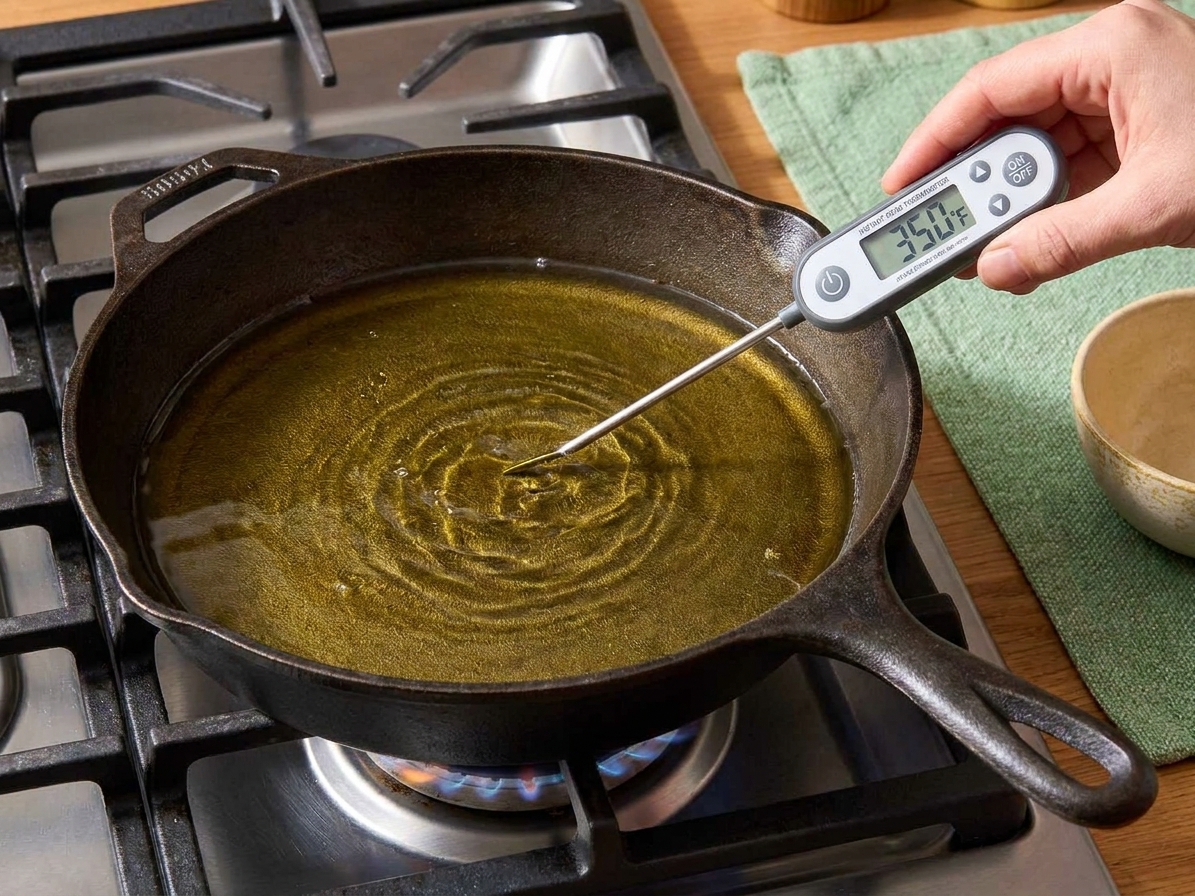
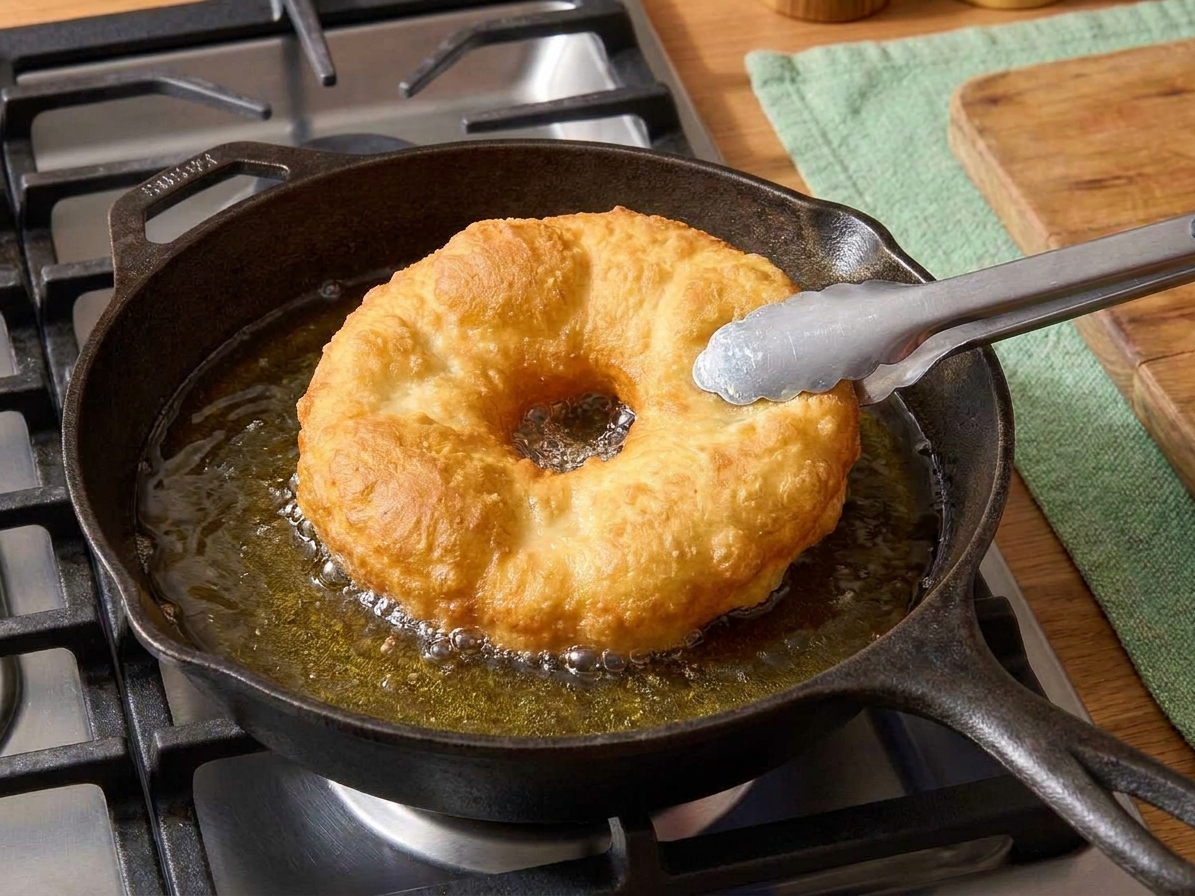
Almost always, the oil is not hot enough. Aim for 350°F to 365°F. If you do not have a thermometer, test a small piece of dough. It should sizzle immediately and float up within a few seconds, not sink and sulk. Also, do not pull it too pale. Pale fry bread is often undercooked and oil-logged.

Can I make the dough ahead?

Yes. You can mix the dough, cover it, and refrigerate it for up to 24 hours. Let it sit at room temp for about 20 to 30 minutes so it is easier to shape.

What toppings work best?

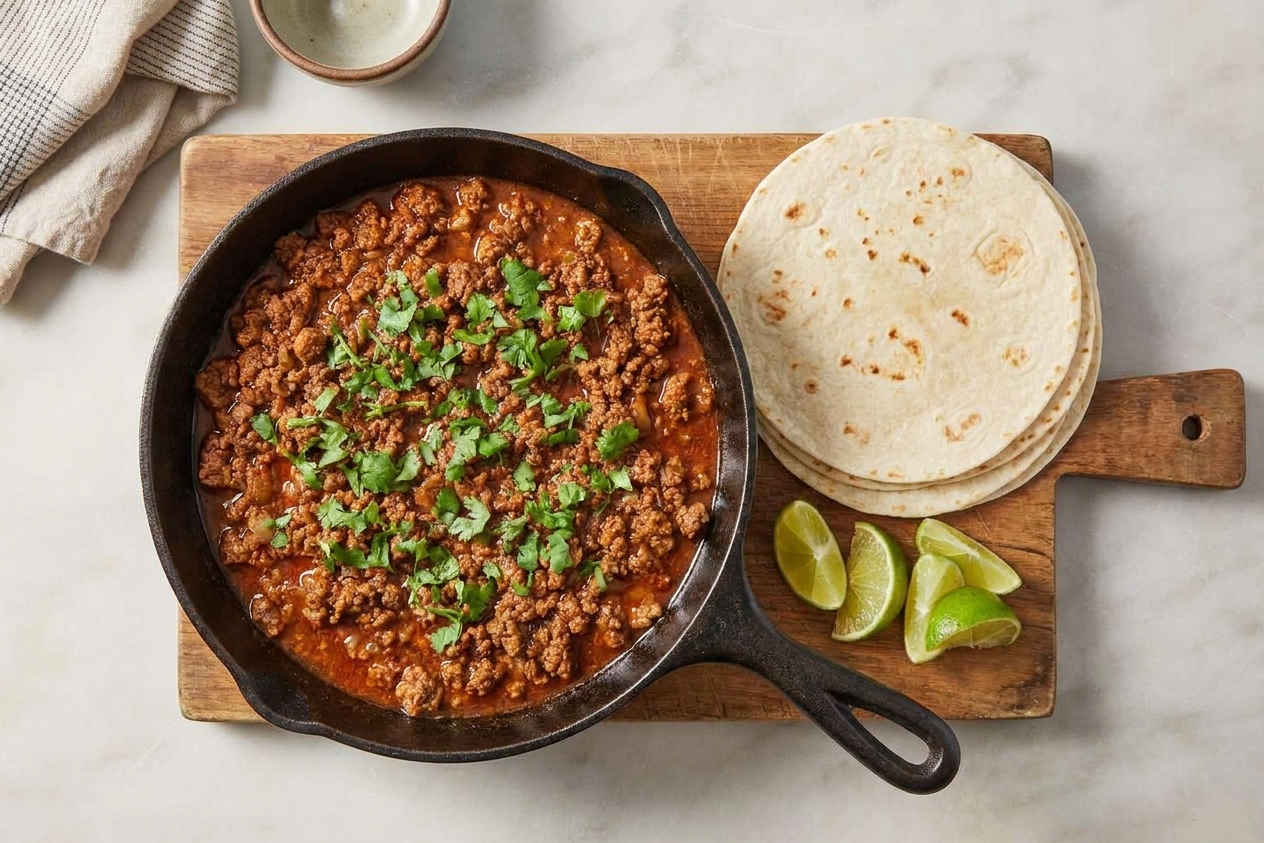
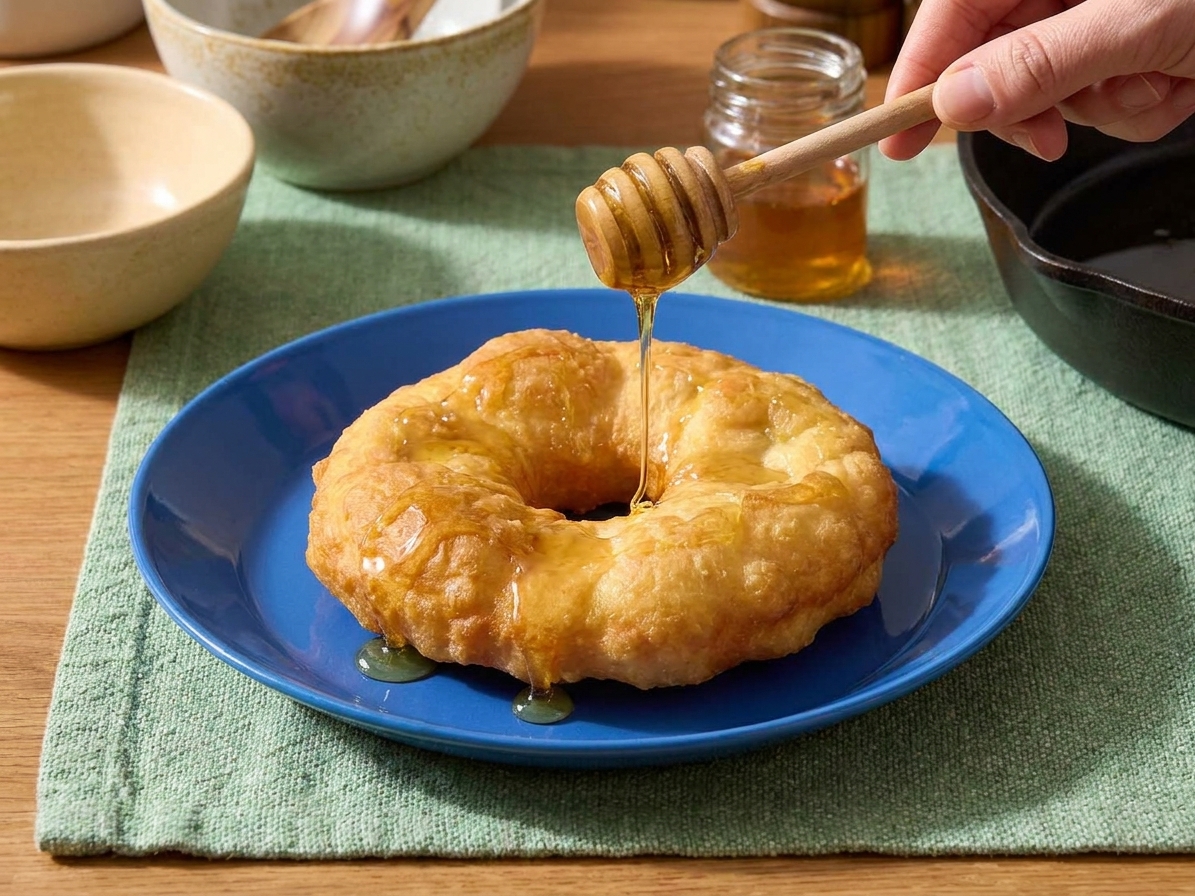
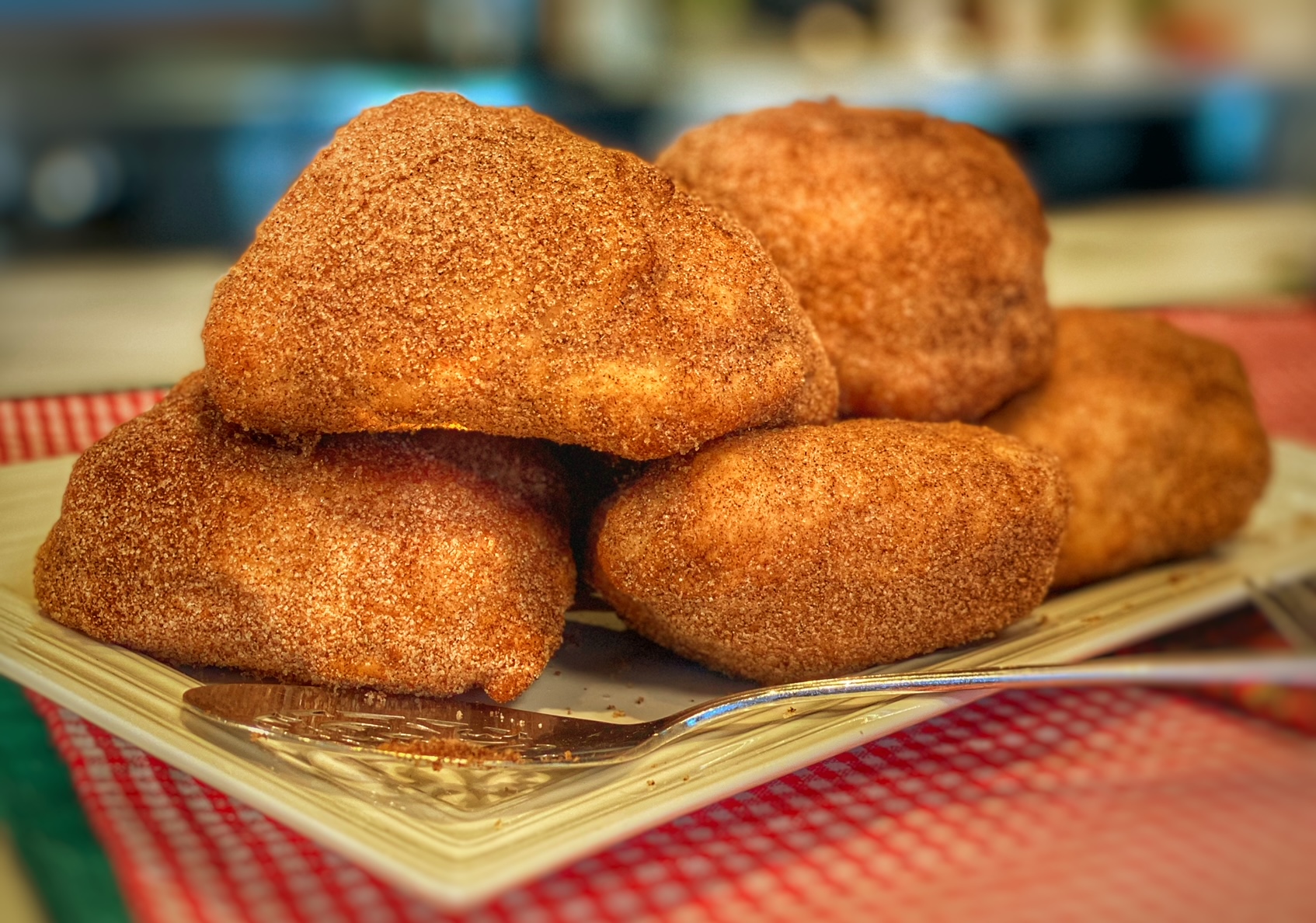
My top picks: honey and a pinch of flaky salt, cinnamon sugar, powdered sugar, or taco-style with seasoned ground beef, beans, lettuce, and cheese. If you are going savory, keep the bread a little thicker so it can carry the load.

Is it the same as sopapillas?

They are related in the sense that both are fried doughs, but they are not the same. Sopapillas are often lighter and many are meant to puff into a pocket. Methods vary by region and family, but fry bread is typically chewier and more substantial.

The first time I made fry bread at home, I was convinced it would be one of those “looks easy, ruins your afternoon” recipes. Instead, it was the opposite. The dough came together in minutes, and the first round hit the oil and puffed like it was showing off. I ate it standing at the counter with honey dripping down my wrist, feeling like I had unlocked a snack you do not need a special occasion for. Now it is my go-to when I want something cozy and a little chaotic in the best way.