Mom's Best Recipes
Recipe

Bo Kho (Vietnamese Beef Stew)

Tender beef in a fragrant lemongrass-tomato broth with carrots and warm spices. Comforting, bold, and perfect with crusty bread or rice noodles.

Author By Matt Campbell
4.8
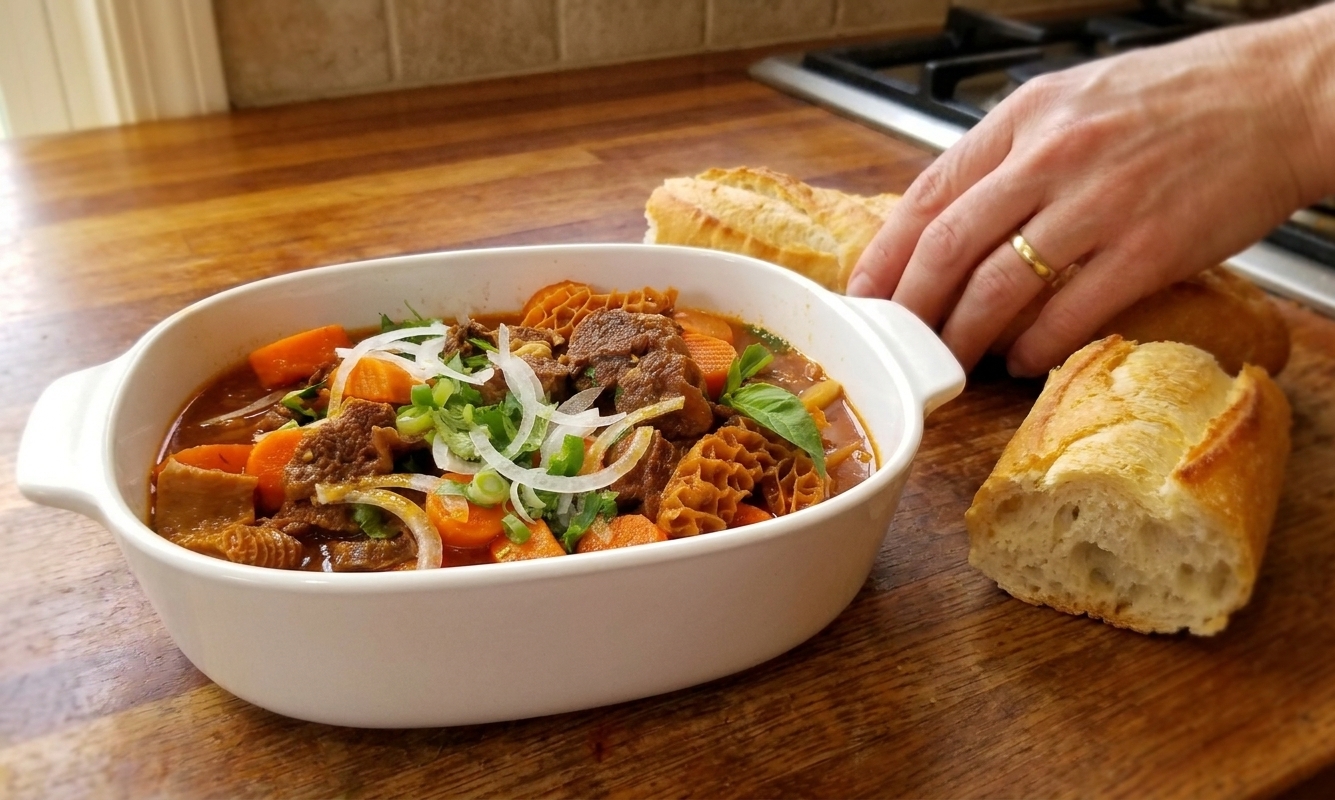
A bowl of Vietnamese bo kho beef stew with tender beef chunks, orange carrots, and a glossy reddish broth, served with fresh herbs on a rustic kitchen table

Bo kho is the kind of stew that makes your kitchen smell like you know what you are doing, even if you are still wearing mismatched socks and holding a wooden spoon like a microphone. It is Vietnamese beef stew: tomato-rich, gently sweet from carrots, and loaded with warm spice that hits cozy without going full holiday candle.

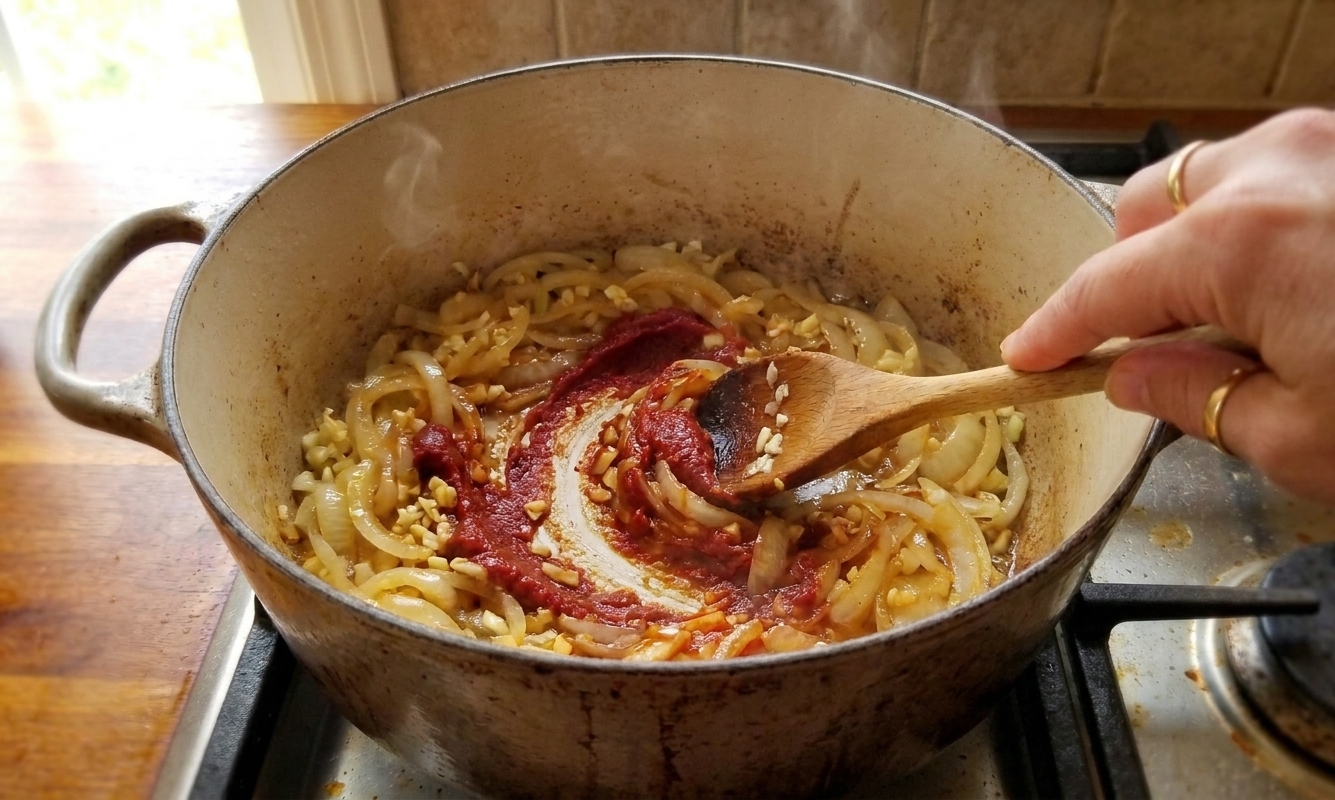
This version keeps the ingredient list realistic for a regular grocery run, but it still delivers the signature vibe: lemongrass perfume, a little Chinese five spice warmth, and that brick-red broth that begs for something to dunk. I love it with crusty bread, but rice noodles, rice, or even mashed potatoes are all very welcome here.

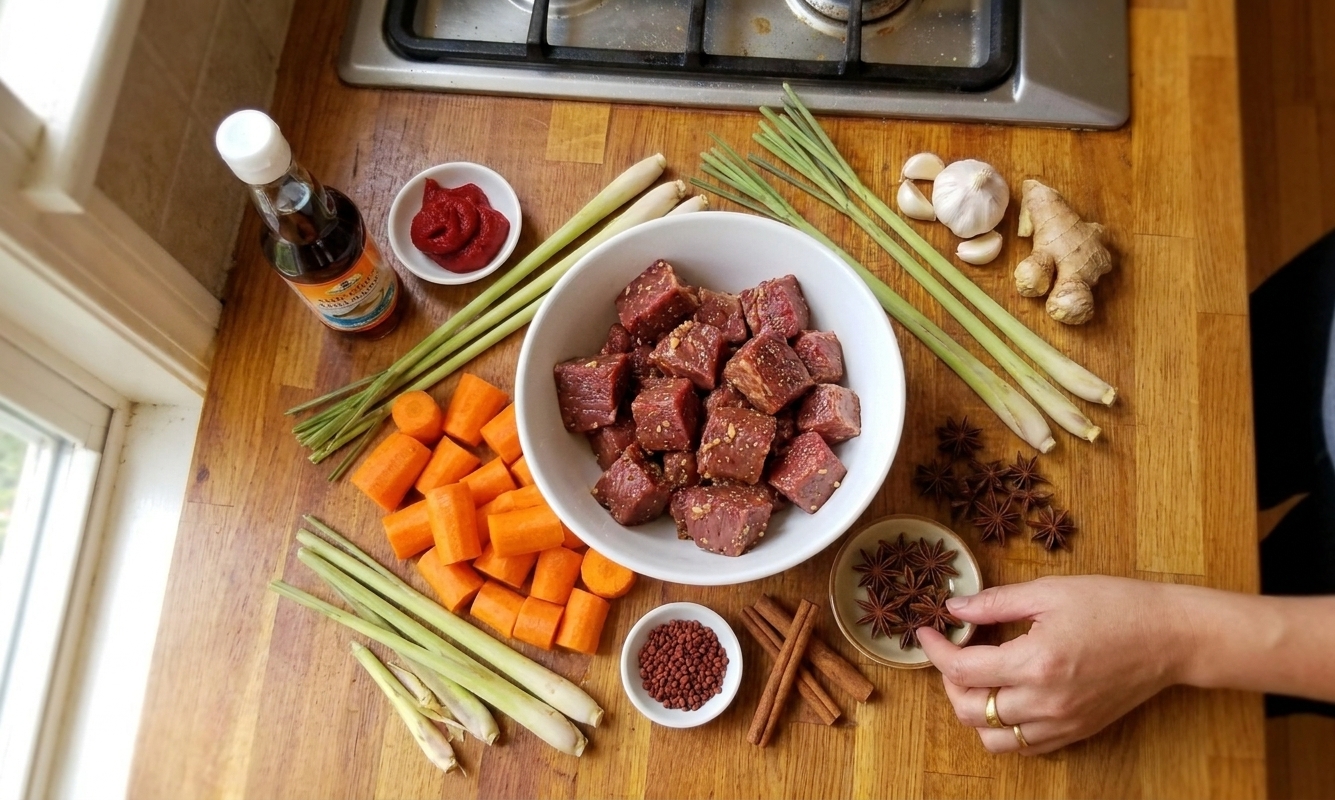
Overhead photo of bo kho ingredients on a light kitchen counter including beef chuck, carrots, lemongrass, garlic, ginger, tomato paste, fish sauce, star anise, and spices

Why It Works

  • Big flavor, low drama: Tomato paste plus aromatics builds a deep base fast, and the long simmer does the tenderizing for you.
  • Tender beef that stays juicy: Chuck roast has enough fat and collagen to turn spoon-soft without drying out.
  • That unmistakable bo kho aroma: Lemongrass, Chinese five spice, and star anise make the broth smell bright and warm at the same time.
  • Flexible serving: Keep it brothier for noodles, or simmer a bit longer for a thicker stew for bread dipping.
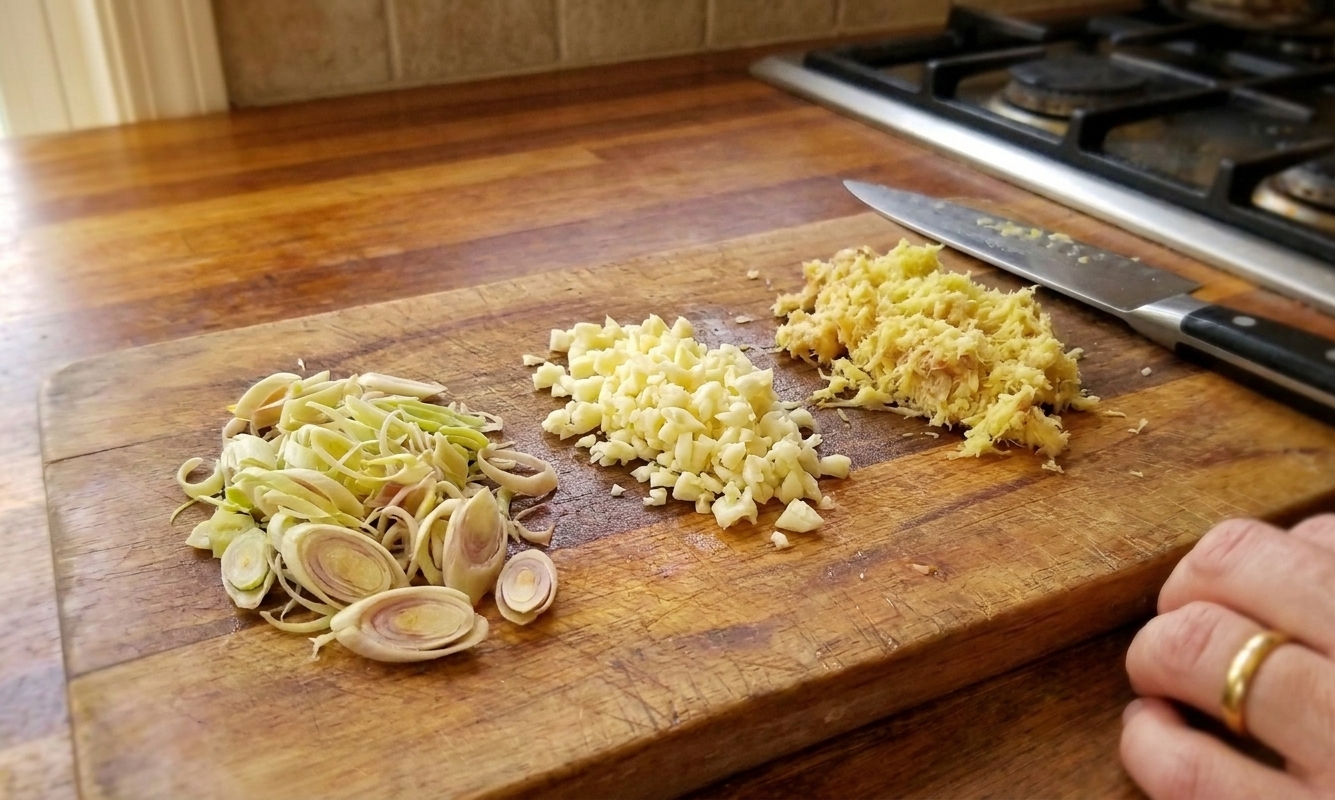
Close-up of sliced lemongrass, minced garlic, and grated ginger on a wooden cutting board

Pairs Well With

Storage Tips

Refrigerate: Cool completely, then store in an airtight container for up to 4 days. The flavor gets better on day two.

Freeze: Freeze up to 3 months. For best texture, freeze the stew without noodles or bread. Carrots soften a bit after freezing but still taste great.

Reheat: Warm gently on the stove over medium-low, adding a splash of water or beef broth if it has thickened. Taste and adjust with a little fish sauce or salt at the end.

Grease trick: If you want a cleaner broth, chill overnight and lift off the solidified fat cap before reheating. Leave a little for flavor, do not go fully joyless.

Common Questions

What cut of beef is best for bo kho?

Beef chuck is the sweet spot: it gets tender and stays flavorful. Brisket works too, and beef shank is amazing if you want extra richness, but it can take longer.

Do I need a bo kho seasoning packet?

Nope. Some people use them, but you can get a great result with Chinese five spice, paprika or annatto (optional), and whole spices like star anise and cinnamon. The lemongrass and fish sauce do a lot of heavy lifting.

What is the red color, and do I need annatto?

That signature brick-red color often comes from annatto oil. You do not need it, but if you want the classic look, use the optional annatto step below. Paprika helps too, but annatto reads more traditional.

How do I keep lemongrass from getting stringy?

Two easy options: (1) Bruise the stalks and add them in big pieces, then remove them later like bay leaves, or (2) mince only the tender inner part. If you slice rounds, keep them thicker and plan to strain for a smoother broth.

Can I make bo kho in an Instant Pot?

Yes. Brown the beef using Sauté, then pressure cook on High for 35 minutes with a 10 minute natural release. Check a piece of beef. If it is not fork-tender yet, pressure cook 5 to 10 minutes more. Add carrots after pressure cooking and simmer on Sauté until tender so they do not turn to mush.

How do I thicken the broth?

Simmer uncovered for 10 to 15 minutes at the end. If you want it thicker faster, mash a few carrot pieces into the broth, or whisk 1 tablespoon cornstarch with 2 tablespoons cold water and stir it in while simmering.

How strong is the five spice flavor?

It depends on the brand. If you are sensitive to five spice, start with 1 1/2 teaspoons, then add more at the end if you want extra warmth.

What should it taste like?

It should be savory, lightly sweet, and fragrant. If it tastes flat, add a touch more fish sauce or salt. If it tastes sharp, add a pinch of sugar. If it needs brightness, a squeeze of lime at the table fixes a lot.

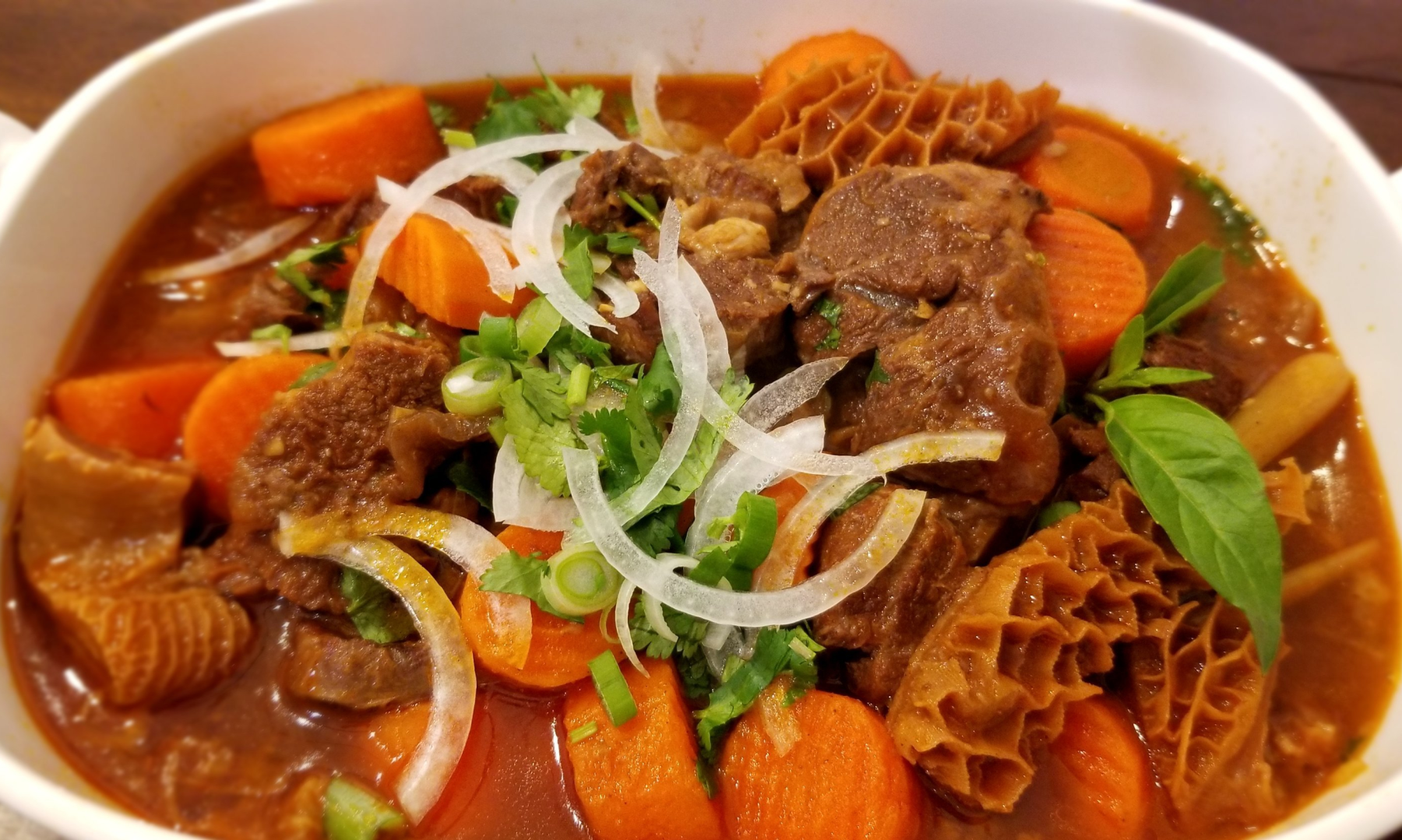
The first time I made bo kho at home, I was aiming for “casual weeknight stew” and accidentally created “everyone hovering around the pot asking what that smell is.” It is one of those recipes that makes you feel like you have a secret, even though the secret is basically just lemongrass, tomato paste, and patience. Now I treat it like my rainy-day reset: put on something comfy, let it simmer, and give myself permission to dunk bread directly into the pot at least once. For quality control, obviously.