Mom's Best Recipes
Recipe

Tom Yum Kung Soup

A bold, cozy Thai hot and sour shrimp soup with lemongrass, lime, mushrooms, and a broth that makes you sit up straighter after the first sip.

Author By Matt Campbell
4.8
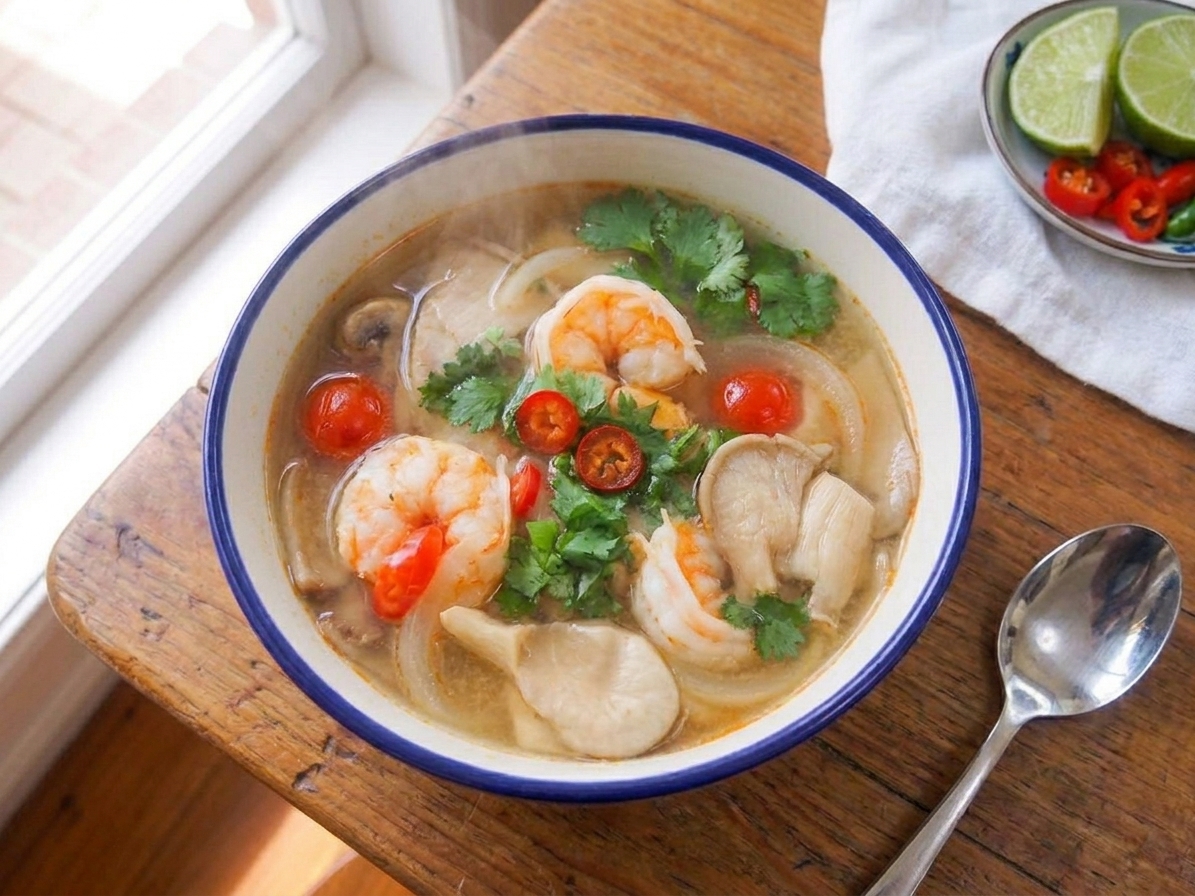
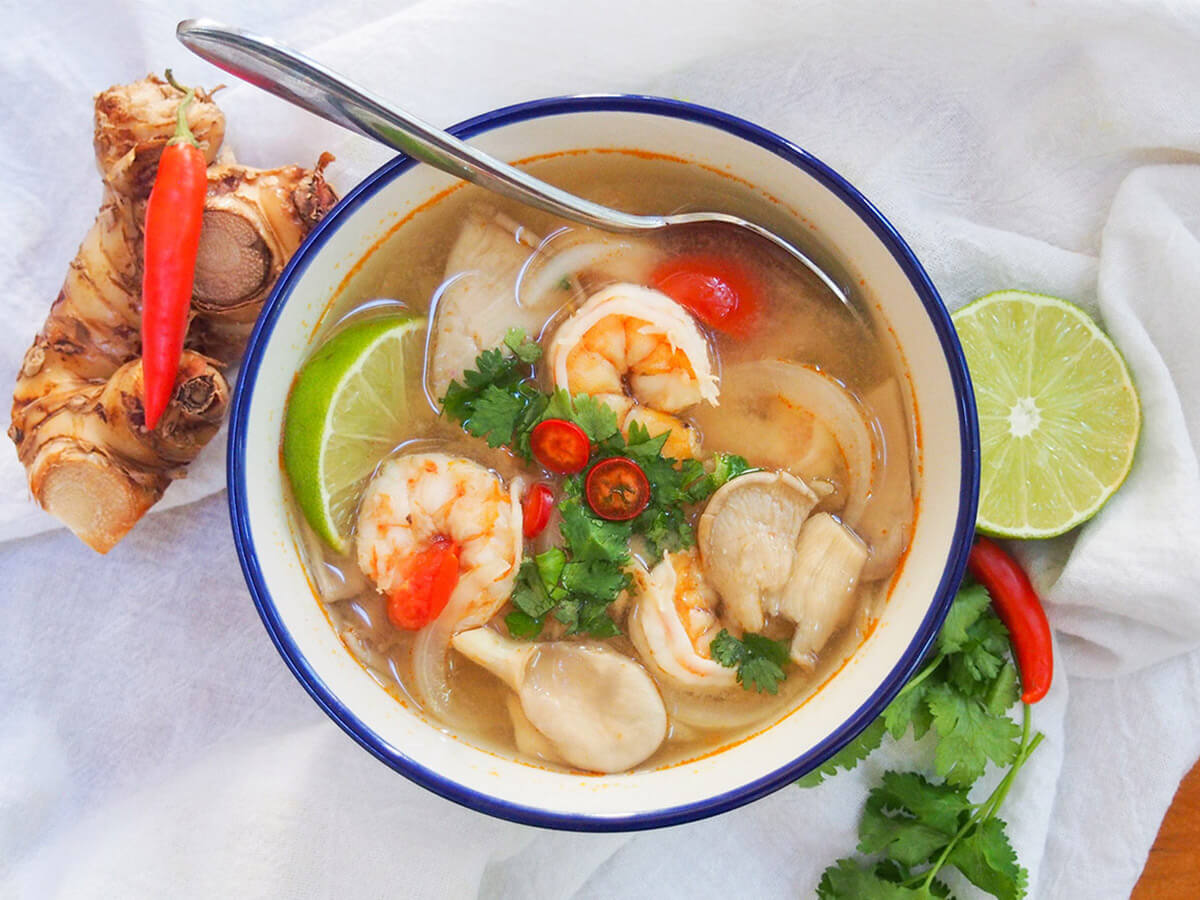
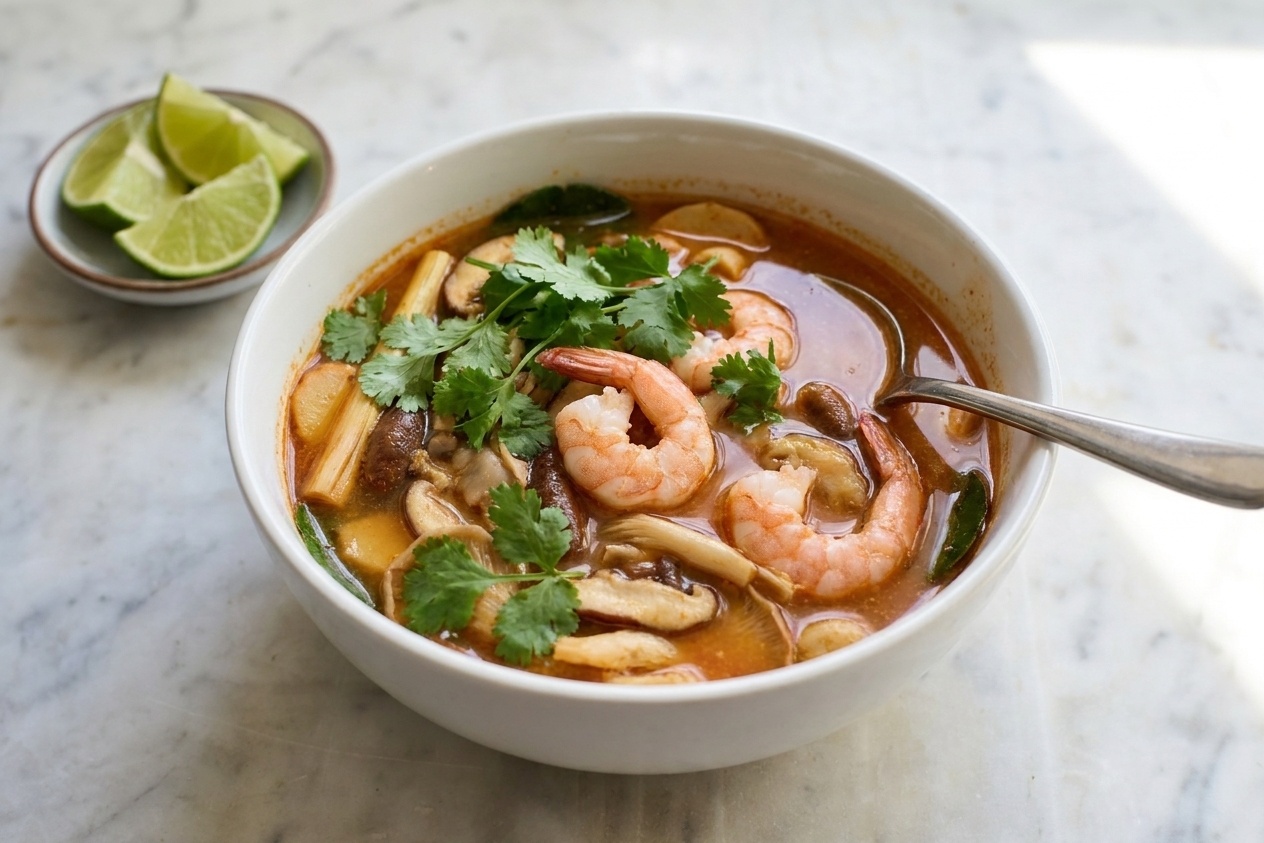
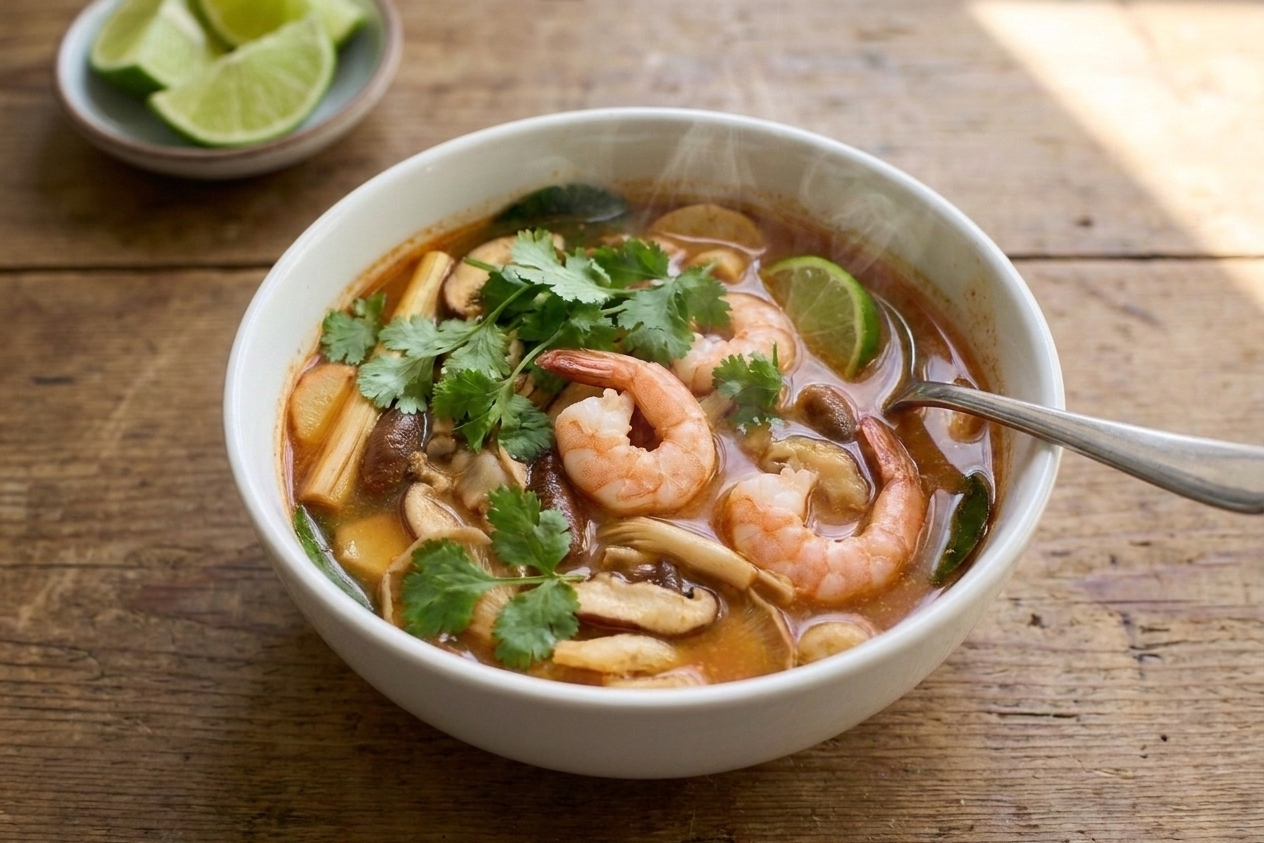
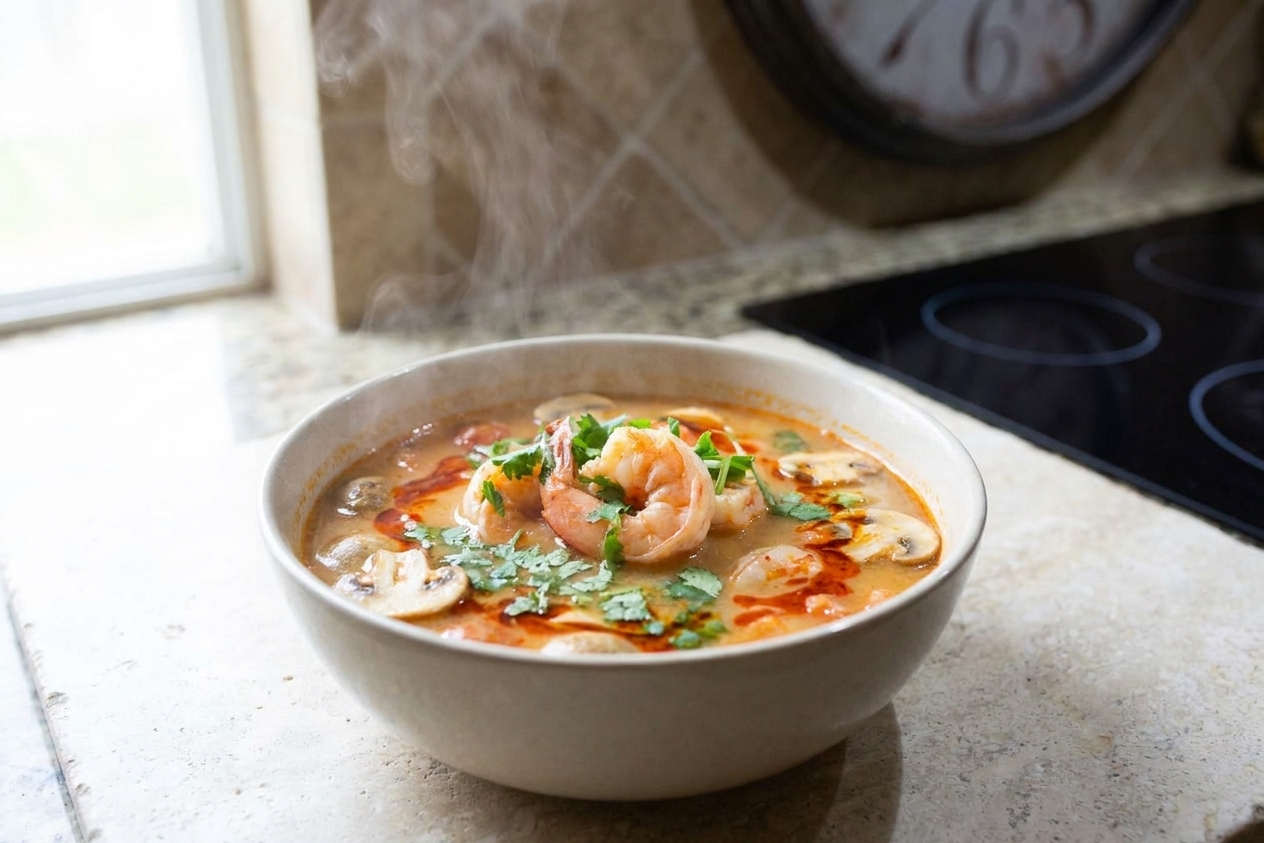
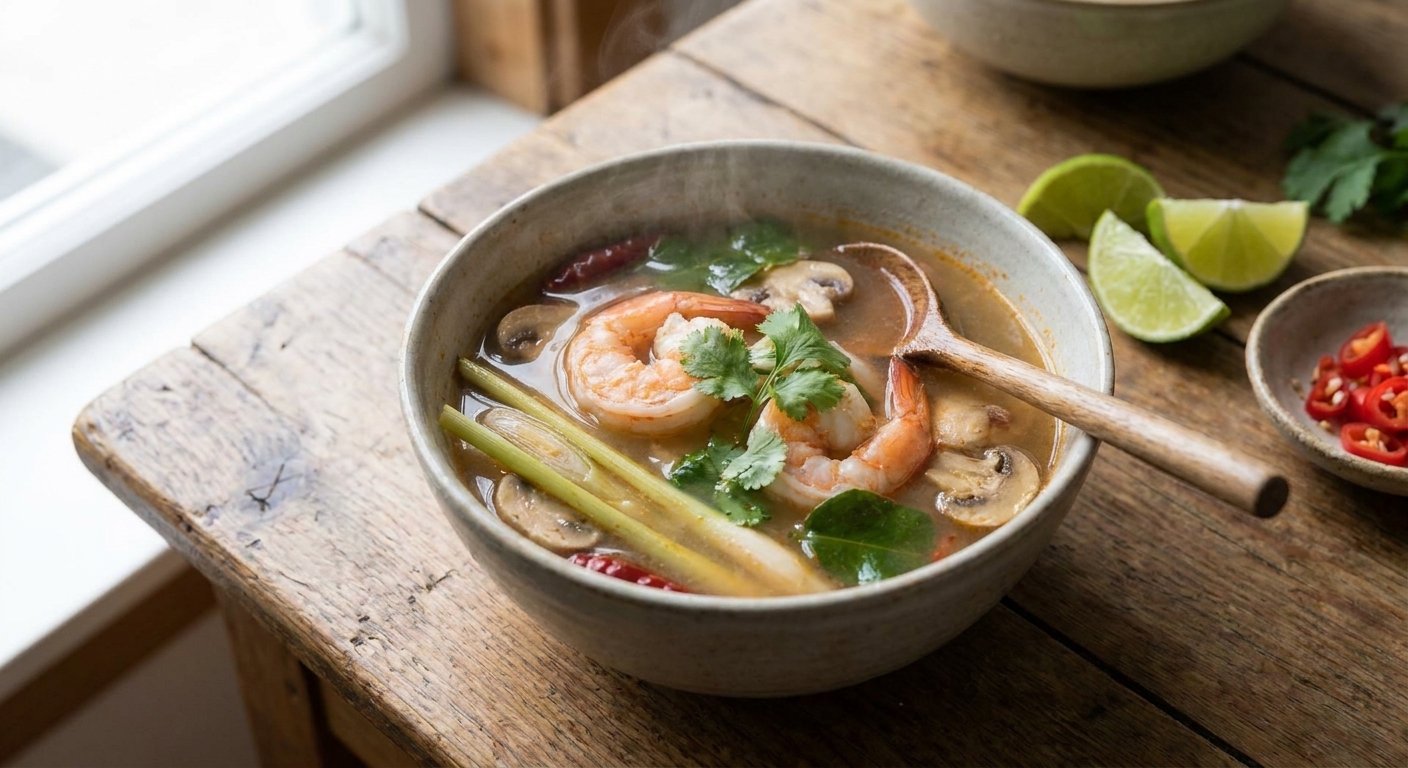
A steaming bowl of tom yum kung soup with shrimp, mushrooms, cilantro, and lime wedges on a simple wooden table

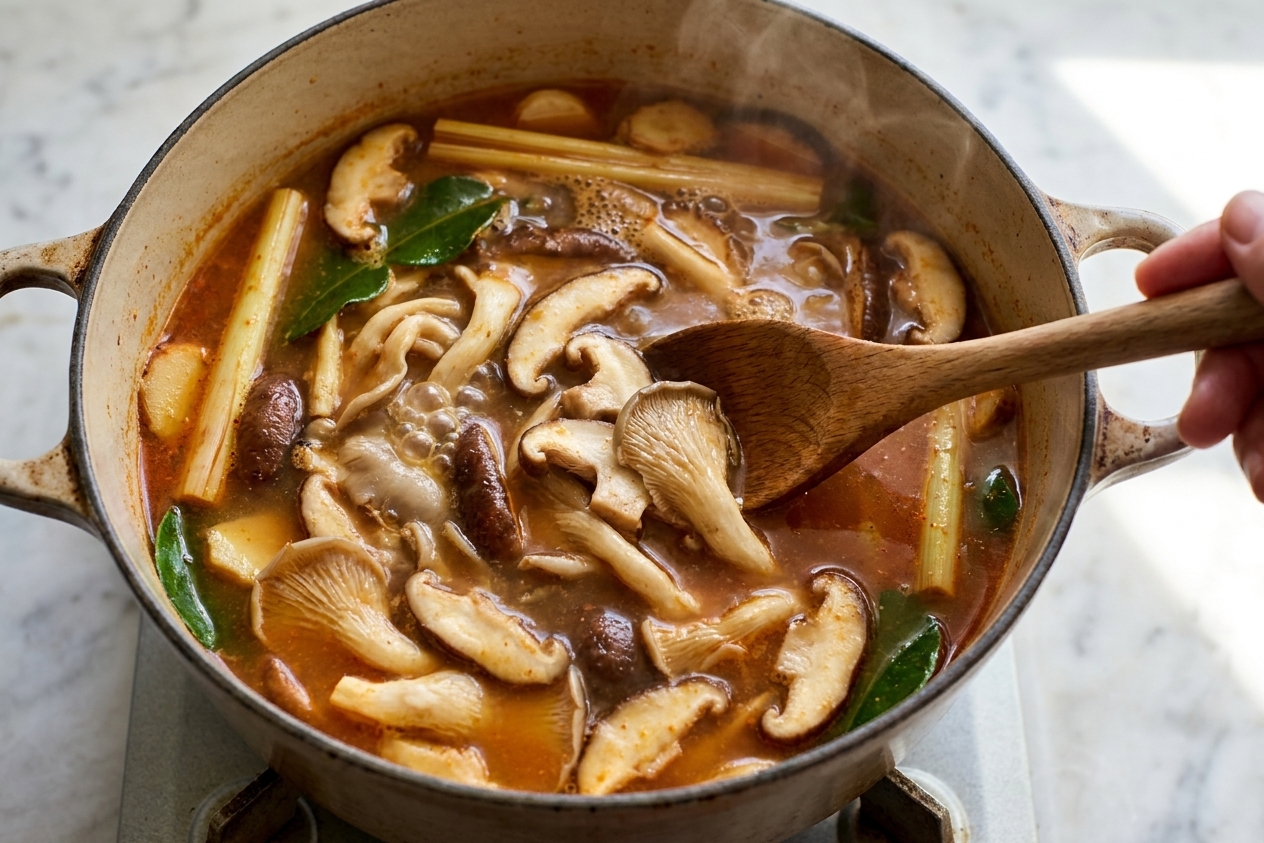
Tom Yum Kung is one of those soups that feels like a reset button. It is bright and citrusy, a little spicy, and deeply savory in that “how is broth doing this?” way. You get perfume from lemongrass, that unmistakable lime leaf aroma, and a hit of heat that warms you without turning dinner into a dare.

This version is built for home kitchens, not specialty-store scavenger hunts. If you can find lemongrass and (ideally) makrut lime leaves, amazing. If you cannot, I have backups that still land you in the right neighborhood. The key is tasting as you go and balancing the big three: sour (lime), salty (fish sauce), and spicy (chiles), plus a tiny touch of sweet if the broth needs it.
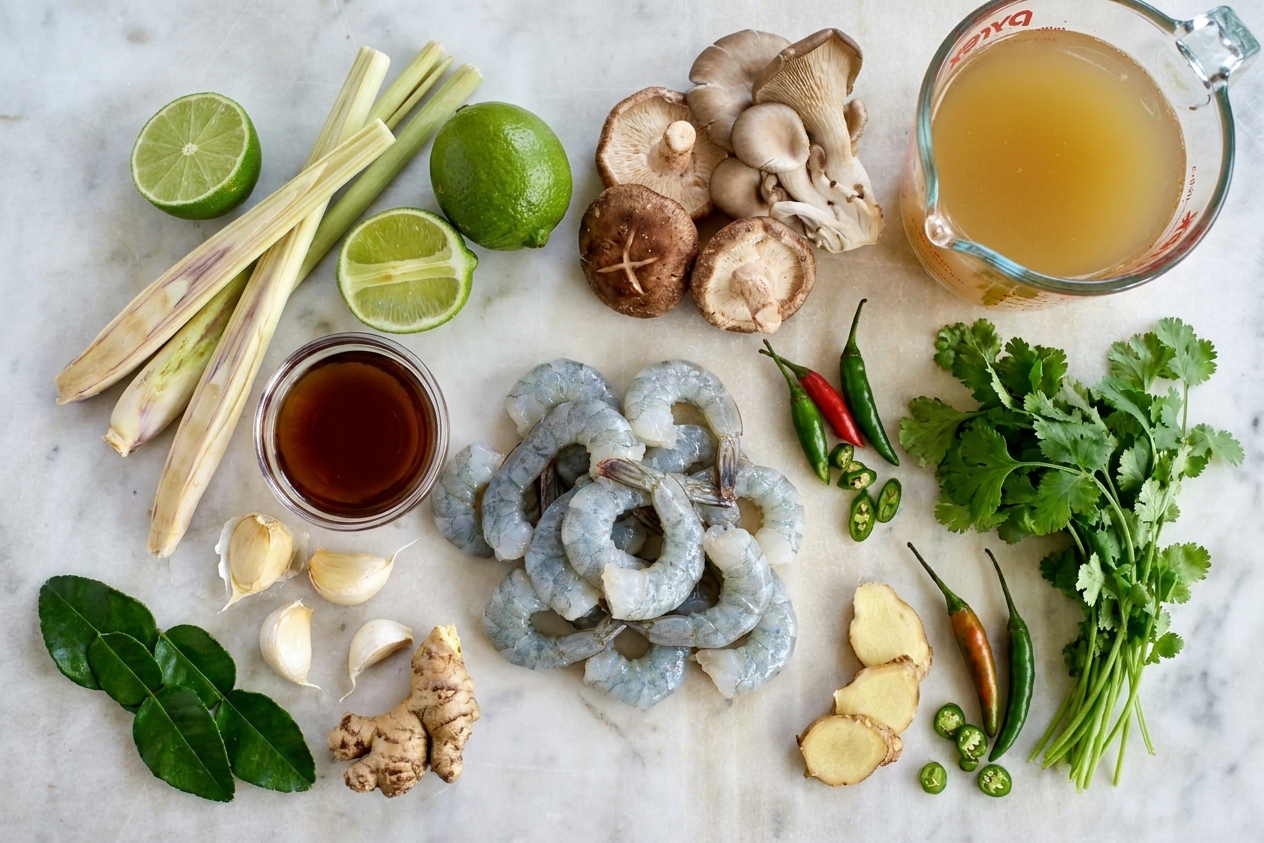
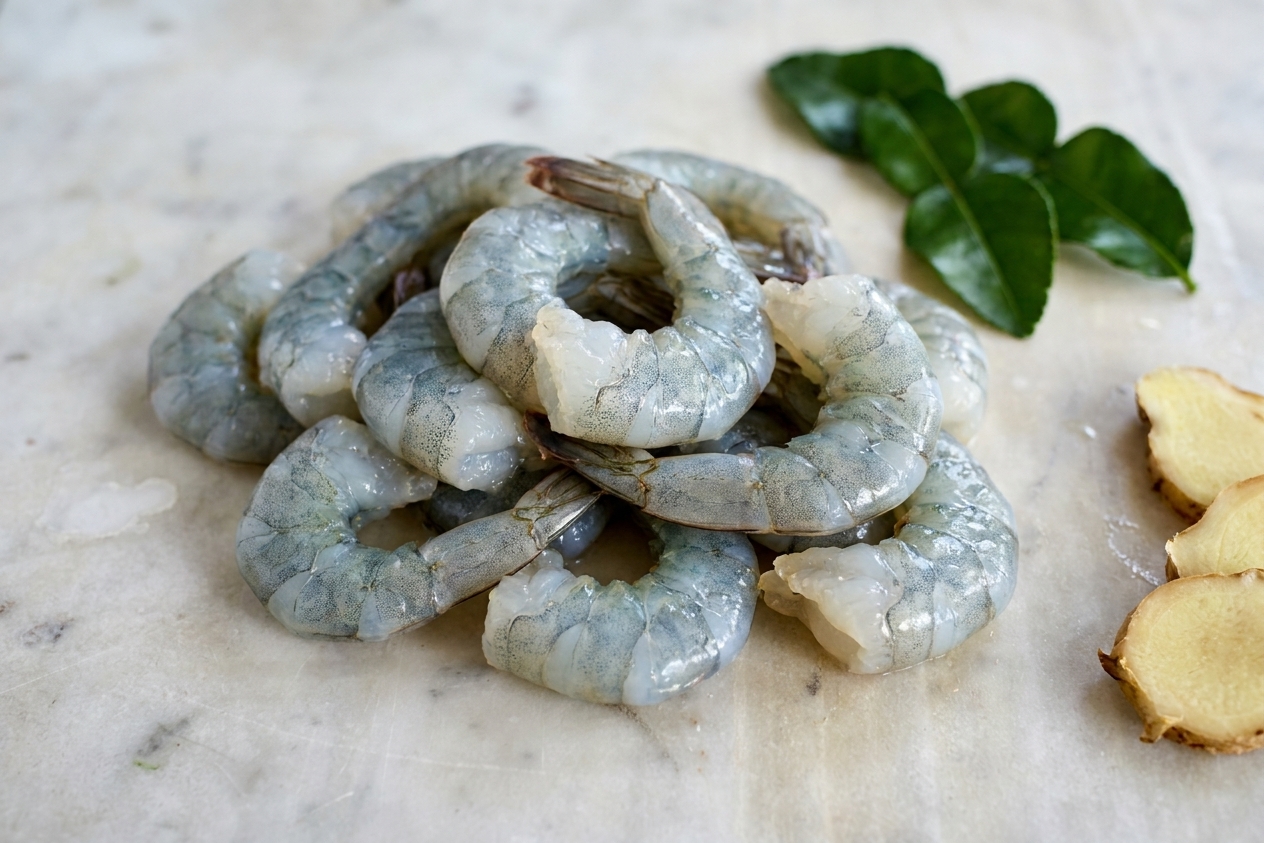
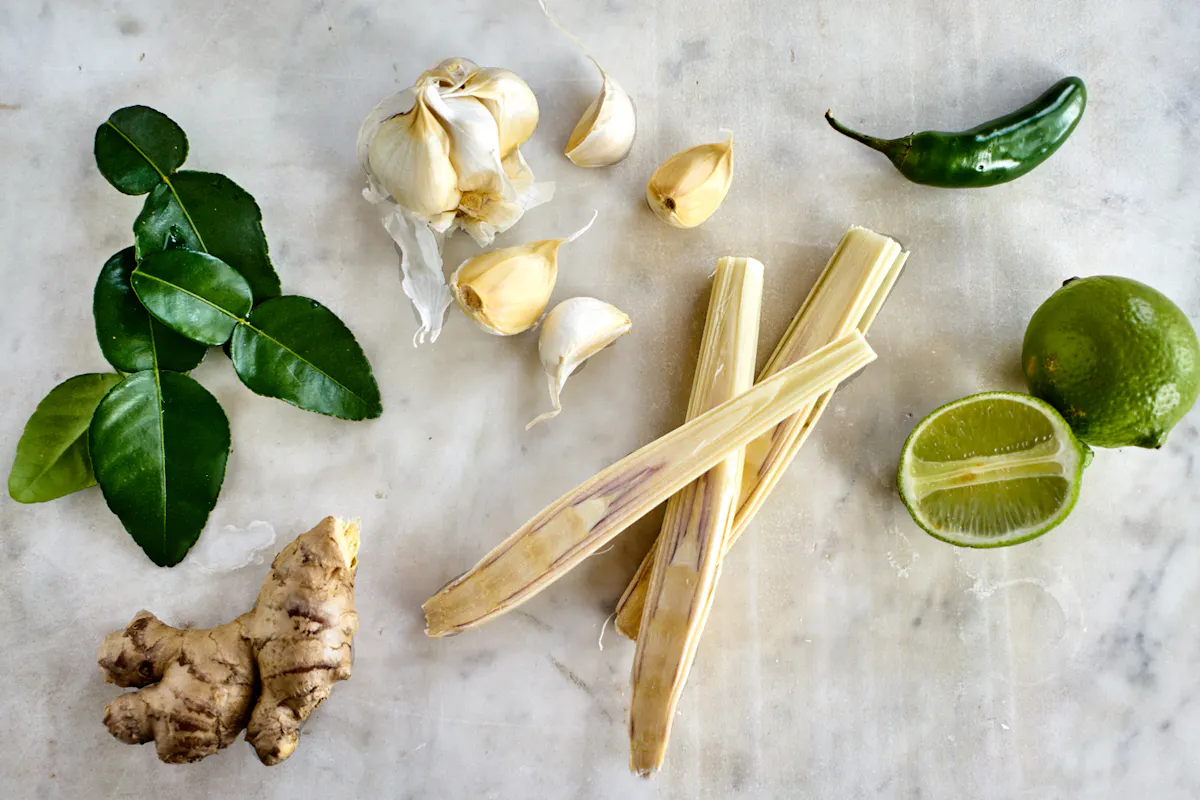
Lemongrass, limes, fish sauce, shrimp, mushrooms, cilantro, Thai chiles, and broth arranged together for cooking

Why It Works

  • Fast flavor layering: We simmer aromatics first so the broth tastes like it has been working all day, even though it has not.
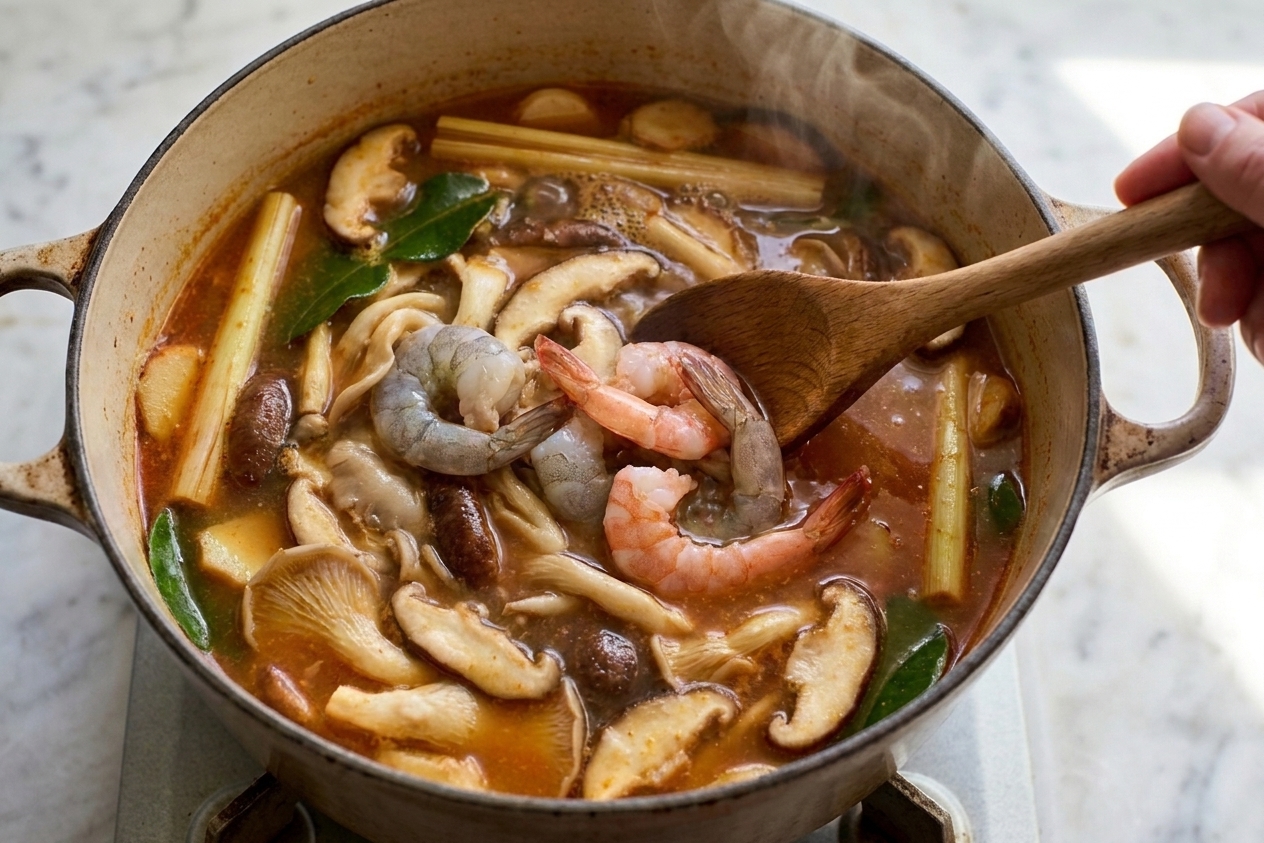
  • Juicy shrimp, not rubbery shrimp: The shrimp go in at the end and cook gently in the hot broth.
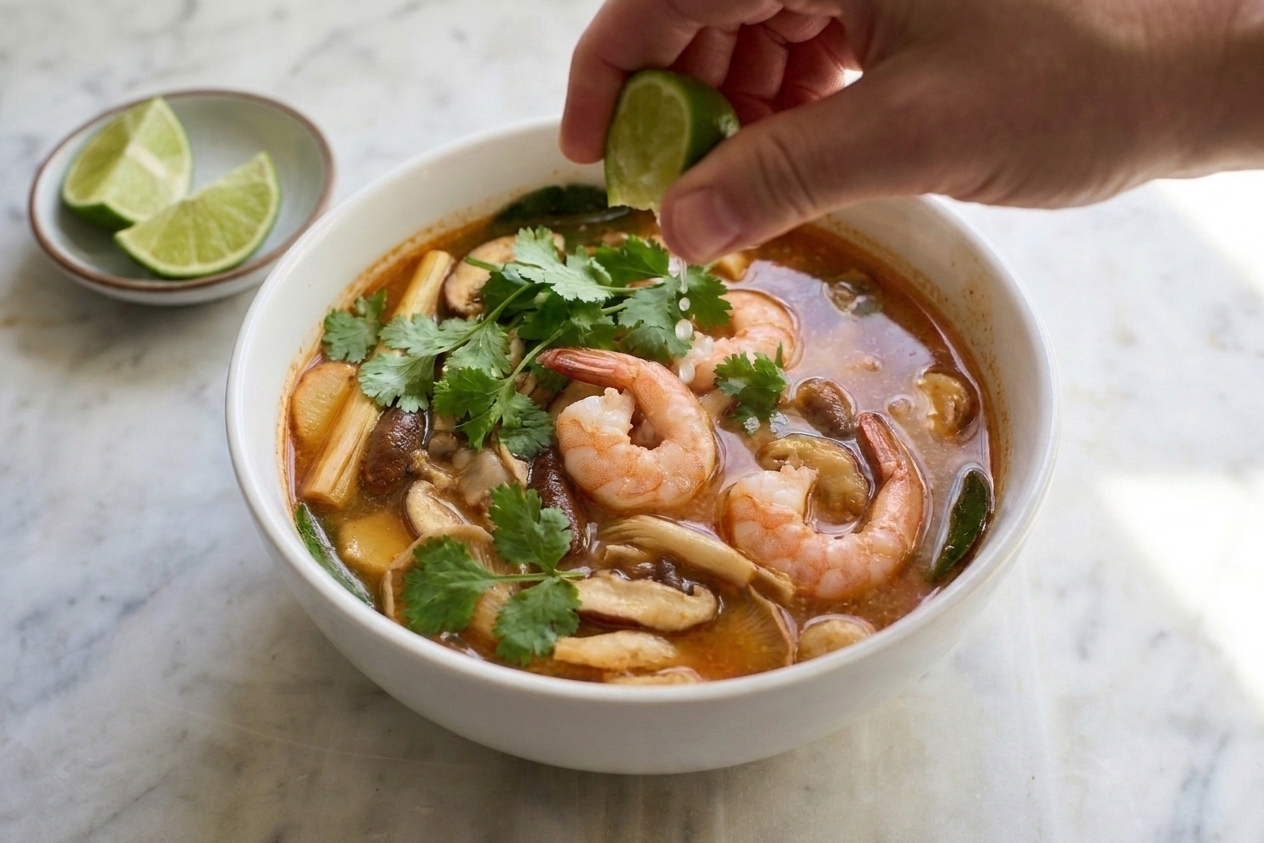
  • Balanced heat and tang: Lime juice is added off heat, which keeps it bright instead of muted and bitter.
  • Flexible pantry swaps: You can still make a great pot of tom yum even if you are missing one of the traditional herbs.

Pairs Well With

Storage Tips

Refrigerate: Store soup in an airtight container for up to 3 to 4 days. For best quality, shrimp is happiest in the first 1 to 2 days.

Pro move for meal prep: If you know you will have leftovers, pull out the shrimp you want to save before you reheat anything. Store the shrimp separately, then warm it gently in the hot soup for 30 to 60 seconds.

Reheat: Warm over medium-low heat until just steaming. Avoid a hard boil, which can toughen shrimp and dull the herbs.

Freezing: I do not recommend freezing this with shrimp. The broth can be frozen (without shrimp and without lime juice) up to 2 months. Add fresh shrimp and lime when you reheat.

Common Questions

Is tom yum always creamy?

No. Classic tom yum is often a clear broth (tom yum nam sai). Some very common versions use nam prik pao, which deepens the color and adds a little body, but it is still not truly “creamy” unless you add evaporated milk or coconut milk. This recipe is the clear, punchy style, with an optional creamy tweak in the notes.

What can I use if I cannot find makrut lime leaves?

Makrut lime leaves are sometimes labeled as kaffir lime leaves. If you cannot find them at all, use extra lime zest (from 1 lime) plus a small strip of orange peel (removed with a vegetable peeler) while the broth simmers. It is not identical, but it gives you that fragrant citrus lift.

Can I make it without fish sauce?

Fish sauce is the signature salty backbone. If you need a substitute, use soy sauce (start with 1 tablespoon and add more to taste) plus a tiny pinch of sugar. The soup will still be tasty, just less classically tom yum.

How spicy is this?

With 2 Thai chiles, it is a noticeable, pleasant heat. If you are cooking for a mixed crowd, start with 1 chile, then serve chili oil or crushed red pepper at the table.

What mushrooms are best?

Straw mushrooms are traditional, but cremini or white button are perfect here. Slice them thick so they feel meaty in the broth.

The first time I tried tom yum, I remember thinking it tasted like someone turned the “volume” up on soup. Not heavier. Not richer. Just louder in the best way. Now it is what I make when dinner needs to be exciting but I do not have the energy for a big production. I like it because it lets you cook like a friend: toss things in, taste, adjust, and suddenly you have a bowl that feels like you did something impressive on purpose.