Mom's Best Recipes
Recipe

Bone-In Prime Rib Roast

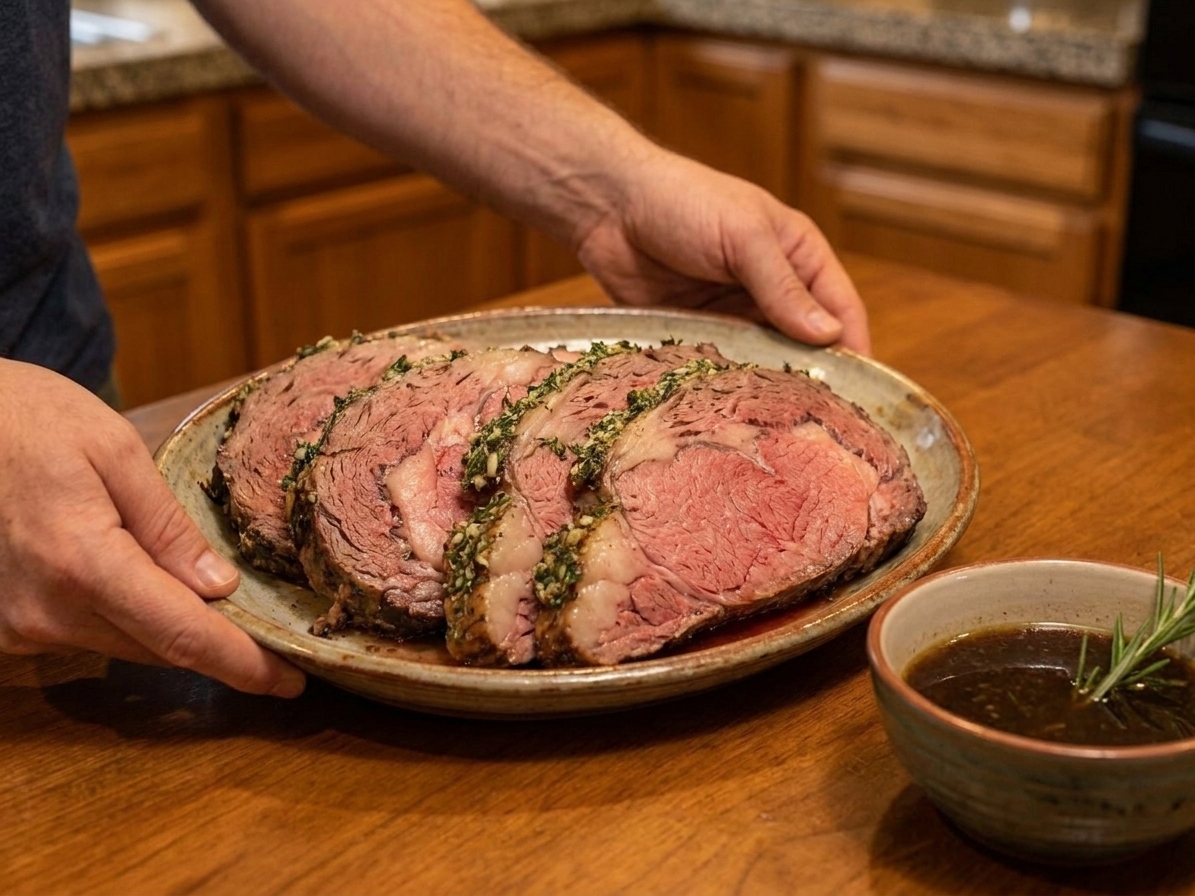
Crisp, garlicky crust and a juicy medium-rare center with an easy dry brine and a simple oven technique.

Author By Matt Campbell
4.8
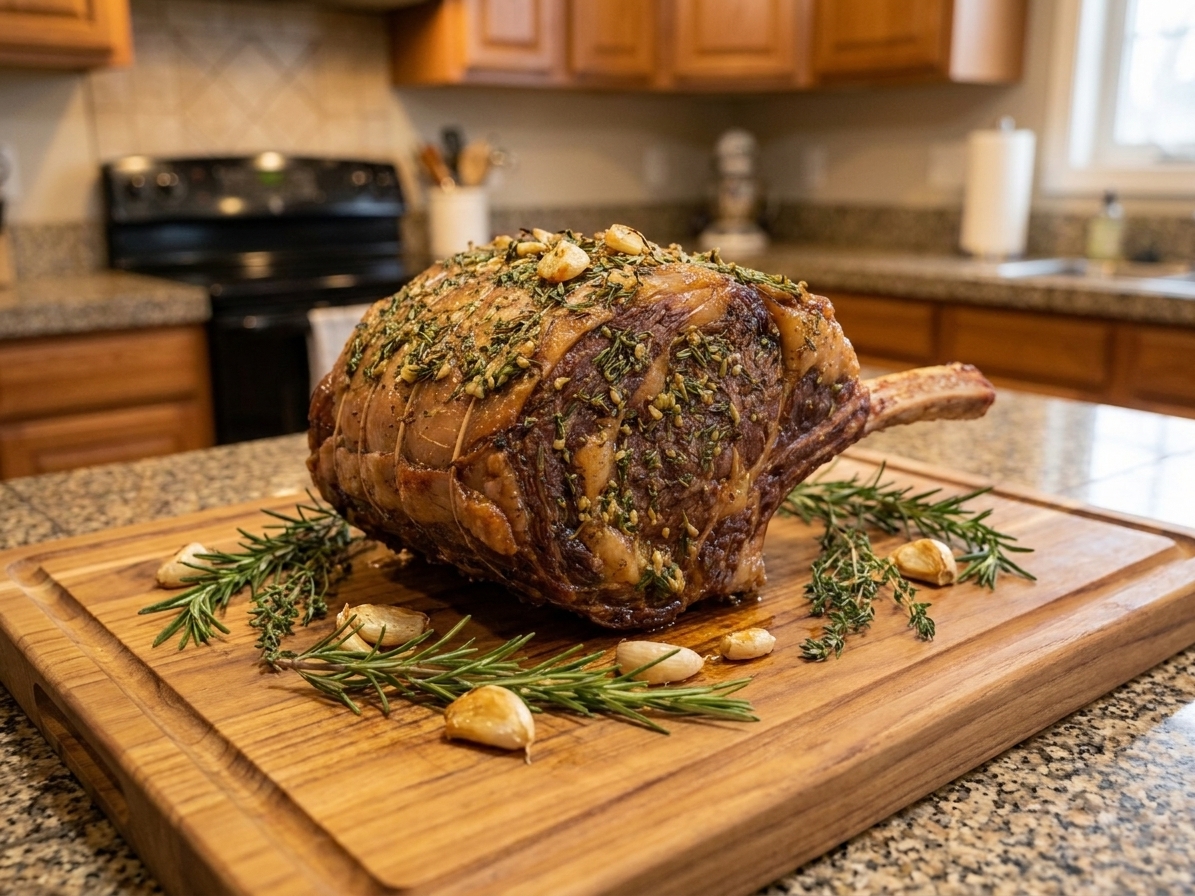
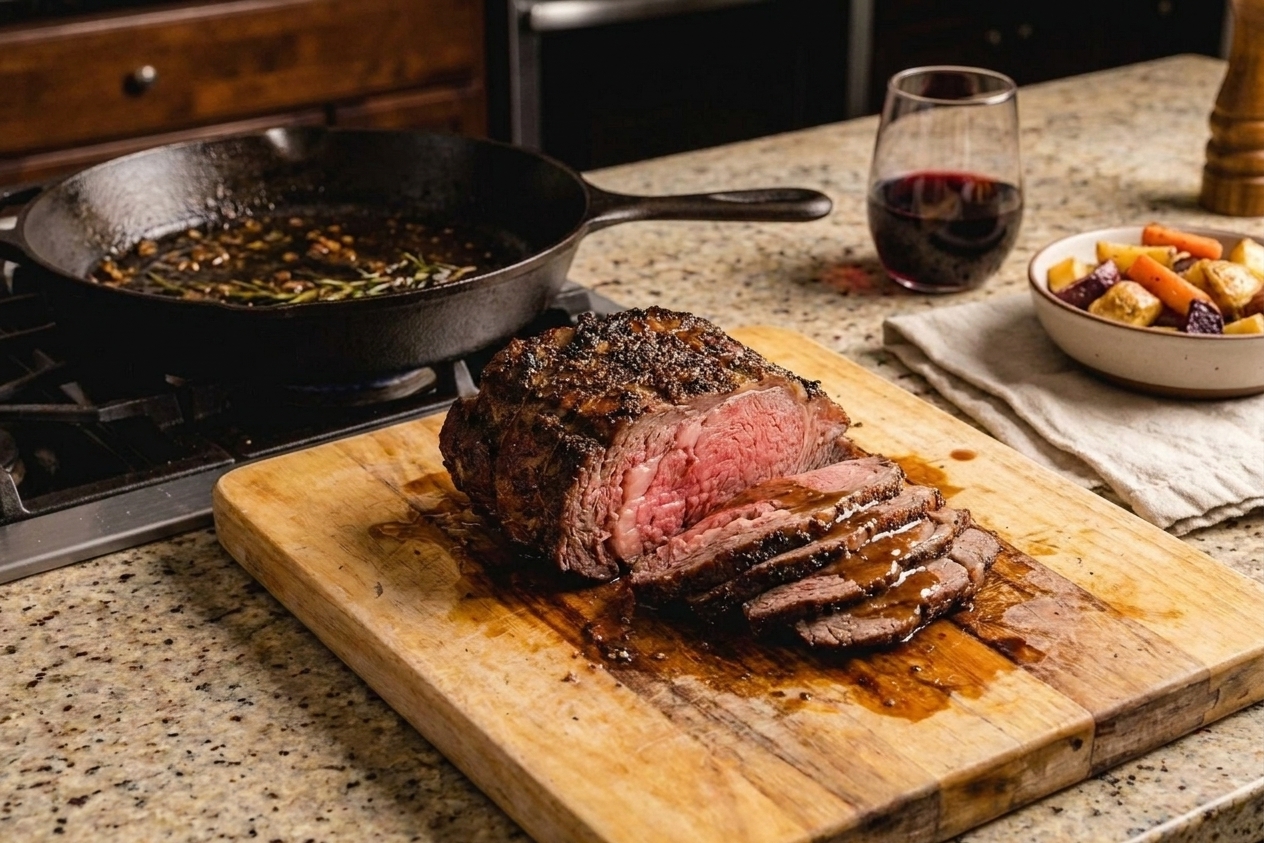
A golden-brown bone-in prime rib roast resting on a cutting board with rosemary and garlic on top, kitchen counter in warm natural light

Prime rib has a reputation for being fussy. It is not. It is just a big, beautiful piece of beef that needs two things: salt ahead of time and a thermometer you trust.

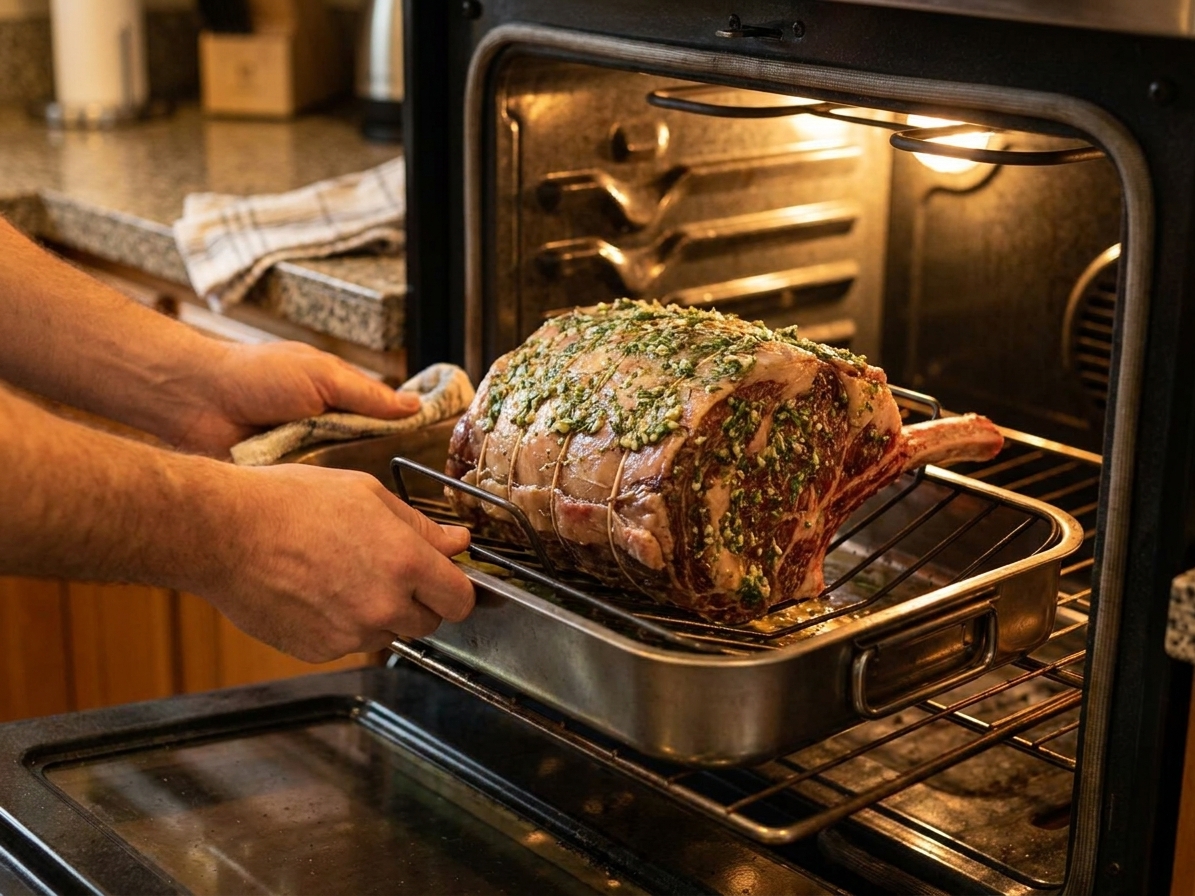
This bone-in prime rib roast is my go-to when I want the whole house to smell like a steakhouse and I also want to keep my sanity. We dry brine (that is just salting and waiting), build a garlicky herb crust, roast low and steady, then blast the heat at the end for those crisp edges everyone fights over.

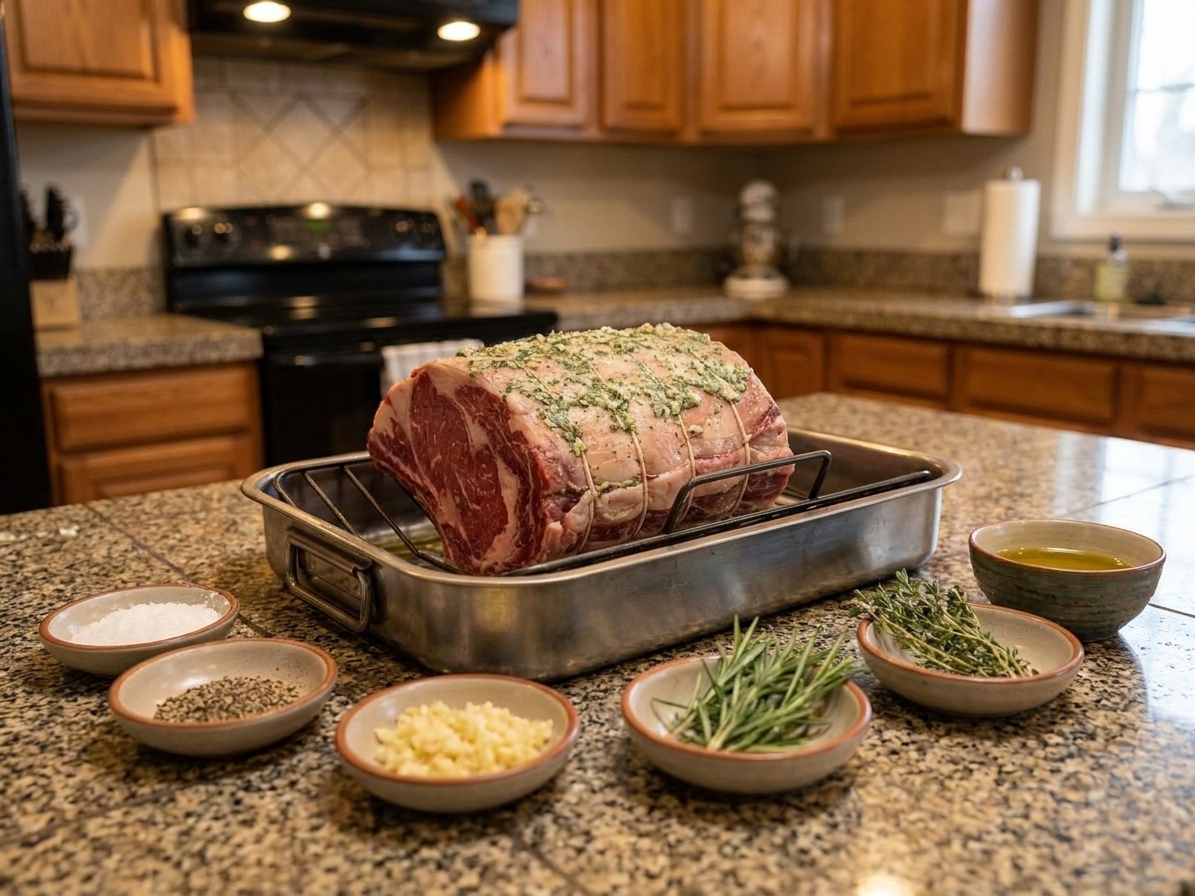
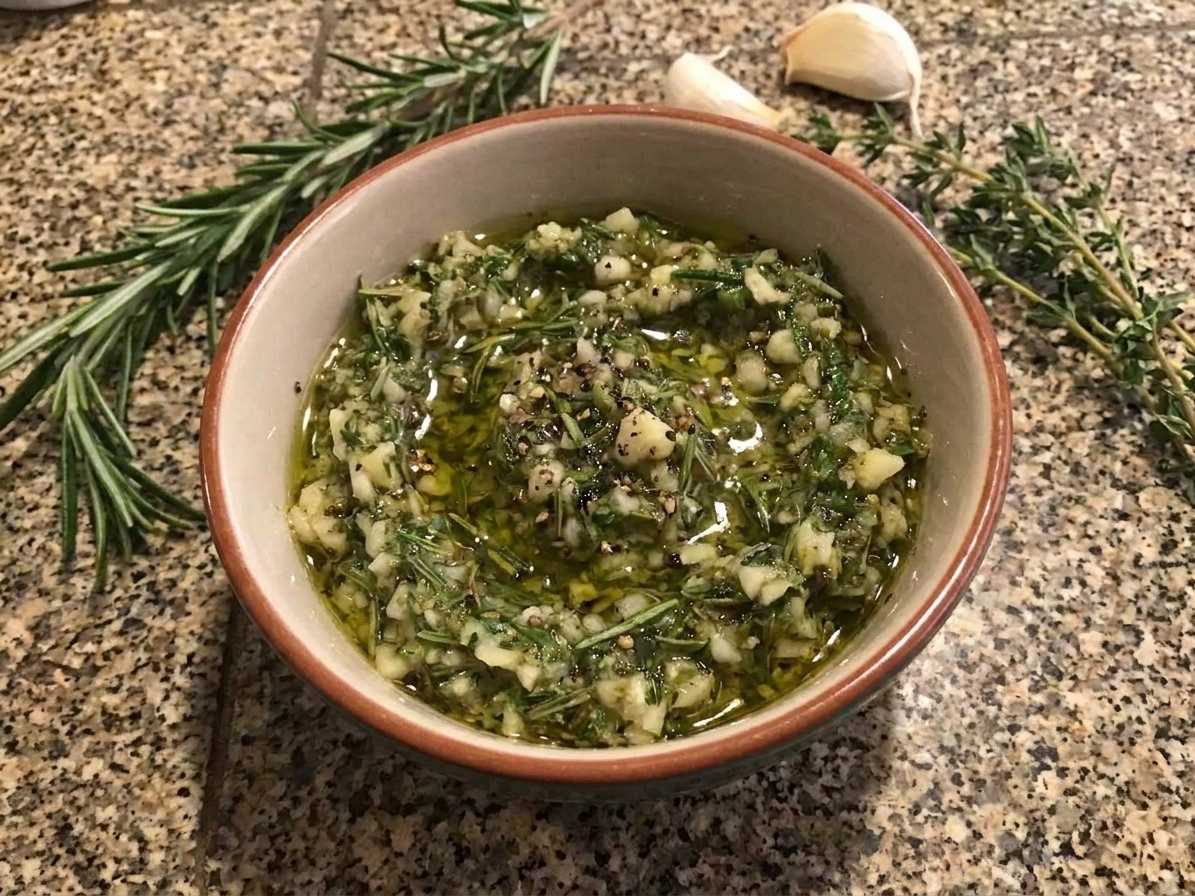
Prime rib roast on a tray with small bowls of kosher salt, black pepper, minced garlic, rosemary, thyme, and olive oil arranged on a kitchen counter

Why It Works

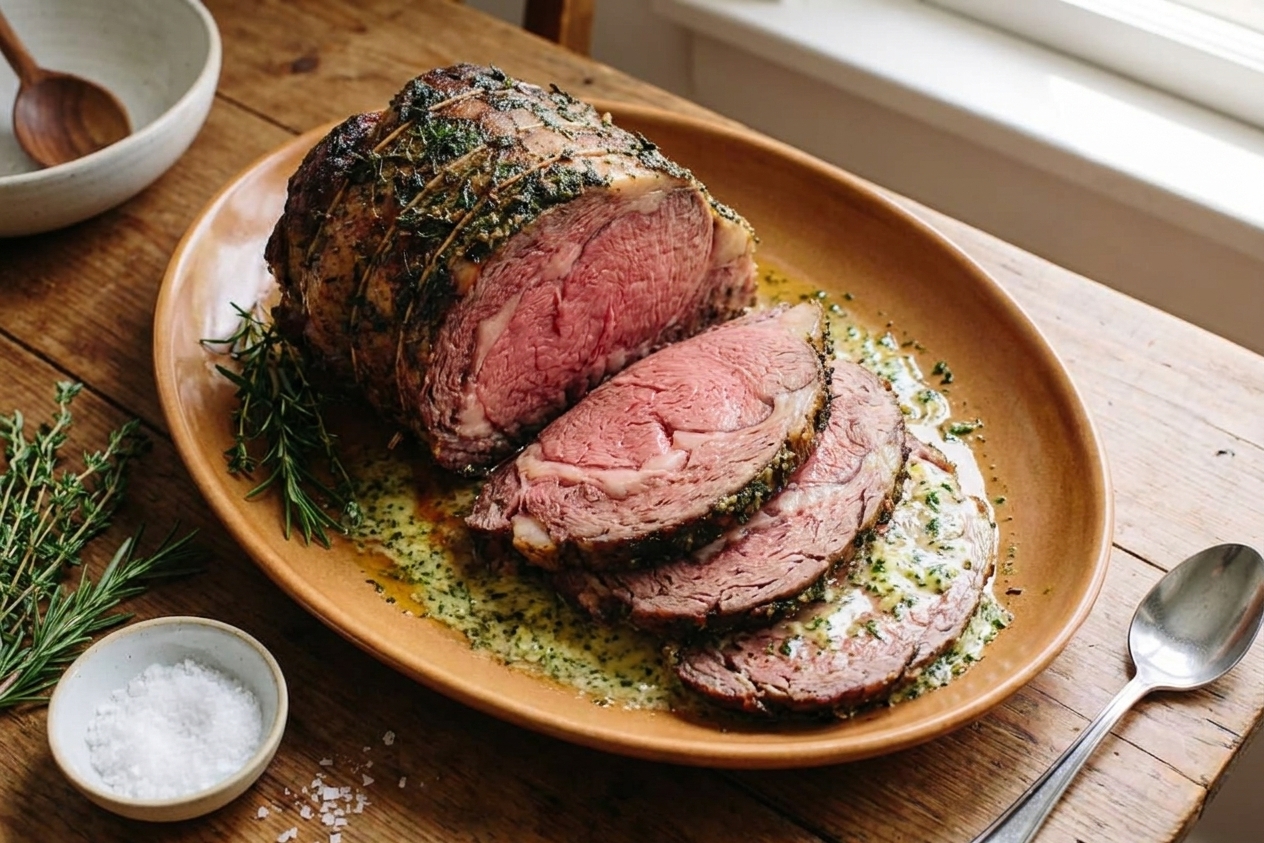
  • Juicy, evenly pink slices: Low oven roasting keeps the interior tender and avoids the gray ring of overcooked beef.
  • Steakhouse crust without stress: A quick high-heat finish gives you that browned, savory exterior after the roast is already cooked to temperature.
  • Flavor that goes all the way in: The dry brine seasons the meat deeper than a last-minute sprinkle.
  • Bone-in = built-in insulation: The bones help protect the meat and make carving feel extra dramatic in the best way.

Pairs Well With

Storage Tips

How to Store Leftover Prime Rib

Fridge: Cool leftovers, then wrap tightly in foil or store in an airtight container. Refrigerate up to 4 days.

Freezer: Slice (or keep in a chunk), wrap in plastic wrap and then foil, and freeze up to 2 months for best quality.

Reheating (best method): Warm slices in a covered baking dish with a splash of beef broth in a 250°F oven until just heated through, usually 10 to 20 minutes. Keep it gentle so you do not cook it again.

Bonus leftover move: Thin slices + toasted roll + horseradish mayo + a pile of arugula. It is chaotic-good.

Sliced prime rib stored in a glass airtight container on a kitchen counter next to a small cup of au jus

Common Questions

Common Questions

How much prime rib per person?

A good rule is 1 pound per person for bone-in prime rib (that includes bones). If you want generous leftovers, go 1 1/4 pounds per person.

What temperature should I cook prime rib to?

For this low-and-slow + high-heat finish method, pull the roast from the low oven when the center hits:

  • 110°F to 115°F for rare
  • 118°F to 122°F for medium-rare (my favorite)
  • 125°F to 130°F for medium

After a 30 to 45 minute rest and a quick hot finish, most roasts land about 5°F to 10°F higher than the pull temp. Your thermometer is the boss.

Do I need a roasting rack?

It helps, but you can improvise. The bone side acts like a natural rack, or you can set the roast on a bed of thick-sliced onions and carrots to lift it off the pan.

Should I cover the prime rib while roasting?

No. You want air circulation and browning. If the top looks too dark near the end (rare with this method), tent loosely with foil during the rest, not during the roast.

Can I season it the same day?

Yes, but you will get a better result if you dry brine overnight. If you are in a rush, salt it and let it sit uncovered in the fridge for at least 4 hours, or salt and rest at room temp for 45 to 60 minutes before roasting.

How do I carve a bone-in prime rib?

Slice the bones off in one long cut along the curve of the rack. Then slice the boneless roast into portions. You can serve the bones separately for the people who love gnawing, which is always the correct energy.
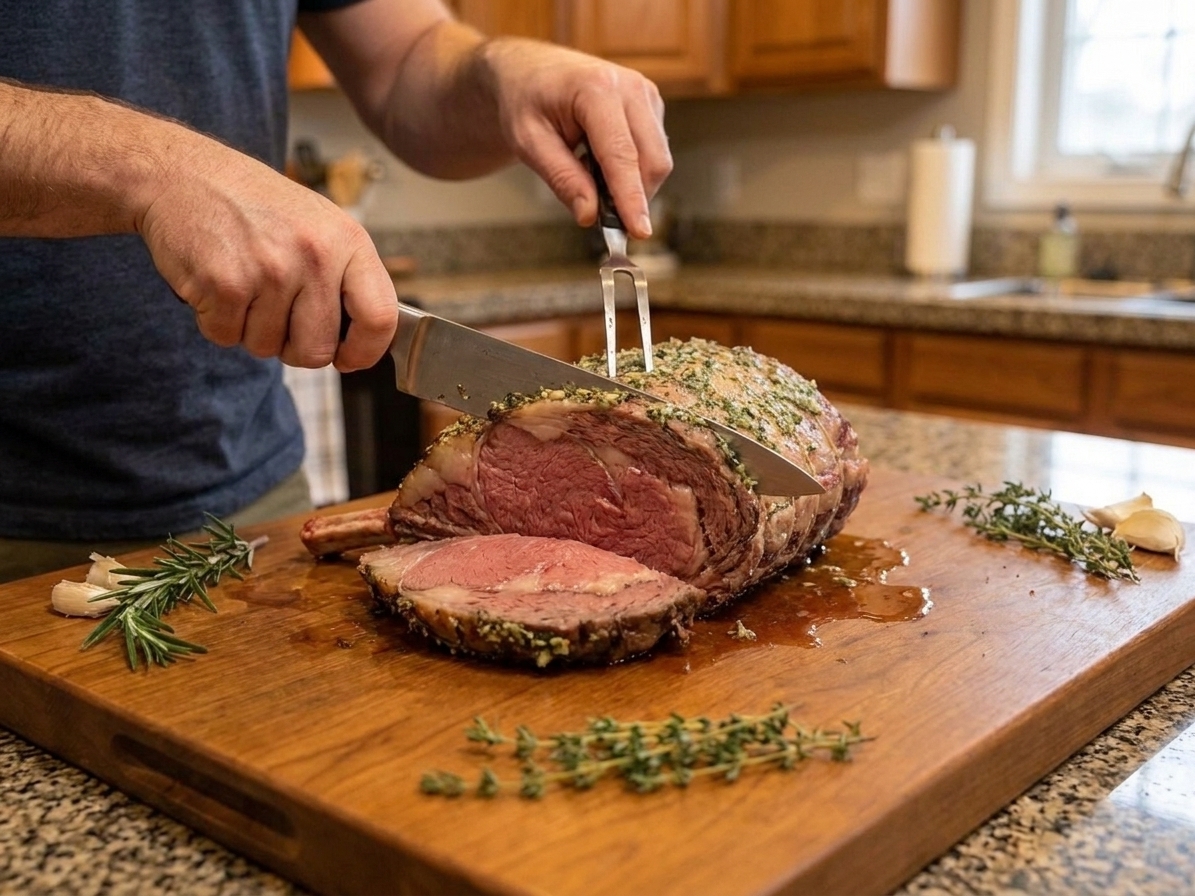

Hands carving a bone-in prime rib roast on a wooden cutting board with a chef's knife, with resting juices on the board

I used to treat prime rib like it was a high-stakes exam. Then I worked enough busy services to learn the truth: the fancy part is mostly vibes. The real game is salt, patience, and pulling the roast at the right temperature. The first time I nailed a bone-in prime rib at home, I remember thinking, this is exactly the kind of meal I want my future restaurant to serve. Loud crust, tender center, and everyone at the table suddenly acting very polite while they chew.