Mom's Best Recipes
Recipe

Boneless Prime Rib

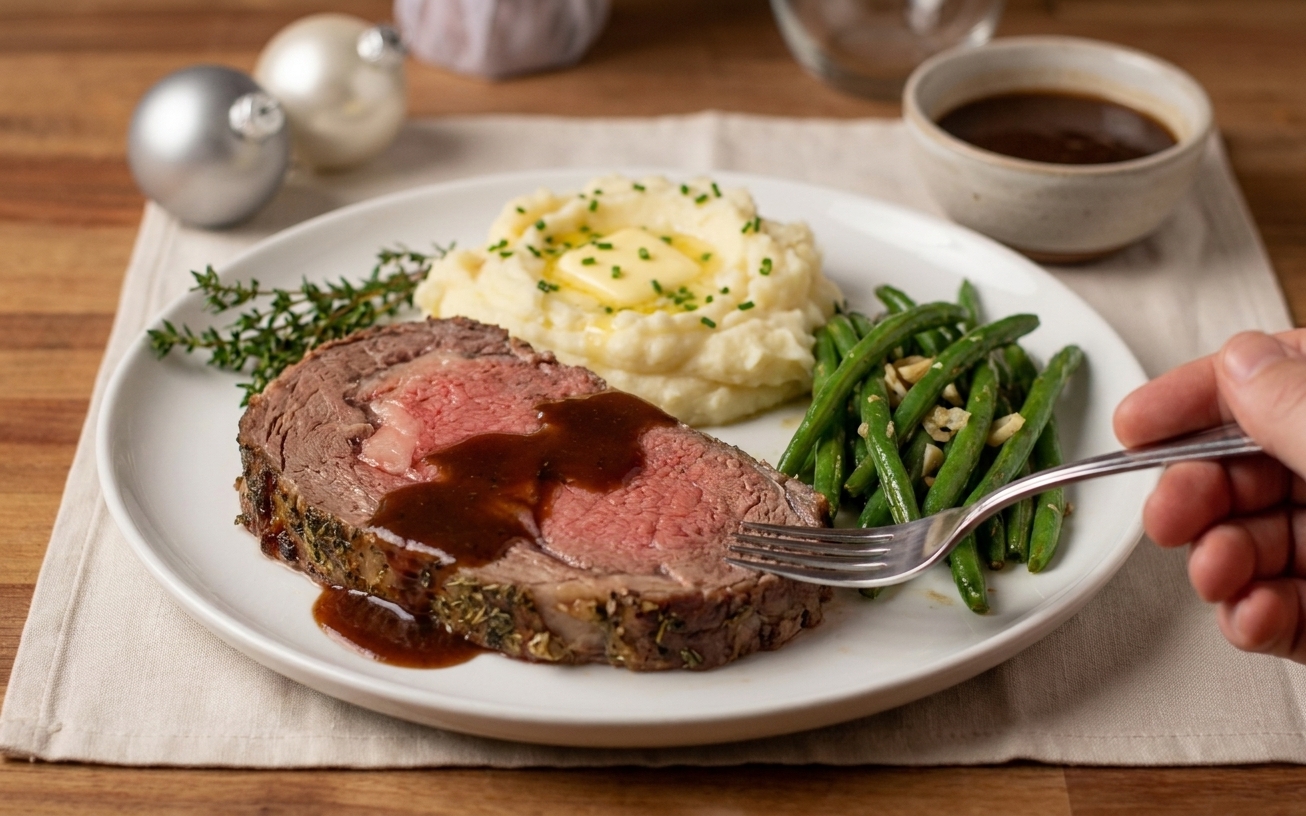
Reverse seared for an even pink interior, finished hot for a bold crust, and paired with a quick pan sauce that tastes like you tried very hard.

Author By Matt Campbell
4.8
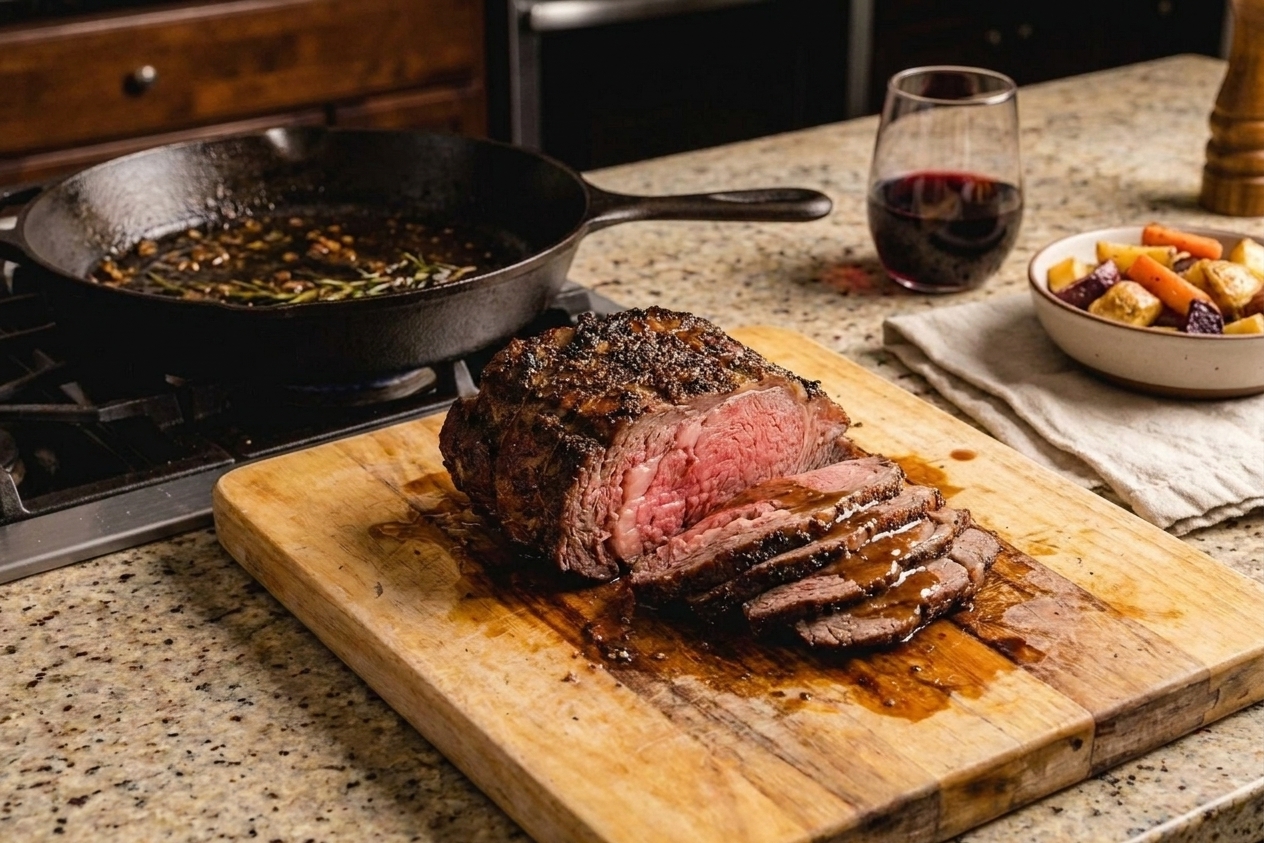
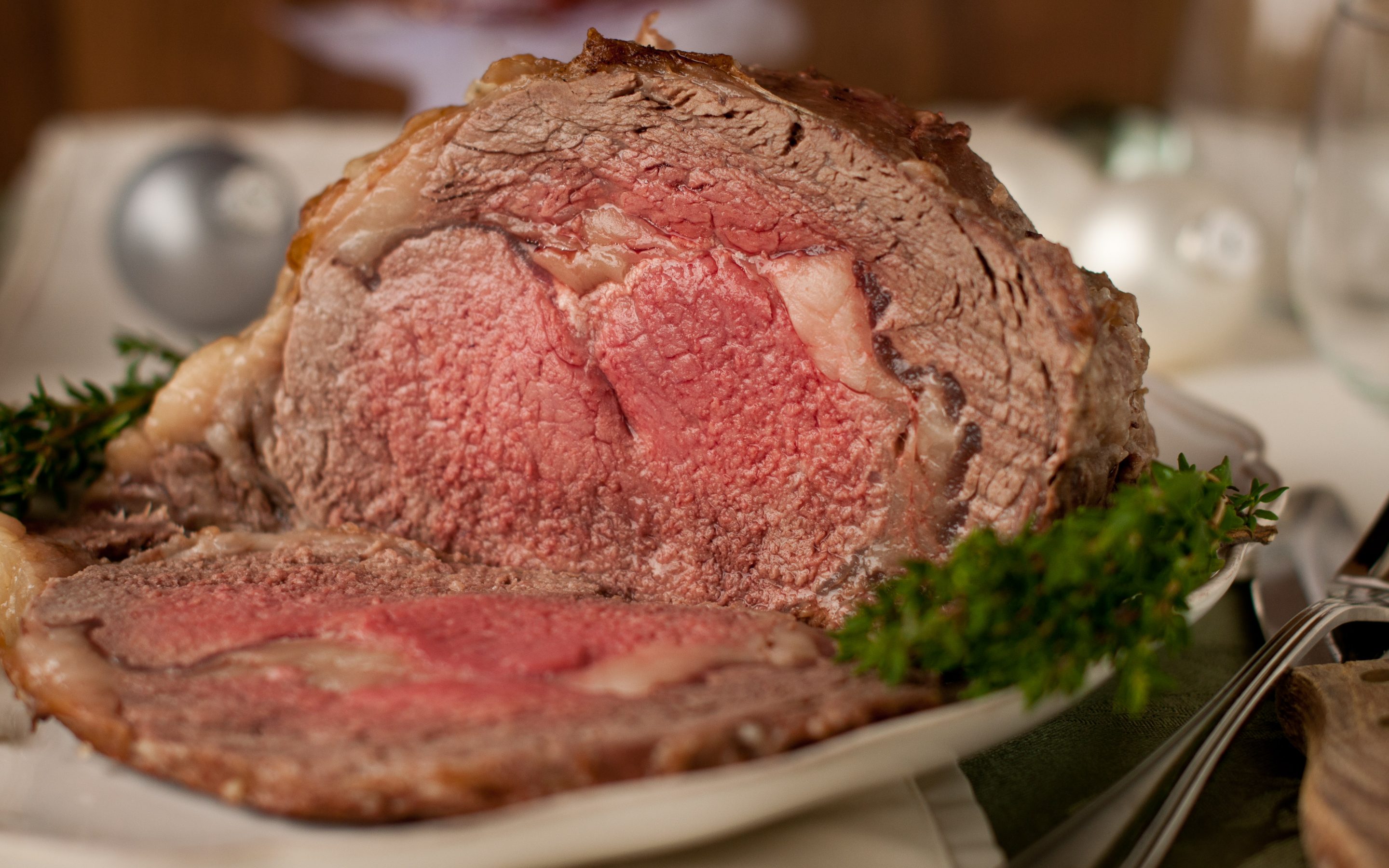
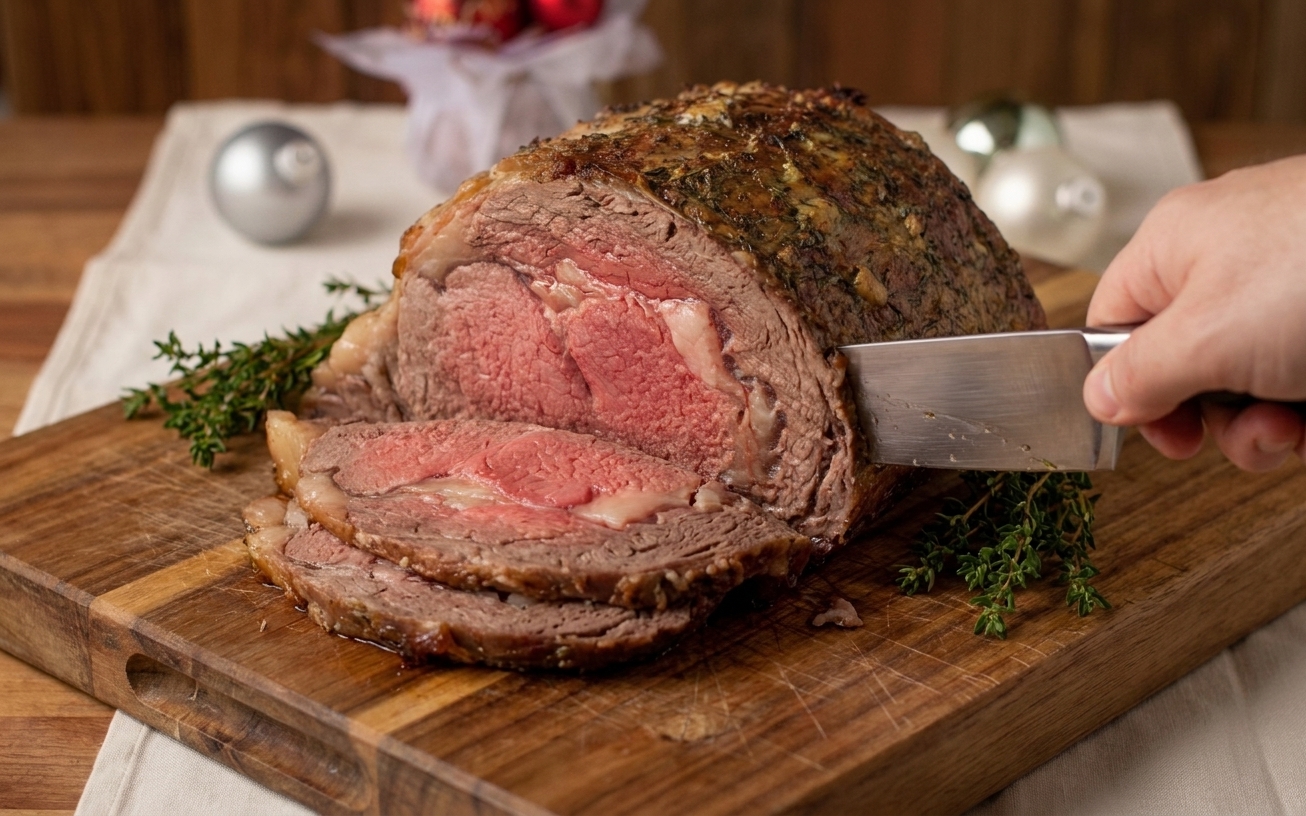
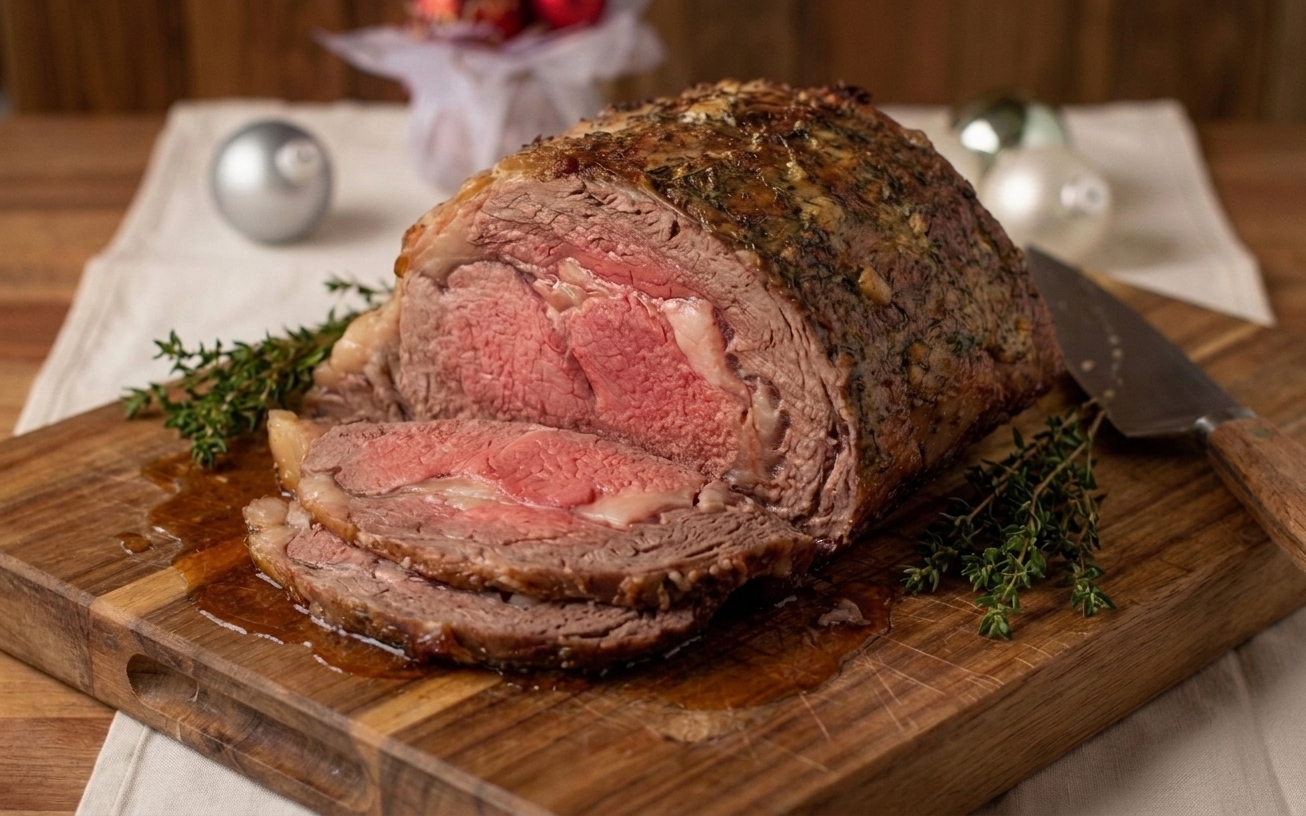
A sliced boneless prime rib roast on a carving board with a rosy medium-rare center, browned crust, and resting juices, set on a warm kitchen counter

Boneless prime rib is the kind of dinner that makes people sit up straighter, even if you are serving it in sweatpants. The best part is you do not need steakhouse magic to pull it off. You just need two things: a thermometer and the confidence to let the oven do the slow work.

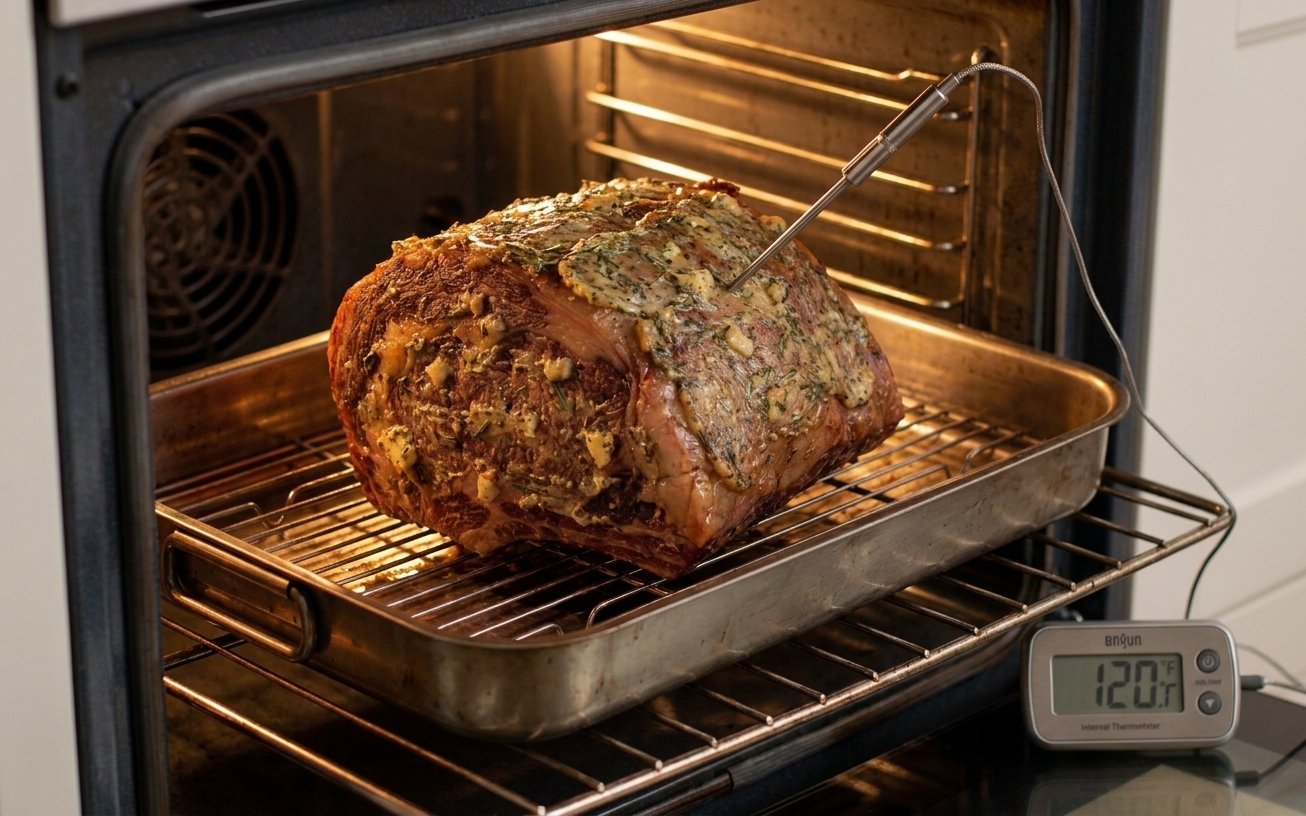
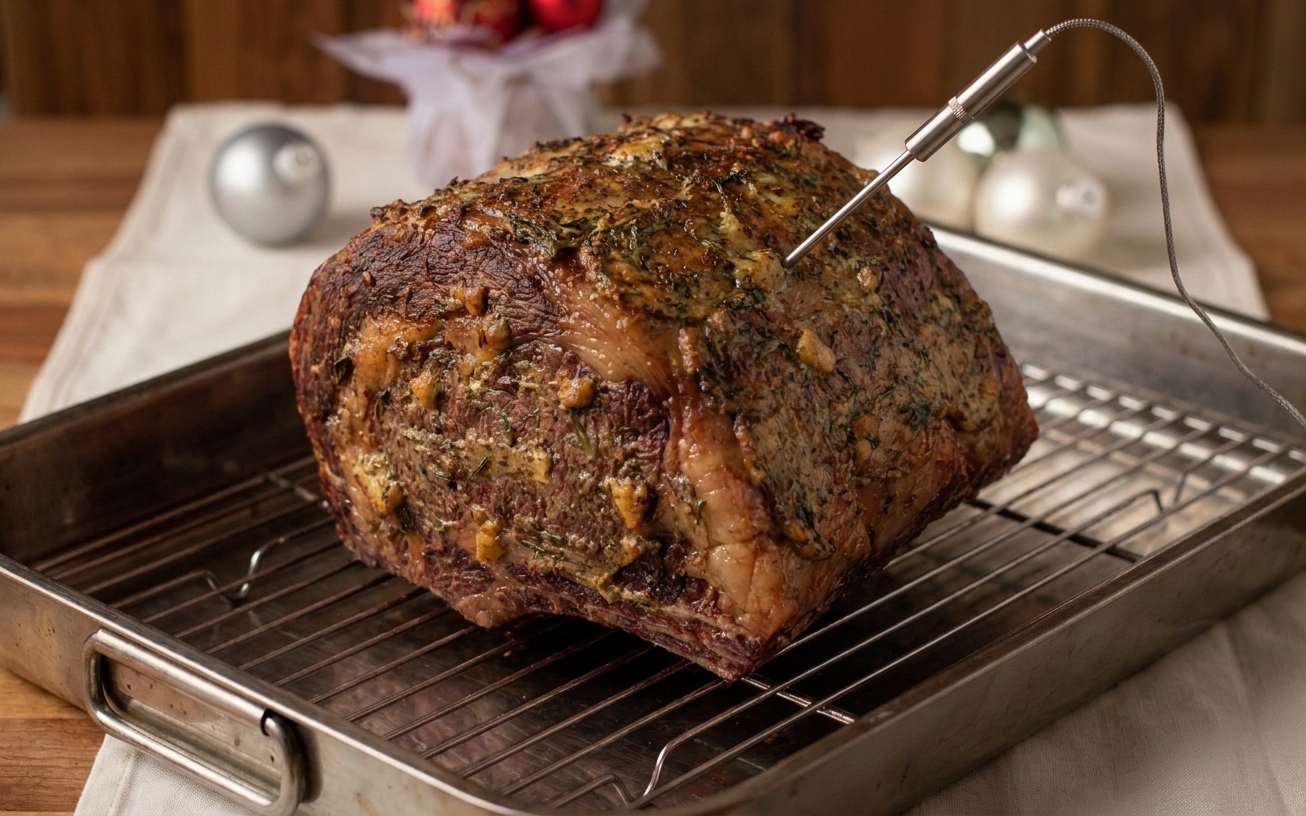
This is my favorite way to cook it at home: reverse sear. We start low and slow so the inside cooks evenly, then crank the heat at the end for those crisp, savory edges. It is low drama, high reward, and it gives you a wider bullseye for medium-rare.

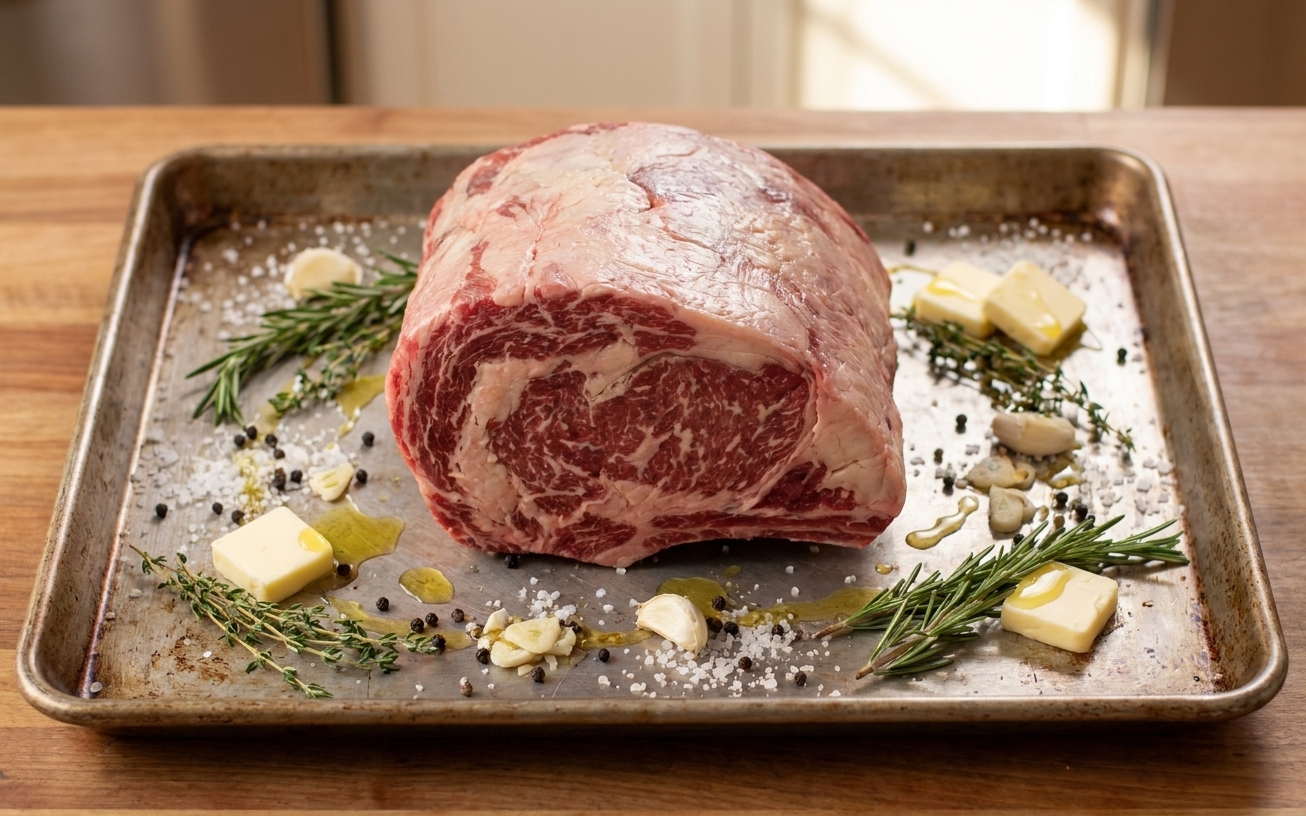
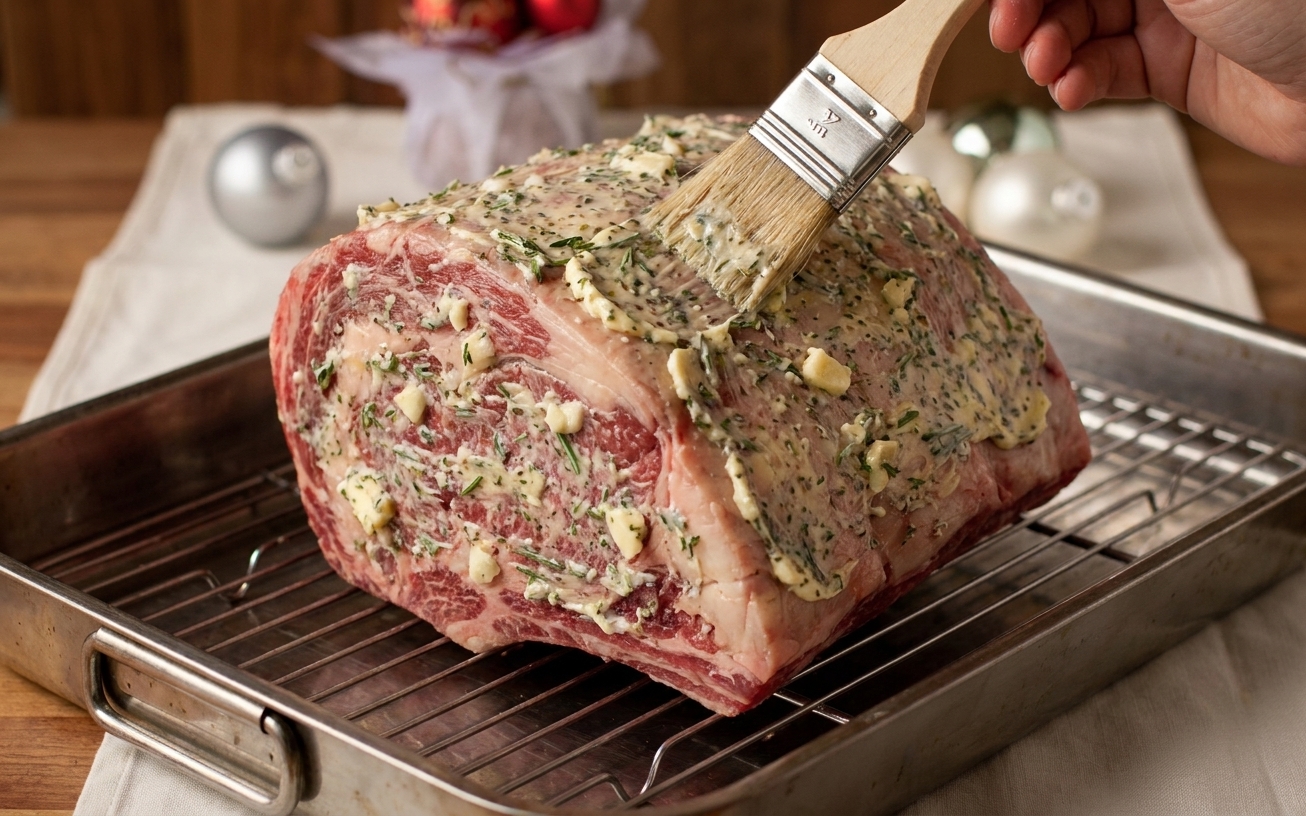
A raw boneless prime rib roast on a sheet pan surrounded by kosher salt, black pepper, garlic, rosemary, thyme, butter, and olive oil on a home kitchen counter

Why It Works

  • Even doneness: Low oven heat gently warms the roast so you get a consistent pink interior instead of a gray ring.
  • Serious crust: A quick blast of high heat at the end gives you a browned, crackly exterior without overcooking the center.
  • Big flavor with simple ingredients: Salt, pepper, garlic, herbs, and butter are all you need to make the beef taste like itself, only louder.
  • Clear temperature cues: You cook to temp, not vibes, so it works whether your roast is 3 pounds or 6.

Pairs Well With

Storage Tips

Refrigerate: Cool leftover prime rib, then wrap tightly or store in an airtight container. Refrigerate up to 4 days.

Freeze: Slice and freeze portions with parchment between slices, then seal in a freezer bag. Freeze up to 2 months for best texture.

Reheat without drying it out: Put slices in a baking dish with a splash of beef broth. Cover with foil and warm at 275°F until just heated through, usually 10 to 20 minutes. You can also do a quick pan warm on low heat with a little butter.

Best leftover move: Thin-slice it cold for sandwiches, then re-crisp the edges in a skillet for 60 seconds per side.

Common Questions

How much boneless prime rib should I buy per person?

A good rule is 1/2 pound per person if you have plenty of sides. If you want generous portions and leftovers, aim for 3/4 pound per person.

Do I need to tie a boneless prime rib?

If it is already netted or tied, keep it that way. If it is untied, I recommend tying it every 1 1/2 to 2 inches so it cooks evenly and holds a nice round shape. If tying feels annoying, ask the butcher to do it. They are good at that.

Should I bring the roast to room temperature first?

You can, but you do not have to. With reverse sear, starting cold is fine. If you do let it sit out, keep it to about 30 minutes and do not leave it out longer than 2 hours total.

What internal temperature should I pull it at?

Pull early because the temp rises as it rests, and it will also climb a bit during the final high-heat finish. For this method, I pull it from the low oven at:

  • 120°F for rare
  • 125°F for medium-rare
  • 130°F for medium
  • 135°F for medium-well (not my favorite for prime rib, but you do you)

After the rest and the final sear, it typically finishes about 5 to 10 degrees higher.

Why is my prime rib tough?

Most often it is overcooked or sliced wrong. Cook to temp, rest before slicing, and slice across the grain.

Can I make it ahead?

Yes. You can season the roast and leave it uncovered on a rack in the fridge for up to 24 hours. That dry-brine step gives you deeper seasoning and a better crust.

I used to think prime rib lived behind a velvet rope. Like you needed a fancy oven, a fancy knife, and maybe a fancy personality. Then I started cooking it the same way I handle most high-stakes food at home: keep it simple, use a thermometer, and taste as you go.

Now it is my go-to “big dinner” move because the process is chill. The roast does its slow cozy thing in the oven while you make sides, clean as you go, and pretend you are not checking the thermometer like a day trader watching stocks.