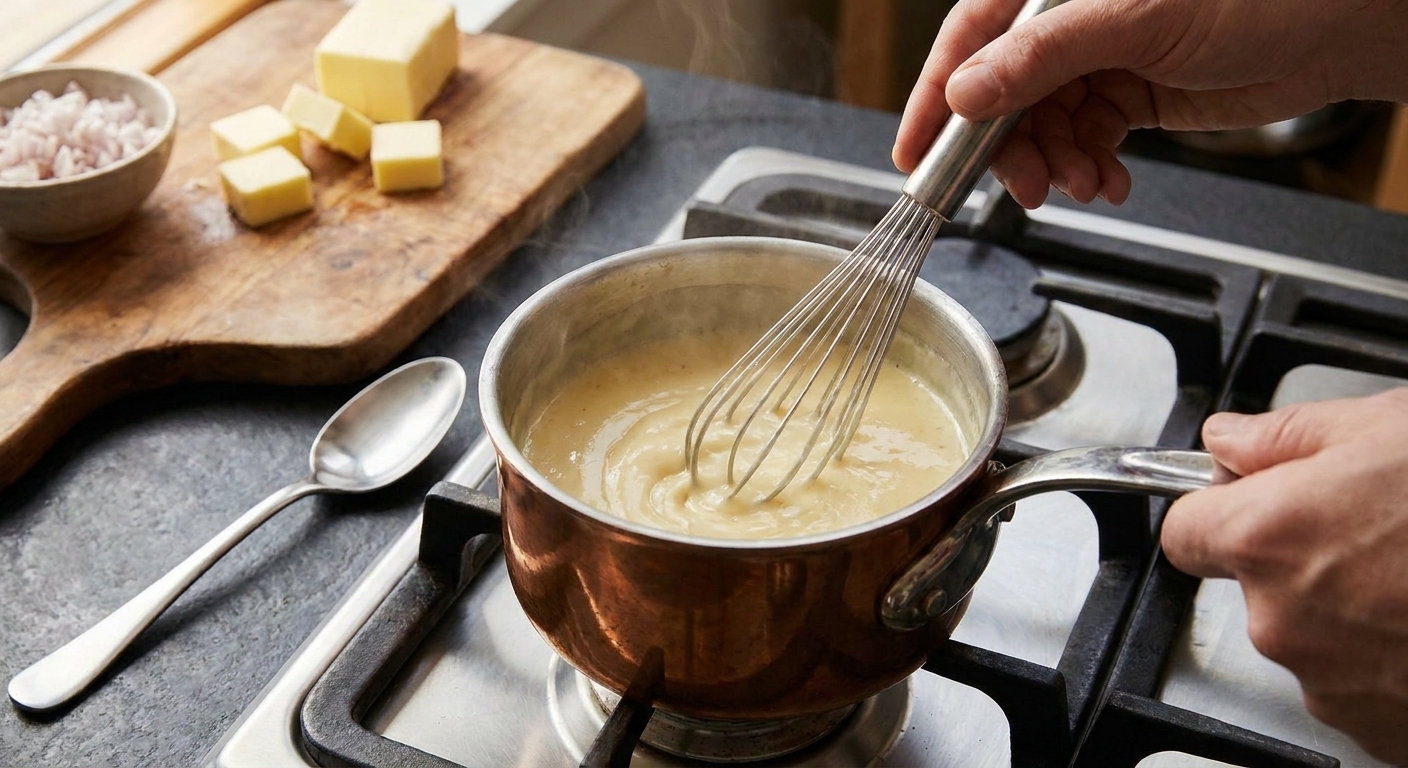
A classic white wine butter sauce with a simple reduction, how to mount the butter so it stays emulsified, and the best way to hold it warm for serving.
Small paws, big appetite, and a soft spot for comfort food, which is exactly why I love sauces that make simple roast beef feel special.
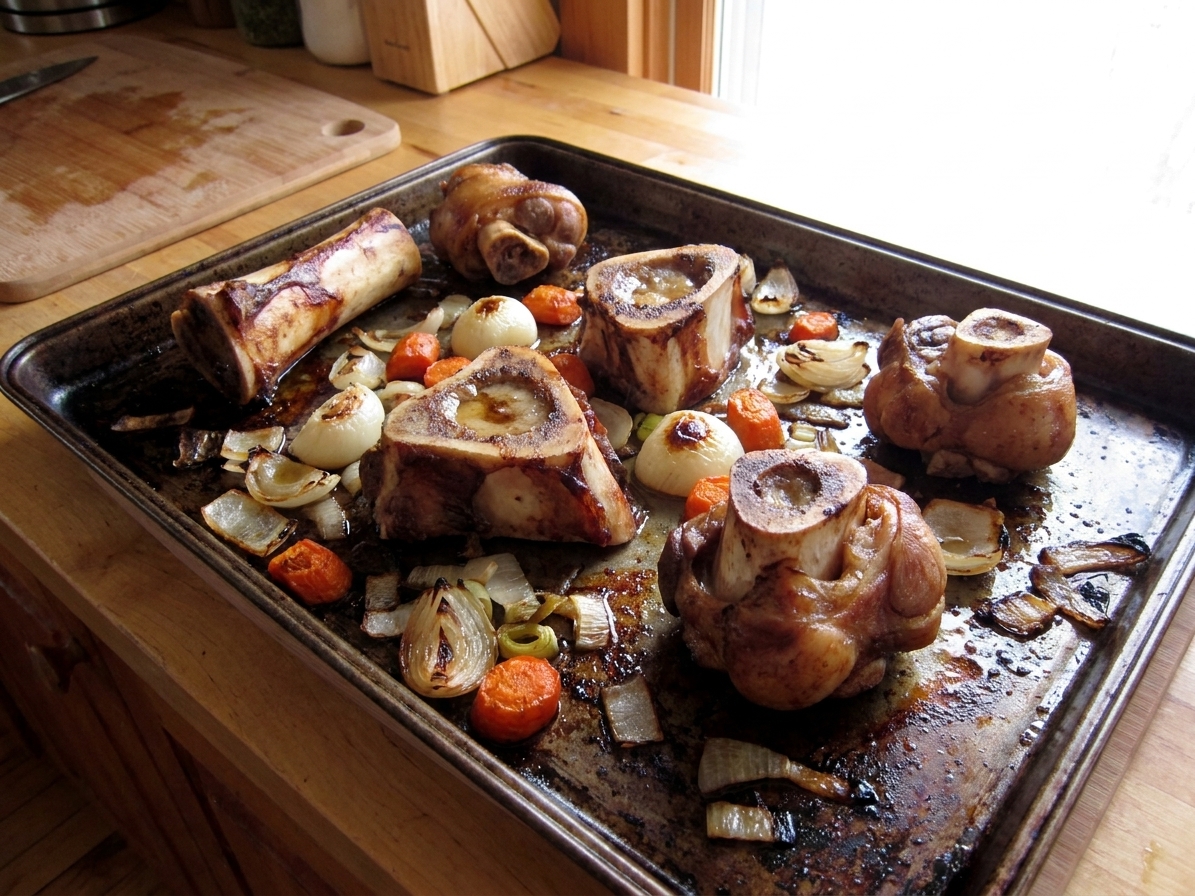
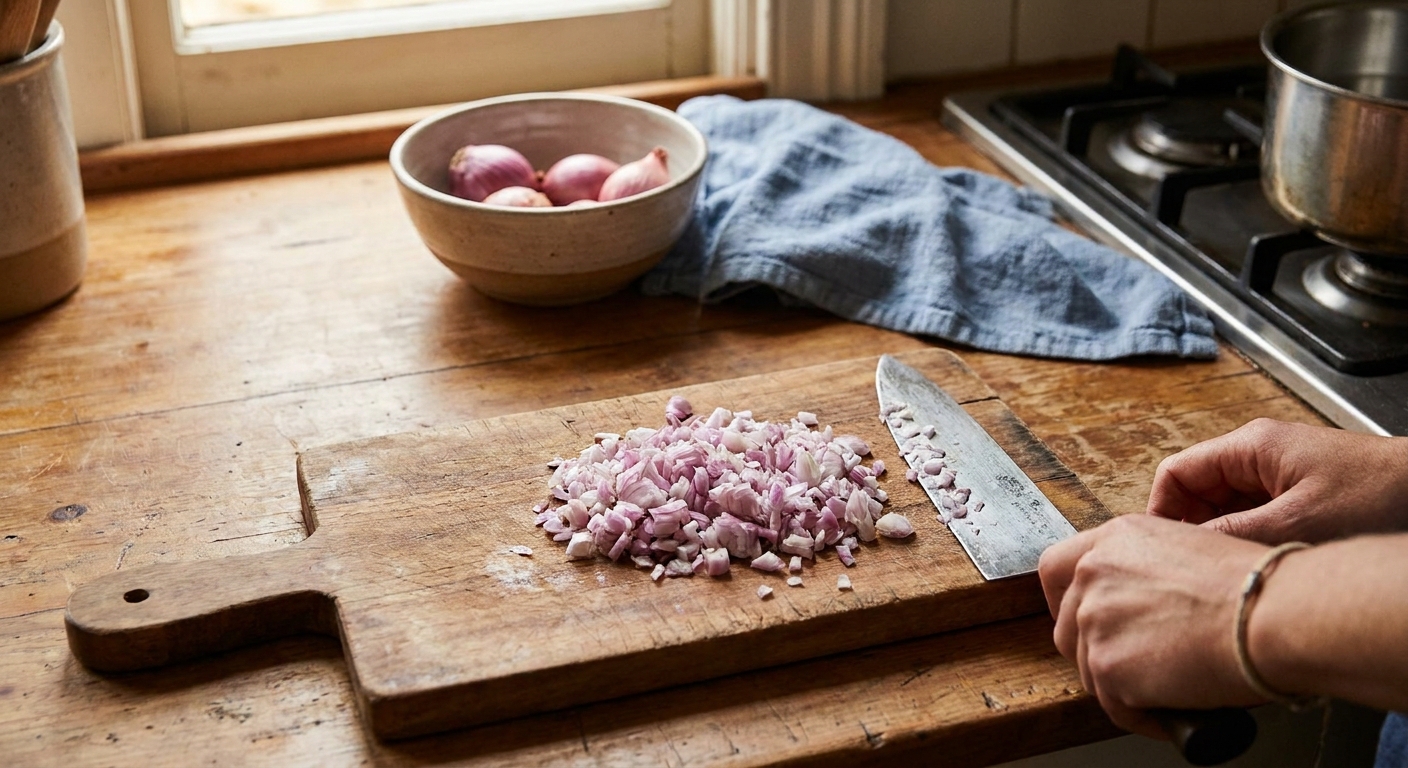
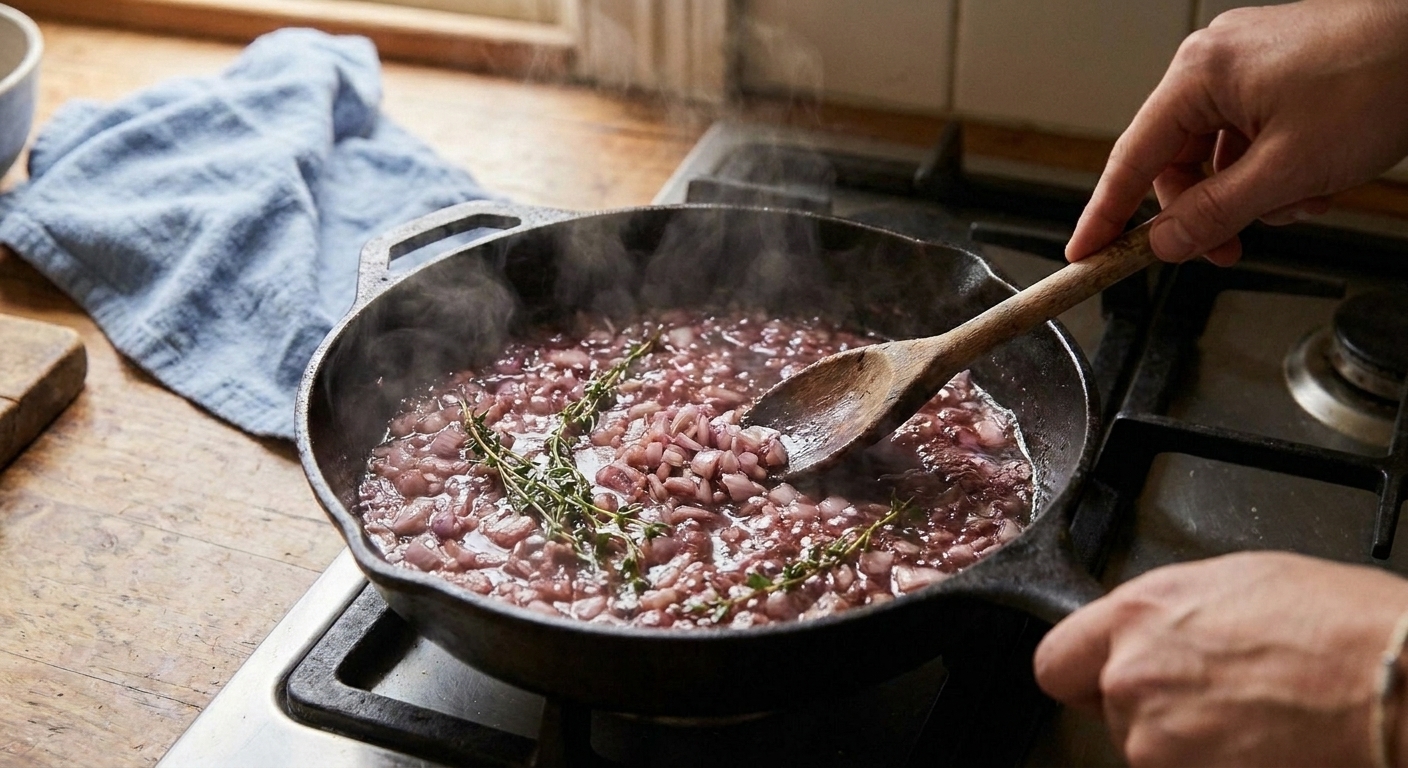
Bordelaise sauce is the kind of fancy French number that secretly behaves like a weeknight hero: you simmer red wine with shallots until it turns dark and fragrant, then you whisk in cold butter so it goes glossy and spoon-coating. If you want the full steakhouse vibe, you can finish it with a bit of bone marrow, but it is still wonderfully rich without.
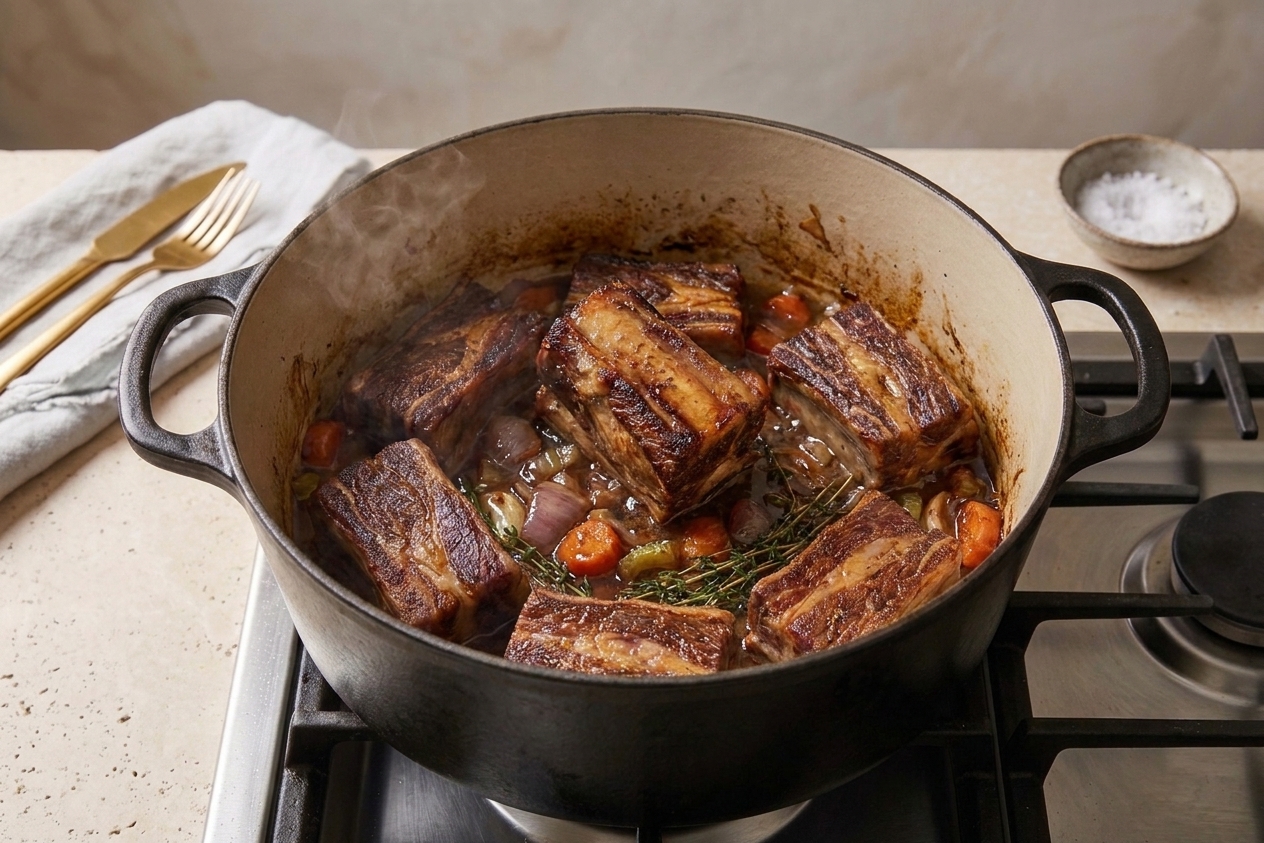
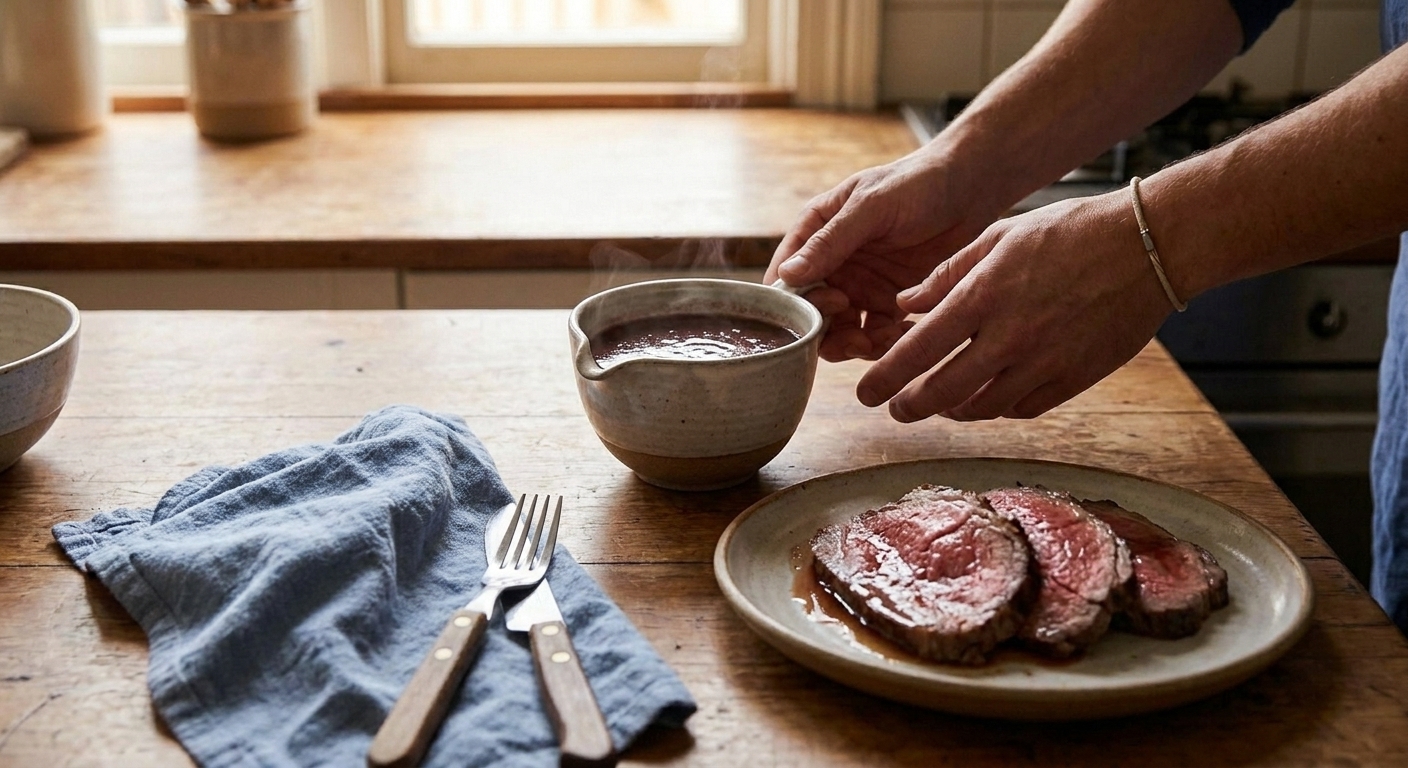
This is not the drippings sauce from a roast. Bordelaise stands on its own, which makes it perfect when your roast is already resting and you want a dependable, deeply savory pour for sliced prime rib or roast beef.
What It Tastes Like
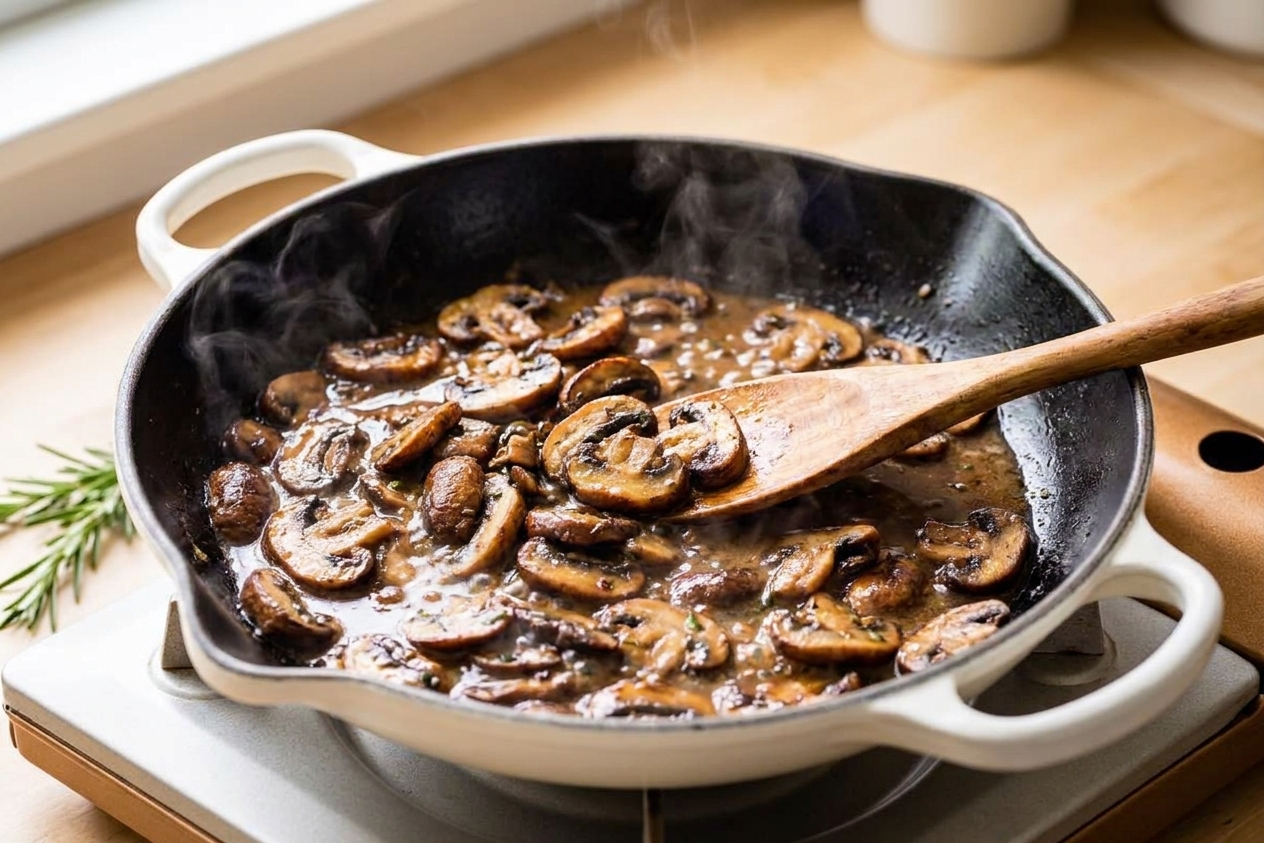
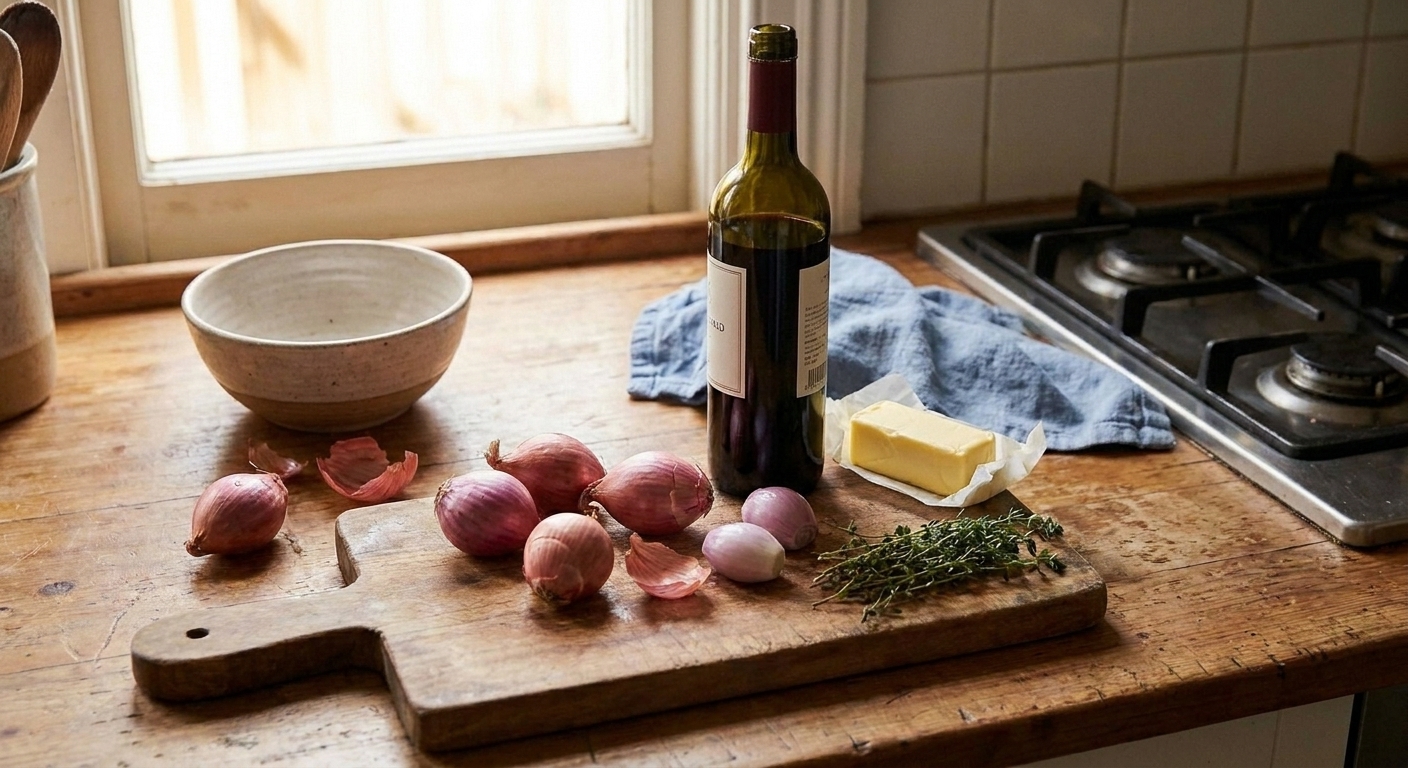
Think of it as red wine turned into a sauce: bold, a little tangy, and deeply savory. The shallots melt into sweetness, the herbs add a woodsy note, and the butter smooths everything into a velvety finish. When you hit the optional bone marrow step, it becomes even rounder and more luxurious, with a subtle beefy richness.
Key Moves
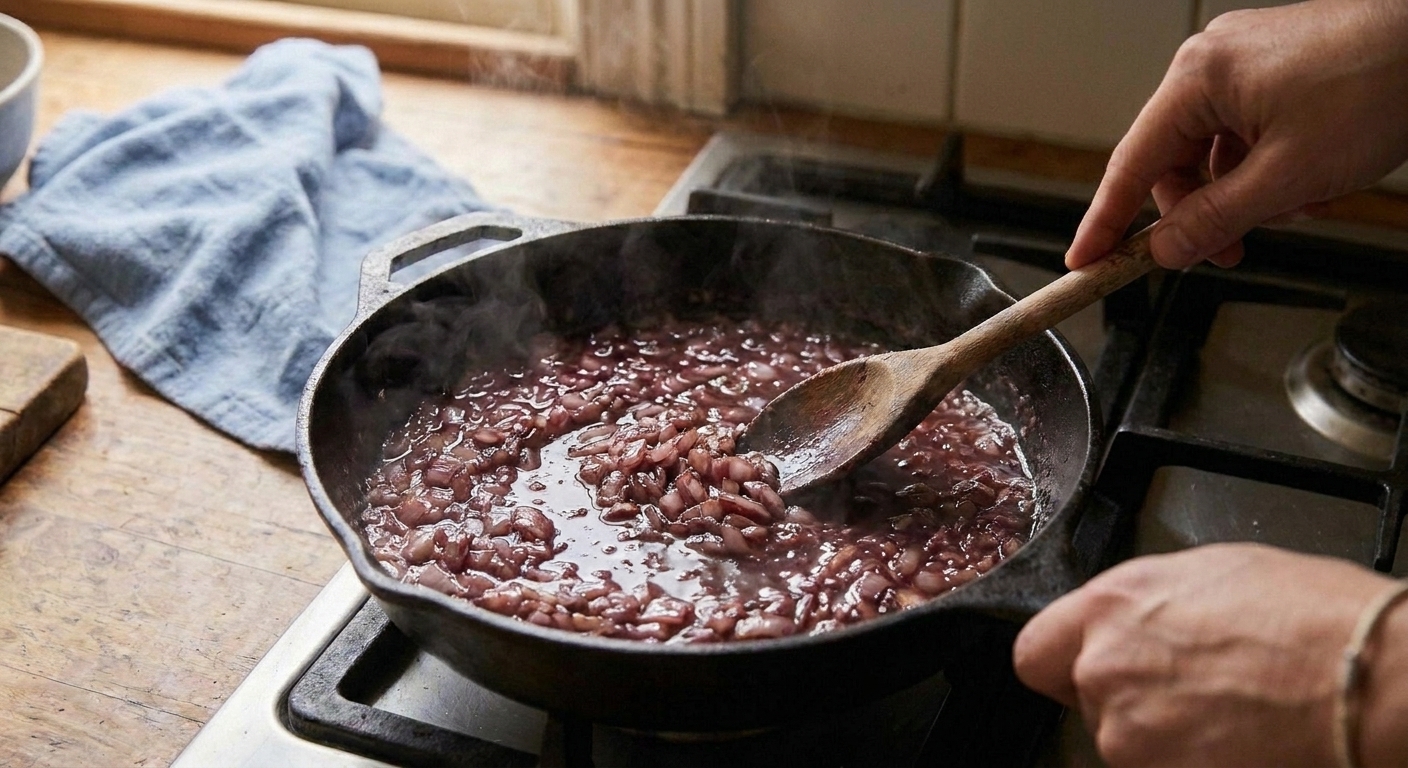
- Use a wide pan or saute pan if you have one. More surface area means faster, more even reduction.
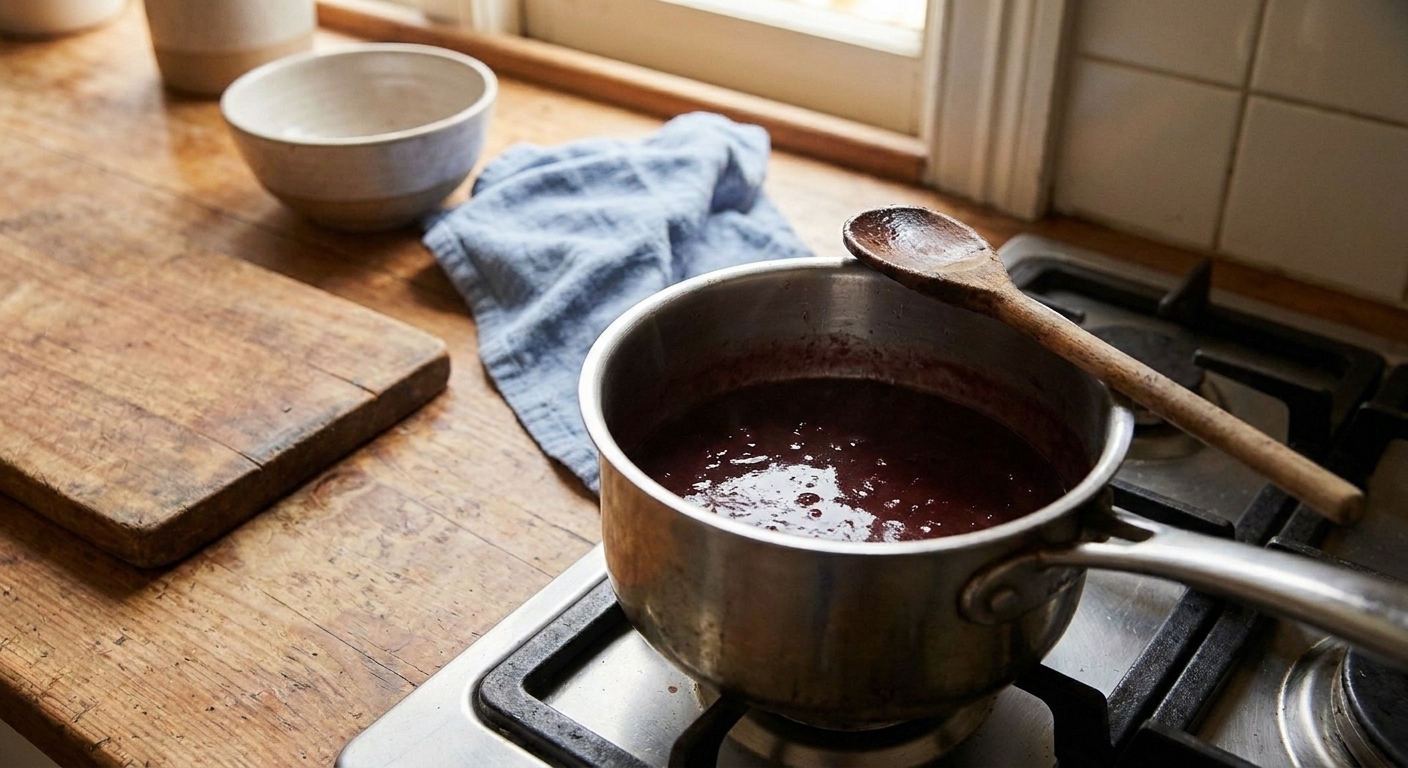
- Reduce until syrupy, not just a bit less. Bordelaise should cling lightly to a spoon before you add butter.
- Strain for a sleek sauce, especially if you want that restaurant-smooth look for serving with sliced roast beef.
Keeping It Glossy
The shine comes from an emulsion: cold butter whisked into warm, but not boiling, sauce. My best hedgehog-approved trick is to keep the heat low and add butter a few cubes at a time. If the sauce boils after the butter goes in, it can look dull or slightly greasy.
If it starts to look like it might break, pull it off the heat and whisk in 1 tablespoon of cold water, which can help it come back together. Then continue with the butter more slowly.
How to Hold It Warm
Bordelaise is happiest kept warm, not hot. For a roast beef serving line where people are coming back for seconds, aim for about 145 to 160 F and plan on short holding, not hours. If you need to hold it longer, keep it at or above 140 F and stir occasionally.
- Best method: pour into a small heatproof pitcher or bowl and set it in a warm water bath, like a mini bain-marie. Stir occasionally.
- On the stove: keep it on the smallest burner on the lowest setting and pull it off heat often. Do not let it simmer.
- In a pinch: a thermos warmed with hot water first can hold it for a bit. Dry it well before adding sauce.
If you need to rewarm later, do it gently and whisk in a tiny knob of cold butter right before serving to bring back the gloss.