Mom's Best Recipes
Recipe

British Muffins

Soft and chewy inside, crisp and golden outside, with those buttery nooks that make jam disappear fast.

Author By Matt Campbell
4.8
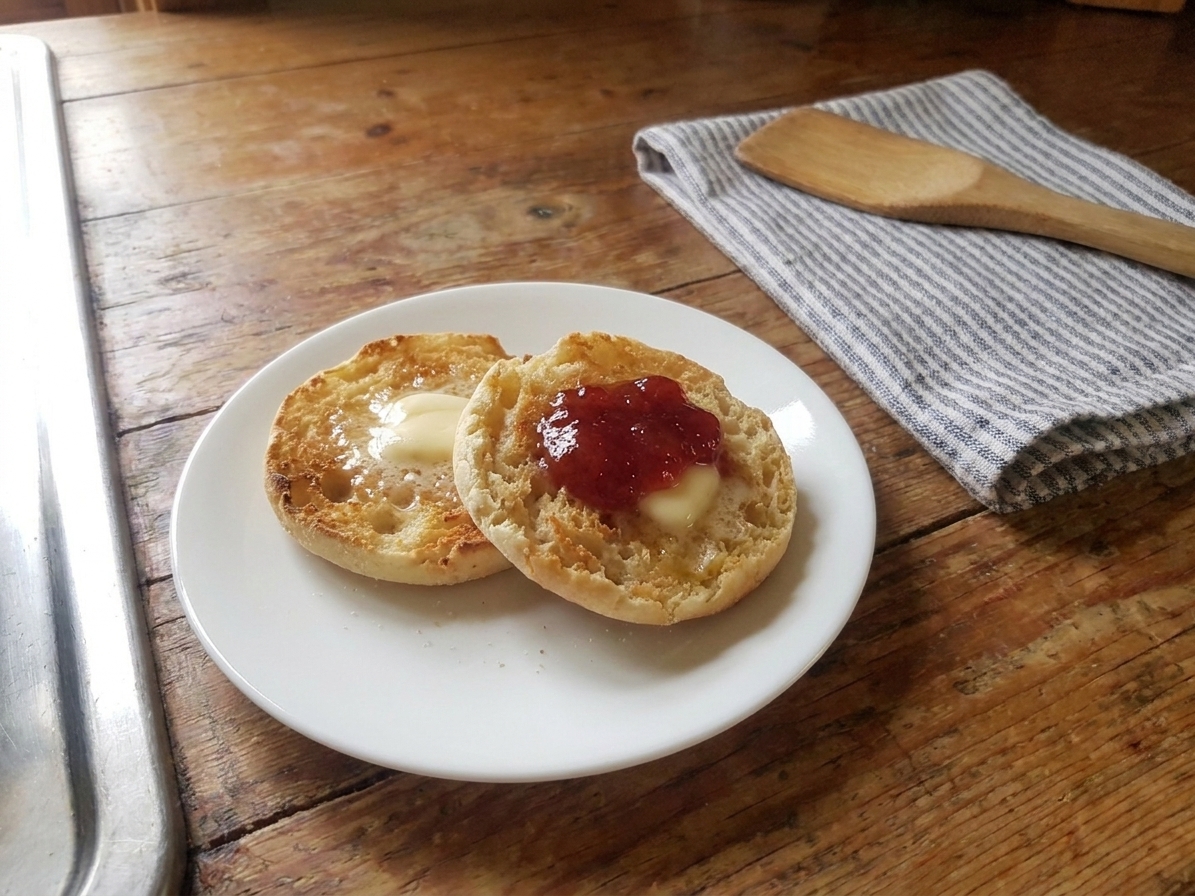
A basket of homemade griddled muffins with golden tops and a split muffin showing airy nooks, on a wooden table with butter and jam nearby

Let’s clear something up right away: a British muffin is not a cupcake in disguise. What we are really making is the classic English muffin: fork-split, griddled, and full of those little crags that catch butter like it is their job. I like saying “British muffin” because it sets the vibe properly. Cozy, toasty, quietly dramatic when you split one open and see all those nooks.

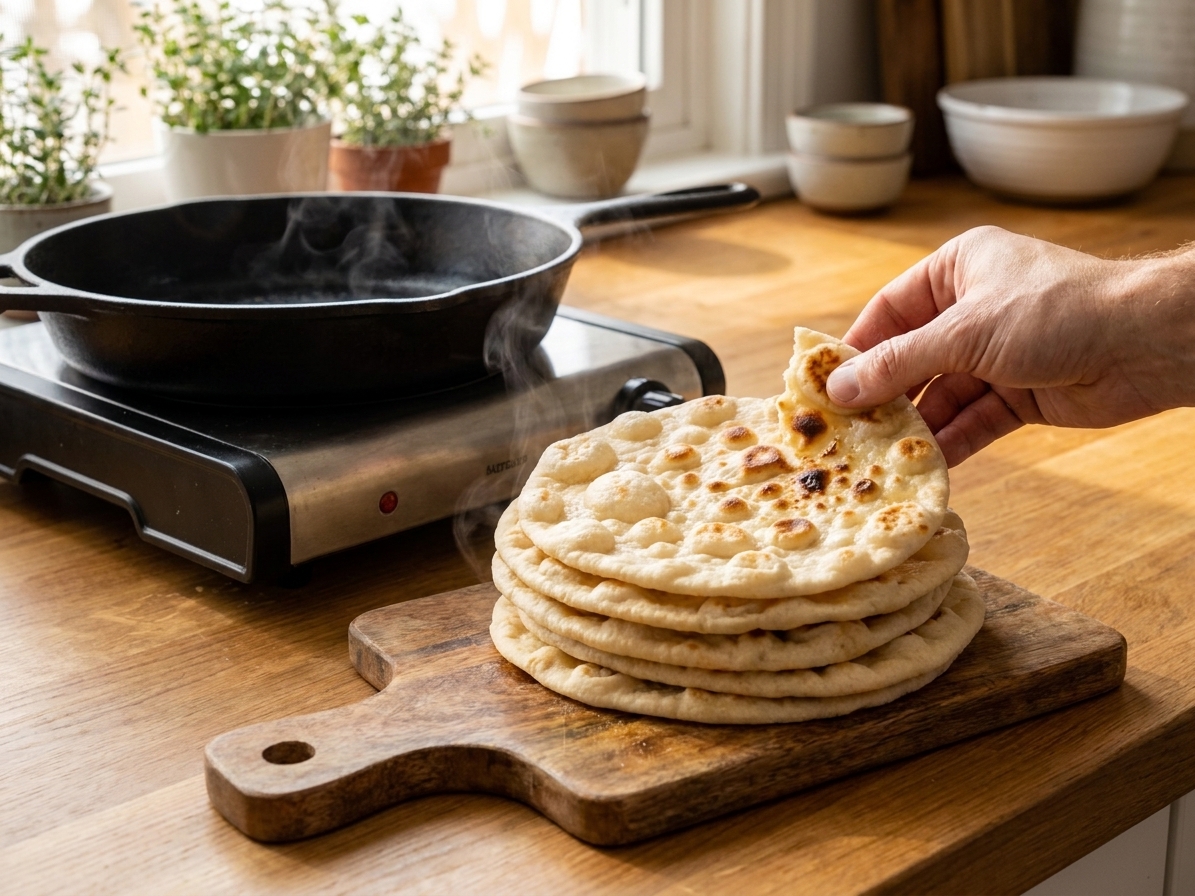
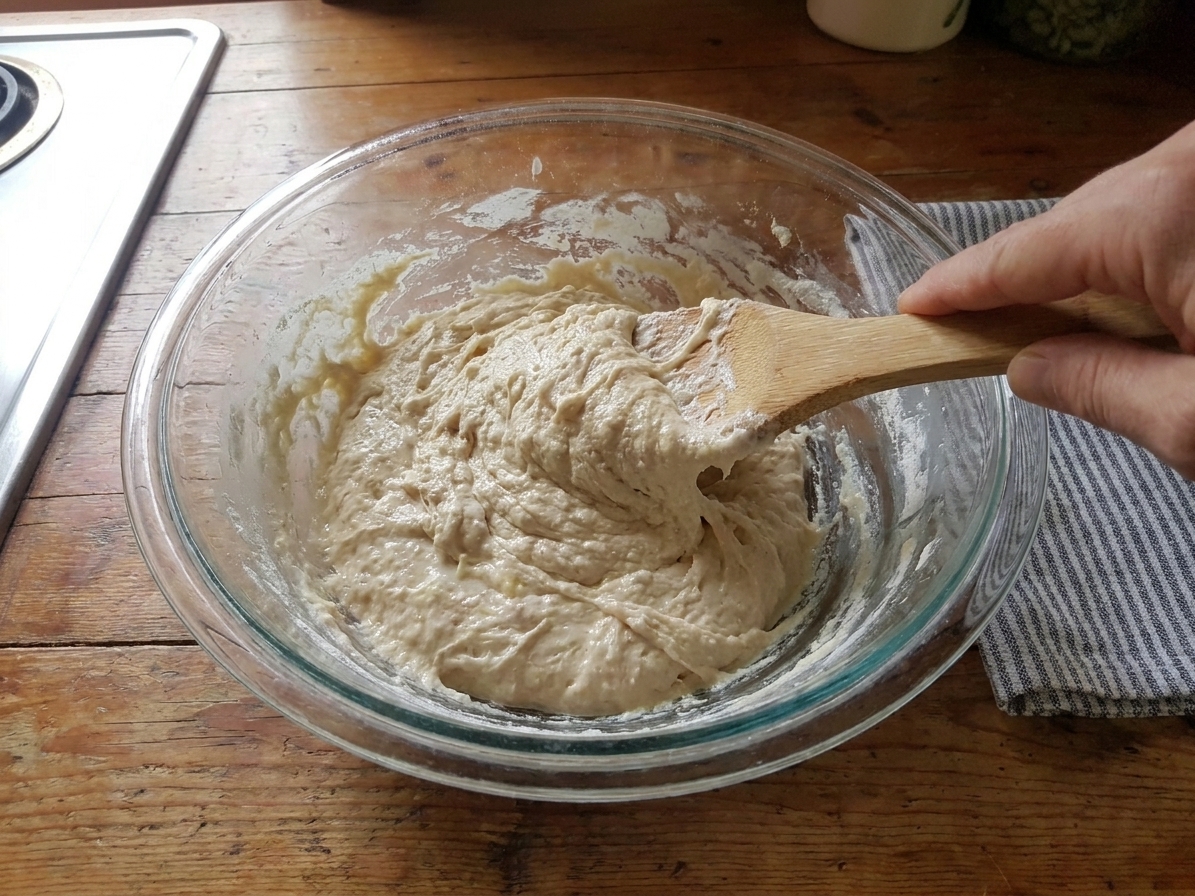
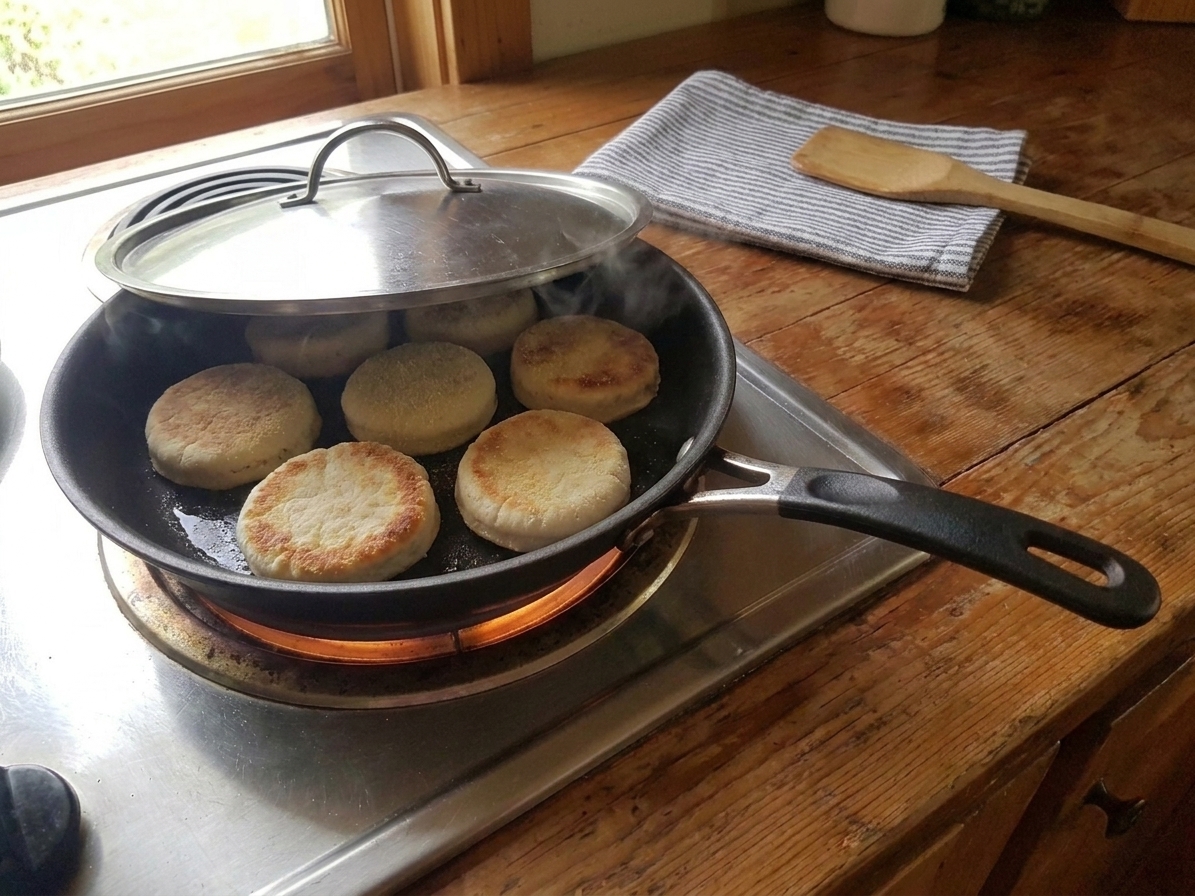
This is a stovetop, skillet-cooked bread situation. No oven blast. No fancy shaping. Just a simple dough, a short rise, and a hot pan that does the heavy lifting. The result is soft and chewy in the middle, crisp at the edges, and basically begging to be dragged through salted butter and marmalade.

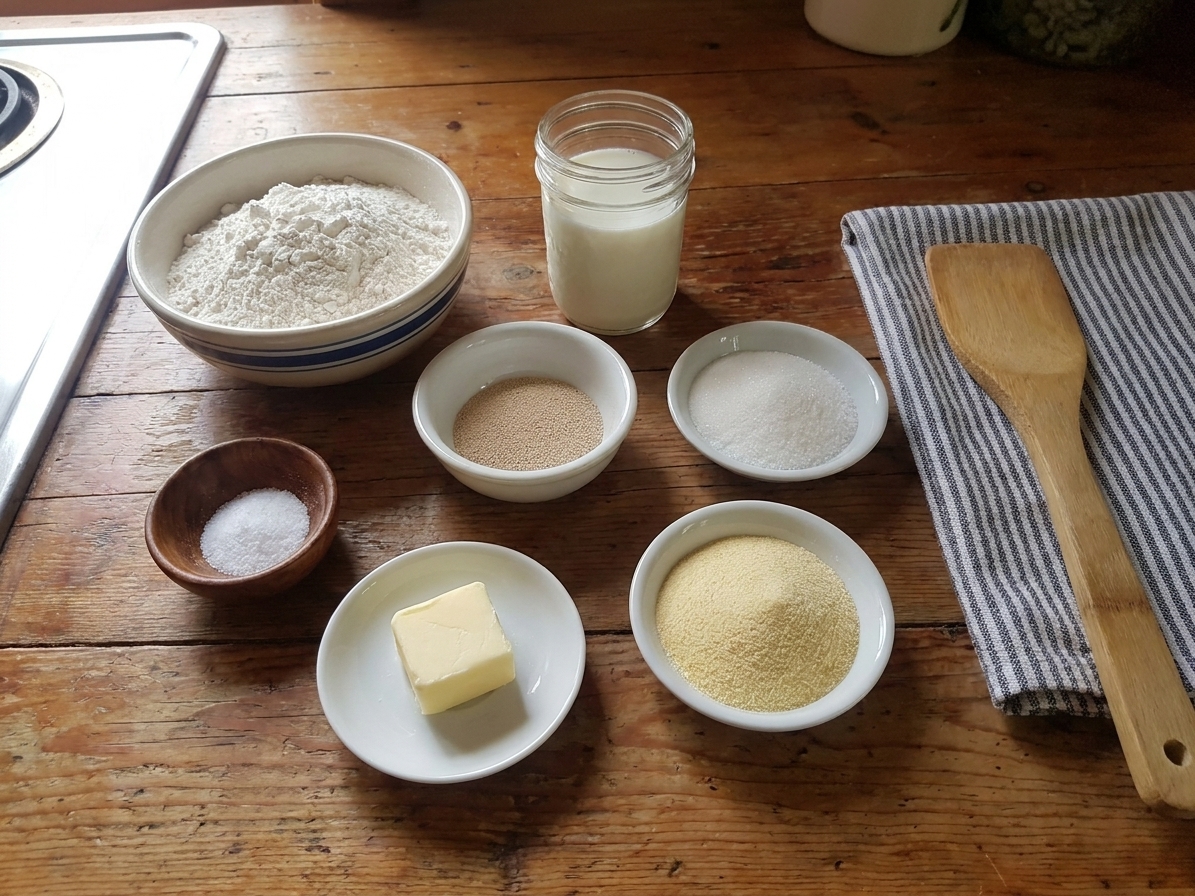
Measured flour, milk, yeast, sugar, salt, butter, and semolina on a kitchen counter ready to make griddled muffins

Why It Works

  • Pan-cooked golden crust: A moderate heat gives you that deep toastiness without drying out the center.
  • Real nooks and crannies: A lightly handled dough, gentle shaping, and proper proofing help build that airy interior that catches butter like it is its job.
  • Accessible ingredients: Flour, yeast, milk, and a little butter. Semolina or cornmeal is optional but highly recommended for that classic finish.
  • Make-ahead friendly: They freeze well, and they reheat like champs in a toaster.

Pairs Well With

Storage Tips

How to Store British Muffins

Room temperature: Cool completely, then store in an airtight container for up to 2 days. If your kitchen runs humid, they can soften, so toast them to bring back the crisp edges.

Refrigerator: It is fine for food safety, but quality drops fast and they can taste stale sooner. If you must, store for up to 3 to 5 days, and plan to toast before eating.

Freezer: Best option. Split them first (use a fork around the sides), then freeze in a zip-top bag with parchment between layers for up to 2 months.

Reheat: Toast straight from frozen or warm in a skillet over low heat with a tiny pat of butter. If you want the inside extra tender, cover the skillet for the first minute.

Common Questions

Common Questions

Is a British muffin the same as an English muffin?

What most people call an English muffin is exactly what we are making here. “British muffin” is not a standard name you will see everywhere (and yes, “English muffin” is common in the UK too). I am using “British muffin” as a vibe choice, because it feels cozy and toasty and a little dramatic when you split one open.

Why are my muffins raw in the middle?

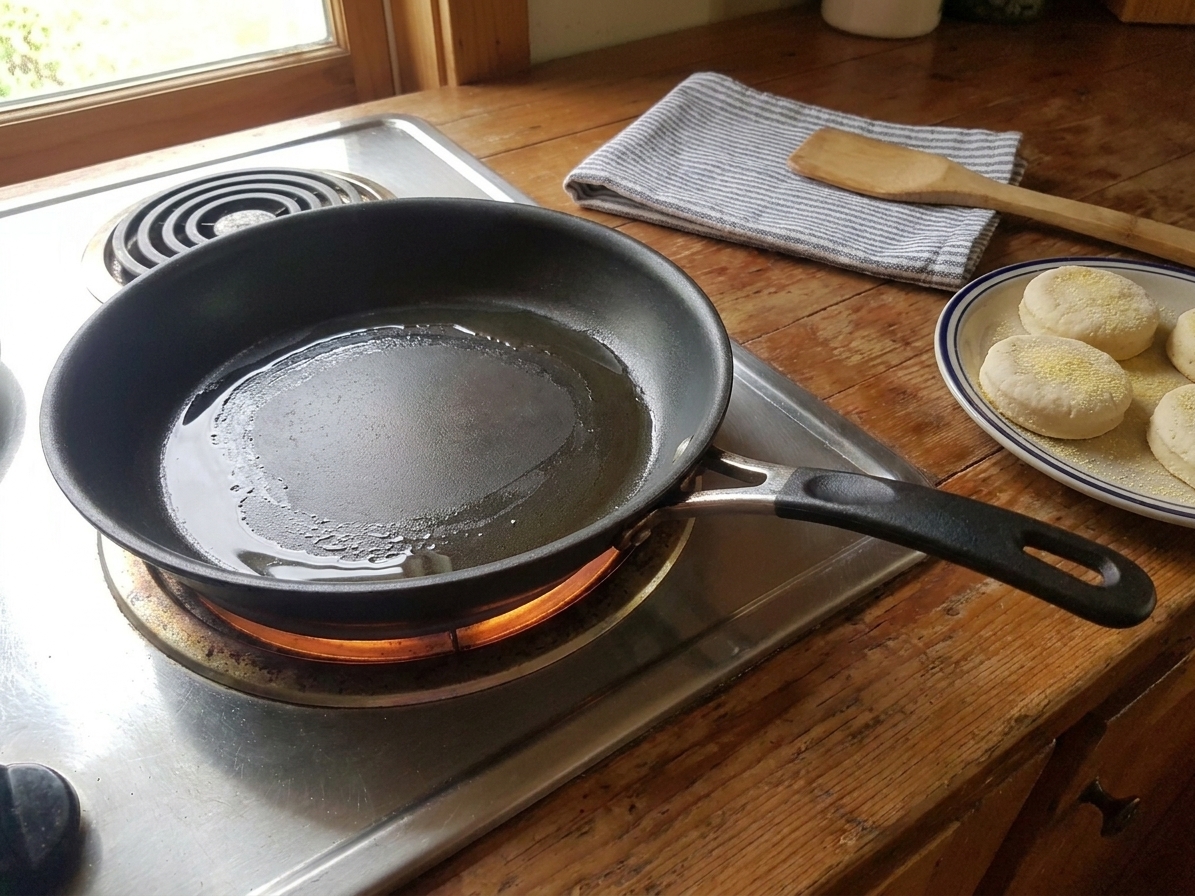
Your heat is likely too high. These need medium-low heat so the centers cook through while the outside browns slowly. If they are getting too dark before they feel set, lower the heat and give them a few extra minutes per side. If you want a super clear doneness check, aim for an internal temp of about 200°F (93°C).

Do I need rings to shape them?

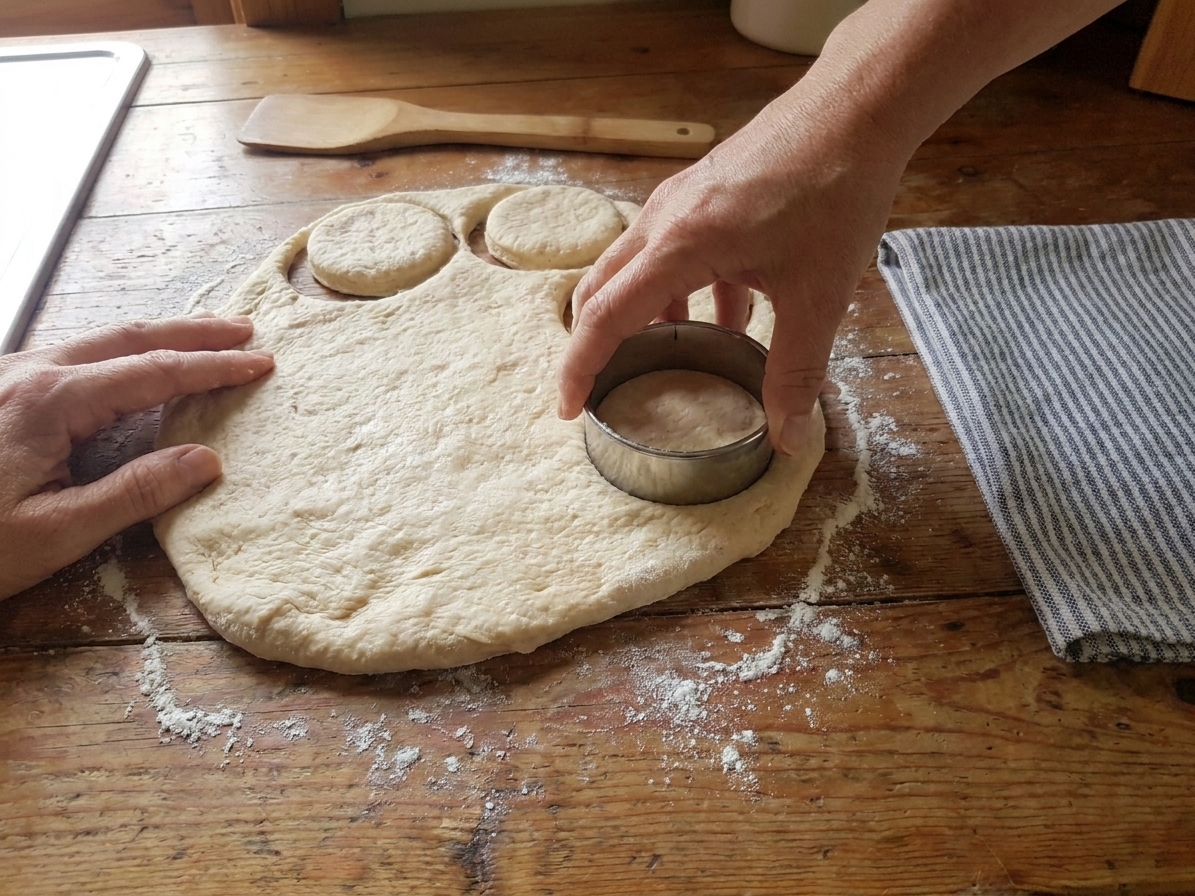
Nope. Rings can help with super uniform edges, but they are not required. A biscuit cutter or a simple hand-shaped round works great.

What is the best way to split them?

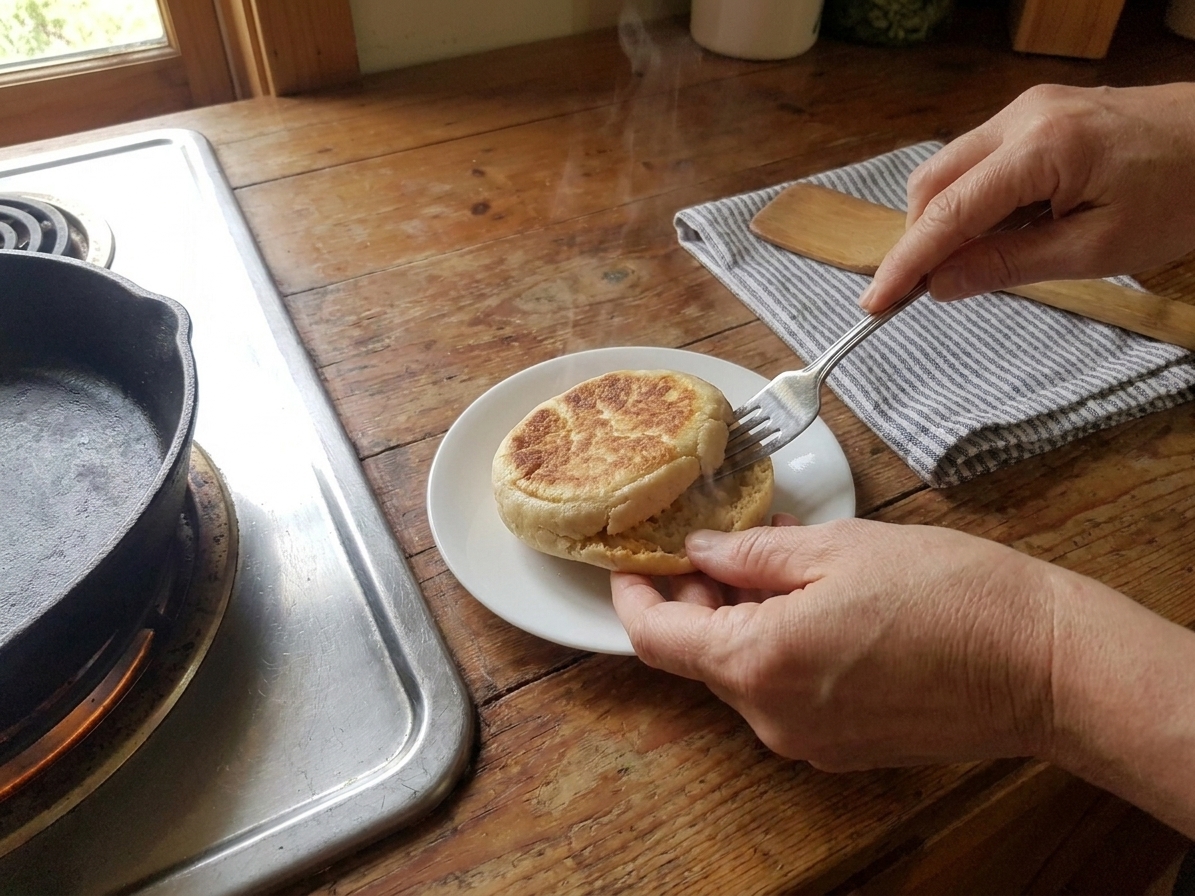
Use a fork. Poke all the way around the edge, then pull apart. A knife gives a cleaner cut, but the fork method creates the craggy interior we want.

Can I make the dough the night before?

Yes. After the first rise, cover the dough and refrigerate overnight. The next day, let it sit at room temp for about 45 to 60 minutes before shaping so it is easier to work with.

Can I use active dry yeast instead of instant?

Yes. Use the same amount. You can whisk it into the dry ingredients like instant, but expect the rises to take a little longer. If you prefer, you can also bloom it in the warm milk and water for 5 to 10 minutes until foamy, then mix as written.

Can I use whole wheat flour?

You can swap in up to 25 percent whole wheat flour without making them heavy. If you go higher, expect a denser muffin and consider adding a splash more milk.

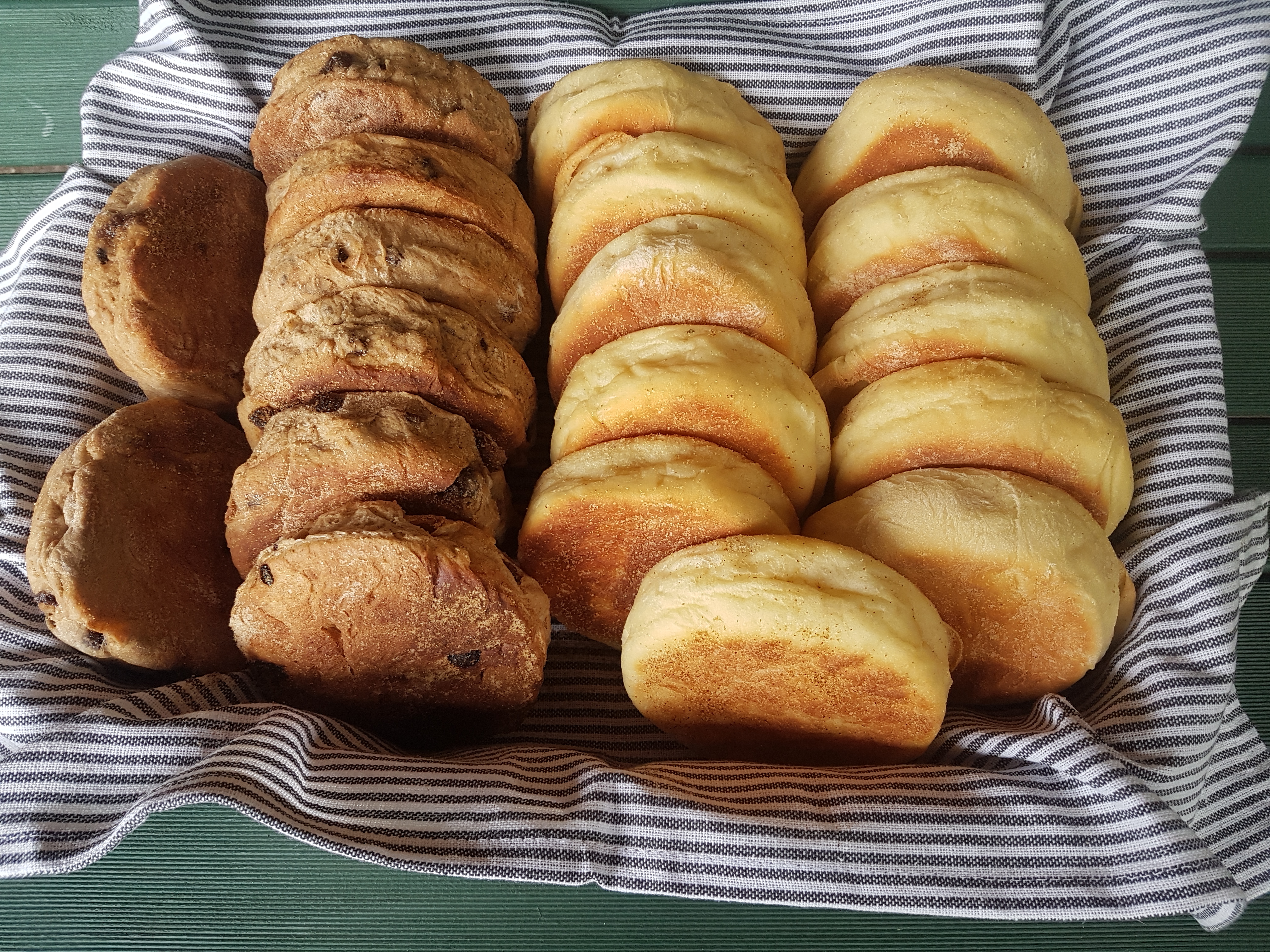
I have a soft spot for recipes that feel fancy but are secretly low drama, and these griddled muffins live right in that sweet spot. The first time I made them, I got impatient and cranked the heat, because of course I did. The outside browned fast, the inside stayed doughy, and I learned a very important life lesson: griddle breads want patience.

Now I treat them like a slow conversation with a skillet. Medium-low heat, a couple flips, and you get that golden crust that smells like breakfast at a tiny cafe. I always split one while it is still warm, add too much butter, and call it quality control.