Mom's Best Recipes
Recipe

Bud Butter

A clear, beginner-friendly cannabutter recipe with reliable infusion, better flavor, and practical dosing guidance.

Author By Matt Campbell
4.8
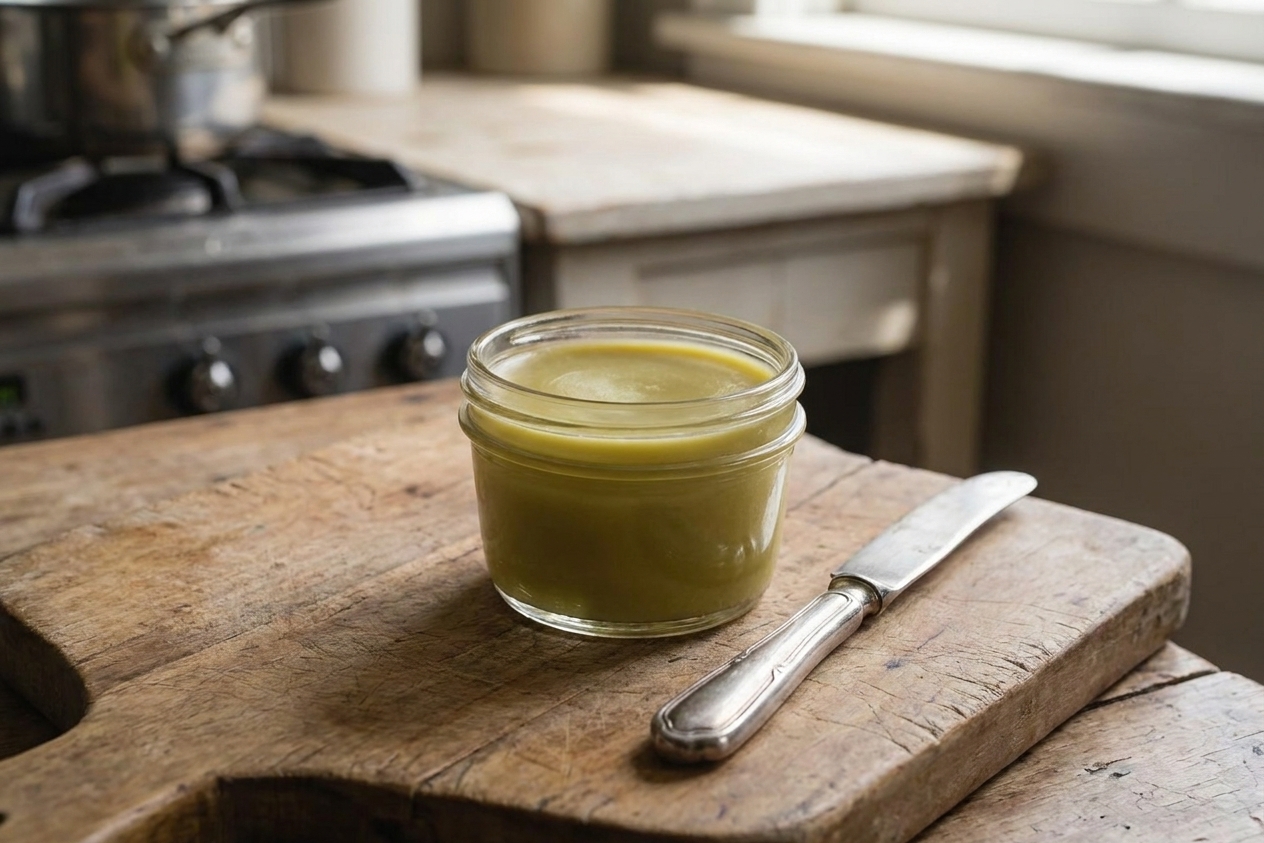
A small glass jar filled with pale golden bud butter on a wooden cutting board beside a butter knife, with a clean, cozy kitchen counter in the background

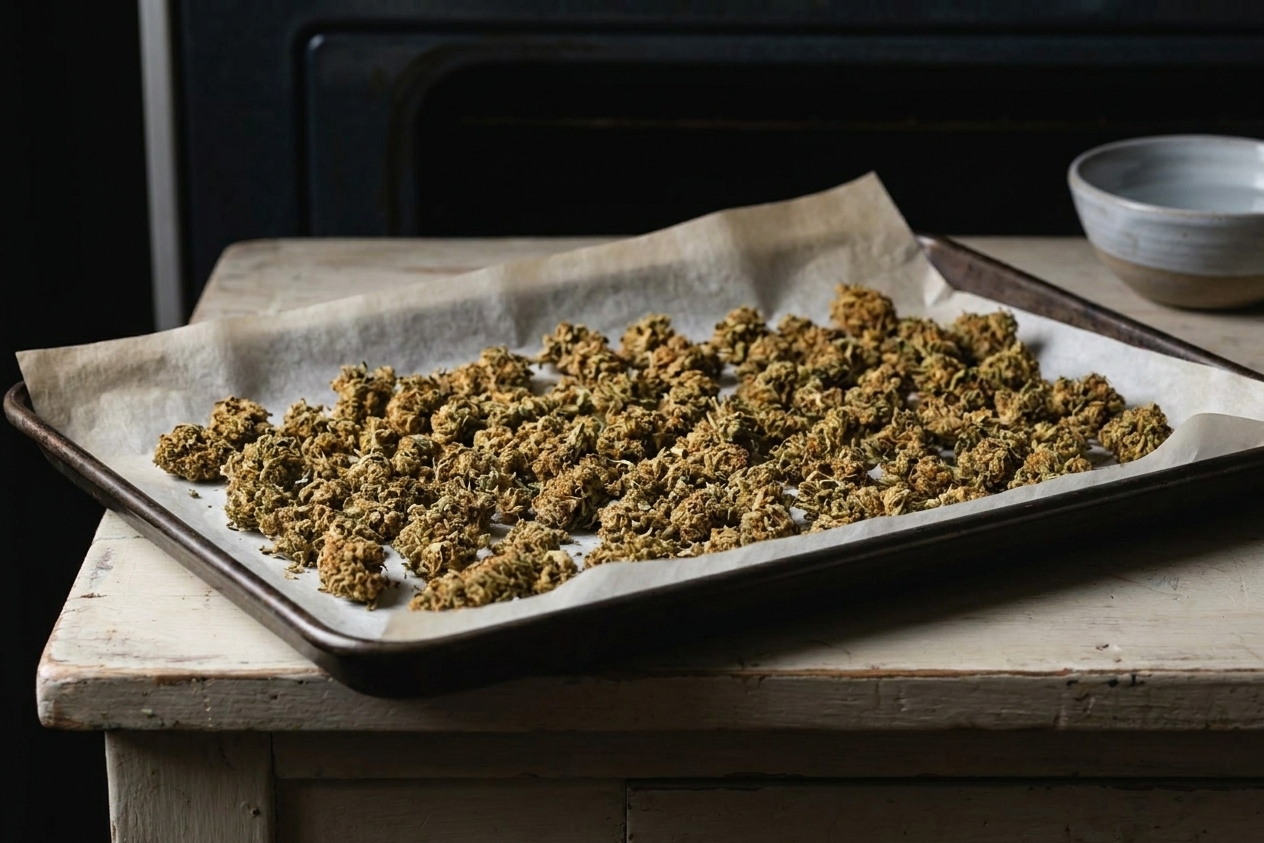
Bud butter is one of those kitchen projects that feels a little mysterious until you do it once. After that, it is basically just butter + gentle heat + patience, with one key move up front that makes the whole thing work: decarboxylation (decarb). That is the step that activates cannabinoids so your butter is not just fragrant, it is effective.

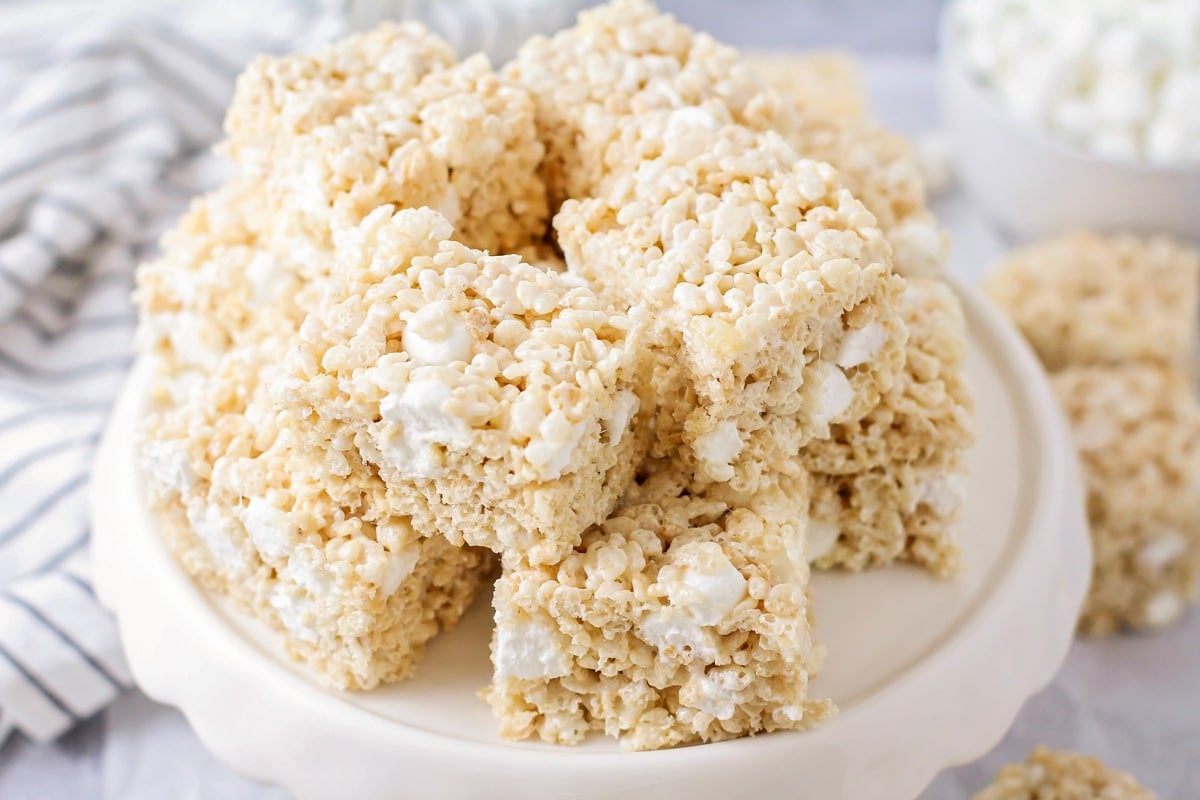
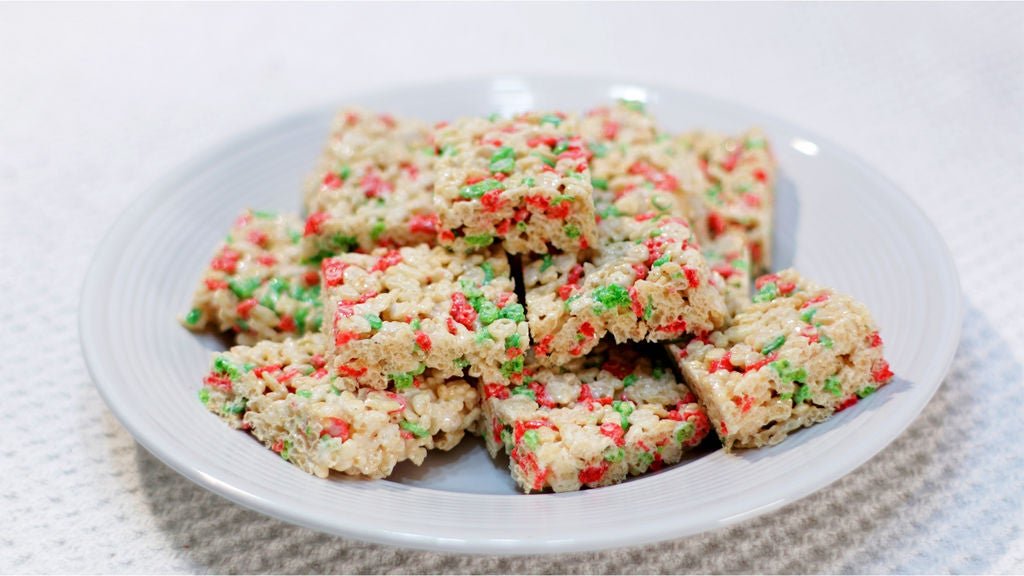
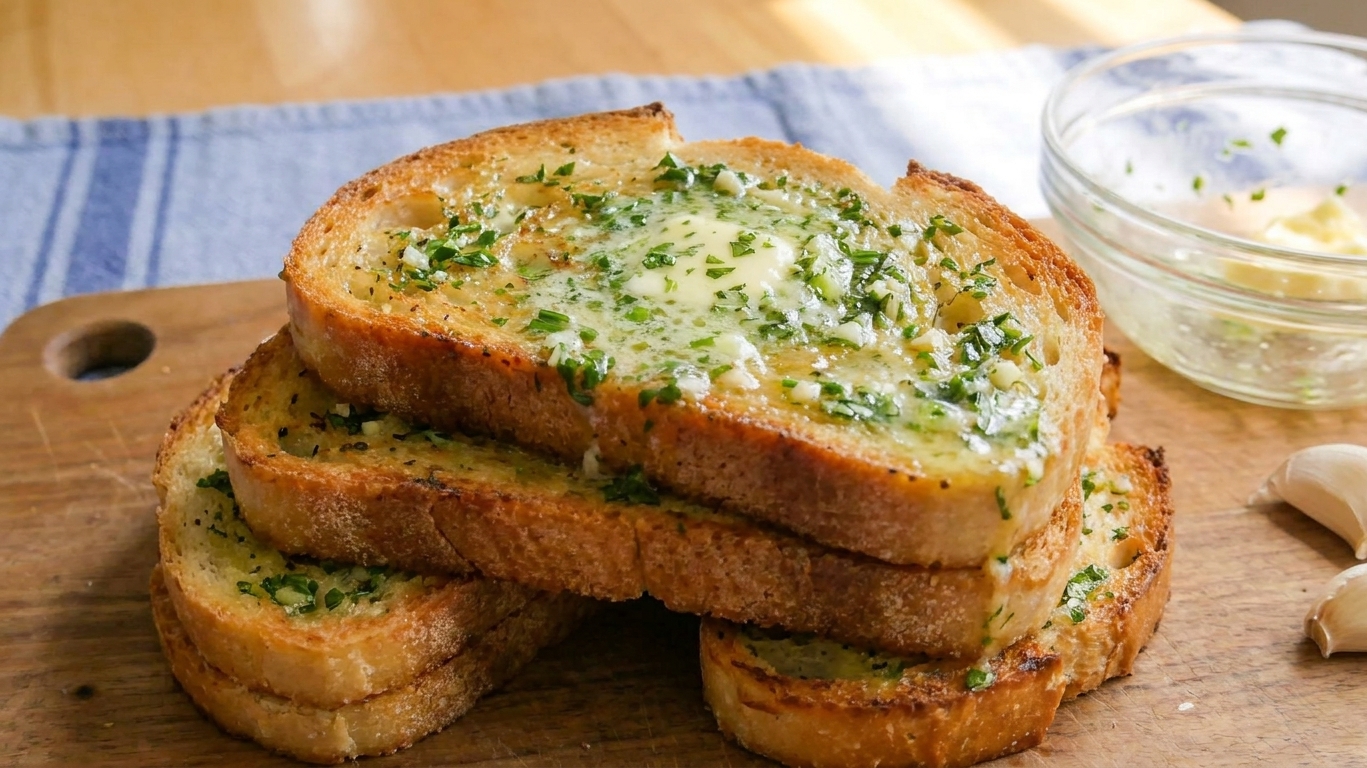
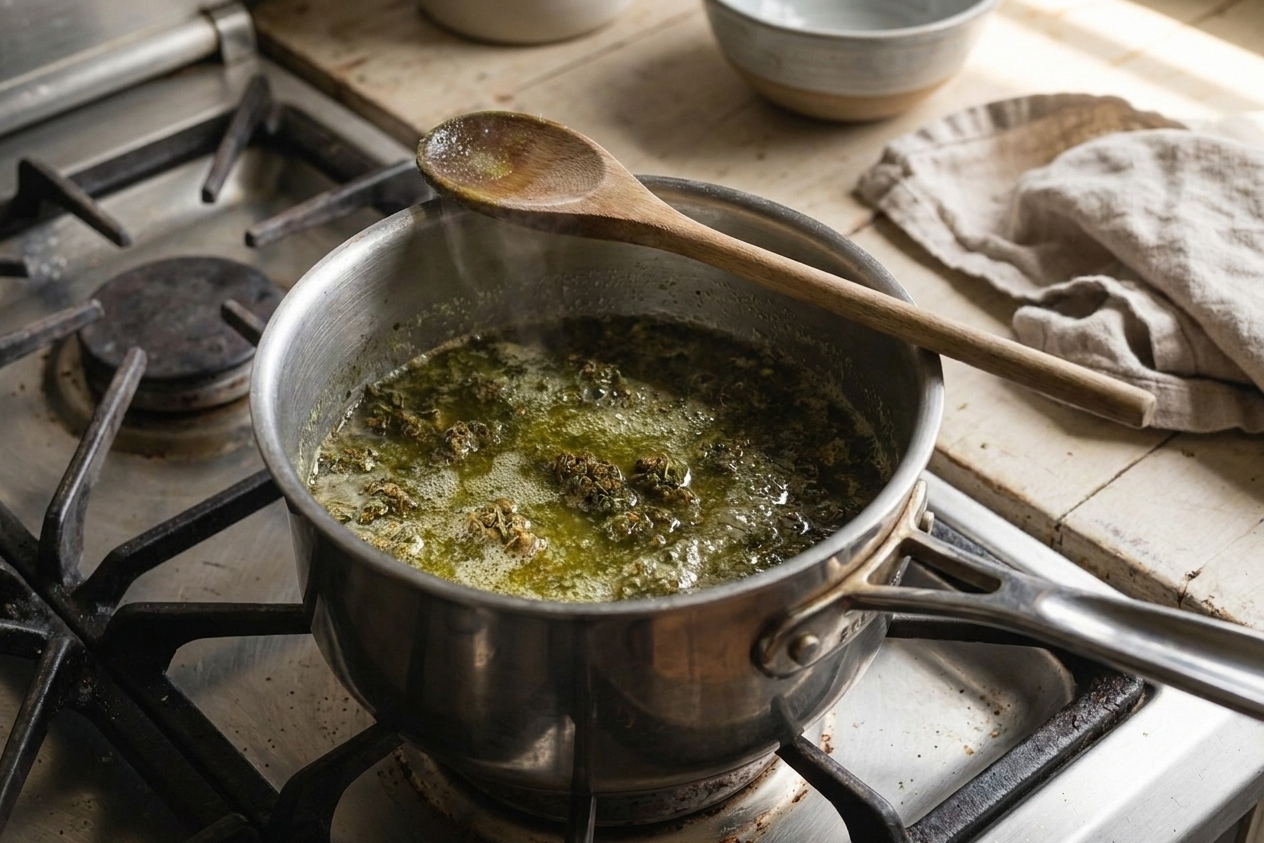
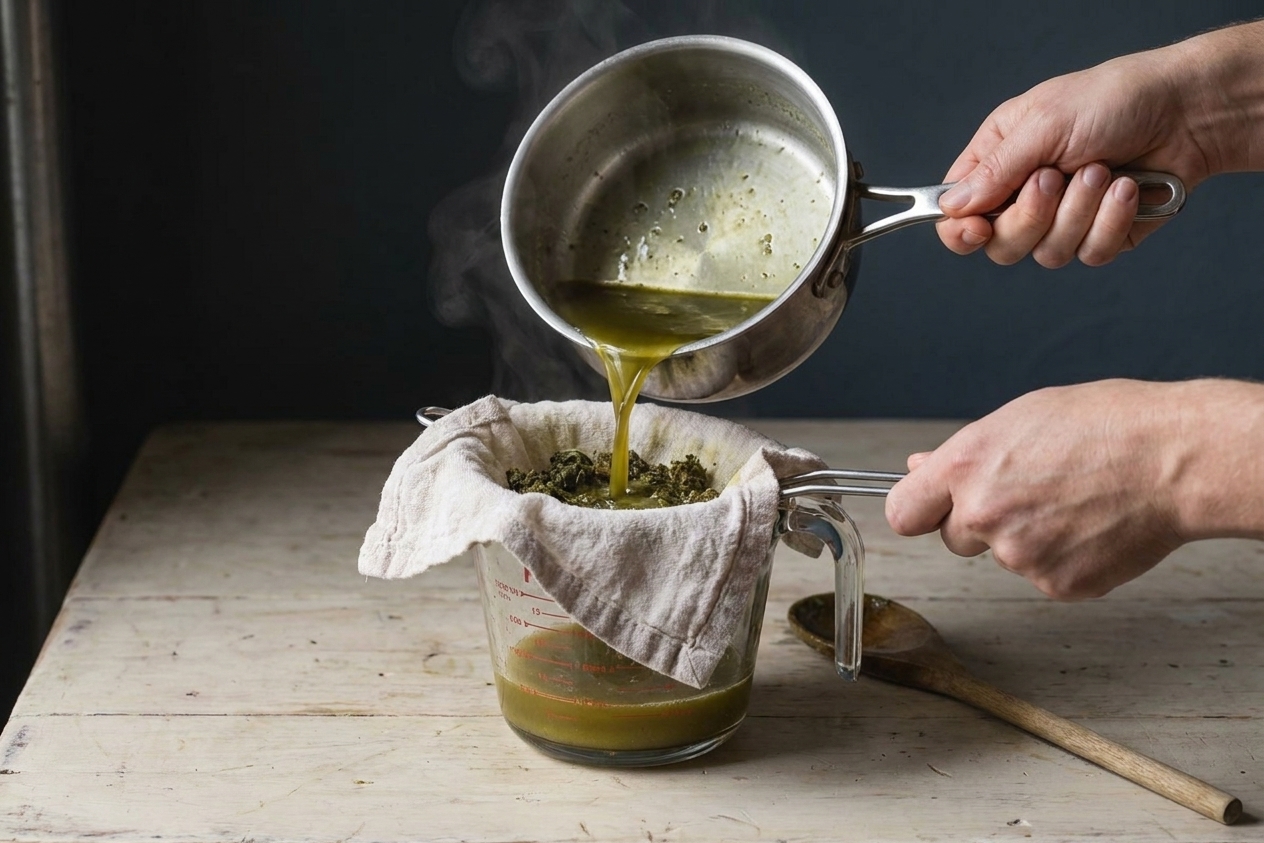
My goal here is to keep this approachable and predictable. We are going to decarb in the oven, infuse on the stovetop at a low simmer, then strain into a jar of silky, pale-gold butter that you can use anywhere regular butter goes. Brownies, sure. But also garlic bread, rice krispie treats, and that quiet little swipe on warm toast that makes you pause mid-bite and think, okay, wow.

Quick note: Cannabis laws vary by location. Use this recipe only where it is legal, keep it away from kids and pets, and label everything clearly.

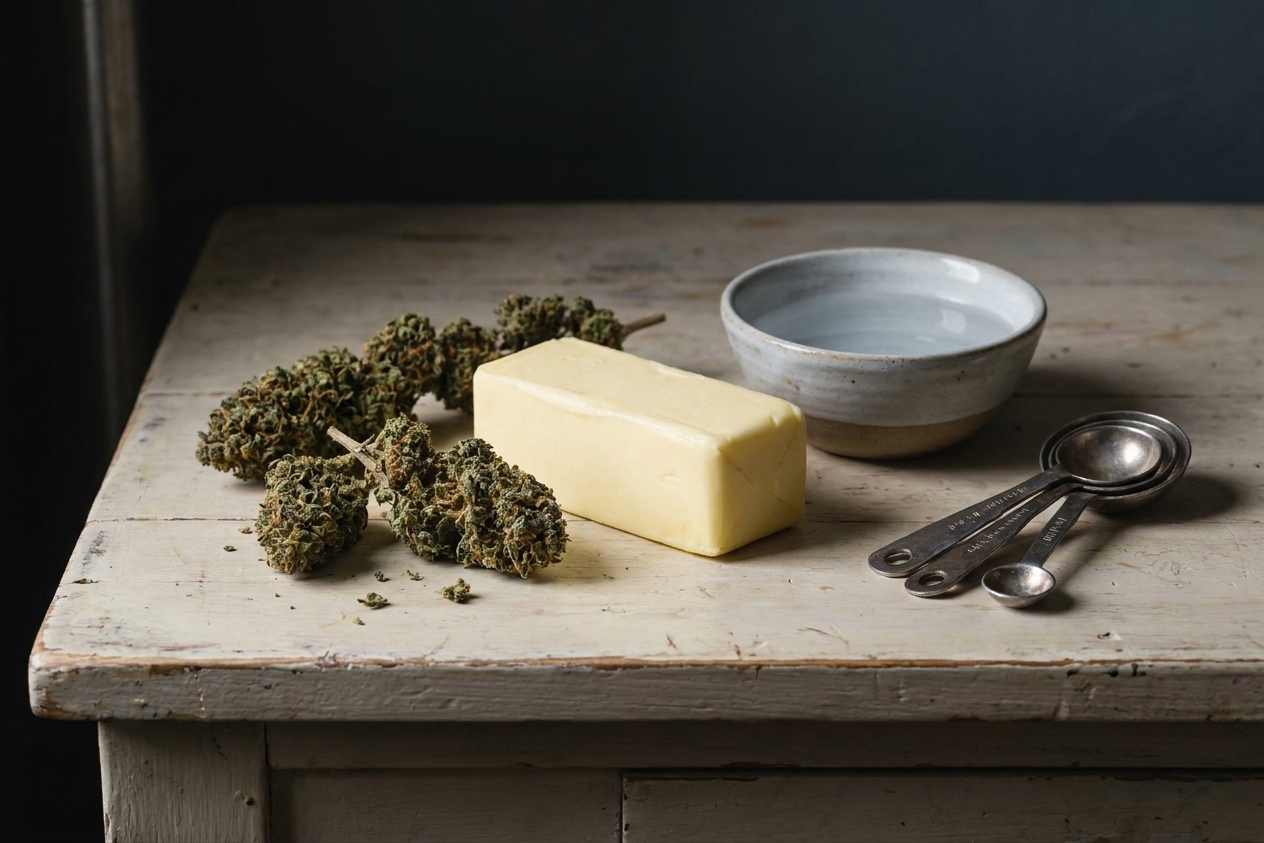
Cannabis flower, unsalted butter, and a small bowl of water arranged on a light kitchen counter with measuring spoons nearby

Why It Works

  • Consistent potency: Decarb first, then infuse at low heat so you get reliable results without scorching.
  • Cleaner flavor: A low-and-slow infusion plus a water buffer helps mellow out grassy notes.
  • Flexible use: This butter works in baked goods, sauces, and anything that finishes with butter.
  • Beginner-proof: Clear temps, clear times, and a few rescue tips if things get too hot or too green tasting.

Pairs Well With

Storage Tips

Refrigerator: Store bud butter in an airtight jar or tightly wrapped in the fridge for up to 2 weeks. Keep it on a back shelf where temps are steady. Label it clearly.

Freezer: For longer storage, freeze for up to 3 months. I like portioning into a silicone ice cube tray or tablespoon scoops on parchment, then transferring to a freezer bag once solid.

Odor control: Double-container it if your fridge is sensitive. A lidded jar inside a zip-top bag is a simple fix.

Food safety: If you used water during infusion, make sure the butter is fully separated, drained, and dried before long storage.

Common Questions

Do I really have to decarb?

Yes. Without decarb, your butter may smell the part but will be much weaker. Decarb activates THCA into THC (and similar conversions for other cannabinoids), which is what most people are after.

Why add water during infusion?

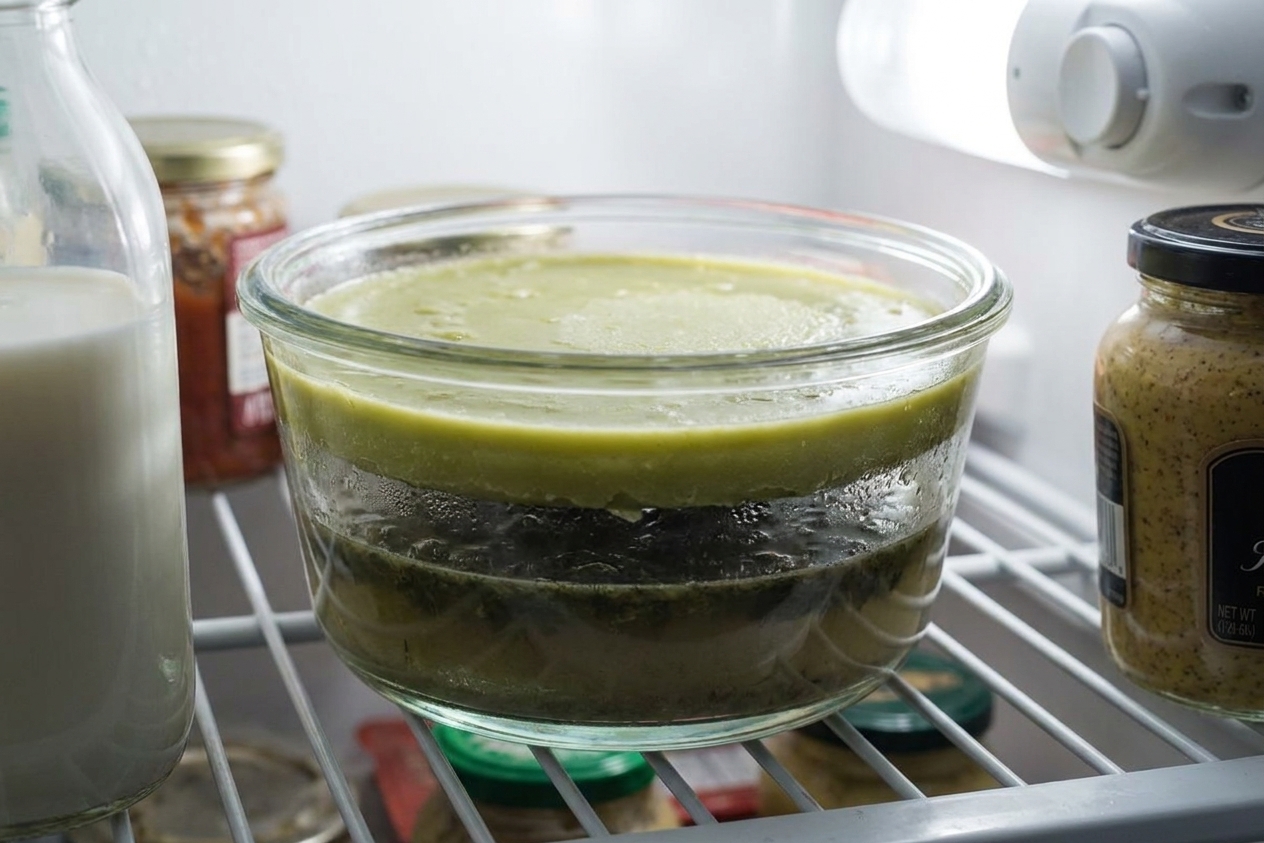
Water helps keep the mixture from overheating and can pull out some bitter, planty compounds. The cannabinoids stay in the fat. After chilling, the butter solidifies on top and the water stays below.

What does bud butter taste like?

It can taste herbal and slightly nutty. Lower infusion temps, not over-grinding the cannabis, and straining well all help keep the flavor clean. You can also use it in strongly flavored foods like chocolate, peanut butter, or garlicky dishes.

Can I make it stronger?

You can, but go slow. Use more cannabis per cup of butter, or reduce your final butter volume slightly by melting and gently evaporating any trapped water. Stronger is not always better if it makes dosing unpredictable.

How do I estimate potency?

Homemade dosing is always an estimate, but here is a practical method:

  • Find the cannabis THC percentage (example: 15%).
  • Multiply grams of cannabis by 1,000 to get milligrams of flower (example: 7 g = 7,000 mg).
  • THC mg = flower mg × THC% (7,000 × 0.15 = 1,050 mg THC before losses).
  • Assume 60% to 80% efficiency after decarb, infusion, and straining. Using 70%: 1,050 × 0.70 = 735 mg THC in the batch.
  • Divide by servings. If you end with 16 tablespoons of butter: 735 ÷ 16 ≈ 46 mg per tablespoon, or about 11 to 12 mg per teaspoon.

Start low: If you are new, consider 2.5 to 5 mg THC, then wait at least 2 hours before taking more.

Can I use lecithin in this recipe?

Yes, but timing matters. If you are doing a butter + water infusion (like this one), do not add lecithin during the simmer. Lecithin is an emulsifier, so it can bind the butter and water together and make separation messy. If you want to use it, add it after you have chilled, separated, and dried the butter, then gently re-melt the finished butter and whisk in lecithin before re-chilling.

Can I use this butter in any recipe?

Yes, with one caveat: avoid cooking it at high heat for a long time. It is best in baked goods at typical baking temps, or stirred in at the end for sauces, pasta, mashed potatoes, and toast.

The first time I made bud butter, I treated it like a normal stovetop job and cranked the heat because I was impatient. Classic. The smell got loud fast, the flavor turned aggressively green, and I learned the most important lesson in this whole process: low heat is not a suggestion. Now I do it like I am making a cozy stock. Gentle bubbles, no rushing, and a lot of little check-ins. The payoff is butter that actually tastes good, not like you licked a houseplant.