Mom's Best Recipes
Recipe

Buttercream Frosting

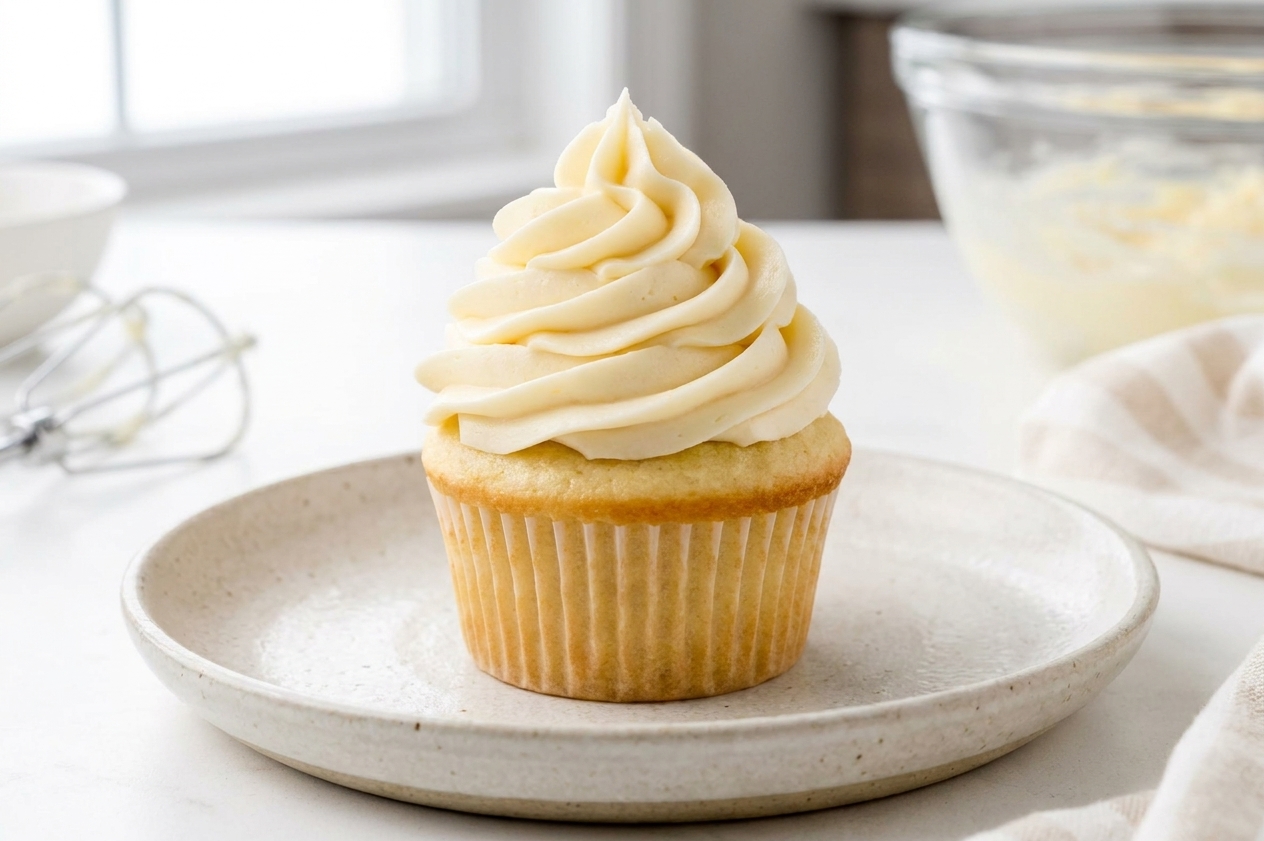
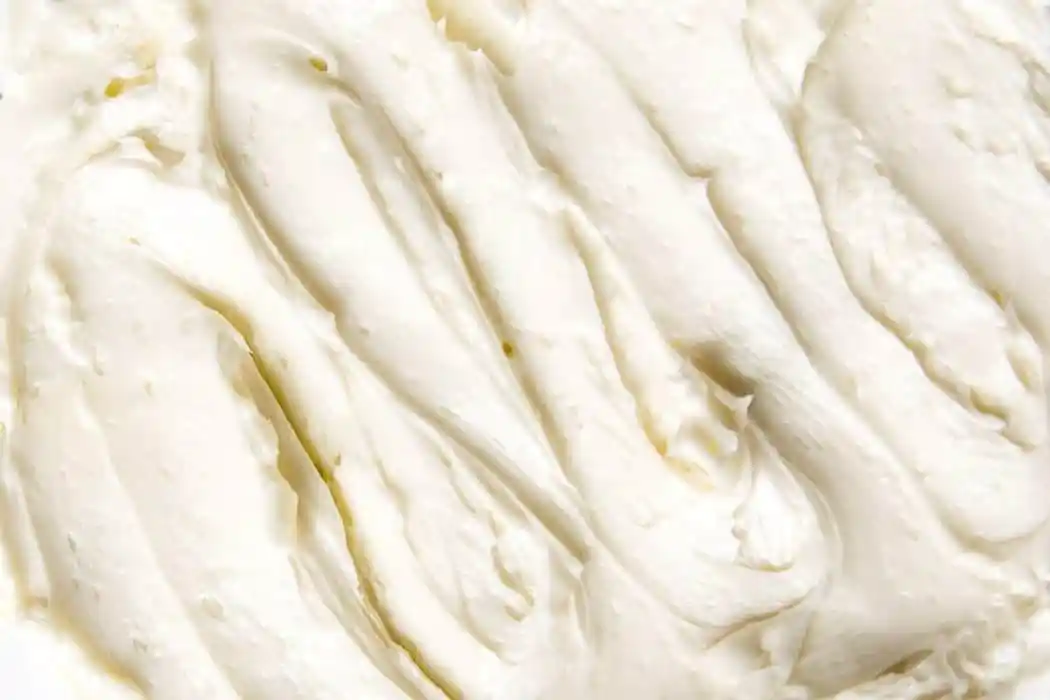
Fluffy vanilla buttercream that spreads smoothly, pipes clean swirls, and is easy to adjust for cupcakes or cakes.

Author By Matt Campbell
4.9
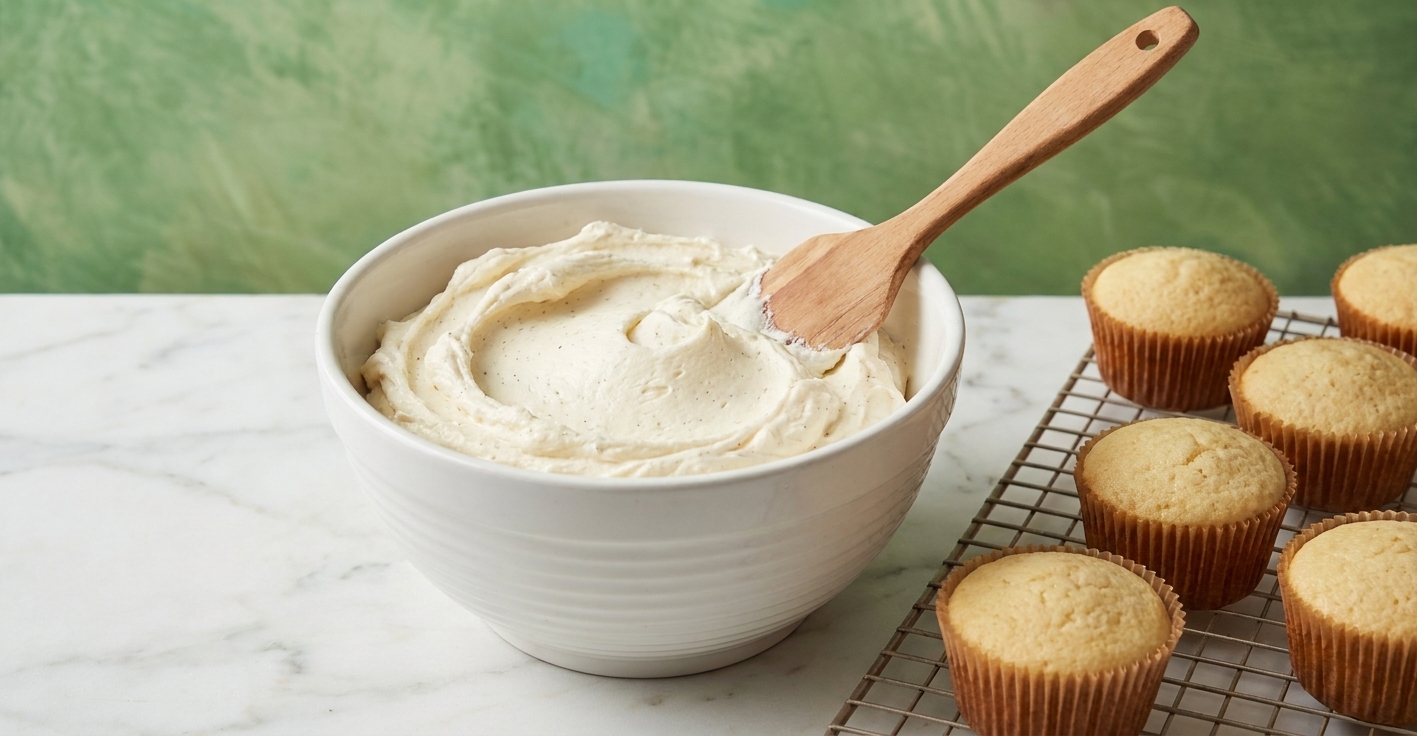
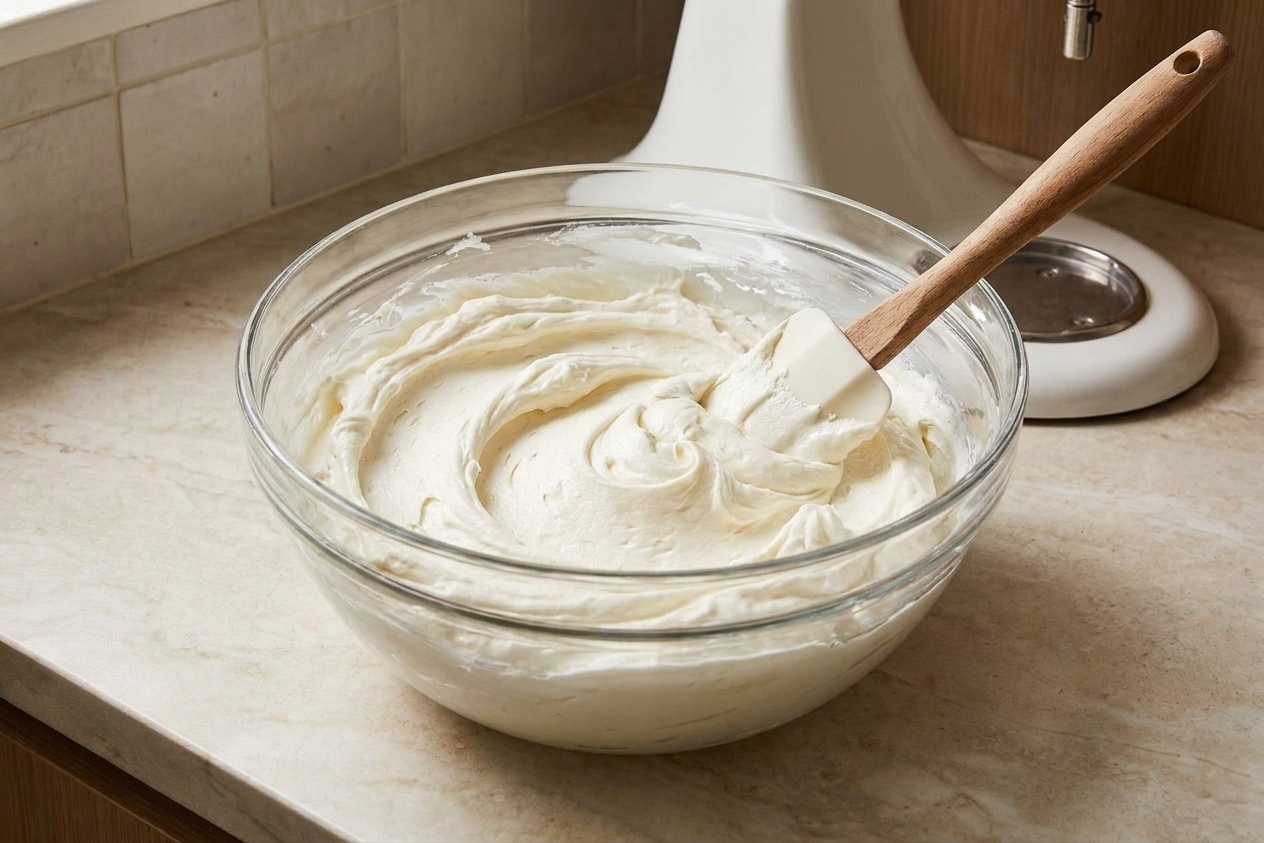
A glass mixing bowl filled with fluffy vanilla buttercream frosting on a bright kitchen counter with a spatula resting inside

Buttercream frosting is one of those kitchen skills that feels like magic the first time it actually works. You whip a few basic ingredients into something airy, glossy, and dangerously swipeable. And yes, I am absolutely the person who “tests” it with a spoon, then a finger, then a second spoon to confirm the results.

This is my go-to classic American buttercream: buttery, vanilla-forward, and easy to tweak. Want it thicker for piping? Done. Need it looser for a quick swoop on cupcakes? Easy. And if it ever goes weird on you (grainy, runny, curdled-looking), I’ve got fixes that do not involve starting over.

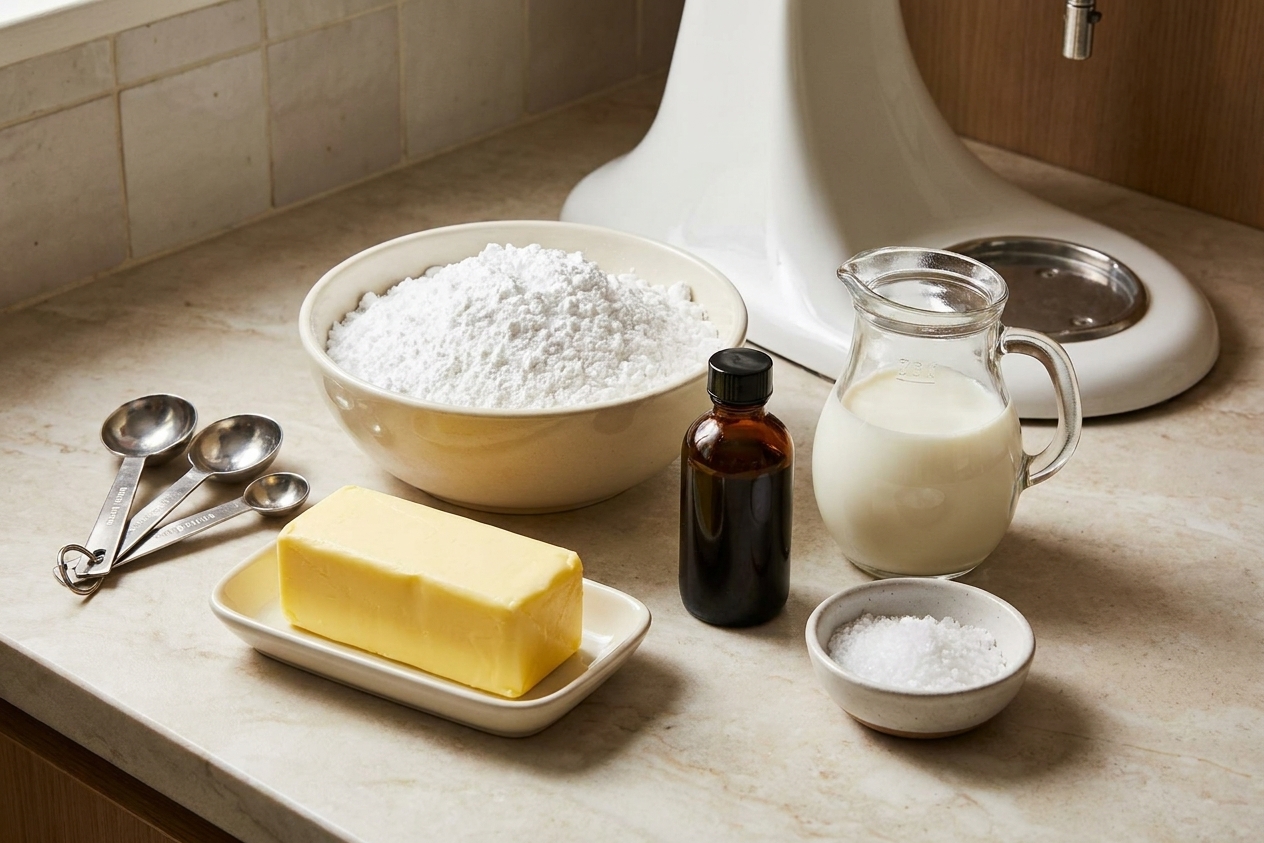
Butter, powdered sugar, vanilla extract, milk, and salt arranged on a kitchen counter with measuring spoons and a stand mixer nearby

Why It Works

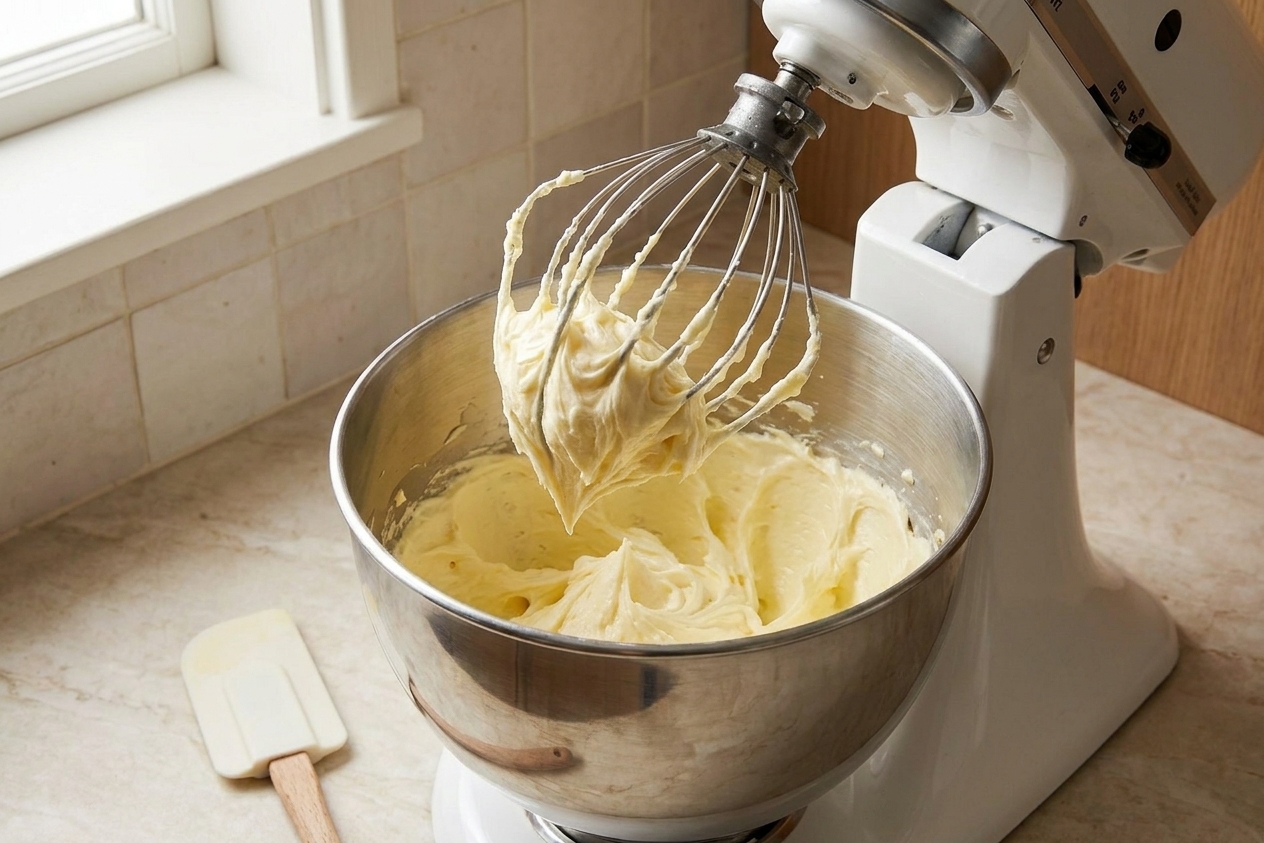
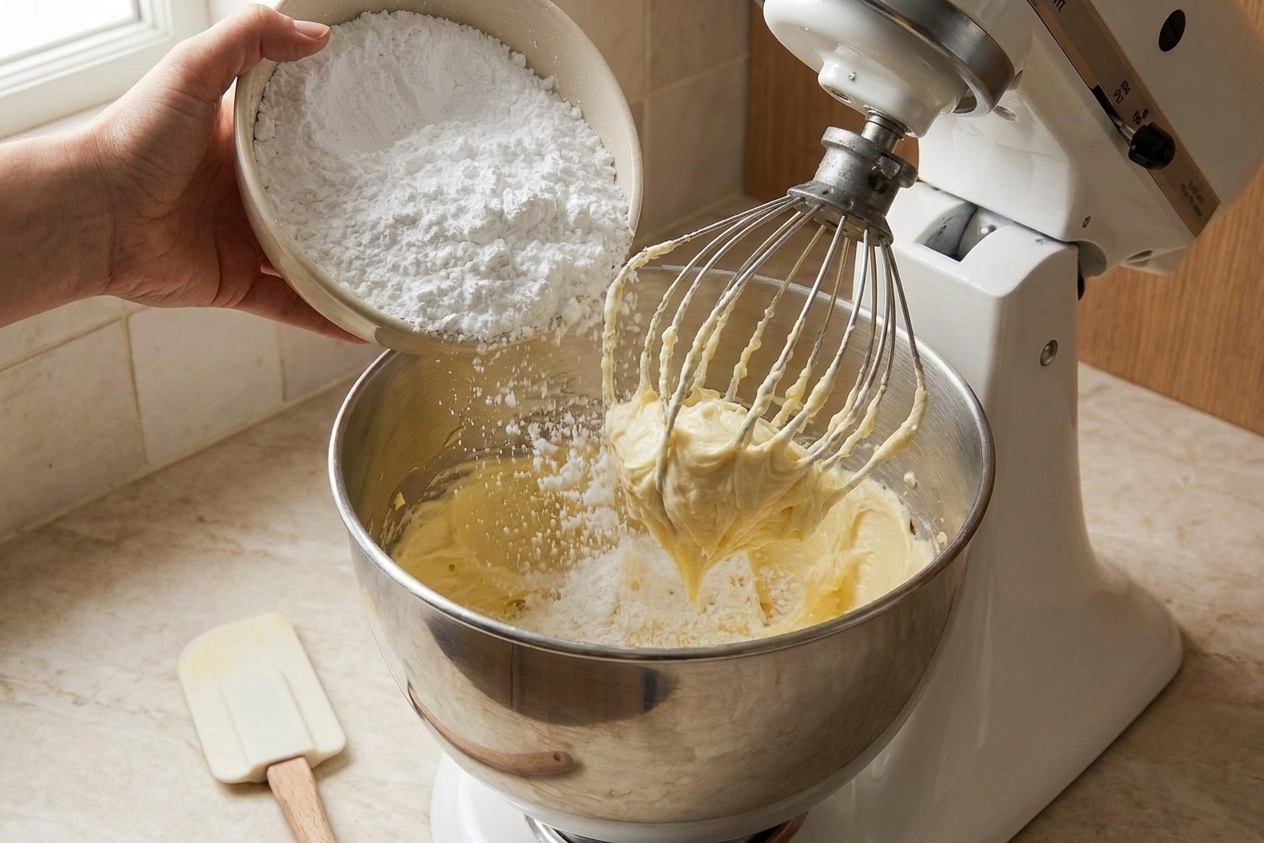
  • Texture that behaves: Whipping the butter first builds a fluffy base, then powdered sugar goes in gradually so it stays smooth and spreadable.
  • Balanced sweetness: A pinch of salt and enough vanilla keep the flavor bright and rounded, not just sugary.
  • Adjustable consistency: A tablespoon of milk or cream loosens it for spreading; extra powdered sugar tightens it for piping.
  • Reliable in real kitchens: You can make it with a hand mixer, and the troubleshooting tips cover the most common buttercream issues.

Pairs Well With

Storage Tips

Storage Tips

Room temperature: If your kitchen is cool (about 70°F/21°C or below), you can keep buttercream in an airtight container at room temperature for up to 1 day. Stir well before using. If it is warmer than that, refrigerate it.

Refrigerator: Store in an airtight container up to 7 days. When ready to use, let it sit at room temp until soft, then re-whip with a mixer for 1 to 2 minutes to bring back the fluff.

Freezer: Freeze in a freezer-safe container or zip-top bag up to 3 months. Thaw overnight in the fridge, then bring to room temp and re-whip.

My best tip: If it looks a little separated after chilling, do not panic. Re-whipping fixes most texture issues. If it is still stubborn, see the FAQ for the warm-bowl trick.

Common Questions

Common Questions

How do I make buttercream less sweet?

American buttercream is naturally sweet because powdered sugar gives it structure. You cannot truly “remove” the sweetness without changing the style of frosting, but you can balance it: add a little more salt (start with an extra pinch), use heavy cream instead of milk for a richer flavor, and bump up the vanilla. If you want a genuinely less-sweet frosting, Swiss meringue buttercream is the move, but it is a different method.

Why is my buttercream grainy?

Most often it is lumpy powdered sugar, not enough mixing, or butter that is too cold. (Powdered sugar does not truly dissolve in American buttercream, so the goal is to fully incorporate and smooth it out.) Fix it by sifting the sugar if it is clumpy, beating a bit longer (2 to 3 minutes), scraping the bowl, and adding 1 tablespoon of cream or milk at a time until it turns silky. Also make sure you are using powdered sugar, not granulated.

Why is my buttercream runny?

Most commonly: the butter was too warm, or too much liquid was added. Chill the bowl for 10 to 15 minutes, then beat again. If it is still loose, add more powdered sugar, 2 to 3 tablespoons at a time, until it holds peaks.

Why does my buttercream look curdled or separated?

This is less common with American buttercream than meringue-based buttercreams, but it can happen if the butter is a little too cold or too warm, or if liquid was added too quickly. Keep mixing first. If it stays curdled-looking, warm the outside of the bowl slightly (wrap it with a warm towel or warm the bowl with your hands for a minute), then beat again until smooth.

Can I color this buttercream?

Yes. Gel food coloring works best because it adds strong color without thinning the frosting. Add a small amount, mix, then adjust.

How much frosting does this make?

About 3 to 3 1/2 cups, depending on how much sugar you use and how long you whip it.

How many cupcakes or cakes will it frost?

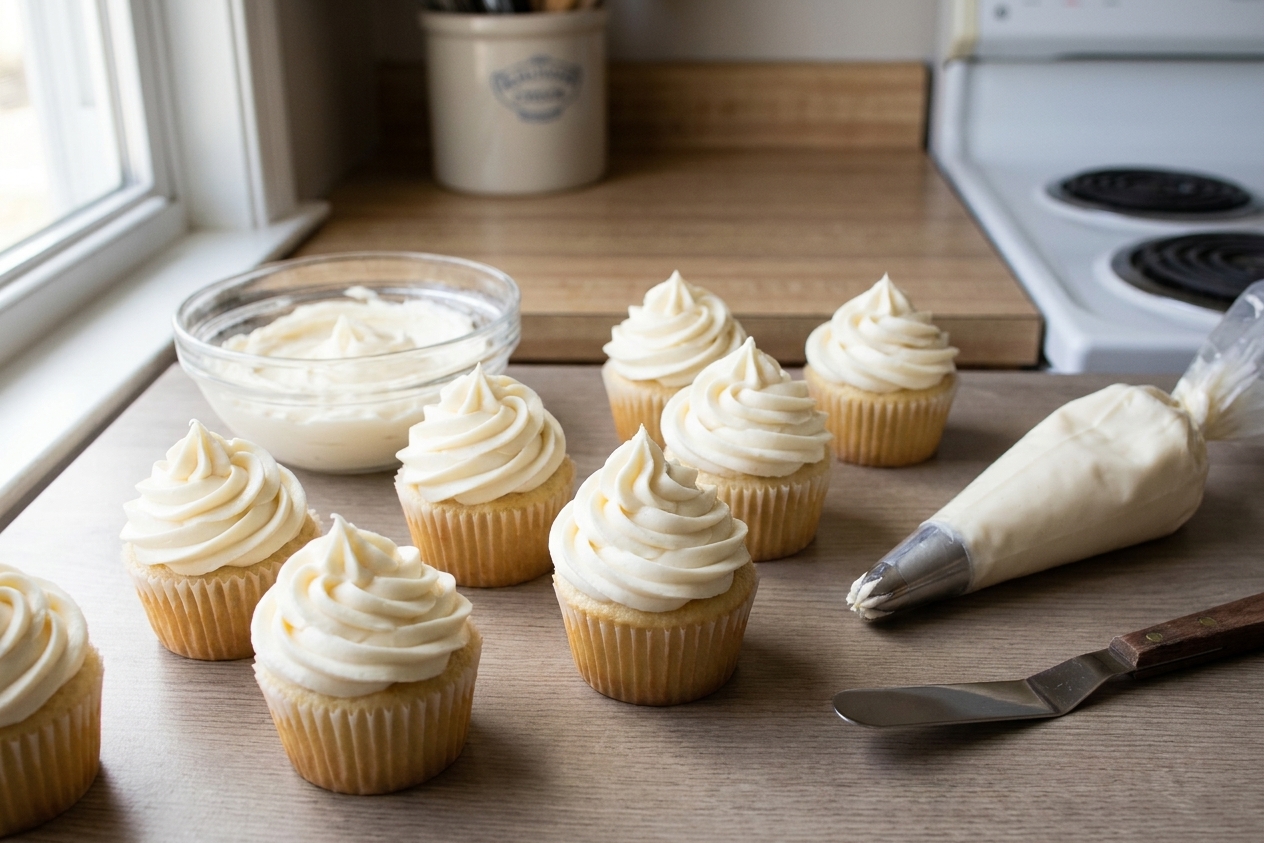
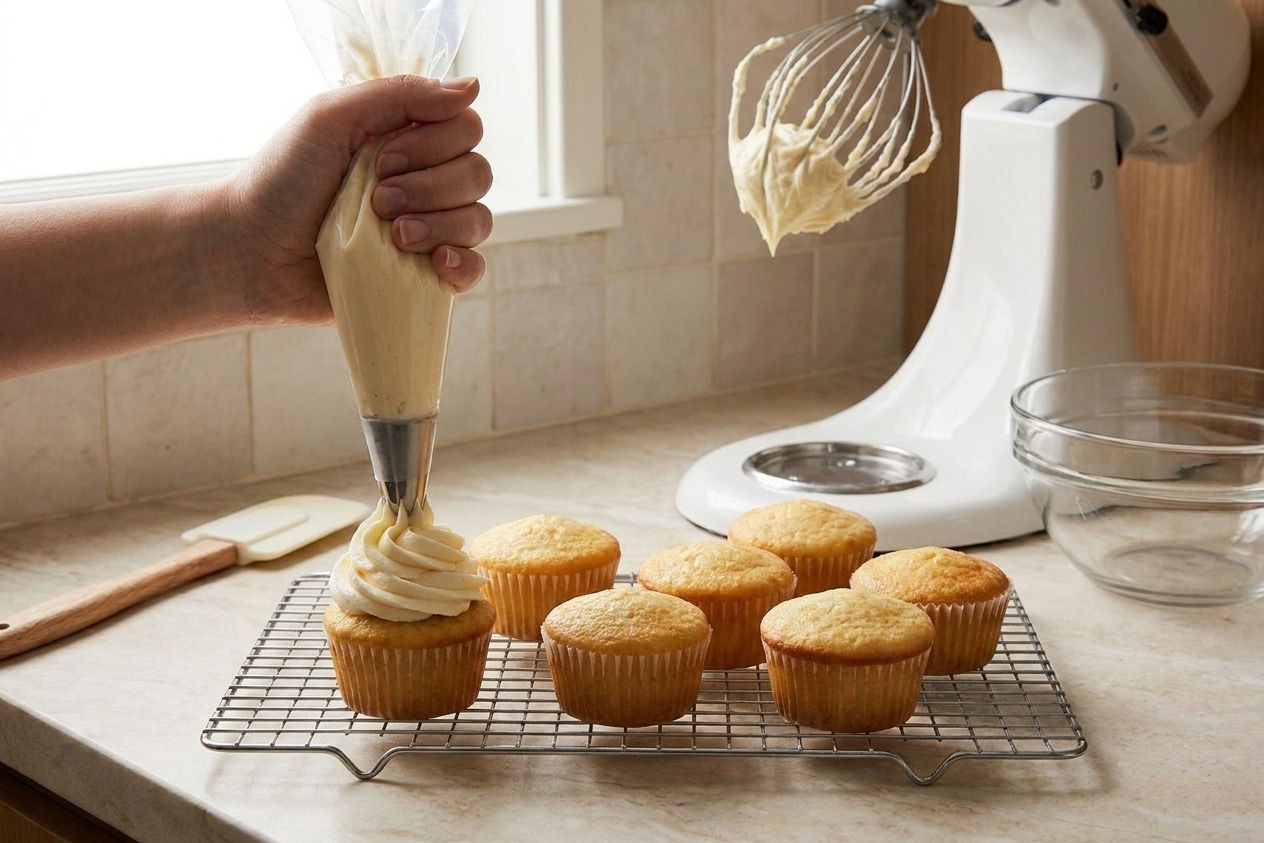
Enough for 12 cupcakes with a tall swirl, or a two-layer 8-inch cake with a modest coat (think light filling and frosting, not thick bakery-style).

I used to think buttercream was supposed to be complicated. Then I started treating it like a sauce: build a base, adjust as you go, and taste early and often. Now it is my “panic frosting” for birthdays, bake sales, and those nights when you realize the cupcakes need to go to school tomorrow morning. If it feels too thick, loosen it. Too loose, tighten it. The vibe is calm. The frosting is fluffy. The spoon is mostly optional, but I support you either way.