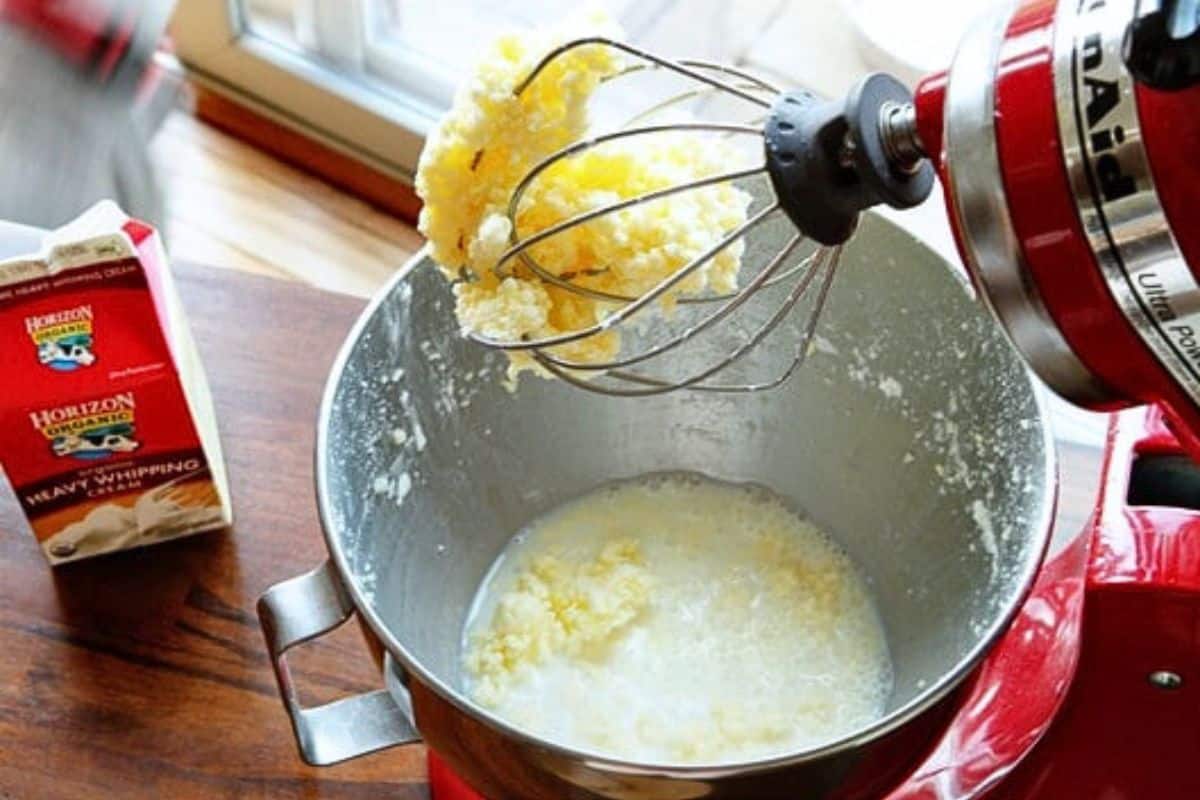
Why is my buttercream runny?
Usually it is one of two things: your butter was too warm, or you added too much liquid. Pop the bowl in the fridge for 10 to 15 minutes, then beat again. If it is still loose, add powdered sugar 2 tablespoons at a time until it holds peaks.
Why does my buttercream look gritty?
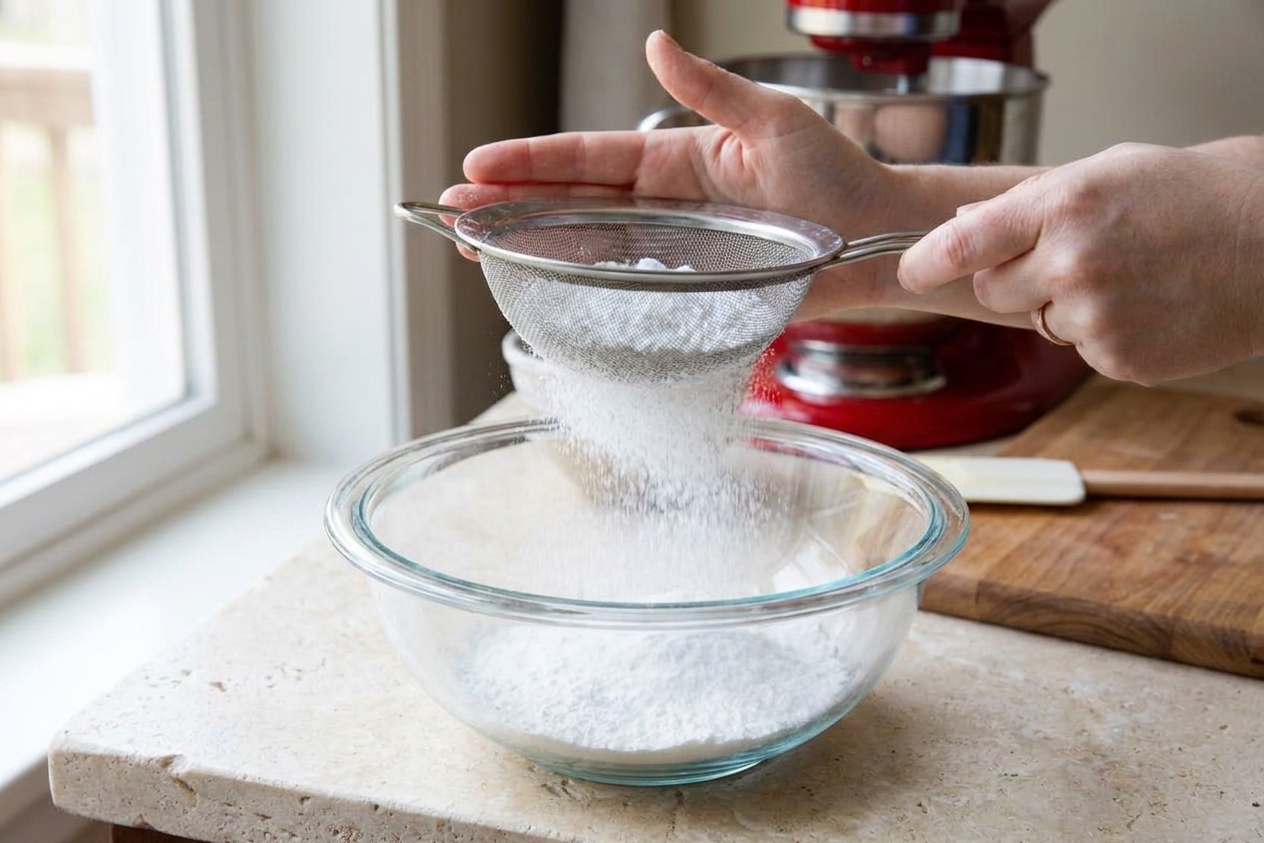
Most of the time it is powdered sugar not fully incorporated (little lumps), or butter that is a bit too cool so everything stays stiff and sandy. Beat longer, scrape the bowl well, and make sure your butter is properly softened. If you want it extra smooth, sift the powdered sugar. Also, avoid granulated sugar here. It will not blend in smoothly.
How do I make it less sweet?
American buttercream is sweet by nature, but you can balance it. Add more salt in tiny pinches, swap in cream cheese for part of the butter (see the Cream Cheese variation below), or add 1 to 2 tablespoons unsweetened cocoa powder for a deeper flavor.
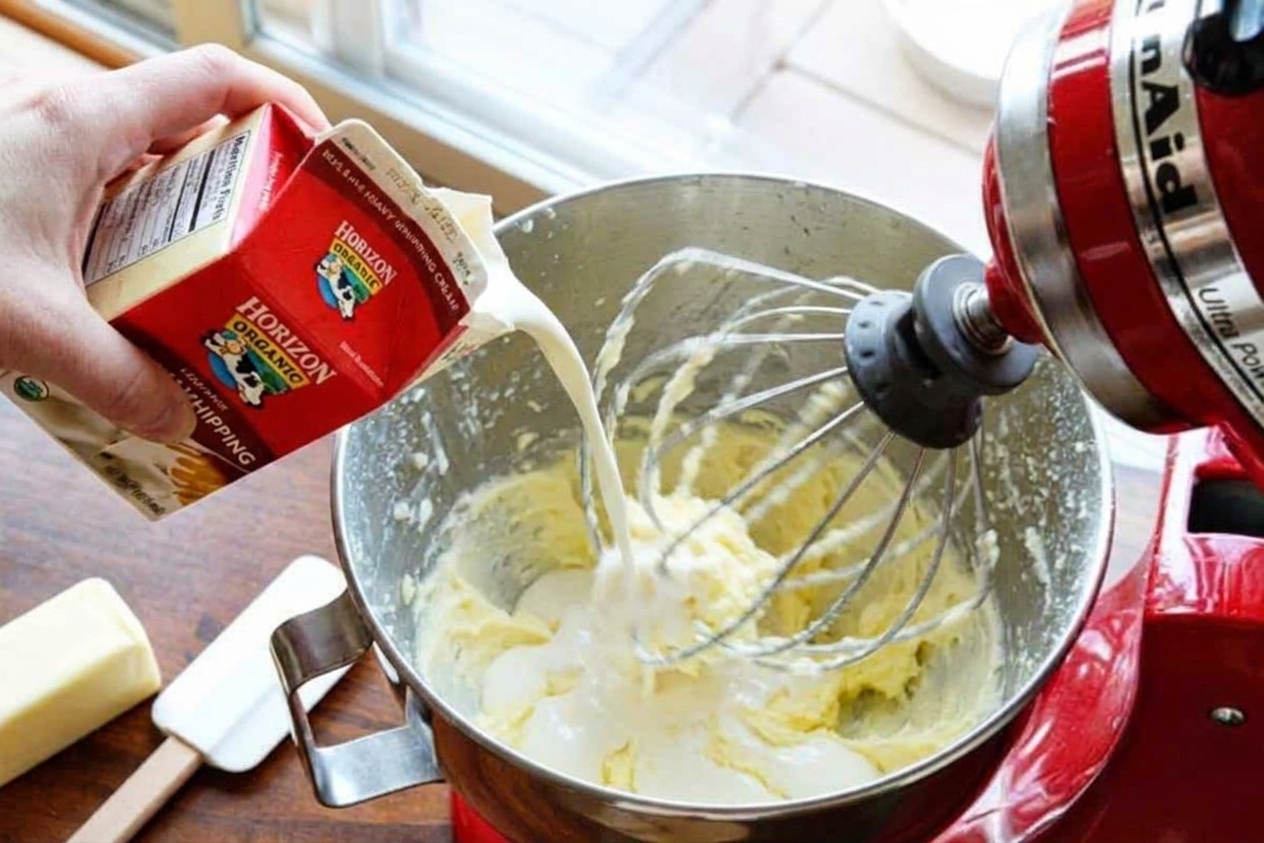
Can I use milk instead of heavy cream?
Yes. Whole milk works. The frosting will be slightly less rich and can loosen faster, so add it slowly and stop when it looks right.
Does butter need to be room temperature?
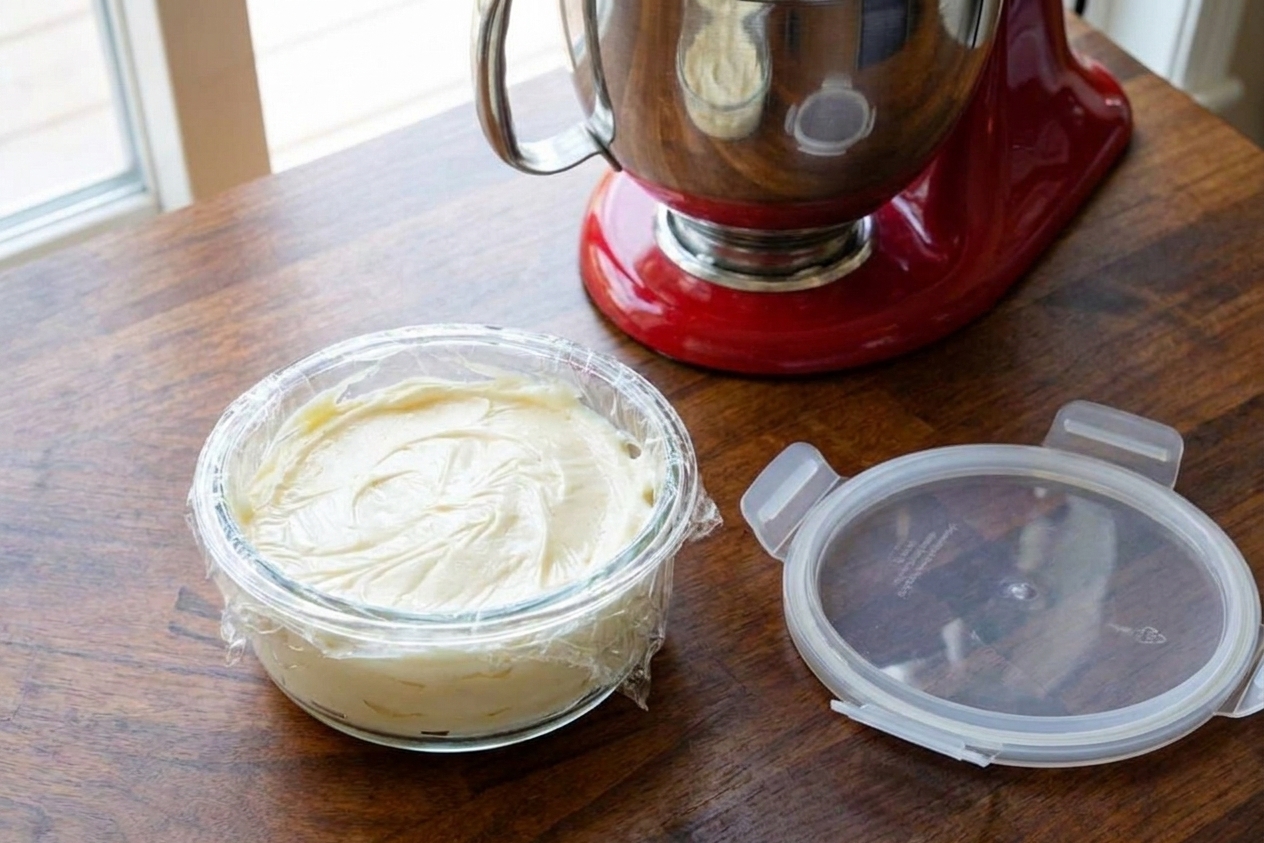
Yes. You want it softened, not melty, ideally around 65 to 68°F so it whips up fluffy without turning greasy. A good test: your finger should leave an indent easily, but the stick should still hold its shape.
How much frosting does this make?
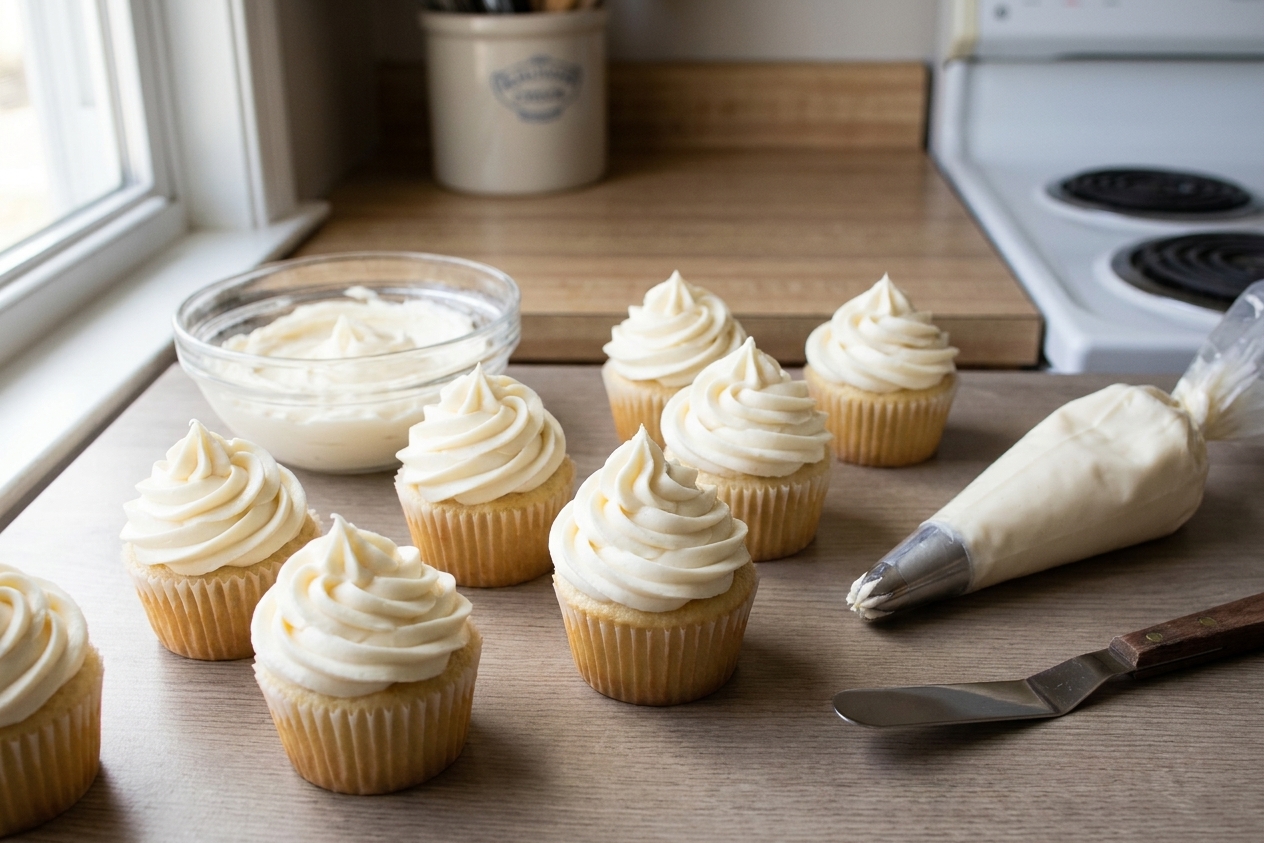
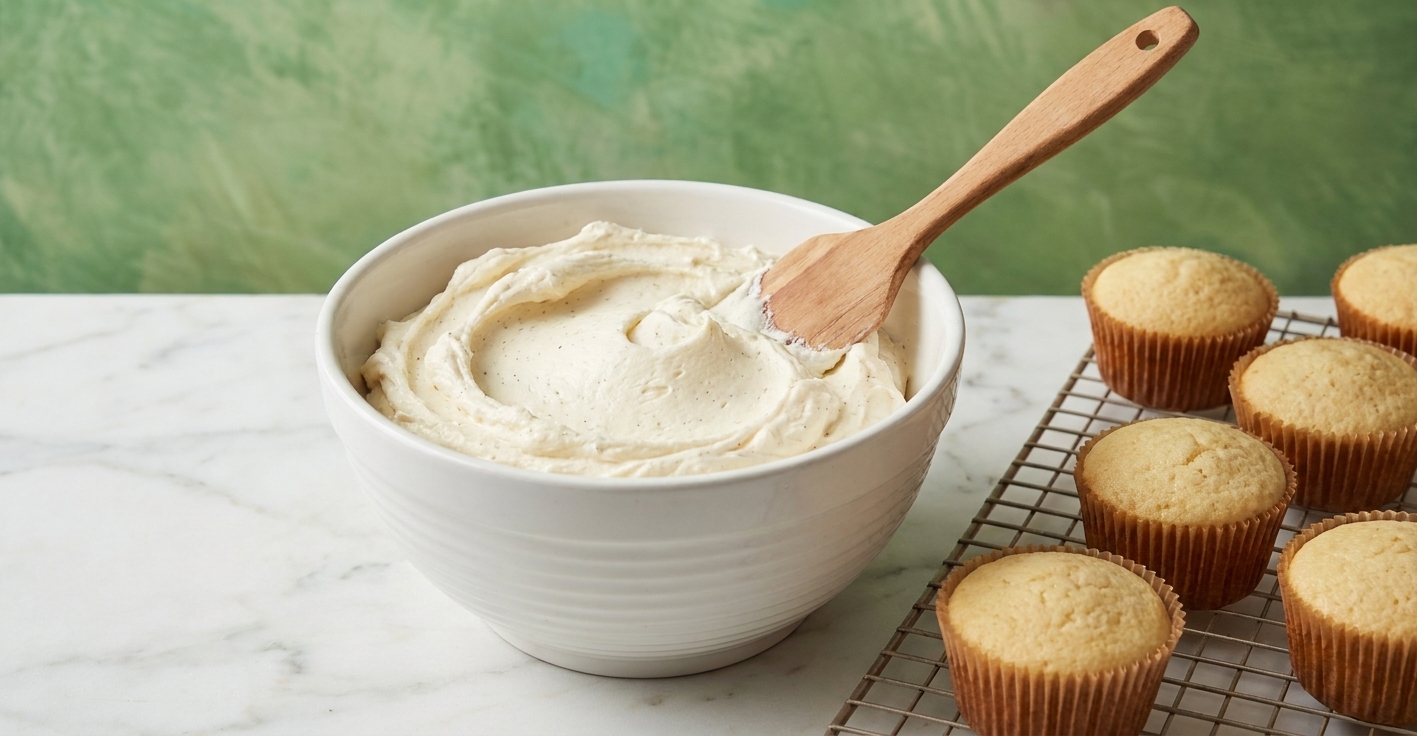
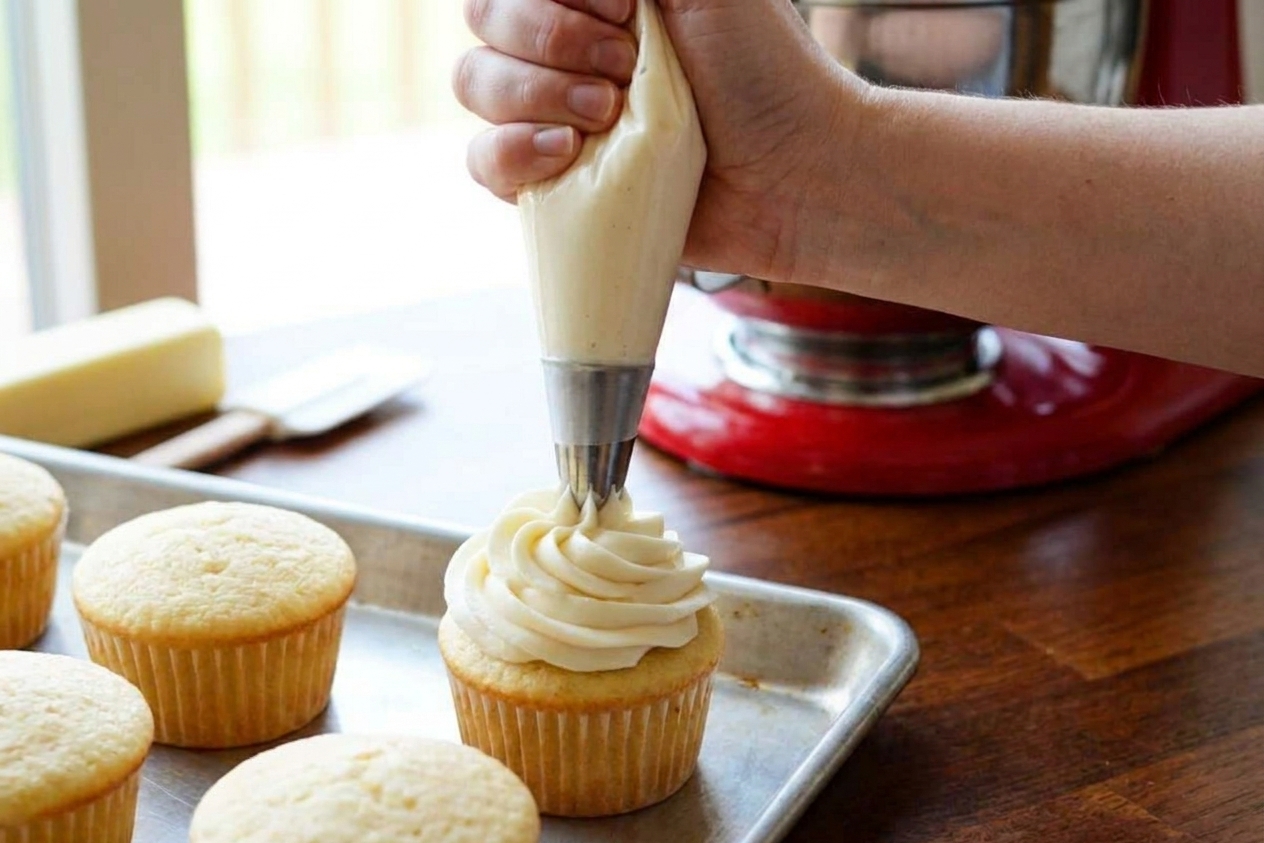
About 3 to 4 cups, depending on how much powdered sugar you use and how long you whip it. That is great for 12 to 16 cupcakes (depending on swirl size) or a single-layer 9-inch cake (generous top and light sides). For a 2-layer cake with generous frosting, consider scaling to 1.5x.
What is the best food coloring to use?
Use gel food coloring when you can. It gives strong color without thinning the frosting. If you use liquid coloring, add it drop by drop and expect to add a little extra powdered sugar to keep the texture stable.