Why is my buttercream icing grainy?
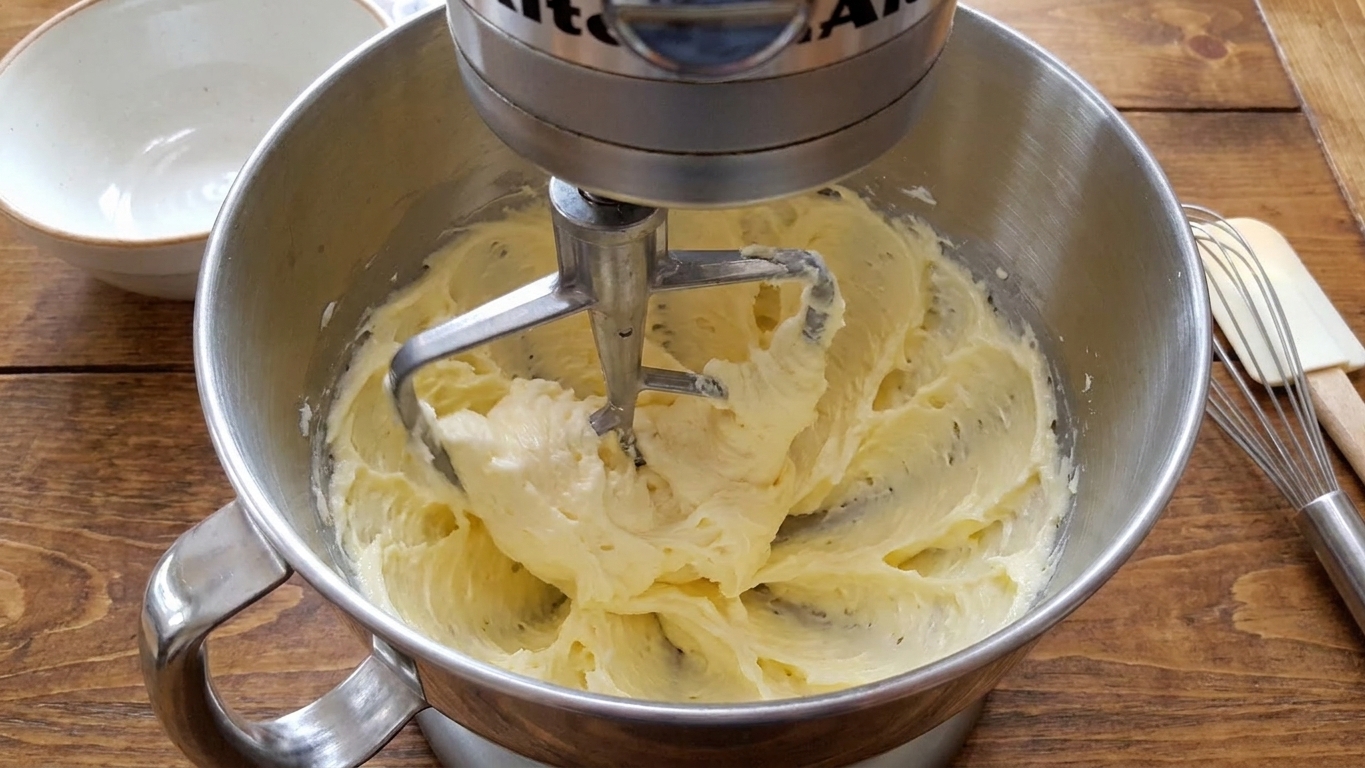
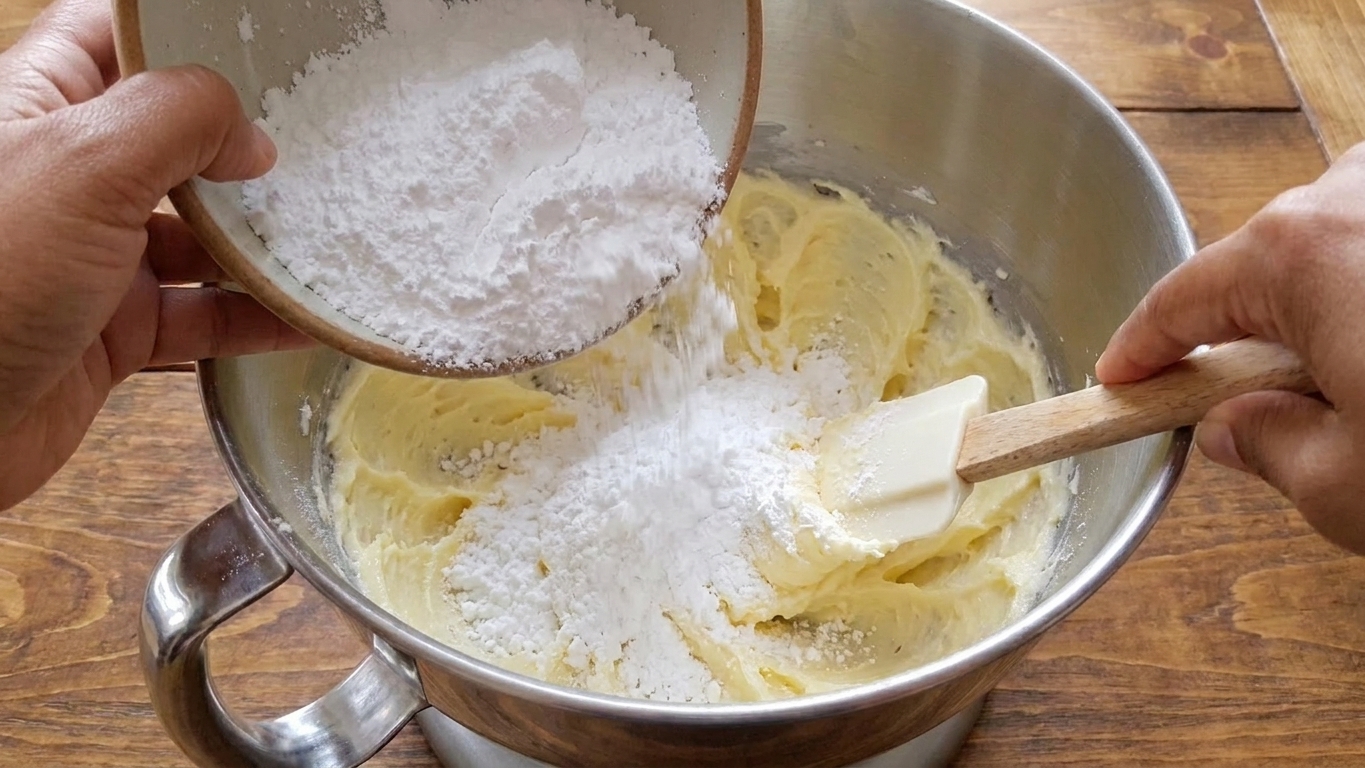
Most of the time it is either cold butter or powdered sugar that did not get fully incorporated (or was a little lumpy to begin with). Let the frosting sit for 10 minutes to warm slightly, then beat again. Also make sure you are using powdered sugar, not granulated. If you want it extra smooth, sift the powdered sugar before mixing.
How do I make it thicker for piping?
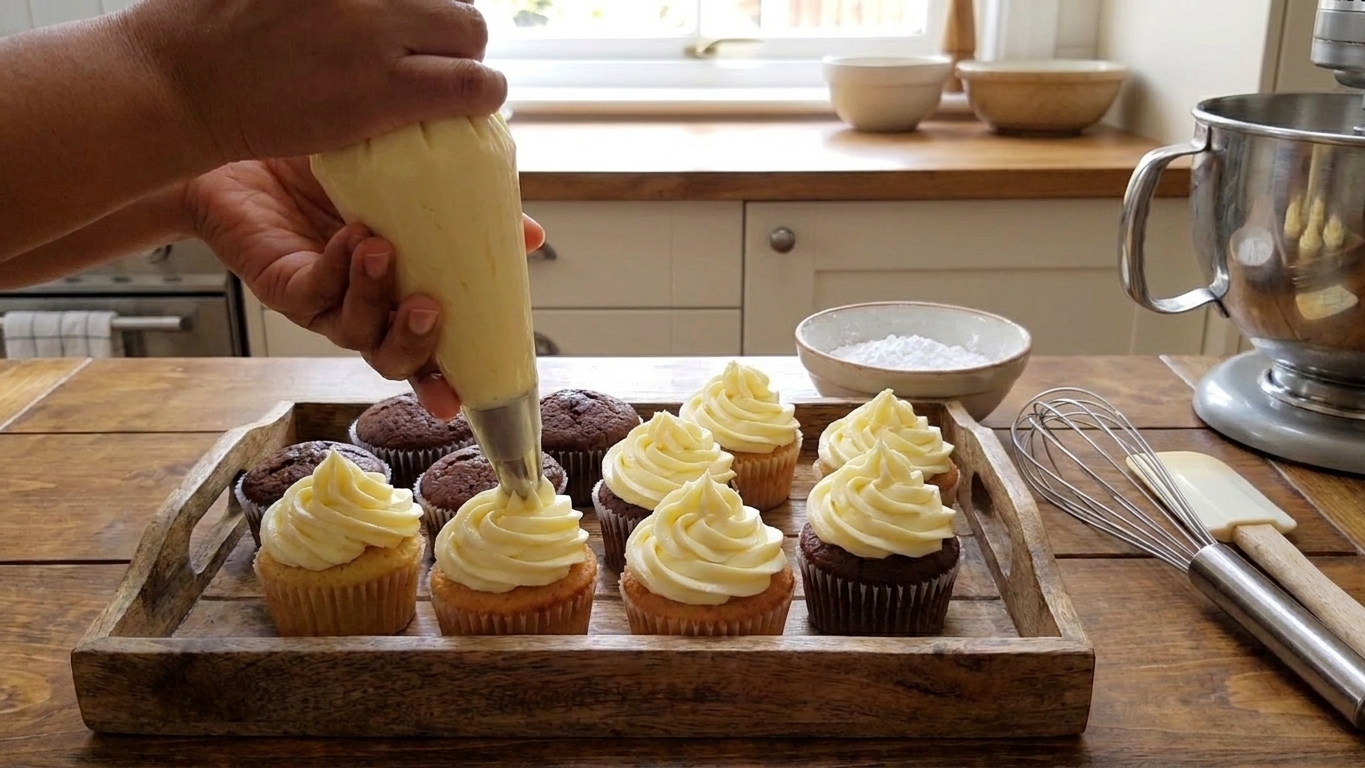
Add more powdered sugar, 2 to 4 tablespoons at a time, until it holds a peak and the edges stay defined when piped. Chilling it for 10 to 15 minutes also helps if your kitchen is warm.
How do I make it thinner for spreading?
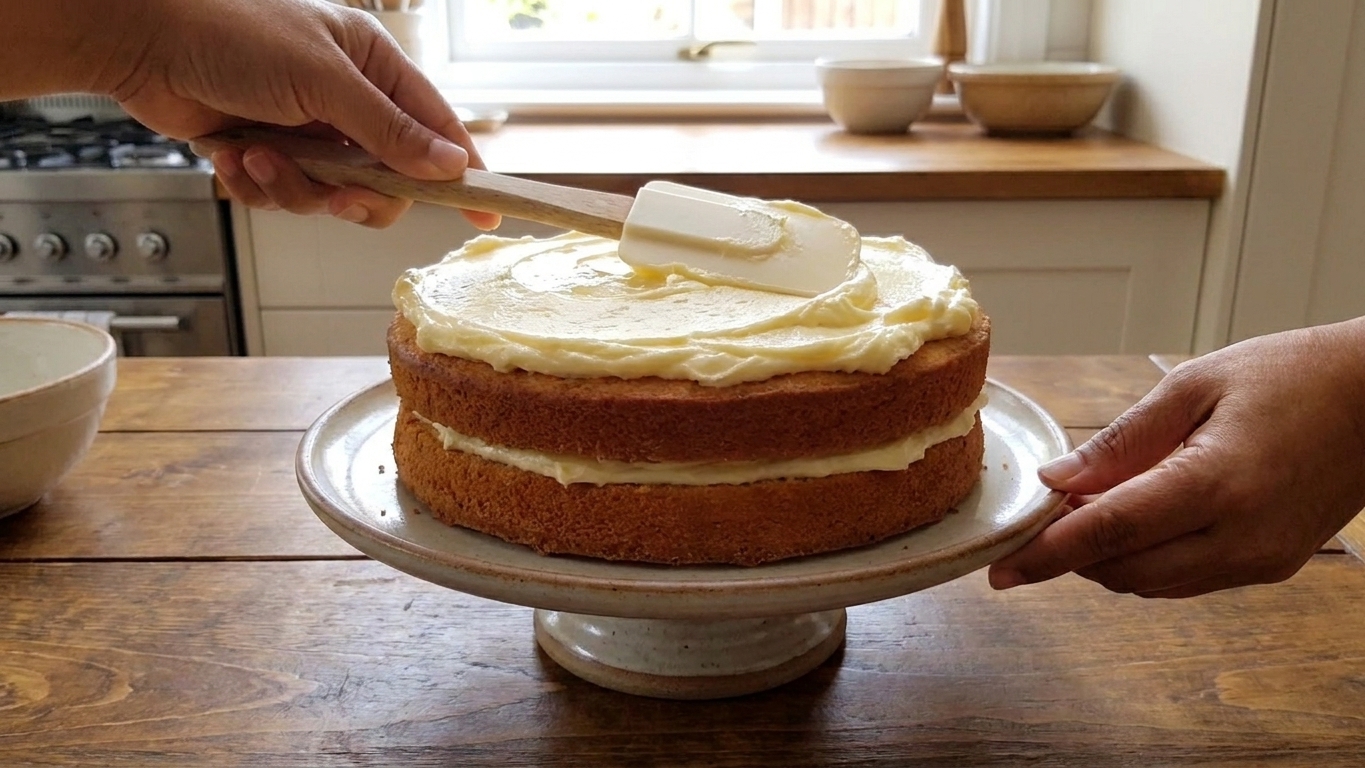
Add milk or cream, 1 teaspoon at a time. Go slow. It is very easy to overshoot and end up with frosting soup. You are looking for a texture that slowly ribbons off a spatula.
Can I use salted butter?
Yes. Just reduce the added salt to a tiny pinch, then taste and adjust.
Does butter need to be room temperature?
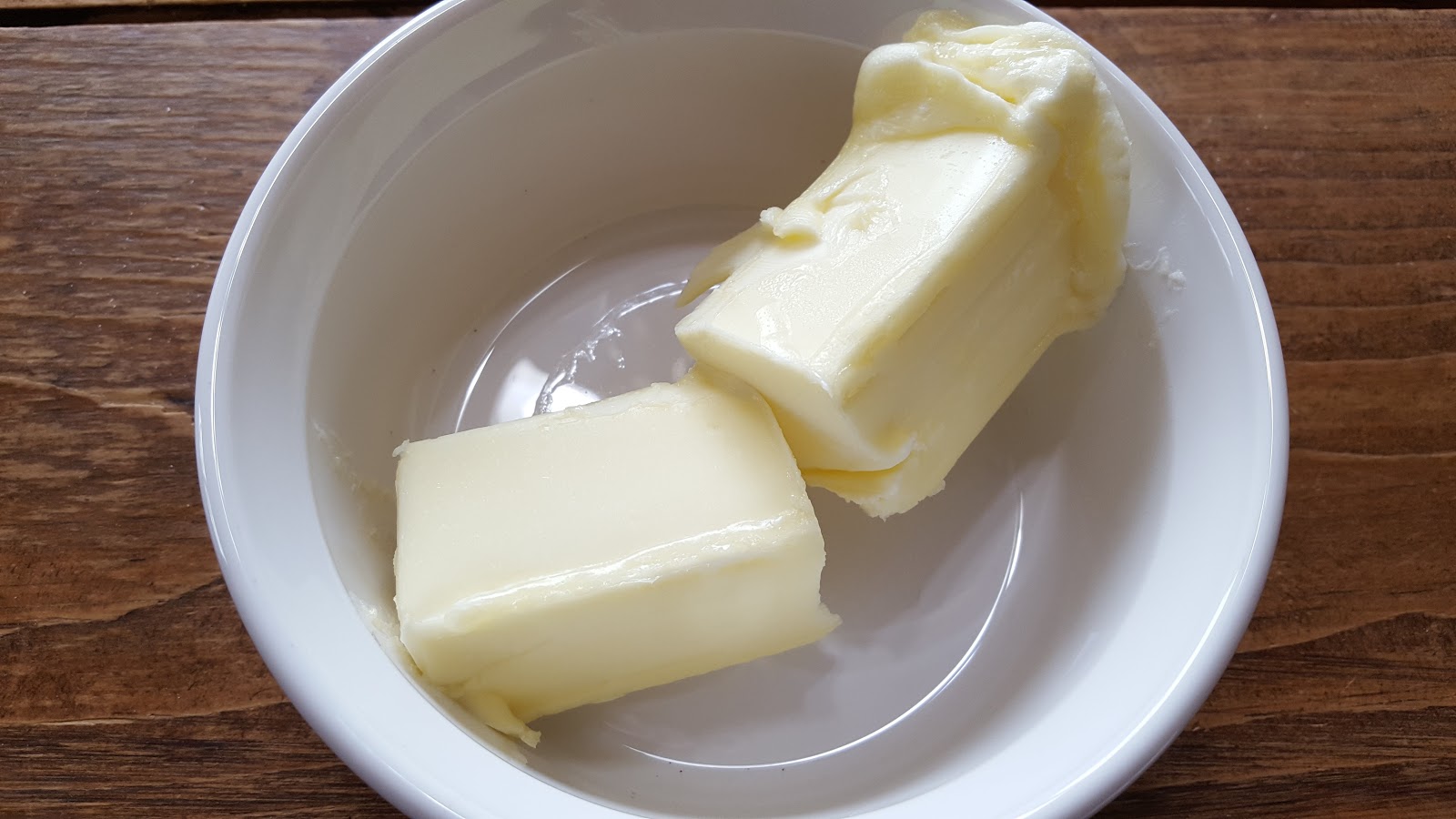
Yes. It should be soft enough to press with a finger, but not shiny or melting. If it is too cold, the frosting will be lumpy. If it is too warm, it can turn loose and greasy. If your butter is still firm, cut it into cubes and let it sit for 15 to 20 minutes.
How much buttercream does this make?
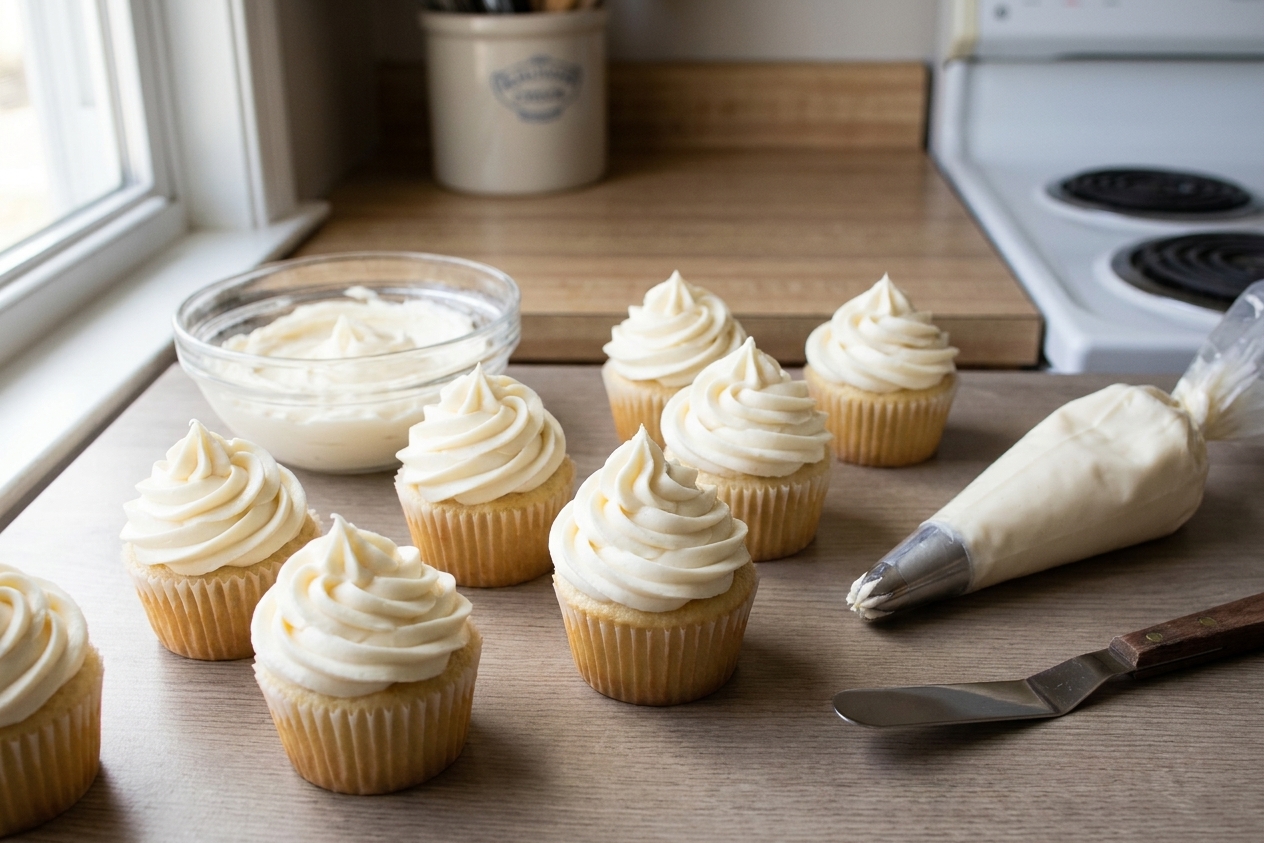
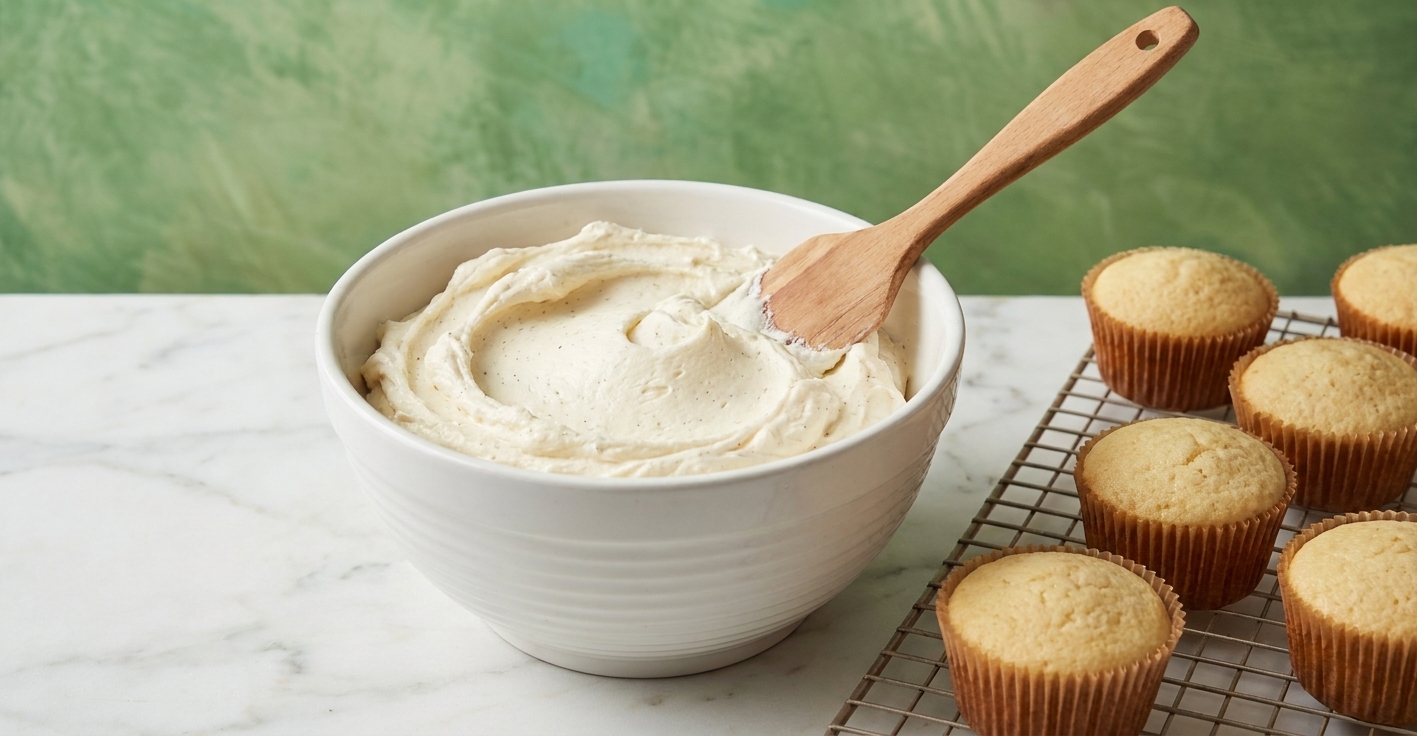
About 3 cups. That is usually enough for 12 cupcakes with tall swirls or to frost a 9x13 cake with a thinner, everyday layer. If you want thick swoops, borders, and extra piping, consider making 1.5 batches.
Will this frosting crust?
Yes, American buttercream can crust lightly as it sits, especially in dry air. Pressing plastic wrap directly on the surface helps, and humidity can slow crusting.