Common Questions
What does squirrel taste like?
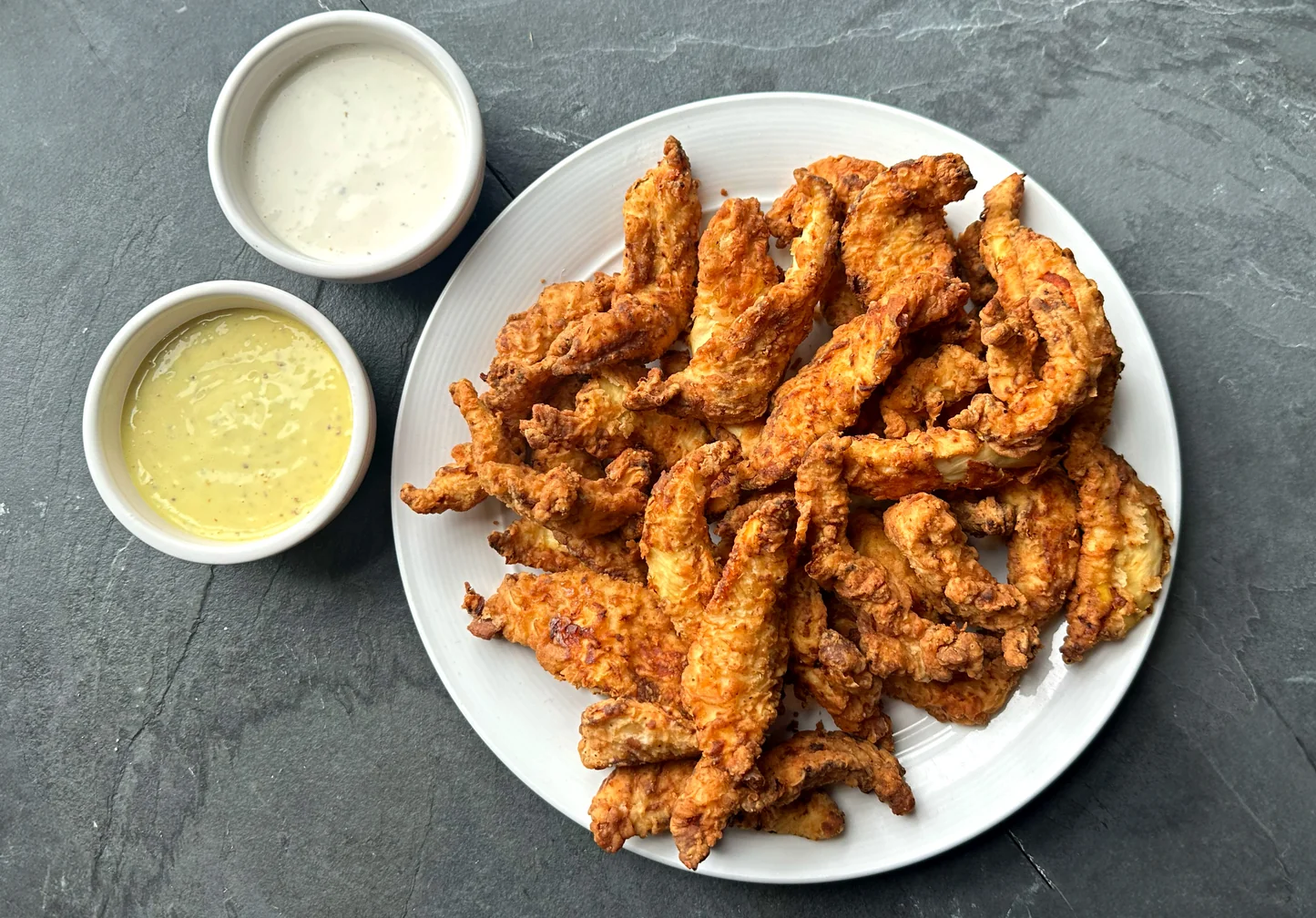
It is mild, a little nutty, and closer to dark-meat chicken than most people expect. The texture depends on age and how it was handled. This recipe is built to keep it juicy and tender.
Do I need to parboil squirrel before frying?
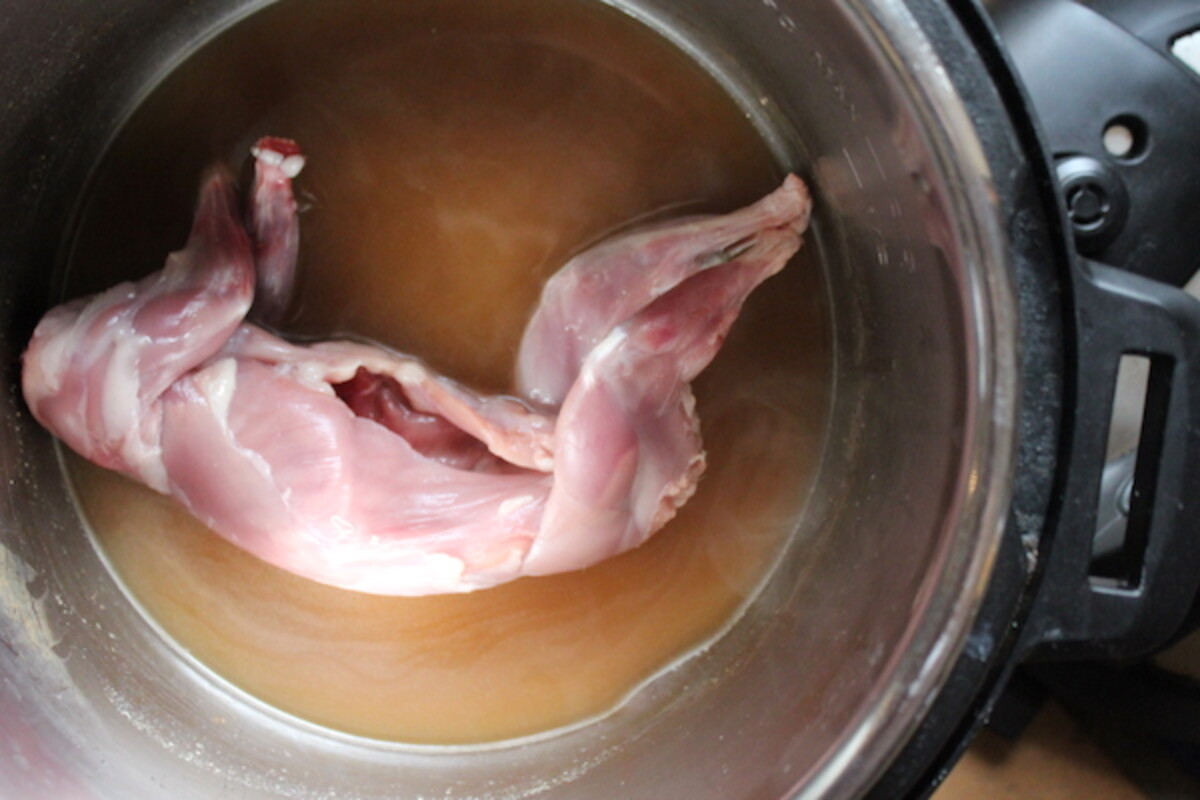
You do not have to, but I recommend it if you are not sure how old the squirrel is, or if the pieces feel lean and tight. A gentle simmer tenderizes the meat and shortens the fry time, which helps keep it from drying out.
What oil is best for frying?
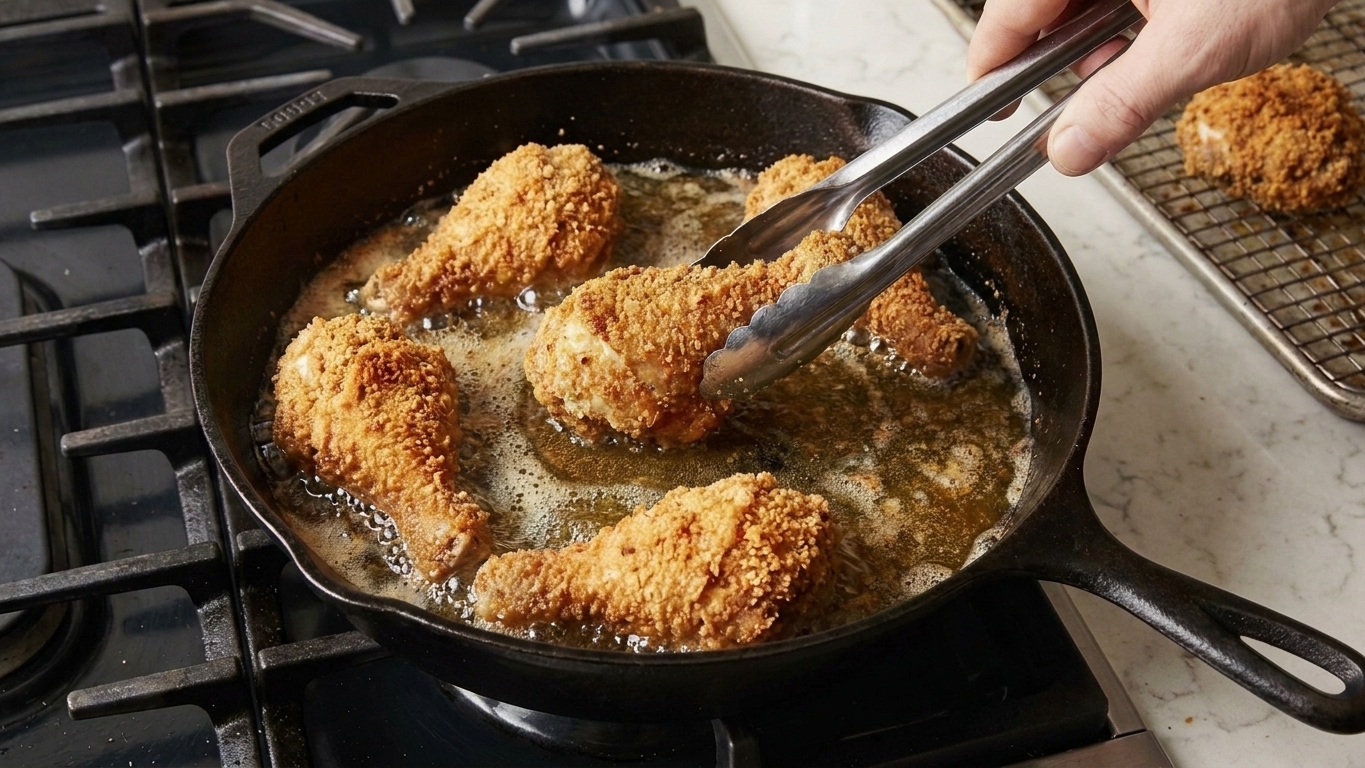
Use a neutral high-heat oil like peanut, canola, or vegetable oil. Keep the temperature around 350°F for steady browning.
How do I know it is done?
Because pieces are small and bone-in, time can vary. Cook until the thickest parts reach at least 165°F near the bone. Bone-in readings can be tricky, so check more than one piece per batch if you can. If you parboiled, you are mostly crisping and heating through, so it goes faster.
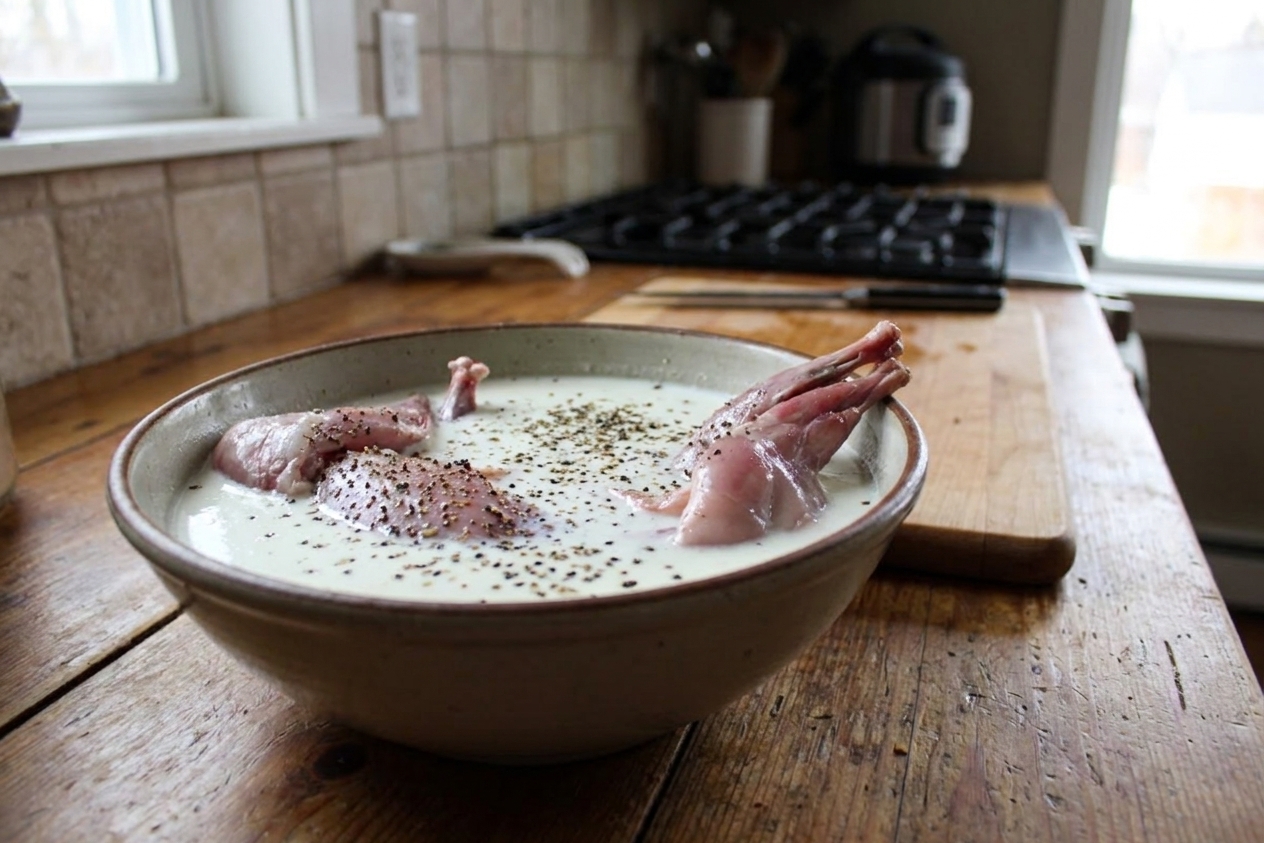
Can I make this without buttermilk?
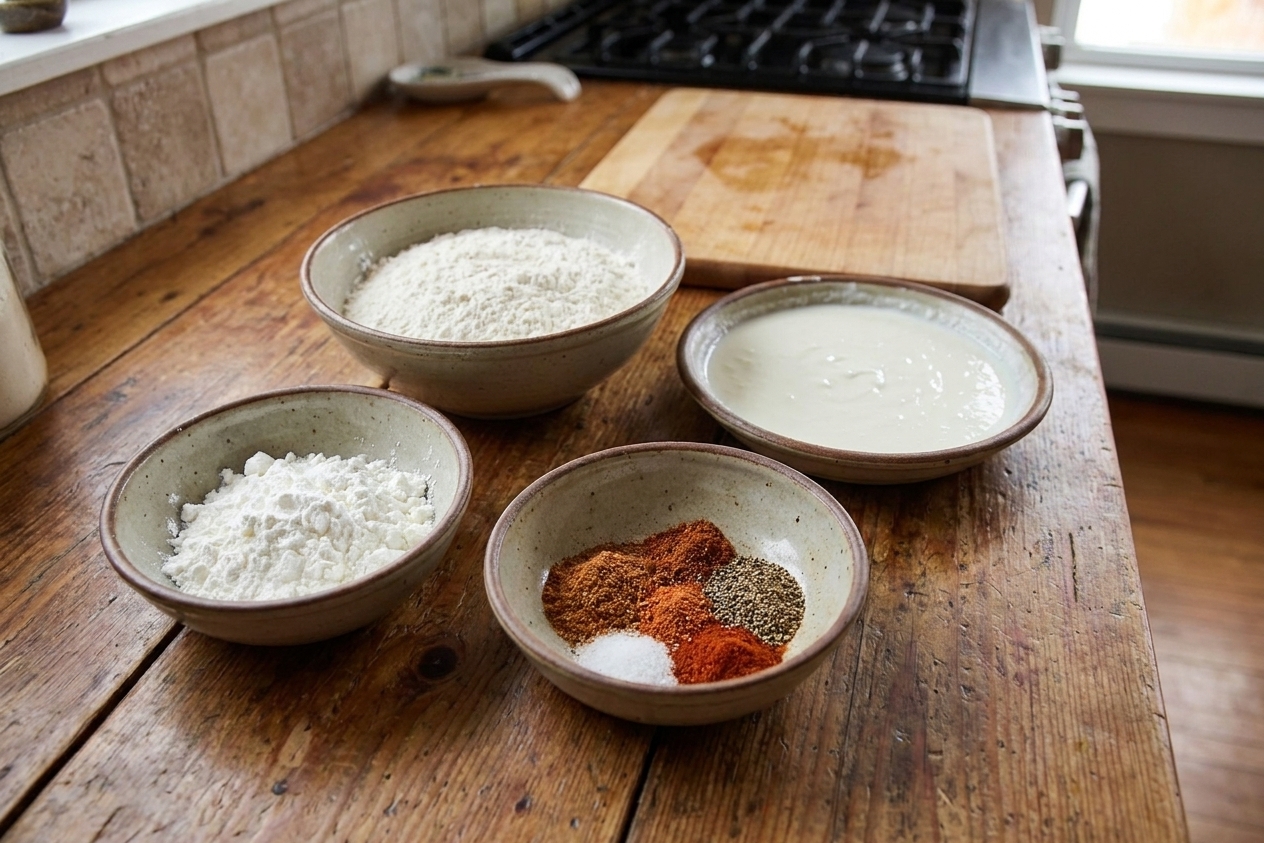
Yes. Mix 2 cups milk with 2 tablespoons lemon juice or white vinegar, let it sit 5 minutes, then use it like buttermilk.
Is it safe to eat squirrel?
Use properly cleaned, field-dressed meat from a trusted source. Avoid animals that appear sick or were behaving strangely. Cook to a safe internal temperature and follow any regional advisories (some areas have guidance about parasites and tularemia). If you have any doubts about handling or local guidance, check with your state wildlife agency.
Any frying safety tips?
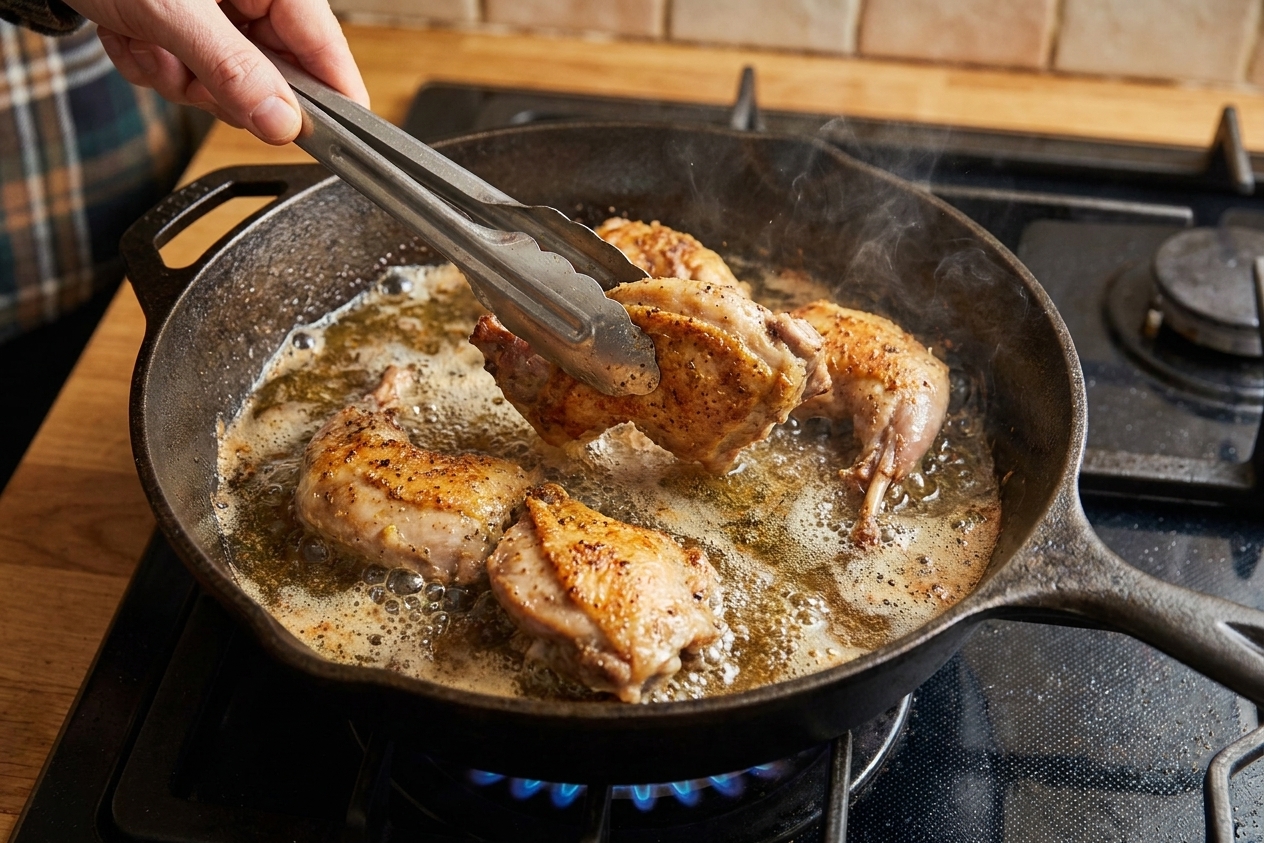
Do not fill your pan more than halfway with oil, and keep the oil level at least a few inches below the rim. Fry in batches to prevent boil-overs, monitor temperature, and keep kids and pets away from the stove. If you ever have an oil fire, turn off the heat and cover the pan with a lid or sheet pan. Do not use water.