Mom's Best Recipes
Recipe

Cafeteria Noodles

Buttery egg noodles tossed in a savory bouillon-butter sauce, just like the lunch line but better.

Author By Matt Campbell
4.8
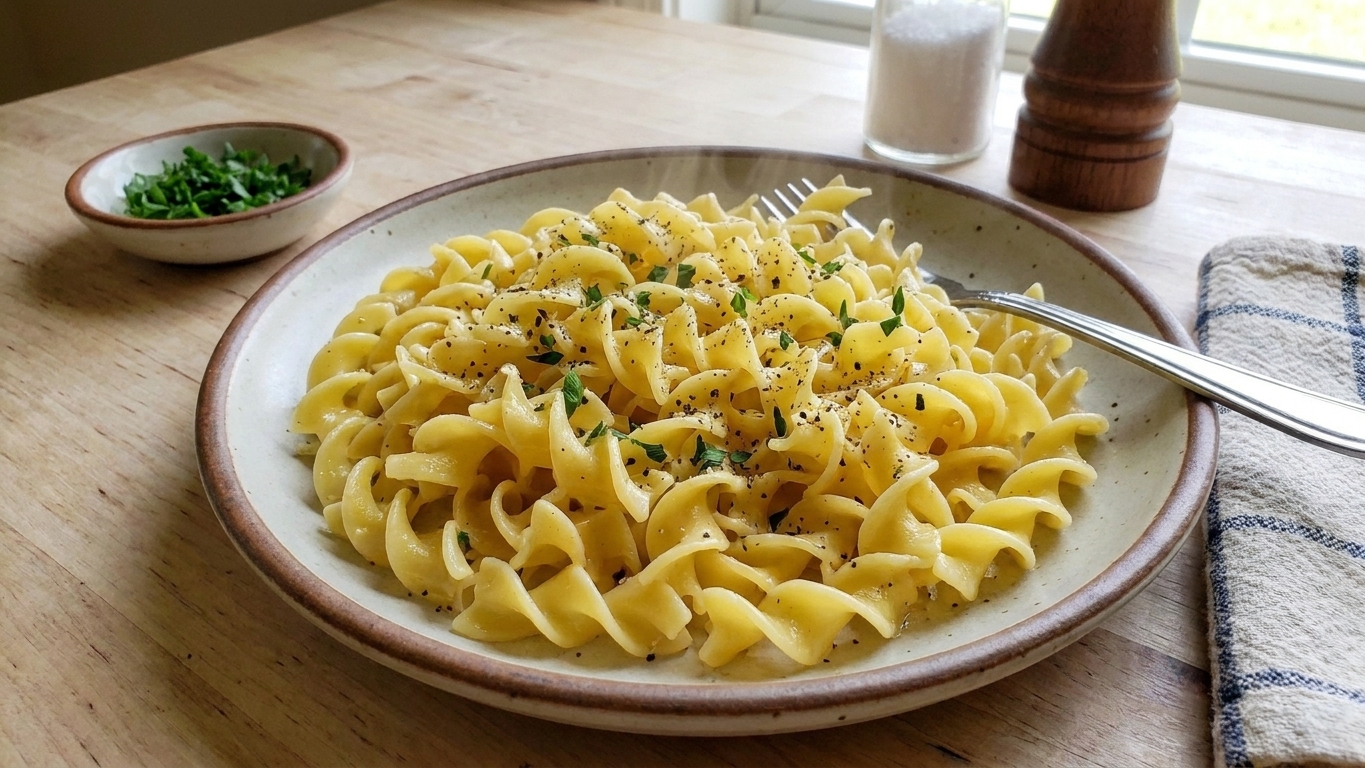
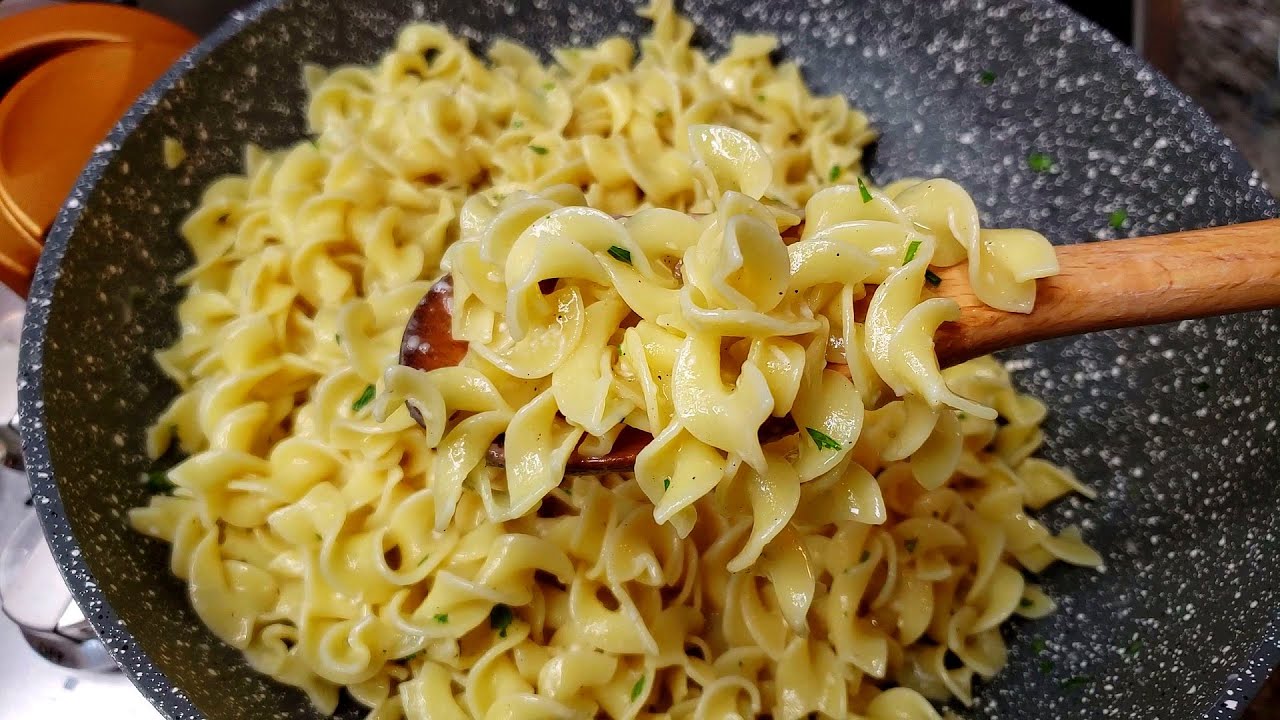
A shallow skillet filled with glossy buttered egg noodles sprinkled with black pepper and parsley on a warm kitchen counter

Cafeteria noodles are the definition of low-drama comfort food. Soft egg noodles, butter that actually tastes like butter, and that savory little hit that makes you keep picking at the pan like it is your job. They show up next to meatloaf, chicken tenders, or roast turkey, and in my house they disappear fast.

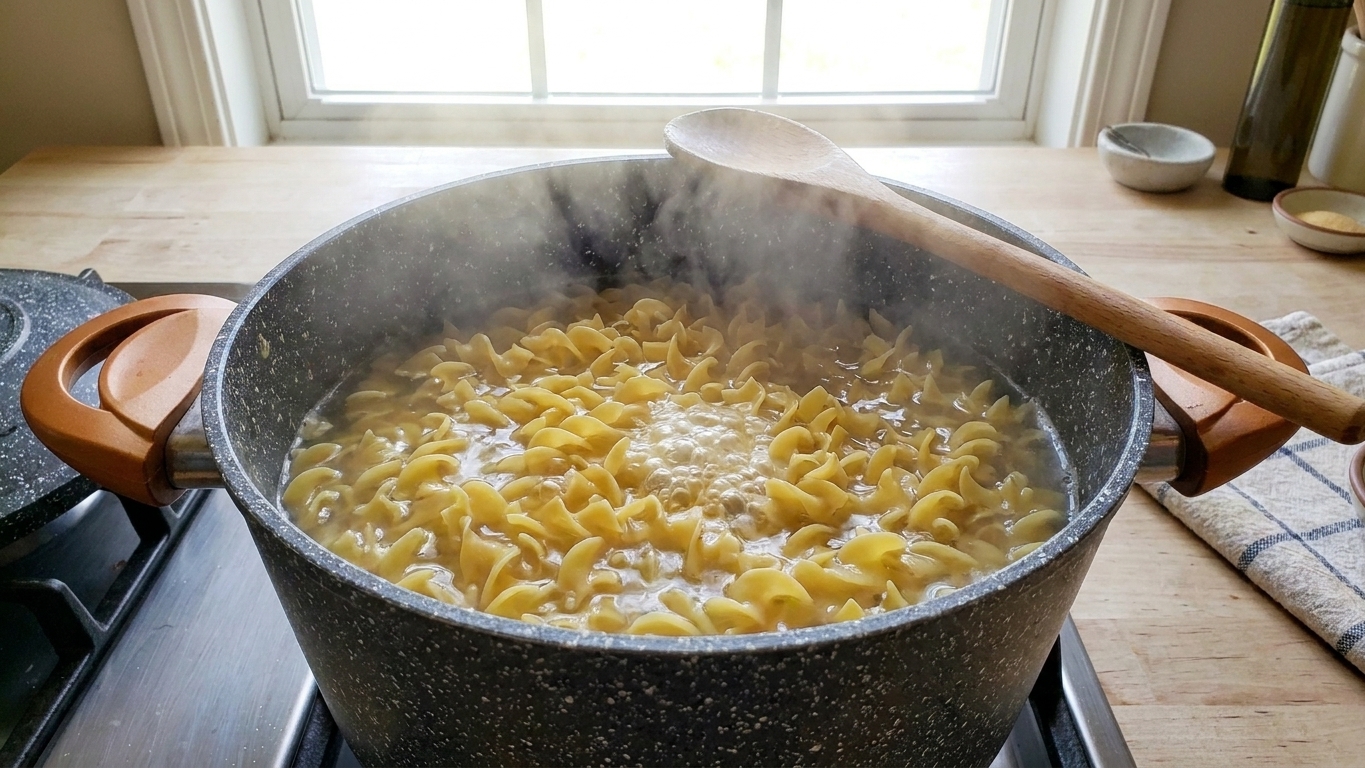
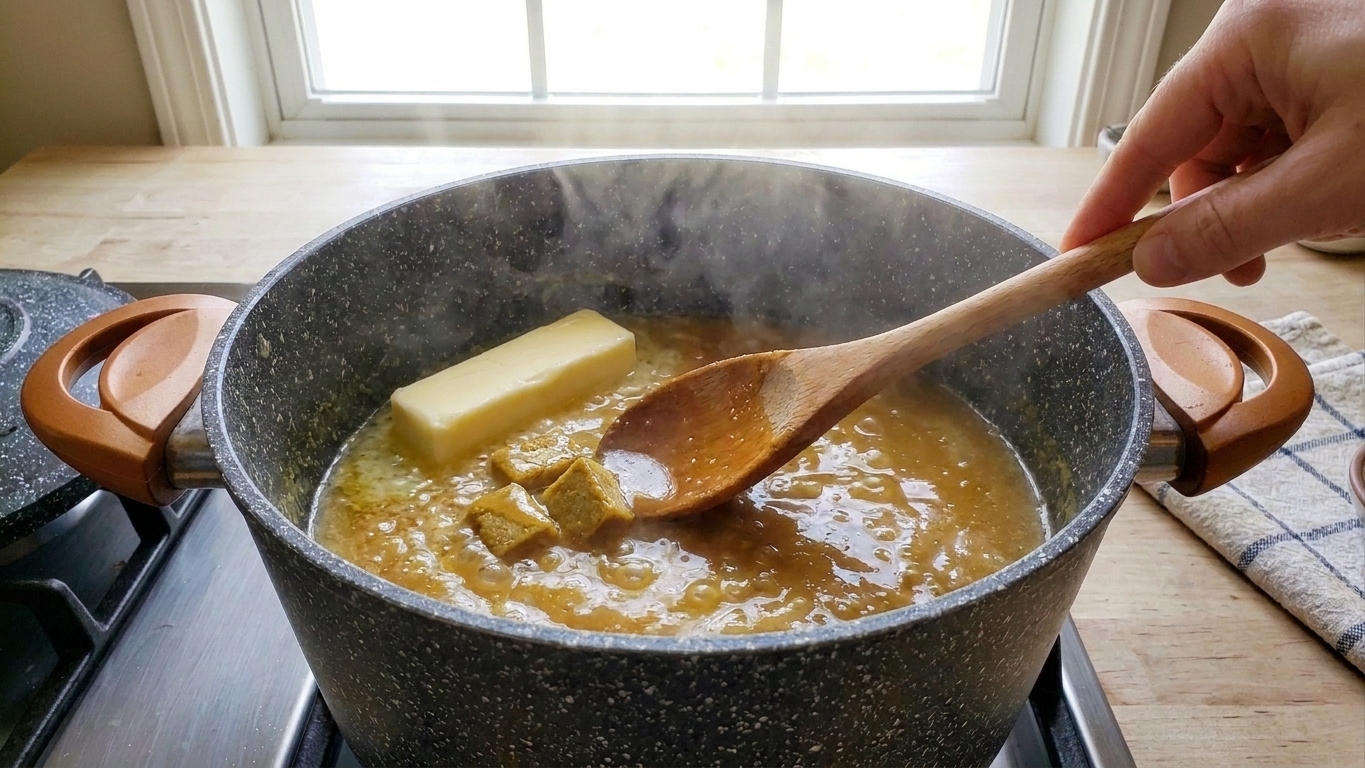
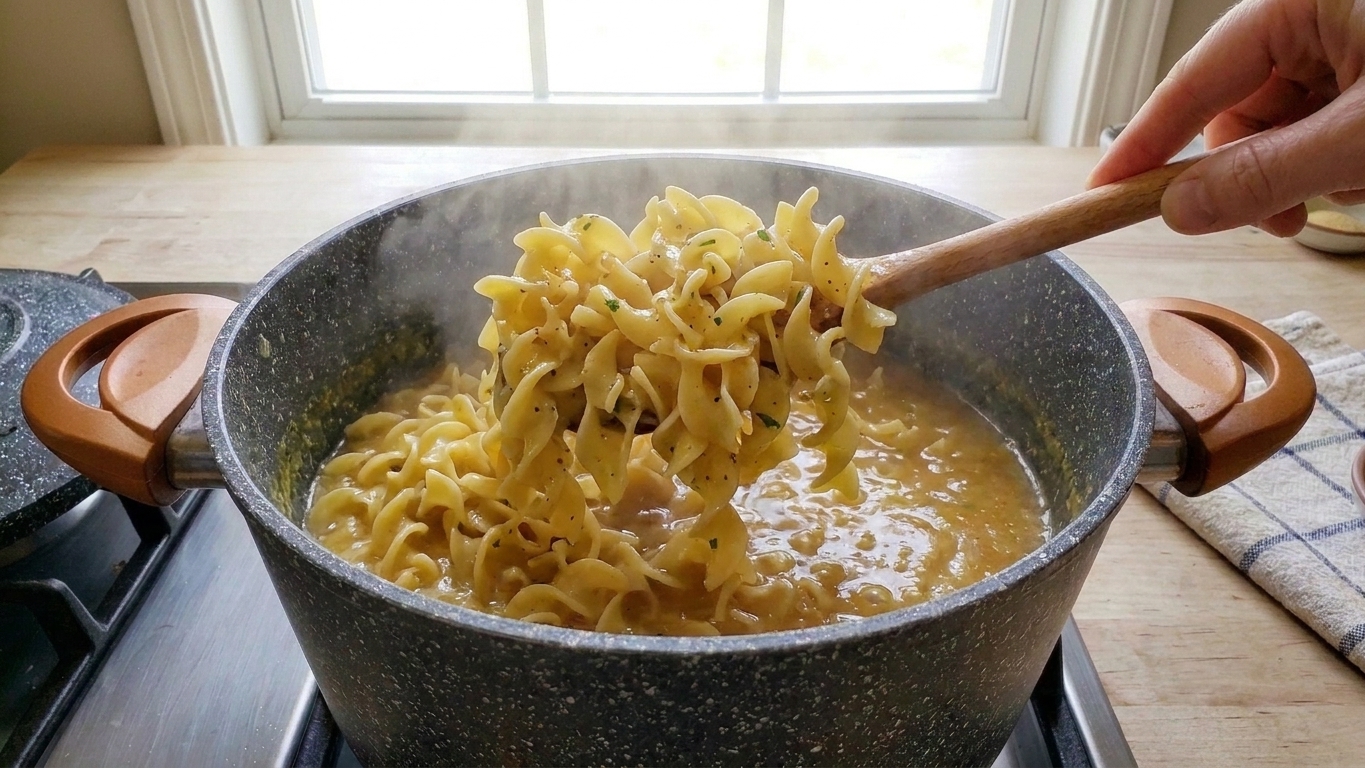
This version keeps the ingredients simple and the instructions even simpler, but we are going to do one small chef move: we will save a bit of starchy noodle water and use it to turn butter plus bouillon into a silky sauce that clings instead of sliding off. Same nostalgia, better texture.
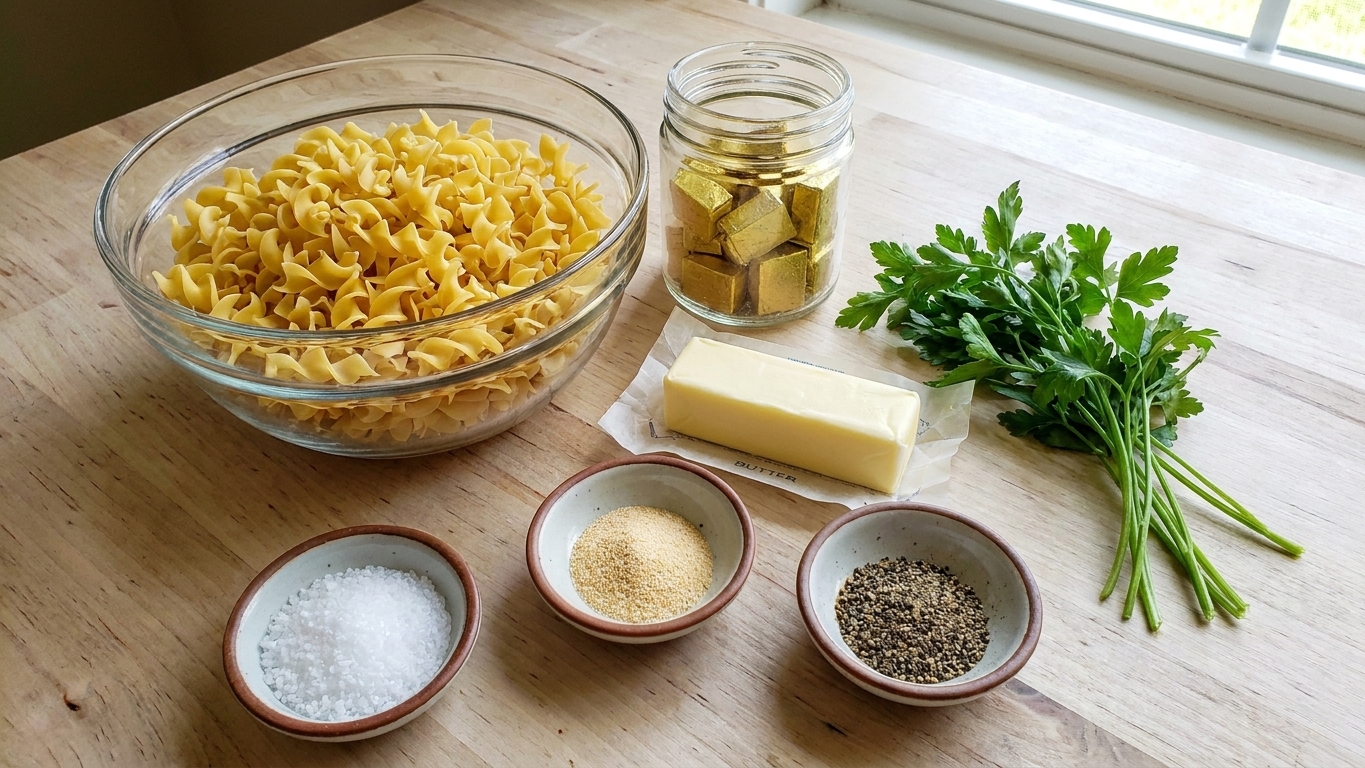
Egg noodles, butter, chicken bouillon, garlic powder, black pepper, and parsley arranged on a light kitchen counter with a small bowl of salt

Why It Works

  • That classic cafeteria savoriness: Chicken bouillon (paste, cube, or powder) brings the salty, roasty flavor that makes these taste instantly familiar.
  • Glossy, not greasy: A splash of starchy noodle water emulsifies with the butter so the noodles look shiny and taste rich without pooling fat at the bottom.
  • Fast and flexible: Done in about 20 minutes and easy to scale up for potlucks, weeknights, or when you need a reliable side that everyone eats.

Optional add-ins (still cafeteria-ish): A pinch of poultry seasoning, a little grated Parmesan, or a spoonful of sour cream for extra cozy.

Pairs Well With

Storage Tips

Refrigerate: Cool completely, then store in an airtight container for up to 4 days.

Reheat: Warm in a skillet over medium-low with a splash of water or chicken broth, stirring until glossy again. Microwave works too, just add a teaspoon or two of water and cover so they steam instead of drying out.

Freeze: You can freeze them for up to 2 months, but the texture softens a bit after thawing. If you do freeze, reheat gently with extra butter and a splash of broth to bring them back to life.

Common Questions

What are cafeteria noodles made of?

Most cafeteria-style noodles are egg noodles tossed with butter or margarine and seasoned with chicken bouillon, salt, and pepper. Some versions add a little garlic powder or parsley. That is basically the whole magic.

Can I use spaghetti or another noodle?

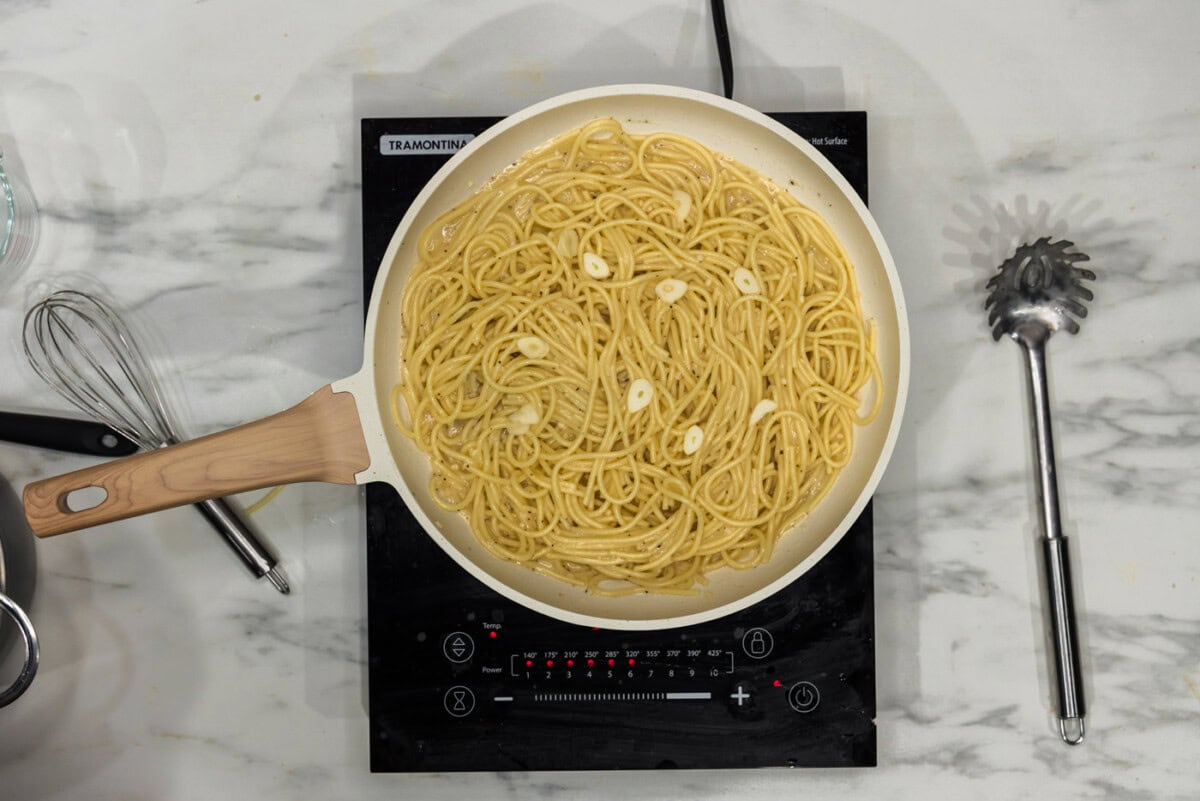
You can, but egg noodles are the vibe. They cook fast, they are tender, and their wavy shape grabs the buttery sauce. If you only have spaghetti, break it in half and keep an eye on doneness so it does not turn mushy.

How do I keep them from getting dry?

Two fixes: do not overcook the noodles, and save some pasta water. When you reheat, add a splash of water or broth and stir until the sauce re-forms.

Is chicken bouillon the same as chicken broth?

Bouillon is concentrated seasoning. Broth is a liquid. In this recipe, bouillon gives the signature salty-savory cafeteria flavor, and the pasta water helps it coat the noodles like a sauce.

Can I make this vegetarian?

Yes. Swap the chicken bouillon for vegetable bouillon. The flavor shifts slightly but still lands in that cozy, salty, buttery zone.

How much bouillon should I use?

It depends on the brand. Bouillon paste, cubes, and powders vary a lot in saltiness and strength. Start with a little less than you think you need, toss, taste, then add more if you want a bigger savory hit.

I love ambitious cooking projects, but cafeteria noodles are the kind of food that shows up when life is loud and you just need dinner to behave. The first time I tried to recreate them, I did what my younger self always did and just melted butter on noodles and called it a day. Tasted good, but the butter sat in sad little puddles. Once I started treating it like a quick pan sauce with bouillon and a splash of pasta water, everything clicked. Same childhood comfort, just a little more grown-up control, and still absolutely acceptable to eat straight out of the skillet.