Mom's Best Recipes
Recipe

Hibachi Noodles

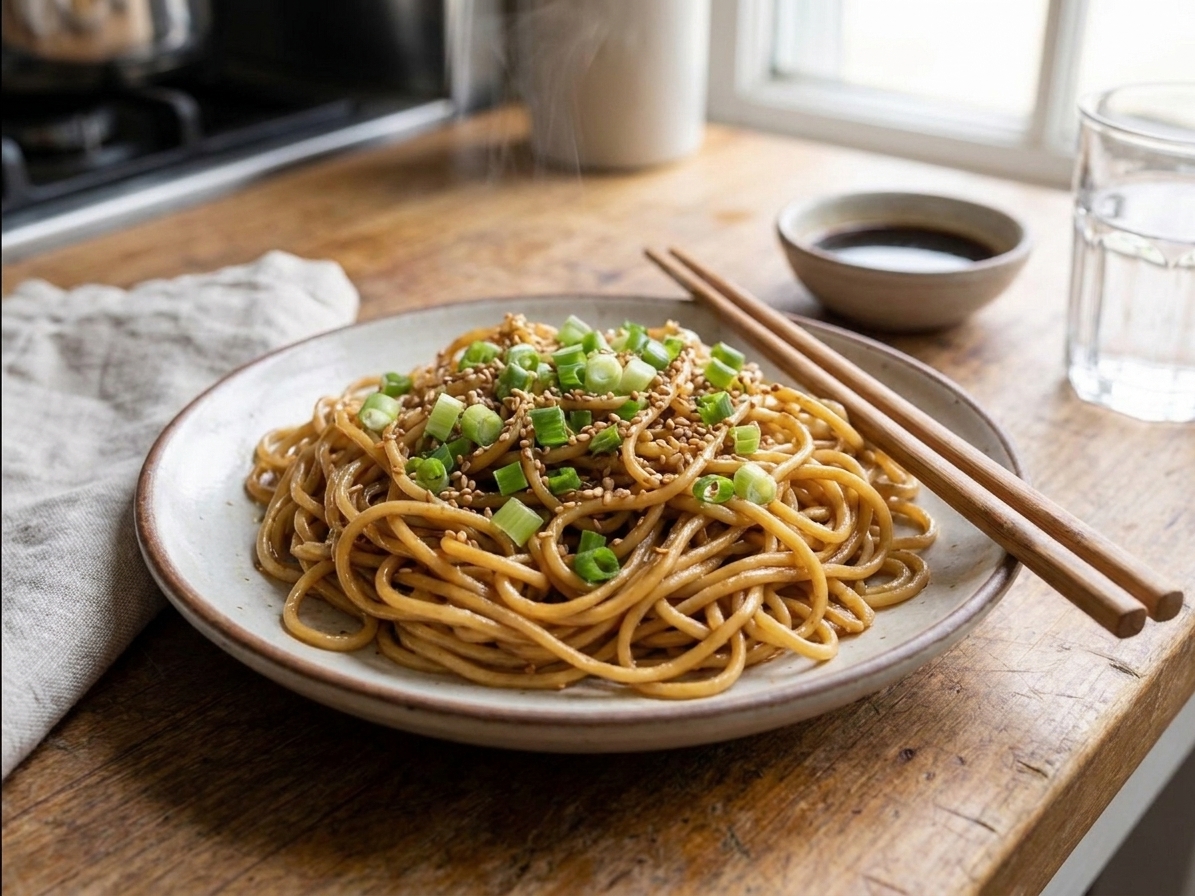
Buttery, garlicky, soy-glazed noodles cooked hot and fast for that hibachi steakhouse vibe at home.

Author By Matt Campbell
4.8
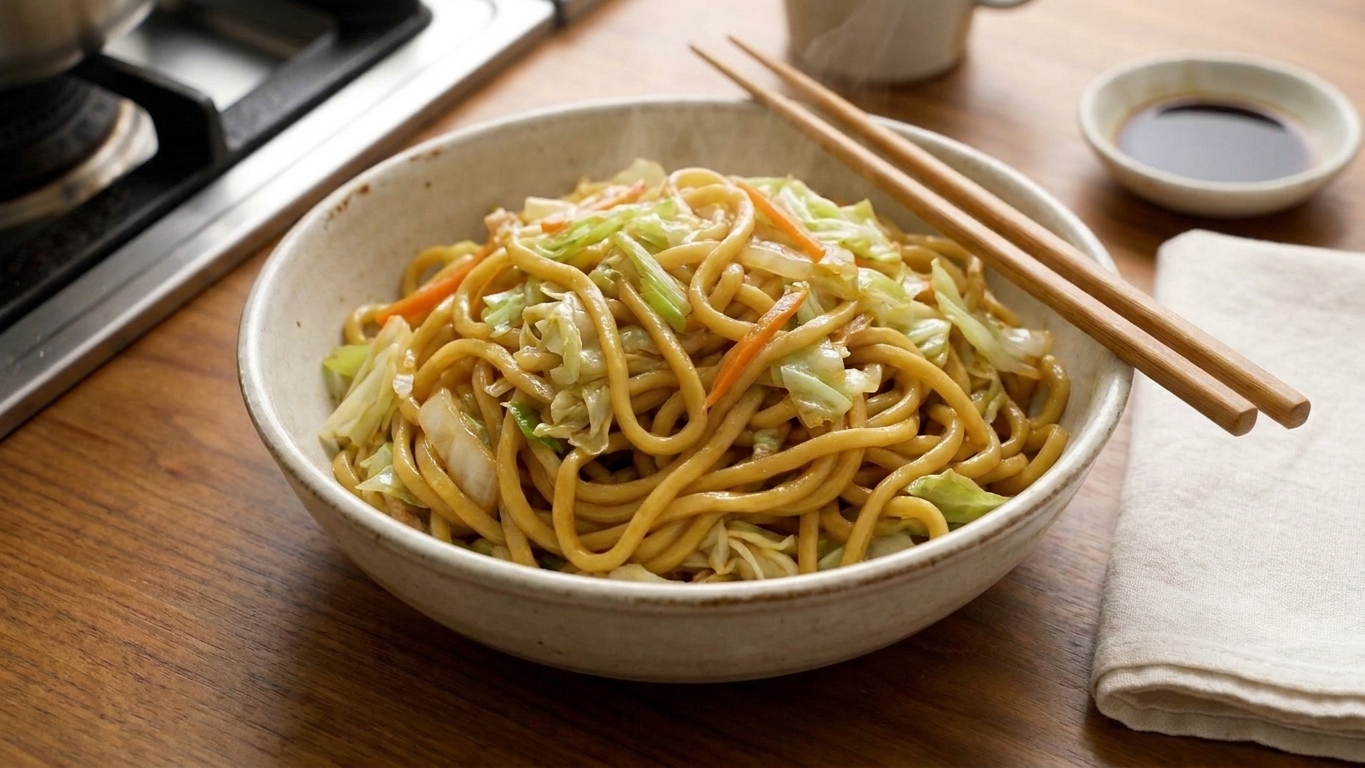
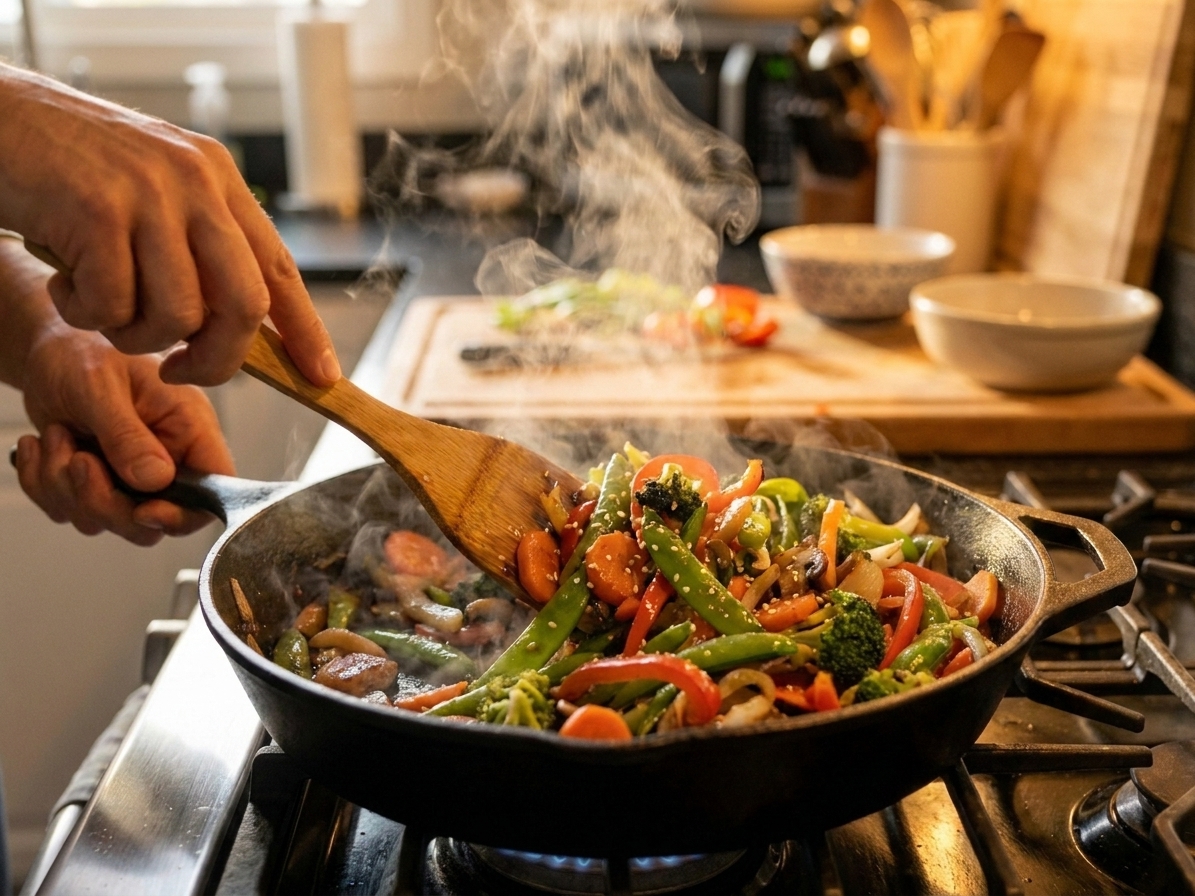
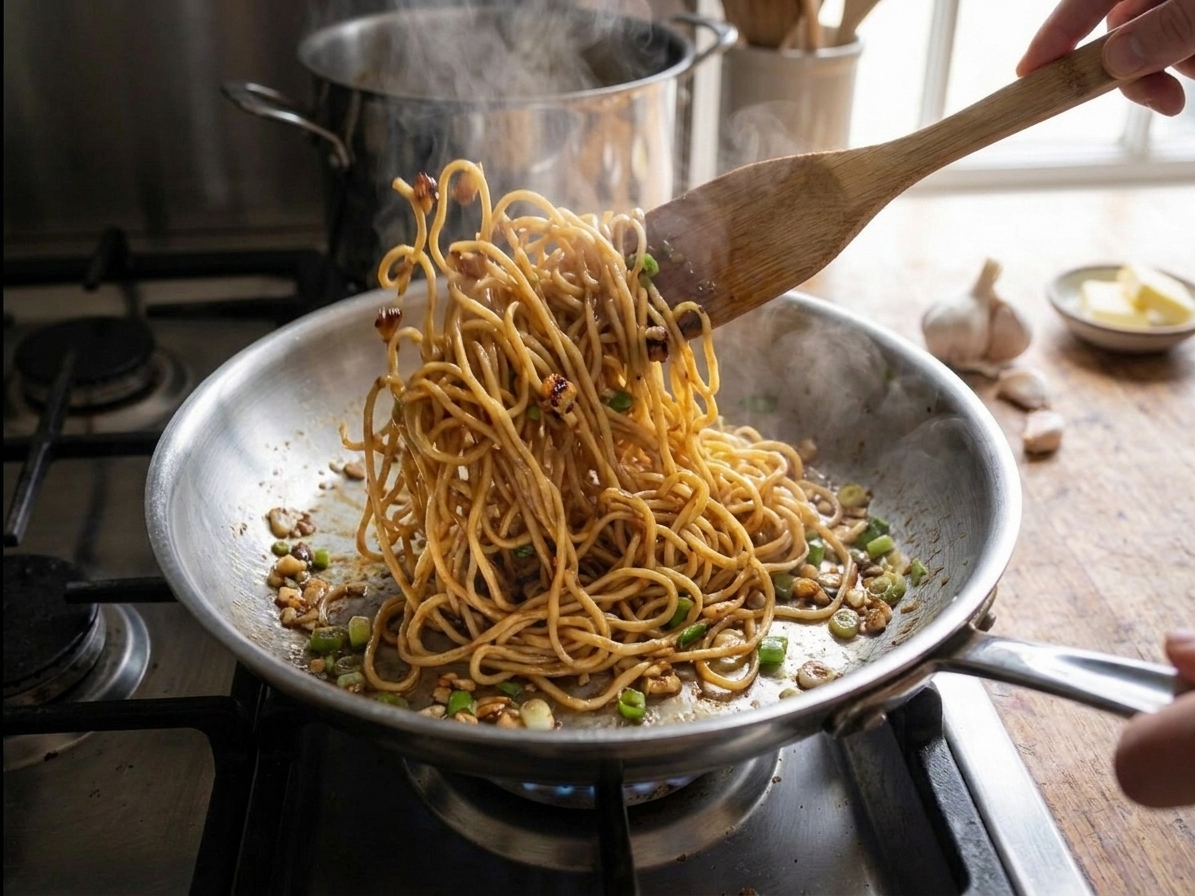
A steaming skillet of hibachi-style noodles glossy with soy-butter sauce, with browned edges and sesame seeds, on a home kitchen stove under warm lighting

Hibachi noodles are my favorite kind of chaos: a hot pan, a quick sauce, and noodles that go from plain to dangerously snackable in about the time it takes your family to ask what is for dinner three times.

This is that steakhouse-style plate where the noodles are buttery and garlicky, the sauce is salty-sweet, and everything tastes like it had way more effort behind it than it did. We are keeping ingredients easy to find, instructions low-drama, and flavor set to bold.

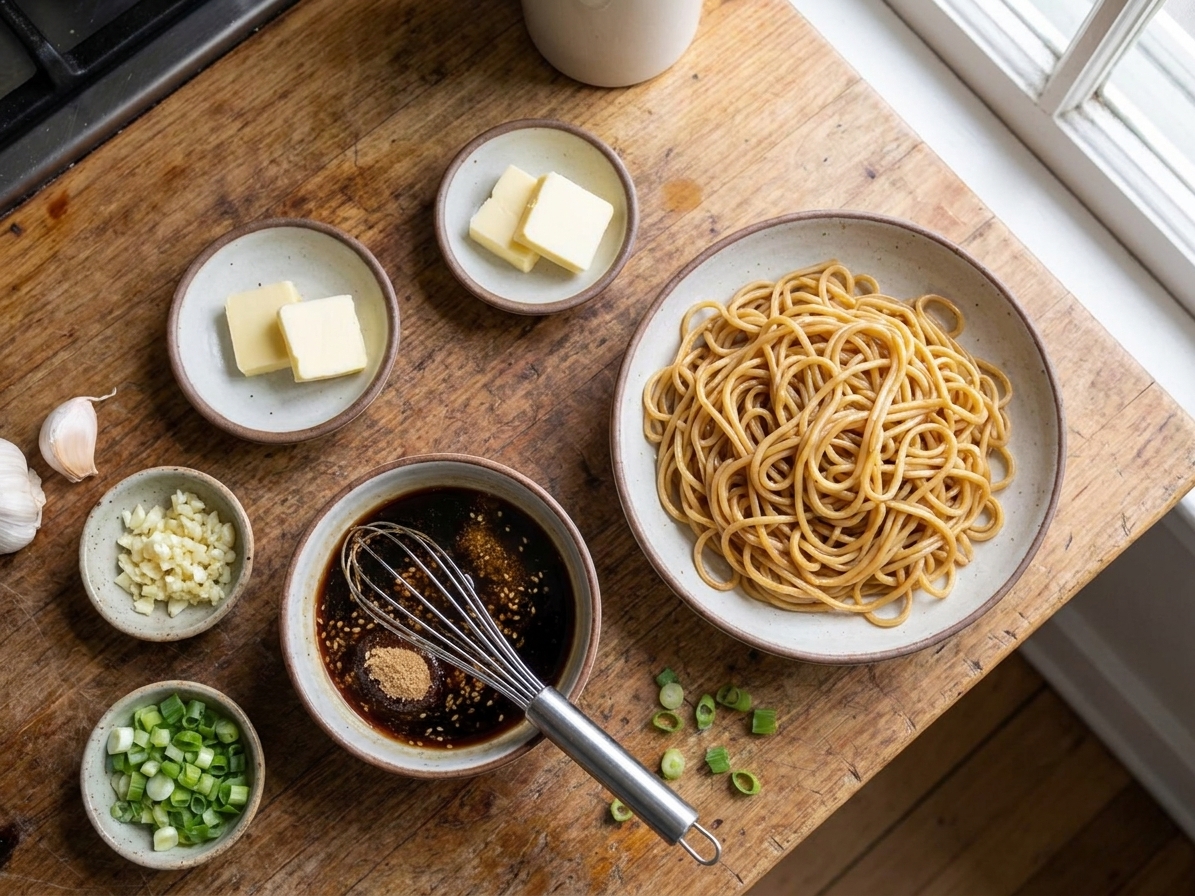
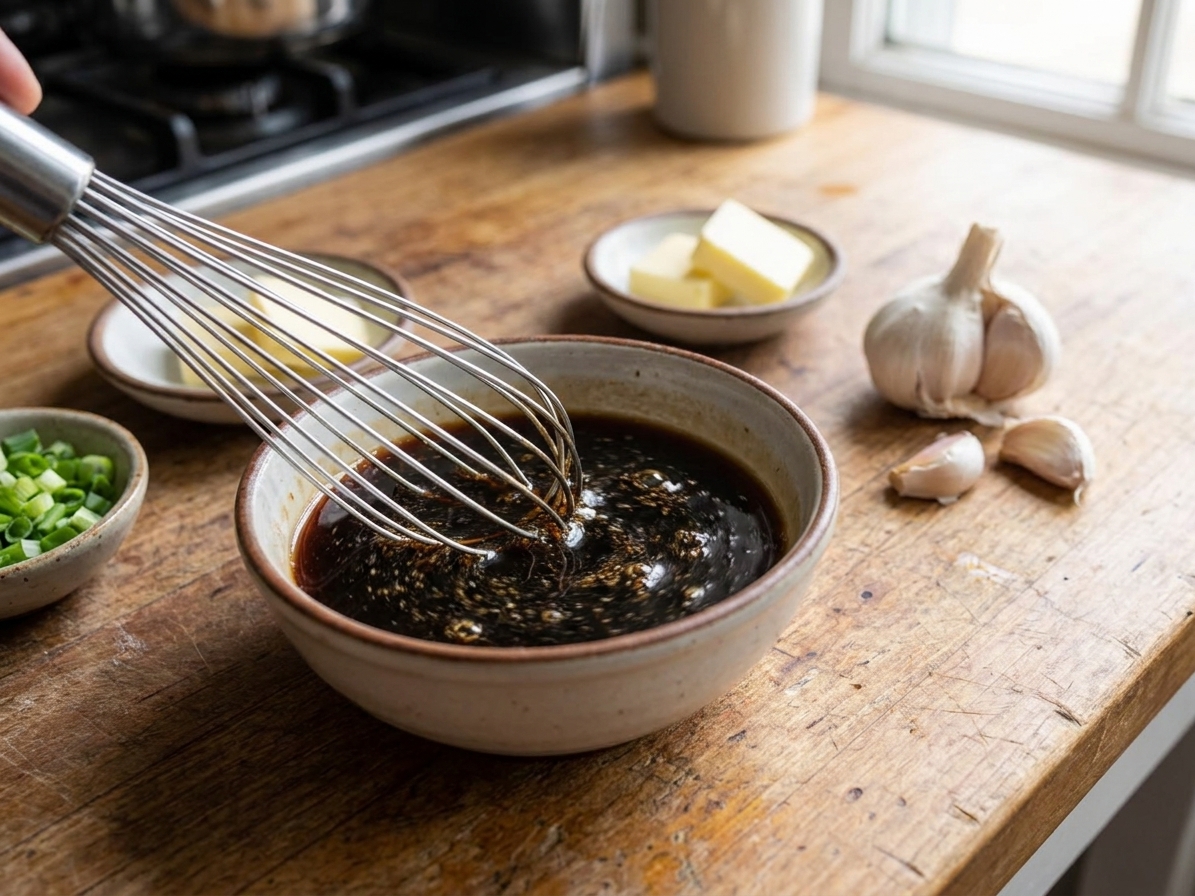
Measured ingredients for hibachi noodles on a wooden counter, including cooked noodles, soy sauce, butter, garlic, brown sugar, sesame oil, and sliced green onions

Why It Works

  • Fast stovetop method: The sauce comes together in seconds and clings to the noodles without turning watery.
  • Buttery garlic backbone: Butter plus fresh garlic gives that signature hibachi richness.
  • Real stir-fry texture: High heat and a wide pan help you get little browned edges instead of soggy noodles.
  • Flexible add-ins: Works with zucchini, mushrooms, onions, chicken, steak, shrimp, or whatever is hanging out in your fridge.

Pairs Well With

Storage Tips

Refrigerate: Cool completely, then store in an airtight container for up to 3 to 4 days.

Reheat: Best in a skillet over medium heat with a small splash of water (1 to 2 tablespoons) to loosen the sauce. Finish with a tiny knob of butter if you want that fresh-cooked gloss back.

Microwave option: Cover loosely and heat in 30-second bursts, stirring between, until hot.

Freezing: You can freeze these, but the texture softens. If you do it anyway, freeze up to 2 months and reheat in a skillet.

Common Questions

What kind of noodles are used for hibachi noodles?

There is no single “official” hibachi noodle. In many U.S. teppanyaki and hibachi-style restaurants, you will often see a soft wheat noodle similar to yakisoba, but some places use lo mein-style noodles too. At home, the easiest wins are yakisoba noodles (fresh or refrigerated), lo mein noodles, or even spaghetti in a pinch. The key is to cook the noodles just until tender, then finish them in the sauce so they do not turn mushy.

Can I use spaghetti or linguine?

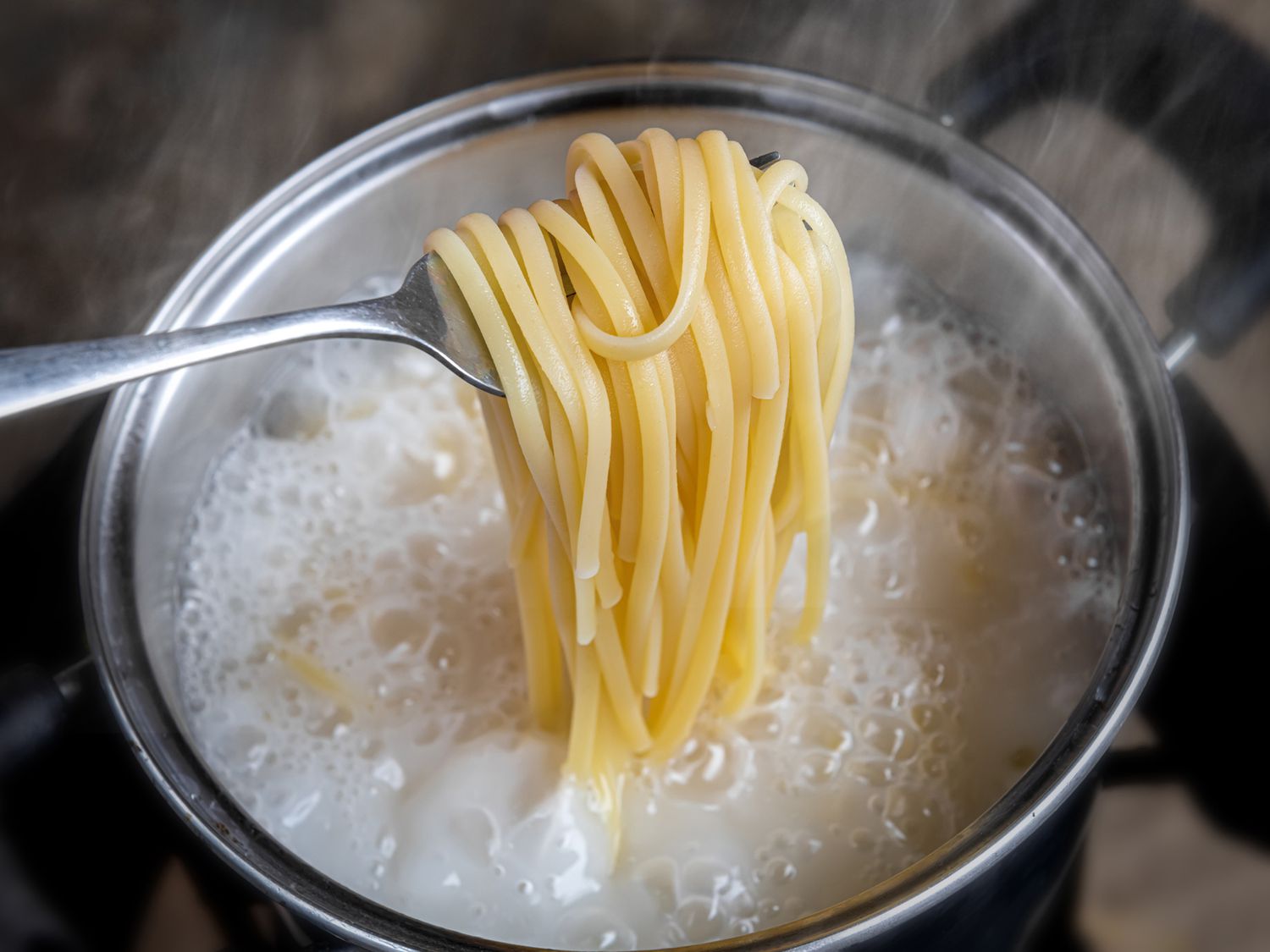
Yes. Cook until just barely al dente. If your pasta tends to clump, you can give it a quick rinse under warm water, drain very well, then toss with a small drizzle of neutral oil. If your pasta does not clump, you can skip the rinse so the sauce clings a bit more.

How do I keep hibachi noodles from sticking?

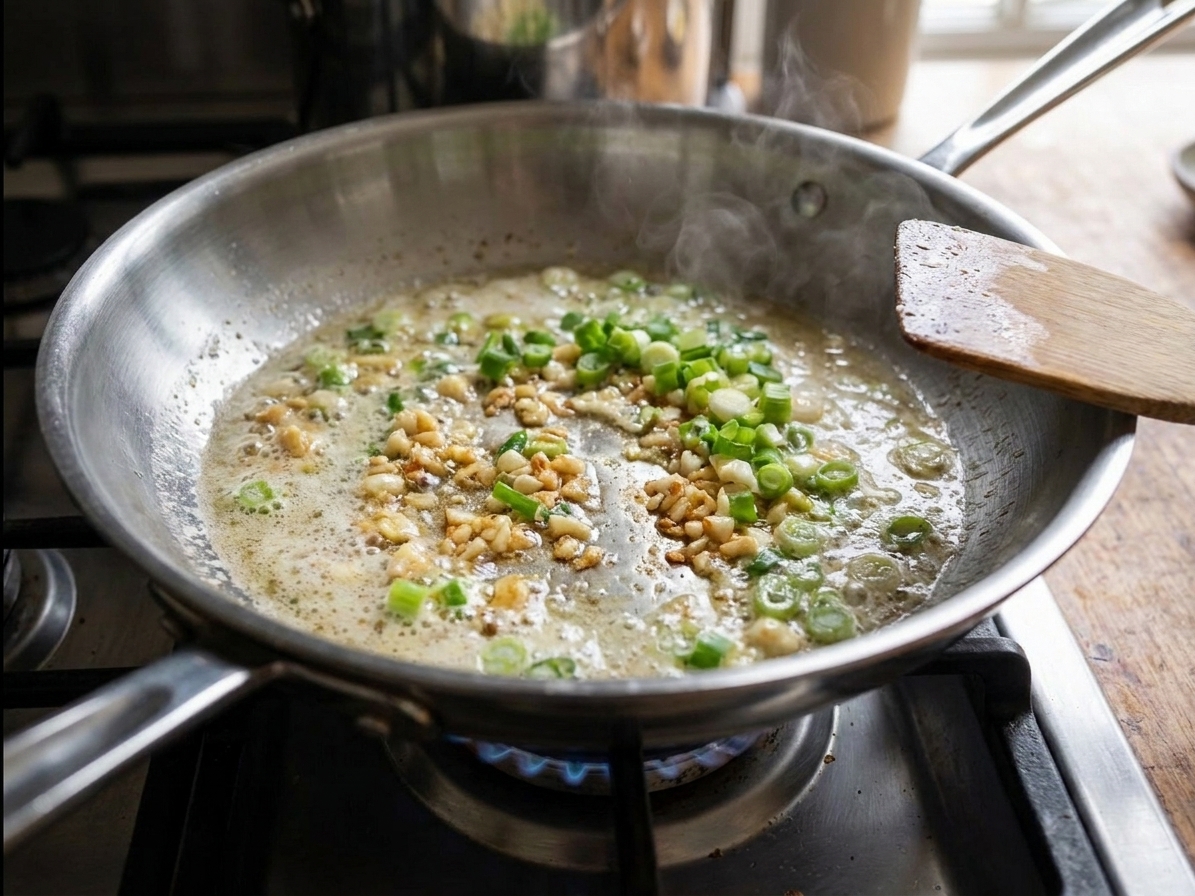
Use a wide pan, keep the heat medium-high, and make sure the noodles are lightly oiled after draining. Also, do not add the sauce to a cold pan. You want it to sizzle and coat.

Is hibachi noodle sauce the same as yum yum sauce?

No. Yum yum sauce is creamy and mayo-based. Hibachi noodles use a savory stir-fry style sauce, usually built from soy sauce, butter, garlic, and a little sweetness.

Can I add vegetables and protein?

Absolutely. Quick-cooking veggies like zucchini, onion, mushrooms, bell pepper, and shredded carrot work great. For protein, cooked chicken, steak, or shrimp can be tossed in at the end just to warm through.

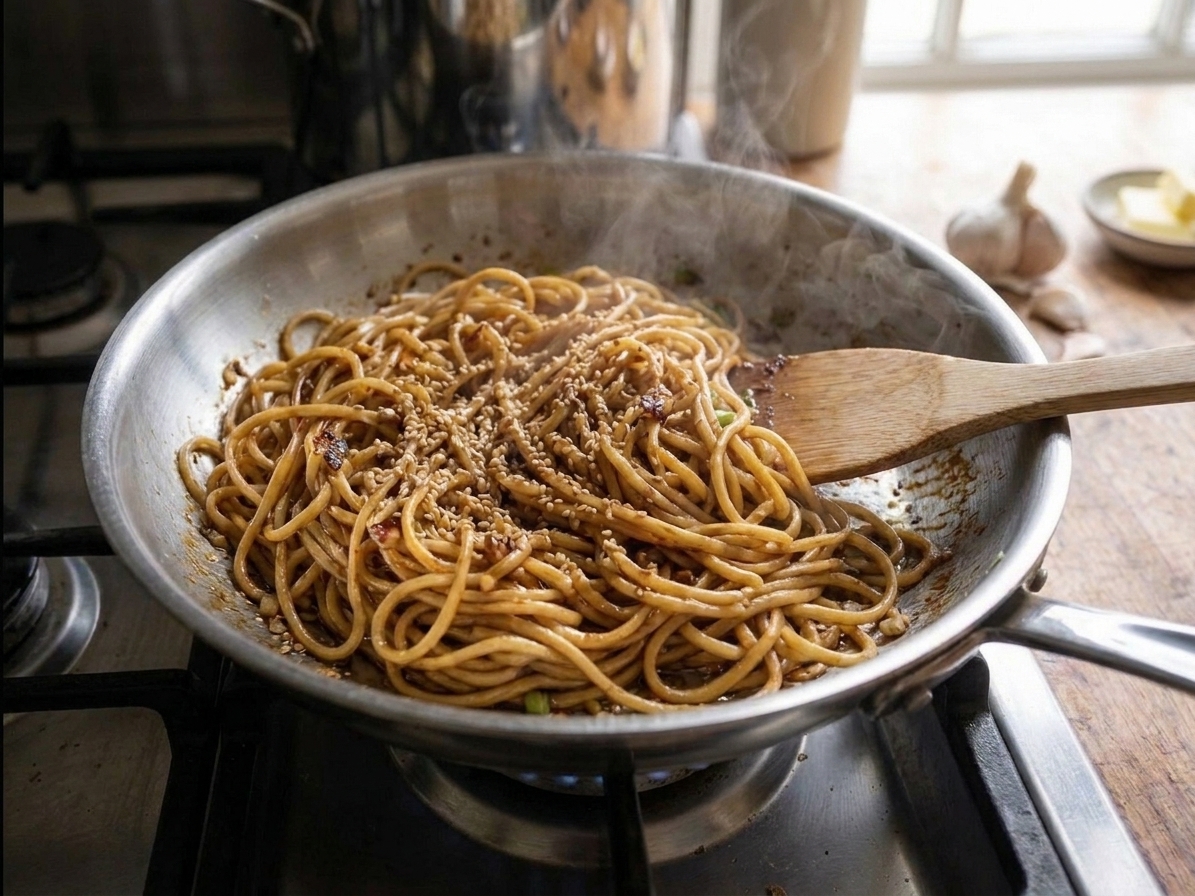
I did not go the culinary degree route, but I did chase the same thing: that moment when a kitchen clicks and everyone eats like they have been waiting all day. Hibachi noodles are one of my go-to “team dinner” moves because they scale up easily, they forgive substitutions, and they make the whole house smell like garlic butter in the best way. Also, if you toss the noodles a little too aggressively and one flips onto the stove, congratulations. You have officially captured the hibachi spirit.