Mom's Best Recipes
Recipe

Chajangmyeon

Chewy noodles tossed in a glossy Korean black bean sauce with pork and crisp vegetables.

Author By Matt Campbell
4.8
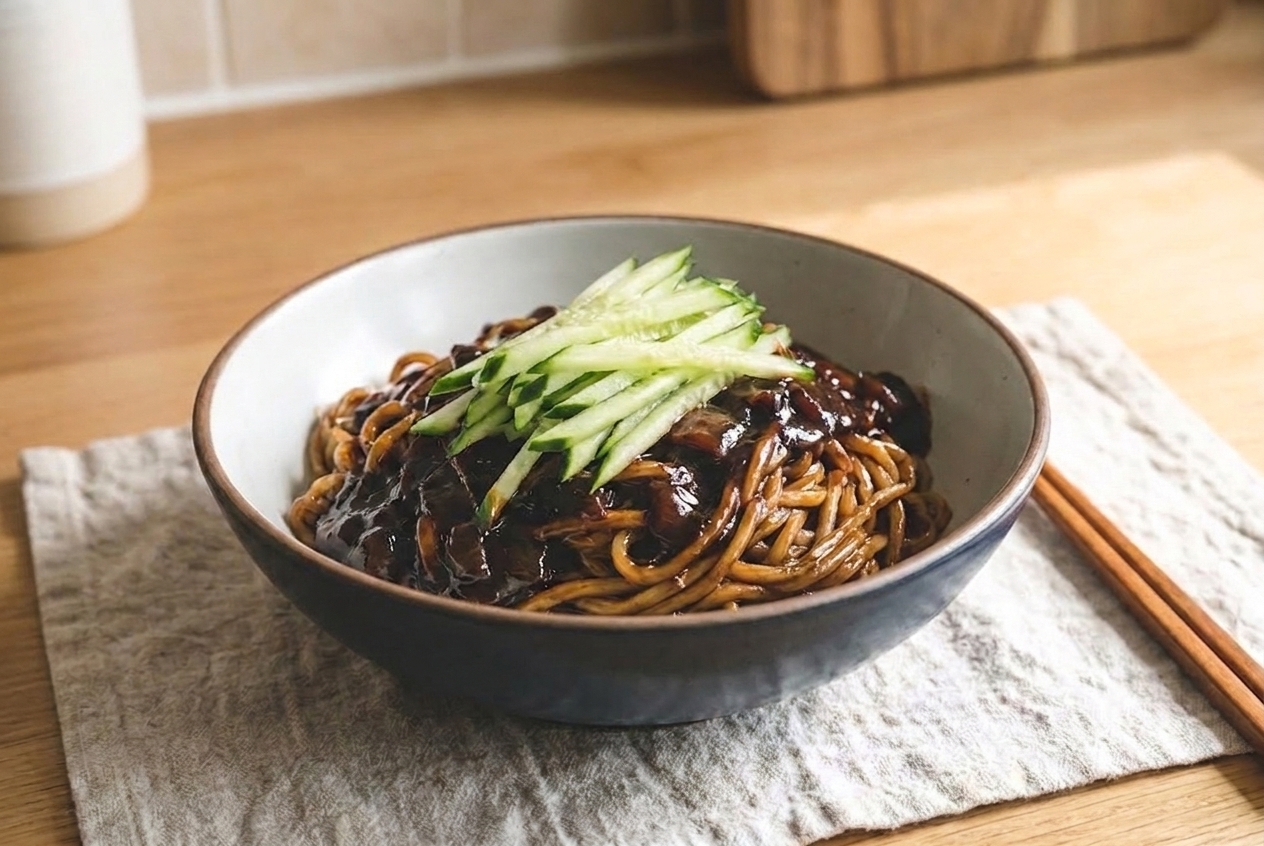
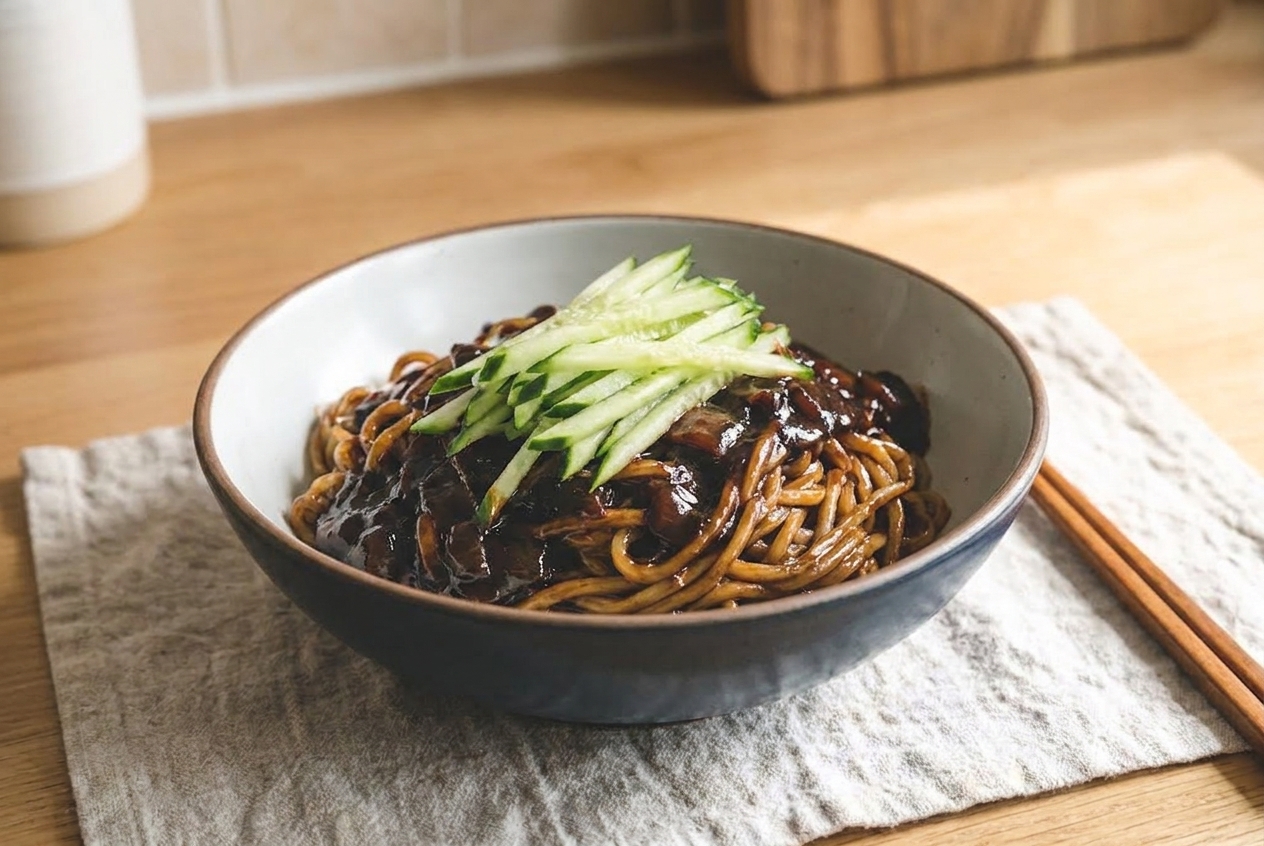
A deep bowl of chajangmyeon with glossy black bean sauce coating chewy noodles, topped with sliced cucumber on a wooden table in warm natural light

Chajangmyeon (also spelled jajangmyeon) is one of those dishes that feels like a hug, but make it inky, glossy, and wildly satisfying. Think chewy noodles buried under a thick black bean sauce that is savory, a little sweet, and full of that slow-cooked onion flavor. It looks dramatic, but the process is very weeknight-doable once you know the rhythm.

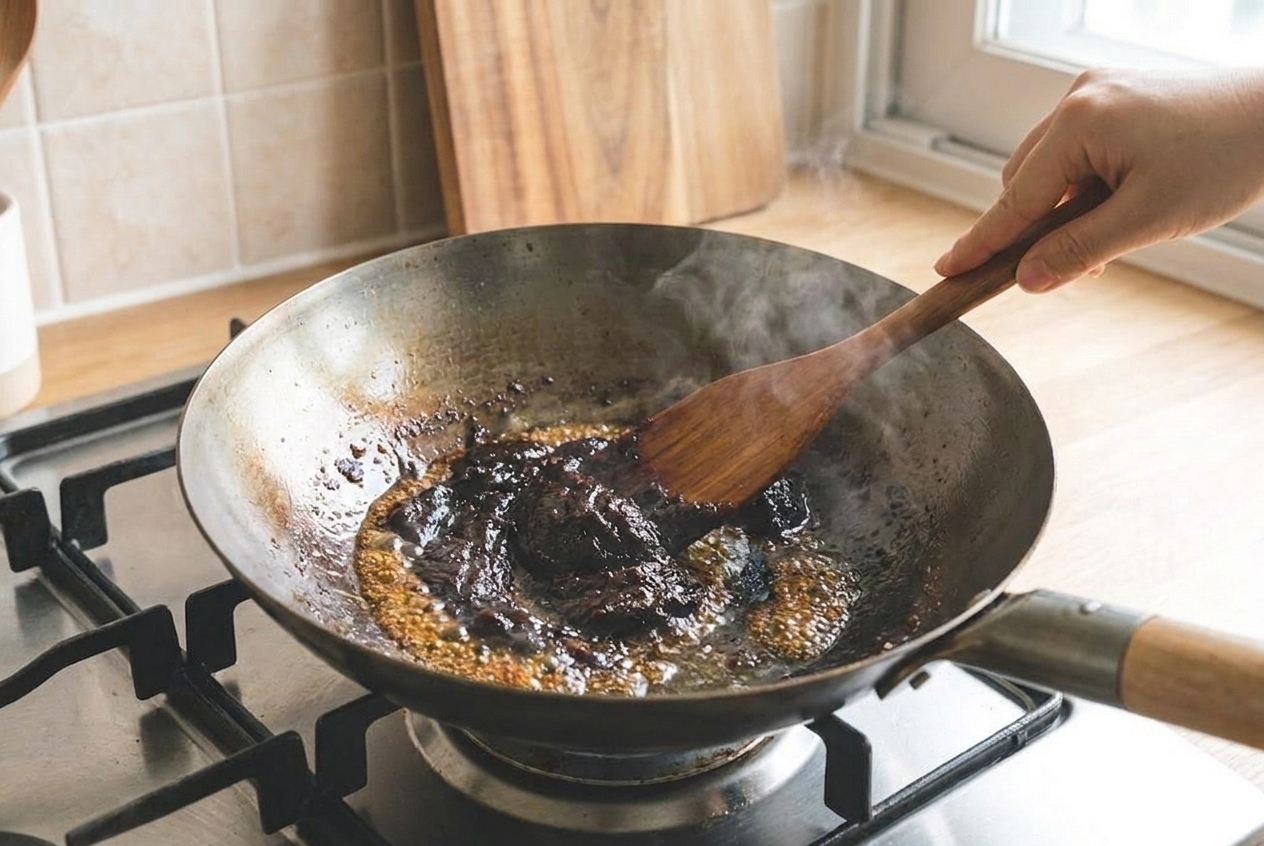
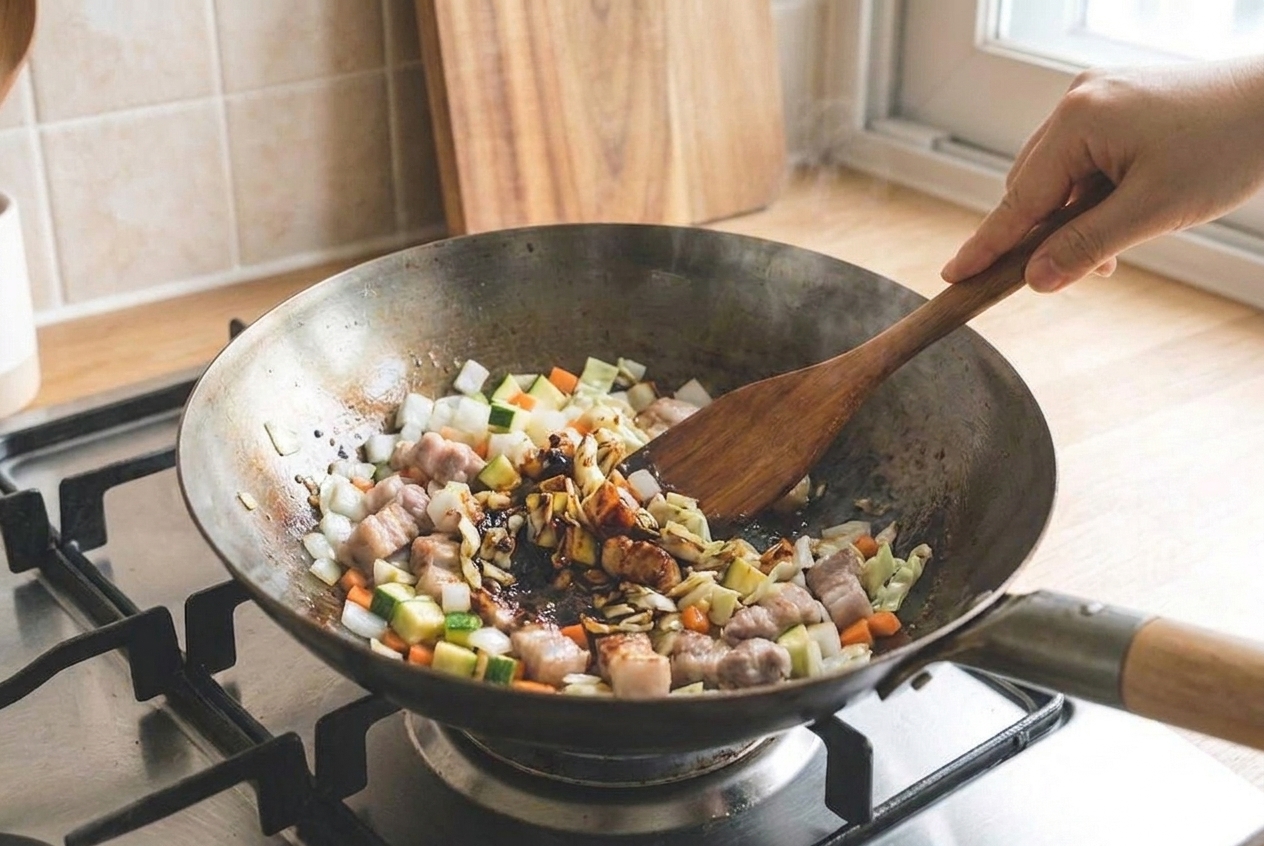
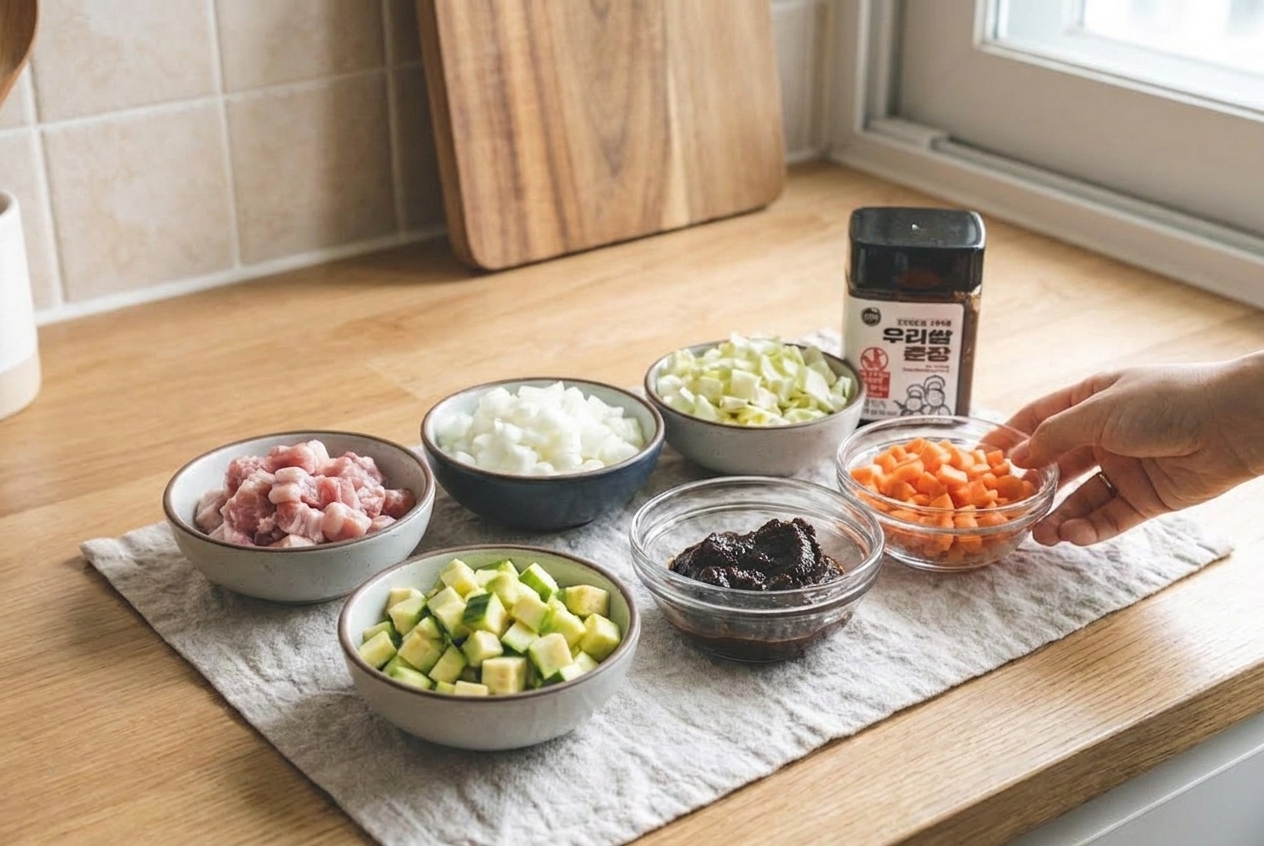
The key is chunjang, the dark paste that gives the sauce its signature flavor. We toast it quickly in oil to mellow any harsh edge, then build a sauce with pork, onions, and vegetables, and finally thicken it until it clings to the noodles. If you can stir a pan and boil noodles, you can make this.

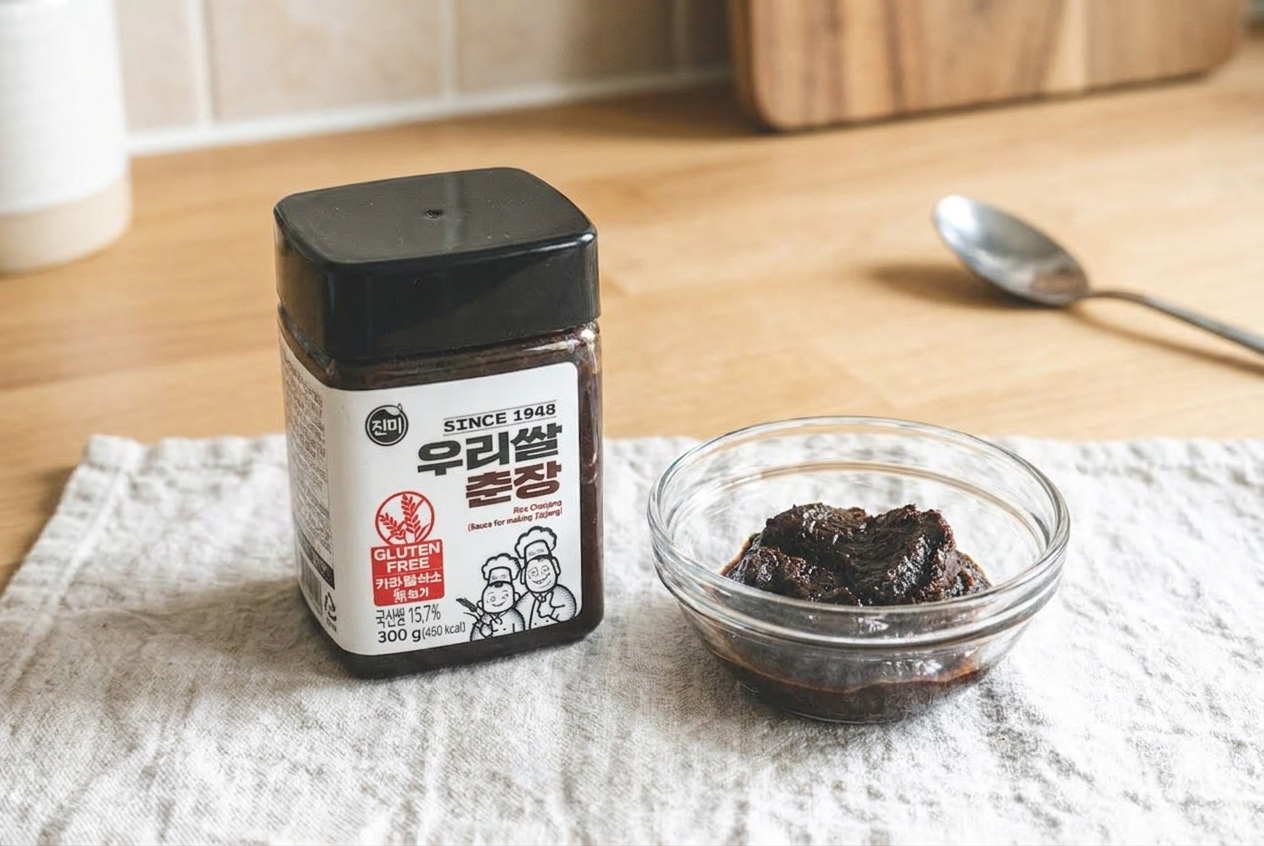
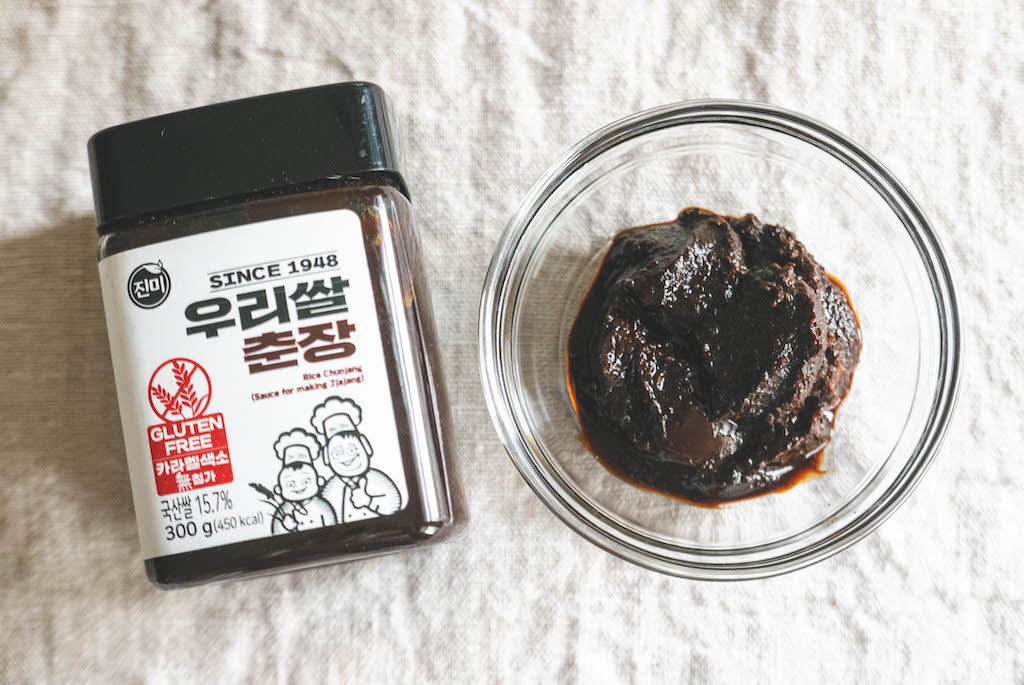
A jar of Korean chunjang black bean paste sitting on a kitchen counter next to a small bowl of the paste

Why It Works

  • Deep, balanced flavor: toasting the chunjang in oil mellows bitterness and makes the sauce taste restaurant-level.
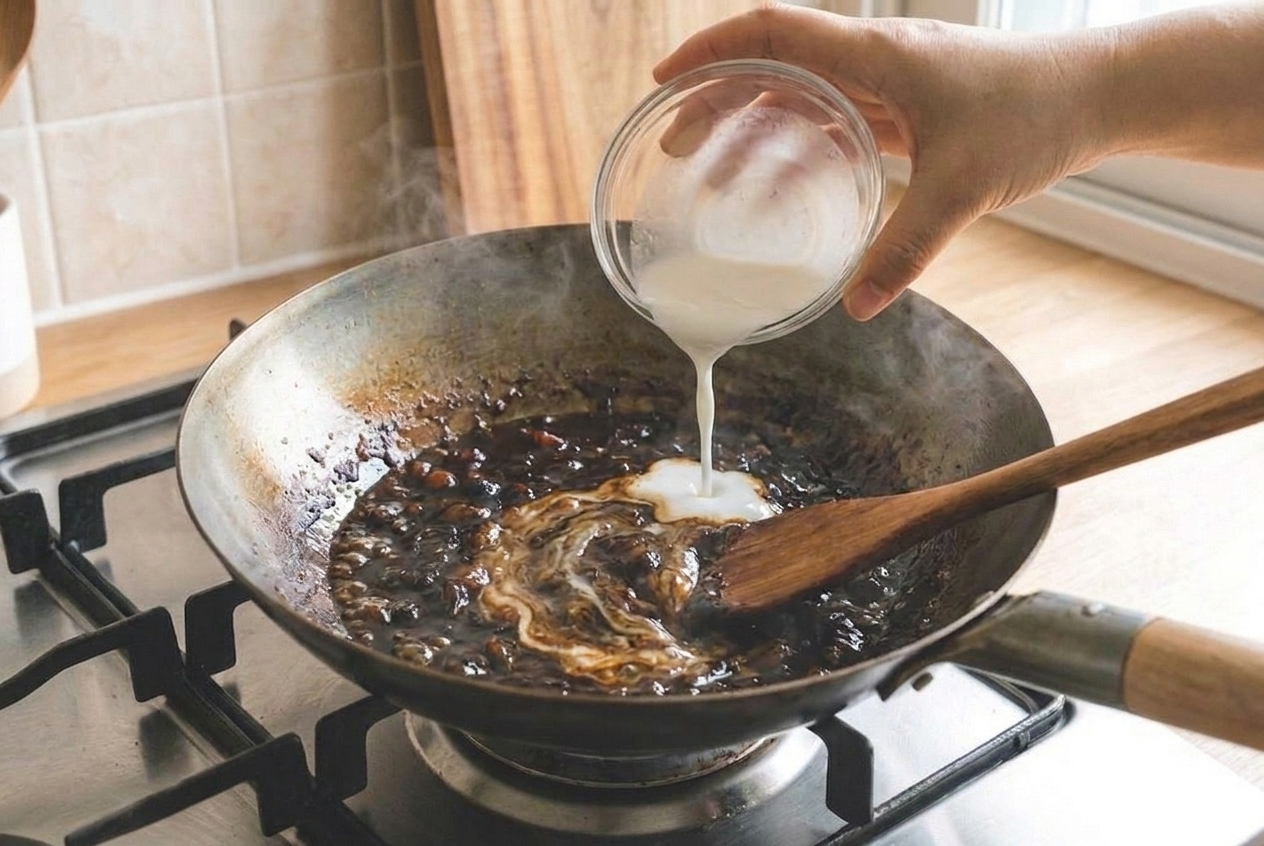
  • Glossy, clingy sauce: a simple cornstarch slurry gives you that classic, spoon-coating thickness.
  • Flexible ingredients: use pork, chicken, shrimp, tofu, or extra mushrooms, and swap vegetables based on what is in the fridge.
  • Make-ahead friendly: the sauce gets even better after a night in the fridge.

Pairs Well With

Storage Tips

Store sauce and noodles separately if you can. The sauce stays thick and the noodles stay springy.

  • Fridge: Cool the sauce, then refrigerate in an airtight container for up to 4 days. Cooked noodles keep best for 1 to 2 days.
  • Freezer: Freeze the sauce for up to 2 months. Thaw overnight in the fridge.
  • Reheat: Warm sauce in a saucepan over medium-low, adding a splash of water or broth to loosen. If it gets too loose, simmer 1 to 2 minutes to tighten back up. For noodles, a quick dunk in boiling water for 10 to 20 seconds brings them back to life.
A glass meal prep container filled with leftover black bean sauce cooling on a kitchen counter with a lid nearby

Common Questions

Is chajangmyeon the same as jajangmyeon?

Yes. Chajangmyeon and jajangmyeon are the same dish, just different romanizations. You might also see jjajangmyeon. Same chewy noodles, same glossy black bean sauce, same deep comfort.

What is chunjang and where do I find it?

Chunjang is the dark paste used for jajang-style sauces. Home cooks often call it Korean black bean paste, but technically it is a fermented wheat and soybean paste (inspired by Chinese-style bean sauces) that is colored and aged to get that signature deep flavor. Look for it in the Korean aisle or at an Asian market, usually in a tub or jar. It is salty and intense, and it tastes best after a quick fry in oil.

Is chajangmyeon the same as Chinese zhajiangmian?

They are cousins, not twins. Korean chajangmyeon typically uses chunjang and leans a little sweeter with lots of onion. Chinese zhajiangmian often uses different bean pastes and has a different aroma profile. Both are excellent noodle situations.

Can I make it vegetarian?

Yes. Skip the meat and use chopped mushrooms (shiitake or cremini) plus extra zucchini or cabbage. Use vegetable broth or water instead of chicken stock.

My sauce tastes bitter. What happened?

Bitterness usually comes from either (1) chunjang that was not fried long enough to mellow, or (2) chunjang that got scorched.

If it is bitter right now: add a splash of broth or water and simmer 2 to 3 minutes, then add sugar 1 teaspoon at a time until it tastes balanced. A little extra onion time can also help, so let it simmer a few minutes longer if you can.

If it tastes burnt: that is different than bitter. Unfortunately, you cannot un-burn it. Start over with fresh paste and keep the heat at medium, stirring constantly.

Next time: fry the chunjang briefly in oil until smooth and fragrant, about 60 to 90 seconds, then move on.

What noodles should I buy?

Look for jajangmyeon noodles (fresh or dried wheat noodles). If you cannot find them, thick wheat noodles like udon can work in a pinch, but the classic bite is slightly firmer and springy.

Is this spicy?

Not by default. If you want heat, add a pinch of gochugaru (Korean chili flakes) while the sauce simmers, or stir a little gochujang into the finished sauce to taste.

The first time I made chajangmyeon at home, I was convinced it would be an all-day, restaurant-only kind of project. Then I realized the magic is mostly just smart timing. Fry the paste, let the onions get translucent and sweet, thicken the sauce, and suddenly you are standing over the bowl like, wait, I did that. It is the kind of dinner that makes a regular Tuesday feel like you ordered takeout, except your kitchen smells better and you get to taste-test the sauce as much as you want.